How to create aesthetic images that fit your branding and style

FIVE TALENTED PHOTOGRAPHERS SHARE THEIR INSIGHTS INTO CREATING AESTHETIC PHOTOS WITH A WELL-BALANCED COMPOSITION, ADDING THEIR SIGNATURE STYLE

1) Understand the golden ratio and the rule of thirds:

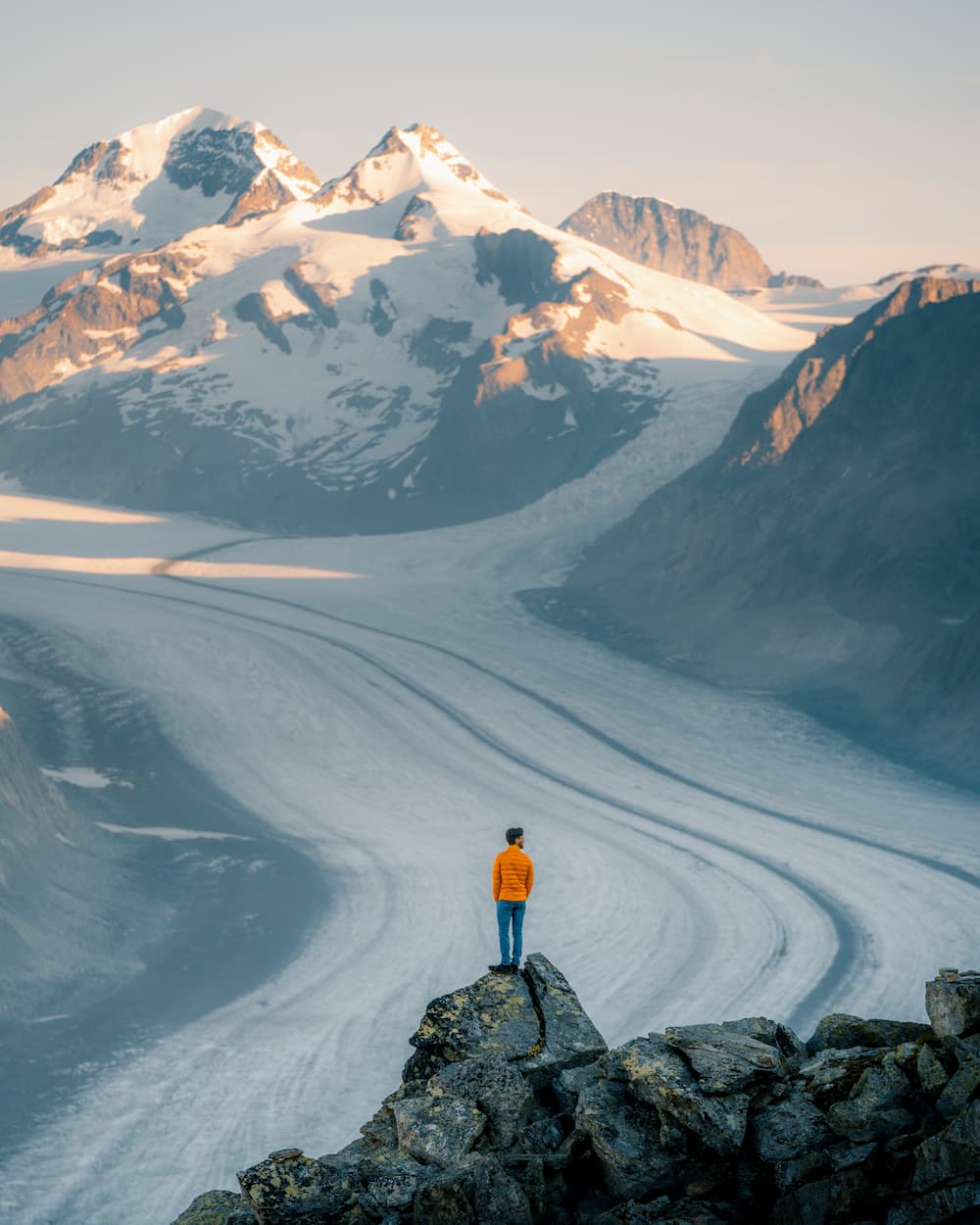
@long.explorer: A good composition is what makes photos look dynamic and aesthetic. Therefore, The golden ratio and the rule of thirds are two interesting compositional rules to start with:

The golden ratio (1.618 to 1) is everywhere in nature and can help you lead the viewer around your image in a naturally striking and balanced way. You do not need to apply any numerical calculations to use this technique. Being aware of such a pattern, trying to find it in nature, and composing your images according to the spiral arrangement can be enough at the beginning.

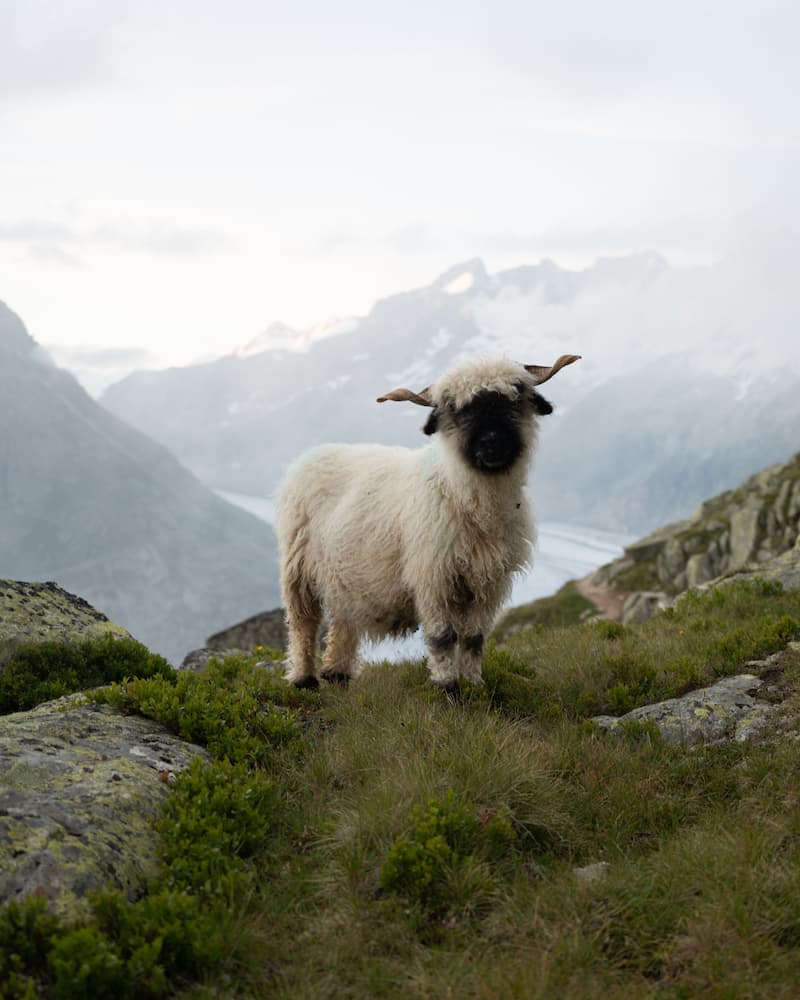
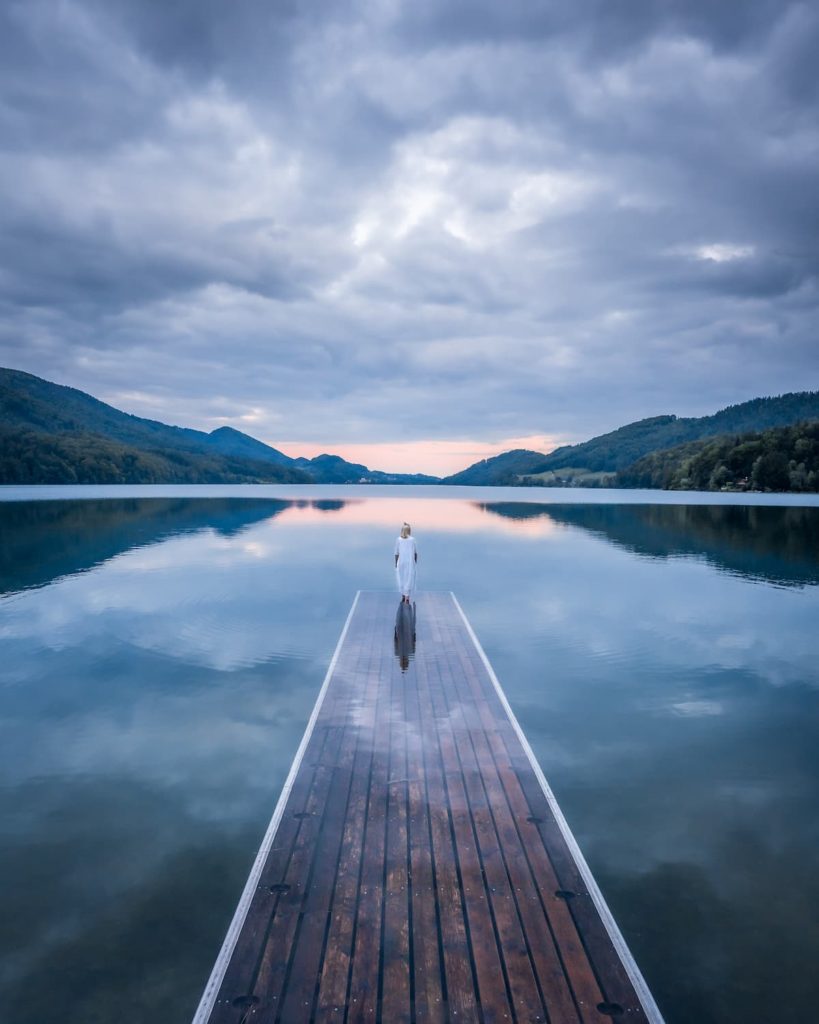
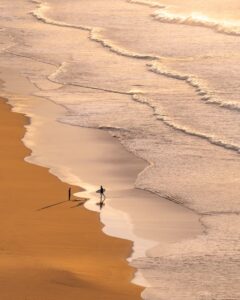
The rule of thirds is a simplification of the golden ratio. It is easy to visualize as our cameras and editing software can help us to use this rule. To apply this compositional rule, place two imaginary horizontal lines on your landscape, one at 1/3 and the second at 2/3. Then place two lines vertically, again at 1/3 and 2/3. As a result, you will get a grid that divides your scene into nine rectangular areas. To use the rule of thirds, place your subject at one of the intersecting points, such as the top left or right or bottom left or right. By doing so, the image becomes more aesthetically pleasing.

2) Learn how to create images composed of multiple shots and use leading lines to show vast perspectives at their best:

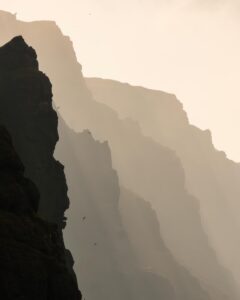
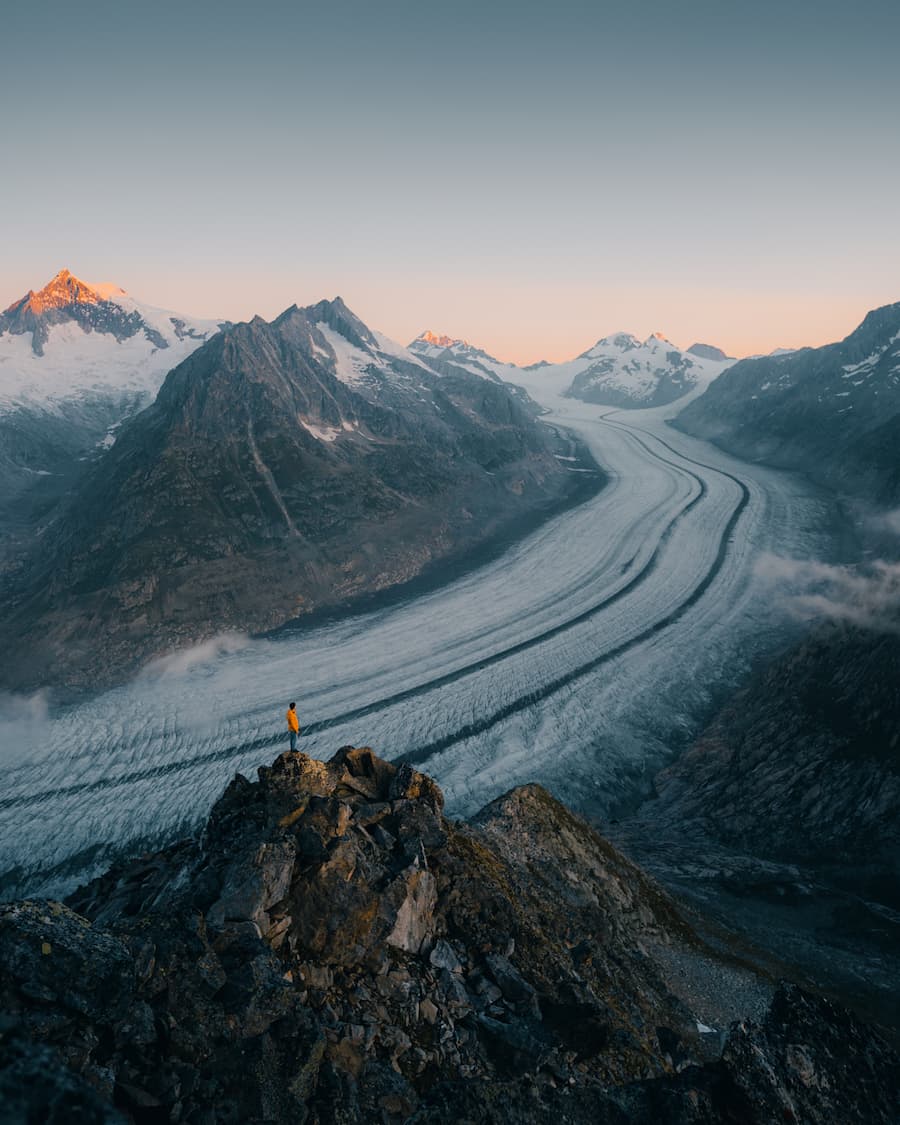
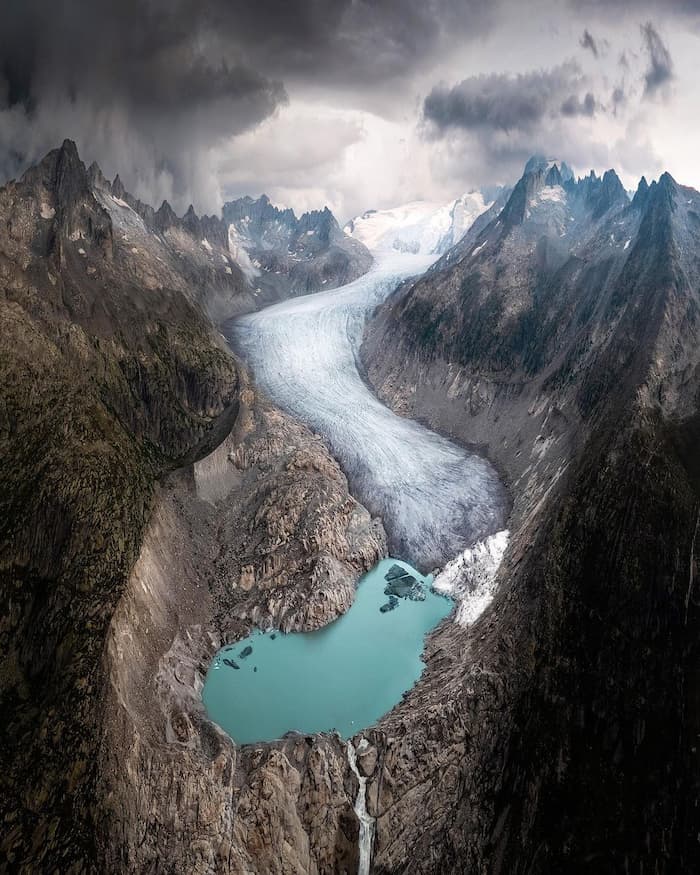
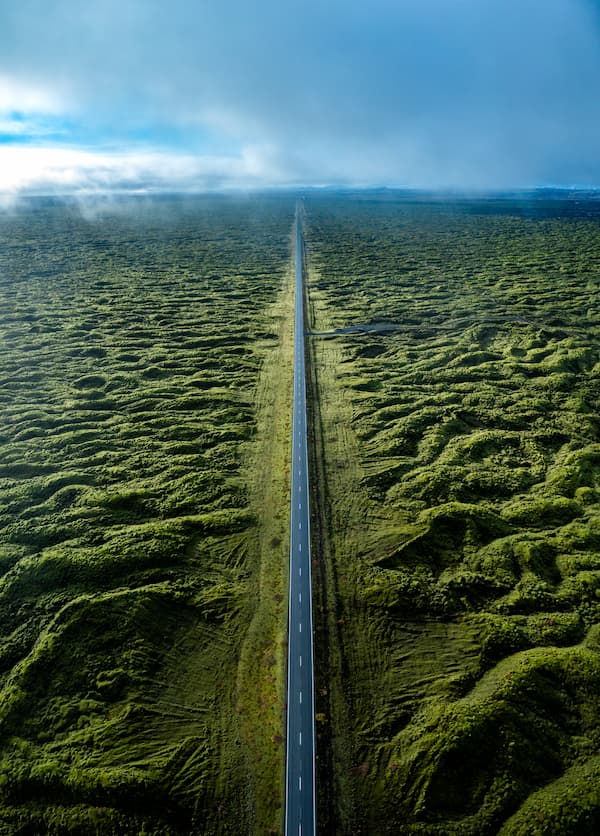
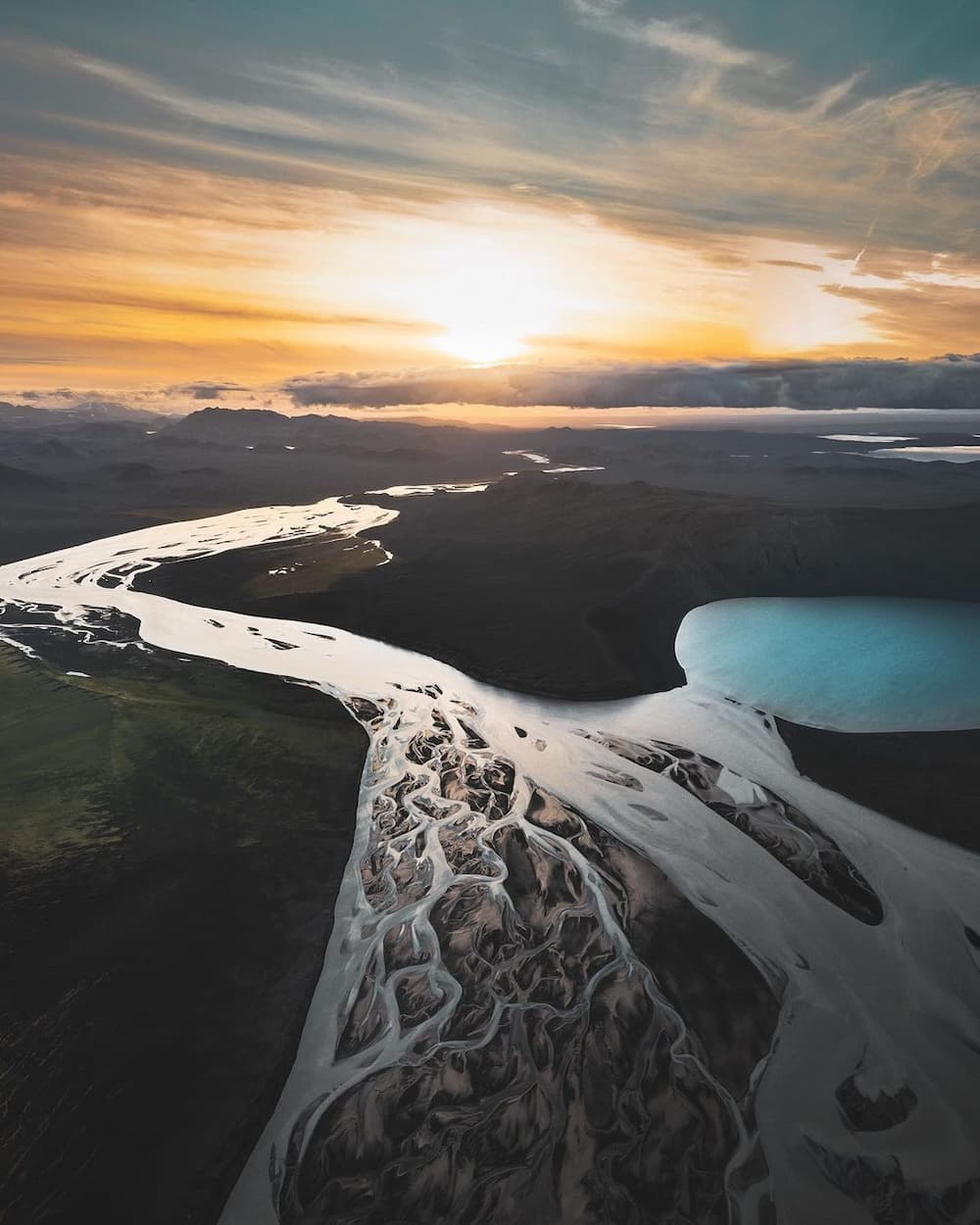
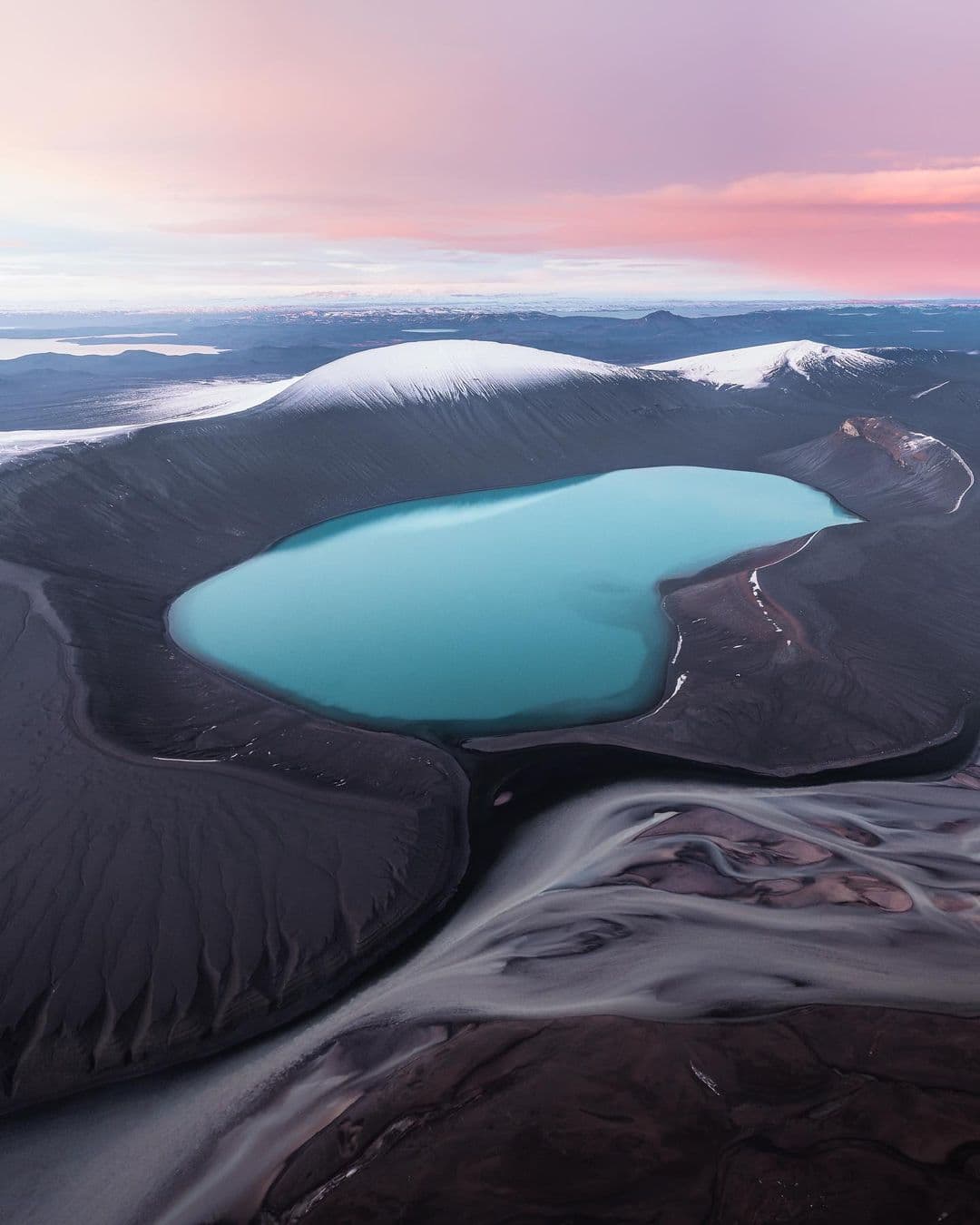
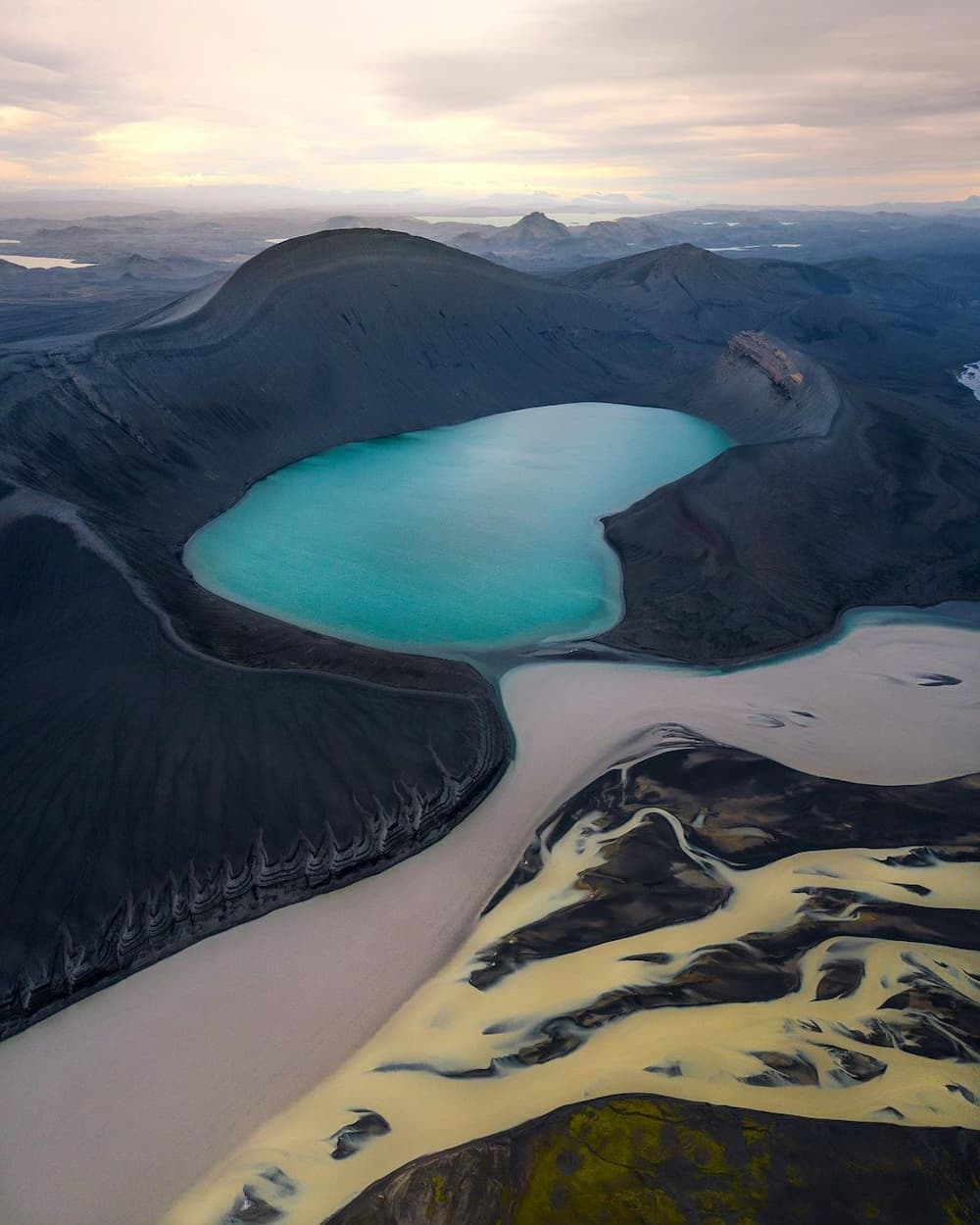
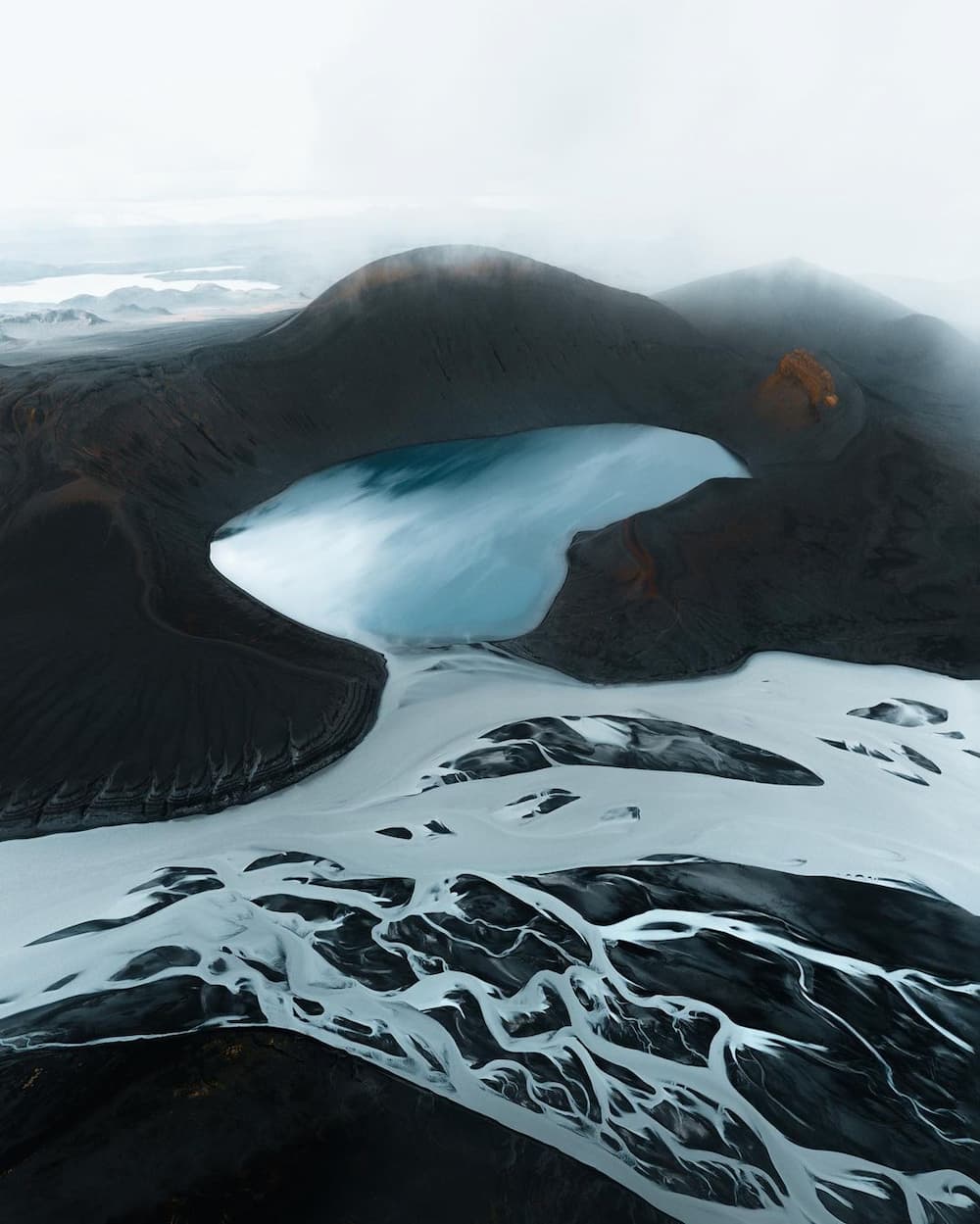
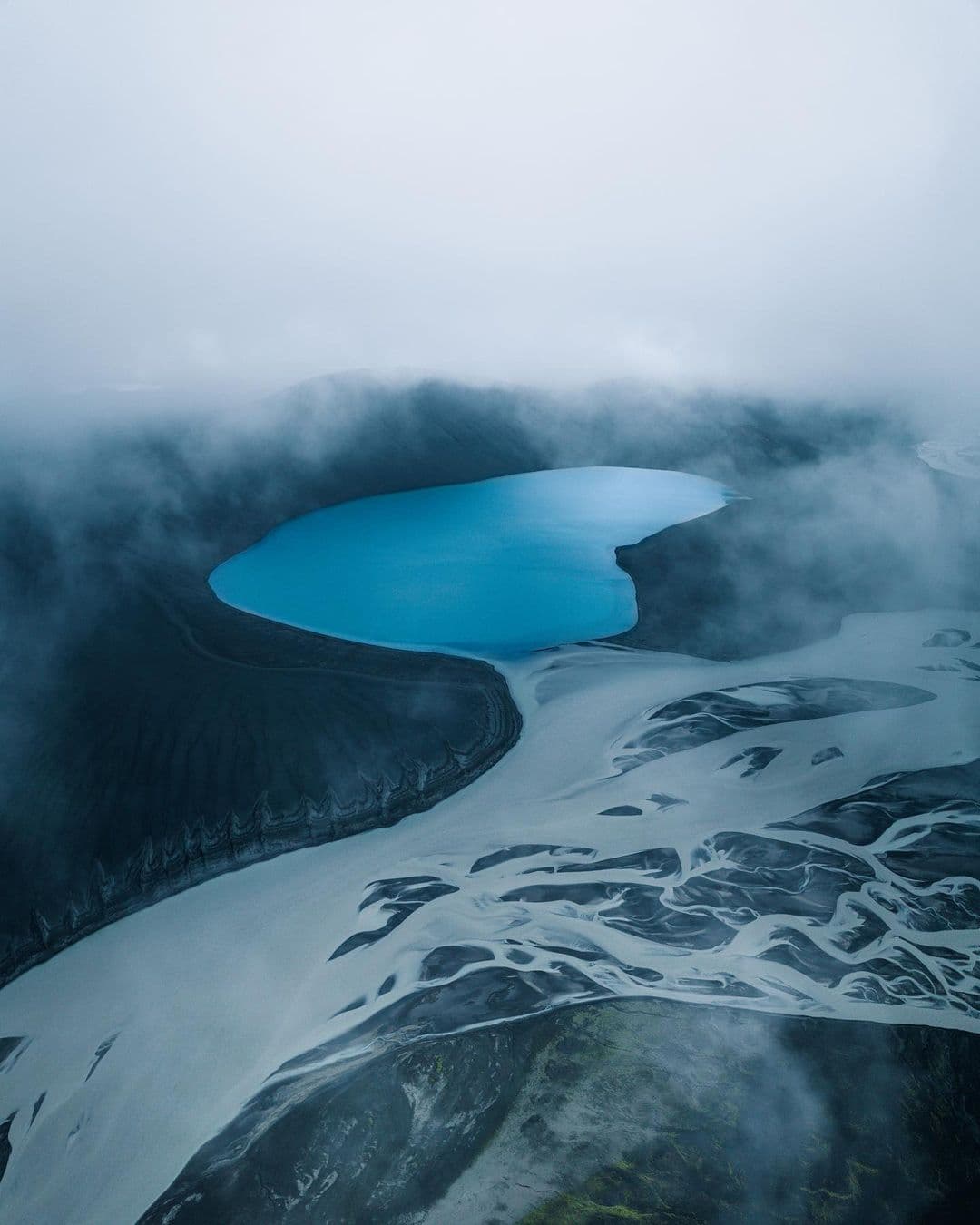
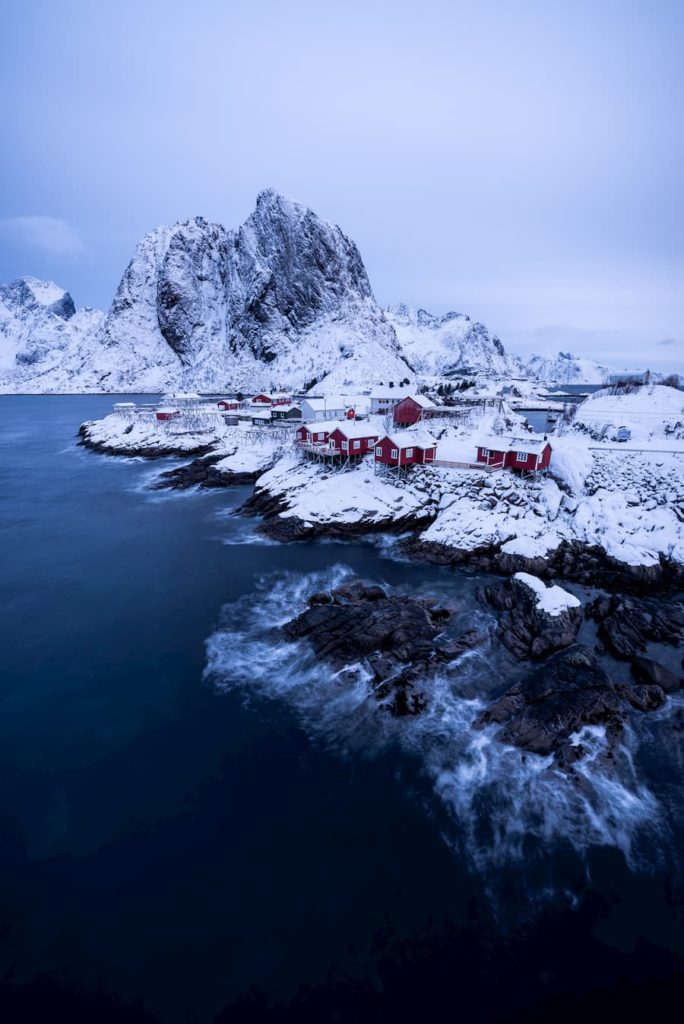
@hugohealy: “Some of my photos are composed of multiple shots. This technique is relevant to show vast perspectives. Similarly, the viewer is led through the frame and drawn along lines in images. By thinking about how, where, and why you place lines in your photos, you will change the viewer’s experience.”

3) Research your location and forecast the weather like a pro to take advantage of the best lighting:

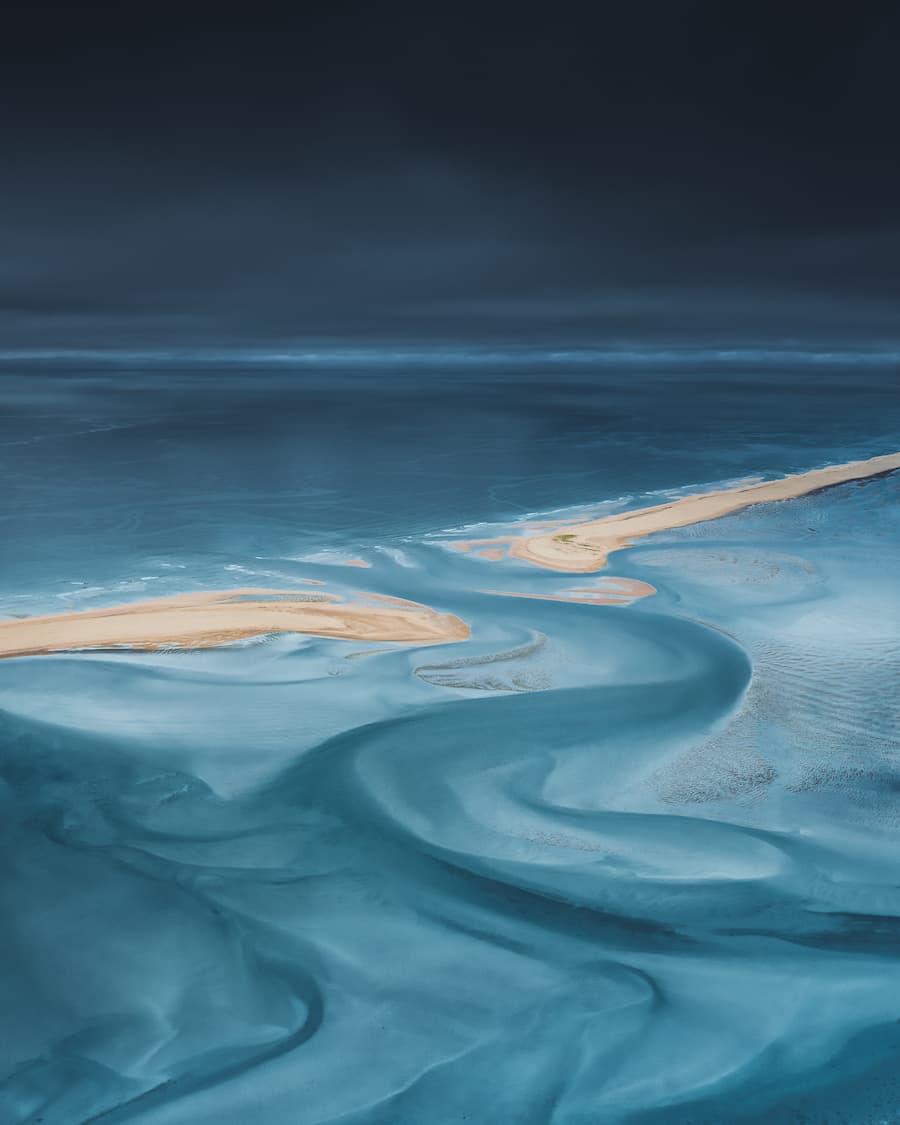
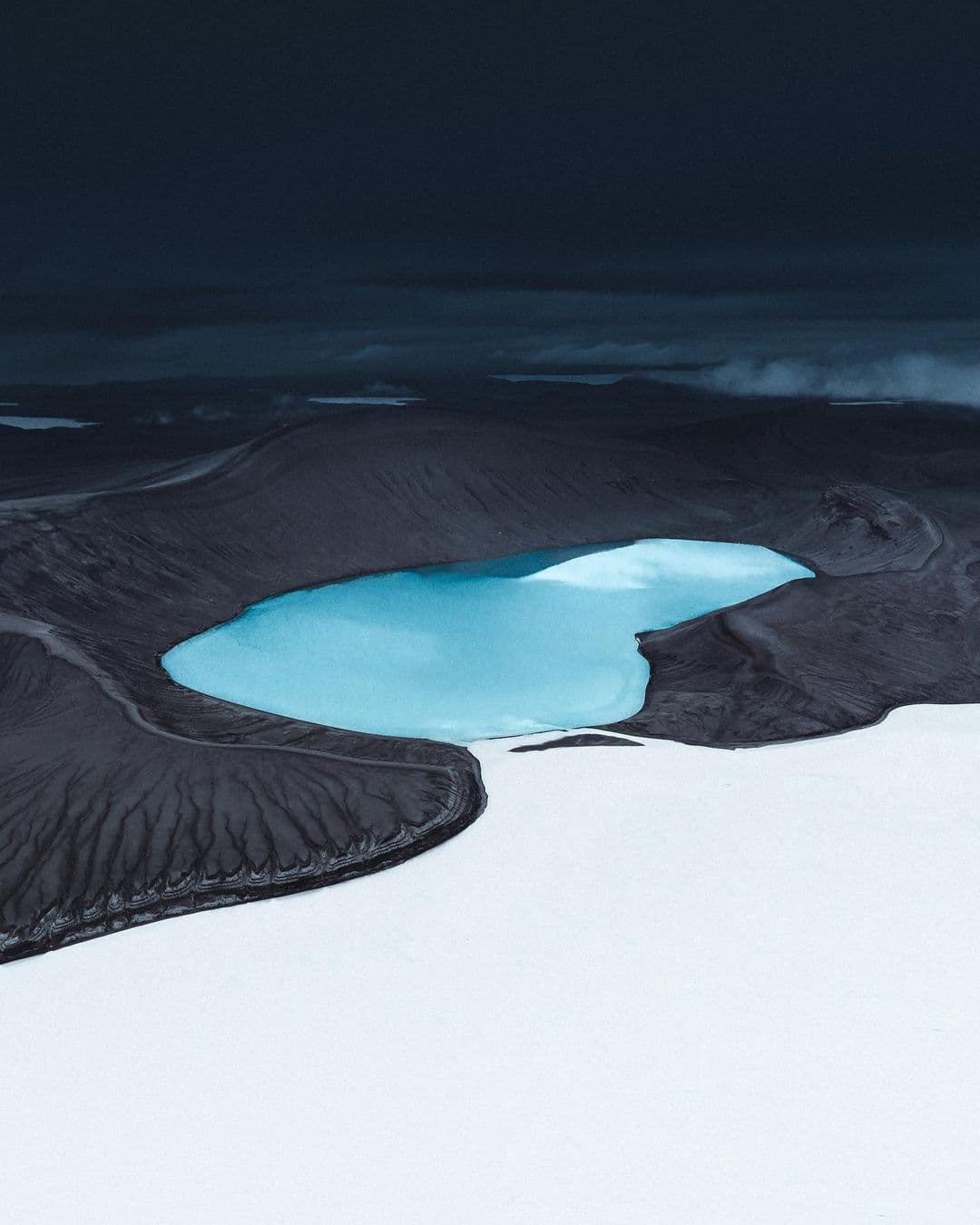
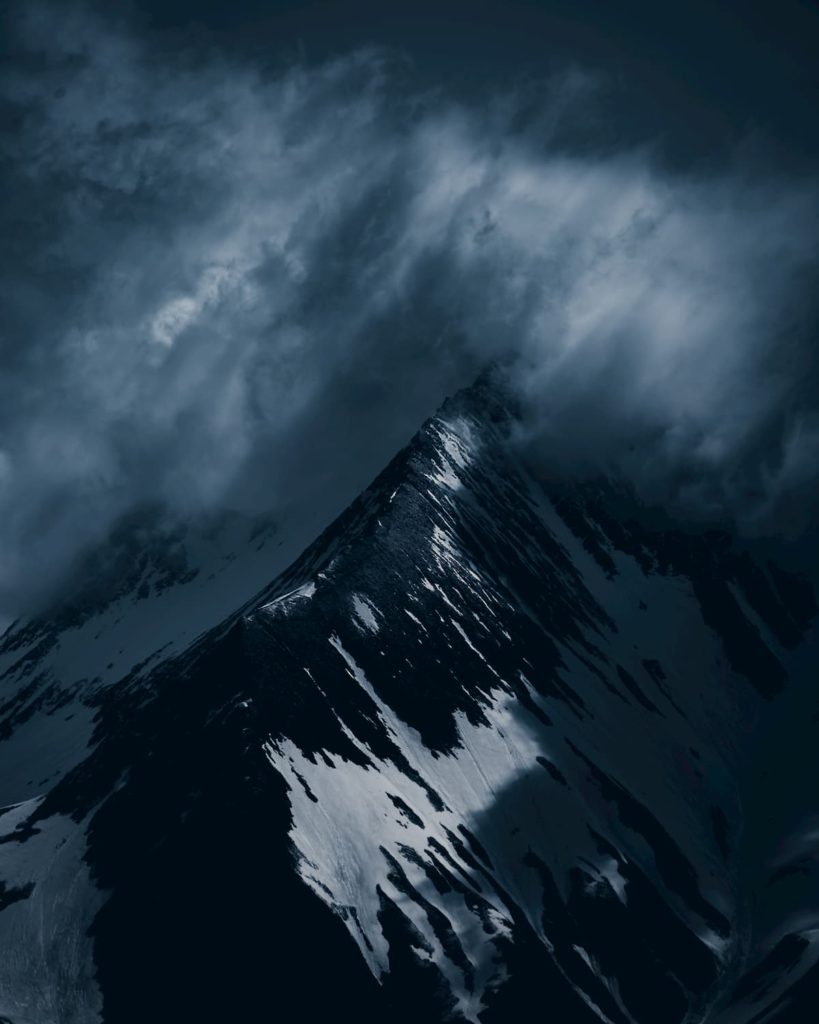
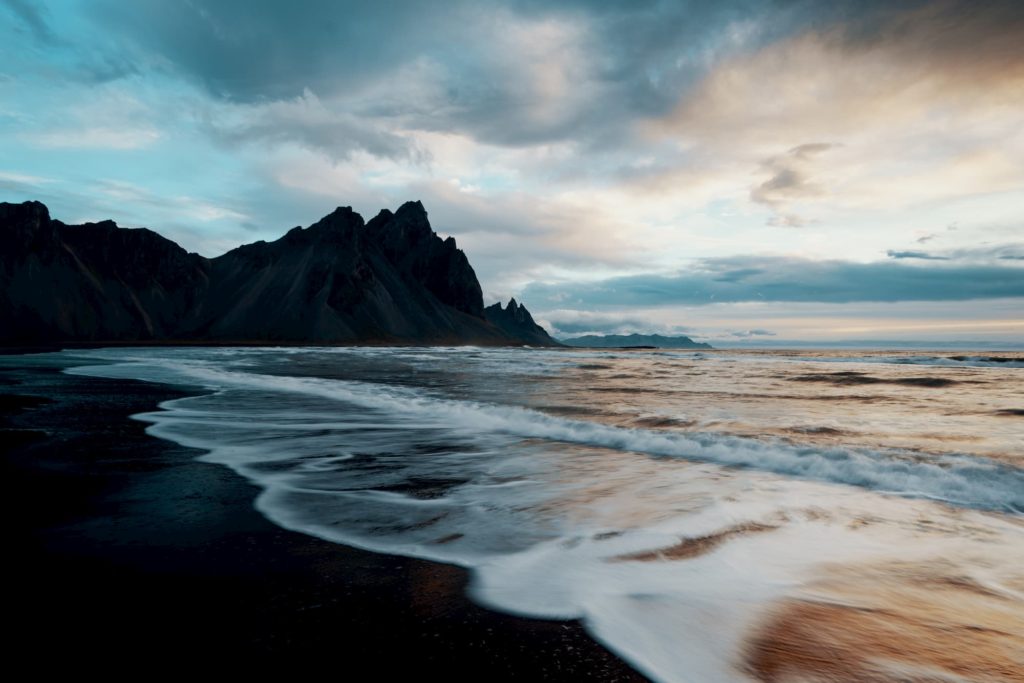
@kevinpages_: Showing the vastness of a place is not easy. In Iceland, the challenge is that the locations are often subject to bad weather conditions, strong wind, rain, snow, etc. This variability makes drone flights very difficult, nearly impossible. On the other hand, these conditions help in telling unique stories. @gaukurfromiceland: Research your destinations to be at the right spot at the right time to use the light in the best possible way. Capturing the landscape with the right amount of light, or lighting different from the rest, will help you create a unique photo.

4) Keep your edits simple for higher impact

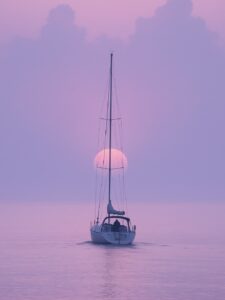
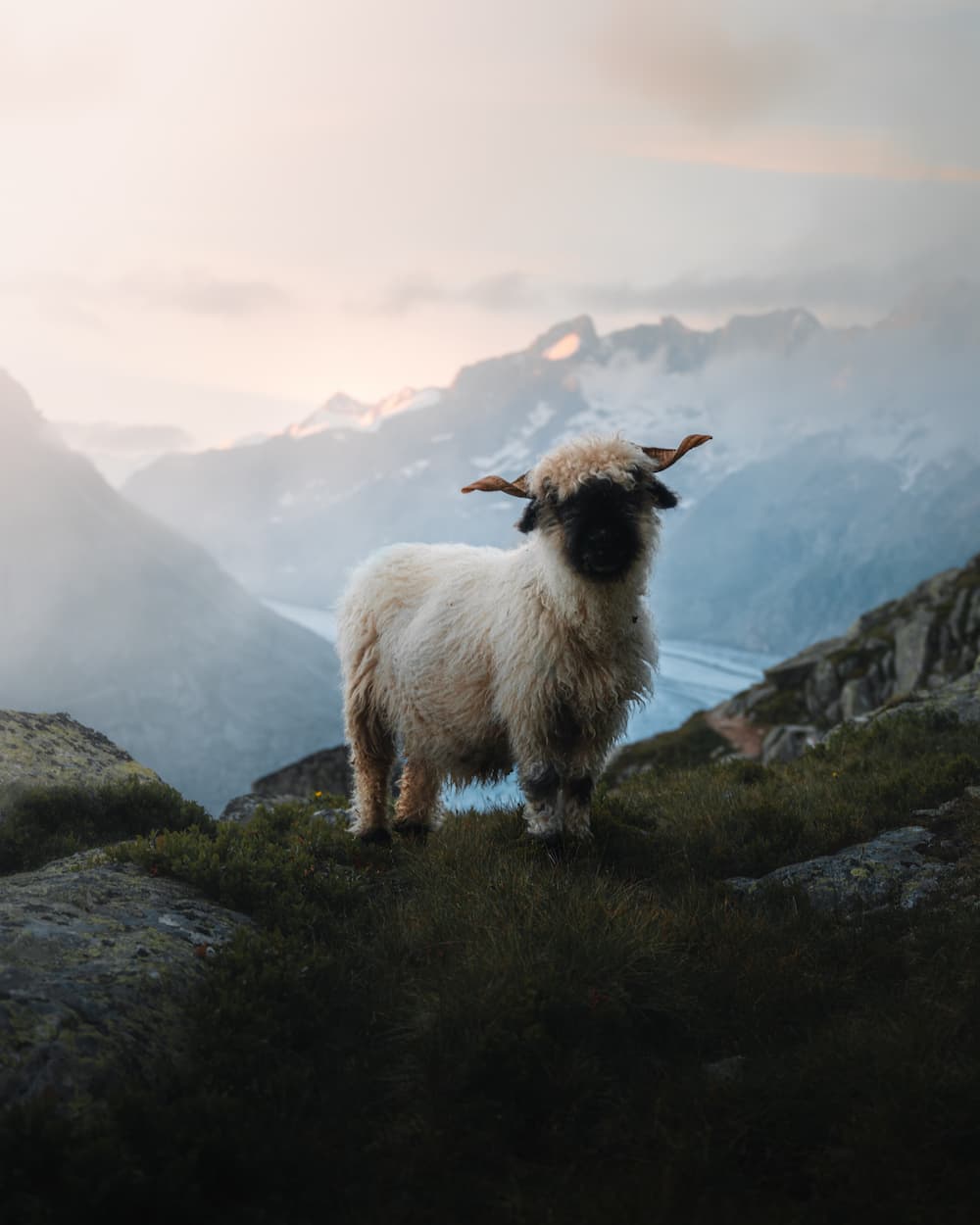
@hollow.sun: Serendipity plays a huge role in my editing process. I try to keep it simple, with few colors and a clean and minimalistic look. I use graduate filters and play with the curve tone to create harmony between the whites. I also use brushes to accentuate elements in the frame so I can guide the viewer to the main subject in the photo.

5) Understand the color theory and create a well-defined color scheme:

@long.explorer: Correcting the exposure and white balance of the image is the first thing I do. To adjust the light of the image, I then use curves and sliders.

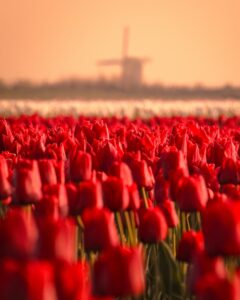
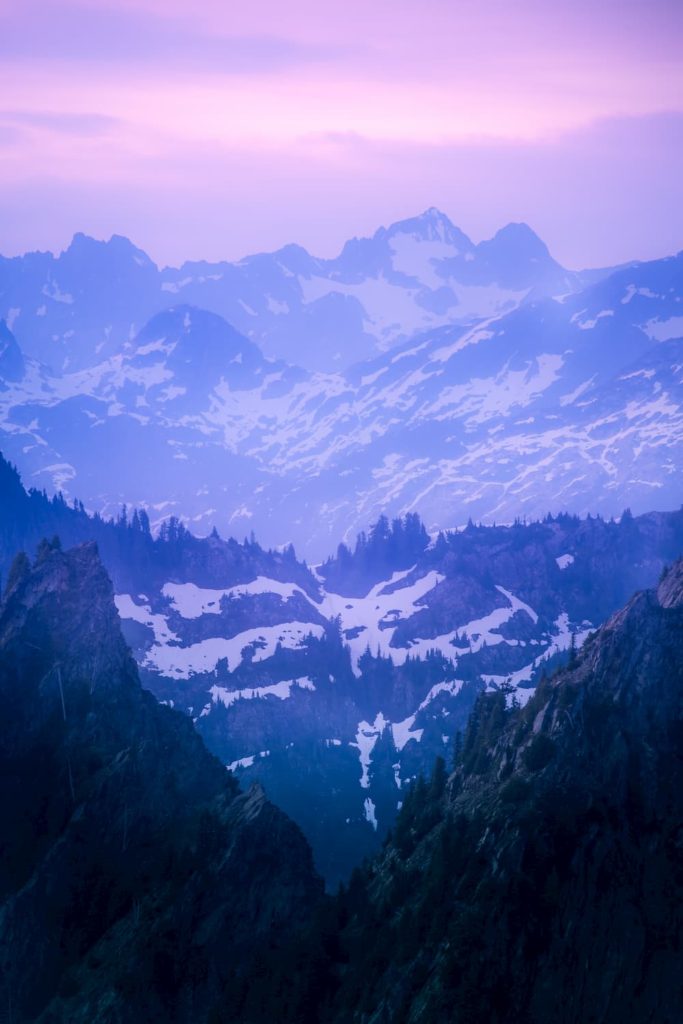
During post-production, I always try to get similar colors and light. The grass should have roughly the same green or orange tones, and the sunlight should have the same orange colors in every photo. Also, I try to get the same brightness and fade on every image. I also add split toning to the highlights and the shadows. I try to apply the same colors for both.

After that, I try to edit the colors until I am happy with the overall style. Last, I add local adjustments to highlight the subject, darken the foreground, and remove unwanted objects. I always try to have a defined color scheme with two or three colors in my photos. That helps to get a consistent and recognizable style.

Would you like content like this sent to your inbox?

NOMADICT

ART GALLERY
THE LATEST STORIES

WRITEN WITH PASSION TO INSPIRE YOU
Bobby Paulshock Best of the Week Winning Photo @b.pshock

Bobby Paulshock (@b.pshock): Best of the week 8 at #nomadict 2026

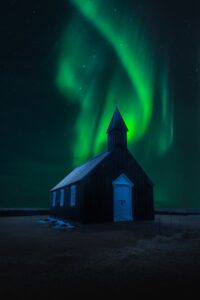
In this article, Bobby Paulshock shares how a wife, a dog, and a solo 1 AM hike in a 90-mph Icelandic storm shaped his path from iPhone snapshots to his award-winning aurora shot at Búðakirkja, plus four hard-earned lessons on gear, patience, and building a career from passion.
@withstrk_harz_01-Best of the Week

Christian Stark (@withstrk): Best of the week 4 at #nomadict 2026

Raised on film photography and shaped by years of architectural study at the Bauhaus in Dessau, Christian Stark brings a structural eye and a traveler’s instinct to everything he shoots. Now based in Sweden, he photographs the world from camper van roads across Europe to cold mountain summits in Germany — always with an open mind and often with just one camera.

Mehdi Tadlaoui, @tedmed, Nomadict Winning photo

Mehdi Tadlaoui (@tedmed): Best of the week 2 at #nomadict 2026

Mehdi Tadlaoui is a visual storyteller blending cinematic precision with a refined sense of composition and emotion. Shaped by art, film, and a background in 3D and VFX, he uses photography to explore atmosphere and narrative. This foundation guides his fieldwork, where fleeting moments become carefully composed visual stories.

Sebastian Tan - @quetzalcoatlst - winning image

Sebastian Tan (@quetzalcoatlst): Best of the Week 44 at #nomadict

Driven by a desire to witness the world in its rawest states, Sebastian Tan pursues remote landscapes with patience and precision. Blending meticulous planning with resilience, his work transforms fleeting light into immersive fine art. Recognized internationally, Sebastian bridges the wild and familiar, inviting others to see through his lens.