How to develop a personal style through atmosphere, minimalism, and color in nature photography

@julien.coquel

Photographer based in Belgium

In this article, Julien shares how to develop a personal style through atmosphere, minimalism, and color in nature photography, from what he looks for before ever raising his camera to the editing choices behind his most meaningful images.

Atmosphere, emotion, and the way elements transform a scene

Since 2020, my relationship with nature photography and filmmaking has become much more personal. Back then, I was still very drawn to searching for spectacular locations and exceptional conditions. Today, my approach is much more contemplative; I’m less interested in photographing places than in photographing experiences.

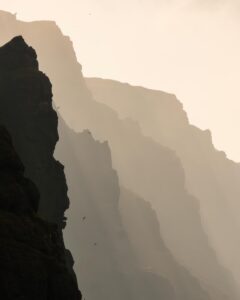
Even when I travel to places associated with grand, dramatic landscapes (volcanoes, glaciers, northern environments), I’m rarely interested in documenting the location itself. What draws me is the atmosphere, the emotion, or the way the elements transform a scene. In many of my images, the exact location becomes almost secondary.

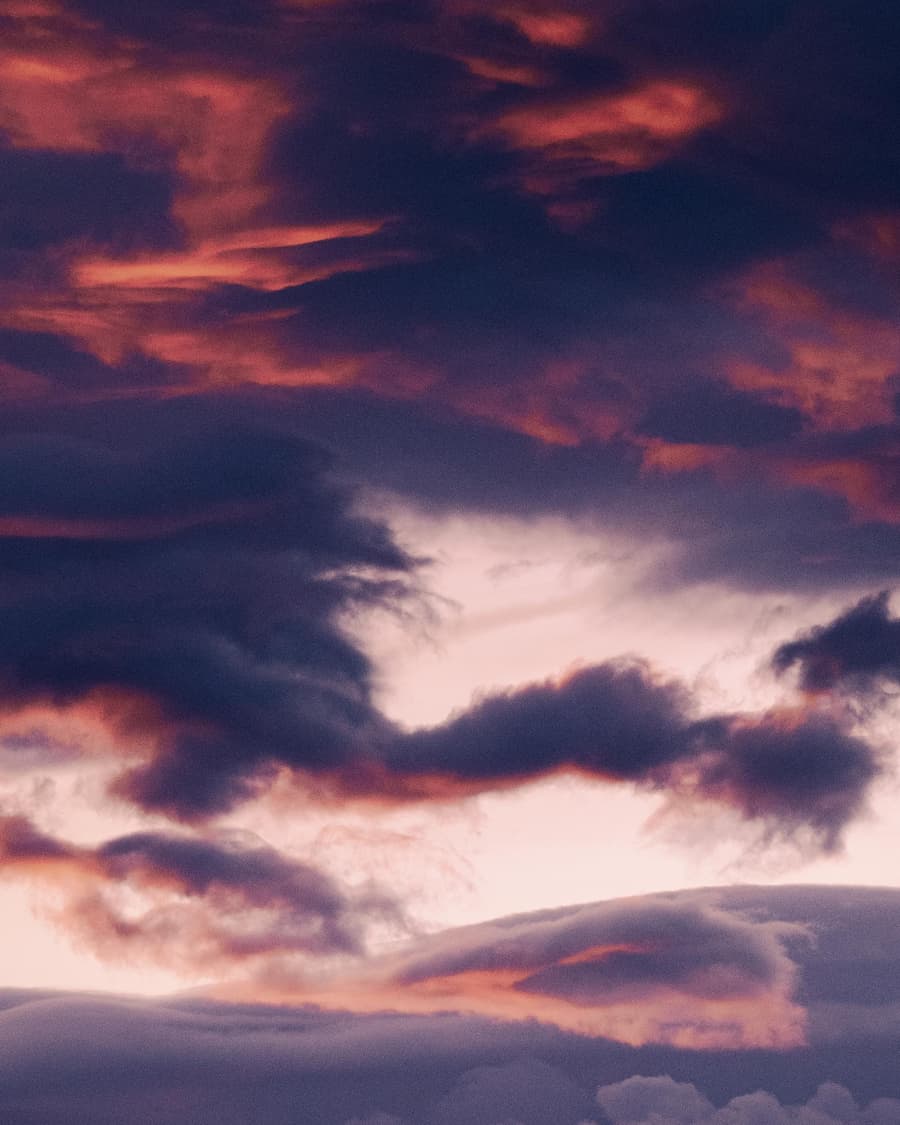
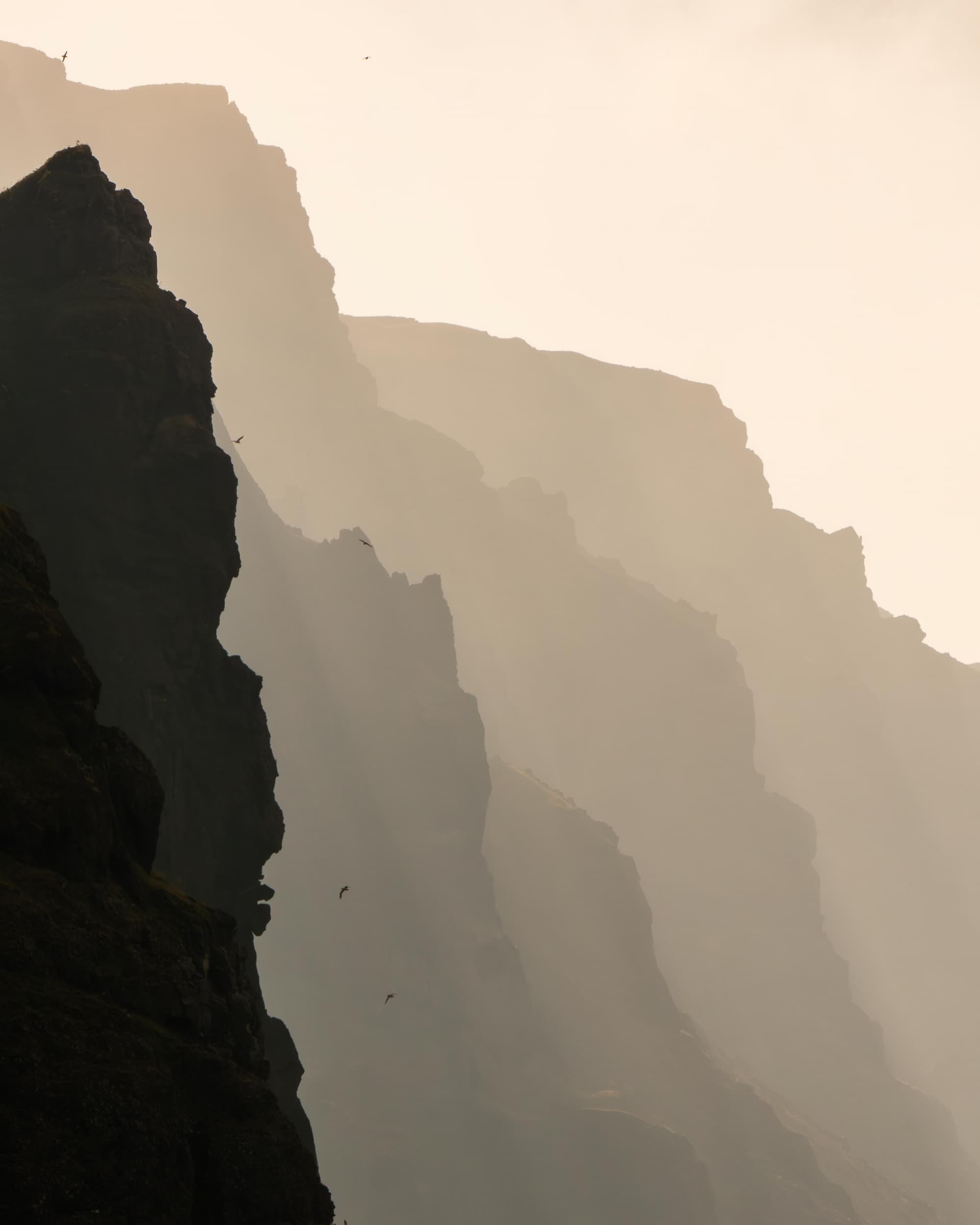
I’ve learned to slow down and focus on the atmosphere rather than the subject itself. A forest wrapped in fog, a subtle ray of light, or an isolated silhouette can now move me far more than a dramatic panoramic view. What attracts me is not necessarily a specific place. It is the way natural elements transform it; fog, rain, or a particular quality of light can completely change our perception of an environment and give it an almost emotional dimension.

Julien Coquel @julien.coquel Nomadict Article 14

I also feel a stronger sense of responsibility toward the places I photograph. The more time I spend in nature, the more aware I become of its fragility. My work is no longer just about showcasing beautiful landscapes, but about creating an emotional connection with the living world. I believe we are more likely to protect what we love and what we understand.

What follows is the thinking that shapes every image I make, from the moment I arrive at a location to the final edit. None of it will hand you my style. But it should help you build one that’s genuinely your own: images that feel true to what you actually experienced in the field, rather than what you think a landscape photo is supposed to look like:

1) What I look for before I even take out my camera

The atmosphere. Before looking for a subject, I try to experience the place. I pay attention to the quality of the light, the weather, the sounds, the movement of the wind, and the way the different elements interact. More than anything, I try to understand a place before attempting to photograph it. What living beings inhabit it? What is its energy? What makes it unique?

This period of observation is important to me because it reminds me that I am a visitor. Nature photography is often associated with finding images, but for me it begins with paying attention. Photographing nature requires curiosity, patience, and a great deal of humility.

Composition is probably the aspect I pay the most attention to, but it’s rarely something I consciously calculate. I tend to work a lot on intuition and feeling. I often spend time walking without taking any photographs, simply observing and absorbing the atmosphere of a place. With experience, lines, shapes, and visual balance become quite intuitive. I’m not necessarily looking for the perfect composition; I’m looking for the one that most faithfully reflects what I felt in that moment.

Julien Coquel @julien.coquel Nomadict Article 8
Julien Coquel @julien.coquel Nomadict Article 10

2) Why natural elements matter so much

Natural elements are at the heart of my photography because they are often what allow me to connect with a place. Fog, rain, wind, or soft light have a unique ability to slow us down and change the way we perceive our surroundings. They simplify, reveal, and transform. A familiar place can suddenly feel mysterious, intimate, or even completely new.

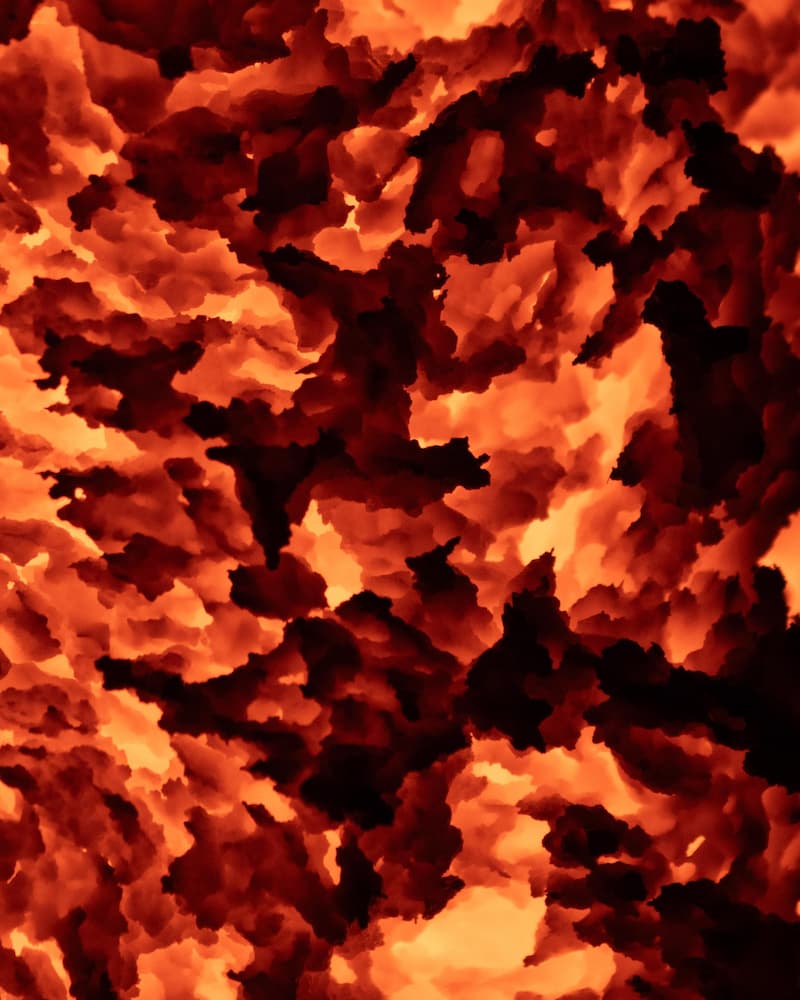
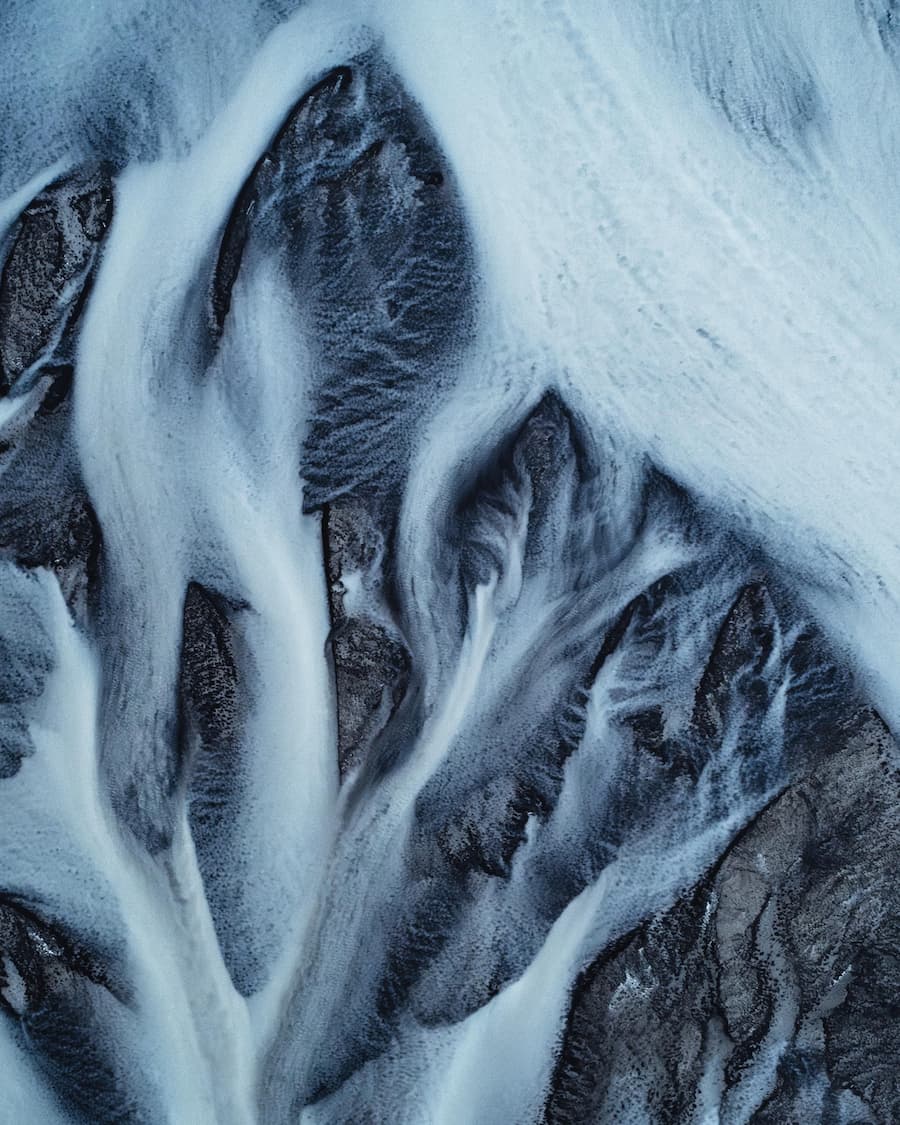
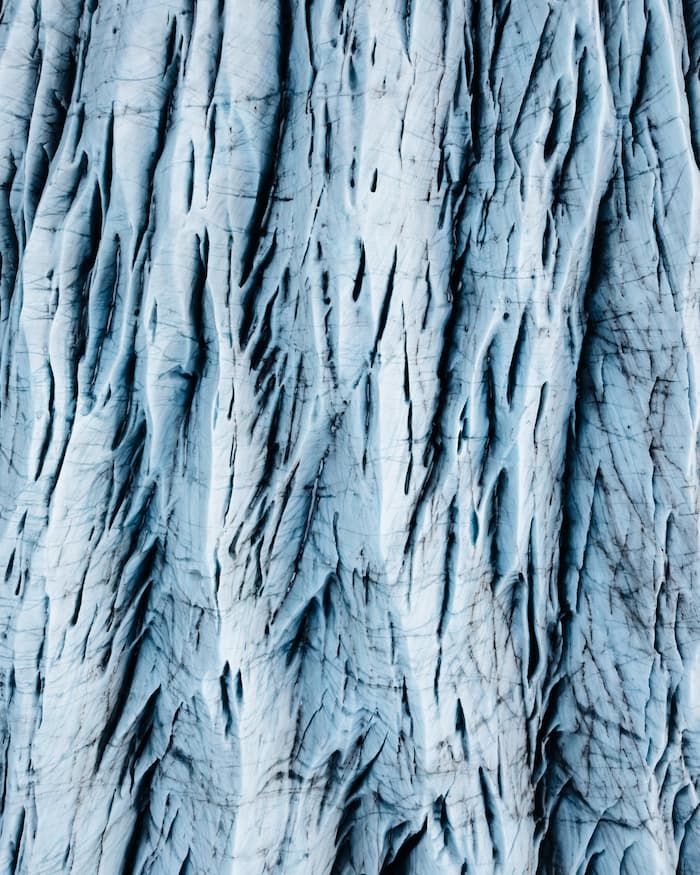
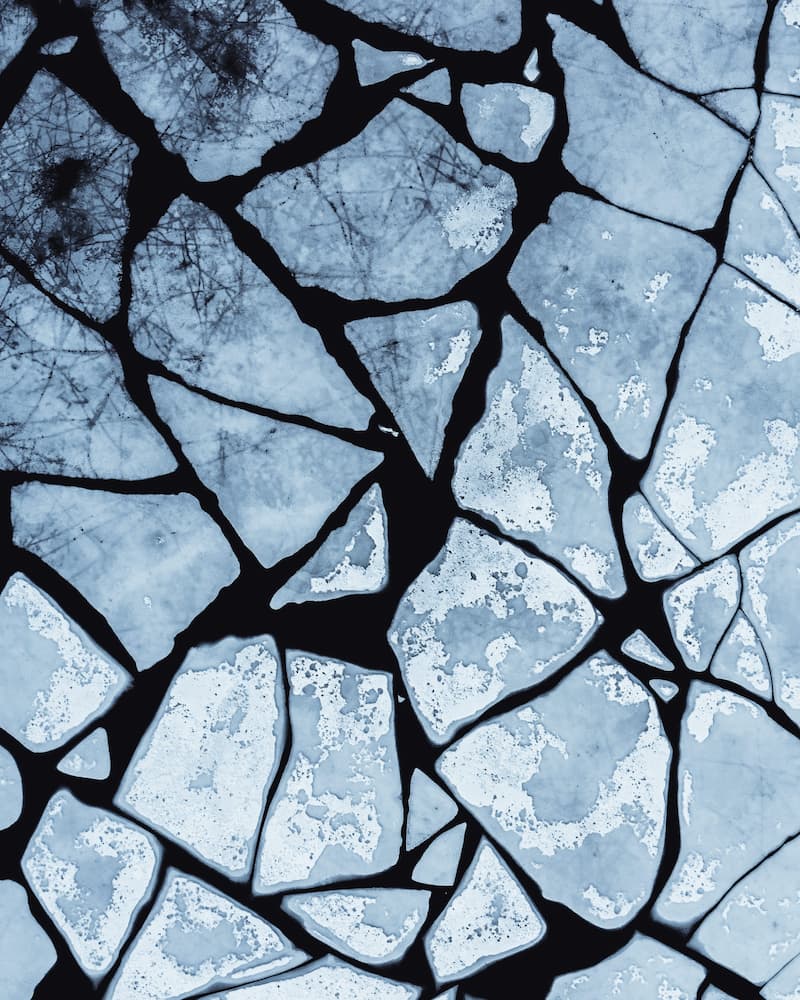
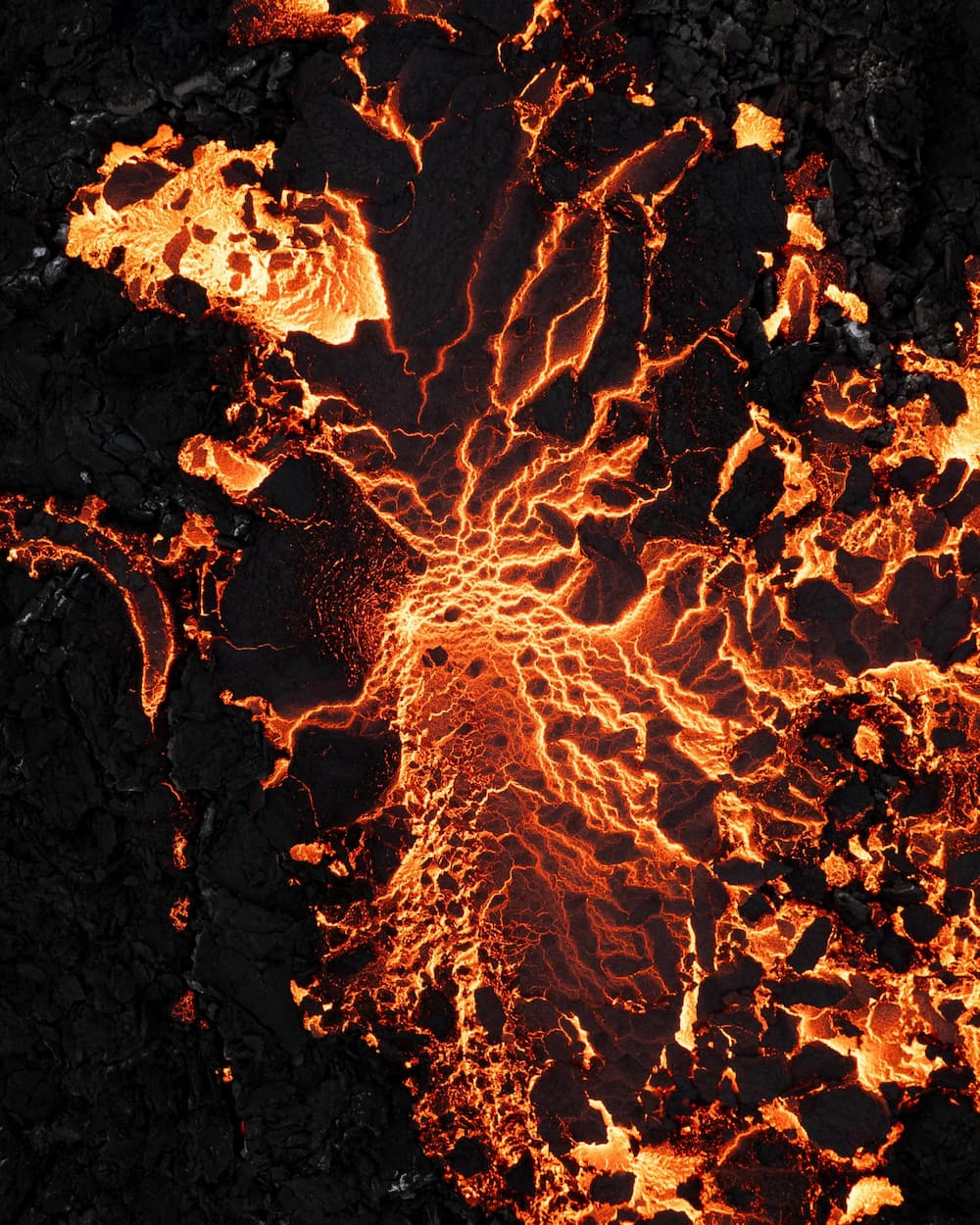
I’m also fascinated by the dialogue between the different forces of nature: fire and ice, water and rock, movement and stillness. Whether I’m photographing a glacier, a volcanic landscape, a wild river, or natural patterns such as melting ice, I’m often drawn to the way these elements shape the world around us. There is something both powerful and deeply poetic in these natural processes.

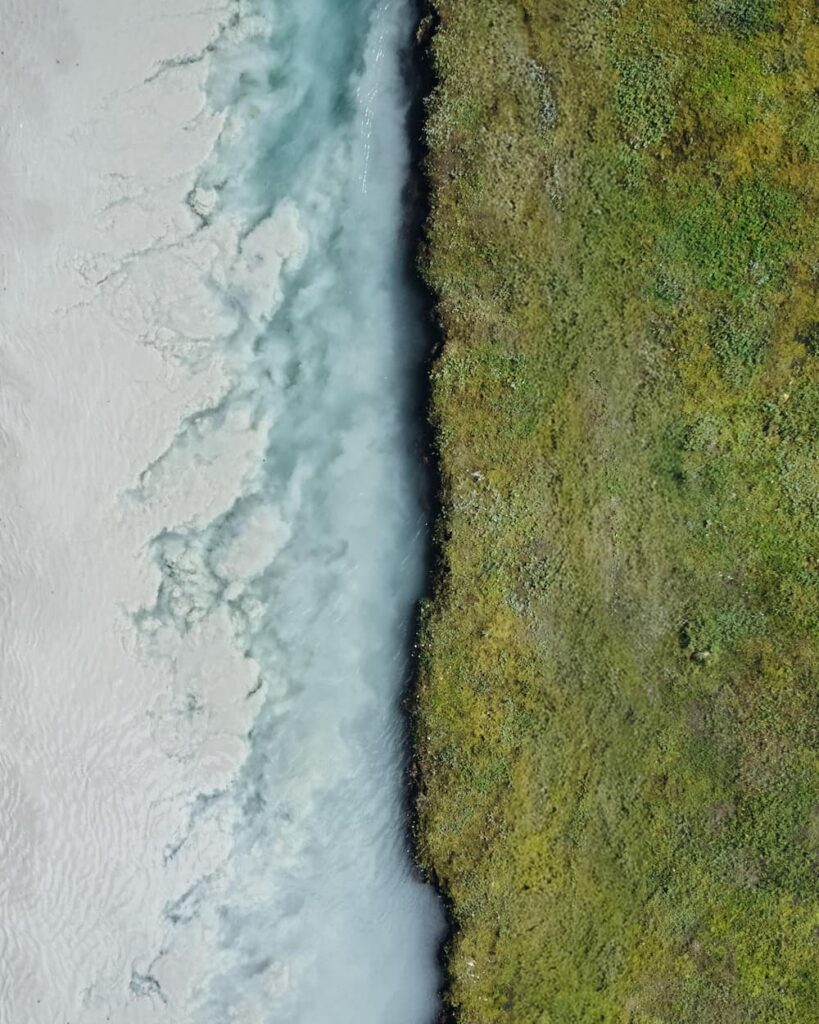
I’m also increasingly drawn to the abstract side of nature. Sometimes a detail, a texture, a reflection, or a pattern created by water, ice, light, or vegetation can evoke as much emotion as a vast landscape. These moments invite us to look more closely and discover beauty in places we might otherwise overlook.

Beyond their visual impact, these elements remind me that nature is alive. They make visible the constant interactions between light, weather, seasons, and living ecosystems. Spending time in these conditions often feels less like observing nature and more like being immersed in it.

I’m particularly inspired by wild places, where nature expresses itself with little or no human influence; environments that remind me of how small we are and how interconnected we remain with the natural world.

Julien Coquel @julien.coquel Nomadict Article 2

3) Finding a personal color language

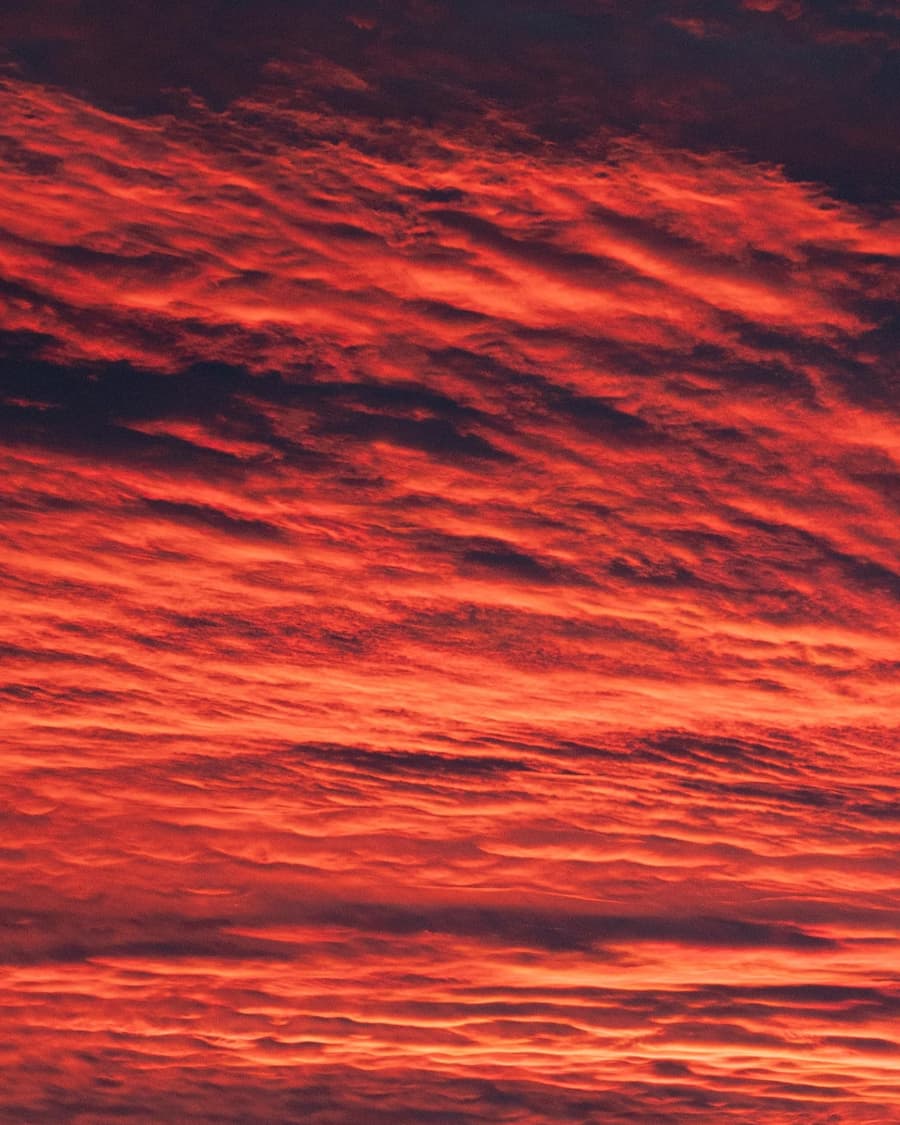
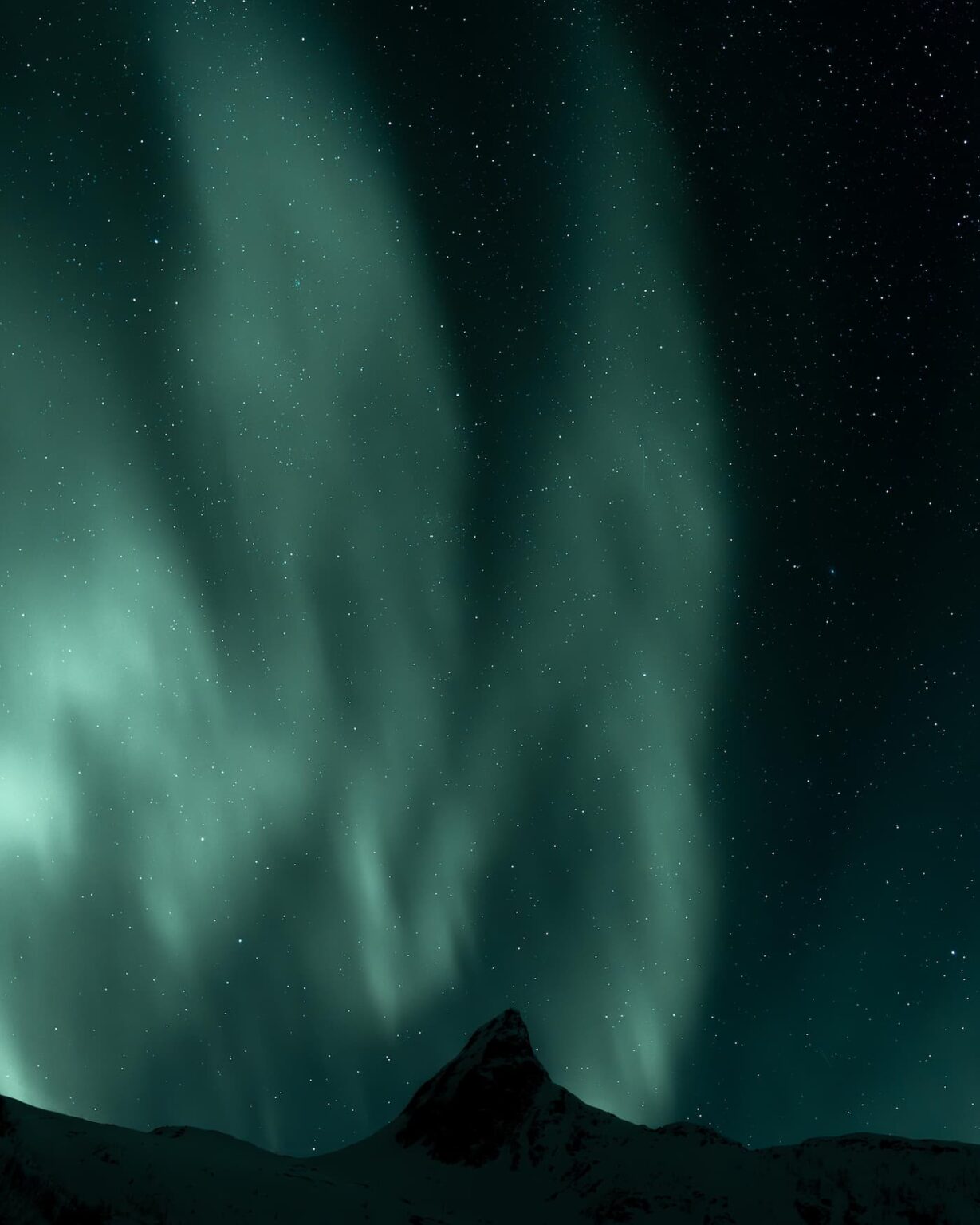
My visual language developed naturally over the years. I’ve always been drawn to soft atmospheres, diffused light, fog-covered landscapes, and those moments when nature seems suspended in time. At first, it was probably intuitive. Over time, I realized that certain colors allowed me to translate more faithfully what I was feeling in the field; they became a storytelling tool as much as an aesthetic one.

That said, my palette is more open today than it was a few years ago. I no longer try to impose specific colors on a place. Instead, I try to respect its own identity and atmosphere. What interests me most is not a particular color, but the emotion it can convey.

4) Consistency comes from how you see, not the colors

I think consistency comes more from the way we see the world than from the colors themselves. When I arrive at a location, I’m naturally drawn to certain atmospheres: soft light, minimalist scenes, moments of stillness, or details that tell a story about the living world. Post-processing then helps reinforce that intention, but it doesn’t create it. Above all, I try to remain faithful to what I felt in the field.

Over time, I’ve come to realize that consistency doesn’t necessarily come from reproducing the same colors over and over, but rather from the way we observe and interpret the world around us.

5) Using dark tones without losing warmth

For a long time, deep blues and darker tones played an important role in my work. They naturally reflected the atmospheres I was drawn to: silence, contemplation, mystery, and a certain sense of serenity. Today, as mentioned previously, I allow each place to express its own palette more than I used to.

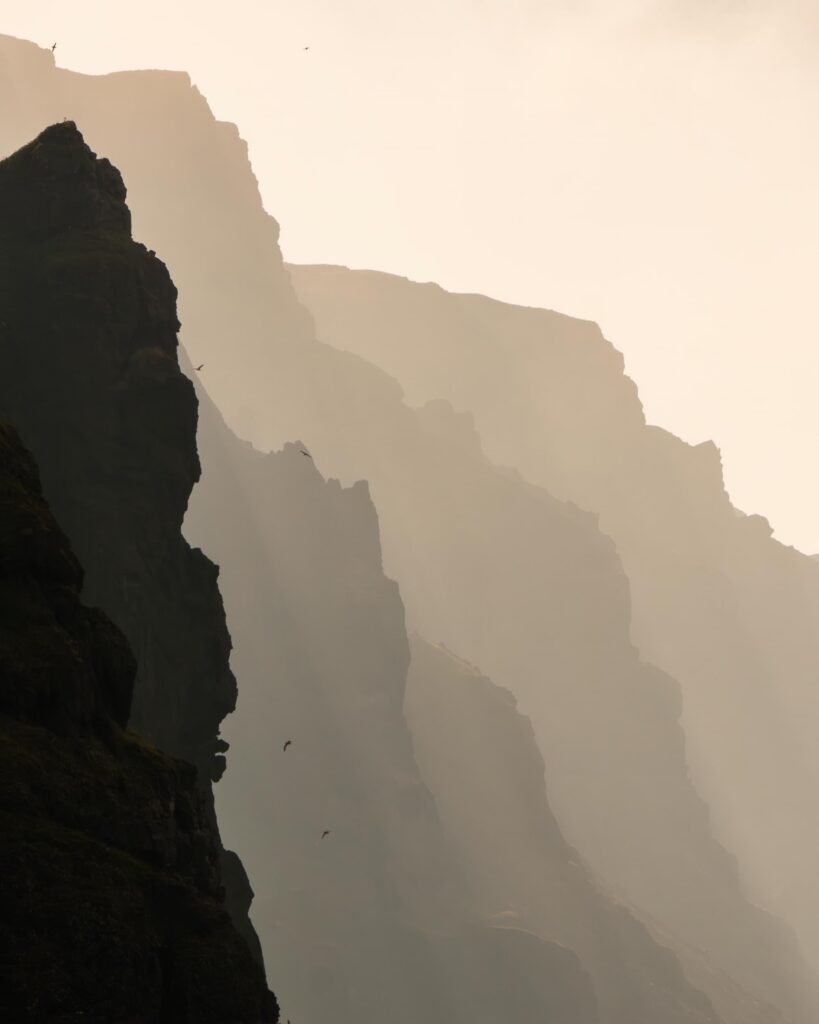
Dark tones can sometimes feel cold or isolating if not used carefully, and I think it all comes down to balance. Even in my most understated images, I always try to preserve a sense of light, texture, or depth that allows the viewer’s eye to move naturally through the frame.

I’m drawn to images that suggest more than they reveal, leaving space for interpretation and emotion. For me, darker tones are not about creating something dramatic or heavy, but about simplifying the scene and drawing attention to what truly matters.

I’m less interested in creating darkness than in creating nuance. It is often within those subtle in-between tones that the most meaningful emotions emerge.

6) Minimalism as a way of seeing, not a technique

Over the years, I’ve felt a growing need to return to what is essential, both in my work and in my everyday life. I appreciate spaces that breathe, moments of calm, simple experiences, and genuine human connections. Photography is ultimately a reflection of that search. When I remove elements from an image, I’m often seeking the same thing I seek in life: more clarity, coherence, and meaning.

Over time, I’ve come to realize that minimalism is more of a way of seeing than a technique.

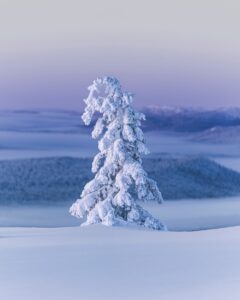
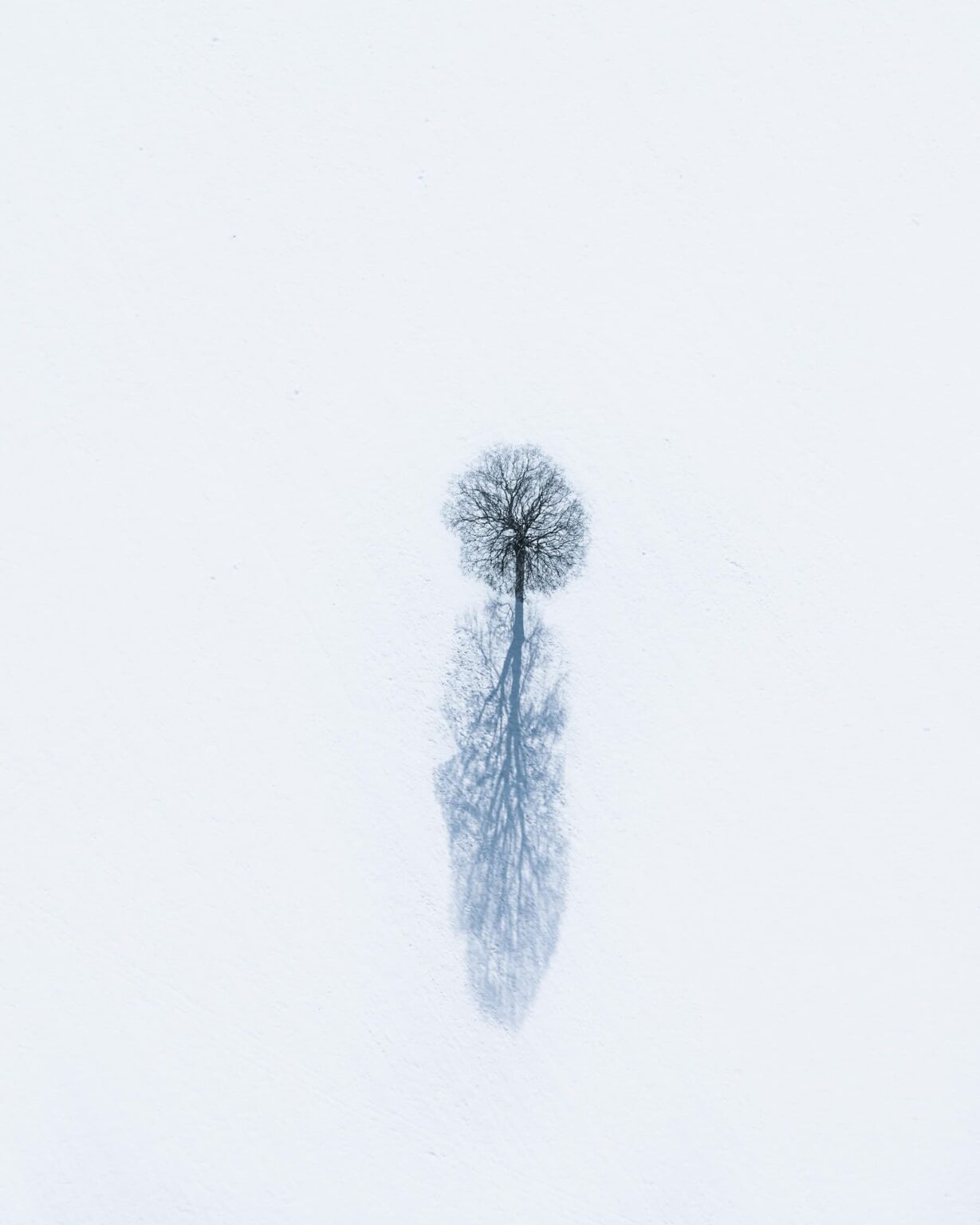
For a long time, I was focused on adding more: more light, more detail, more visual impact. Today, I’m more interested in understanding what is truly essential within a scene. Minimalism often emerges when we allow ourselves to slow down and observe. The more time I spend in nature, the more I realize that the most powerful scenes are often the simplest ones: an isolated tree, a fleeting ray of light, or a subtle presence that might otherwise go unnoticed. My role is not to add something to the landscape, but to reveal what moved me in that particular moment.

Julien Coquel @julien.coquel Nomadict Article 11
Julien Coquel @julien.coquel Nomadict Article 17

7) The images I keep returning to

When I look back at my portfolio, three images keep drawing me in:

– The first is an image taken in the fog, where a few trees barely emerge from the mist; I love its simplicity and everything it leaves open to the imagination. (insert image)

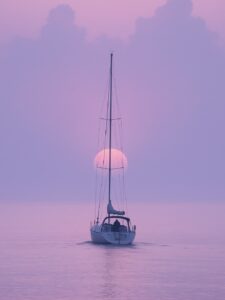
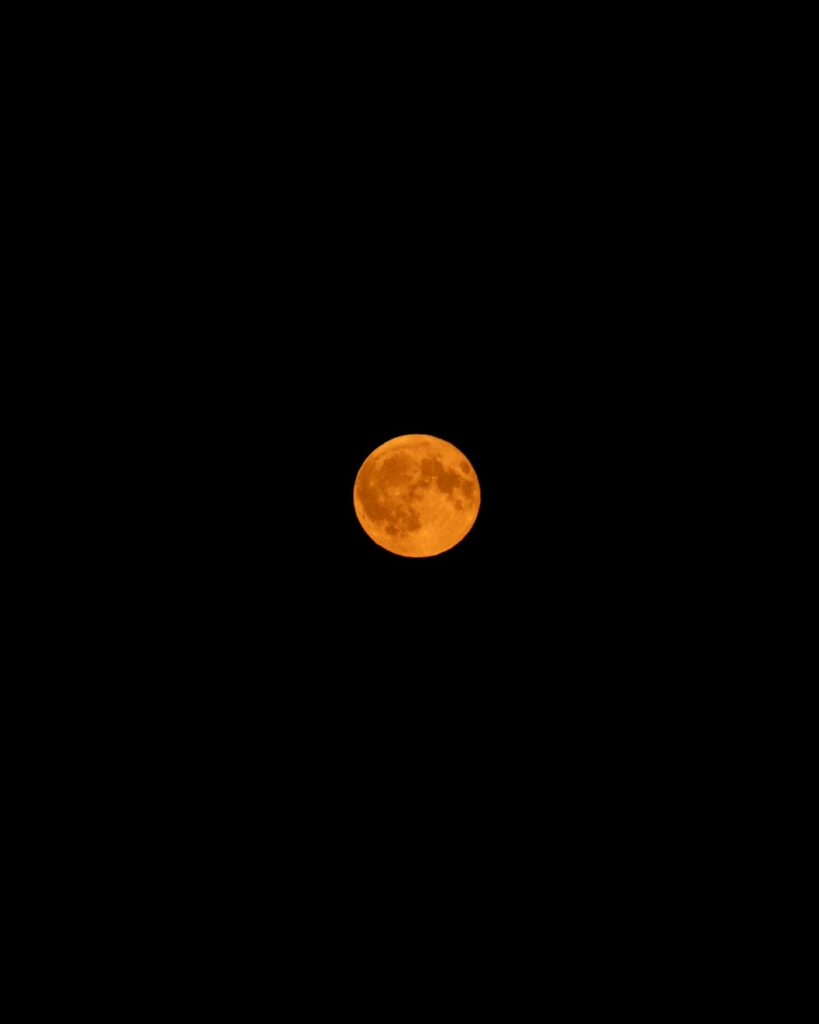
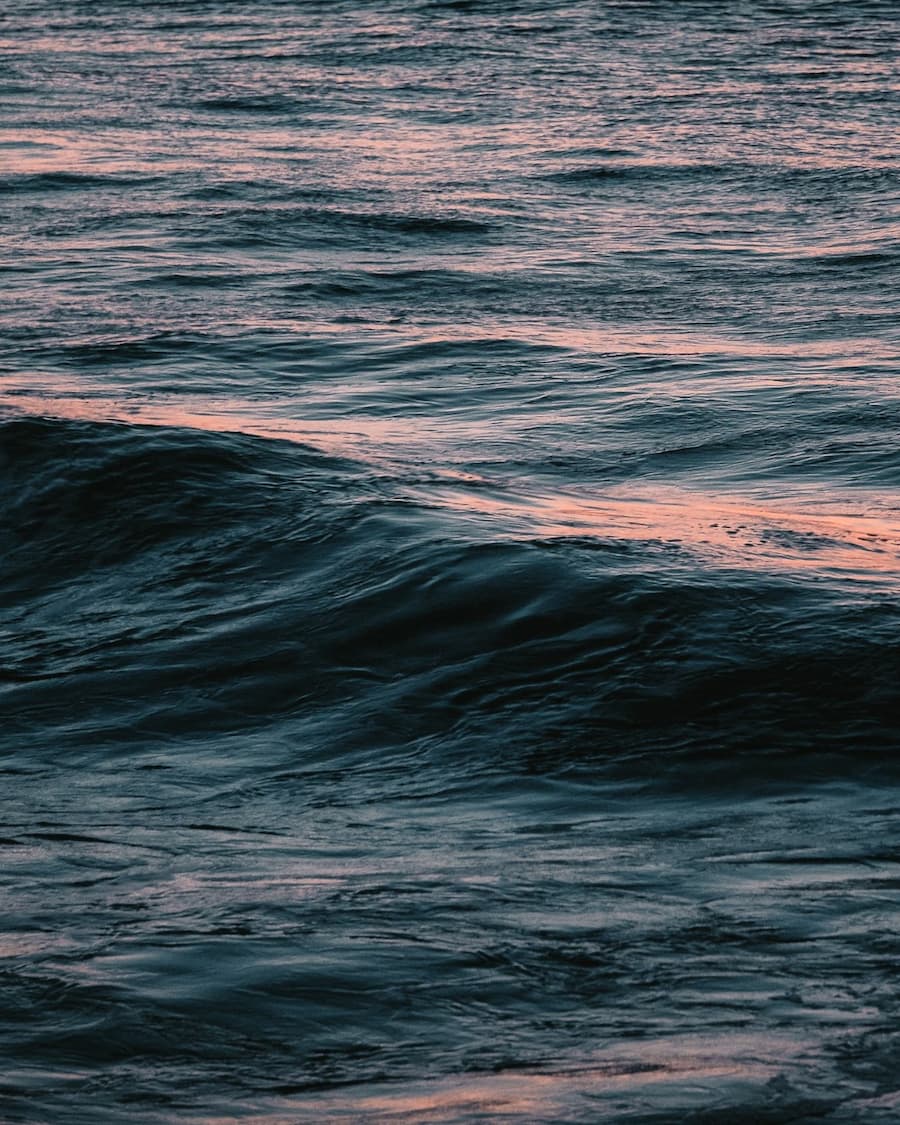
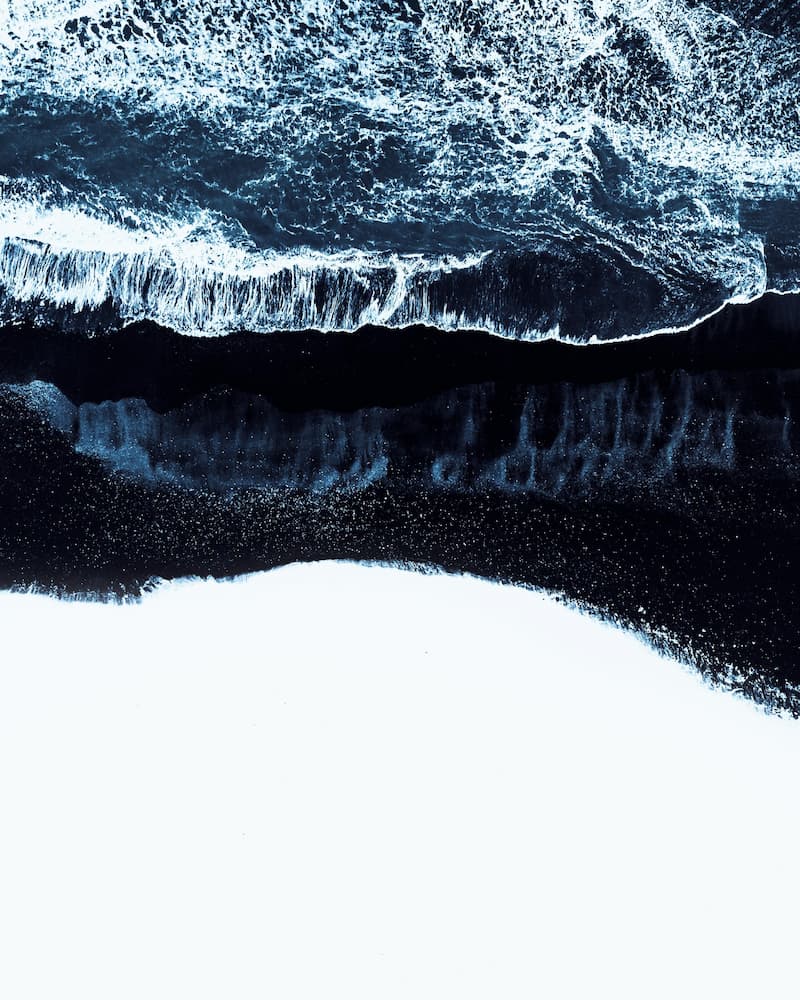
– The second is a coastal scene photographed at dusk; it represents the balance I’m constantly searching for between emotion, atmosphere, and simplicity. (insert image)

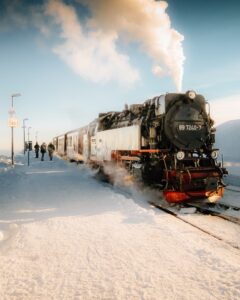
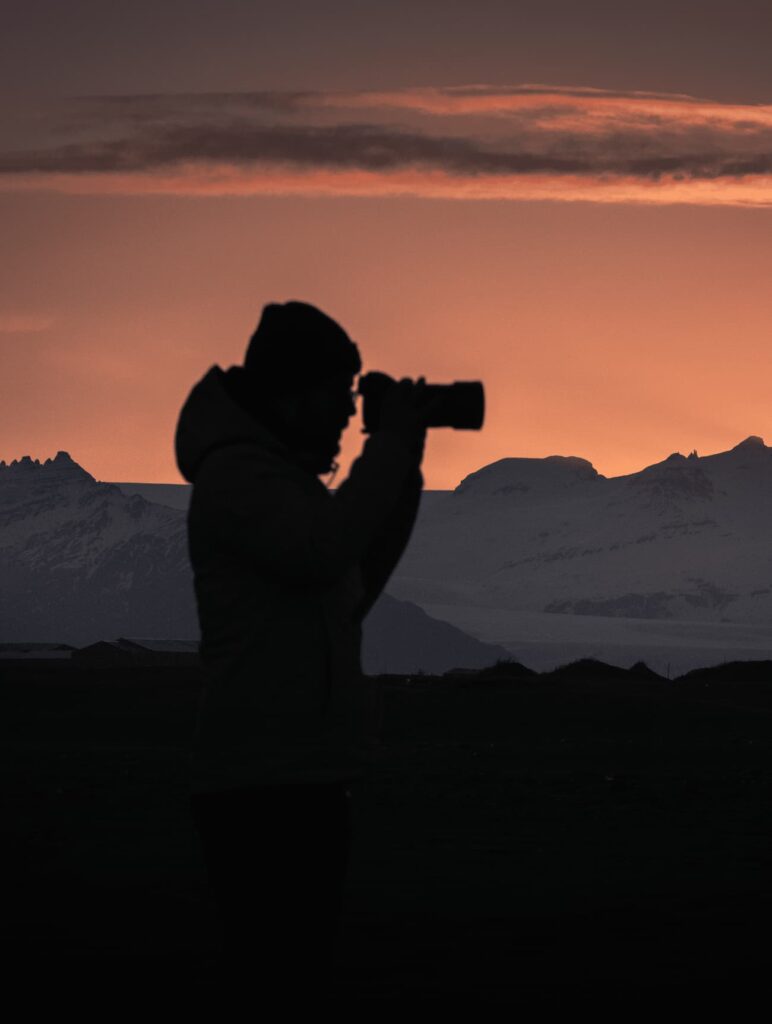
– The third is much more personal. It was created during a period when I felt a strong need to reconnect with nature. Technically, it is probably not my strongest image, but emotionally it remains one of the most meaningful. (insert image)

Over time, I’ve realized that the images I remain most attached to are rarely the most spectacular ones. They often remind me of a moment when, for an instant, I felt connected to something greater than myself. Those moments of connection with the living world are the ones I value most.

8) Slowing down is the whole point

Above all, I hope to convey a sense of calm, a sense of wonder. We live in a world that is increasingly fast-paced and saturated with information and imagery. I like the idea that my photographs can offer a pause, a moment to breathe.

When someone stops in front of an image and feels something for a place, even without knowing it, a connection is created. To me, photography has the unique ability to remind us that we are part of the living world, not separate from it.

Through my photography, I try to capture those fleeting moments when a landscape becomes more than just a place, moments where atmosphere, emotion, and the living world seem to become one. These are often the experiences that stay with me long after the photograph has been taken.

If my images can encourage people to slow down, observe more carefully, or look at the natural world with greater attention, then they have fulfilled their purpose.

Julien Coquel @julien.coquel Nomadict Article 3
THE LATEST STORIES

WRITEN WITH PASSION TO INSPIRE YOU
@robin.dxll_Tulip_fields_Winning Photo

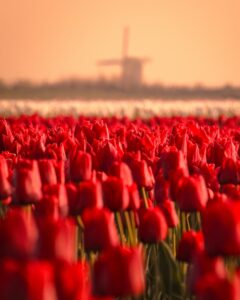
How to photograph tulip fields at golden hour

In this article, Robin breaks down how he photographs golden hour tulip fields — timing the light, working with the fog, and knowing exactly when to take the shot — using his Best of the Week photo as the case study

Bobby Paulshock Best of the Week Winning Photo @b.pshock

Bobby Paulshock (@b.pshock): Best of the week 8 at #nomadict 2026

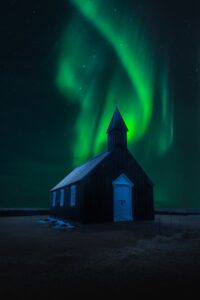
In this article, Bobby Paulshock shares how a wife, a dog, and a solo 1 AM hike in a 90-mph Icelandic storm shaped his path from iPhone snapshots to his award-winning aurora shot at Búðakirkja, plus four hard-earned lessons on gear, patience, and building a career from passion.

@withstrk_harz_01-Best of the Week

Christian Stark (@withstrk): Best of the week 4 at #nomadict 2026

Raised on film photography and shaped by years of architectural study at the Bauhaus in Dessau, Christian Stark brings a structural eye and a traveler’s instinct to everything he shoots. Now based in Sweden, he photographs the world from camper van roads across Europe to cold mountain summits in Germany — always with an open mind and often with just one camera.

Mehdi Tadlaoui, @tedmed, Nomadict Winning photo

Mehdi Tadlaoui (@tedmed): Best of the week 2 at #nomadict 2026

Mehdi Tadlaoui is a visual storyteller blending cinematic precision with a refined sense of composition and emotion. Shaped by art, film, and a background in 3D and VFX, he uses photography to explore atmosphere and narrative. This foundation guides his fieldwork, where fleeting moments become carefully composed visual stories.