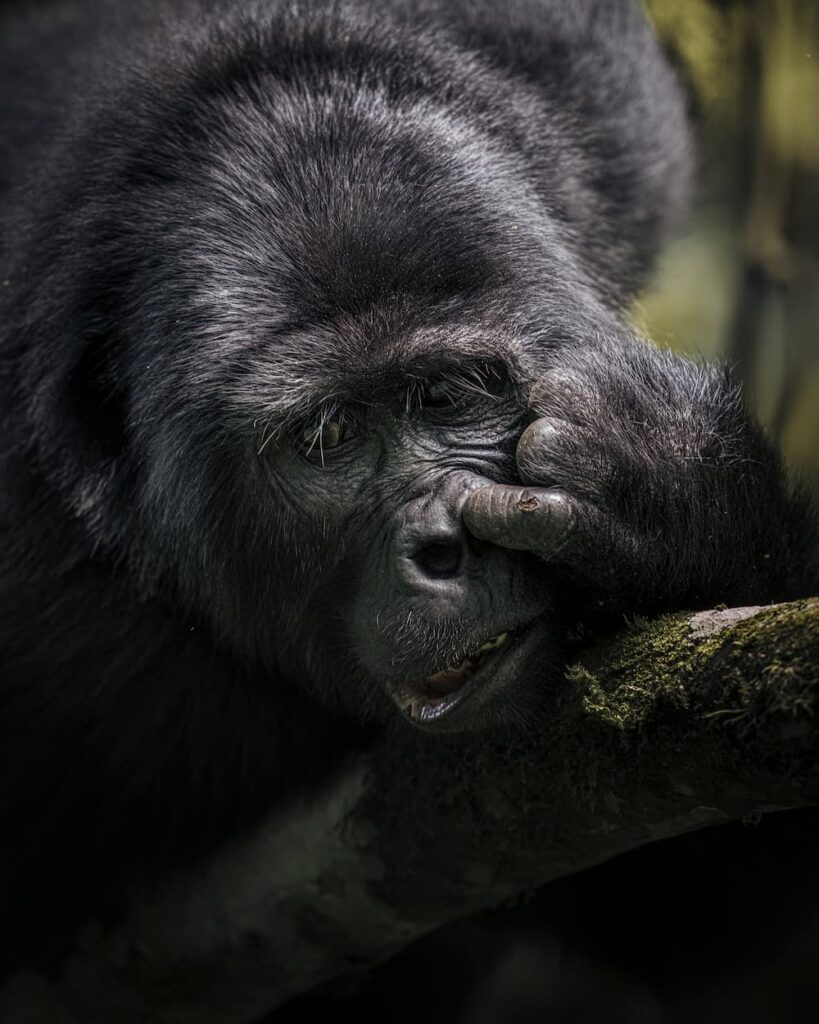
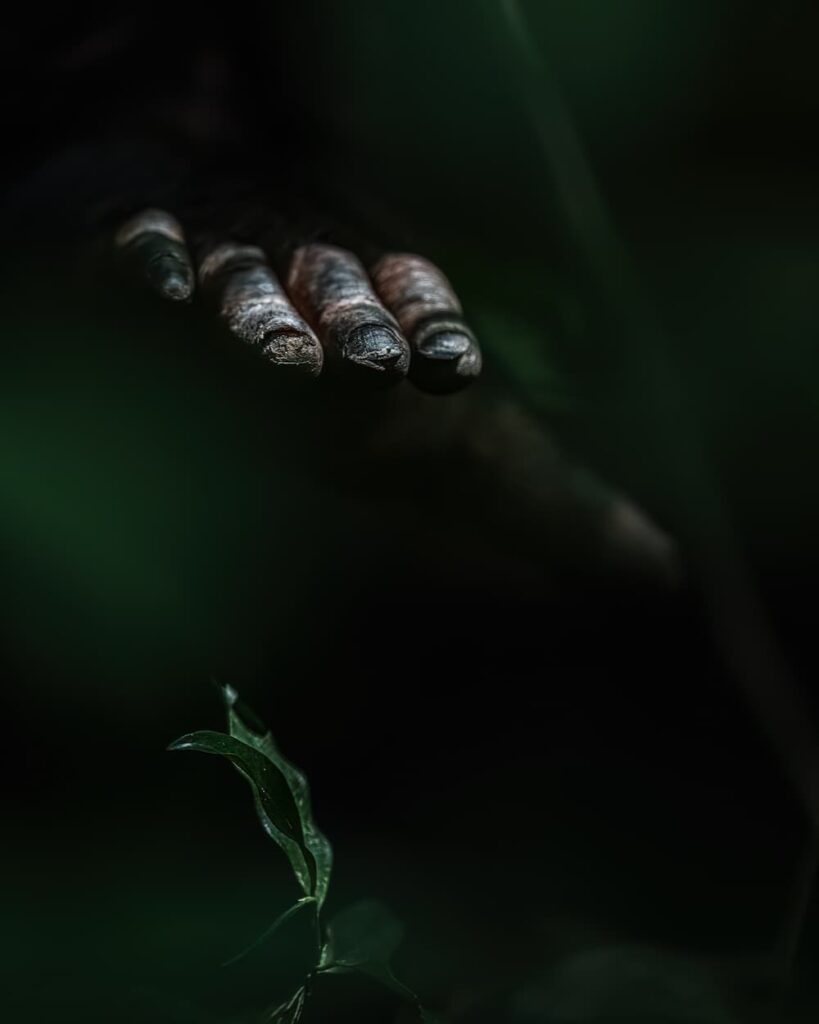
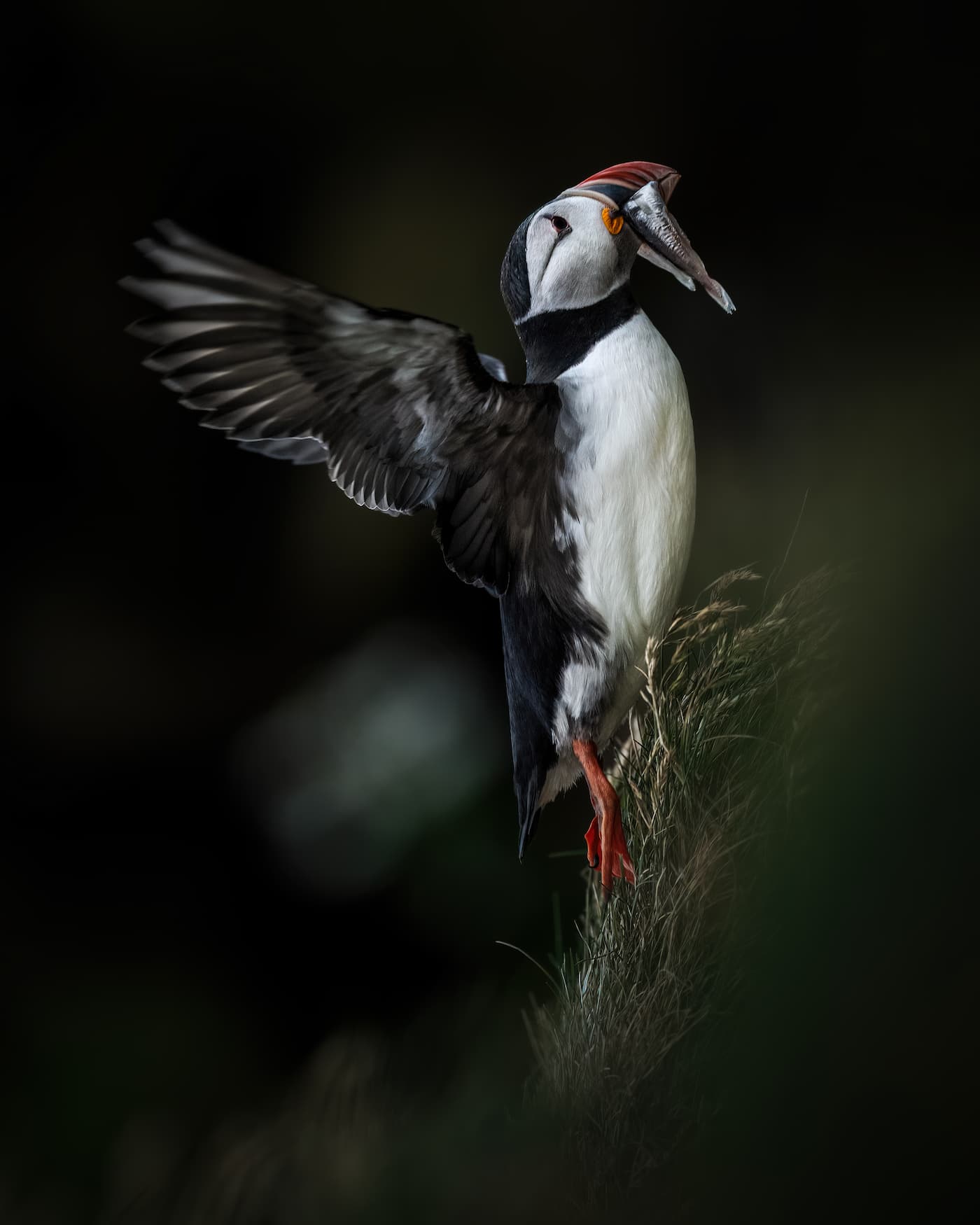
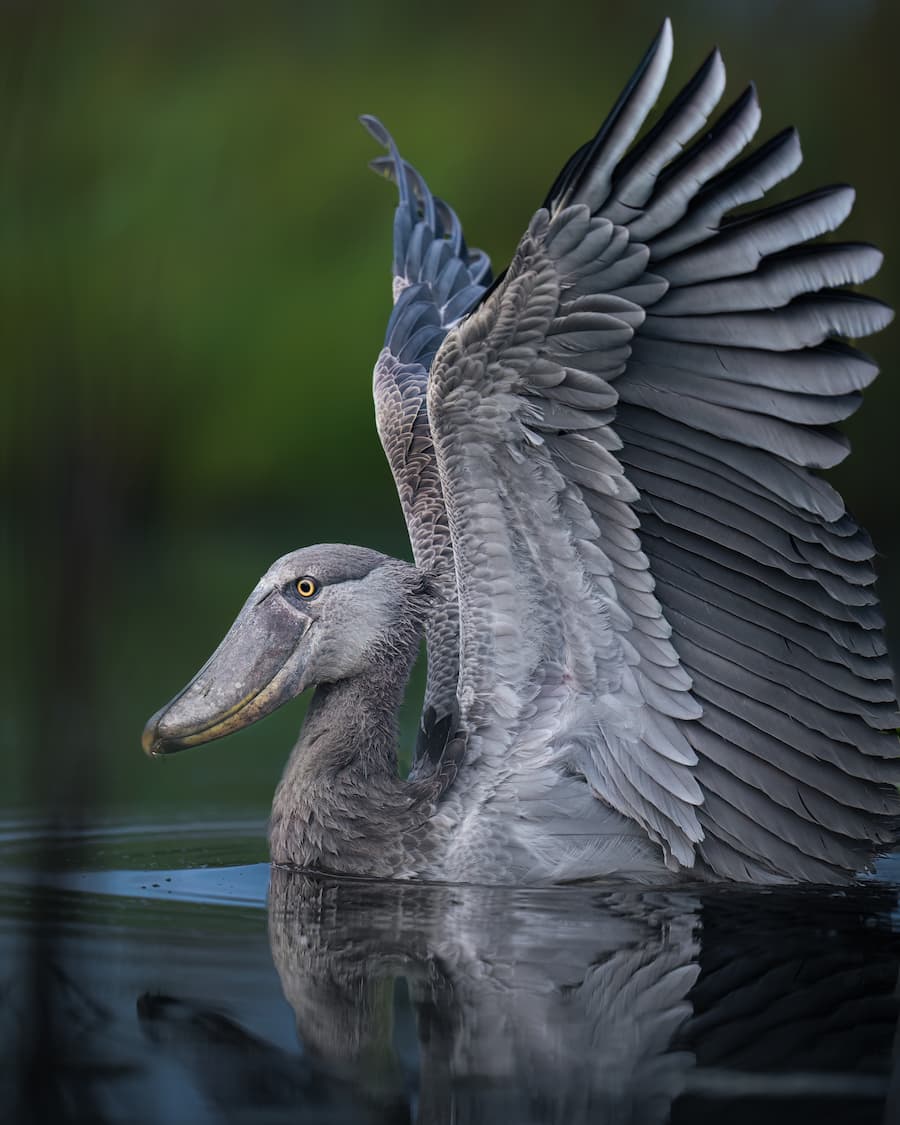
Alexandra Surkova

@alexandrovich_yo

Best of the week 18 at #nomadict 2026

Alexandra Surkova shares how an unexpected gift sparked her passion for wildlife photography, the lessons that shaped her approach in the field, and how projects like Future Guardians and Wild Voices use photography to inspire wildlife conservation.
My passion for the outdoors and wildlife photography actually started with a gift from a stranger.

I had just bought my first camera, with the intention of trying street photography, when this stranger gave me a telephoto lens, having absolutely no idea that he was about to ruin my perfectly normal life.

Until then, wildlife had never really been part of my world. But suddenly, through that lens, I discovered this whole universe that had always been there and that I had somehow completely missed. And I became addicted very, very quickly.

At the time, I had a completely different career. Wildlife photography was supposed to be a hobby. You know, one of those nice, harmless hobbies you do at weekends. It did not go according to plan.

A few years later, I quit my job and completely changed my life around photography and wildlife. You know those stories about people who discover something, become completely obsessed, and turn their entire life upside down? Yes. That’s me.

And it all started with one stranger, one lens, and a career in street photography that ended before I even managed to take a couple of decent street photographs.

alexandrovich_yo_Nomadict_3

During all these years shooting outdoors, I have learned many valuable lessons. Four stand out: 

1) An extraordinary animal doesn’t automatically make an extraordinary photograph.

This took me longer to understand than I’d like to admit. In the beginning, just having an exciting species in front of me felt like enough. It isn’t. Light, gesture, atmosphere, background, and timing matter just as much, sometimes more. A common animal in an extraordinary moment can make a much stronger image than a rare animal doing absolutely nothing. Otherwise, field guides would win every photography competition.

2) Coming home with nothing is not necessarily a wasted day.

Wildlife photography involves an impressive amount of failure. Animals don’t appear, light disappears, weather changes, or everything happens exactly five minutes after you leave. But those days teach you where to position yourself, how an animal behaves, what the light does, and what you should try differently next time. I’ve received a lot of very expensive education from empty memory cards.

3) The more experience I get, the less I photograph.

When I started, I photographed everything because everything felt exciting. Now I’m much more selective. Sometimes I know immediately that the light, the behaviour or the composition isn’t going to give me anything interesting, so I just watch. And strangely, putting the camera down has probably taught me more about wildlife than taking thousands of extra photographs ever did. My hard drives also strongly support this lesson.

4) The photograph is never more important than the animal.

No image is worth disturbing wildlife, changing its behaviour, or pushing an animal beyond its comfort zone. The best encounters are the ones where you are allowed to witness something without becoming part of the story yourself.

Winner
Best of the Week 18

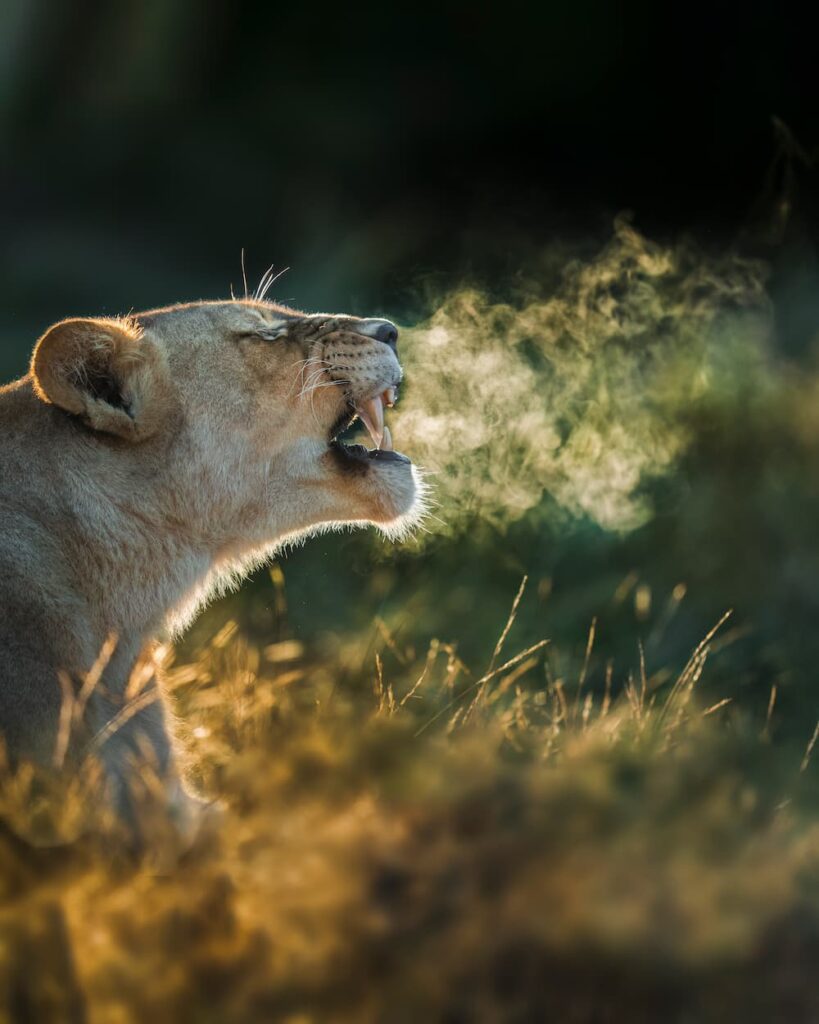
This photograph was taken on a private reserve in Botswana.

The day before, in full daylight, we had found a lioness with several cubs resting near a carcass. They were completely relaxed, so we decided to leave them alone. But because there was still food left, I had a feeling they would probably stay in the area for at least another day.

So I came back at first light the next morning… and there they were, still sleeping peacefully.

I deliberately positioned myself against the light and waited for them to wake up. Wildlife rarely follows a shooting  list, but sometimes you can at least put yourself in the right place and hope it eventually does something useful.

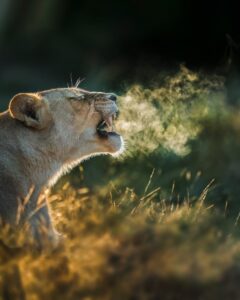
About half an hour later, the mother stood up to change position and gave this enormous yawn. A yawning lion is not exactly a rare photograph — we have all seen plenty of them — but this time the backlight completely transformed the moment. Her warm breath caught the first rays of the sun and suddenly became visible, almost like smoke pouring from her mouth.

For a fraction of a second, a very ordinary behaviour became something completely different. And that is probably what I love most about wildlife photography: you don’t always need something extraordinary to happen. Sometimes you just need an ordinary moment, the right light… and to be standing in exactly the right place when the lion decides to yawn.

alexandrovich_yo_Winning Photo

The composition was quite deliberate. I knew the strongest element in that scene was going to be the backlight, so I positioned myself with the lioness on the left and left as much clean space as possible in front of her.

I wasn’t waiting specifically for a yawn — that would have been slightly too optimistic — but I wanted to give whatever happened some room to happen inside the frame.

When she finally opened her mouth, the breath appeared exactly in that negative space. At that point, it stopped being just “a lion yawning” and became a photograph about light, atmosphere, and that cloud of warm air.

I also kept the foreground soft and low to give the image a more intimate feeling, almost as if you were lying there in the grass with her — although preferably at a considerably safer distance.

I kept the edit quite simple because most of the work had already been done by the light.

The most important thing was protecting the highlights, especially the breath and the rim light around the lioness, because that was really the magic of the image. From there, I slightly darkened the background to separate her profile and the breath more clearly and guide the viewer’s eye straight to that moment.

I also worked locally on the lioness to recover some detail in the shadows without flattening the contrast, and kept the warm morning tones against the cooler greens of the background. That colour contrast was already present in the scene, so I wanted to refine it rather than reinvent it.

For me, editing wildlife is mostly about directing attention. I want the viewer to notice what made me press the shutter in the first place.

Among all the projects I have done, probably Future Guardians and Wild Voices stand out. They are two very different projects, but both have changed the way I think about photography and what I want to do with it.

The idea behind Future Guardians is actually very simple: we can’t protect what we don’t know.

There are children growing up surrounded by extraordinary nature, sometimes just a few kilometres away from protected areas, who have never had the opportunity to see the wildlife living there. In Rwanda, we worked with children from communities near Akagera National Park. We introduced them to wildlife and conservation, gave them cameras, and then took them into the park to experience and photograph that world for themselves.

For me, there is a very basic question behind the whole project: how can we ask a child to care about protecting an animal they have never even seen? Before talking about conservation, we first need to give people the opportunity to discover what is around them, understand it, and build their own connection with it.

Wild Voices, on the other hand, is an immersive photography exhibition and a very personal project of mine. Here, I dared to give a voice to some of the world’s most vulnerable animals. Through photography, sound, and their individual stories, I wanted them to speak directly to the viewer and remind us that behind every beautiful wildlife image there is a real animal, a habitat, a species, and, very often, a much more fragile future than the photograph suggests.

Both projects have taught me that photography can do much more than simply show what something looks like. It can make people curious, help them connect emotionally with an animal or a place, make them ask questions and, hopefully, care a little more about what happens next.

Professionally, they have also pushed my work in a completely new direction. I still love spending ridiculous amounts of time waiting for one animal to stand in exactly the right patch of light (I don’t think that addiction is going anywhere), but I’m increasingly interested in creating larger visual stories and immersive projects around wildlife.

So perhaps the biggest lesson has been realizing that a photograph doesn’t always have to be the final result. Sometimes it can be the starting point.

THE LATEST STORIES

WRITEN WITH PASSION TO INSPIRE YOU
Joana Alina Winning Photo @joana_alina

Joana Alina (joana_alina): Best of the week 14 at #nomadict 2026

Inspired by a love of nature, exploration, and unexpected moments, Joana captures the Maldives in a different light. Discover how a stormy afternoon, four perfectly aligned islands, and a cinematic editing approach came together to create an image that feels more like a real moment than a postcard.

NOMADICT_@desigraphie_1

Désirée Stoll (@desigraphie): Best of the week 13 at #nomadict 2026

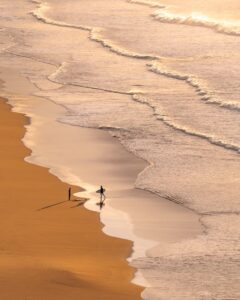
Désirée Stoll traces her path from a first solo trip to Königssee to a body of work built on light, patience and emotional honesty. She shares four lessons from years of shooting outdoors, the story behind her Best of the Week image of two surfers on the Spanish coast, and why printed work changed how she sees photography.

@robin.dxll_Tulip_fields_Winning Photo

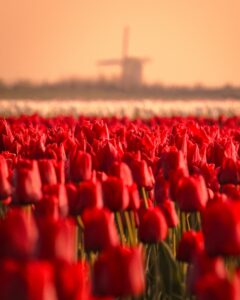
How to photograph tulip fields at golden hour

In this article, Robin breaks down how he photographs golden hour tulip fields — timing the light, working with the fog, and knowing exactly when to take the shot — using his Best of the Week photo as the case study

Bobby Paulshock Best of the Week Winning Photo @b.pshock

Bobby Paulshock (@b.pshock): Best of the week 8 at #nomadict 2026

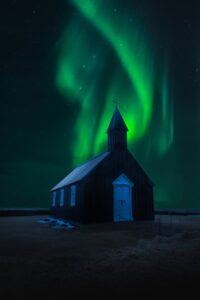
In this article, Bobby Paulshock shares how a wife, a dog, and a solo 1 AM hike in a 90-mph Icelandic storm shaped his path from iPhone snapshots to his award-winning aurora shot at Búðakirkja, plus four hard-earned lessons on gear, patience, and building a career from passion.