Désirée Stoll

@desigraphie

Best of the week 13 at #nomadict 2026

Désirée Stoll traces her path from a first solo trip to Königssee to a body of work built on light, patience and emotional honesty. She shares four lessons from years of shooting outdoors, the story behind her Best of the Week image of two surfers on the Spanish coast, and why printed work changed how she sees photography.


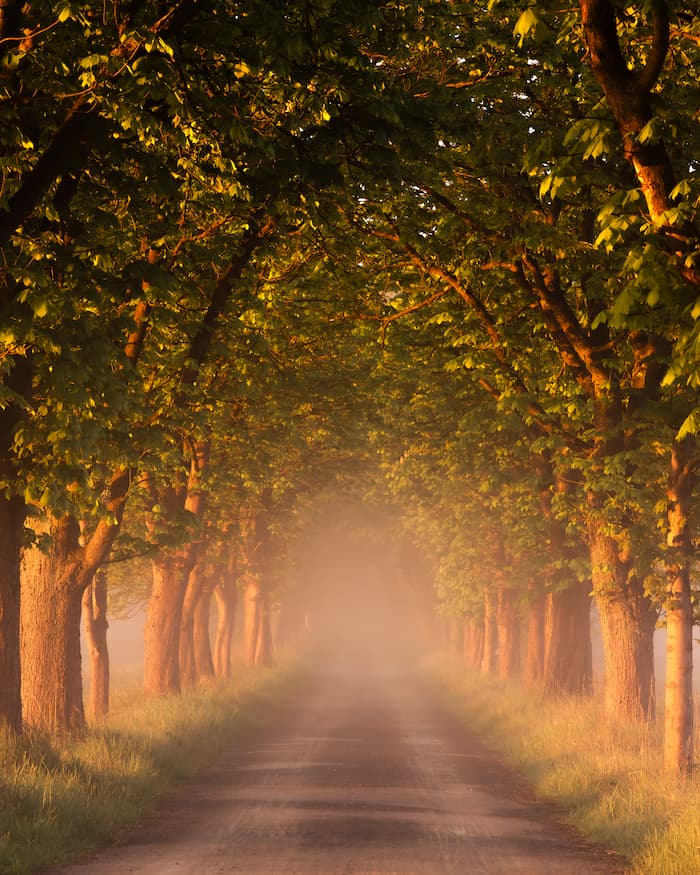
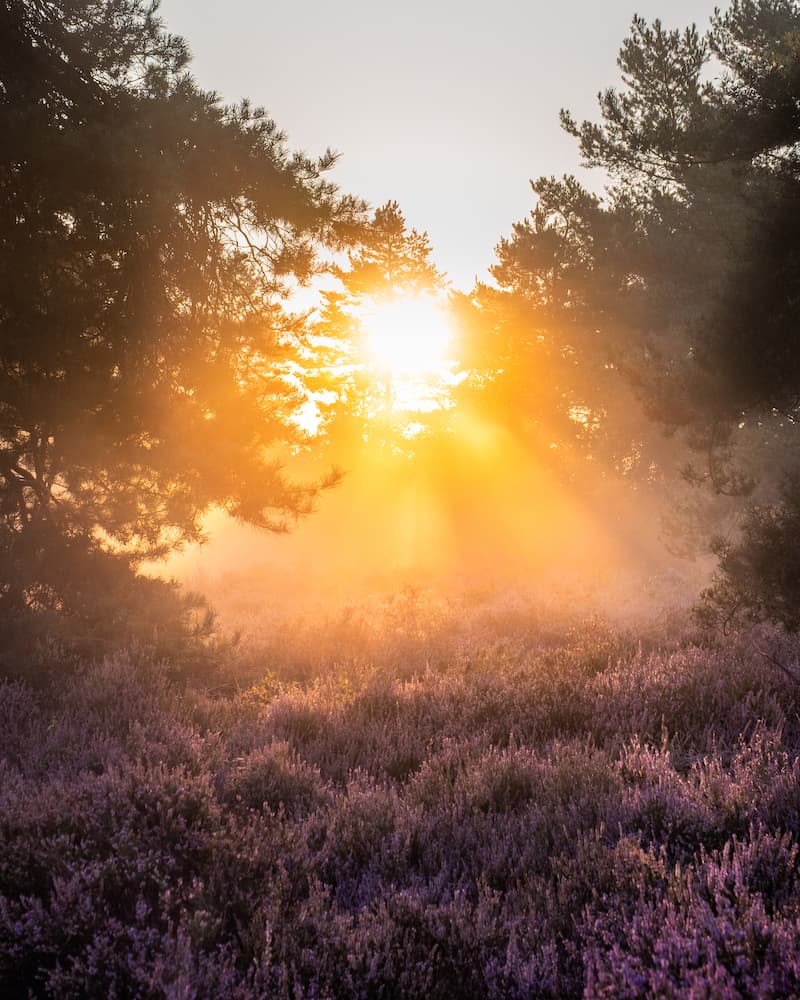
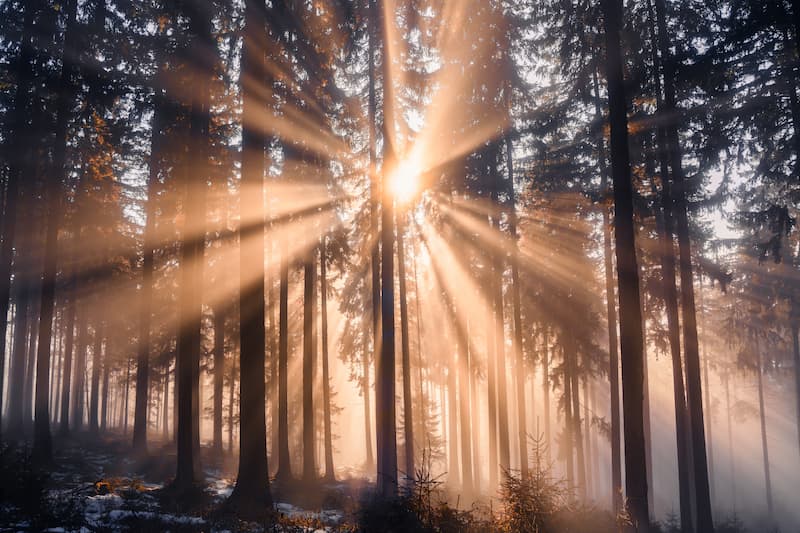
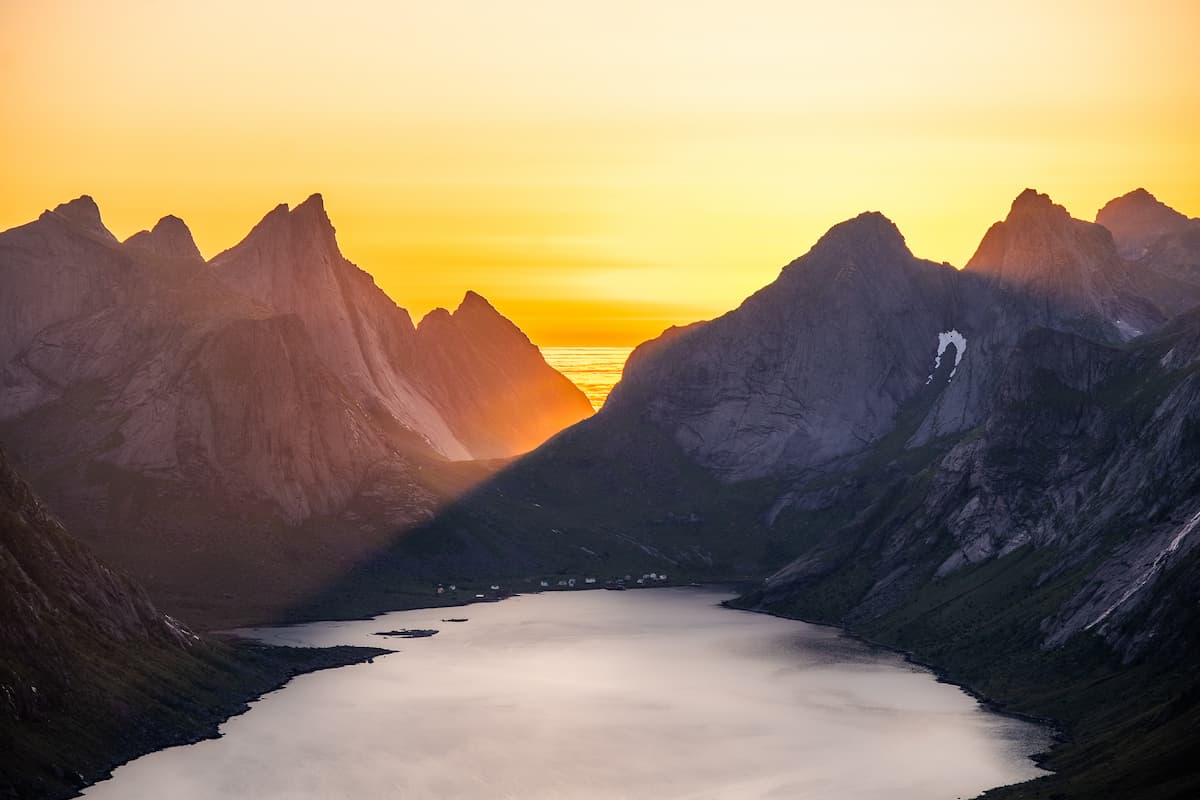
My curiosity and the need to feel connected to something bigger than everyday routines have always led me back to the outdoors. Ever since I was a child, I have been fascinated by certain moods in nature, especially foggy mornings, sunrises, sunsets, and the way the sky can completely change its colors and atmosphere within just a few minutes. I remember being deeply impressed by how light could transform an ordinary place into something almost unreal.

When I was around twelve years old, I got my first digital camera and started taking it everywhere with me. I photographed everything that caught my attention or felt meaningful in the moment. From the beginning, it was less about technical perfection and more about preserving what I experienced and felt.

As I grew older, the rise of Instagram introduced me to the work of young outdoor photographers like Frauke Hameister and the German Roamers. I was deeply inspired by their cinematic, storytelling-driven way of portraying the outdoors, and it completely changed how I viewed both photography and travel. After flipping through the first German Roamers photobook, I planned a trip to the German Alps.

Shortly before the trip, my then-boyfriend and I broke up. I decided to go alone anyway. It became my very first solo journey, and it was intimidating and incredibly freeing at the same time. Standing in front of the mountains and Königssee during that emotionally intense period gave me a completely new perspective. I remember feeling deeply humbled by the scale and stillness of nature, and realizing how grounding it can be to step outside of your own thoughts and routines.

NOMADICT_@desigraphie_4

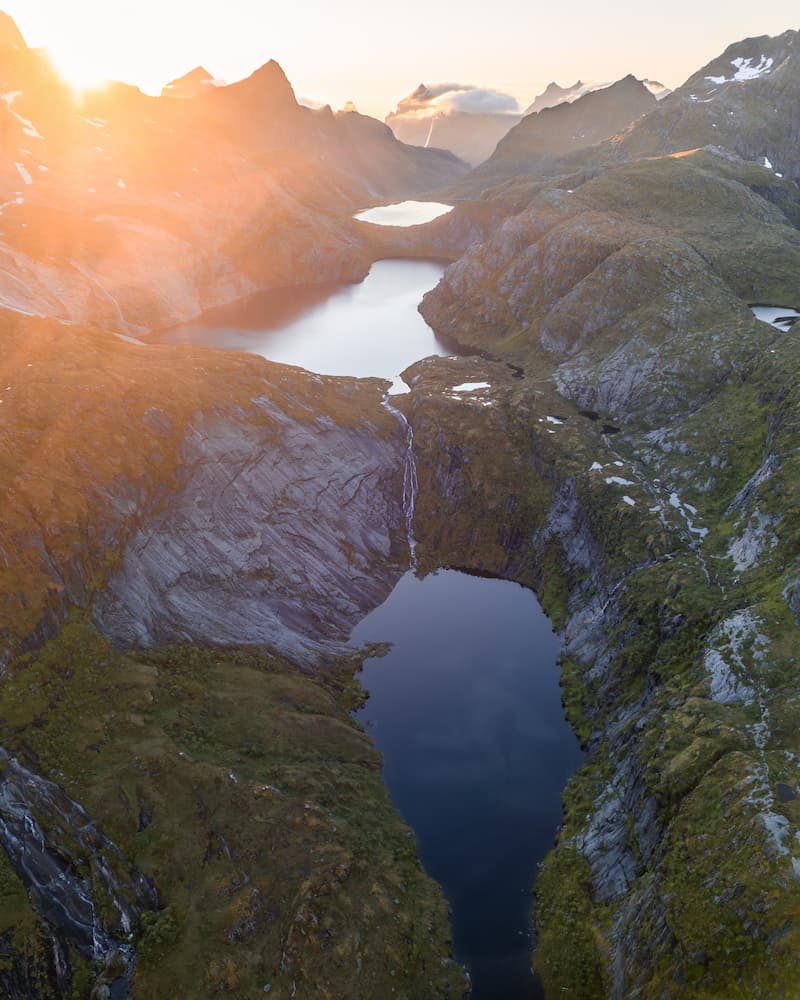
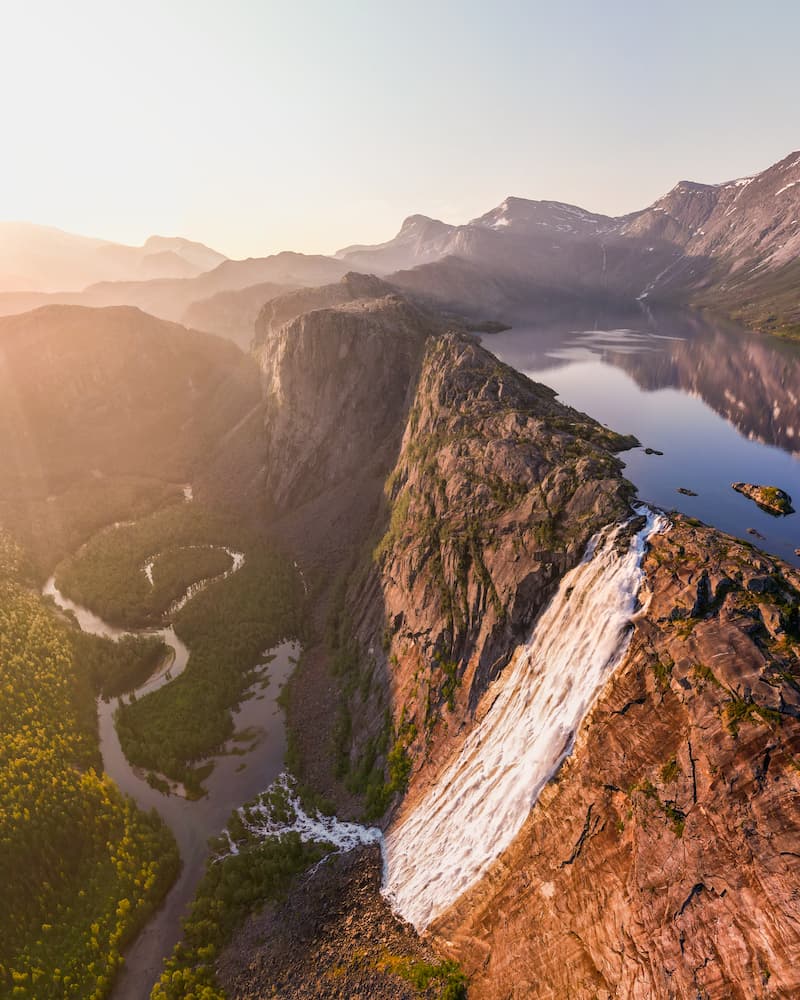
At that point, I only had my smartphone with me. Afterward, looking at the photos, I felt that the images simply could not capture what I had actually experienced. That gap between feeling and documentation led me to buy my first DSLR and start teaching myself photography from scratch. Looking back, that journey became the foundation for everything that followed, creatively and personally. It sparked my passion for solo travel, outdoor storytelling, and documenting places in a way that feels immersive and emotionally present rather than purely scenic. Since then, being outdoors has become much more than photography for me. It clears my mind, sharpens my perception, and constantly reminds me how much beauty still exists in the world, and how many places and stories are still waiting to be discovered. 

NOMADICT_@desigraphie_7
NOMADICT_@desigraphie_13

During all these years shooting outdoors, I have learned four valuable lessons along the way that now guide my work:

  • Simplification over complexity: Strong images rarely come from complexity, but from clarity. Removing distractions and focusing on what truly belongs in the frame has taught me that every element in an image needs a reason to be there, visually or emotionally. Especially outdoors, where landscapes can easily feel overwhelming, simplifying a scene often creates a much stronger sense of atmosphere and intention.
  • Light defines everything: More than location or subject, light determines the entire mood of an image. Over time, I’ve learned to read light first and build everything else around it, rather than trying to force a scene into conditions that don’t naturally support it. Even familiar places can feel completely different depending on time, weather, or subtle atmospheric shifts.
  • Patience and presence: Working outdoors has taught me to let go of expectations and stay present with a scene. Light, weather, and atmosphere never follow a plan, and the same applies to travel itself. Some of my favorite images happened in moments that were completely unplanned. When I stop trying to control outcomes and instead observe what is already there, I notice more subtle details, interactions, and moods that would otherwise pass unnoticed.
  • Emotional connection: For me, photography works best when it stays connected to how a place actually felt in that moment. Instead of focusing only on what is visually in front of me, I try to pay attention to atmosphere, emotion, and the overall impression a scene leaves behind. The images I value most are usually not the most technically perfect ones, but the ones that still transport me back into the feeling of being there.

Winner
Best of the Week 13

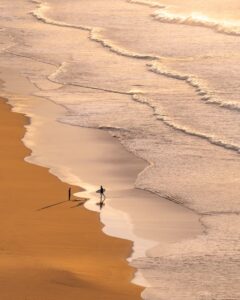
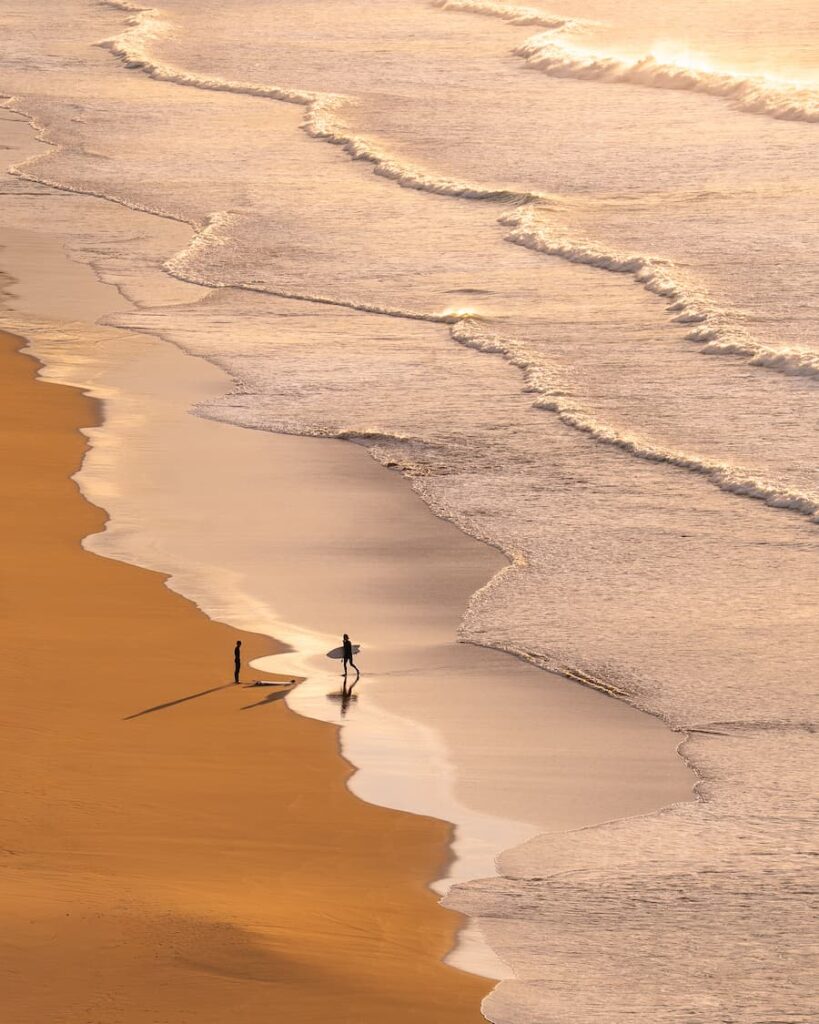
This philosophy of patience, scale, and emotion came together perfectly during a spring road trip along the coast in Spain, where I took the image that won Best of the Week.

I was observing both the surfers and the shoreline from an elevated viewpoint for a while, noticing how the waves formed repeating patterns across the beach and constantly reshaped the surface. At some point, two surfers came out of the water: one slightly ahead, who then waited on the beach for the other to catch up. Their small silhouettes against the vast landscape created an immediate sense of scale and solitude, which drew my attention. I kept observing the moment as it unfolded and only pressed the shutter when everything felt visually in balance. What stayed with me most was the atmosphere of the scene. Despite the size and energy of the beach, it felt calm and almost minimalistic.

The composition itself was mainly driven by the natural rhythm of the shoreline. I was drawn to the repeating wave patterns because they create depth and naturally guide the viewer’s eye through the image. Placing the subjects very small within the frame helped emphasize the scale of the beach and the feeling of solitude. I intentionally avoided a centered composition and instead placed the subjects according to the golden ratio, which felt more dynamic and balanced. The negative space around them was important to me as well, since it strengthens the sense of scale and atmosphere.

NOMADICT_@desigraphie_1

When it came to post-processing, I kept the editing minimal, as the atmosphere and colors were already present in the scene. I intended to preserve the natural feeling of the moment rather than transform it. I mainly refined the image so it stayed true to what I experienced there.

I started by balancing highlights and shadows to preserve detail in the water reflections while maintaining depth in the darker areas. I then added subtle local contrast to bring out the texture of the waves without over-processing the scene. Color-wise, I carefully adjusted the warm evening tones to emphasize the golden reflections in both the water and the sand, while keeping saturation under control to maintain a natural look. Finally, I removed a few distracting footprints in the sand and applied a subtle crop to strengthen the overall composition. This helped simplify the frame and keep the focus on the minimal mood of the scene.

Stepping away from digital screens to focus on tangible work became another major turning point for me. One of the most meaningful personal projects for me has been creating my own photography calendar series.

In 2023, I designed and released my first calendar featuring a curated selection of images from my travels and outdoor photography. At the time, producing a printed project was completely new territory for me, but I wanted to create something physical that people could live with throughout the year, instead of only experiencing the images digitally.

Seeing people choose to hang my photographs in their homes and connect emotionally with the work was a very special experience. It changed the way I understood the impact photography can have beyond screens and social media. The project taught me to trust my own creative vision and commit to ideas before feeling fully “ready.” It also helped me understand that photography is not only about individual images, but about building atmosphere, emotion, and consistency across a body of work. Since then, I’ve continued the project annually, and it has become an important part of both my creative process and photographic identity. It strengthened my confidence in pursuing personal work more seriously and showed me how much impact self-initiated projects can have, both creatively and personally.

In ten years, I would love to still be working independently within photography and visual storytelling. I see myself balancing commissioned projects for outdoor brands and tourism boards that value narrative-driven, atmospheric storytelling with personal work such as fine art prints and long-term series. Projects where I can explore places in my own way and translate atmosphere and emotion into my visual language are especially important to me.

However, I believe my path should not be entirely goal-driven. I know that too much pressure can take away from the creative process, so I want to stay open to how my journey develops rather than forcing a fixed outcome.

My main strategy to get there is consistency: continuing to create personal work, refining my visual language, and staying curious about the quiet, often humbling moments within landscapes. Just as important is building genuine connections with people and the environments I photograph while always remembering why I started in the first place.

Beyond my own work, I hope to encourage a more mindful way of engaging with nature and a deeper awareness of its fragility. I also want to inspire especially women to step into outdoor photography, explore nature on their own, and trust their own perspective in a field that still feels quite male-dominated. Above all, it is important to me that my work stays honest and grounded rather than trend-driven. The direction may evolve, but my intention should remain the same.

THE LATEST STORIES

WRITEN WITH PASSION TO INSPIRE YOU
NOMADICT_@desigraphie_1

Désirée Stoll (@desigraphie): Best of the week 13 at #nomadict 2026

Désirée Stoll traces her path from a first solo trip to Königssee to a body of work built on light, patience and emotional honesty. She shares four lessons from years of shooting outdoors, the story behind her Best of the Week image of two surfers on the Spanish coast, and why printed work changed how she sees photography.

@robin.dxll_Tulip_fields_Winning Photo

How to photograph tulip fields at golden hour

In this article, Robin breaks down how he photographs golden hour tulip fields — timing the light, working with the fog, and knowing exactly when to take the shot — using his Best of the Week photo as the case study

Bobby Paulshock Best of the Week Winning Photo @b.pshock

Bobby Paulshock (@b.pshock): Best of the week 8 at #nomadict 2026

In this article, Bobby Paulshock shares how a wife, a dog, and a solo 1 AM hike in a 90-mph Icelandic storm shaped his path from iPhone snapshots to his award-winning aurora shot at Búðakirkja, plus four hard-earned lessons on gear, patience, and building a career from passion.

@withstrk_harz_01-Best of the Week

Christian Stark (@withstrk): Best of the week 4 at #nomadict 2026

Raised on film photography and shaped by years of architectural study at the Bauhaus in Dessau, Christian Stark brings a structural eye and a traveler’s instinct to everything he shoots. Now based in Sweden, he photographs the world from camper van roads across Europe to cold mountain summits in Germany — always with an open mind and often with just one camera.