Christoph Nolte

@pic_nolte_photography

Best of the week 6 at #nomadict 2026

In this article, Christoph shares how a childhood dream of the far north became a life in northern Sweden, from his award-winning blue hour image of a lone tree to his top photography spots and four lessons that keep his work grounded.


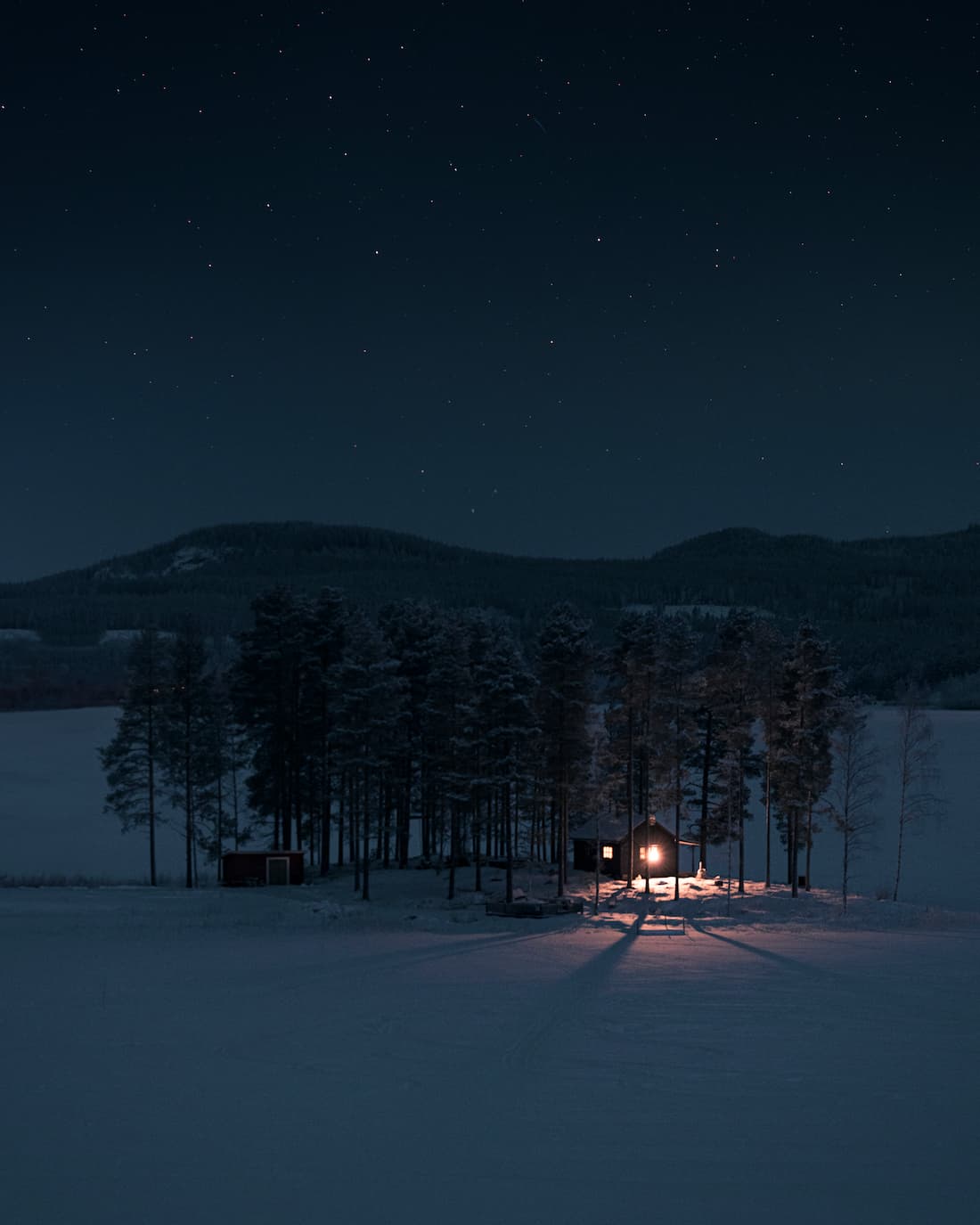
My connection to the outdoors started in childhood. I spent a lot of time traveling to Sweden, and early on I developed this strong desire to go further north, to experience real winter, the kind of raw, Arctic conditions that felt completely different from anything I knew growing up.

For a long time, though, my life went in a different direction. Music was my main focus. I played drums in a band and spent years touring. Photography wasn’t a central part of my life back then. That changed later, as an adult, when I started traveling regularly to northern Scandinavia during winter. Those trips brought me back to that early fascination, and I began to document what I experienced. Photography became a way to translate those quiet, powerful moments in nature.

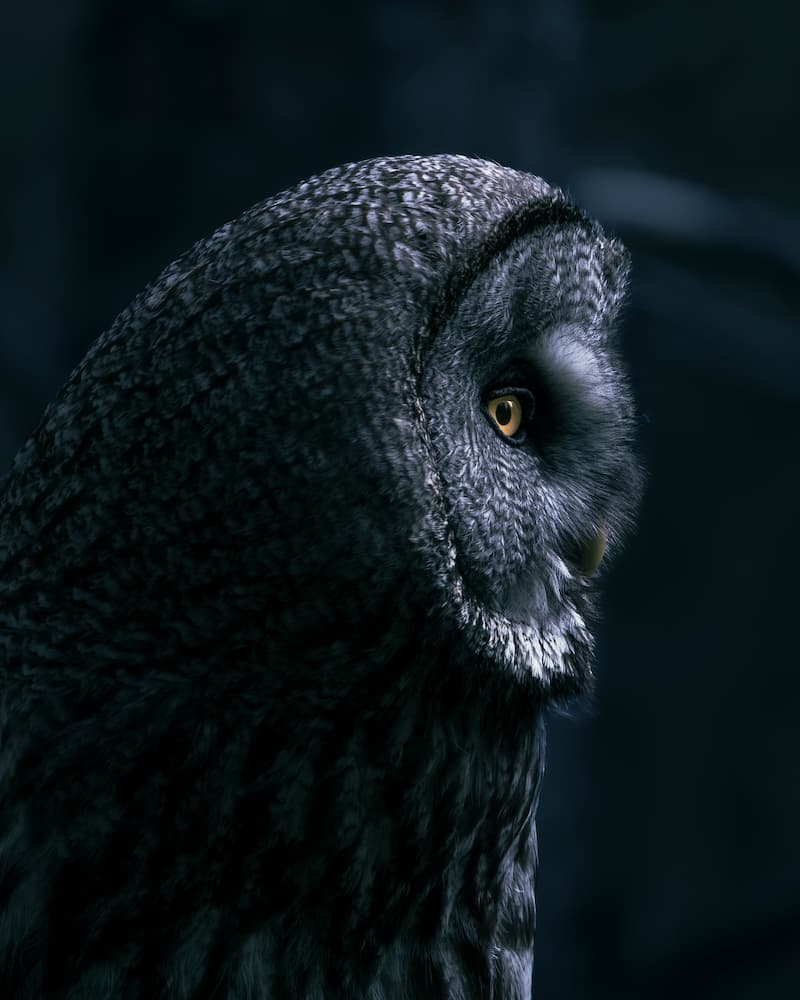
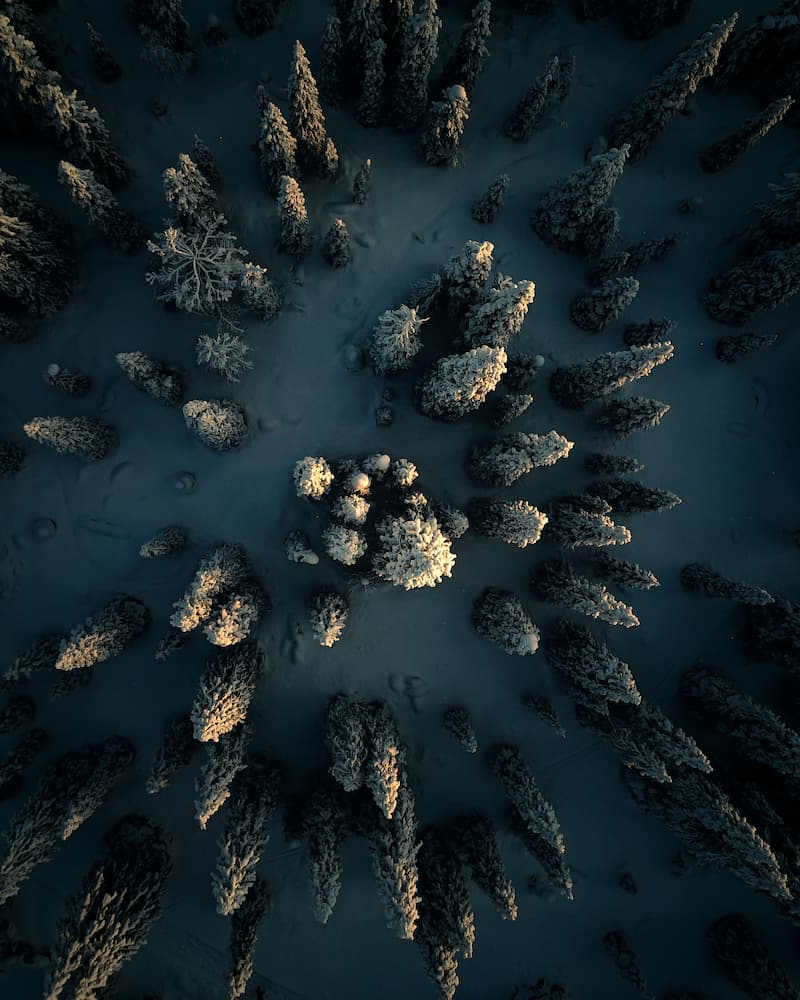
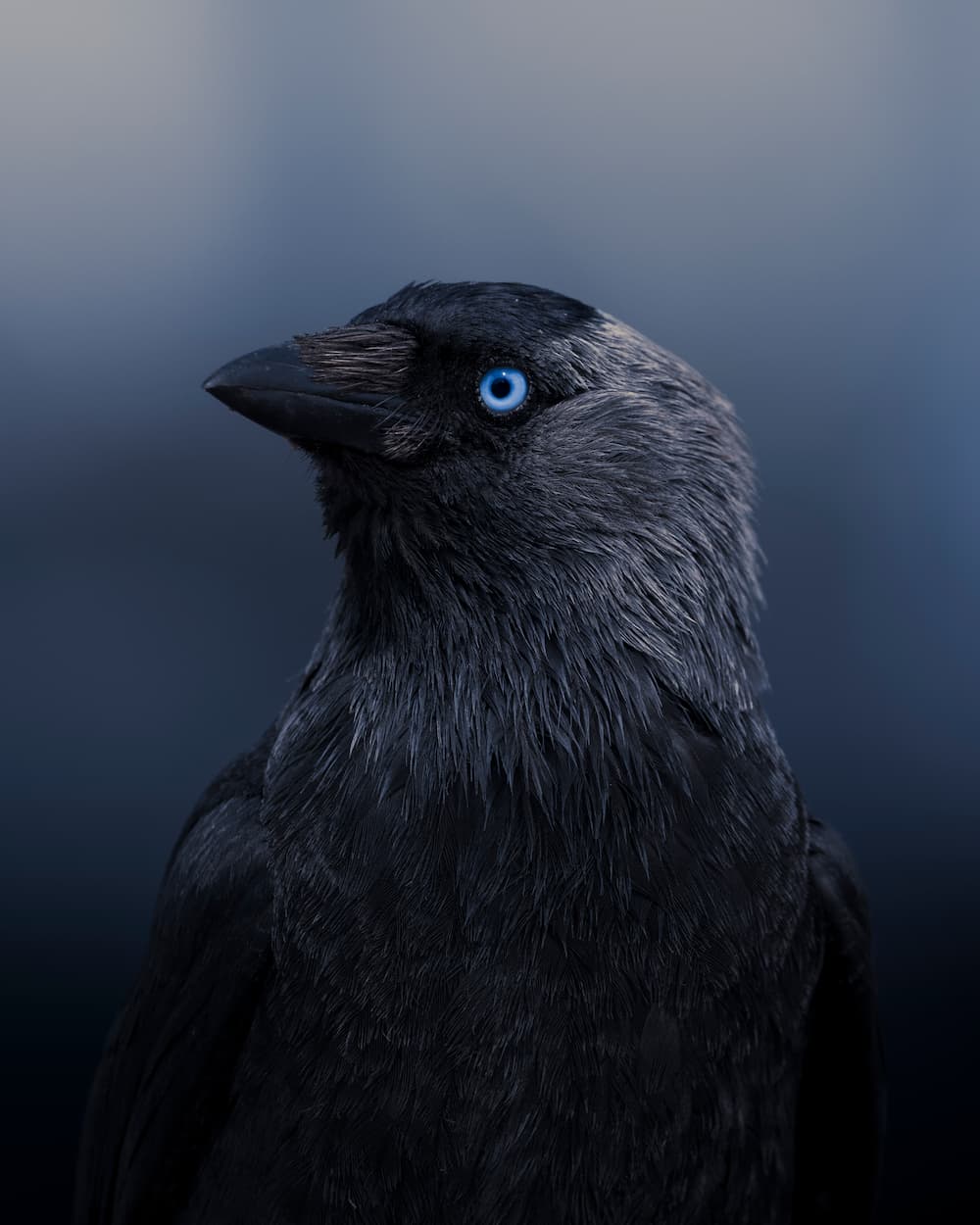
The real turning point came when my wife and I decided to move to northern Sweden with our dog about three and a half years ago. Suddenly, I had both the environment and the work-life balance to take photography seriously. That’s when I really started to refine my own style, especially my focus on birds, winter landscapes, and the calm, cold tones that define my work today.

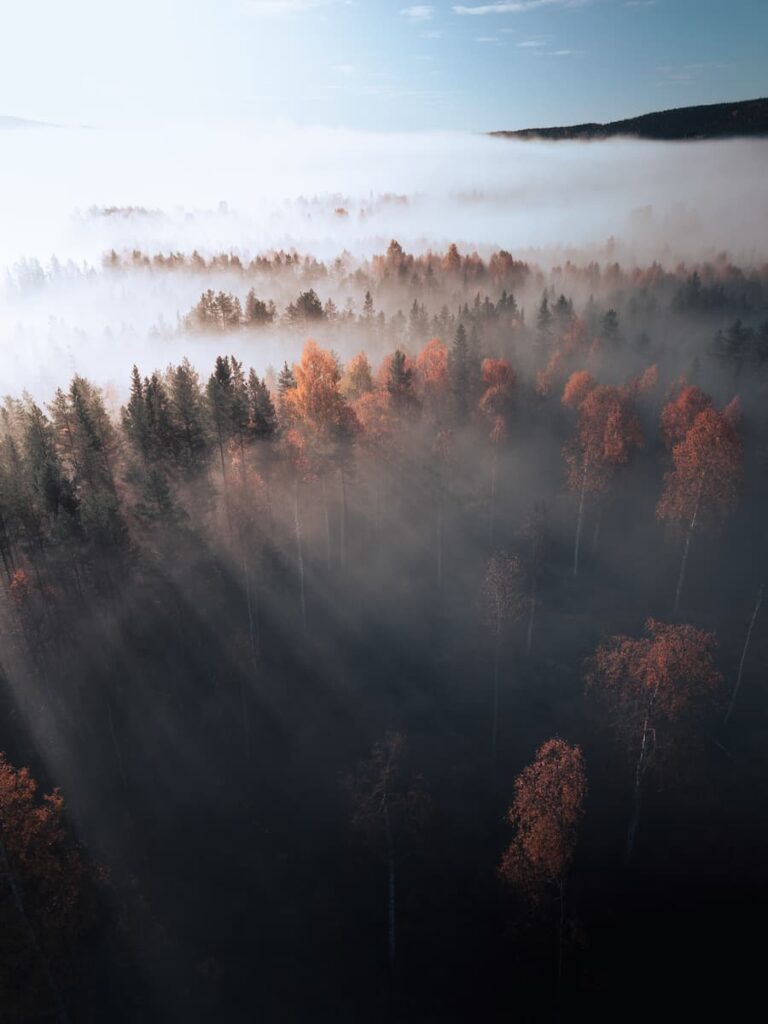
@pic_nolte_photography - Nomadict Article Forest aerial view
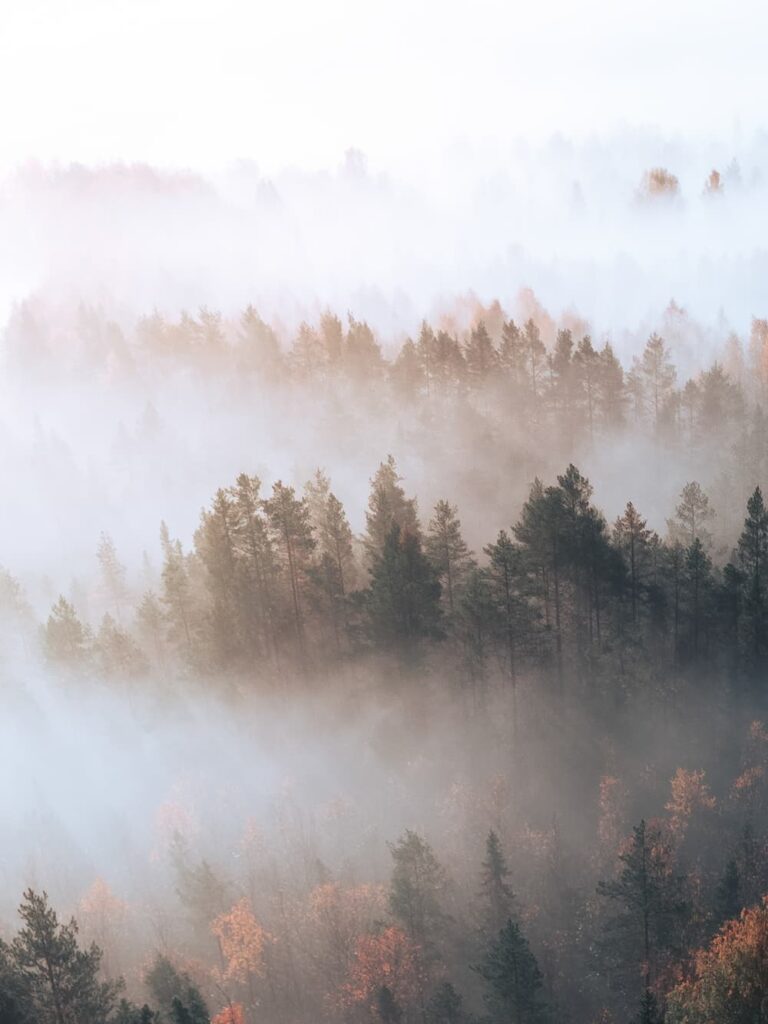
@pic_nolte_photography - Nomadict Article Forest Aerial view 2

Since moving to Sweden and beginning my journey as a photographer, everything has felt a bit like a dream. Especially in terms of photography, it feels like one never-ending project. The pursuit of the next great shot, the ongoing search for my own style- it’s all part of a continuous, personal journey.

Above all, I photograph for myself, as a creative outlet and a way to connect with nature. That, for me, is the best possible project. Gigs and commissions, at this point, often feel like they come with too much pressure and can take away from the passion. Right now, my focus is on enjoying the process and letting my work evolve naturally.

Winner
Best of the Week 6

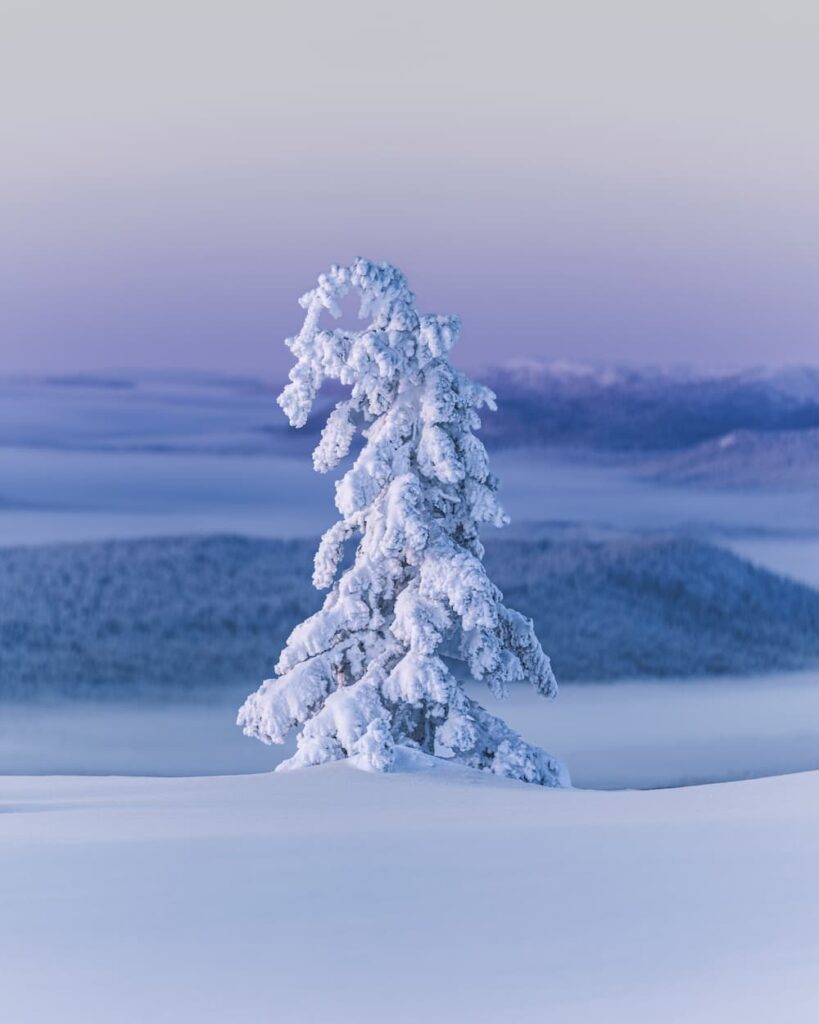
The image that won is a scene from the Swedish mountains. I came across this lone tree while out in the fjäll during deep winter, heavily covered in snow and shaped by constant wind and harsh conditions.

What made the moment special was the timing; it was during blue hour, which is my favorite time to shoot in winter. The soft, cold light and muted tones create a very moody and almost surreal atmosphere that you just don’t get at any other time of day.

The tree itself immediately caught my attention. It almost felt like a solitary figure standing against the vastness of the landscape. There was no dramatic action, just this quiet, frozen scene and a very reduced color palette. I remember it being completely still and silent, one of those moments where everything slows down. No wind, no movement, just that subtle blue light and this one tree holding its ground. For me, the image really reflects what I’m drawn to in photography: minimalism, calmness, and those understated, moody moments that are easy to miss if you’re always chasing something more spectacular.

@pic_nolte_photography - Lonely Tree Best of the Week 6

As I wanted the tree to really stand on its own in the vast winter landscape, I gave it extra headroom to let the scene breathe and to emphasize the open, quiet space around it, the kind of stillness you only really feel deep in the Swedish winter. I use the composition to convey the mood and atmosphere already, and when I edit, my goal is always to preserve the feeling I had in the moment. 

For this shot, I wanted to enhance the calm, moody atmosphere of the blue hour in winter. I focused on emphasizing the cold tones and subtle contrasts, keeping everything soft and restrained. Nothing flashy, just enough to let the tree and the surrounding space breathe. The muted palette and gentle gradations help to convey that quiet, almost silent winter feeling that first drew me to northern Sweden.

In terms of the key steps, I focused first on balancing exposure and contrast, keeping the overall feeling soft and natural. Then I adjusted the color tones to emphasize the cold blues and muted winter palette, reinforcing the quiet atmosphere. Finally, I refined small details and light adjustments to bring out the shape of the tree and the texture of the snow, without overdoing anything. The most important part is restraint: knowing when to stop so the image still feels like the moment I experienced, not something overworked in post. That is something I learned very quickly.

Exploring the wild diversity and top photography spots of Northern Sweden

Northern Sweden is a dream destination for landscape photographers. Within just a few hours, you can travel from the rocky islands of the Baltic coast through endless forests, wild rivers and waterfalls, all the way to the vast alpine landscapes of the Scandinavian mountains.

If I had to recommend just a few locations in Sweden, I would start with the Luleå Archipelago. With more than a thousand islands scattered across the Baltic Sea, it offers endless opportunities for photography throughout the year. Calm summer evenings create beautiful reflections and soft light, while in winter the frozen sea transforms into a unique landscape where you can walk, skate, or even drive across the ice to remote islands.

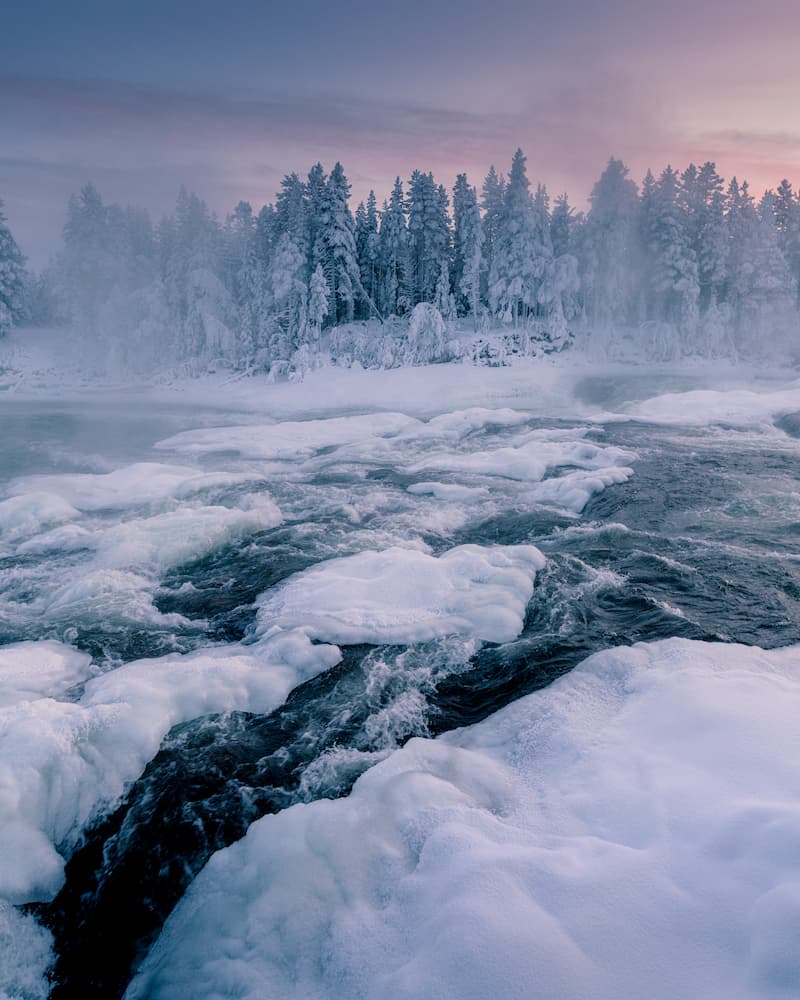
Another favourite is Storforsen, Europe’s largest unregulated rapids. During summer, immense volumes of water rush through the granite canyon, creating dramatic scenes and perfect conditions for long-exposure photography. In winter, the entire area becomes a frozen fairy tale, with snow-covered forests, thick ice formations, and temperatures that regularly drop far below freezing.

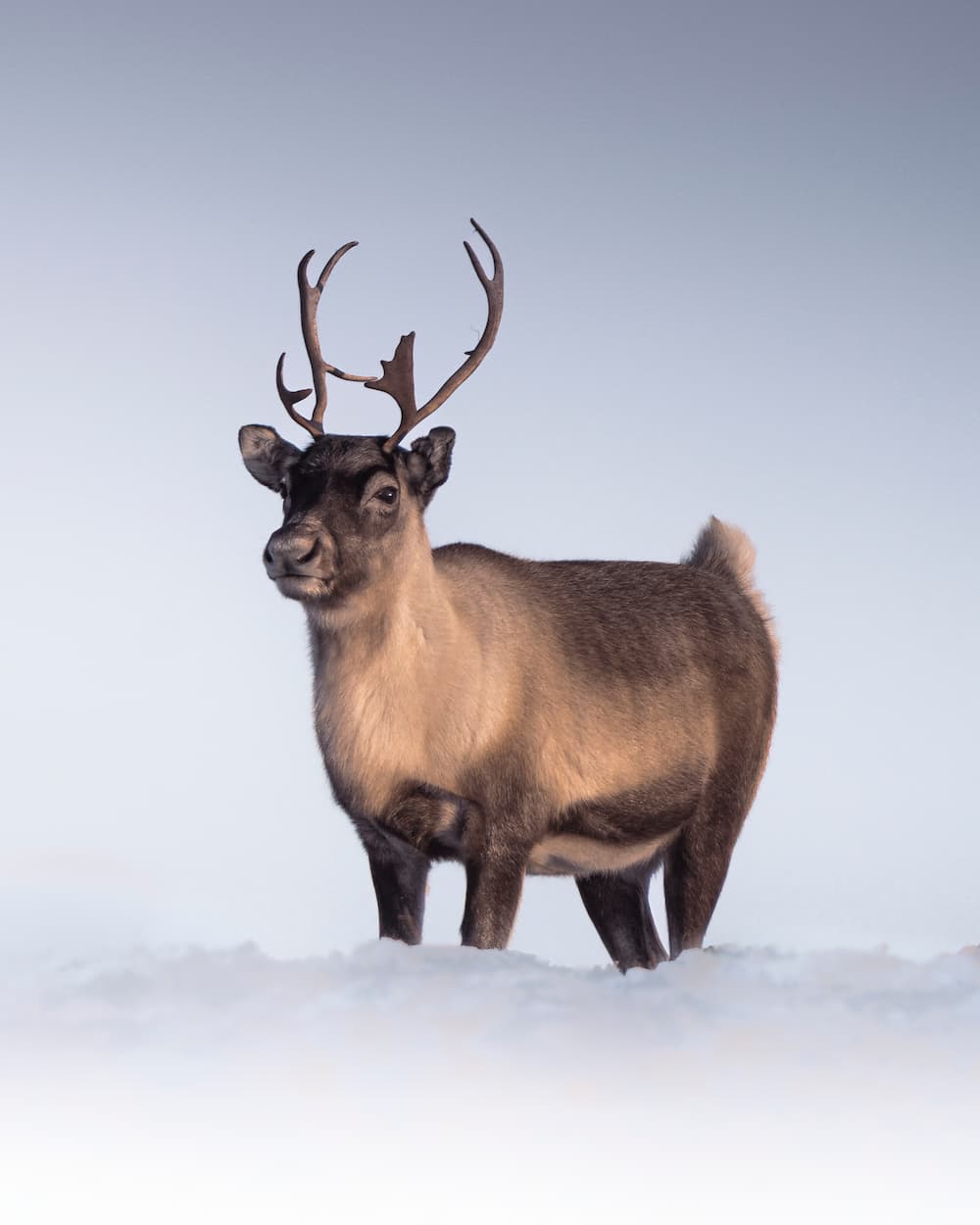
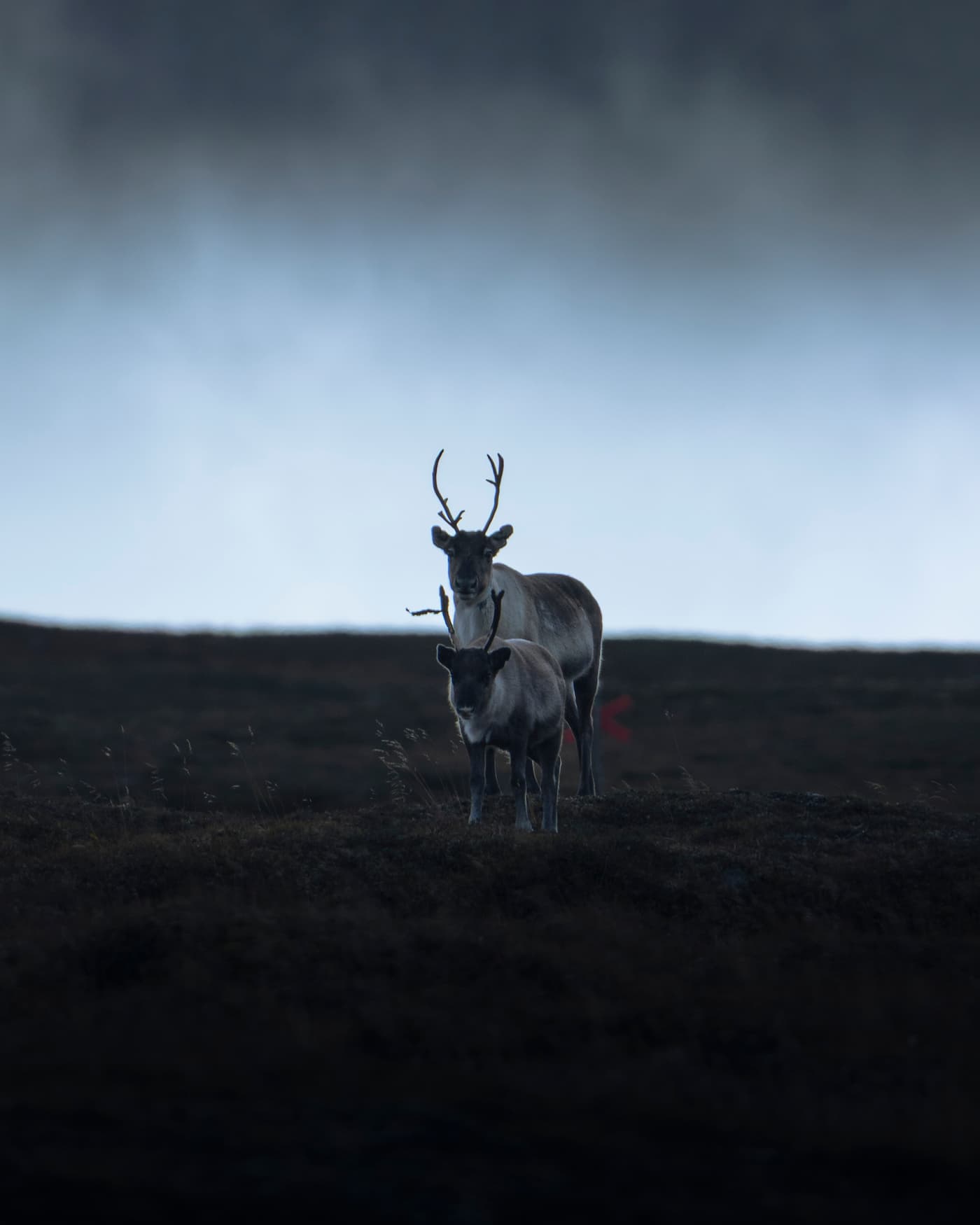
For anyone looking to experience Sweden’s mountain landscapes, I highly recommend driving the Wilderness Road (Vildmarksvägen) to the Stekenjokk Plateau. Along the route, you’ll pass countless waterfalls, including the spectacular Hällingsåfallet, before the dense forests gradually give way to the open fjäll. The plateau itself is an important summer grazing area for reindeer and home to a remarkable variety of birdlife, making it an excellent destination for both landscape and wildlife photography.

Together, these three locations perfectly showcase what makes Northern Sweden so unique: an incredible variety of landscapes, pristine wilderness and the feeling that nature still sets the pace.

Four valuable lessons

Aside from the lesson of “not overdoing” an edit, there are some more important things to learn even before you take a shot. 

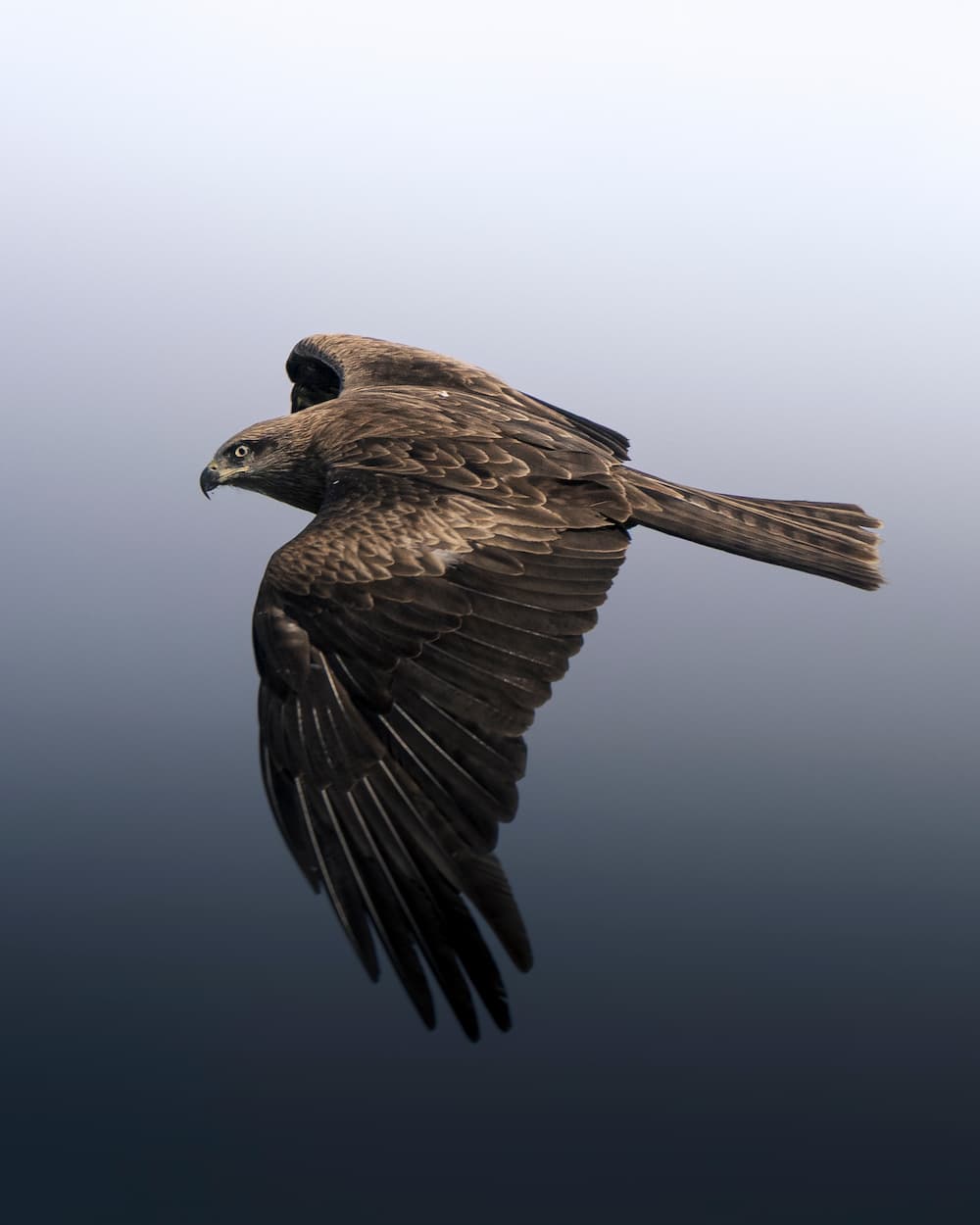
Respect for nature always comes first. The well-being of the animals and their environment should never be compromised for the sake of a photo. Especially when working with sensitive species like birds of prey and owls, it’s essential to understand their behavior and keep a responsible distance. This mindset is the foundation of everything I do.

Second, patience is everything. Wildlife photography isn’t about chasing moments; it’s about slowing down, observing, and allowing things to happen on their own terms.

Third, failure is part of the process. Many of my strongest images are built on countless missed shots and long, quiet days without results. Over time, you learn that these moments are not setbacks, but necessary steps forward.

And finally, consistency matters more than motivation. I’ll be honest, there are plenty of days when even I struggle to head out, especially when the weather feels flat and uninspiring. But more often than not, those are exactly the days that surprise you. Showing up anyway is usually worth it.

These are fundamental aspects that not only make your photography better, but also make anyone a better person. I hope to be in a place where I can continue my photography without losing sight of what really matters: my physical and mental health, a balanced, peaceful life, and nature. The world is a challenging place, and I want to keep my work and my life grounded in that reality.

THE LATEST STORIES

WRITEN WITH PASSION TO INSPIRE YOU
@withstrk_harz_01-Best of the Week

Christian Stark (@withstrk): Best of the week 4 at #nomadict 2026

Raised on film photography and shaped by years of architectural study at the Bauhaus in Dessau, Christian Stark brings a structural eye and a traveler’s instinct to everything he shoots. Now based in Sweden, he photographs the world from camper van roads across Europe to cold mountain summits in Germany — always with an open mind and often with just one camera.

Mehdi Tadlaoui, @tedmed, Nomadict Winning photo

Mehdi Tadlaoui (@tedmed): Best of the week 2 at #nomadict 2026

Mehdi Tadlaoui is a visual storyteller blending cinematic precision with a refined sense of composition and emotion. Shaped by art, film, and a background in 3D and VFX, he uses photography to explore atmosphere and narrative. This foundation guides his fieldwork, where fleeting moments become carefully composed visual stories.

Sebastian Tan - @quetzalcoatlst - winning image

Sebastian Tan (@quetzalcoatlst): Best of the Week 44 at #nomadict

Driven by a desire to witness the world in its rawest states, Sebastian Tan pursues remote landscapes with patience and precision. Blending meticulous planning with resilience, his work transforms fleeting light into immersive fine art. Recognized internationally, Sebastian bridges the wild and familiar, inviting others to see through his lens.

Kasper Rajasuo - @rajasuokasper - Nomadict Best of the Week

Kasper Rajasuo (@rajasuokasper): Best of the Week 46 at #nomadict

From childhood hikes to award-winning shots, Kasper Rajasuo’s journey is one of rapid evolution and deep connection. In this article, Kasper shares the technical secrets behind his “Santa’s Cabin” winning photo, the four lessons that defined his career, and how he uses color theory to transform harsh Finnish winters into dreamy, serene masterpieces.