Essential lessons from Julie Chandelier on abstract photography, simplicity, and creating evocative images

@julie_chandelier

Photographer based in New Zealand

What makes a nature photograph memorable? For Julie Chandelier, it goes beyond finding extraordinary subjects. It’s about observing closely, trusting your intuition, and noticing the details others might overlook. In this article, she shares her approach to composition, abstraction, simplicity, and creating more evocative images.
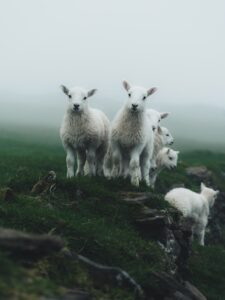
Learning to see beyond the obvious

My love for wildlife and nature began long before photography, from a very young age. Photography gave me a way to express that connection. But at first, in my 20s, I think I photographed what I “saw” more than what I “felt”.

When I moved to New Zealand in 2017, my photography grew exponentially and became a huge part of who I am today. Having access to so much beautiful scenery and discovering so many animal species, especially marine ones, gave me many opportunities to connect with my passions.

Two of the main ingredients in my photography are being hyper-aware of my environment and being a particularly sensitive person. I’ve always felt things quite deeply, and I think that influences the way I see the world around me. I’ve come to realise that photography isn’t just about noticing something beautiful or extraordinary. It’s also about recognising the small details, the relationships between things, and the feelings a particular moment evokes in me.

@Julie_Chandelier_Fine Art in Nature_For online article_02
@Julie_Chandelier_Fine Art in Nature_For online article_12

I think every photographer has the ability to notice things and provoke emotions, but my own sensitivity has helped me develop a way of seeing that feels personal to me. Over time, I’ve become more interested in interpreting what I experience, rather than simply documenting what I encounter. Of course, improving my technical skills and becoming more and more comfortable using my camera over time have also enabled me to take “risks” and work with various techniques. 

Perhaps my evolution wasn’t so much about learning to see differently as learning to trust what I see and feel.

How marine encounters shaped my photography career

I have a longstanding connection with the ocean, and my first few years living in New Zealand were spent in Auckland, on the North Island. My partner and I began sea kayaking along the coast and offshore, and were blessed with unforgettable encounters, such as orcas coming close, dolphins, and even whales. These hours spent paddling alongside these incredible creatures were life-changing for me, and a catalyst that led me to start guiding and working in some of the most remote environments on Earth. I learnt how to be patient around wildlife, and I knew I wanted to advocate for marine environments.

In terms of personal work, I am very grateful to have had the opportunity to be published in prestigious magazines such as BBC Wildlife, Oceanographic Magazine, Sidetracked and Mother Magazine, all of which I admire. I am seriously hoping we will continue to see stories in print in the future. Another milestone was being named one of the Adobe Rising Stars of Photography in 2022.

@Julie_Chandelier_Fine Art in Nature_For online article_20
@Julie_Chandelier_Fine Art in Nature_For online article_09

But one of the most meaningful turning points in my career was traveling to the Auckland Islands in the winter of 2021 (in the NZ Subantarctic) with a small team and researchers working with southern right whales. Documenting the journey and their research really opened up the world of expeditions to me, sparked my desire to work in harsh and remote environments, and ultimately kick-started my career as an Expedition and Photography Guide.

Today, I guide and teach in remote polar environments, as well as developing more trips on the African continent for small groups. I love that I don’t only work to make images; I am also helping other people experience and photograph the natural world themselves.

Strategies to notice often-overlooked elements and recognize new photographic potential

Developing an eye for photography isn’t necessarily about finding more extraordinary subjects. It’s about learning to pay closer attention to ordinary things. And this is where I practise something every time I go for a walk, even around the block near my house, which I call “notice three things”. The more you do this, the more you notice, and the more subjects or things you find to photograph.

A few pieces of advice I can offer here: slow down and spend time with a subject before lifting the camera. Notice how the light changes and how shapes relate to one another. Look beyond the obvious subject. When you find something interesting, resist photographing it immediately. Look around it, behind it, through it. That can be tough at times, but I swear, it works.

@Julie_Chandelier_Fine Art in Nature_For online article_03

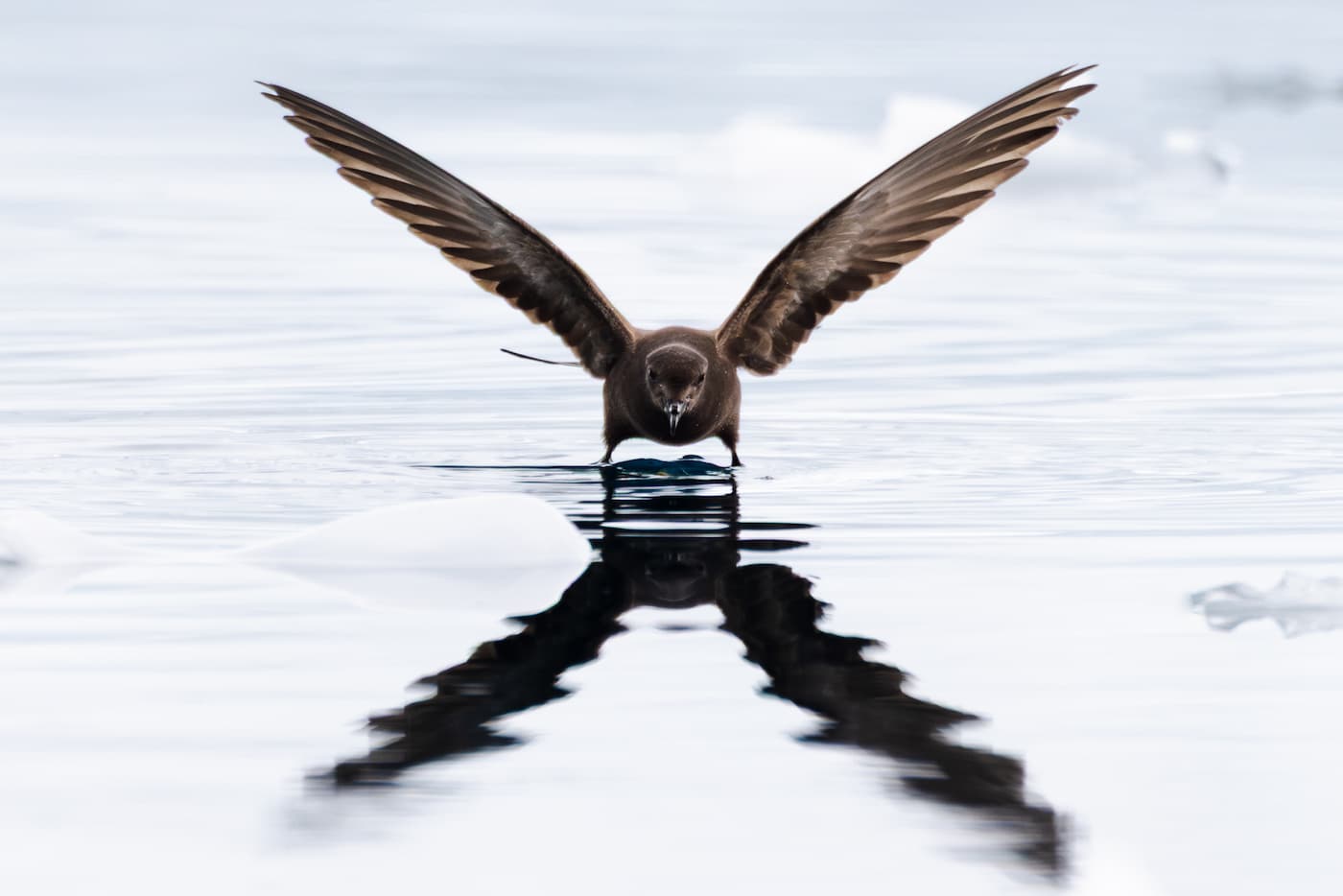
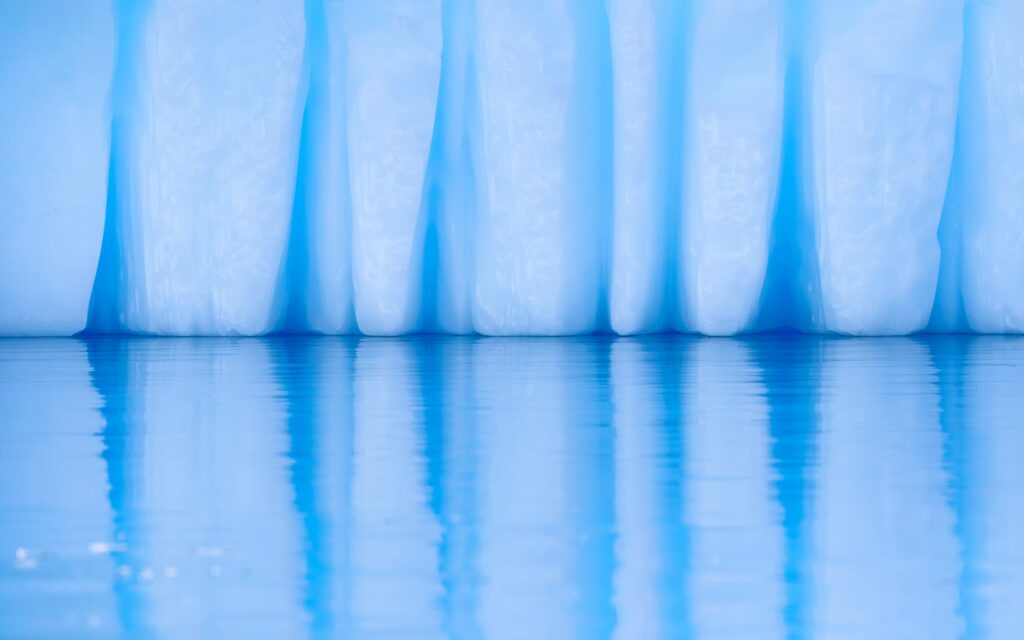
Pay attention to your own response. What catches your attention before you’ve had time to analyse why? I often talk to myself (silently). I ask myself: Why do I like this? What does it create in me? And then, experiment. A reflection, a shadow, a fragment of ice, or the movement of water might become more compelling than you might expect.

My main take here is that you don’t necessarily need to travel to an extraordinary place to make an extraordinary photograph. But the more time you spend in the field, or in places that make you feel good, the more you can train yourself to notice and feel things. I think I initially trained myself, quite quietly, to think consciously about what I was seeing, but now I do it unconsciously too.

How to approach natural environments, composition, and different relationships between elements

I think there is a strong relationship between observation, intuition, and patience here. At times, things happen fast, such as a bird flying past or a dolphin jumping. I won’t necessarily have time to think about a frame. I need to press the shutter rapidly, making sure my settings are correct. Other times, I observe and pause, and then the image I want to capture appears clearly to me. I wait for the light to reach its peak, or I wait until a pod of whales is a bit closer.

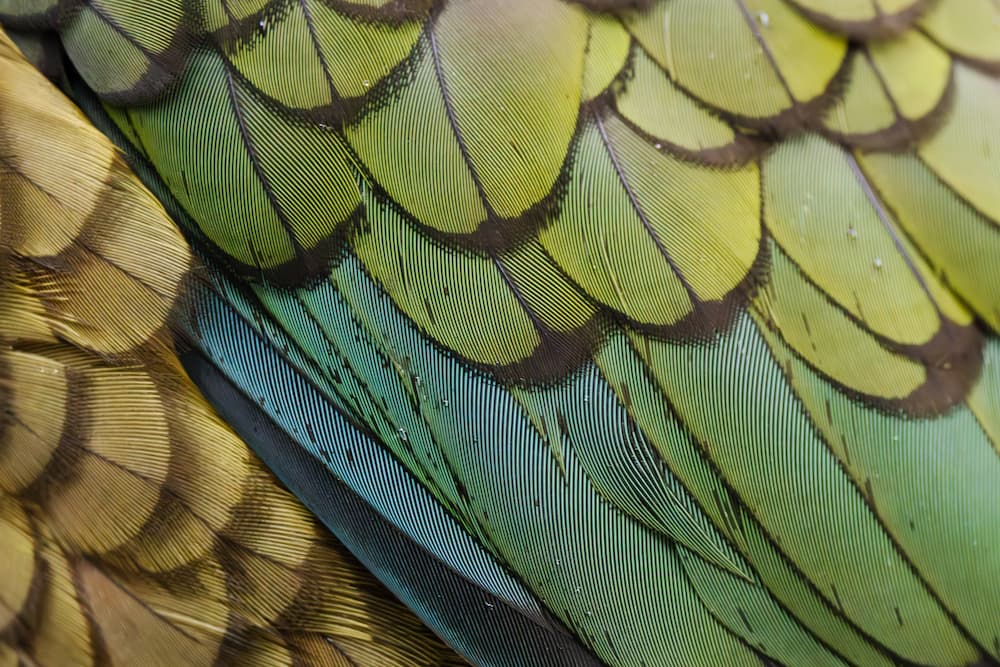
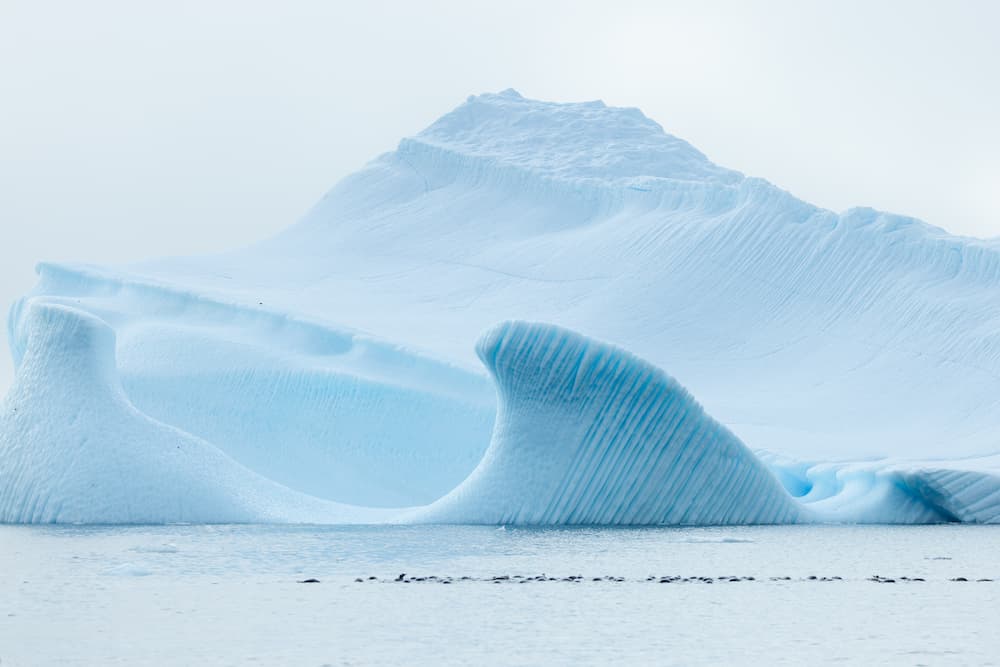
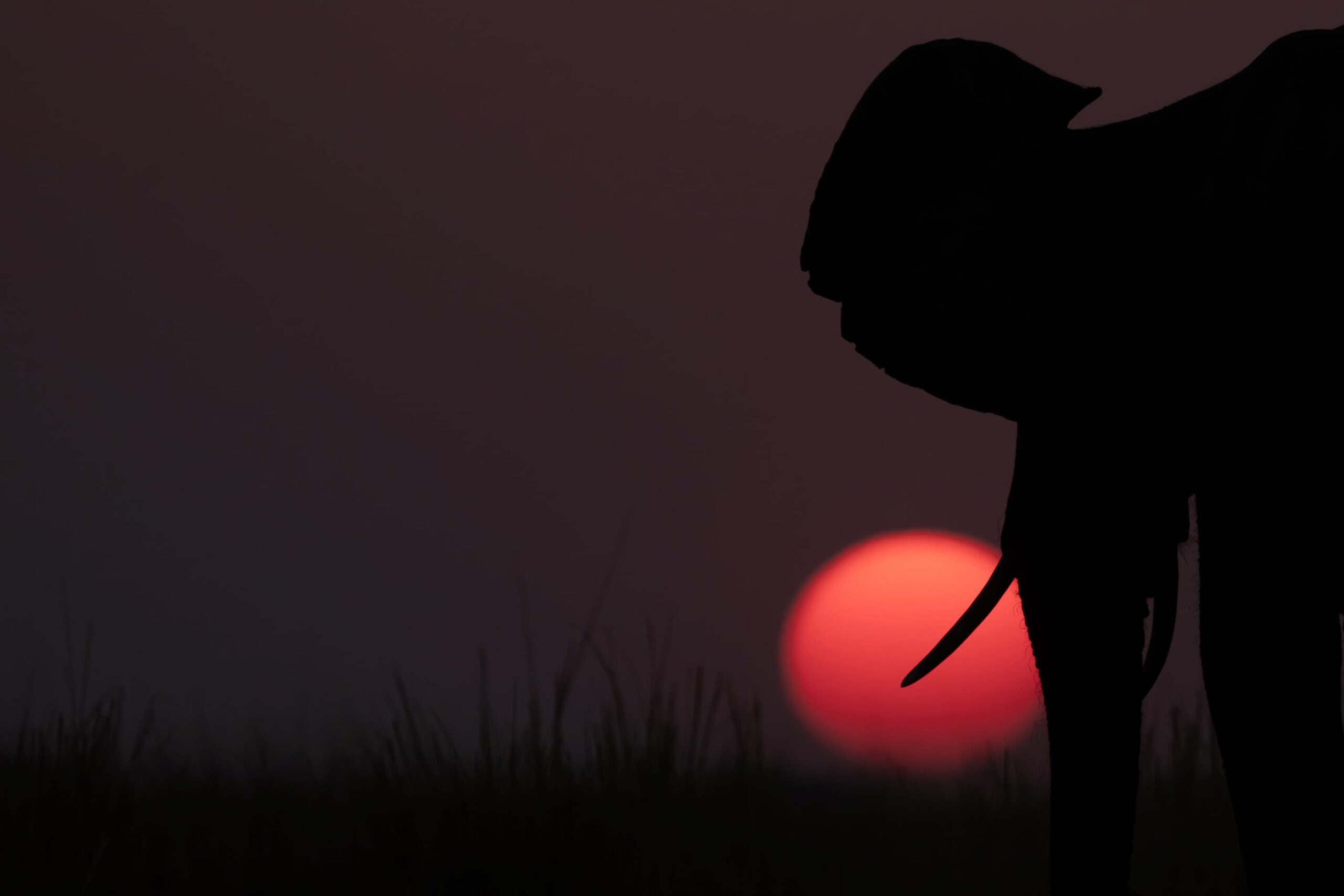
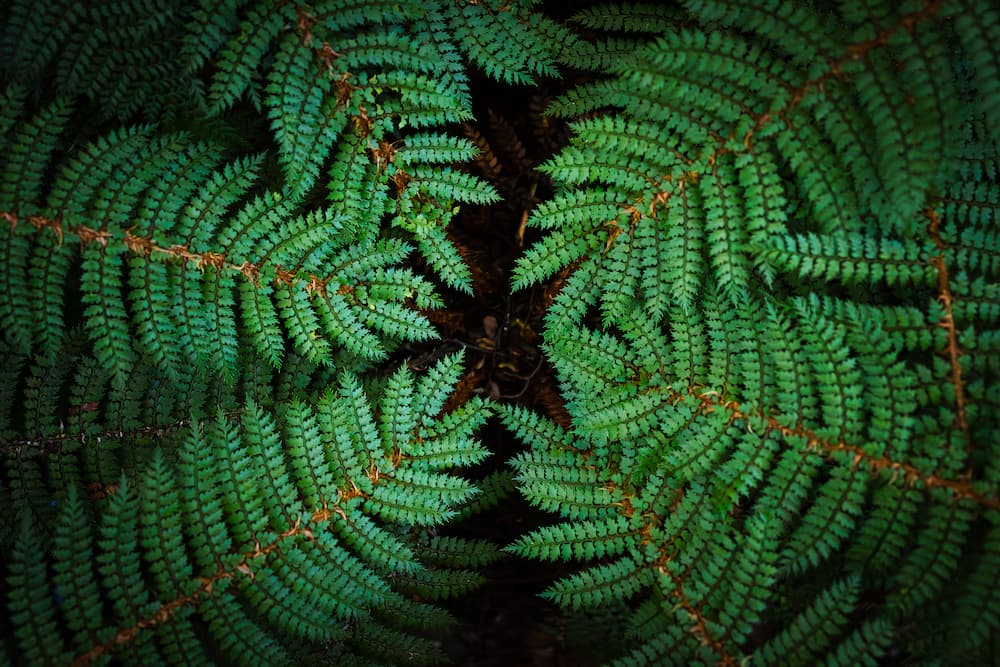
I’ll always ask myself: can I choose my position, my perspective, the lens I use, and what I allow into the frame? It depends. I definitely spend a lot of time observing, and I am very drawn to patterns and shapes (ice, leaves, water ripples, etc.). And above all, I look for the light. Where does it hit? From which direction? How intense is it? Does it create shadows or silhouettes? Where my eyes go is where I want my viewers’ eyes to go too.

I also spend quite a bit of time in post-production, cropping and experimenting with it. In fact, cropping is the first thing I do when editing an image. I will sometimes create several copies of one image and try different crops to see which one I prefer.

When I’m working in the field or guiding, I tend to carry two different camera bodies with me, one with a good zoom lens and another with a wide-angle lens. The reason being that, in my job, I tend to drive Zodiacs too, or face harsh weather that doesn’t always allow me to change lenses safely. So, if you have the capacity for that, travelling with different focal lengths will expand your ability to compose.

How to create abstract nature photography

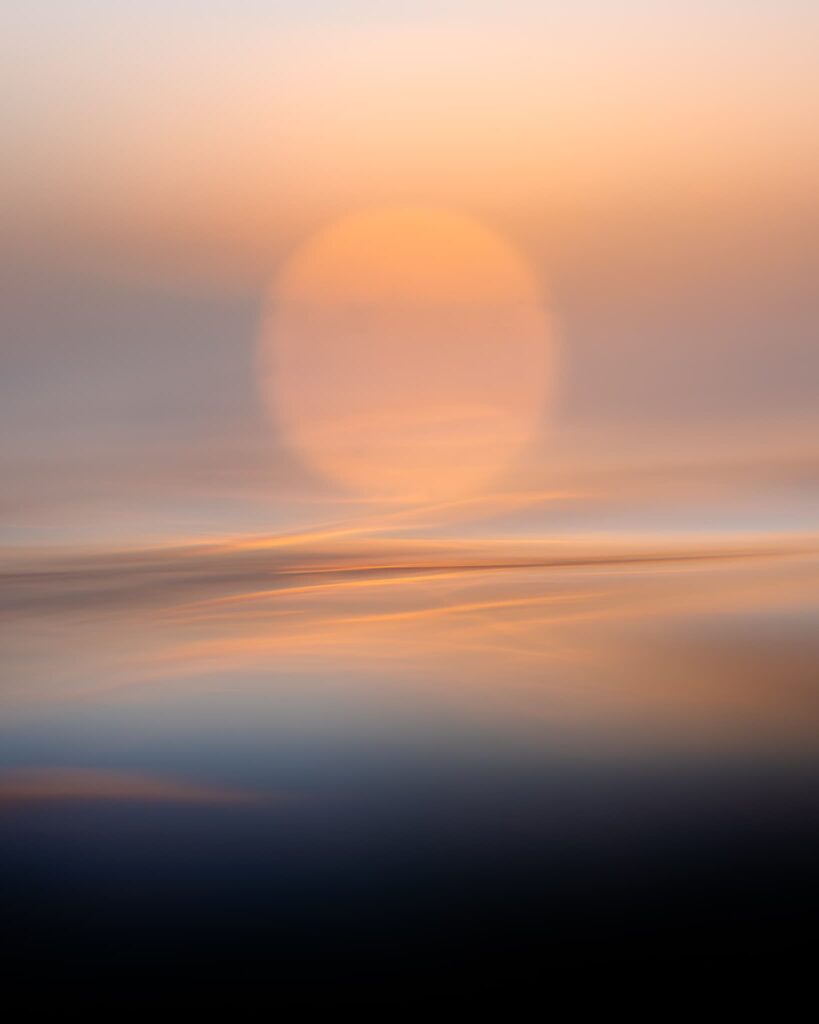
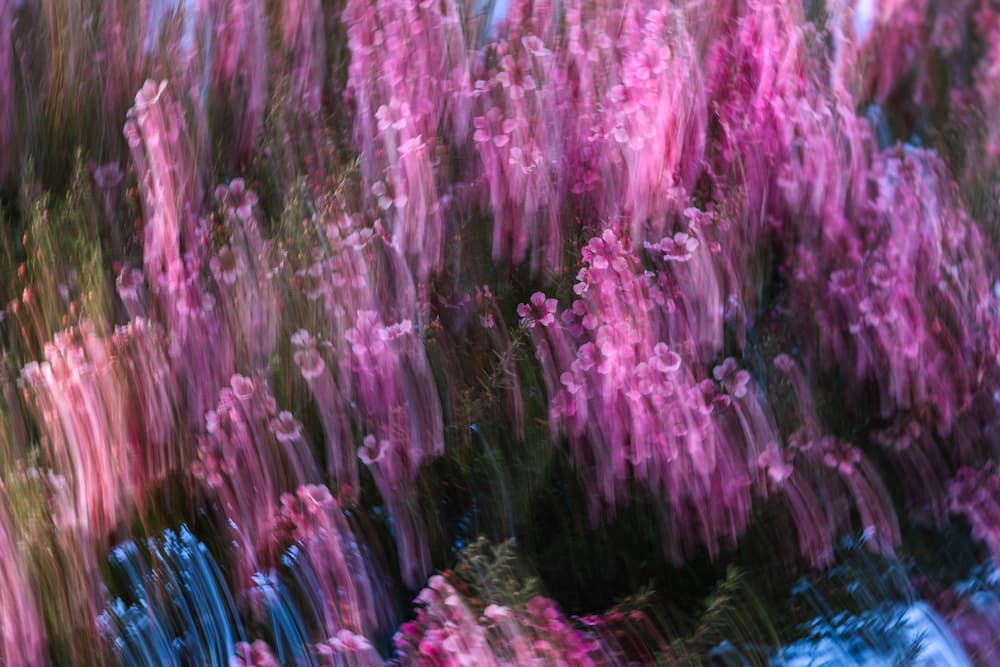
Abstraction is very personal and subjective. It is not for everyone, of course, but neither is art in general. It has endless possibilities and interpretations. And I enjoy discovering shapes and patterns that people might not recognise immediately. I like creating a feeling of “what’s this?” I like having to look twice at a photograph myself, which, to me, is a sign that it is an interesting one.

I also feel a certain sense of freedom in abstraction. When a photograph is recognisable as a particular animal or landscape, there are already certain expectations associated with it. When the image becomes more abstract, the viewer may respond first to its colours, movement, shapes, or emotional atmosphere.

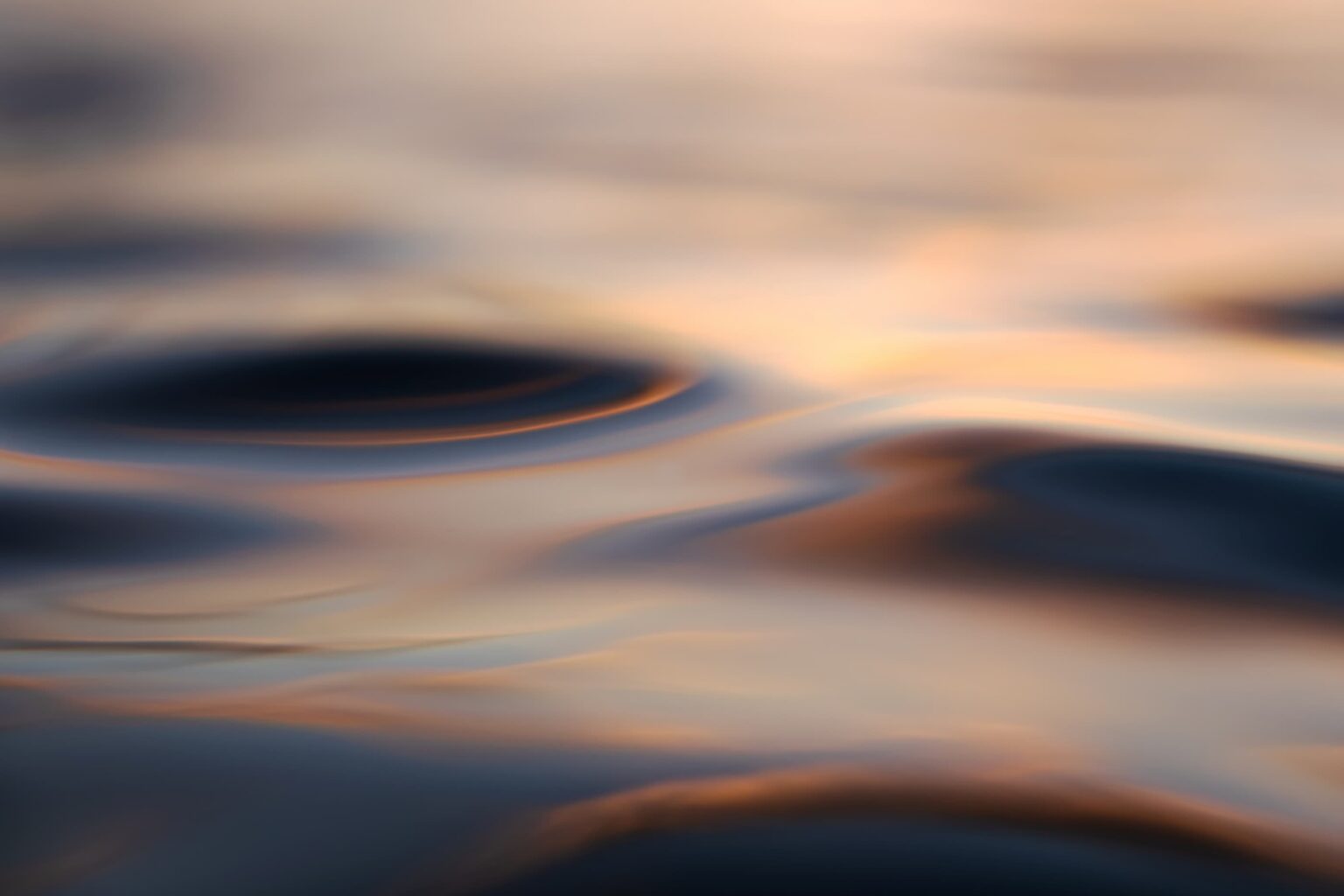
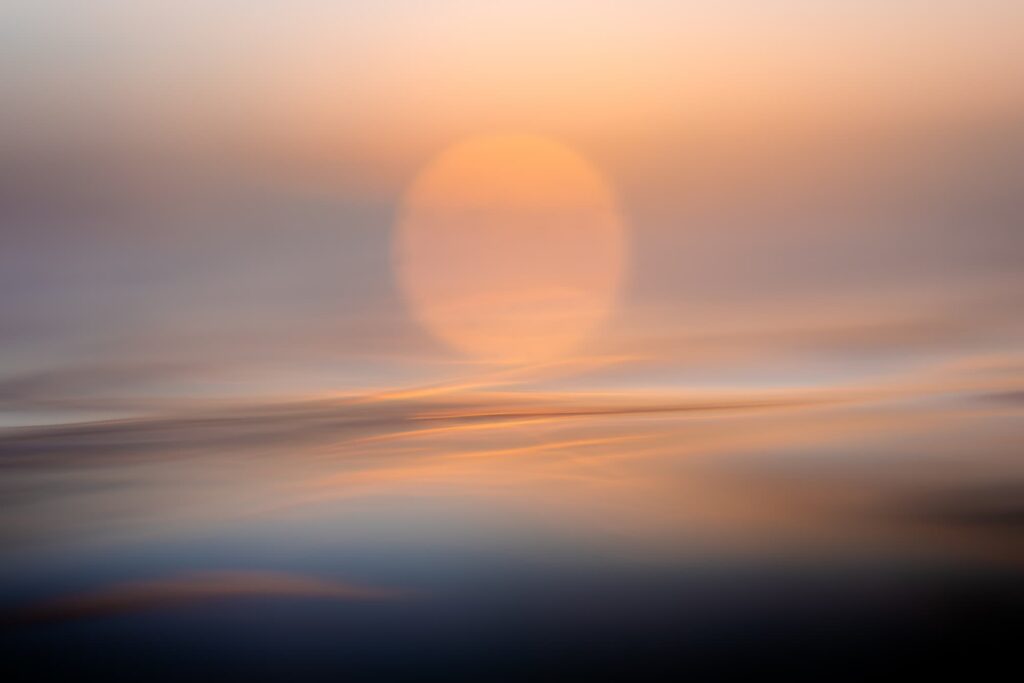
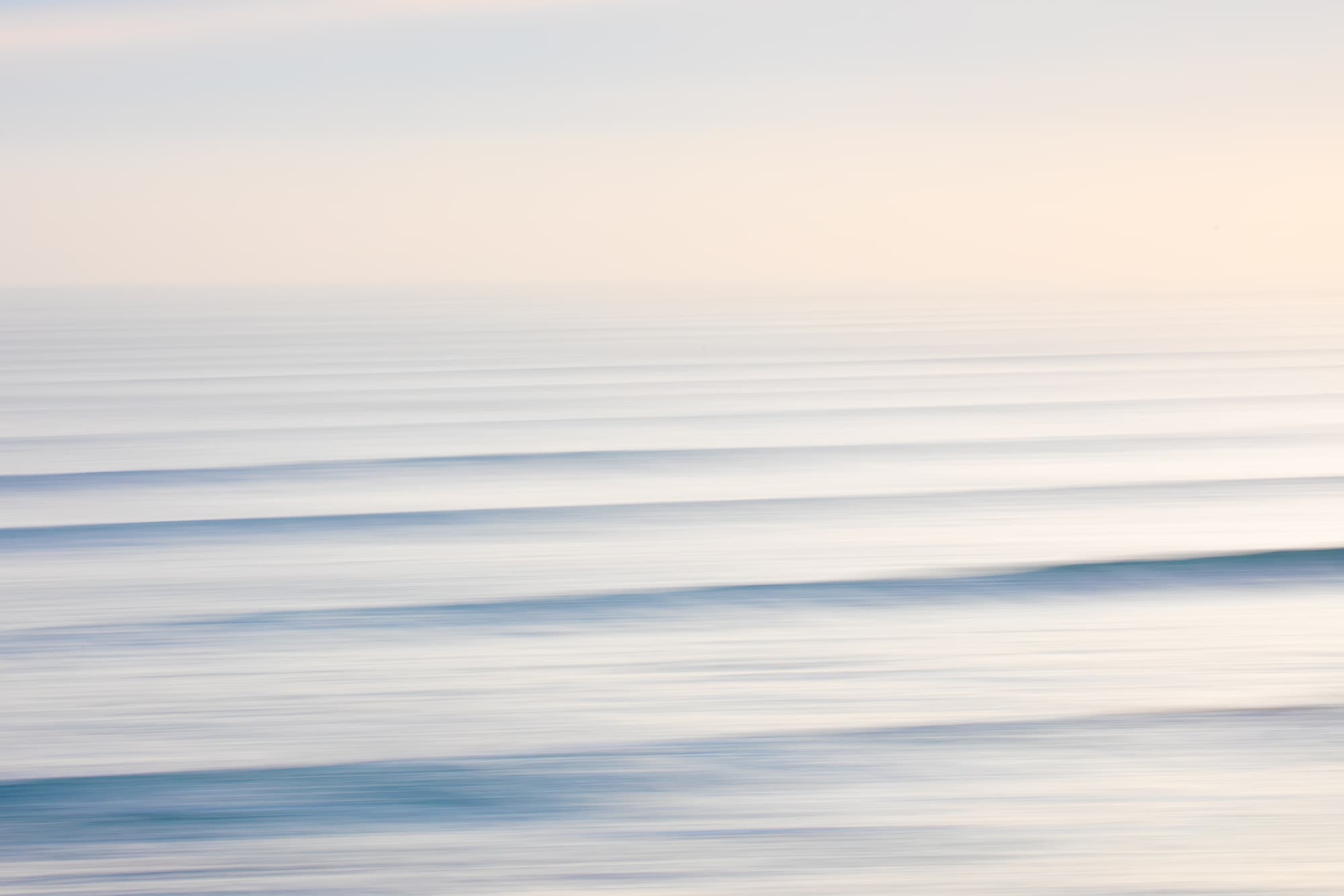
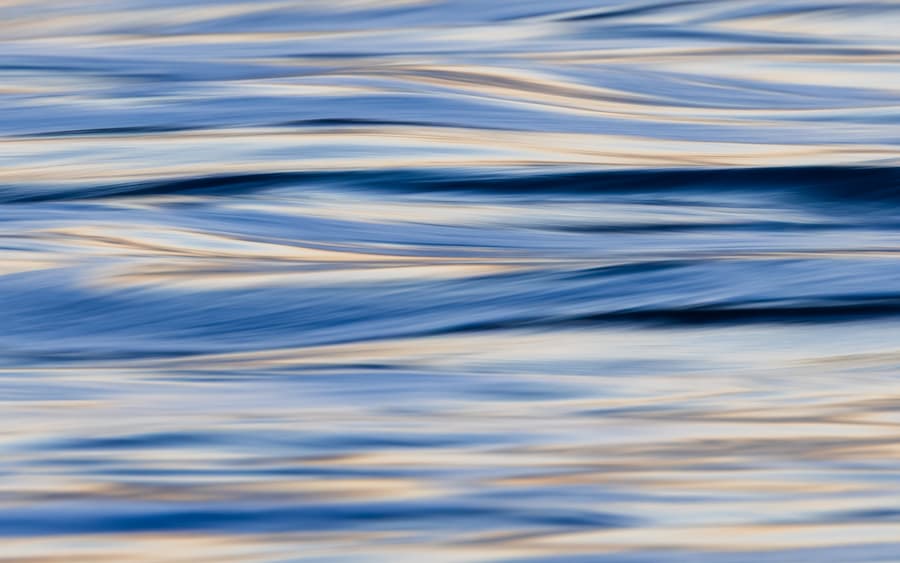
In terms of techniques, I use things like reflections, intentional camera movement, and slower shutter speeds. Most of the images end up in the bin, but once in a while, I’ll have a few that I am really happy with. Using a slow shutter speed is definitely one of my favourite techniques to play with, especially around the water element.

How to create stronger photographs through simplicity

When I teach photography or give lectures, I spend a lot of time talking about composition and negative space. It’s one of my favourite aspects of photography. Deciding what to keep or what to leave out is, of course, subjective. I will often look at an animal in a landscape, for example, notice the general scene, and switch between close-ups and wider, environmental shots. I like to give myself a variety of images, if feasible. Ultimately, every element within a frame contributes something, whether it’s the main subject, a contrasting shape, a line, or an area of negative space. 

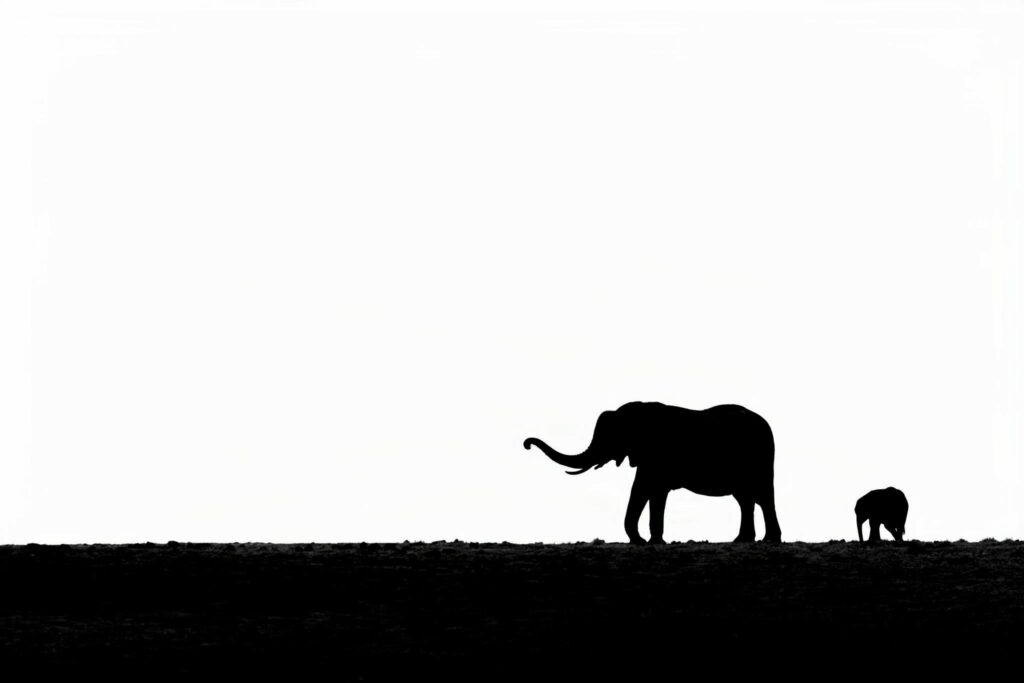
I naturally gravitate towards simplicity, and I often find myself searching for order within visual complexity. This is why I love negative space and minimalism, and “clean” images that breathe. An isolated subject surrounded by space can feel peaceful, vulnerable, lonely, or expansive. I don’t necessarily see that space as empty; it contributes to the meaning of the photograph. Minimalism isn’t necessarily about including as little as possible. It’s about making every element count.

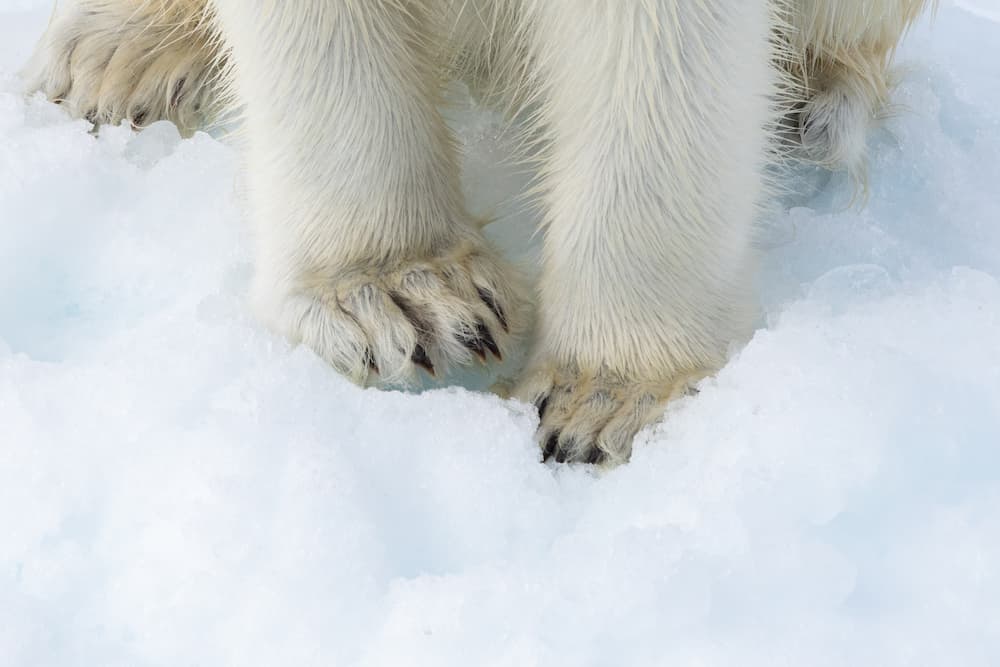
Post-production is where a lot of the final images come to life, though. Take, for example, this image I took of a female polar bear up in the pack ice, north of Svalbard. We were all on the boat scanning for bears, engines off, and this one curiously approached us. Especially with wildlife photography, respecting minimum distances is crucial, both for the animal’s safety and yours. In this case, we were lucky to all be safe on the ship, and I could capture some really nice close-up details of the bear as she approached.

This is where I decided to crop and only keep the paws, giving plenty of negative space around them. I strongly believe in ‘less is more’, and sometimes showing only a detail without revealing the whole story creates evocative images. Sometimes an image becomes more powerful when you remove information because the viewer can concentrate on what matters most, or start using their imagination.

Going further to create emotionally powerful photographs

To me, there is a distinction between a photograph that is visually beautiful and one that really moves me. The latter is not necessarily the former, and vice versa. A very technically impressive image does not automatically evoke emotions in me. So what is the difference? It is, of course, important to acknowledge here that my emotions may be different from my viewers’, and vice versa.

But personally, an emotionally compelling image implies a sense of atmosphere, ambiguity, intimacy, movement, vulnerability, or solitude. Overall, it makes you experience something in your body, rather than just observing it. I want to believe that if you photograph something that makes YOU feel something, it is almost always the case that your viewers will feel it too.

We don’t need to tell viewers what to feel, but to “allow” them to feel something and create an opportunity for them to connect with the image in their own way. If that makes sense? 

There could also be memories, experiences, and bodily sensations associated with an image that make it particularly likely to evoke something. I think we are tapping into the ‘physical’ senses here, aside from just emotions or feelings.

To give examples from my own experiences, it could be an animal’s behaviour, the vulnerability of a person, the atmosphere of a place, or something about the way light transformed the scene that moved me. It is endless, really. You also need to allow yourself to be vulnerable and open-minded with your own emotions, to allow yourself to capture these feelings.

Using a particular composition, excluding distracting elements, waiting for a gesture, or allowing the subject to remain small within the frame are all tools I use to create a particular atmosphere or “feel” in an image. I relate this strongly to the conservation work I do. I always aspire to create an emotional connection with wildlife or a landscape that can encourage someone to care about it.

How to adapt your photography to challenging environments

My job takes me to some spectacular and remote places, which is something I will never take for granted. Beyond the obvious challenges of cold, weather, logistics, and physical hardships that can occur (such as seasickness), working in those environments has taught me many things that have largely contributed to shaping the way I photograph and tell stories. And I keep learning.

Patience might be one of the most important ones. I have learnt to wait for the right conditions rather than trying to force a result, in some cases. Spending a lot of my time with wildlife has taught me that the craziest behaviour can happen at any time, even after hours of waiting and observing.

Adaptability and resilience are other big ones. Some of the best photographs are captured in the worst weather conditions, in rain, snow, and sometimes hail. There is a sense of reward when you capture something difficult to get. Plans can change quickly, and you have to respond to what the environment offers. But always consider your and others’ safety first, of course.

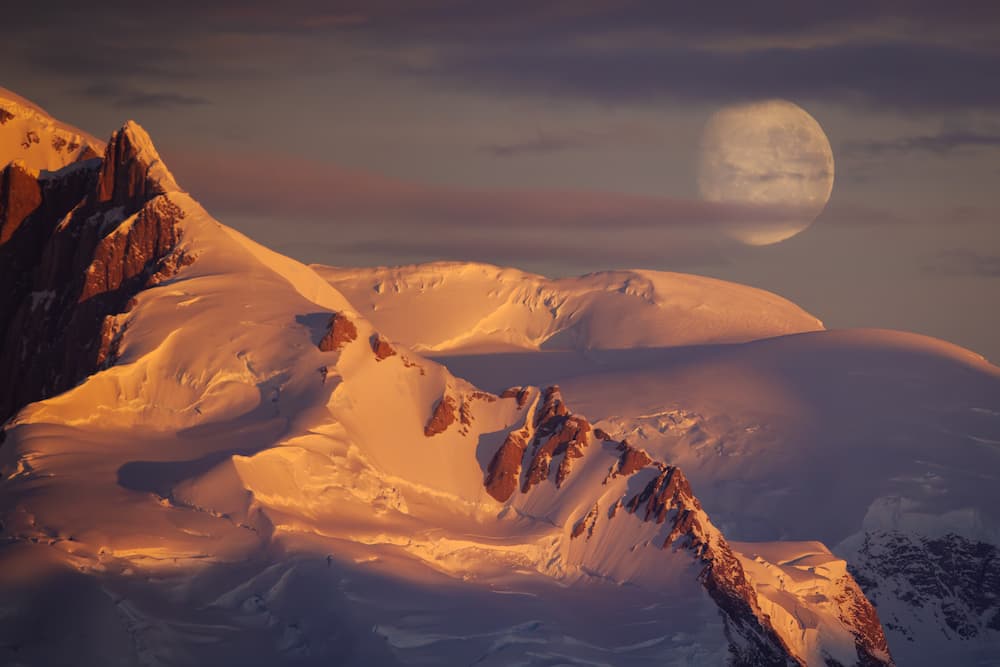
Antarctica, in particular, has one of the greatest senses of scale I have ever experienced. It is really hard to do it justice or find the right words. Experiencing landscapes that can make you feel small has given me a valuable sense of humility and respect for our environment. Similarly, working in harsh and sometimes dangerous environments forces you to be alert and present at all times, and allows you to become more responsive to subtle changes because conditions can shift so quickly. When I am immersed in these environments, I find myself becoming more attuned to subtle changes in light, weather, and animal behaviour. It kind of goes hand in hand.

One particularly interesting aspect here is the relationship between the grandeur of the places I work in and my attraction to smaller, more abstract details. I think being exposed to these beautiful, vast, and impressive landscapes has given me a sense of perspective and made me enjoy the simplest of things too, as well as notice the smallest details when I am back home. Some of my favourite images have actually been captured at home, not in the polar regions.

How to develop your own photographic style

Finding what moves you, what gets you out of bed, what motivates you, takes time. You actually need to take the time to reflect on what it is that you want to do or achieve. Is it to work with a particular brand or organisation? Is it to become a photojournalist, a wildlife photographer, an abstract artist? Do you enjoy teaching others, or do you prefer photographing for yourself? Do you want to do this long-term, or are you happy to do this temporarily?

I think taking the time to ask yourself those important questions will ultimately help you find your thing (or niche) and what you are good at. Trying to imitate someone might help you discover some new techniques or get you a few more followers, but is it sustainable in the long term? Recognising the images that genuinely excite you, rather than the images you think you ought to make, is my main point here.

Self-awareness is everything; doing the work of introspection is a necessary, ongoing process to find your own voice, and sometimes that means asking yourself difficult questions too. Why am I actually doing this? Why am I photographing? It’s something I have been practising and always keep in mind. I am always trying to listen to my own voice.

I believe in authenticity, and some of the photographers I admire most have a very small online presence, or do not pay a lot of attention to their engagement at all. Of course, it is always great to find inspiration in your peers and friends, and it can lead to great things. But following your heart will always be visible in your images.

I personally like to follow my curiosity across different genres rather than feeling obliged to specialise in one. It’s clear that I specialise in wildlife, landscapes and underwater photography, but I also adore portrait photography, for example. I never stop learning and trying new things. And I absolutely love learning from other people and photographers; we always have something to gain from listening to others.

My advice here is to get the experience. The more time you spend photographing, the more you discover which subjects, compositions, and visual qualities consistently attract you. And permit yourself to create work that might not fit an established category, and make mistakes- lots of mistakes!

The art of fine art photography

You can ask any professional photographer in the world. Almost all of them will say how rewarding it is to see your work in print. It gives another level of appreciation. A good fine art image will always invite you into the scene, or make you feel like you are there. I can honestly say that I rarely recognise a potential fine art image when I am in the field. Rather, I pretty much always discover it during editing. It is when I sit down and take the time to look at my images (and crop or tweak them) that I will start working on an image I can sell as a fine art print.

I ask myself: would I want to hang this image on a wall? Does it hold my attention? Is it aesthetically pleasing? Does it look better when viewed from afar? Does it relax me? Does it make me want to sit on that beach or look at that view? I look for textures, colours, movement, and tones, as well as a sense of scale. I personally enjoy images that breathe and give a sense of calm.

One critical aspect when I decide on a fine art image is its resolution, and I evaluate how large I can print it to make sure I don’t compromise on quality.

One exercise to improve your nature photography

This might sound a bit strange, but I would choose a subject close to home and spend at least 30 minutes exploring it. It could be a tree, a shoreline, a rock pool, a flower, or even a person. The challenge would be to produce several different photographs of this very familiar subject and then compare them.

Here are examples of what I mean: a photograph that clearly shows the subject as it is; one that emphasises its shapes, patterns and textures; one that explores colour, light or movement; one that uses negative space or an unusual perspective; and lastly, one that attempts to communicate a feeling rather than describe the subject.

At the end, ask yourself: Which one feels most personal? Which one surprised you? Which one would you have overlooked before doing the exercise? The aim here is to broaden your perspective and interpretation. If you keep repeating the exercise regularly, you will develop your way of seeing and your curiosity.

What I like to do is to photograph waves at my local pier. Depending on the swell, wind, time of year, and light, I like to experiment with slow shutter speeds. I often get very different colours, depending on the time of year or time of day.

@Julie_Chandelier_Fine Art in Nature_For online article_11
@Julie_Chandelier_Fine Art in Nature_For online article_10

The stories behind my most meaningful photographs

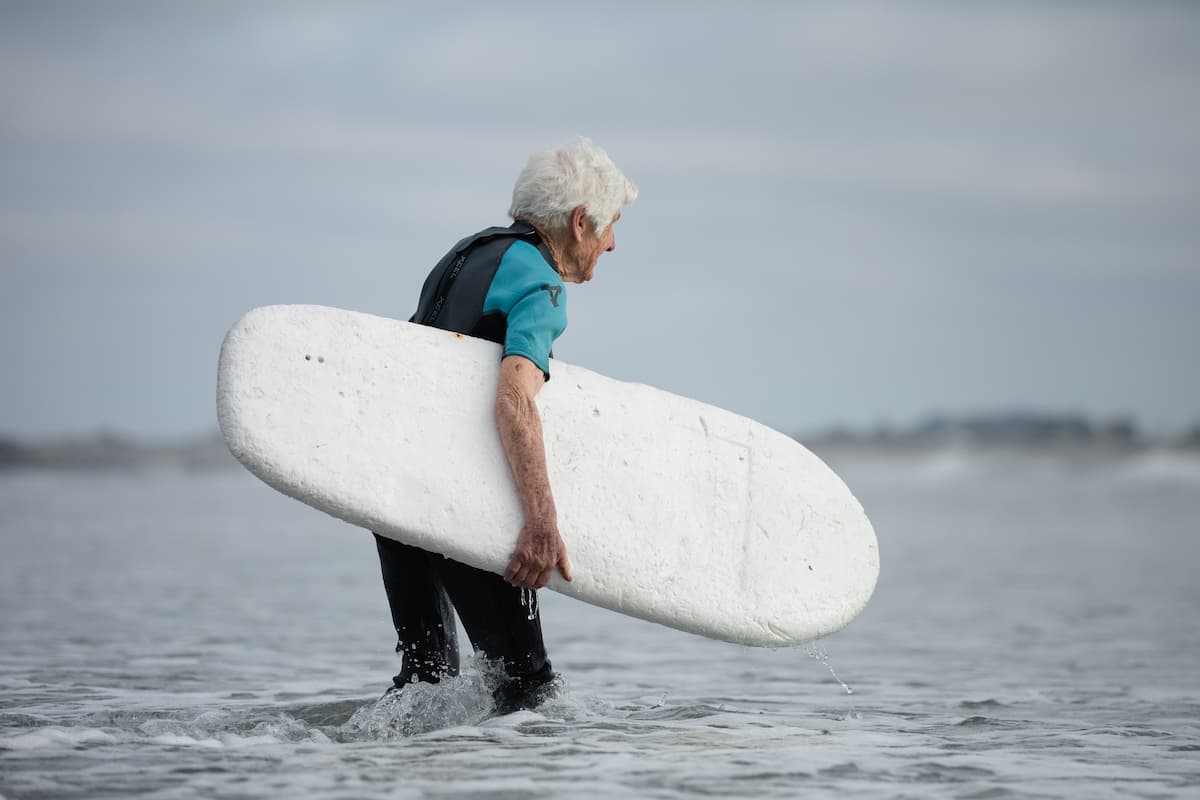
1) One that comes to mind very spontaneously is a project I worked on in 2021, when I met a 92-year-old woman called Nancy. I met her while documenting behind the scenes of a short film a friend was making about her. On this day, in the middle of winter in June, I photographed her catching waves at her local beach in Sumner, on her old foam board. Wearing just a spring suit, her joy in the water was so contagious that I decided to document more of her life. For about a year, I spent time with her at her home, in her garden, and back at the beach, where she told me all about her love for the outdoors and the ocean. She also shared how much her garden and staying active contributed to her good health and well-being. This story inspired many people around the world, particularly during COVID, when so many people needed uplifting stories. It remains one of my most meaningful projects.

1.@Julie_Chandelier_Nancy Nomadict article

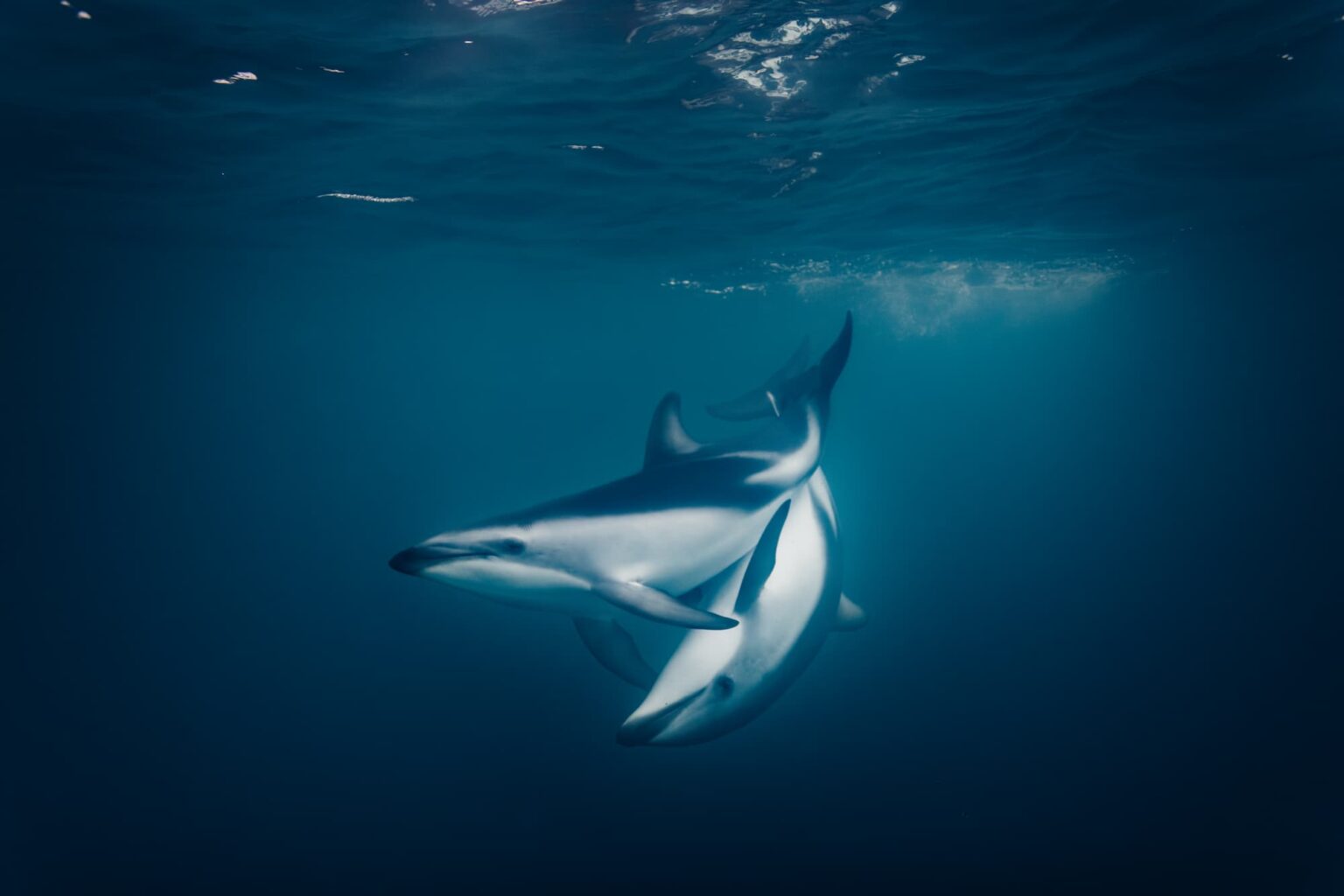
2) I spend a lot of time in Kaikōura, New Zealand, one of my favourite places on the planet. I’ve been lucky enough to swim countless times with the resident dusky dolphins there. The water is notorious for being quite murky, which isn’t always ideal for photography! But one morning, while free-diving down near the main pod, a pair emerged from the deep and gave me front-row seats to a brief mating encounter, something I had never witnessed before. This image received a Highly Commended award in the wildlife category of the 2024 New Zealand Geographic Photographer of the Year competition.

2.@Julie_Chandelier_Intimate dance Nomadict article

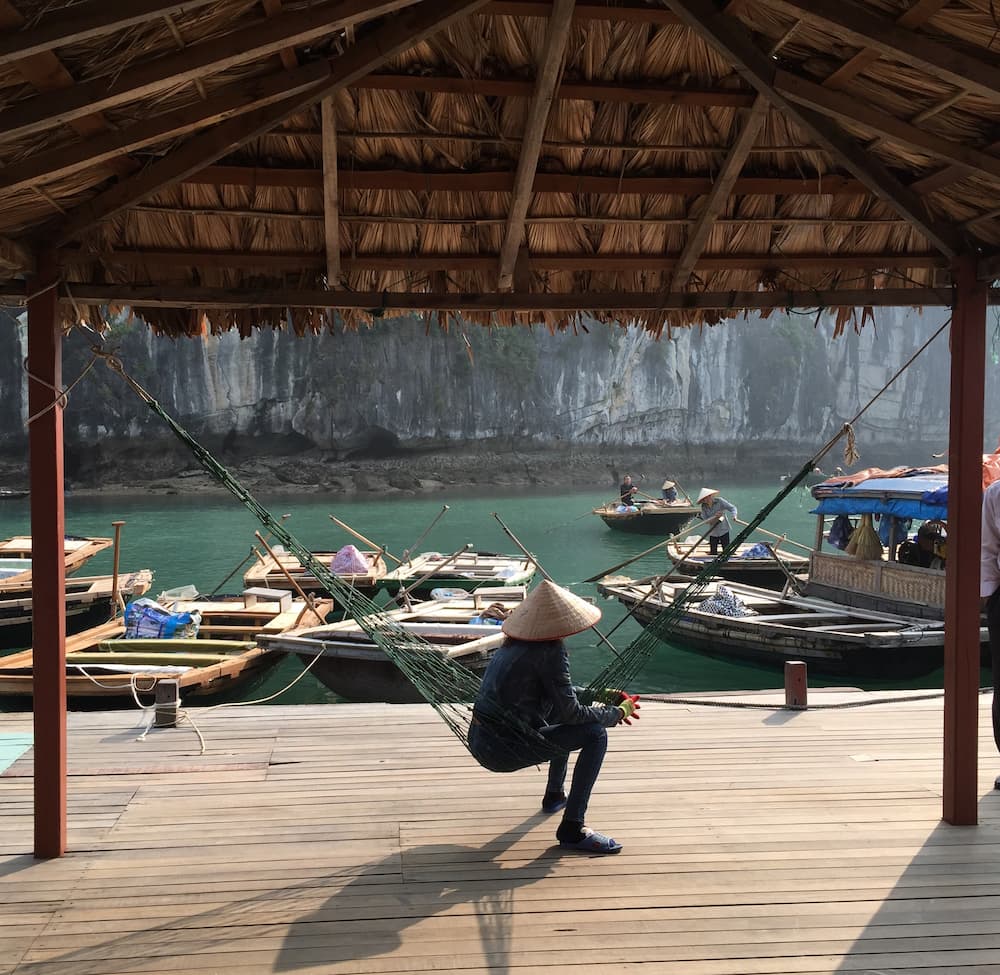
3) This third image depicts a pearl farm worker in Hạ Long Bay, Vietnam. I travelled there in 2015, and I actually took this photograph on my phone! We spent a night on a boat in the bay (which was already way too touristy for my liking at the time), and during our visit to a pearl farm, I noticed this person taking a break, looking out towards the horizon as the sun was setting. I couldn’t see his expression, but the diffused light, combined with the thought of these workers having such long days, gave me a sense of nostalgia. There was something about this moment, with the worker bathed in the soft late-afternoon light, that really appealed to me. I wanted to share this image because, once again, it shows that the emotions conveyed by a photograph don’t necessarily depend on having fancy equipment.

THE LATEST STORIES

WRITEN WITH PASSION TO INSPIRE YOU
@Julie_Chandelier_Fine Art in Nature_Cover Nomadict Article

Julie Chandelier (@julie_chandelier): Photographer based in New Zealand

What makes a nature photograph memorable? For Julie Chandelier, it goes beyond finding extraordinary subjects. It’s about observing closely, trusting your intuition, and noticing the details others might overlook. In this article, she shares her approach to composition, abstraction, simplicity, and creating more evocative images.
Joana Alina Winning Photo @joana_alina

Joana Alina (joana_alina): Best of the week 14 at #nomadict 2026

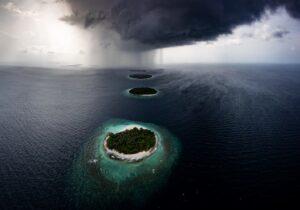
Inspired by a love of nature, exploration, and unexpected moments, Joana captures the Maldives in a different light. Discover how a stormy afternoon, four perfectly aligned islands, and a cinematic editing approach came together to create an image that feels more like a real moment than a postcard.

NOMADICT_@desigraphie_1

Désirée Stoll (@desigraphie): Best of the week 13 at #nomadict 2026

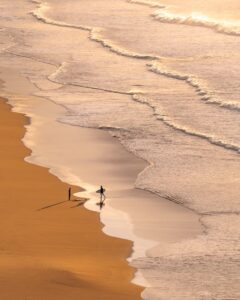
Désirée Stoll traces her path from a first solo trip to Königssee to a body of work built on light, patience and emotional honesty. She shares four lessons from years of shooting outdoors, the story behind her Best of the Week image of two surfers on the Spanish coast, and why printed work changed how she sees photography.