Essential tips to help you photograph quality images of birds of prey

Philipp Pilz (@buchstabenhausen)

In this article, Philipp shares essential tips to help you photograph quality images of birds of prey, from choosing the right vantage point and camera settings to the moody color grading process behind his award-winning eagle photography.

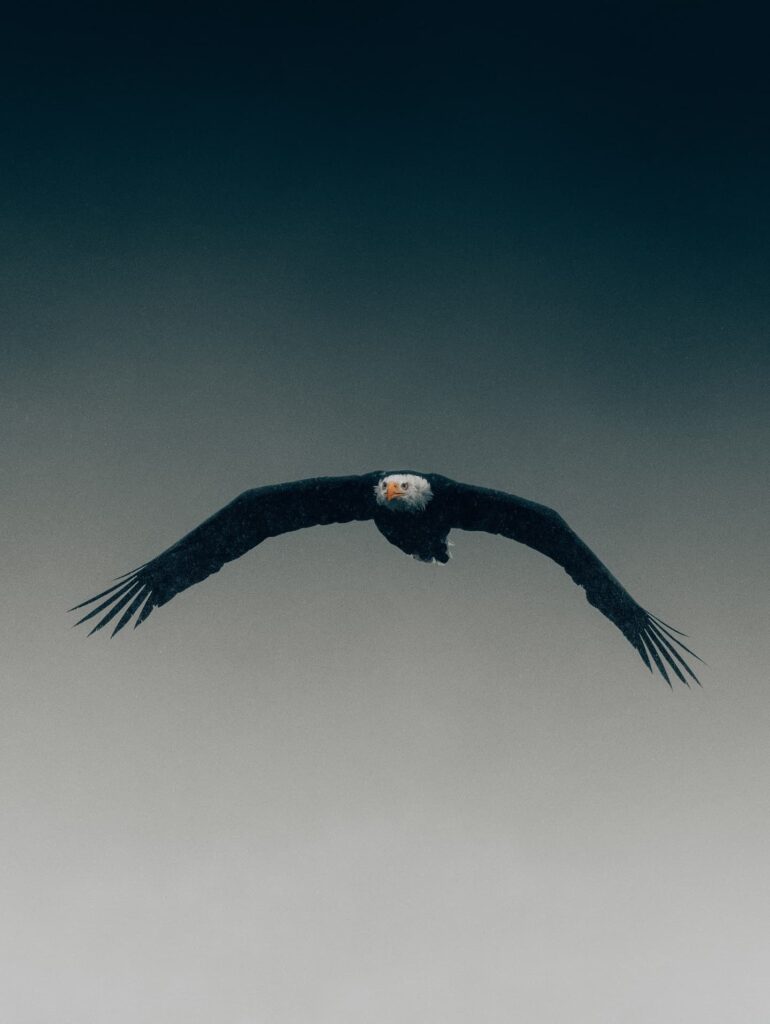
Philipp Pilz - @buchstabenhausen - Winning Photo
Capturing images of birds of prey has always been a cherished aspiration of mine. Eagles, in particular. These magnificent creatures are undoubtedly among the world’s most impressive and elegant animals.
 
If you aspire to photograph birds of prey, here’s what I’ve learned along the way: the field tips that get you close to the shot, the story behind one of my favorite recent frames, and the color grading process that turns a flat file into something atmospheric.
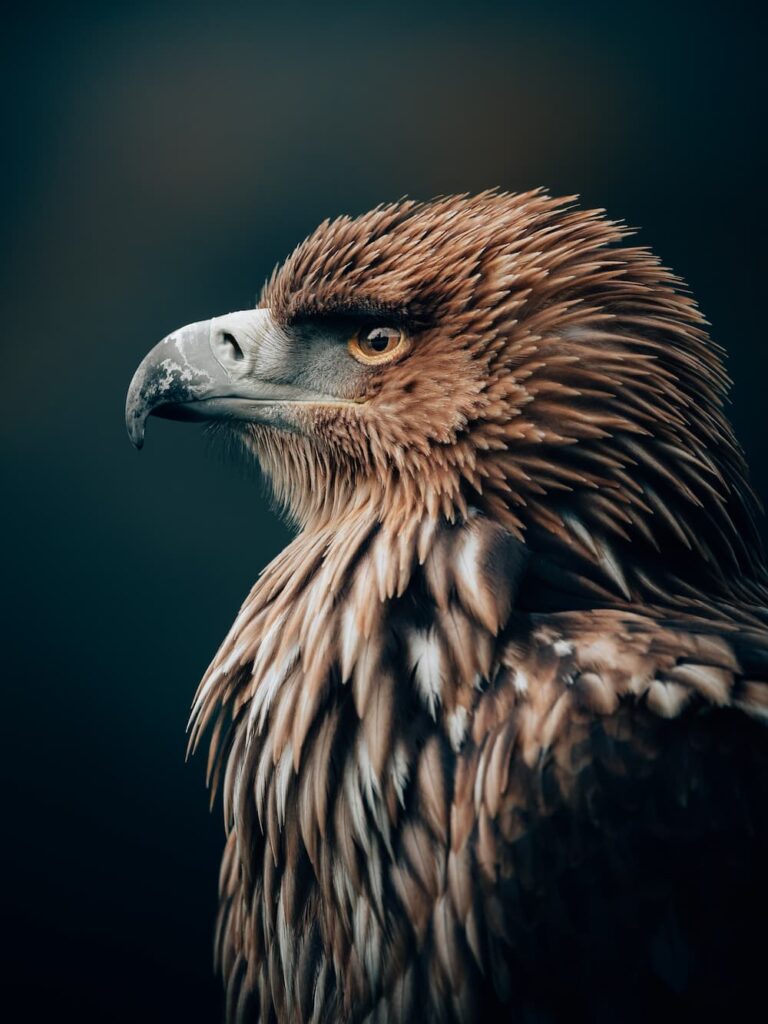
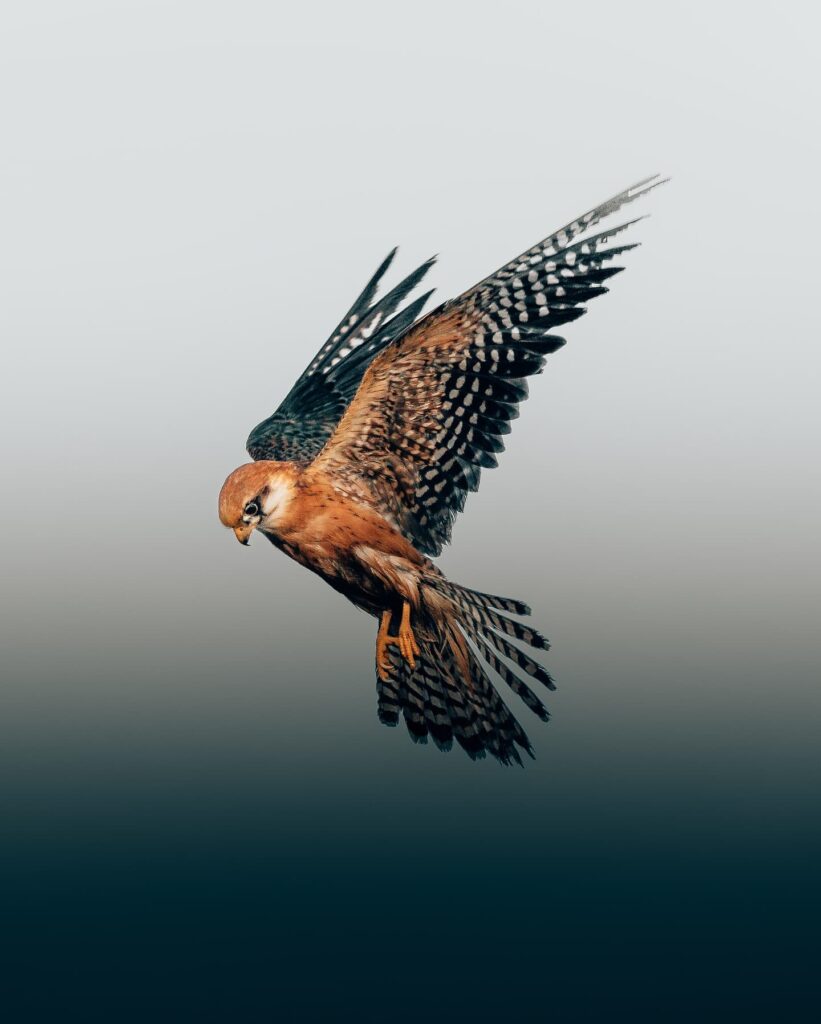
Philipp Pilz - @buchstabenhausen - Nomadict 2
Philipp Pilz - @buchstabenhausen - Nomadict 8

Know where to find them

Different birds of prey favor different habitats: coastlines, rivers, and large bodies of water for species that hunt fish, open valleys and cliffs for others that scan the terrain below. Research matters more than luck: I scout parking, sunrise and sunset direction, and conditions well in advance of any shoot, tailored to the specific species I’m after.
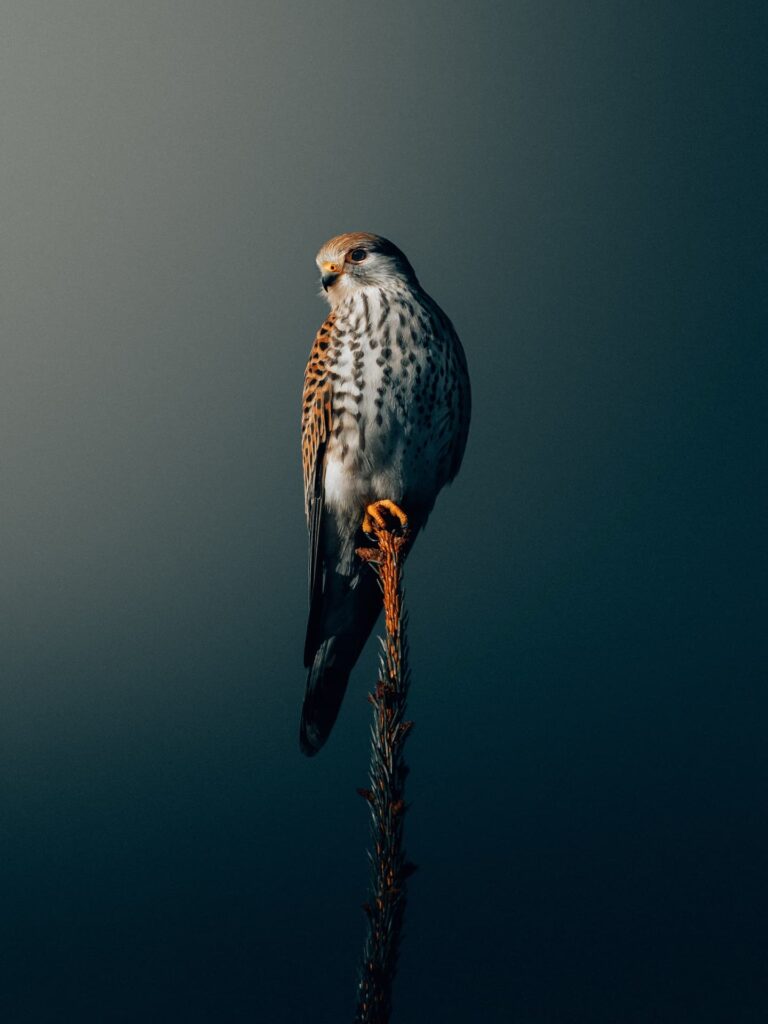
Philipp Pilz - @buchstabenhaus 2

Practice on slower subjects first

Photographing birds in flight can be challenging, but practicing with slower-moving birds like seagulls or pigeons can help improve your skills. Great blue herons are also slow-moving birds flying near bodies of water, a useful, lower-pressure way to build the reflexes you’ll need before chasing an eagle.

Choose your focal length and vantage point deliberately

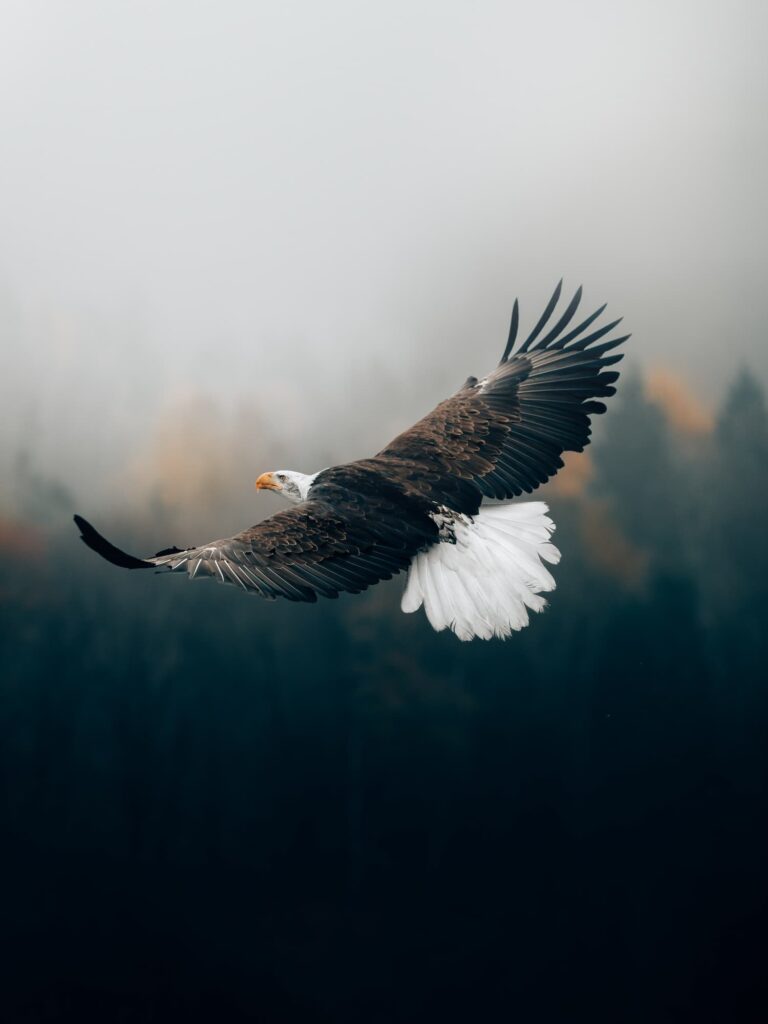
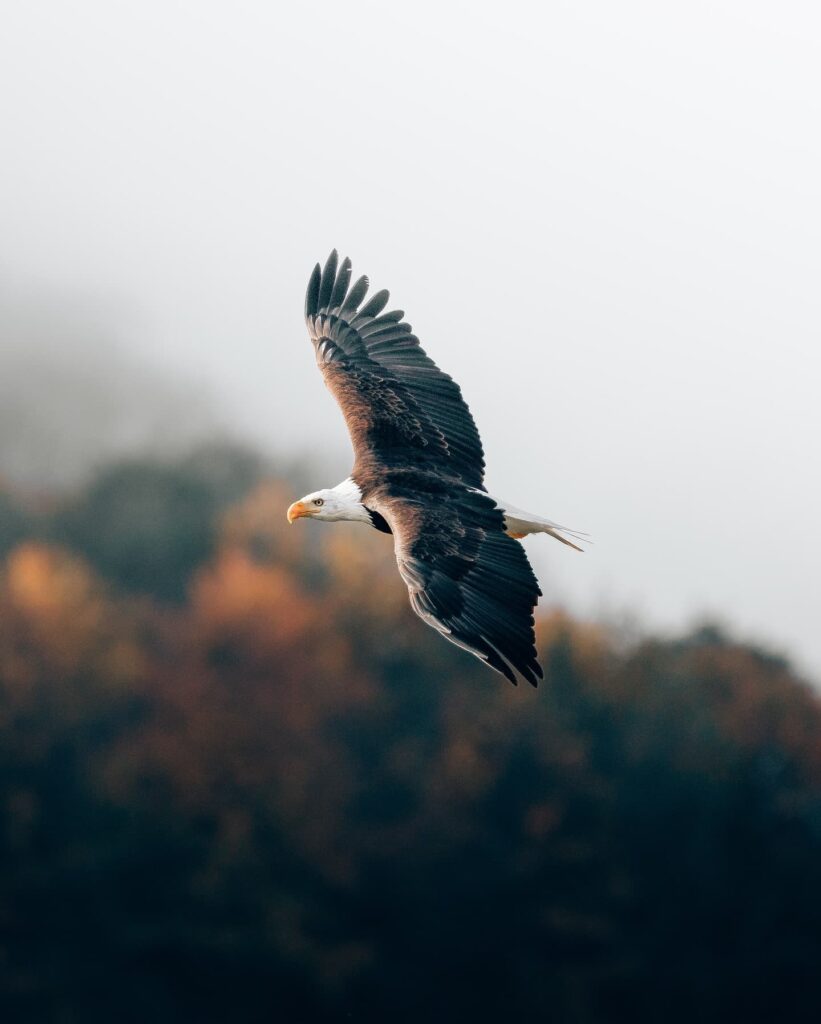
Different focal lengths offer unique perspectives on bald eagles. A telephoto lens is often necessary to capture sharp images of eagles in flight, while a wide-angle lens can help capture the surrounding landscape. For one of my reference shots, I used a Canon 6D Mark II with a Sigma 150-600mm F5-6.3 lens, at 300mm.
 
Vantage point matters just as much as focal length, and the right choice depends on the shot I’m after. Bald eagles frequently soar over valleys, scanning the terrain beneath them, so shooting from an elevated position — a hill or lookout tower — can offer a distinctive, scanning-the-landscape perspective, with the added benefit of natural camouflage. I was positioned at a lookout spot atop a hill for one shot, which afforded me excellent camouflage. But for a closer, more dramatic portrait, the opposite can work better: sitting low to the ground gives an eagle a more imposing presence in the frame, exaggerating its scale against the sky.
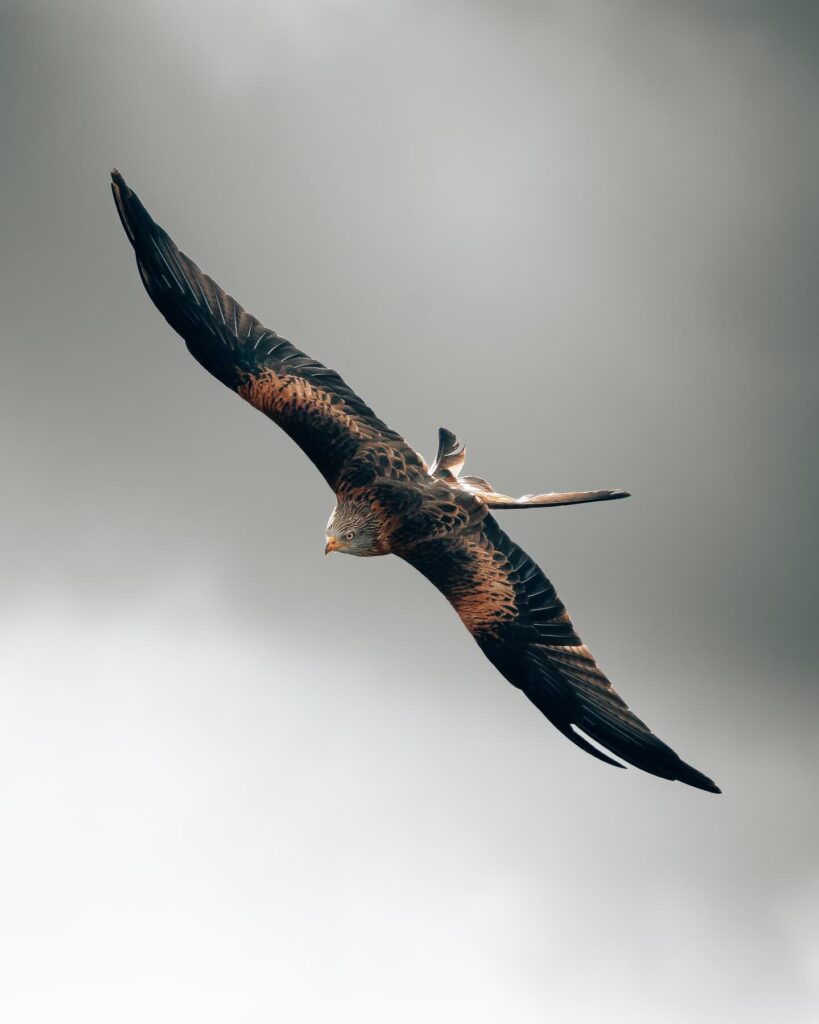
Philipp Pilz - @buchstabenhaus 3
Philipp Pilz - @buchstabenhaus 4

Bring patience

Bald eagles can be elusive, so capturing the perfect shot can take time. Based on my experience, persistence and patience pay off, and it’s essential to keep trying until you get the shot you want. This mirrors a lesson from across my body of work: it’s often necessary to revisit the same places or animals repeatedly, since high expectations paired with unpredictable weather or timing frequently lead to disappointment on the first attempt.

Master your camera settings

Fast shutter speeds help freeze the motion of an eagle’s wings and capture sharp images — 1/1000th of a second or faster is a solid baseline for eagles in flight. For one reference shot, I used f/5.6, ISO 640, and 1/2000s.
Philipp Pilz - @buchstabenhaus 5

The Story Behind Best of the Week 11 at #nomadict

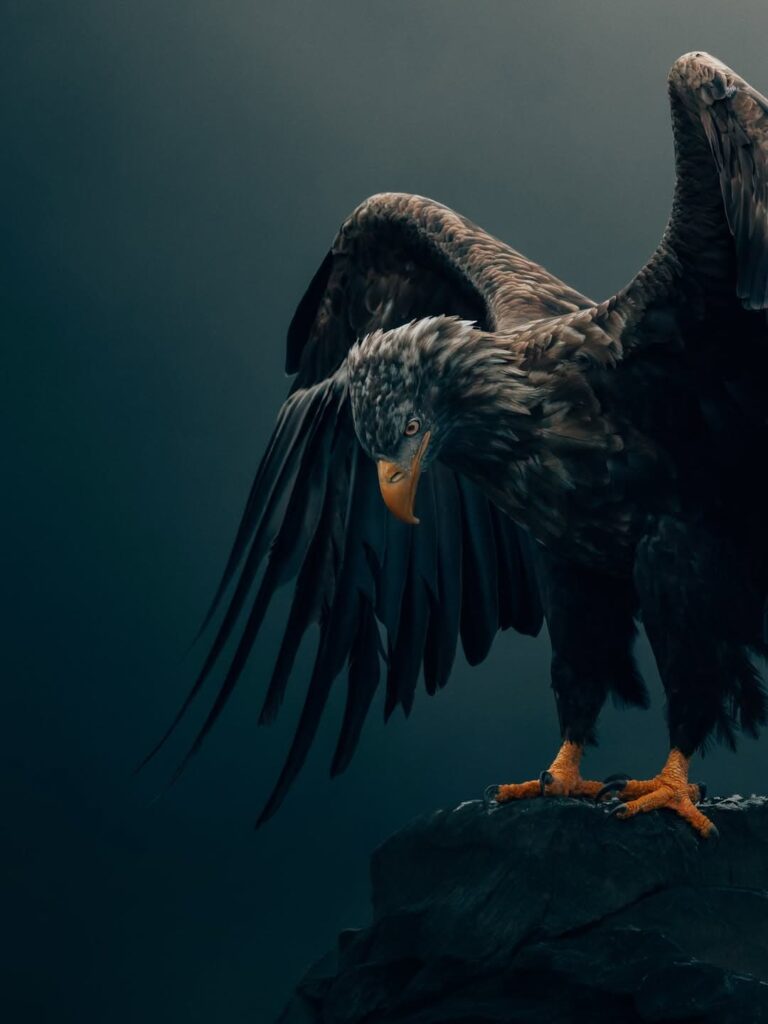
One of my favorite recent images came from a cold, grey February day when the light felt flat almost everywhere. I spent hours photographing birds of prey, shooting long bursts and reacting instinctively to movement rather than carefully planning every frame. Most images disappear during the first selection process, especially when you come home with thousands of shots from a single day.
 
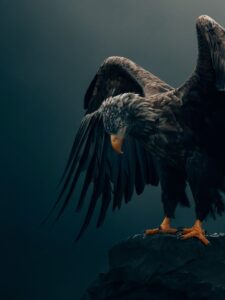
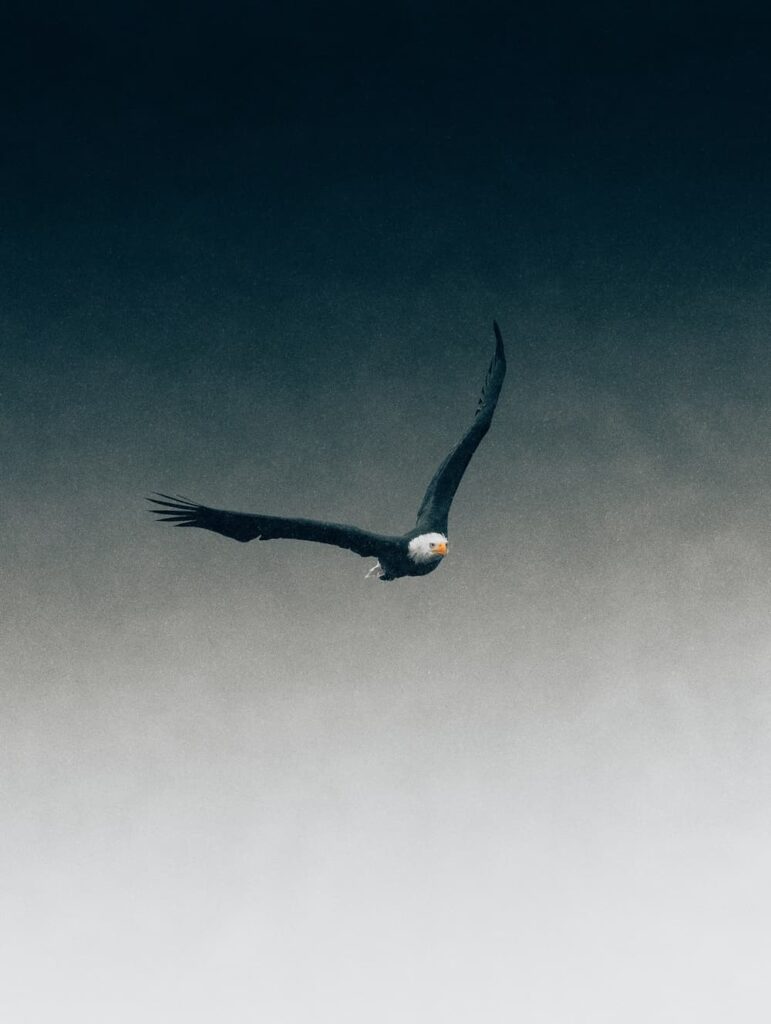
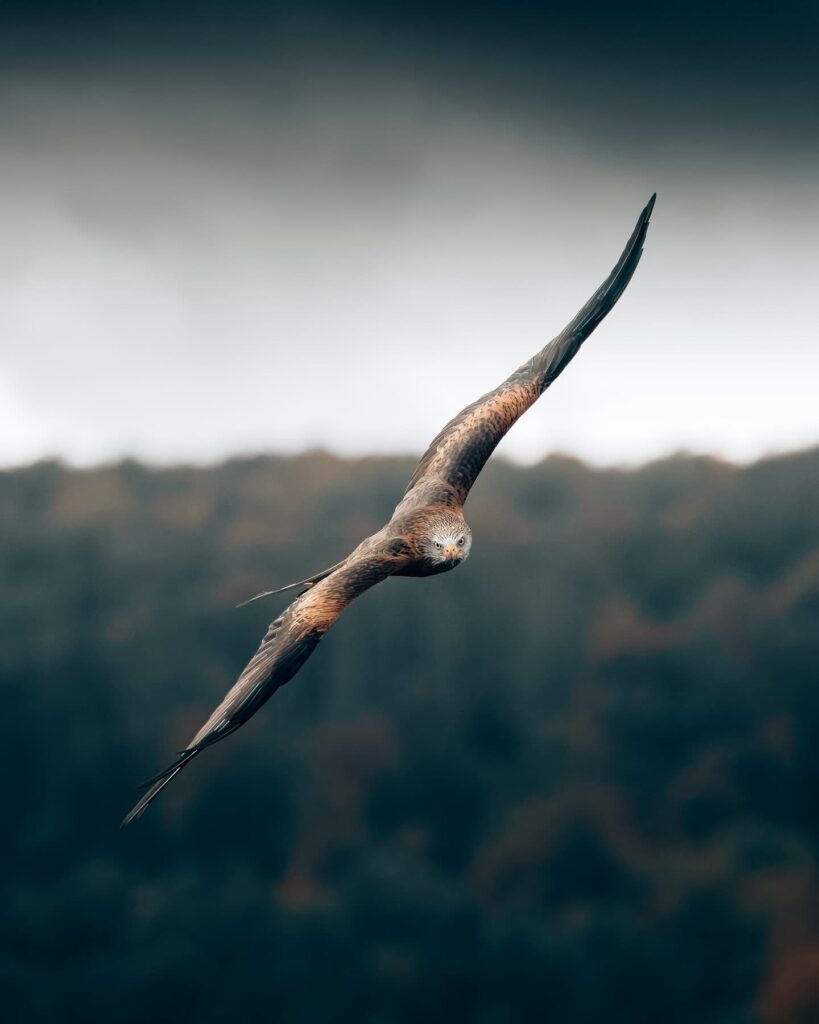
What makes this frame special to me is that I almost missed it completely. The eagle was approaching from a distance, wings opening for just a fraction of a second. I was sitting low to the ground to give the bird a more imposing presence, and photographed the scene at ISO 12800 with a shutter speed of 1/1250s. Many photographers still avoid settings like that, but modern cameras and denoising tools have changed a lot. Technical perfection has become less important to me than atmosphere. I only realized the full potential of the image once I reviewed the sequence at home — out of thousands of frames, this was the one that carried exactly the feeling I was looking for: dark, intense, and quiet at the same time.
Philipp Pilz - @buchstabenhausen - Winning Photo

Color grading: Turning a flat frame into atmosphere

The original frame actually looked quite flat;  most of the mood was created later during color grading. I darkened the sky heavily to make the scene feel more dramatic and cinematic, closer to the atmosphere I experienced in that moment.
 
This mirrors my broader editing process: I review and select the best image from a set of hundreds of shots, apply one of my Lightroom presets to set the general color look, then make local adjustments and masking — lightening areas of interest, darkening others — before a final cleanup pass to remove distracting objects. My visual language traces back to 2017, when moody shots, misty conditions, and muted hues from early Instagram nature photographers sparked a fire in my soul and have continued to influence my style ever since. It comes down to a philosophy I try to live by: less is more.
 
I strive to simplify things, both in life and in my photography, favoring atmosphere and restraint over technical perfection.
Philipp Pilz - @buchstabenhaus 6
THE LATEST STORIES

WRITEN WITH PASSION TO INSPIRE YOU
Bobby Paulshock Best of the Week Winning Photo @b.pshock

Bobby Paulshock (@b.pshock): Best of the week 8 at #nomadict 2026

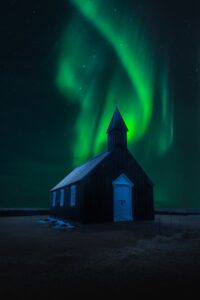
In this article, Bobby Paulshock shares how a wife, a dog, and a solo 1 AM hike in a 90-mph Icelandic storm shaped his path from iPhone snapshots to his award-winning aurora shot at Búðakirkja, plus four hard-earned lessons on gear, patience, and building a career from passion.

@withstrk_harz_01-Best of the Week

Christian Stark (@withstrk): Best of the week 4 at #nomadict 2026

Raised on film photography and shaped by years of architectural study at the Bauhaus in Dessau, Christian Stark brings a structural eye and a traveler’s instinct to everything he shoots. Now based in Sweden, he photographs the world from camper van roads across Europe to cold mountain summits in Germany — always with an open mind and often with just one camera.

Mehdi Tadlaoui, @tedmed, Nomadict Winning photo

Mehdi Tadlaoui (@tedmed): Best of the week 2 at #nomadict 2026

Mehdi Tadlaoui is a visual storyteller blending cinematic precision with a refined sense of composition and emotion. Shaped by art, film, and a background in 3D and VFX, he uses photography to explore atmosphere and narrative. This foundation guides his fieldwork, where fleeting moments become carefully composed visual stories.

Sebastian Tan - @quetzalcoatlst - winning image

Sebastian Tan (@quetzalcoatlst): Best of the Week 44 at #nomadict

Driven by a desire to witness the world in its rawest states, Sebastian Tan pursues remote landscapes with patience and precision. Blending meticulous planning with resilience, his work transforms fleeting light into immersive fine art. Recognized internationally, Sebastian bridges the wild and familiar, inviting others to see through his lens.