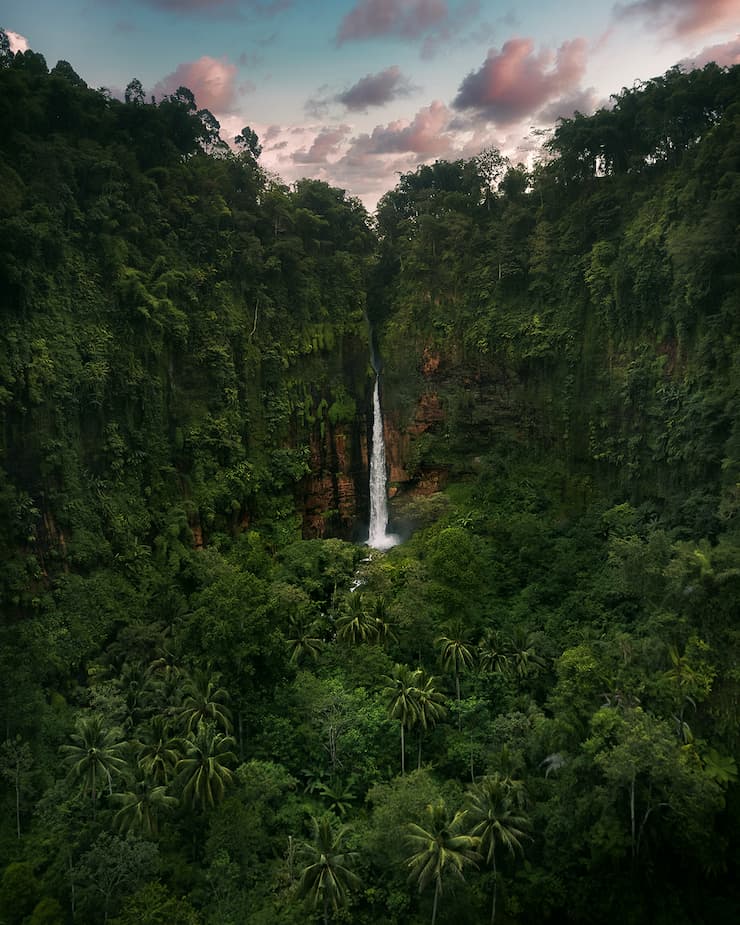
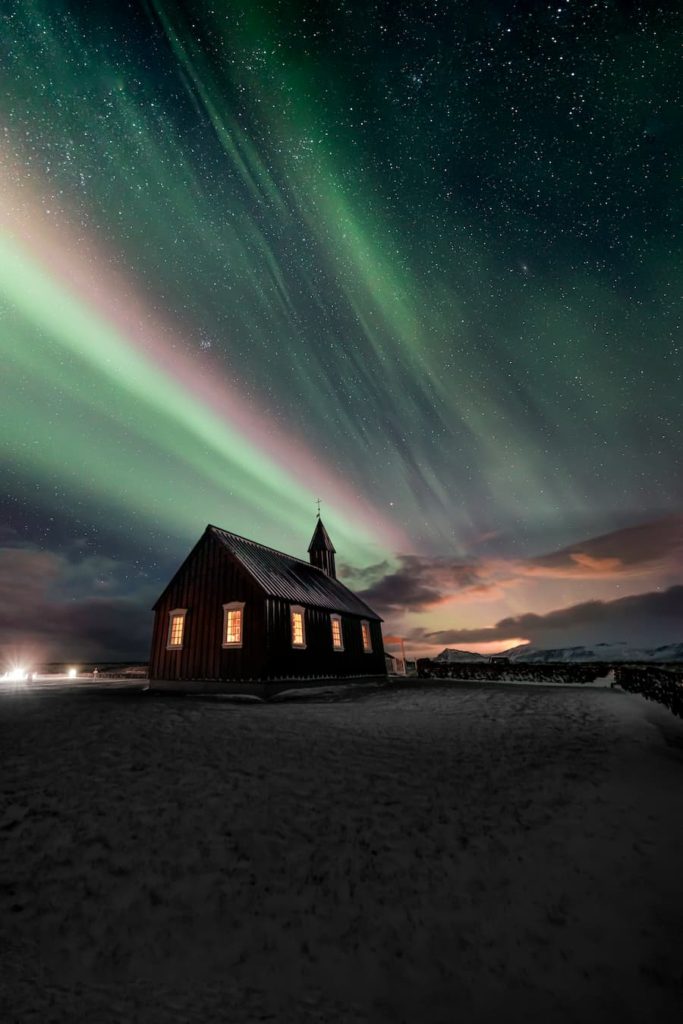
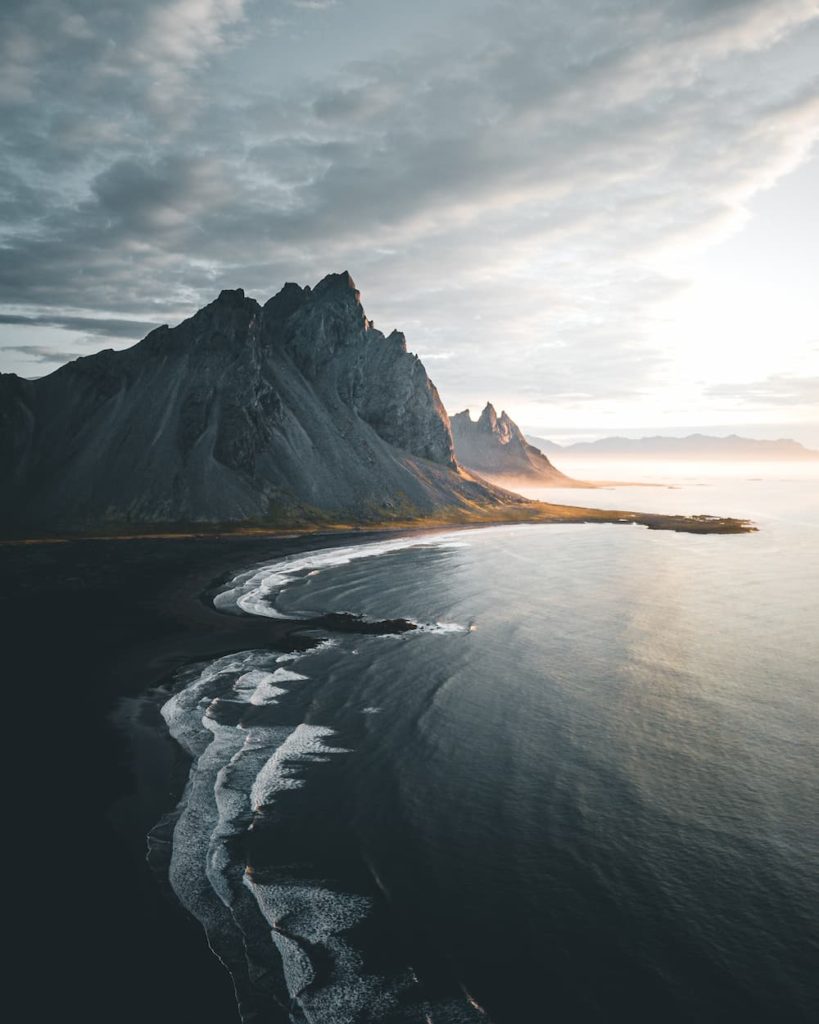
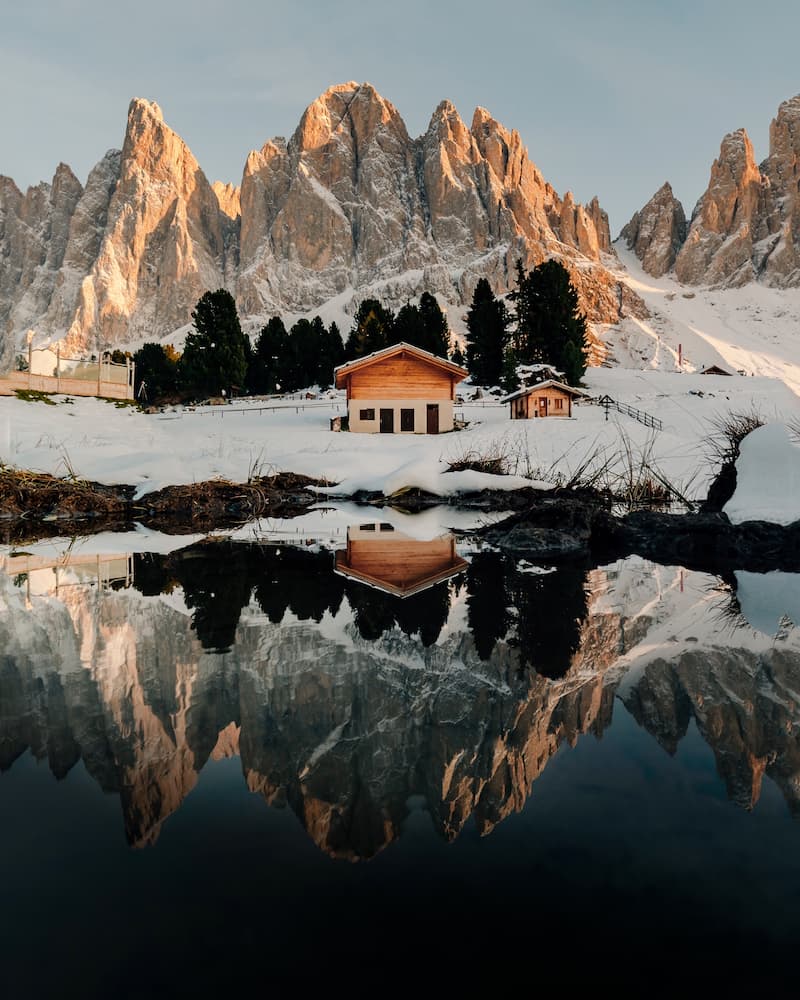
I was born and raised in Montreal, Quebec, Canada – a concrete jungle, the busy city life, a place I never truly resonated with. As far back as I could remember, I was drawn to the outdoors. I probably picked up my dad’s energy; he loved the garden and the ocean so much. As a young girl, we would take family road trips to the East Coast of Canada and the United States escaping the city. We spent weeks by the ocean and exploring the outdoors; my dad would document everything with his trusty camcorder. I didn’t know it at the time, but those trips would set me on the path to developing a deep love for travel and photography.
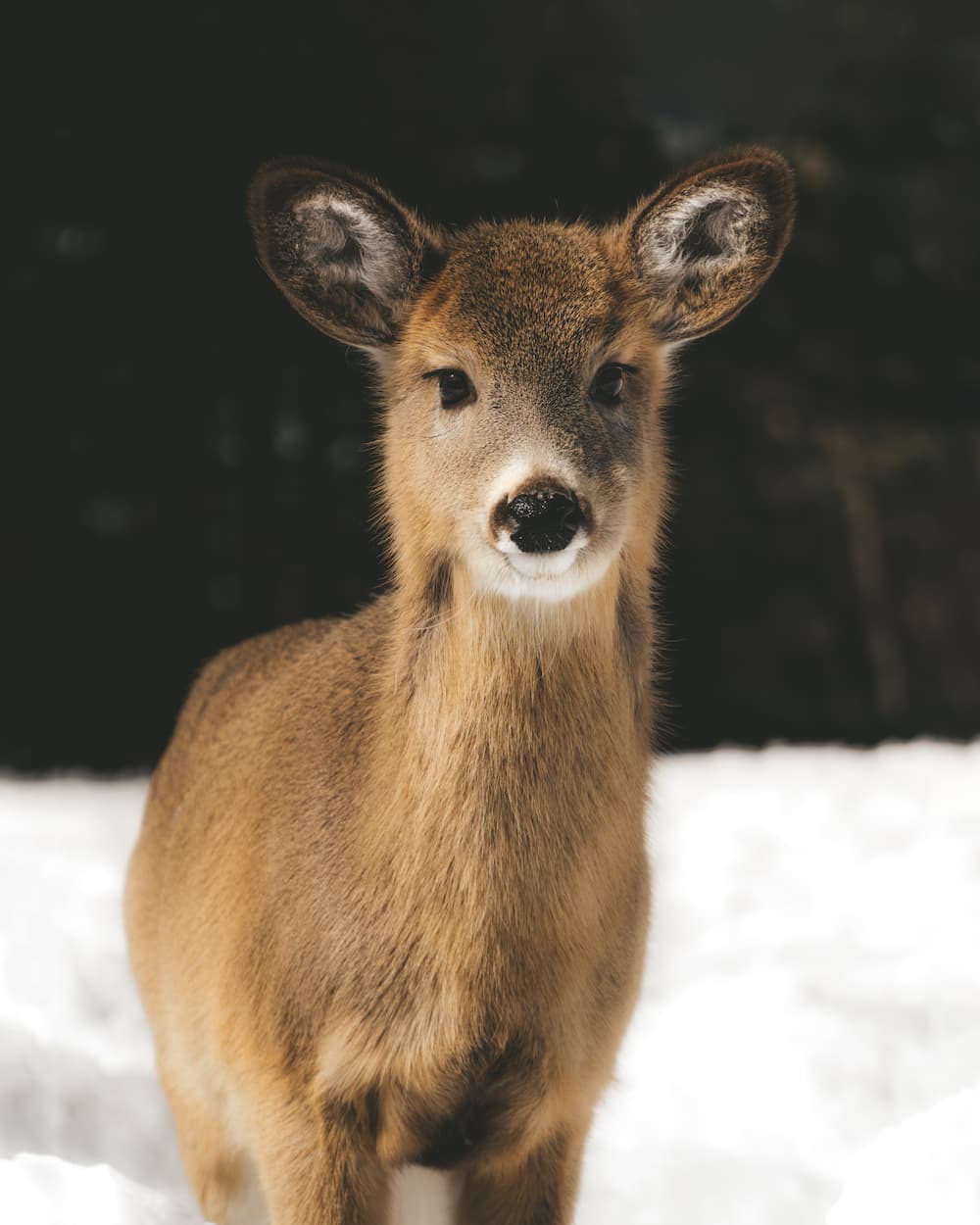
When I finished my tech program, I did an internship at Hope for Wildlife in Nova Scotia for five weeks. Those weeks played a big role in the path I’m on today. I followed the example of my dad and started documenting my encounters with the wildlife I was nursing back to health. I was using my phone at the time, but the experience of working with animals and taking photos of them was so rewarding that it got me hooked about learning photography.
After receiving my first camera, I traveled to Hawaii with my best friend back in 2017. It was an experience I’ll never forget. It ignited my determination to photograph as many travel destinations as I possibly can. I knew nothing about my camera but I was having a blast snapping shots left and right. I’m self taught with a little bit of YouTube and google searches, but mainly through trial and error on the field. I didn’t know what ISO meant and what my shutter speed was doing, but I knew I had an eye for composition and needed to let this new found passion run free. From then on I started mapping out destinations, packing my camera and booking flights to visit some of my favourite places in the world. My partner at the time wasn’t a creator so I had taken it upon myself to frame the shots I envisioned with my tripod, I would click time-lapse mode and we would run into the frame posing in different ways. If I envisioned myself in the photo, then I would direct him on framing the shot and he would click the shutter. It was a challenge but so worth it! I started posting my photos on Instagram and thus @yulneverroamalone was born.
Due to my travel photos, my followers were always curious to know where I was going next and that gave me the motivation to push my social media content. A lot of us city people have lost touch with nature. I would say to myself that if I could inspire at least one person to reconnect with nature I’d feel accomplished. And that was exactly what I set out to do. The more I would showcase the beauty of our wild world, the more it would make my audience respect it.
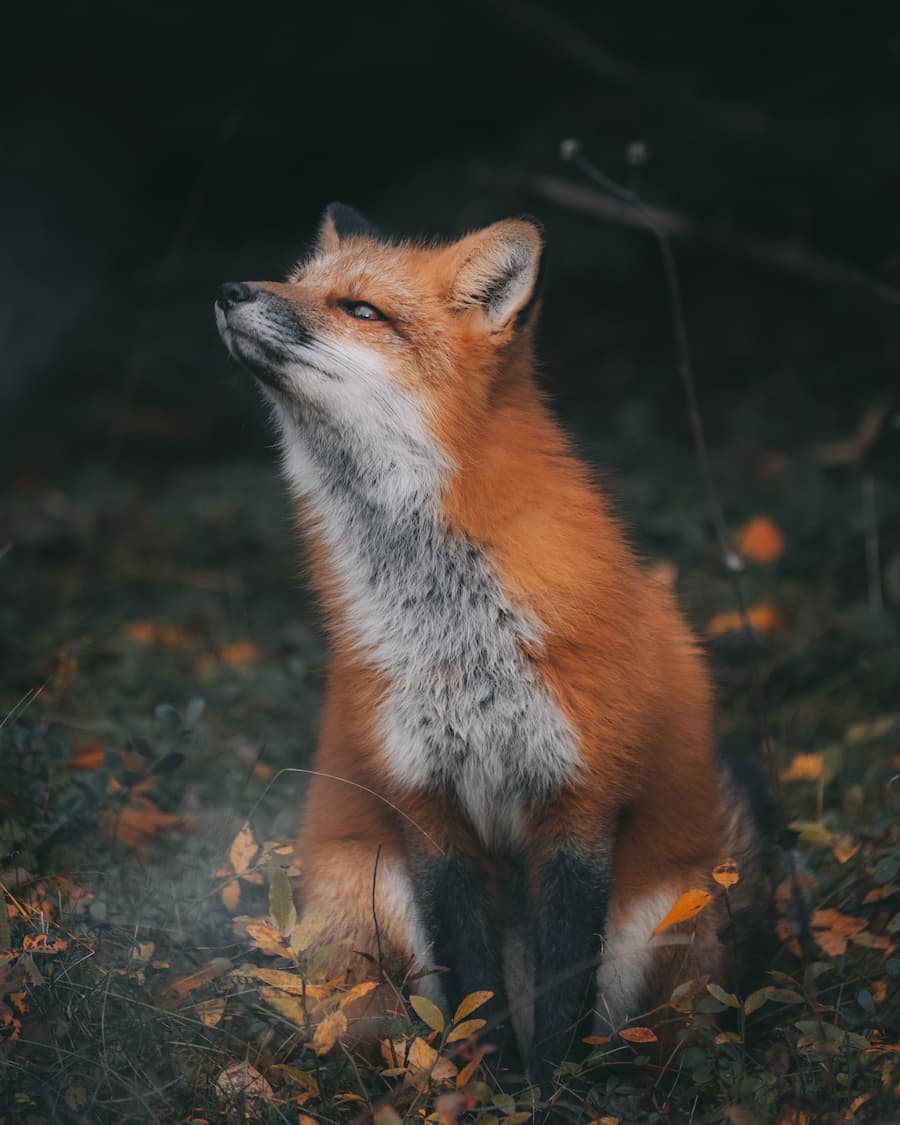
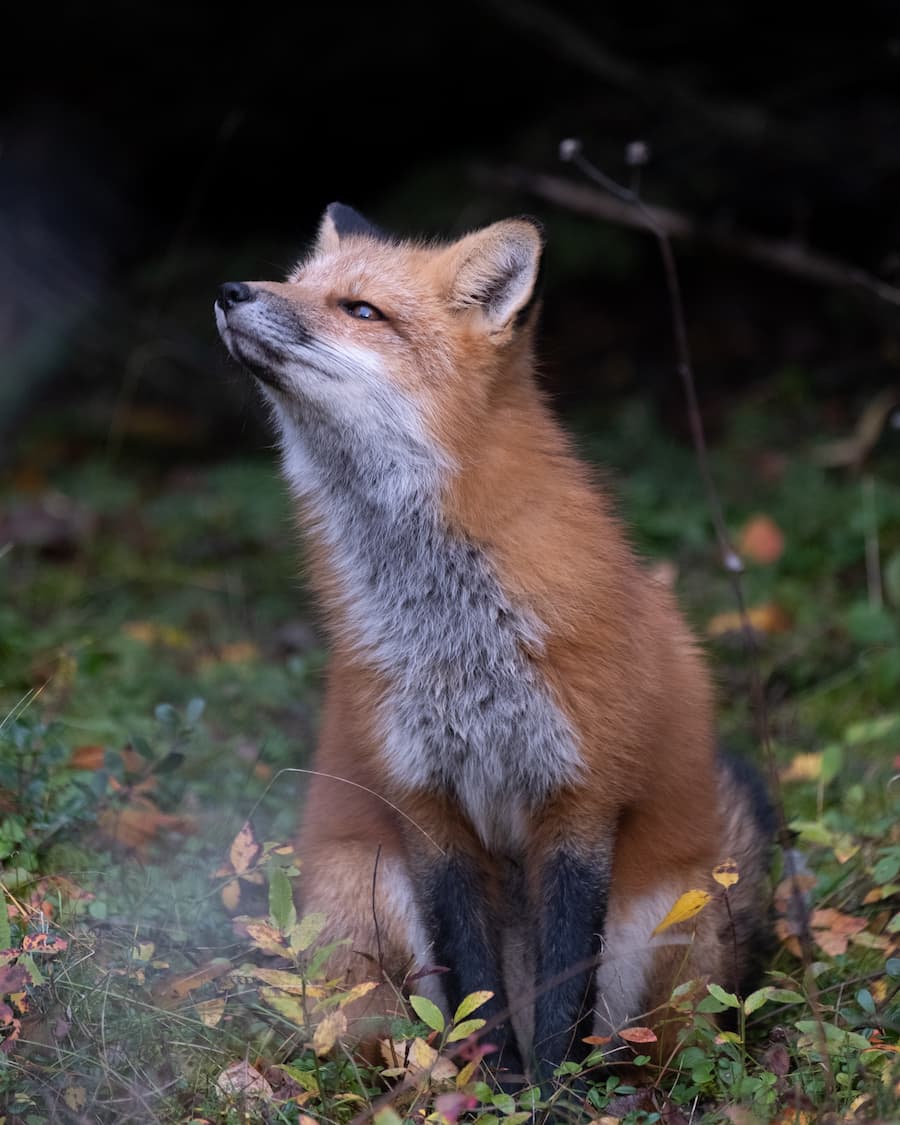
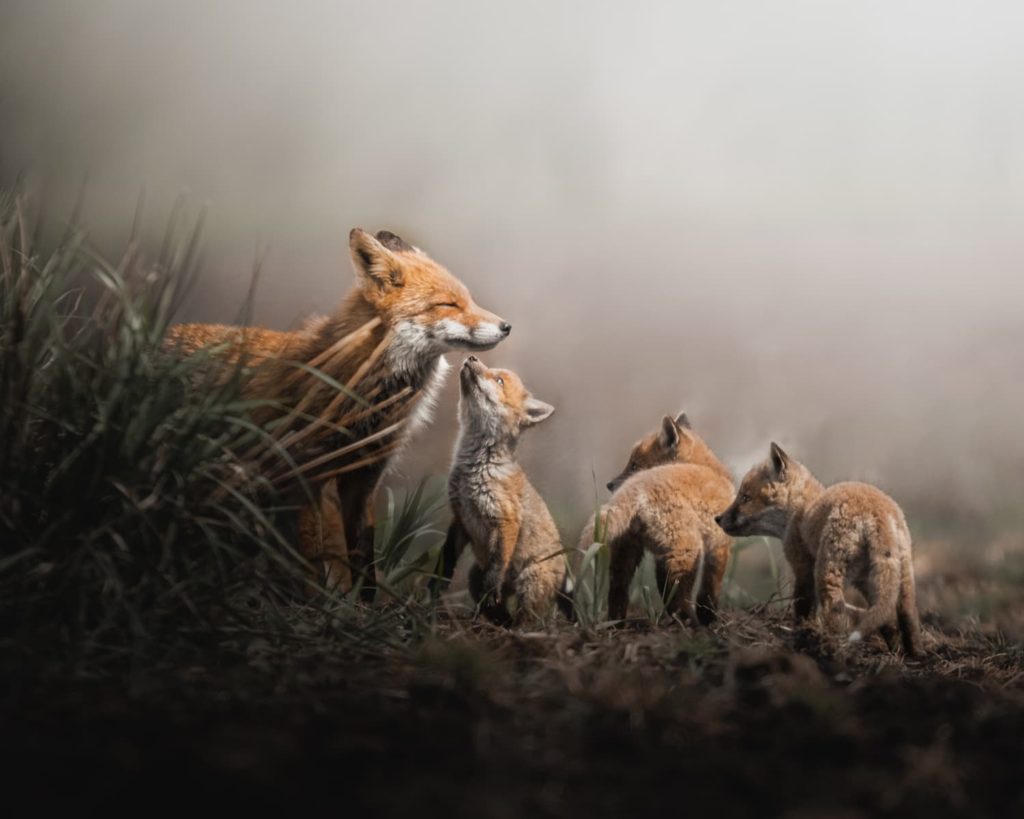
For five weeks I interacted with fox pups, feeding them, administering medication and always making sure my human interaction wasn’t crossing the line – the goal was to keep them as wild as possible in order to release them back into the wild when they were old enough to be on their own. After working with them I told myself that one day I would photograph this beautiful animal in their natural habitat and capture their quirky personalities. Back in October I set out with some friends to the region of Rimouski and before we set foot into the forest we had spoken about that dream shot in the car and low and behold, it came true. I couldn’t believe it was happening! The fox was extremely curious and almost flirtatious in a way with the camera! It’s like he knew he was being photographed, posing and rolling over, like a superstar model! It was honestly any wildlife photographer’s dream to have such an authentic interaction with an animal. My interaction with this fox happened so unexpectedly, I honestly took nothing into account, I just positioned myself as low as possible to the ground and worked the camera while he did his thing! A moment I will never forget. I had always envisioned capturing a fox submerged in a dense forest, allowing their orange coat to contrast perfectly with their green surroundings and that is exactly what I captured!
In regards to the edit, I wanted to achieve a dream-like image soft in nature, as if it was painted. For coloring I toned down the greens and lifted the orange of his coat. But the most important thing while editing is to keep the image looking as natural and realistic as possible, while always adding a touch of magic.
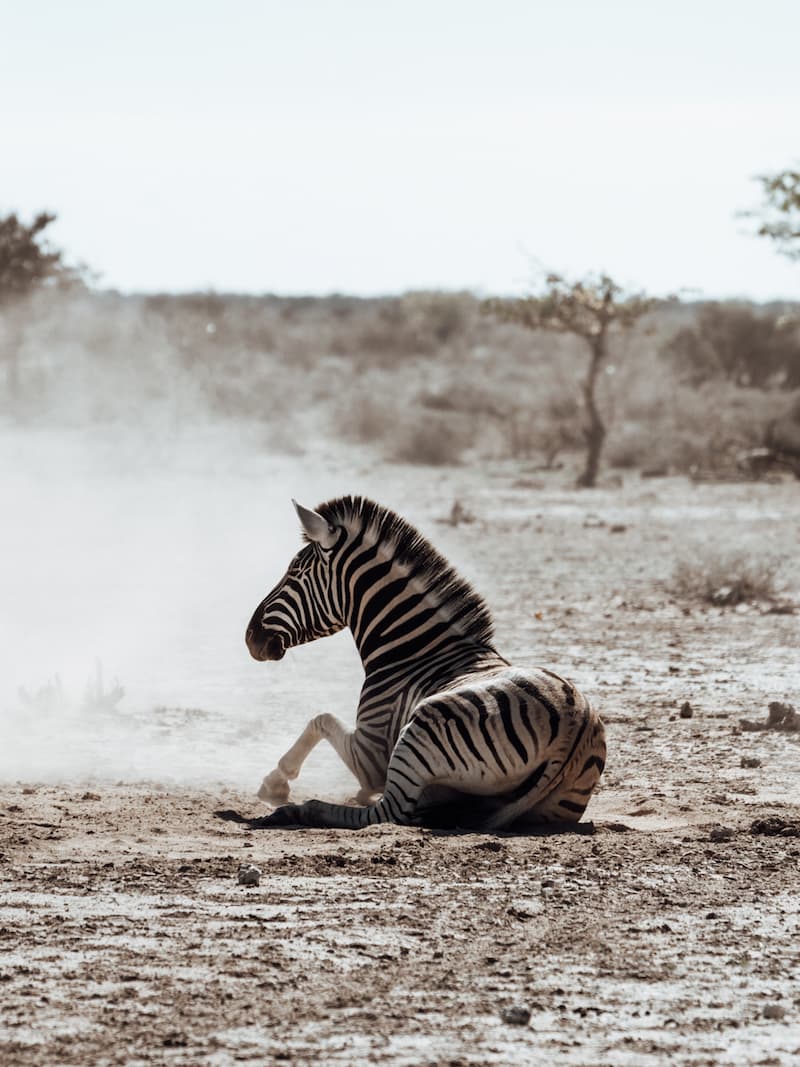
It was my trip to Namibia in January 2020 that pushed my interest in wildlife photography even further. I didn’t have the appropriate lens to zoom in up close and snap those types of shots so I made it a point to rent a 400mm for that trip and I fell in love. We took a two-day self-drive Safari in Etosha National Park which turned out to be one of the best experiences of my life. I photographed lions, white rhinos, hyenas and probably every other animal you could think of from Africa! I had taken a special liking to the zebras in particular, their patterns against the bleak landscape of the desert had me in awe. As they kicked up the sand and dust the light rays cut through and it was perfect.
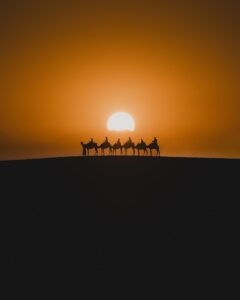
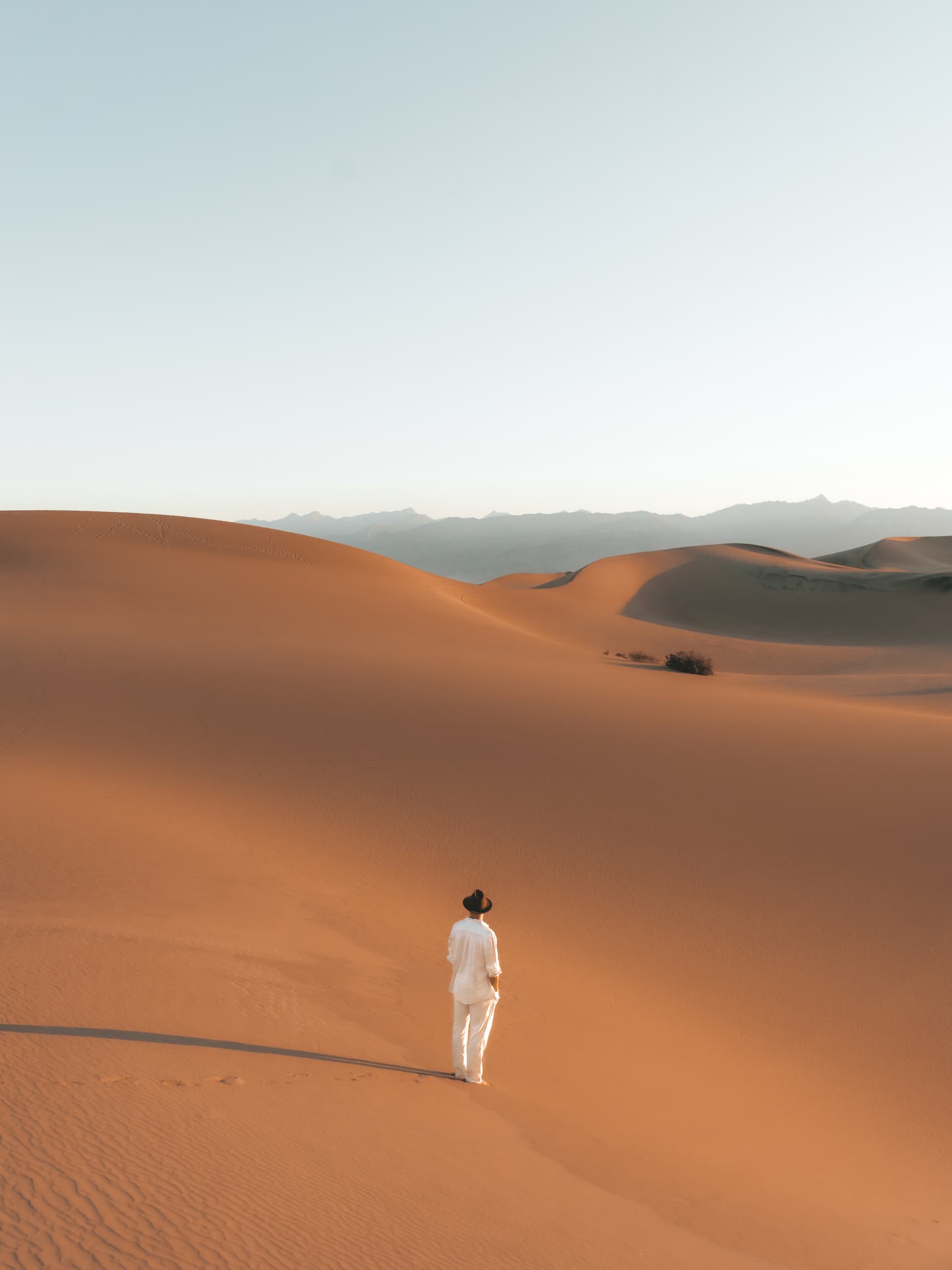
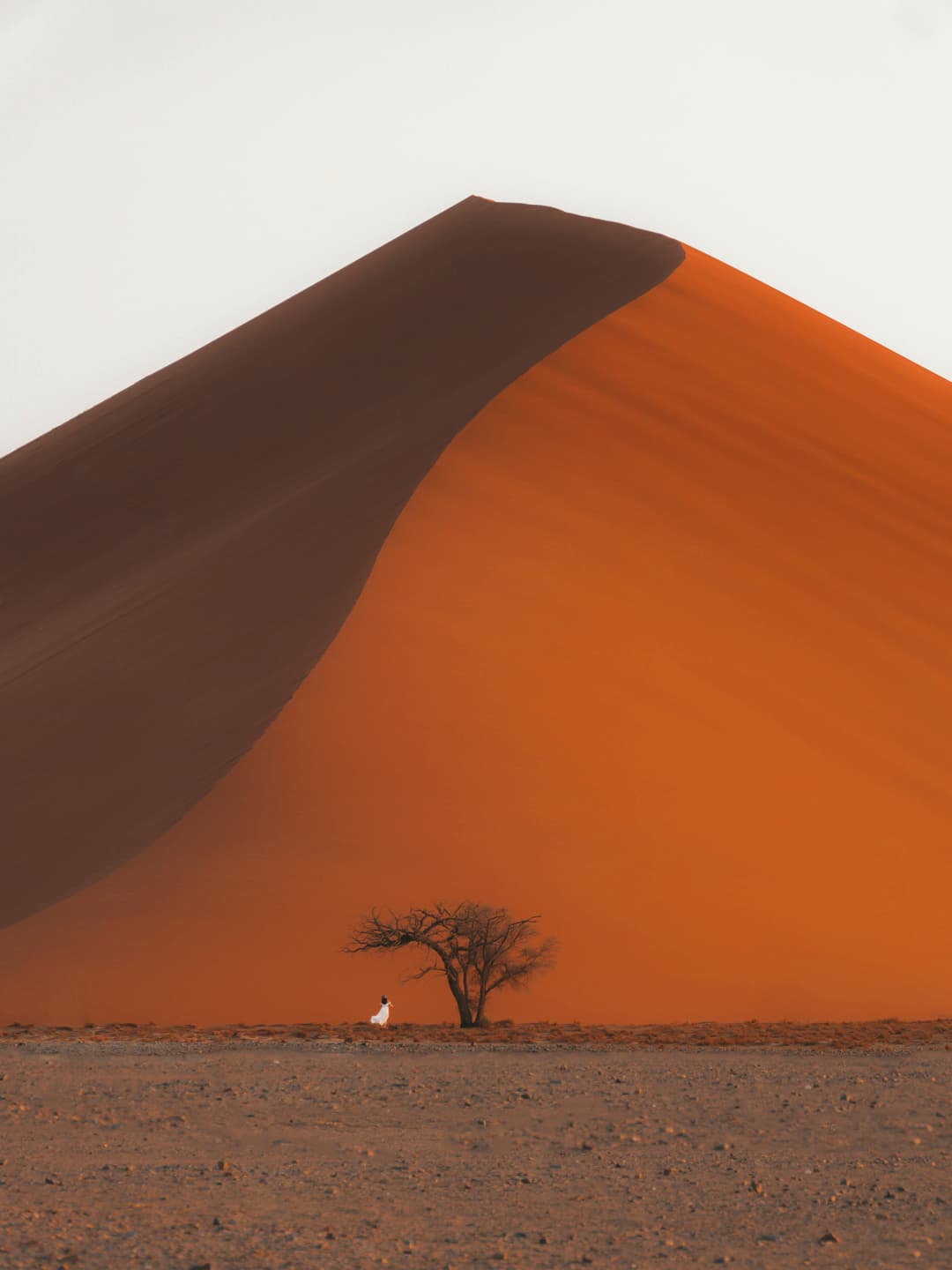
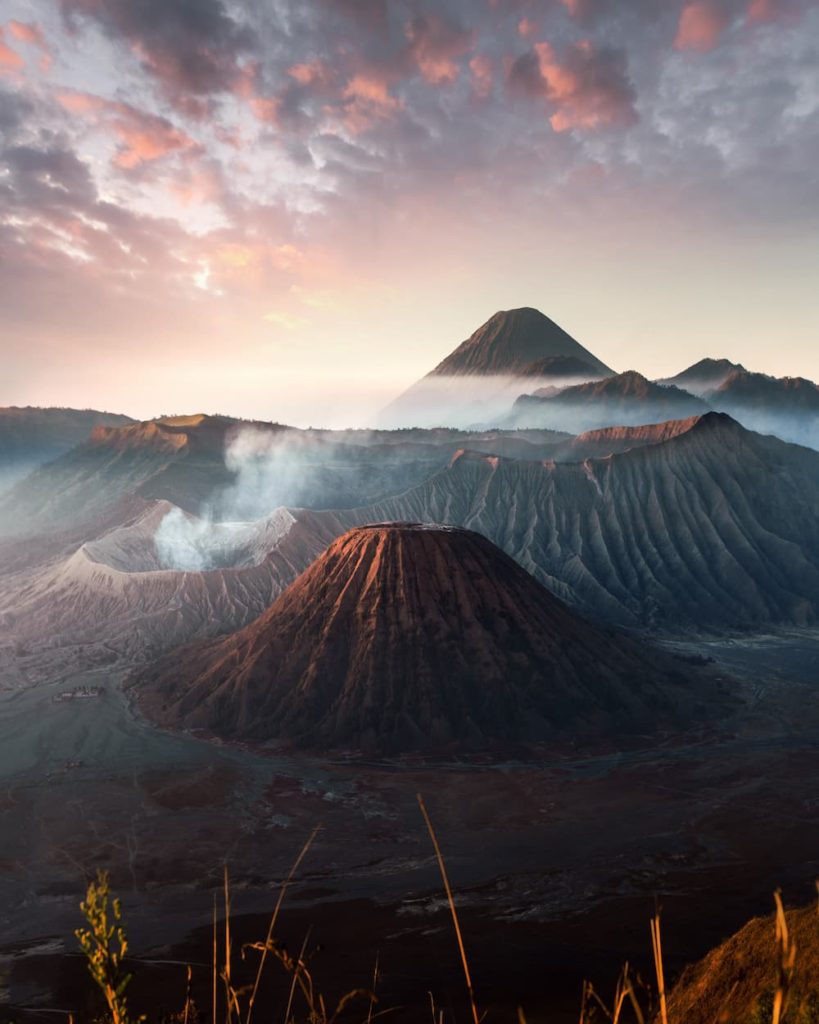
In addition to that, both Namibia and my travels to the midwest of the United States made me realize I had a particular interest in photographing the desert. The sand dunes are a magical place for me. The way the light hits one side and casts shadows on the other, creating different shades of brown and orange. It’s all about the journey behind the photo; waking up before the sun, the conditions of the desert, scouting for untouched sand, analyzing where the light rays will hit and where to place my subject.
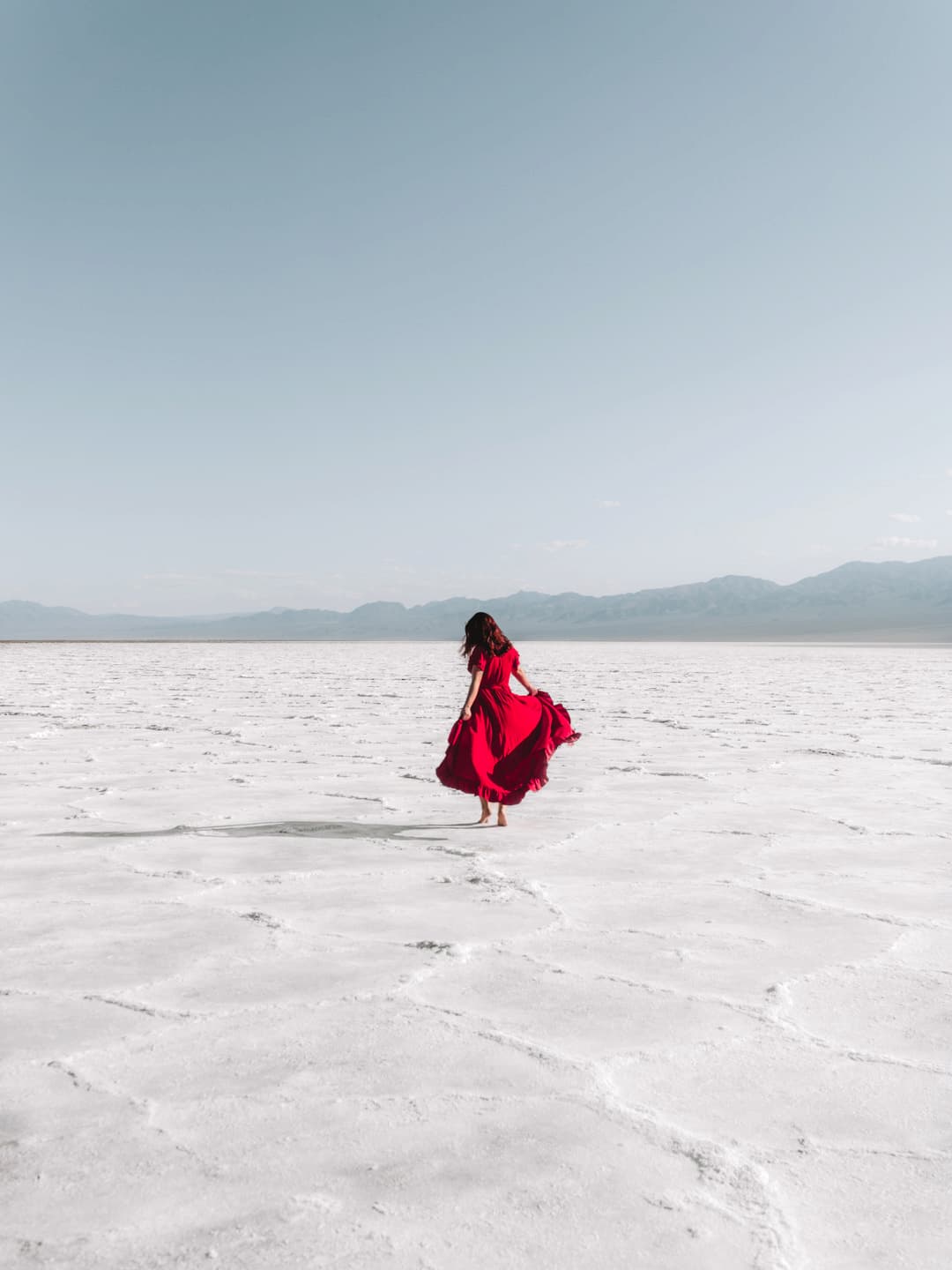
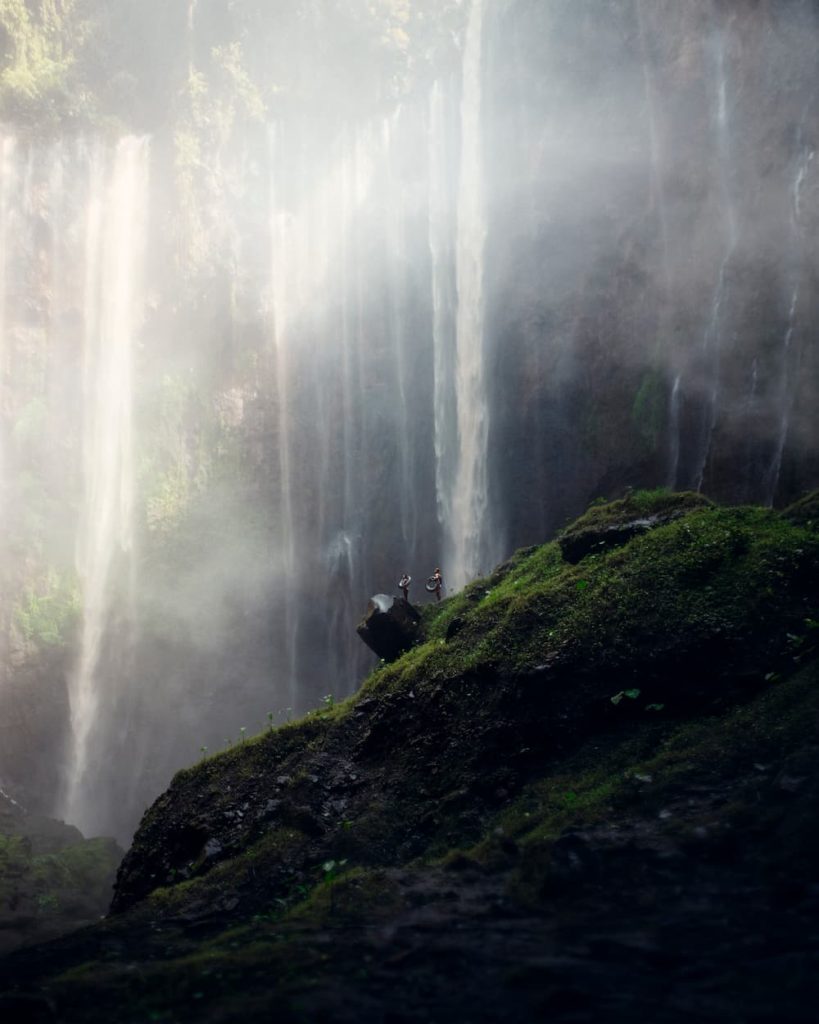
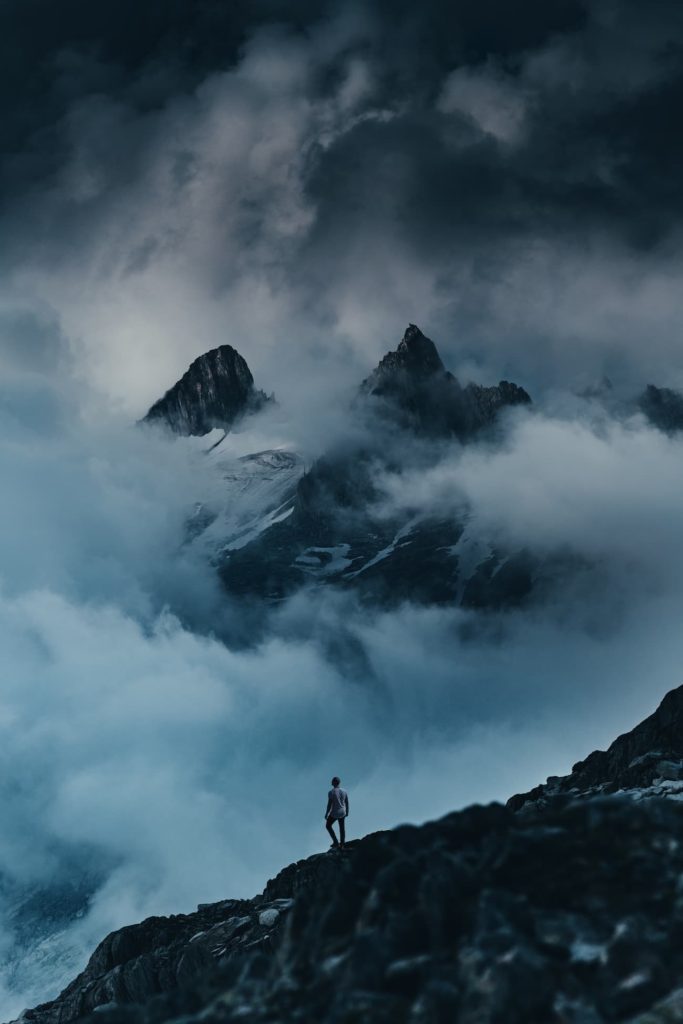
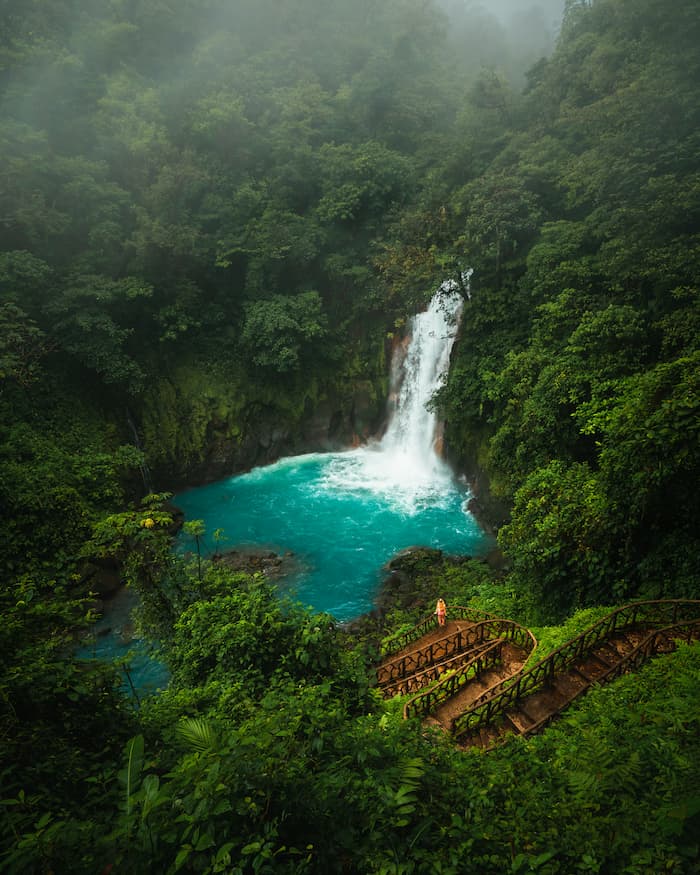
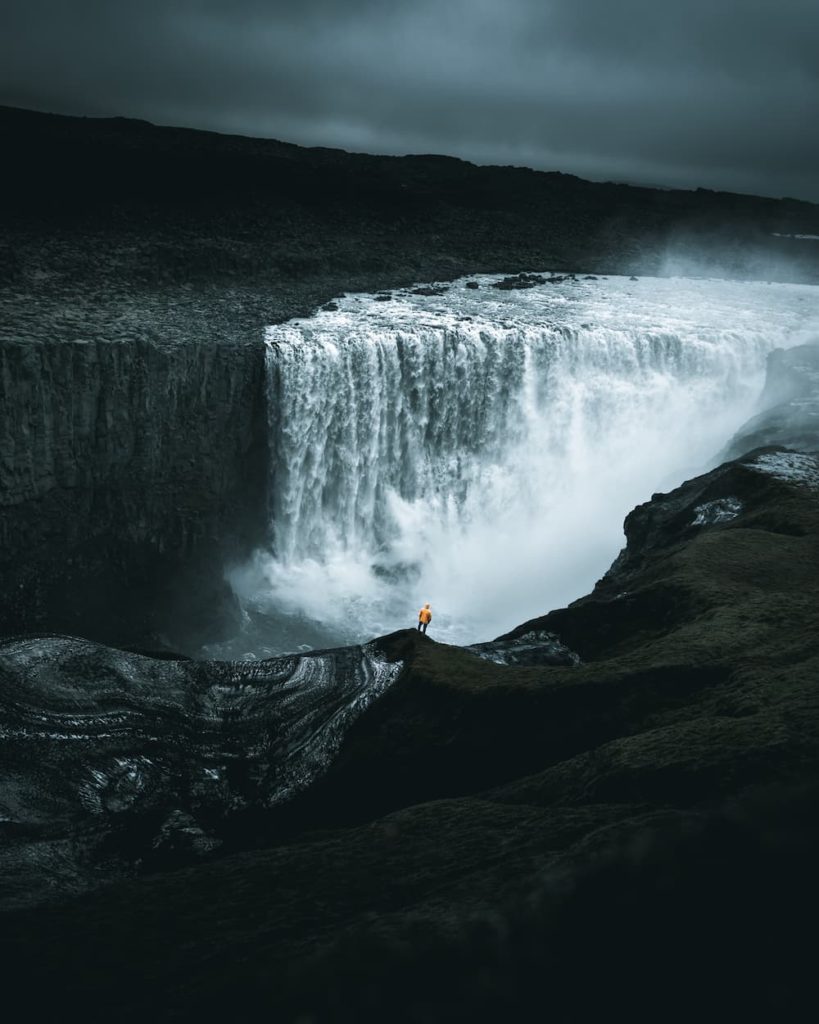
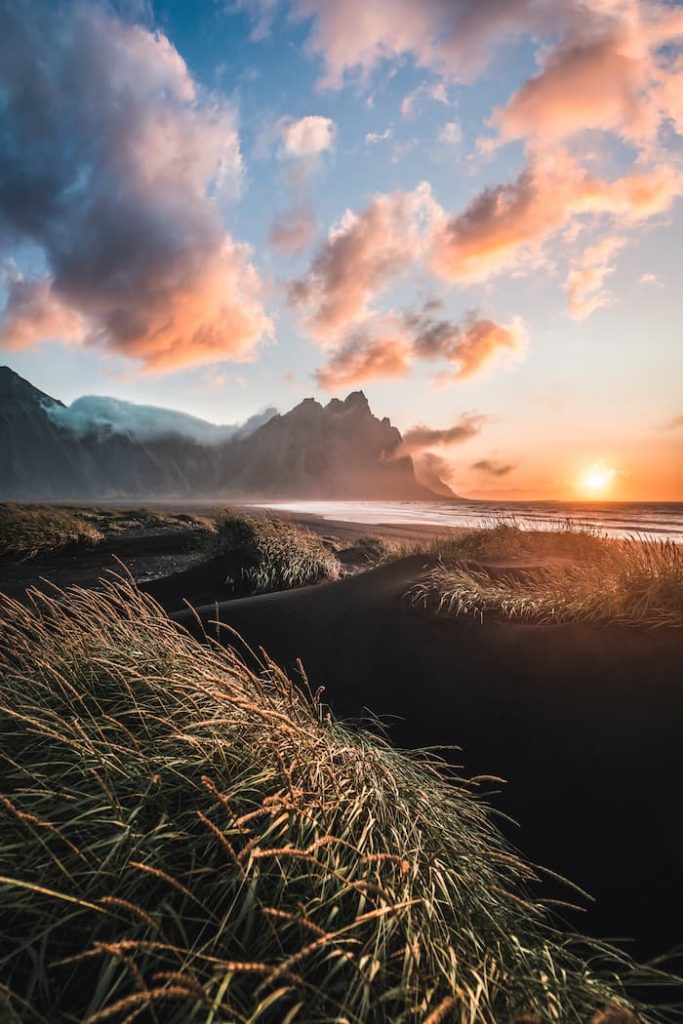
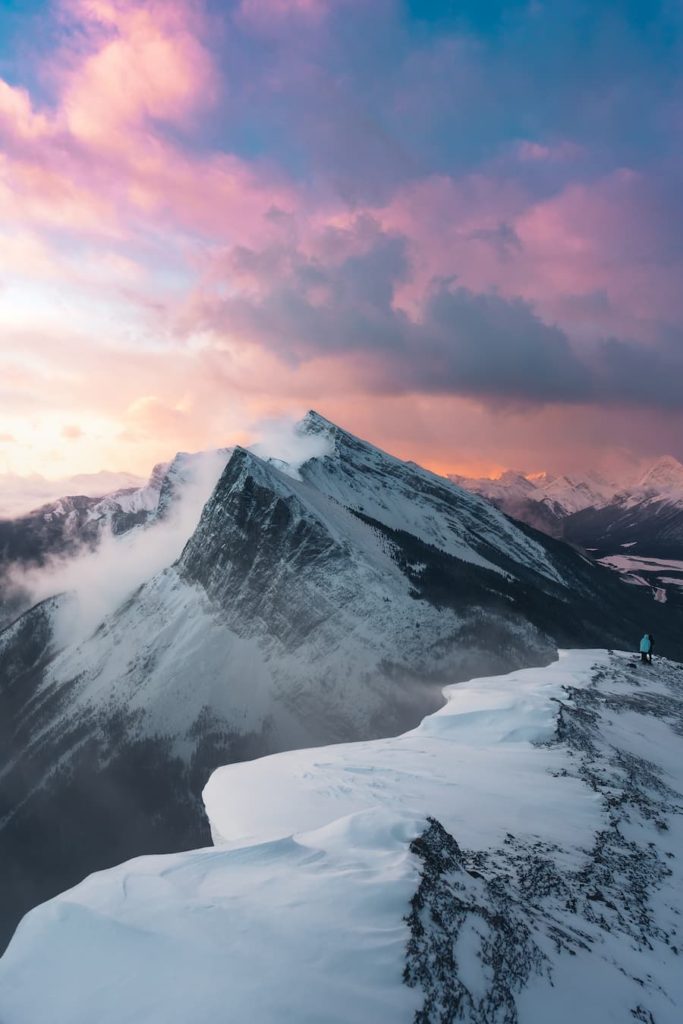
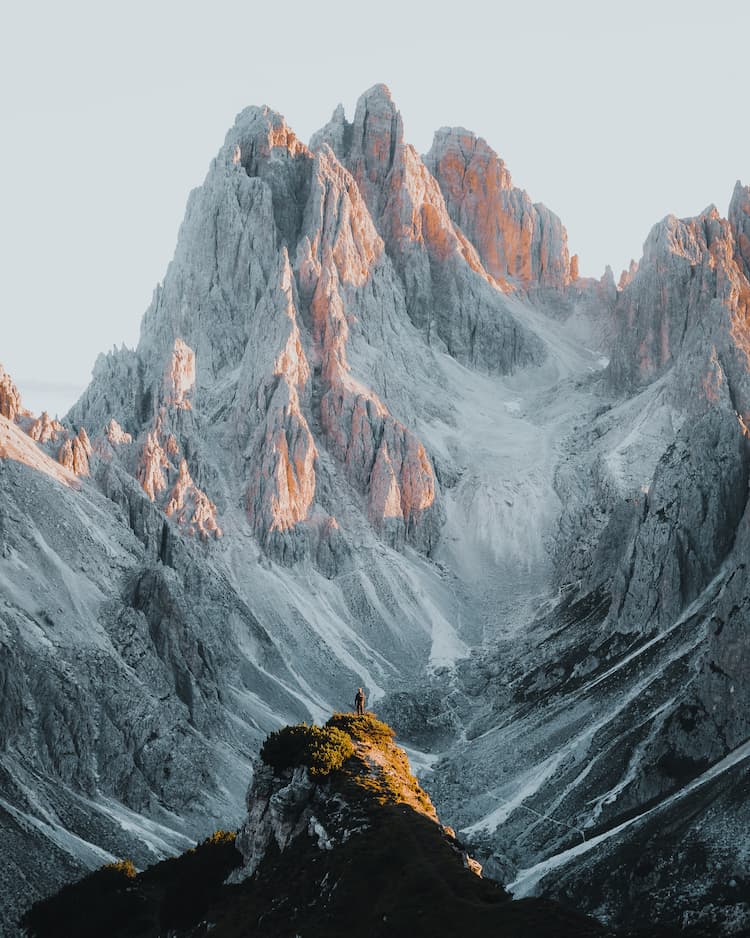
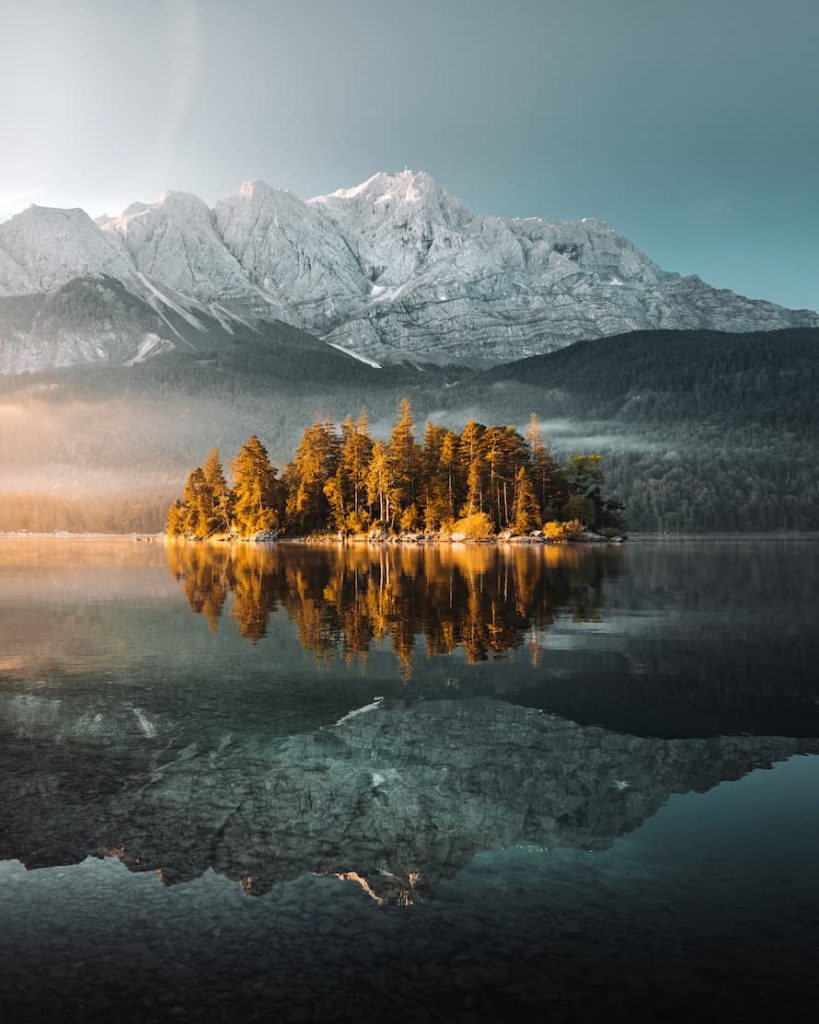
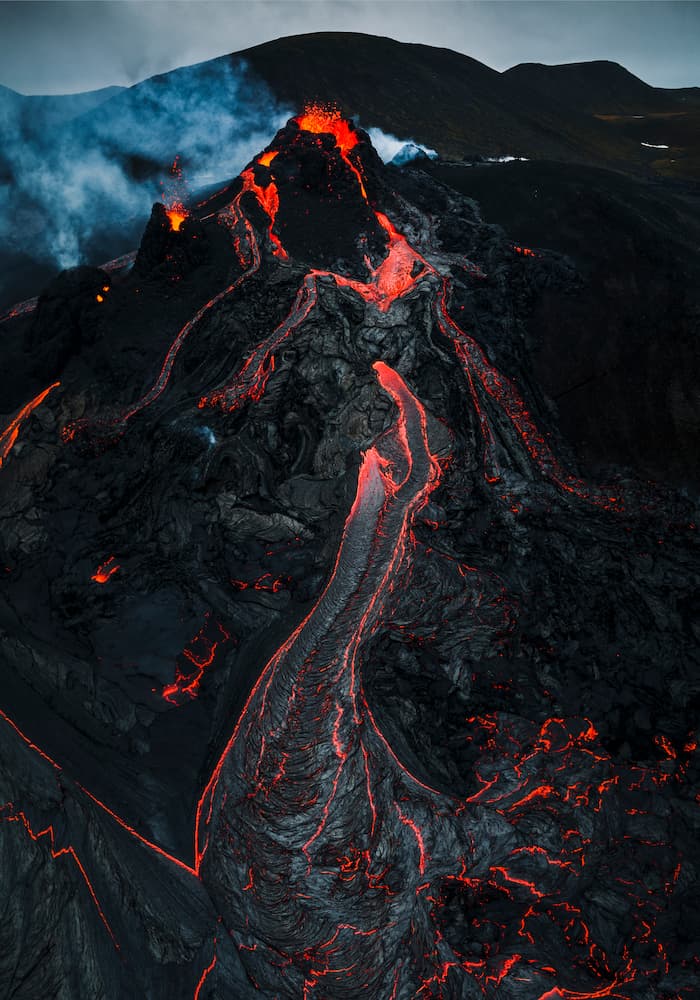
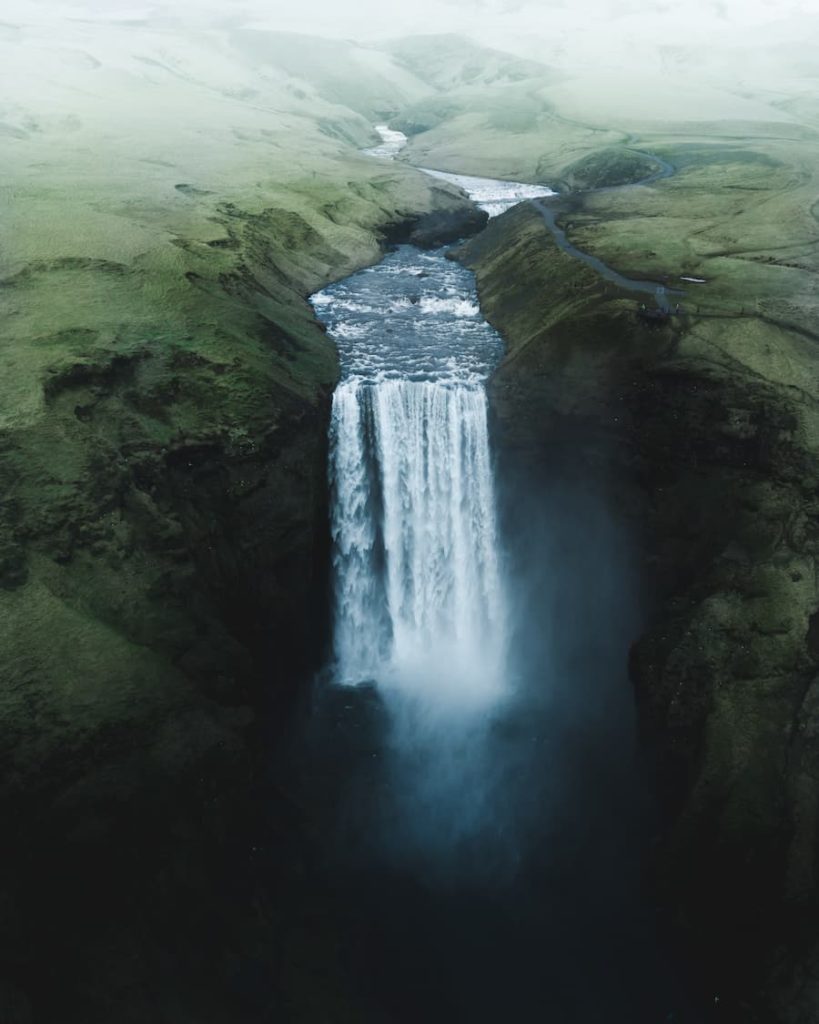
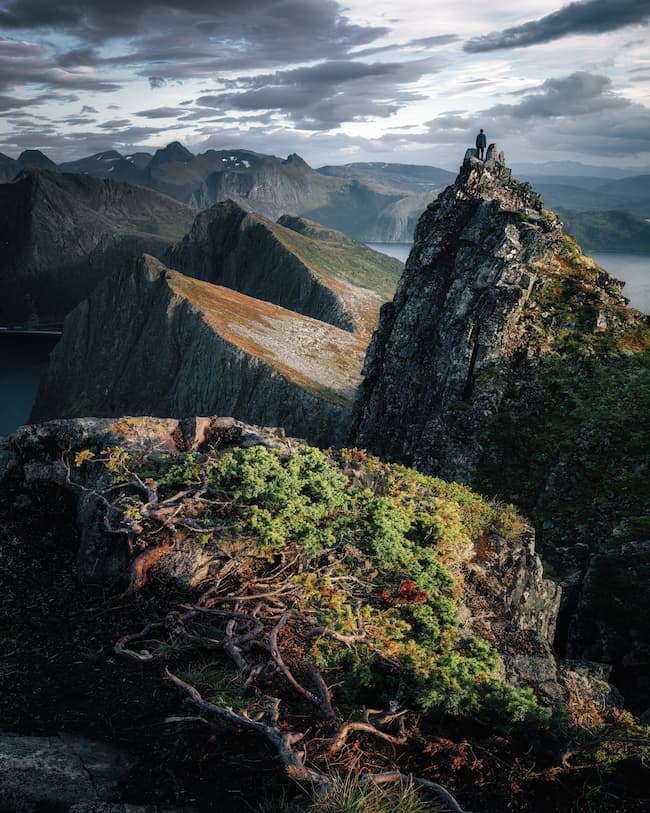
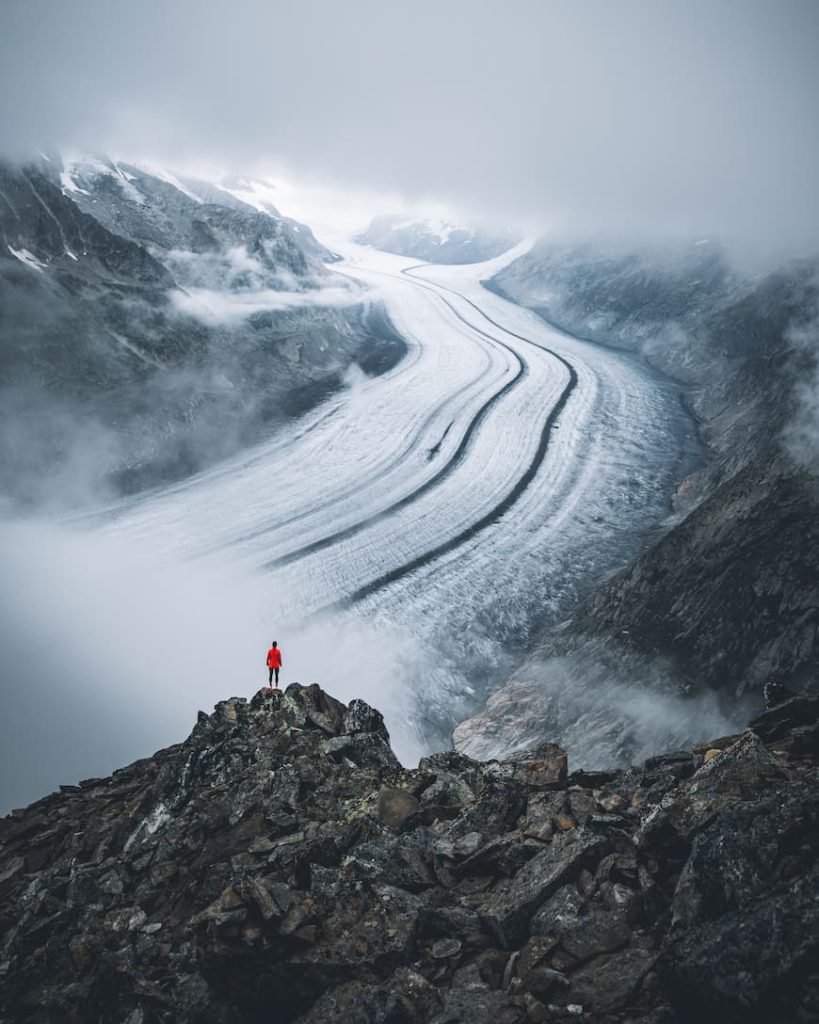
It is important for me to evoke emotion through my compositions and framing. I want to make people feel like they were there with me; it has been motivating to read the comments as people expressed their appreciation for my work. Some of my favorites are those grandiose scale shots because they put into perspective how we occupy such a tiny space in comparison to the magnitude of nature.
Living in Montreal meant I had to embark on long drives out of town in order to find the nature spots I was yearning for. The trips were too long to complete in one day so I would find cabins in and around Quebec on weekends to facilitate my outdoor explorations. I quickly fell in love with the cabin life, they allowed me to coexist with nature. The smell of the forest, birds chirping, mushrooms growing on wood stumps, raindrops trickling down the window, the sound of crackling fire… it’s like a dream. Since I don’t have an off switch, instead of enjoying the cabin I started photographing them. With the power of social media, I had developed a following of people asking about the best vacation rental cabins near Montreal. This jump started my work in cabin photography.
Would you like content like this sent to your inbox?

Join us in the Azores for a unique photo tour, where you’ll elevate your creative skills with expert guidance from Ronald Soethje, Bruno Ázera, and Nomadict.

In this article, Forest shares how years of chasing scale, silence, and raw landscapes shaped his approach to photography, from the deserts of Kazakhstan to the volcanic ridges of Iceland. He talks about how he uses light, texture, and vast negative space to create images that feel both intimate and overwhelming.

Simon shares the journey behind his photography, from early inspirations to field techniques, editing, and the story of the winning shot that shaped his path.

In this article, Miro shares how his love for cinematic music evolved into a deep passion for photography and how he uses light, color, and atmosphere to turn the streets of Prague into living film scenes.

In this article, Stefanie reveals how her background in physics sparked her passion for astrophotography and how she blends science with creativity to capture the beauty of the night sky. Readers will discover her approach to color, contrast, and editing, as well as her aurora photography workflow.

Spanish photographer Yhabril captures the profound connection between humans and the mountains that shaped him. Growing up in the Pyrenees, his work bridges outdoor sports, landscapes, and celestial scenes — often blending athletes, moonlight, and wilderness into striking visual stories.

In this article, Ariane shares how photography helped her navigate personal challenges, connect authentically with people and animals, and develop a philosophy rooted in empathy and artistic freedom. Readers will also discover her ethical approach to wildlife photography and her trusted equipment for both camouflage techniques and cameras.

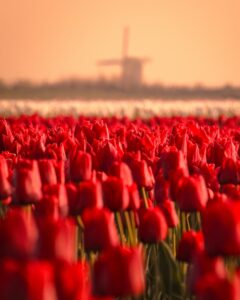
Discover how to photograph Dutch tulip fields in their most magical light. From choosing the right gear and lenses to mastering composition, color, and aerial perspectives, this guide shares creative techniques to capture the beauty of the Netherlands’ tulips. Learn how light, color grading, and proportion bring emotion into every frame.