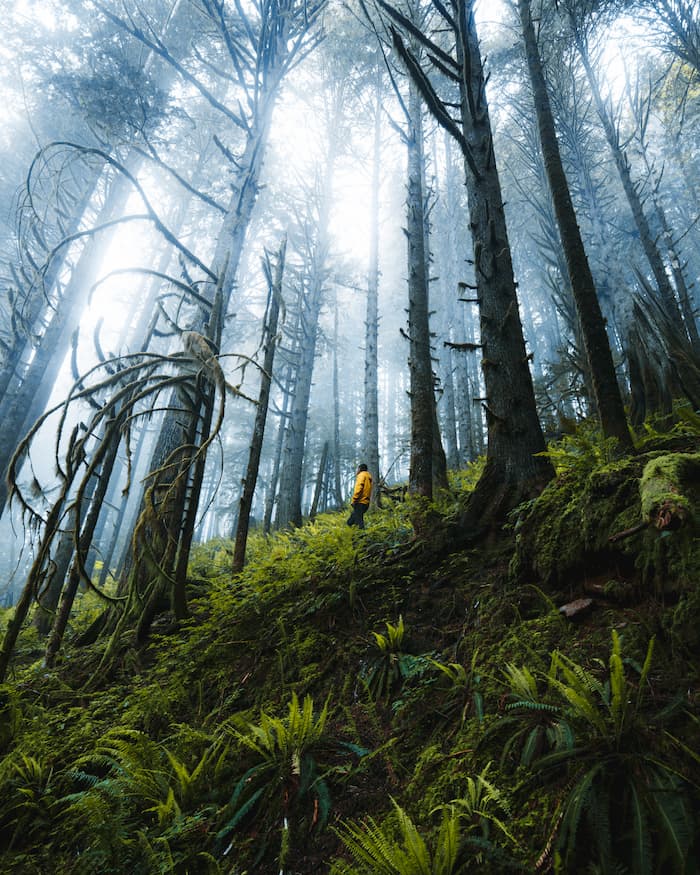
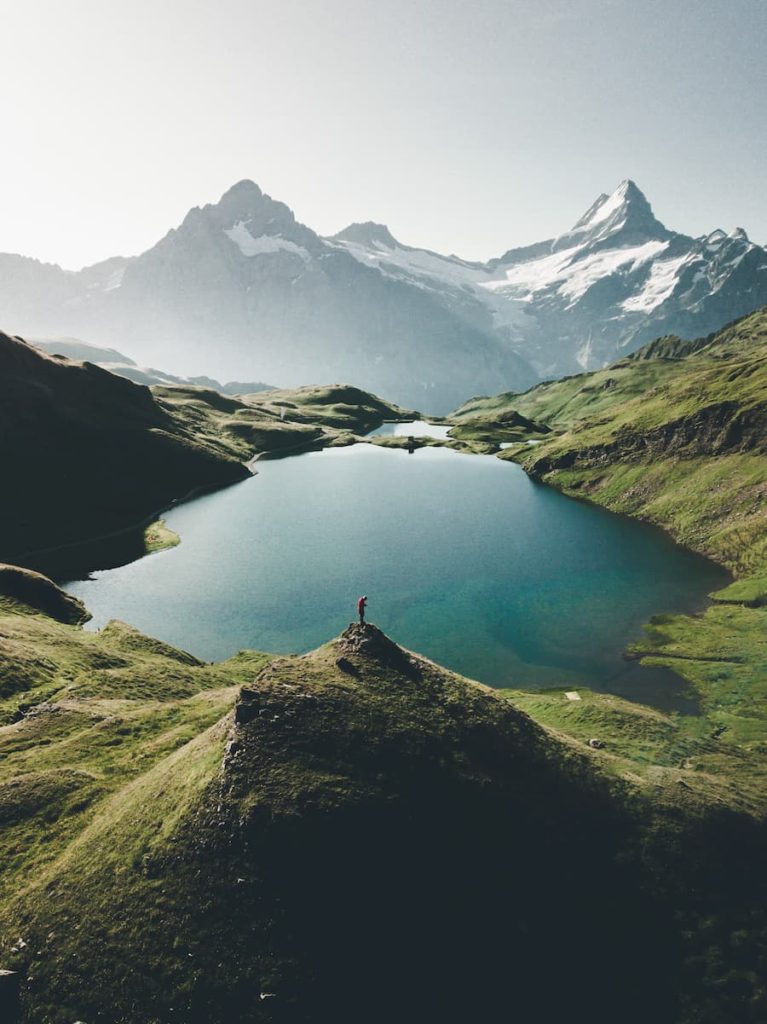
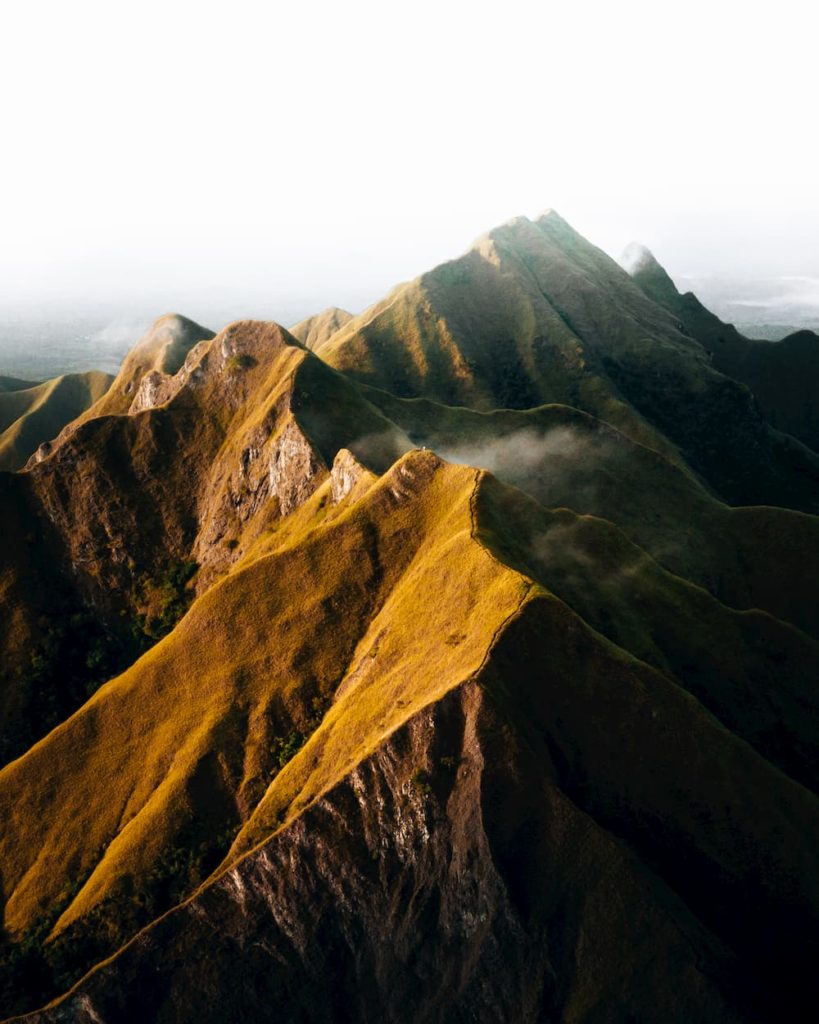
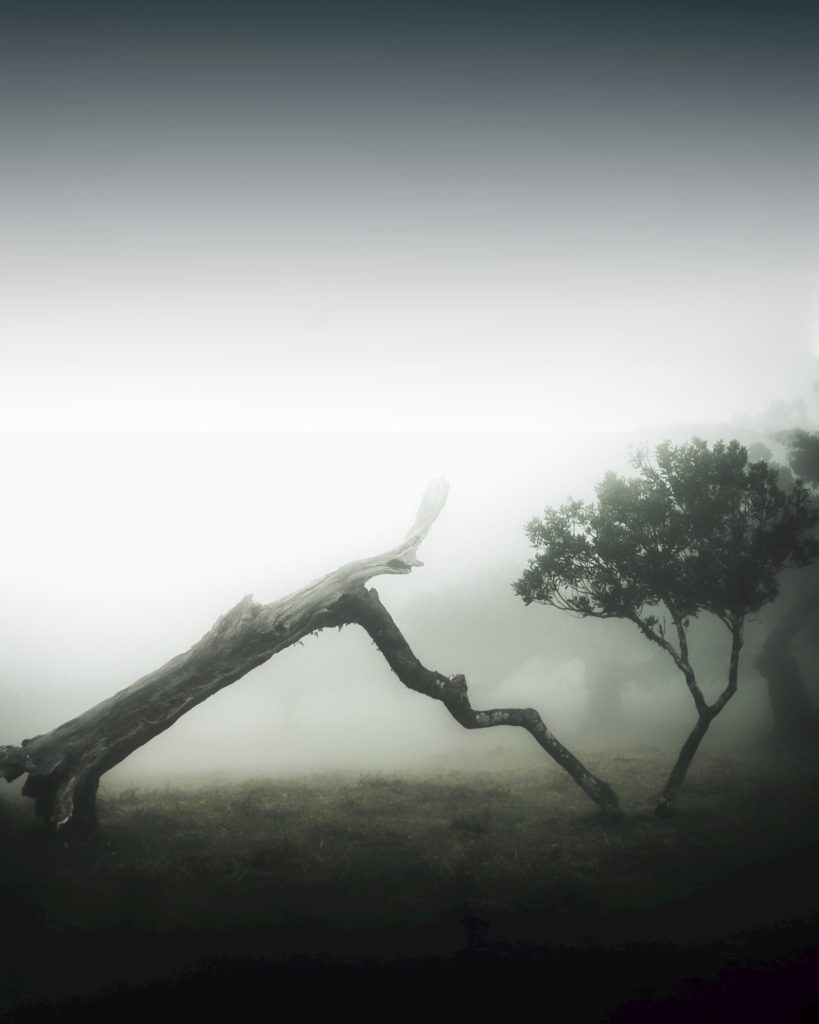
We have been a couple for 9 years and lived the first 6 years of our relationship in the Netherlands. Before we started our Nomadic lifestyle in 2018, we both worked full-time office jobs while practicing our sports motor racing (Atiba) and horse riding, dressage (Ilse). We were dedicated to our sports which we both performed on a national and international level, however, we also realised that our sports were expensive and time-consuming, which is why we needed to work full time to finance it. Once or twice a year we could go on a vacation but those travels always felt rushed because we only had 2 or 3 weeks to explore a country.
In 2016, our life was shaken up and everything changed. A lot came together at the same time. An irreparable injury of Ilse’s competition horse, death within our family, the awareness of getting older, not finding fulfilment in our office jobs and being “stuck” in one place turned our world upside down.
We explored how we could build a location independent life from which we didn’t need a vacation. A life we are in control of. And so we came to sell all the possessions we had in the Netherlands in 2017, such as our home, car and lots of other stuff, with the goal to become nomads. This journey towards a minimalistic lifestyle opened our eyes even more and made us realise we don’t need materialistic stuff to be happy. We were craving a life full of beautiful experiences while making memories along the way.
However, to maintain a life like that we had to find ways to finance it. From the start, our goal has been to live this nomadic lifestyle in a sustainable way for the longer term. Not just a world trip for 1 or 2 years. Being in the process of these life changing events and building a completely new life, we reconnected with the things we loved to do as kids. Playing outside, exploring, but also making photos and videos!
We loved to take pictures, but didn’t have any technical knowledge about what a picture makes a good picture. It was just the usual holiday pictures. Obviously, we wanted to document our travels and adventures in a decent manner so we invested in new cameras, lenses, set up our Instagram account and started to share our adventures. Atiba found his passion in filmmaking and photography while Ilse got back in touch with what she loved to do as a kid, taking pictures of nature elements, presenting and writing.
We learned everything about photography and filmmaking ourselves, thanks to all the free information that can be found online. I think that with our background in sports and having participated in competitions we have a natural urge to improve ourselves, which has helped us to be on the level of photography where we are at right now.
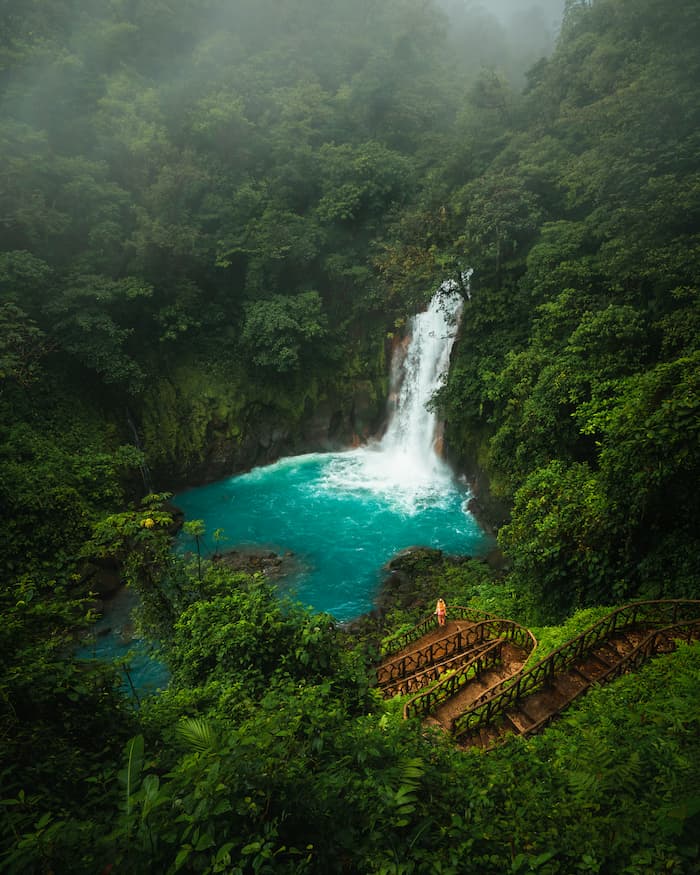
The photo was taken in Tenorio volcano park in Costa Rica. We knew that this waterfall, called Rio Celeste, would be one of the highlights of the visit. The intense blue water comes from the presence of certain minerals in the river thanks to volcanic activity. This National park is quite popular in Costa Rica, so although we arrived early at the waterfall, there were already other visitors around. We decided to continue exploring the park and come back later to take the picture we had in mind. We needed the staircase to be empty without other people so we had to time it well.
As hardly anything goes as planned in outdoor photography, it suddenly started to pour on our way back to this waterfall. We were both drenched on arrival – but the rain also chased other visitors away. Every disadvantage always has an advantage! And to our excitement a moody cloud passed through the rainforest, creating a mystical scenery. We prefer to shoot waterfalls in moody conditions to minimise reflection on the water, so this was the perfect timing for us!
The story we had in mind with this picture is the “staircase to the blue waterfall”. Ilse walked down for the human element in this picture and while most people take pictures close to the waterfall at the platform below, we wanted to create depth and different layers in the photo while leading the eye towards the waterfall. To achieve that we used the green foliage as the first layer and because we absolutely wanted to capture the misty cloud as well we used a wide-angle lens to fit in the whole scenery. The intense blue water catches your eye quickly when looking at the picture, but there is way more to see than only the waterfall.
Having the composition on point, with the edit I wanted to enhance the moodiness and make sure Ilse was more visible as she appears very tiny in this photo. I made sure the stairs popped out more by doing some minimum dodge and burn adjustments. When editing it’s really important for me to keep the colors as natural as possible. The blue water is as blue as you can see in the edit, I only lightened it a bit. Also, I wanted every element to be in balance with each other. The incoming rolling fog through the valley above the waterfall made the scenery extra moody so when cropping the photo I made sure the fog was clearly visible.
Would you like content like this sent to your inbox?

What makes a nature photograph memorable? For Julie Chandelier, it goes beyond finding extraordinary subjects. It’s about observing closely, trusting your intuition, and noticing the details others might overlook. In this article, she shares her approach to composition, abstraction, simplicity, and creating more evocative images.
An early morning adventure in Madeira led to an unexpected photograph and a story worth sharing. Maria Almyra reveals how patience, persistence and a little family teamwork shaped her award-winning image and continue to inspire her photography.
From mist-covered Welsh hillsides to unexpected encounters with newborn lambs, photographer Evan Dunsford shares his approach to wildlife photography, the importance of patience and composition, and the lessons that continue to shape his relationship with the natural world.
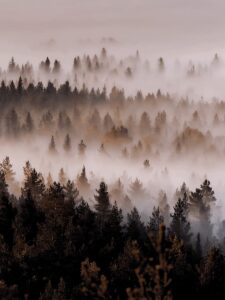
Swedish landscape photographer Finu Bruseby won Nomadict’s Best of the Week with a sunrise captured from above a fog-swallowed town. In this feature, Finu shares where the passion for nature began, the lessons learned in the field, and the story and process behind the winning image.
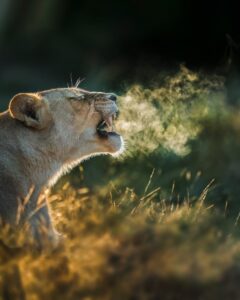
Alexandra Surkova shares how an unexpected gift sparked her passion for wildlife photography, the lessons that shaped her approach in the field, and how projects like Future Guardians and Wild Voices use photography to inspire wildlife conservation.
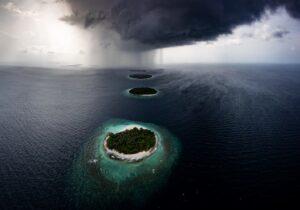
Inspired by a love of nature, exploration, and unexpected moments, Joana captures the Maldives in a different light. Discover how a stormy afternoon, four perfectly aligned islands, and a cinematic editing approach came together to create an image that feels more like a real moment than a postcard.
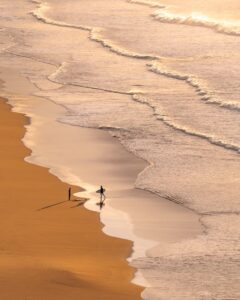
Désirée Stoll traces her path from a first solo trip to Königssee to a body of work built on light, patience and emotional honesty. She shares four lessons from years of shooting outdoors, the story behind her Best of the Week image of two surfers on the Spanish coast, and why printed work changed how she sees photography.
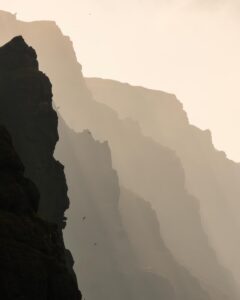
In this article, Julien shares how to develop a personal style through atmosphere, minimalism, and color in nature photography, from what he looks for before ever raising his camera to the editing choices behind his most meaningful images.