I was a painter during my school days, but unfortunately, I stopped to pursue my career in Science. Nevertheless, I always had the hunger to do some kind of art besides my career in science. Photography came in as a form of art during a family trip to north-east India, when my father bought a point-and-shoot camera. He asked me to use it and document the moments we experienced together. I quite enjoyed it and decided to keep doing it besides my studies.
I just finished my PhD degree back in April and now work for the data reduction pipeline for Stratospheric Observatory for Infrared Astronomy (SOFIA) at Universities Space Research Association and NASA Ames Research Centre in Mountain View, California. I love being both a scientist and artist at the same time. In my opinion, they complement each other quite well. In a fancy way, I can say I have a scientific brain and an artistic soul. There is a similarity to the way I see the giant mountains for photography and the universe for astronomy, we are tiny or almost non-existent in front of both, it is a fascinating fact, “how small we are”. I love my day job as much as I love photography. Finding the right balance is important for me and luckily I have managed to do it quite well so far.
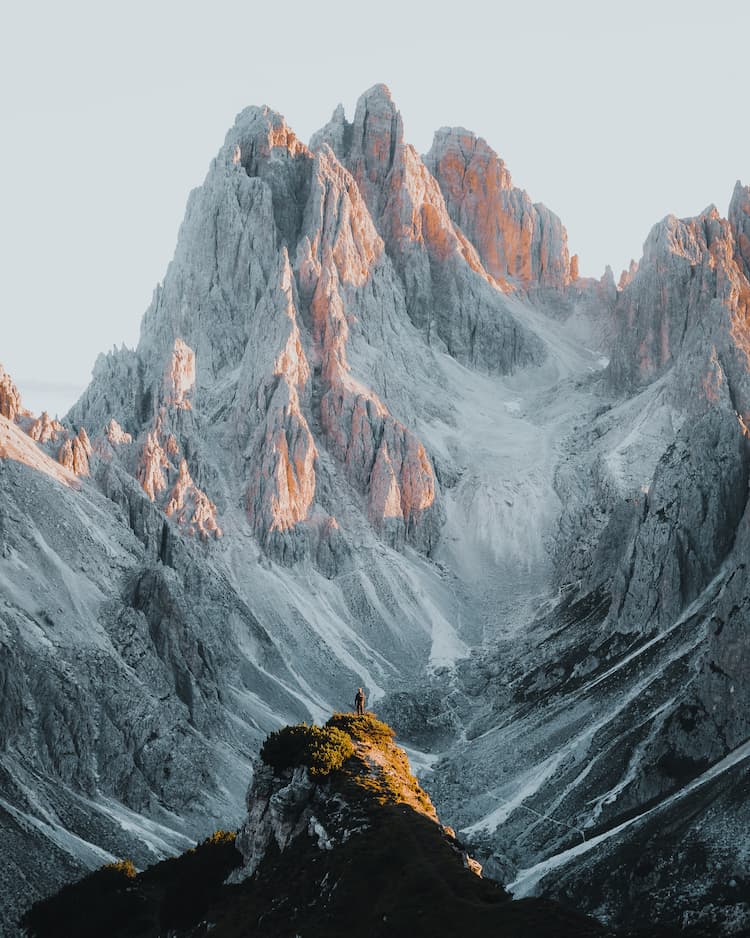
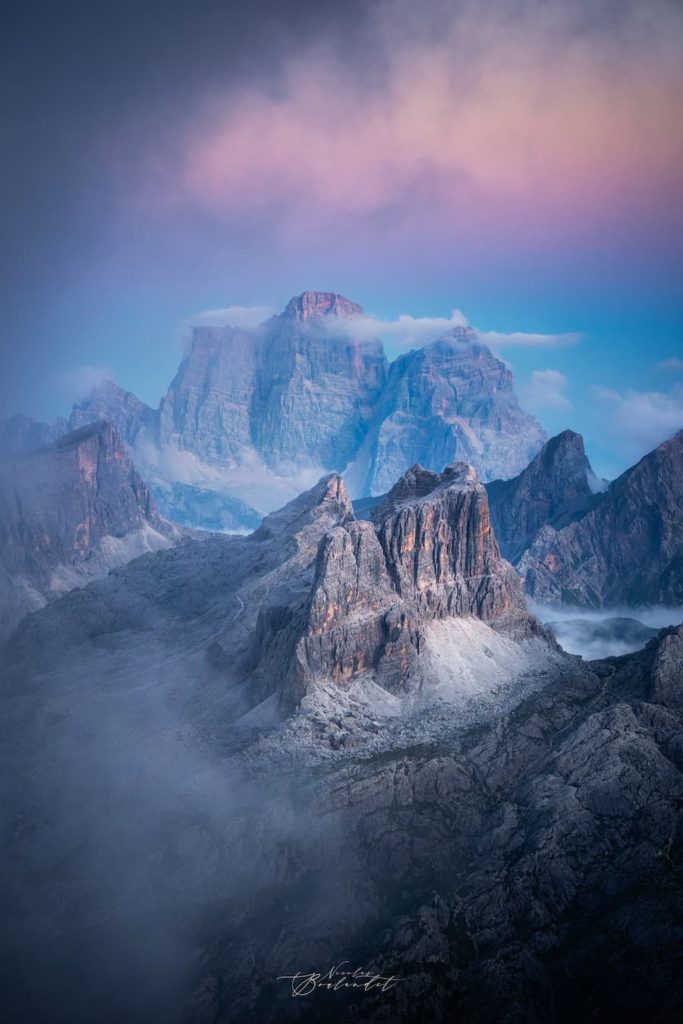
When I just started taking photographs, I used to do all kinds of photography: nature, street, portraits, and macro. When I moved to Italy and went to the Dolomites, I immediately fell in love with the Alps. Since then, I decided to focus on landscape photography. Canada, where I traveled to later on, helped me evolve a lot in this field. I gained so much knowledge about and experience in the outdoors by traveling in the mountains of Canada.
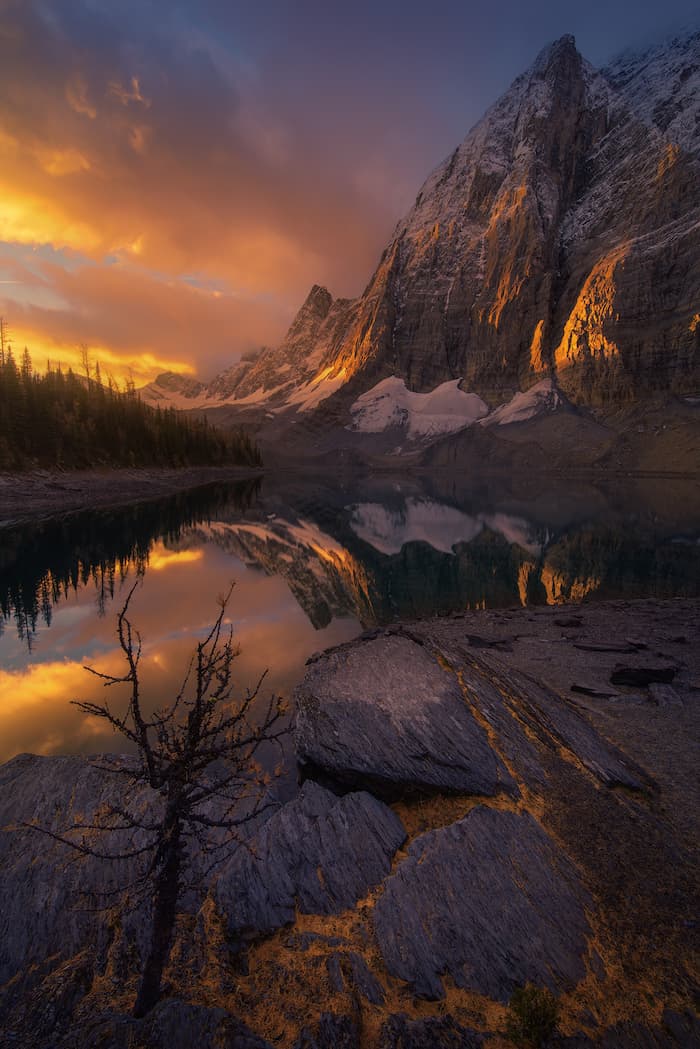
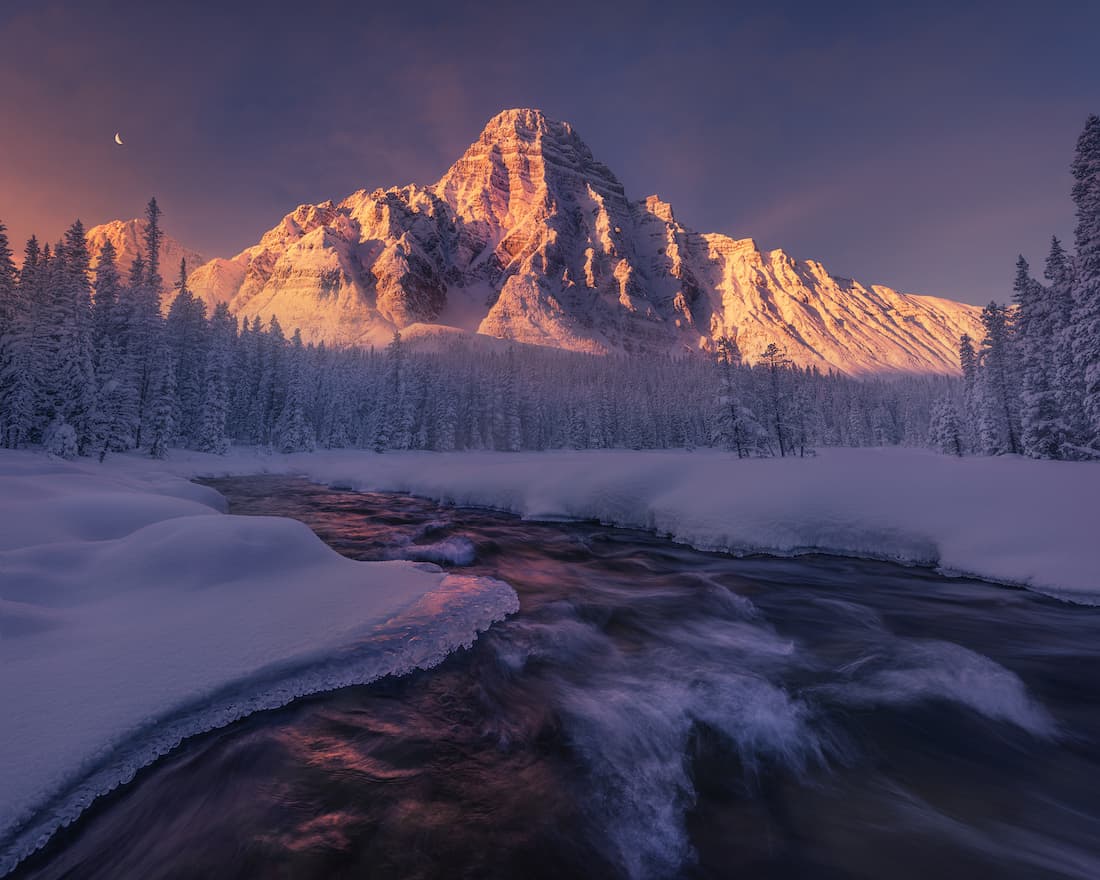
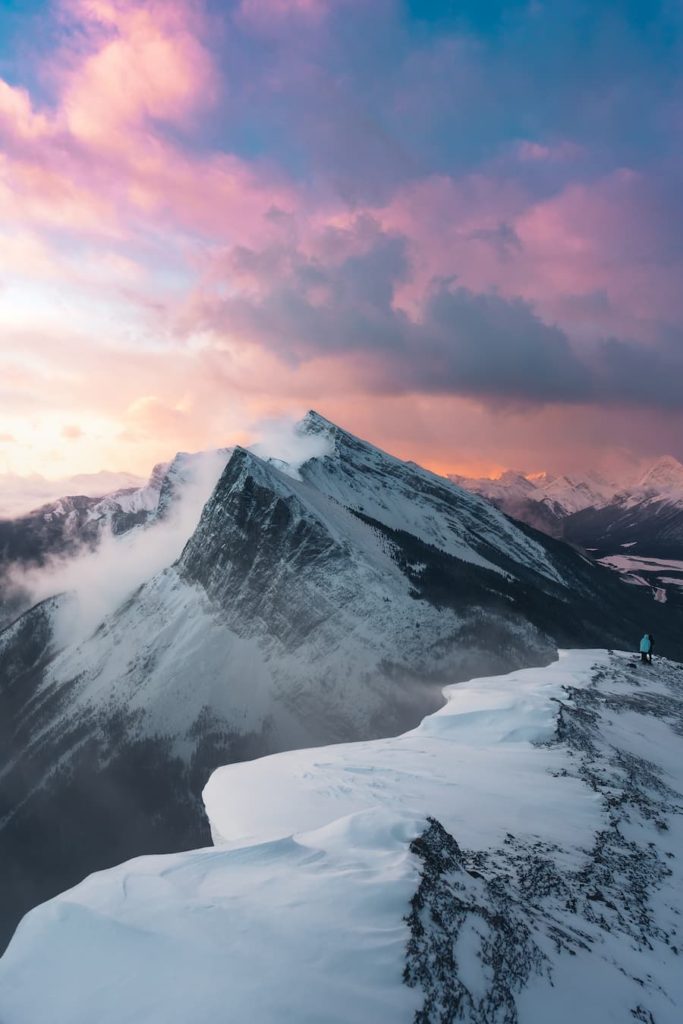
The winning shot was taken in Kootenay National Park. I went there mainly because I love backpacking and camping, and that place was on top of my list for a long time. It is quite challenging to bring all the camping gear and photography gear on hikes like this. But when you get a sunrise like you see on the photo, you shout “hell yeah”, all the efforts pay off.
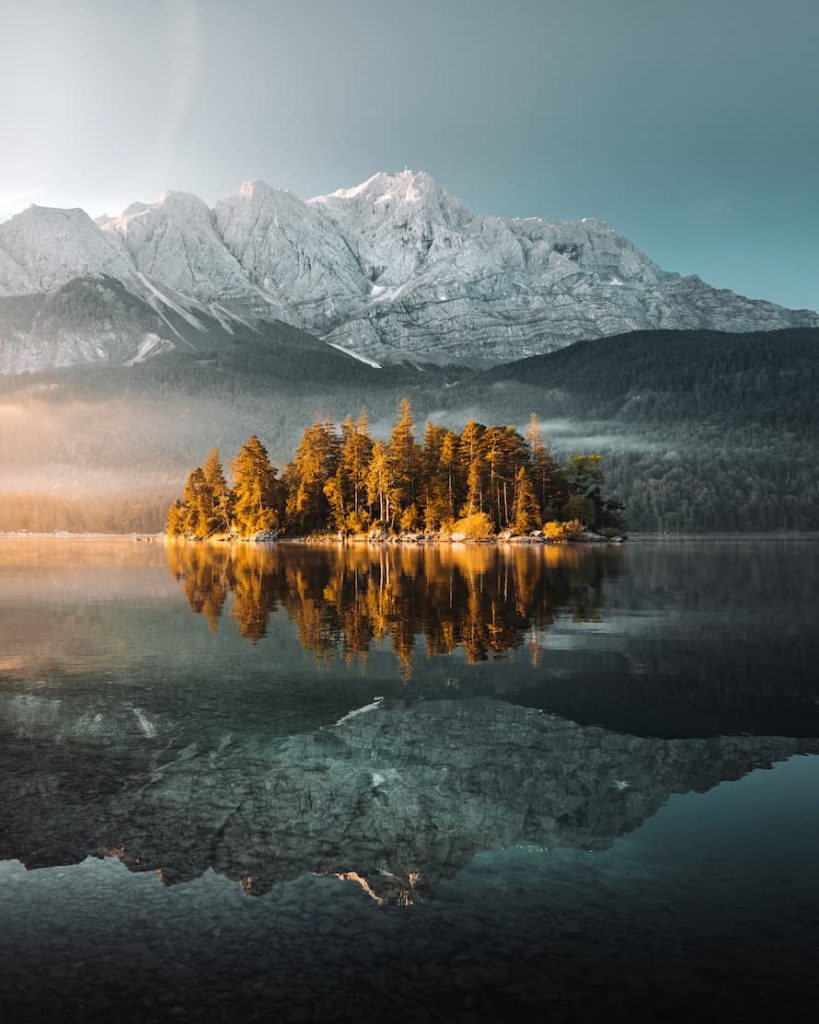
The day before was full of snow and nothing was visible, which is quite sad when you hike a long distance to see the beauty. So, watching that sunrise the next morning was more than fascinating. I learned, again, to never underestimate mother nature. When I woke up it looked cloudy and I felt a feeling of disappointment taking over, thinking that the sunrise wouldn’t be nice. Then the sun broke through the clouds and an intense color covered the sky, colored the mountains and was reflected in the water. Nature at its best!
For the shot, I focused on two things: the amazing light and the composition. The light was picture perfect, one of the best sunrises I have ever witnessed. The composition was striking too, everything pointing towards the center of the frame and the clouds and the fallen leaves complementing each other.
I see editing photos as digital painting. One of my favorite painters is Albert Bierstadt and I try to emphasize a lot of his painting effects on my photos. Moreover, I am a huge fan of fantasy movies and games. I obtain a lot of inspiration from them.
Several of my photos I position as fine art prints. For me, a camera is just a tool to capture the image, but there is a vast field of creativity in fine art photography other than just capturing the photo. Photographing for print is a whole different world. There is a lot more work to be done for printing than posting on social media, e.g., local sharpening, soft and hard proofing, producing accurate colors etc.
Currently I am extremely interested in backcountry trips, of which the winning shot is a result. Finding new places which have rarely been photographed is tremendously satisfying! Having the result printed even more. I’d encourage everyone to produce and adjust some photos specifically for printing, it’s a different workflow and some more effort but it will definitely spark your passion and make you feel even more motivated!
Would you like content like this sent to your inbox?

In this article, Forest shares how years of chasing scale, silence, and raw landscapes shaped his approach to photography, from the deserts of Kazakhstan to the volcanic ridges of Iceland. He talks about how he uses light, texture, and vast negative space to create images that feel both intimate and overwhelming.

Simon shares the journey behind his photography, from early inspirations to field techniques, editing, and the story of the winning shot that shaped his path.

In this article, Miro shares how his love for cinematic music evolved into a deep passion for photography and how he uses light, color, and atmosphere to turn the streets of Prague into living film scenes.

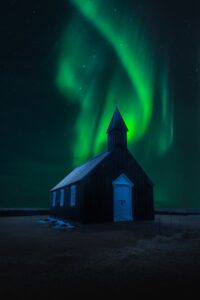
In this article, Stefanie reveals how her background in physics sparked her passion for astrophotography and how she blends science with creativity to capture the beauty of the night sky. Readers will discover her approach to color, contrast, and editing, as well as her aurora photography workflow.

Spanish photographer Yhabril captures the profound connection between humans and the mountains that shaped him. Growing up in the Pyrenees, his work bridges outdoor sports, landscapes, and celestial scenes — often blending athletes, moonlight, and wilderness into striking visual stories.

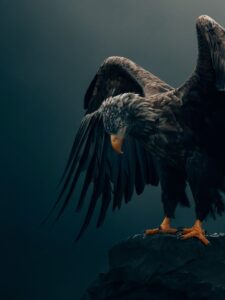
In this article, Ariane shares how photography helped her navigate personal challenges, connect authentically with people and animals, and develop a philosophy rooted in empathy and artistic freedom. Readers will also discover her ethical approach to wildlife photography and her trusted equipment for both camouflage techniques and cameras.

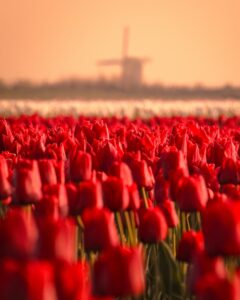
Discover how to photograph Dutch tulip fields in their most magical light. From choosing the right gear and lenses to mastering composition, color, and aerial perspectives, this guide shares creative techniques to capture the beauty of the Netherlands’ tulips. Learn how light, color grading, and proportion bring emotion into every frame.

In this article, you’ll learn how to read and use light in your home city, choose the right technical settings for low-light scenes, and refine your editing workflow to shape color and atmosphere step by step. In addition, Dominik shares how to find fresh perspectives on familiar locations, five lessons that transformed his photography, and insights on the future of street photography.