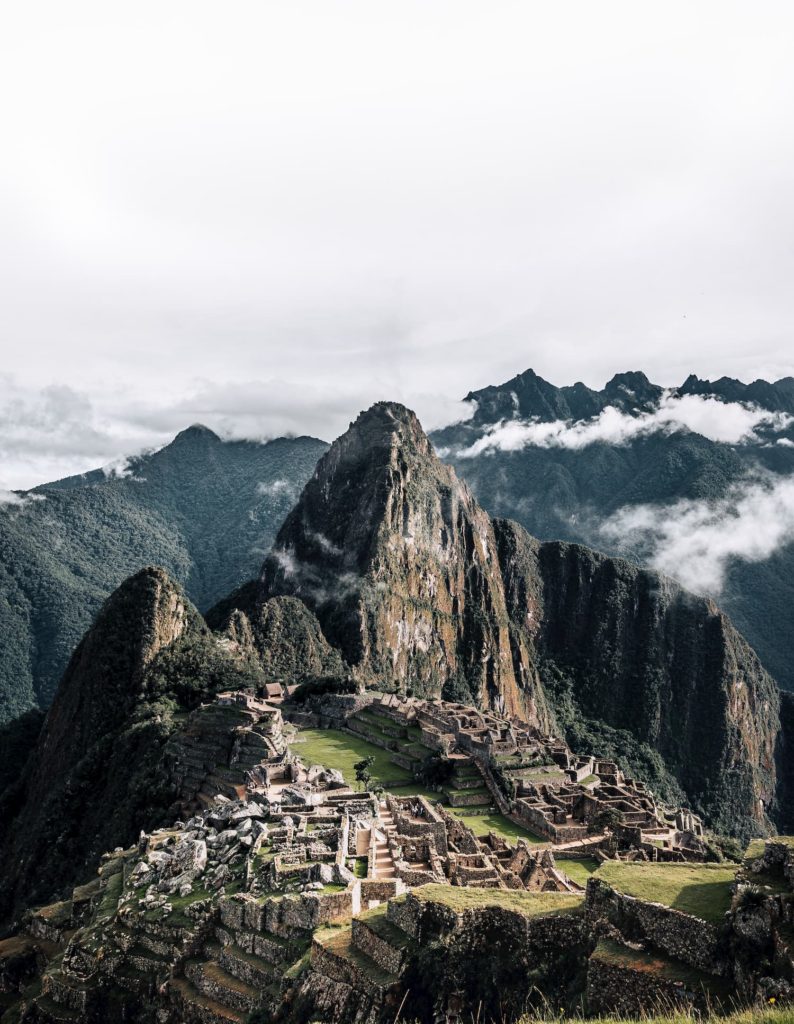
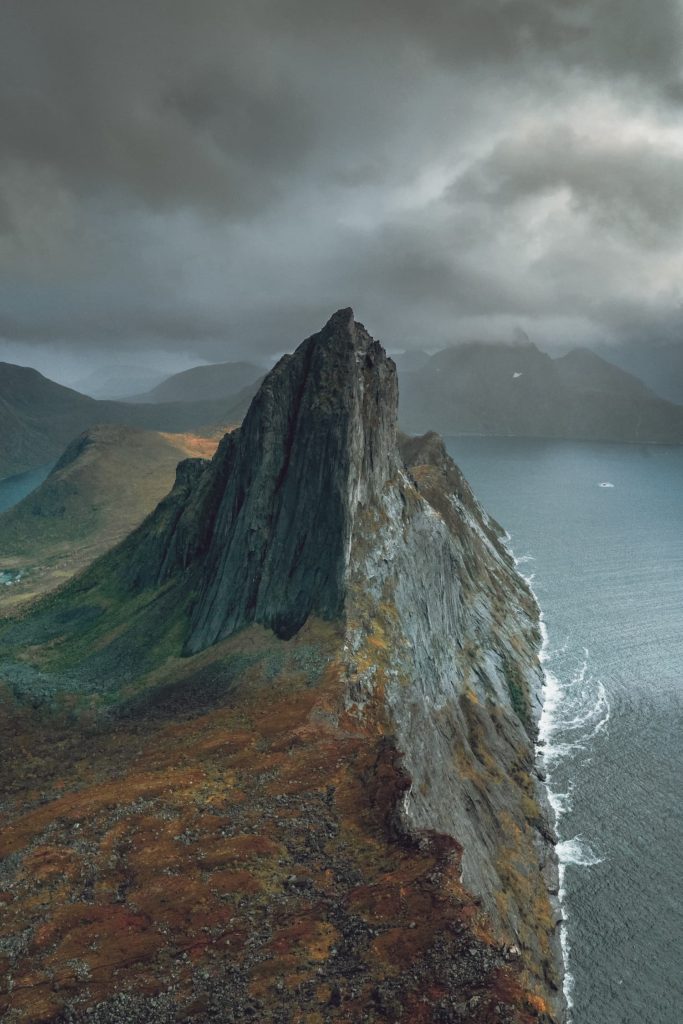
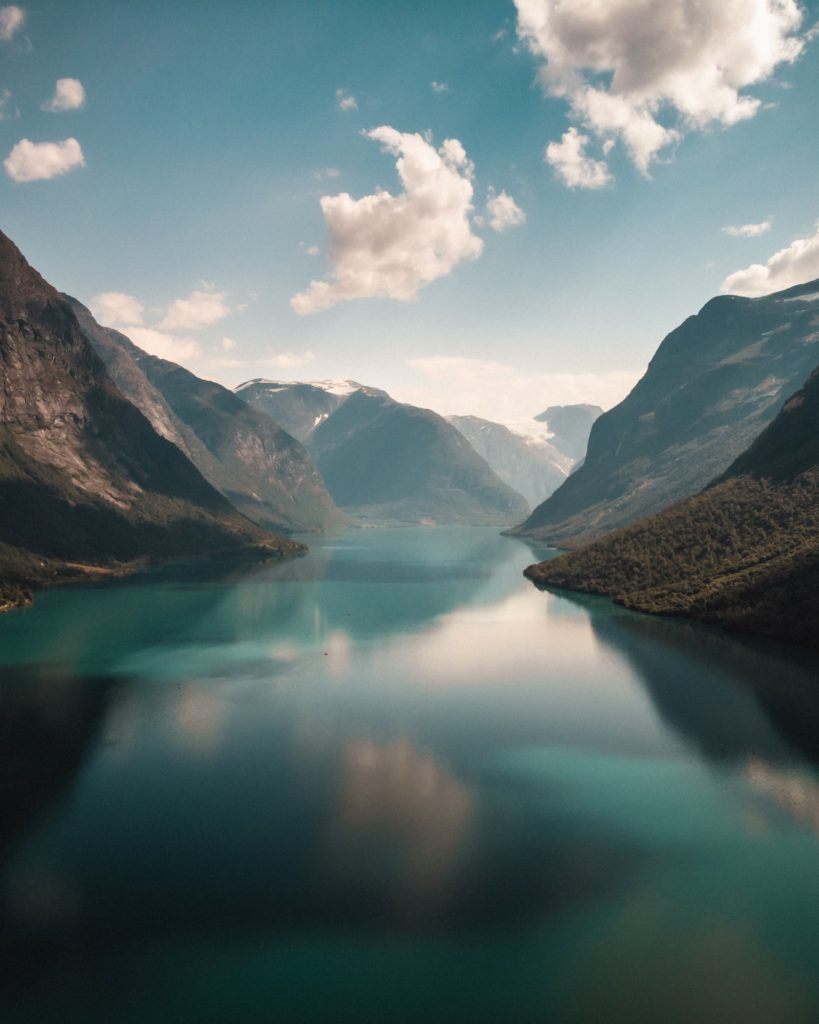
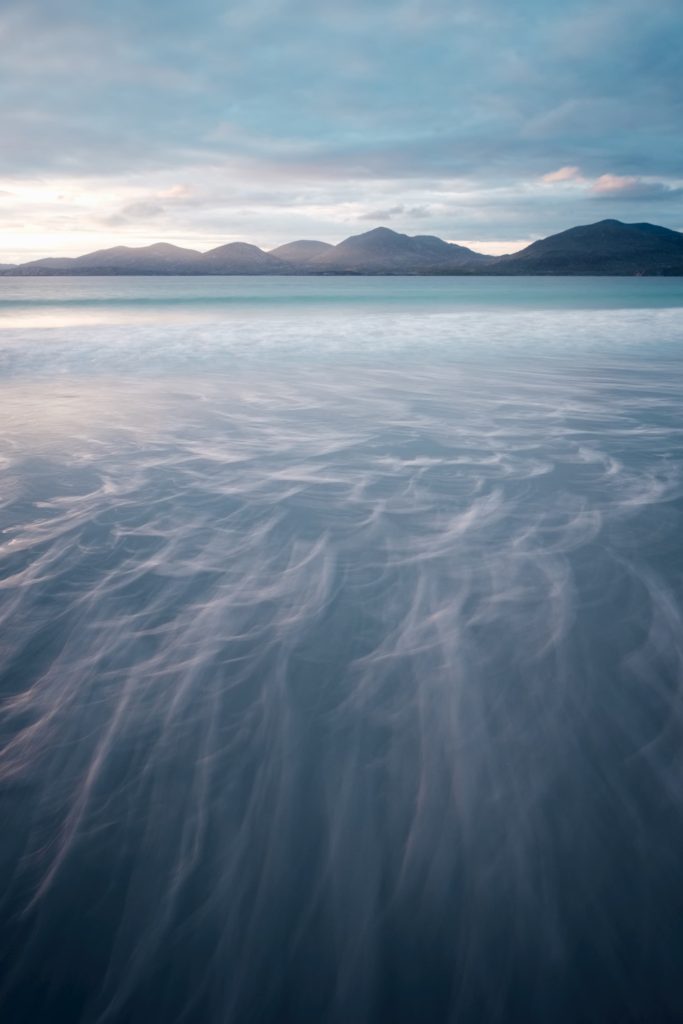
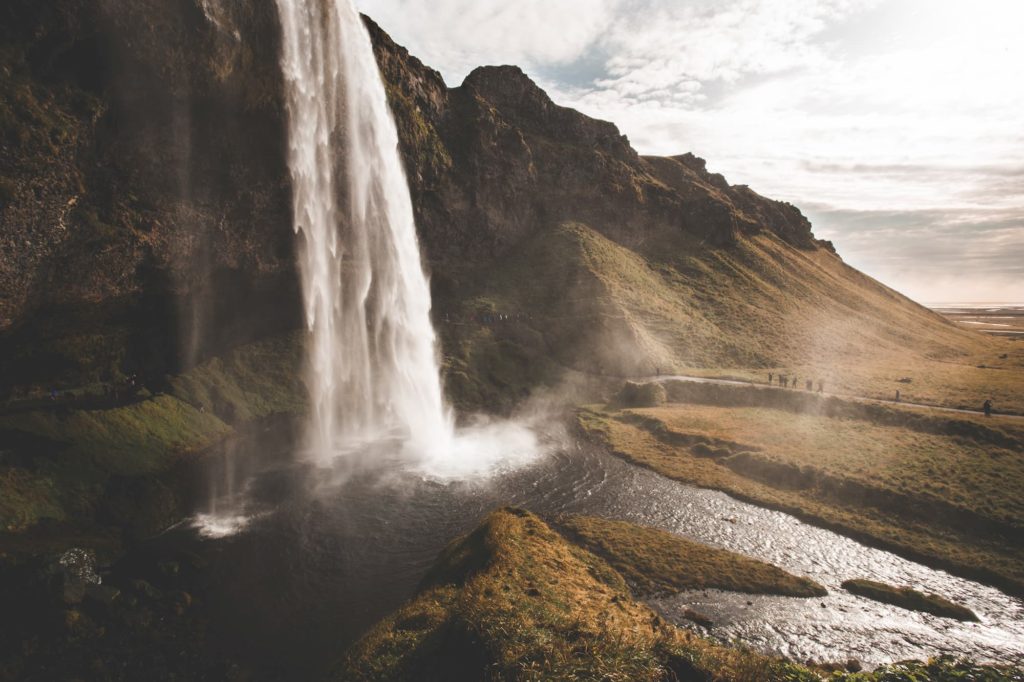
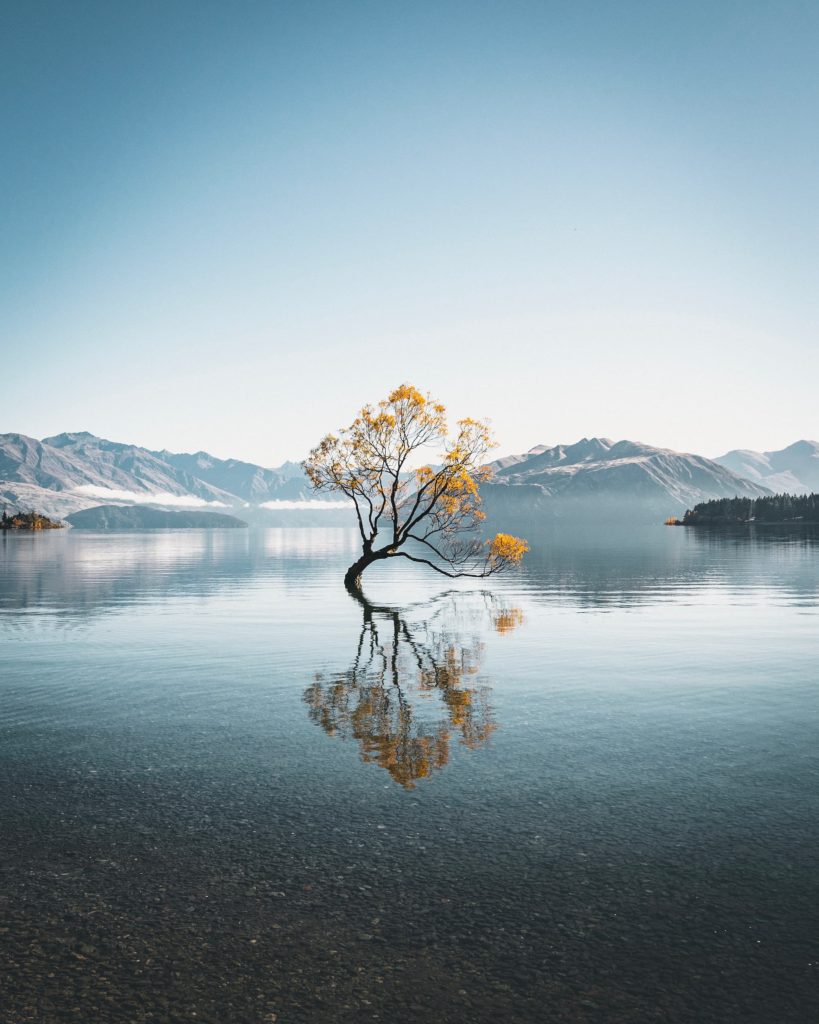
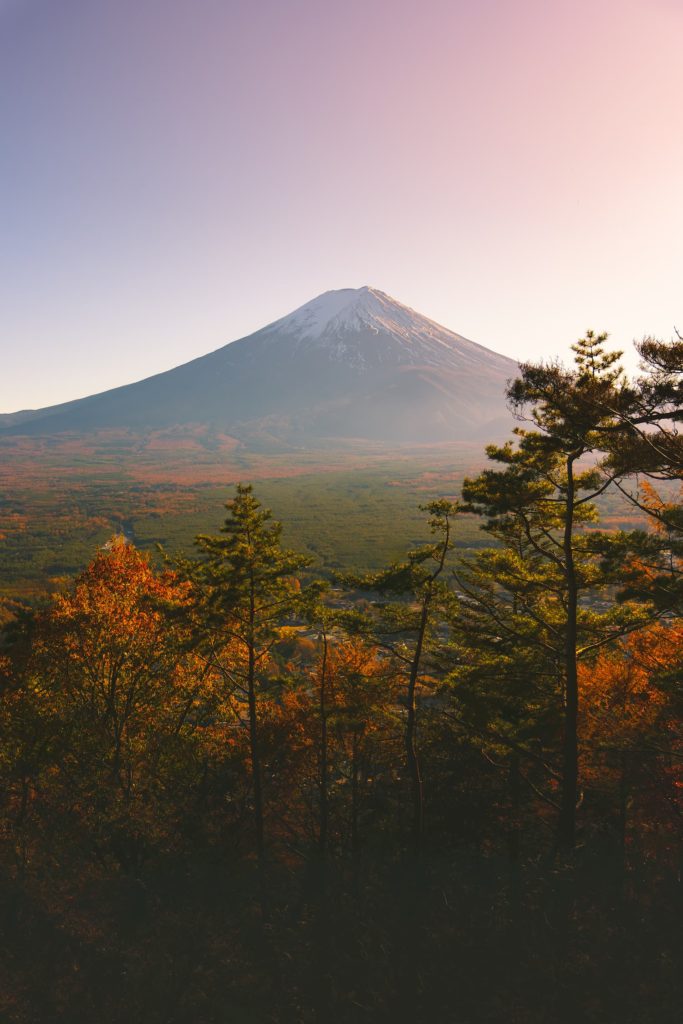
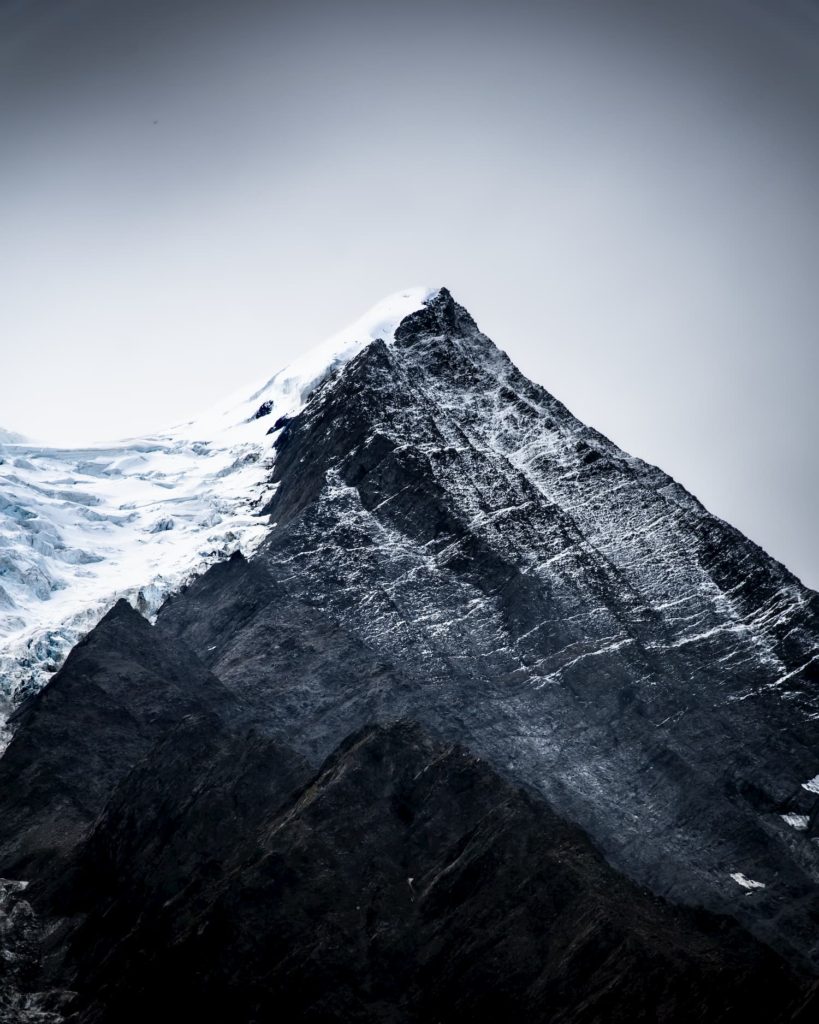
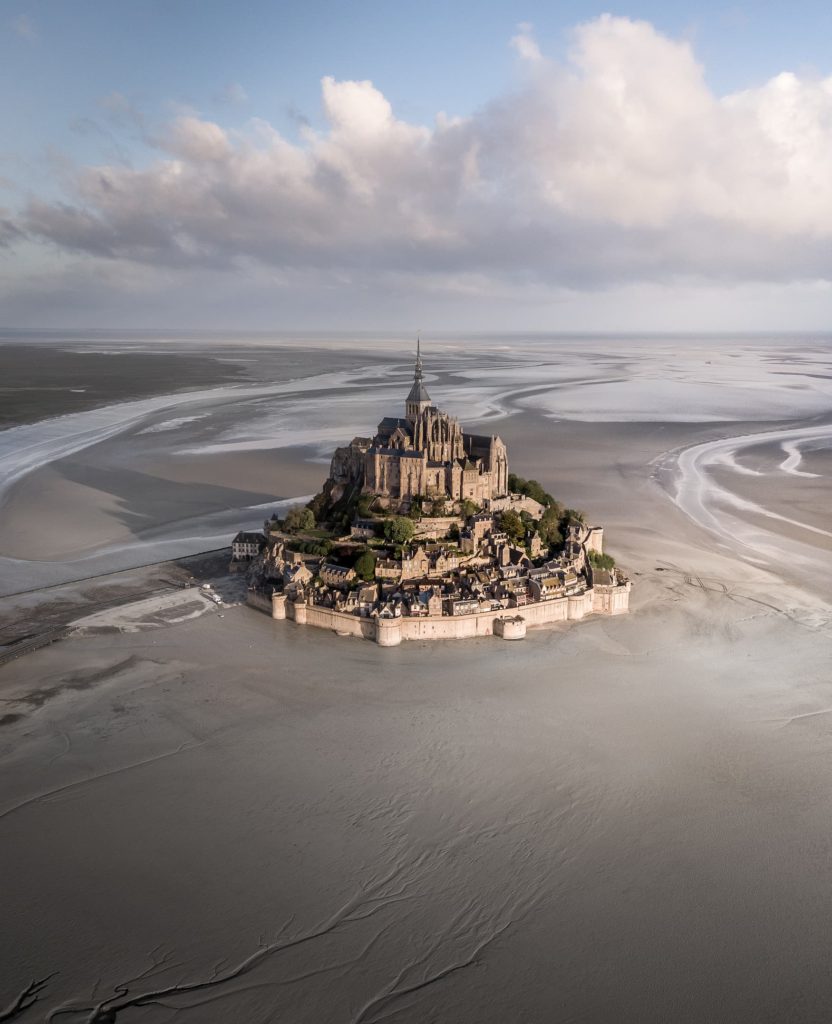
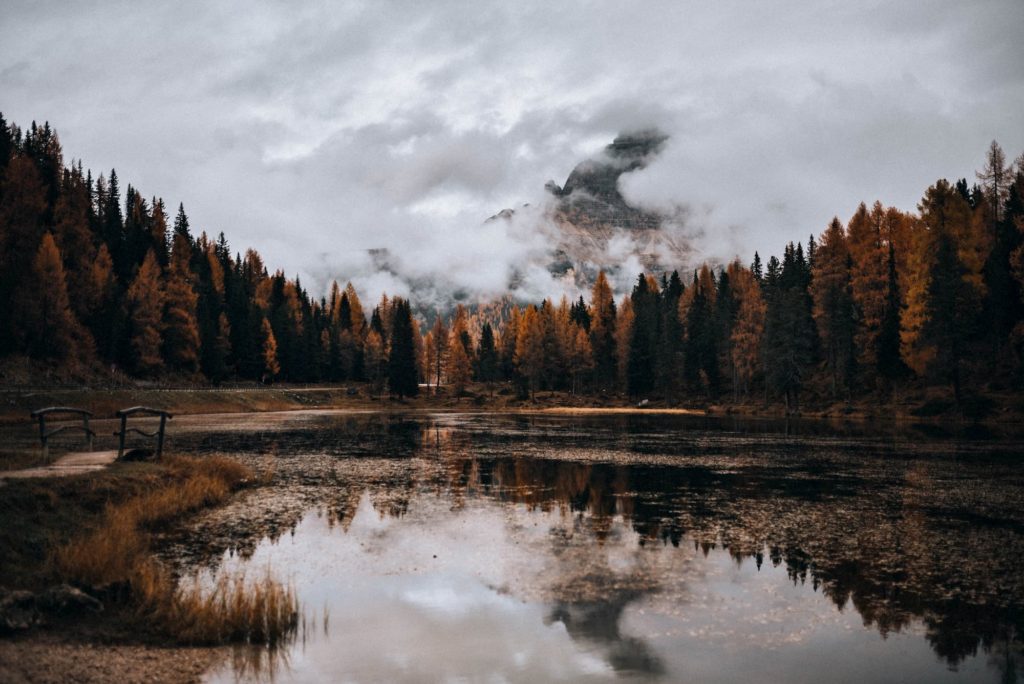
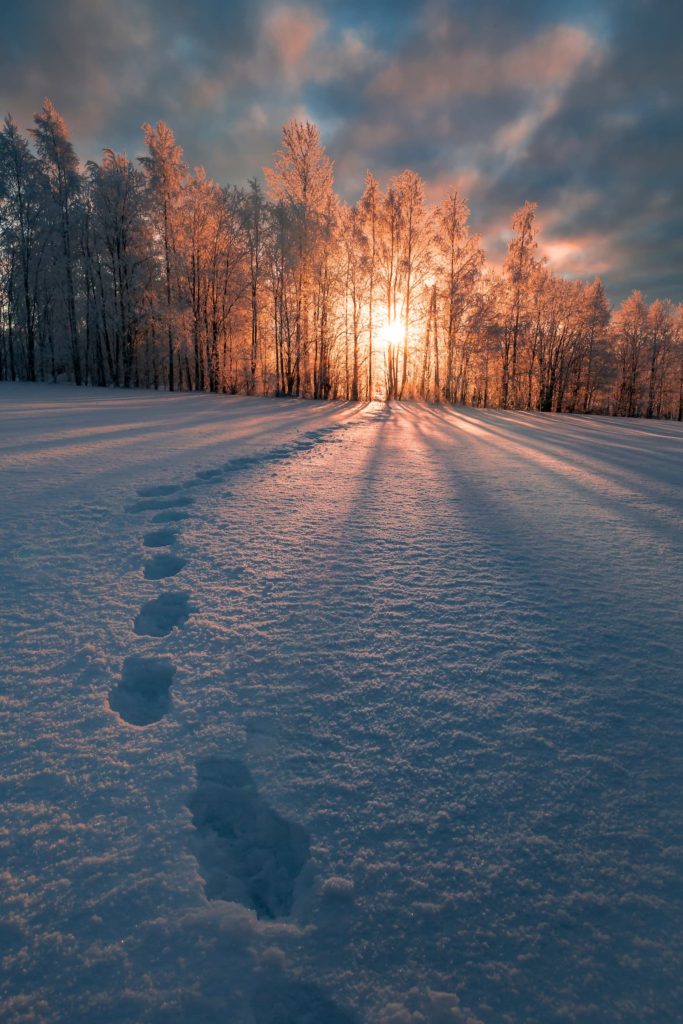
In my teenage years, I was extremely afraid of what people think of me. Being a shy, yet observant kid, I turned to photography. I started sharing my photos on Instagram secretly at first, without telling my friends and family about it. I named my account Crawnical to hide from my identity, but with a vision behind it. It is pronounced as ‘chronicle’, but with the word RAW in it. The c is the letter of my first name and all together Crawnical holds the meaning of capturing fleeting moments that embed stories in the form of photographs.
This gave me the courage to stop hiding from what I was doing and creating with my camera. I like to say photography helped me both escape the social world I was afraid of and ignore what everybody else thinks. With this, Crawnical has become more than just a nickname I made for myself. I’ve wanted to establish a more professional brand and decided to start working with businesses that want to highlight the adventurous values of their company.
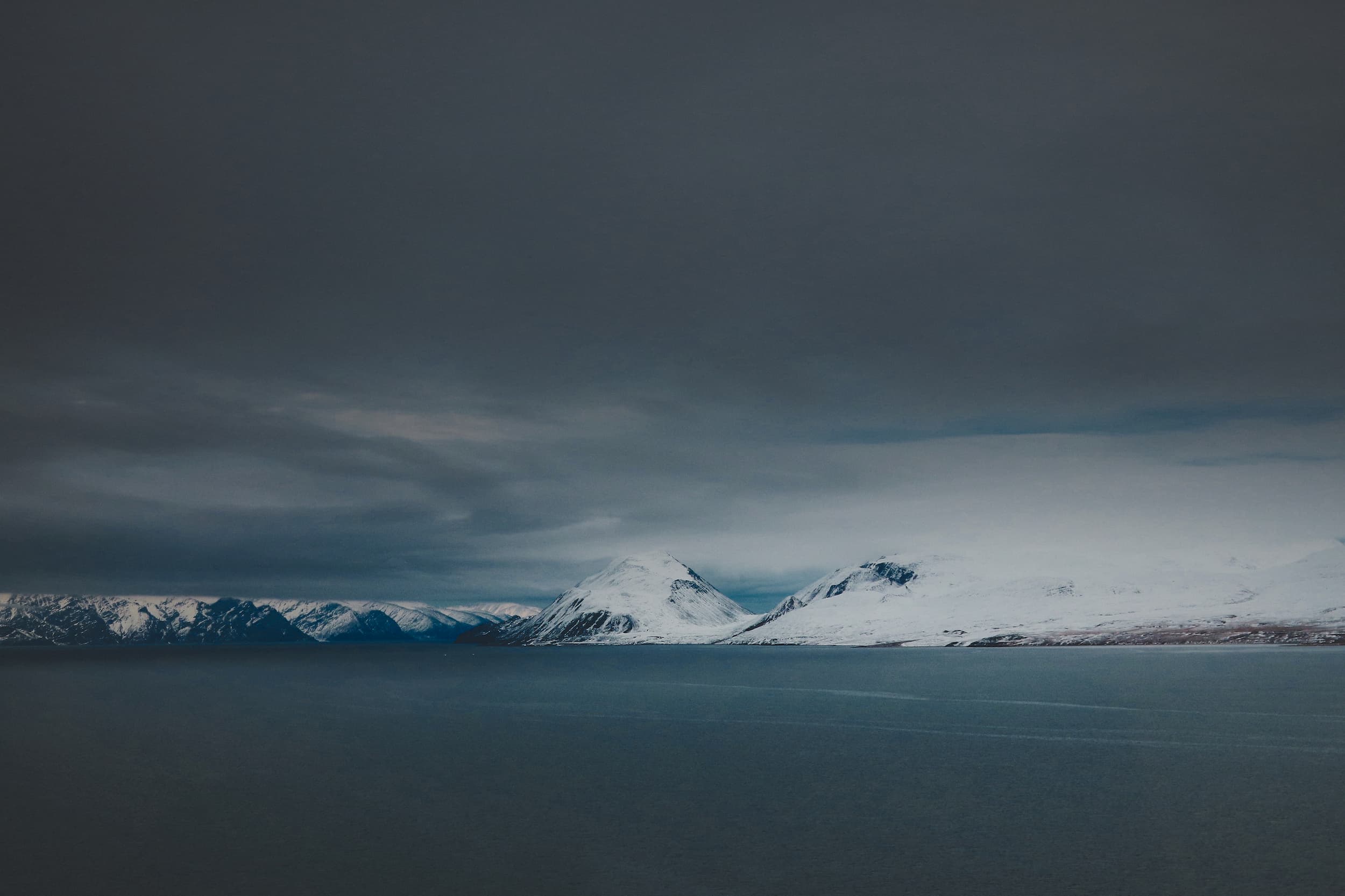
I applied for a National competition that would send 9 students aboard the Canadian Coast Guard Ship Amundsen, an icebreaker and research vessel that focuses on studying climate change in the Arctic. This ship is actually a national treasure (it is even printed on Canadian $ 50 bills). I was chosen to take part in this adventure and assist scientists from various Canadian universities in their studies and have myself an experimental learning opportunity. It was a unique experience that very few had lived before and it contributed a lot to my personal development since it was the first time I ever left home all alone.
Chris, the photographer and filmmaker that documented our crew’s journey aboard the Amundsen in the Arctic, has influenced me a lot in my decision regarding taking up and pursuing photography – he probably doesn’t even know how much he had an impact on me. Our late night chitchats where he showed me his workplace setup and captures of the day opened my eyes to the amazing life experiences that his job opened up and made me want to pursue a similar career. I’ve always loved art and I believe it’s what distinguishes us humans from robots, but most of my life I’ve kept away from it because I grew up thinking I was bad at it. My whole scholar journey resided around science and maths because it’s what I was good at. In high school, I was in the visual arts program but every year, I was basically fighting off to pass the class. That explains why I am currently pursuing my Bachelor’s degree in Industrial Engineering.
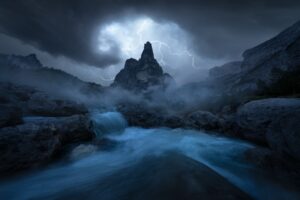
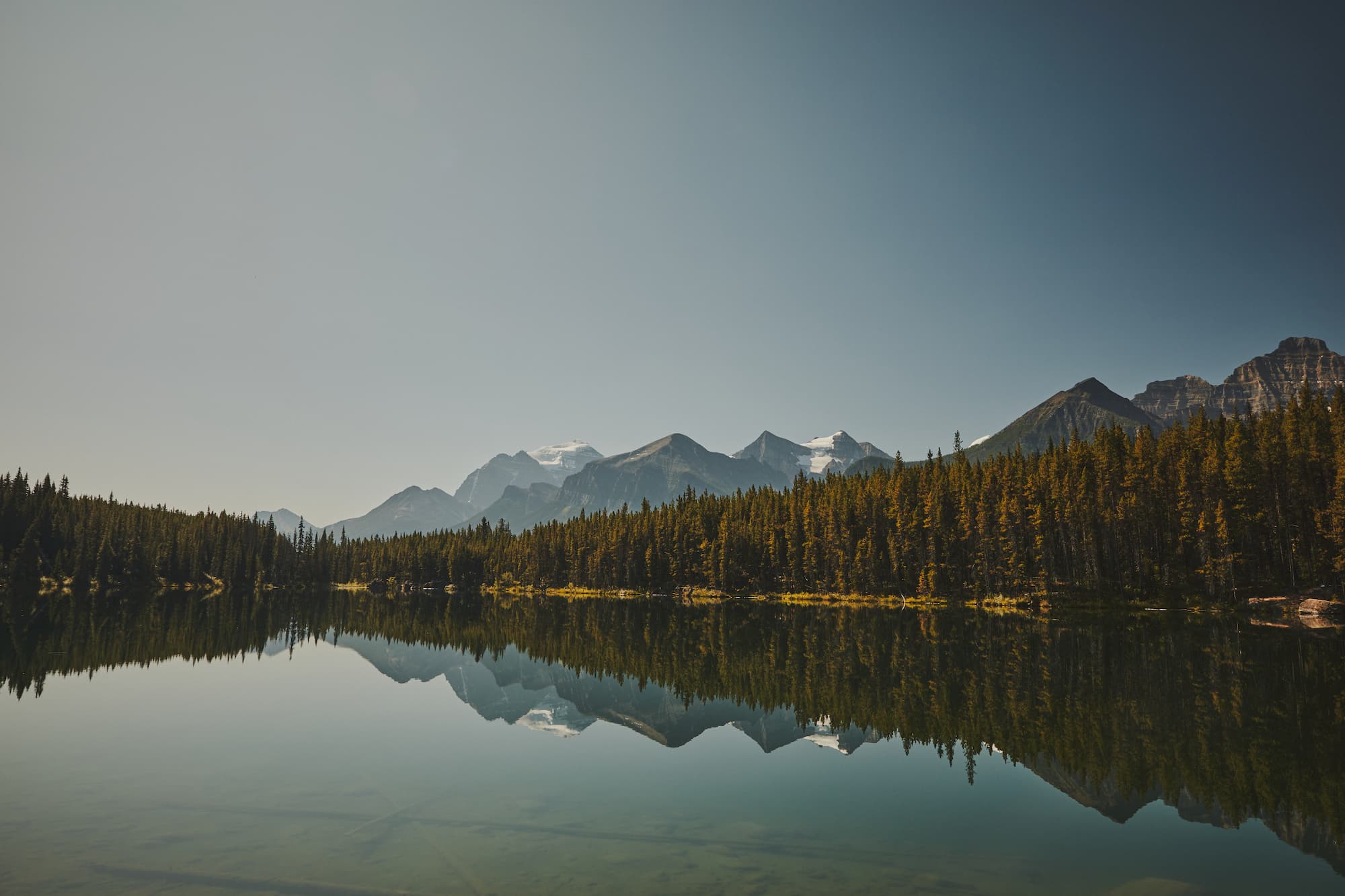
We shouldn’t devalue ourselves by thinking we are bad at something or expecting that others won’t like what we create. We limit ourselves that way, not just in what talents we could be developing but also in how we express ourselves and who we are. For my photography I get inspired a lot by other forms of art, and music is what inspires me the most. I find that the music I listen to translates a lot into my photographs as I like to incorporate the same emotions that I have when listening to music. The most important element for me in an edit is serenity. It’s the state of mind I like to be in and that’s what I want my work to express too.
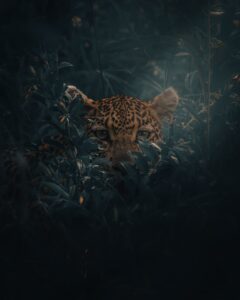
Instead of using a huge zoom lens, I’ll use a my nifty 56mm lens and try to get as close as possible to the animal I want to capture. The way I see it, it’s like bringing a knife to a gunfight… it gives chance to the animal. It also brings a new perspective to wildlife photography because we see less of the animal and more of its environment. I’ve recently come across a fox literally 5 meters from my house and decided to respectfully go after it. For the next few days, I searched the area and found the foxhole. I tracked him during the day from a distance and photographed him climbing a hill.
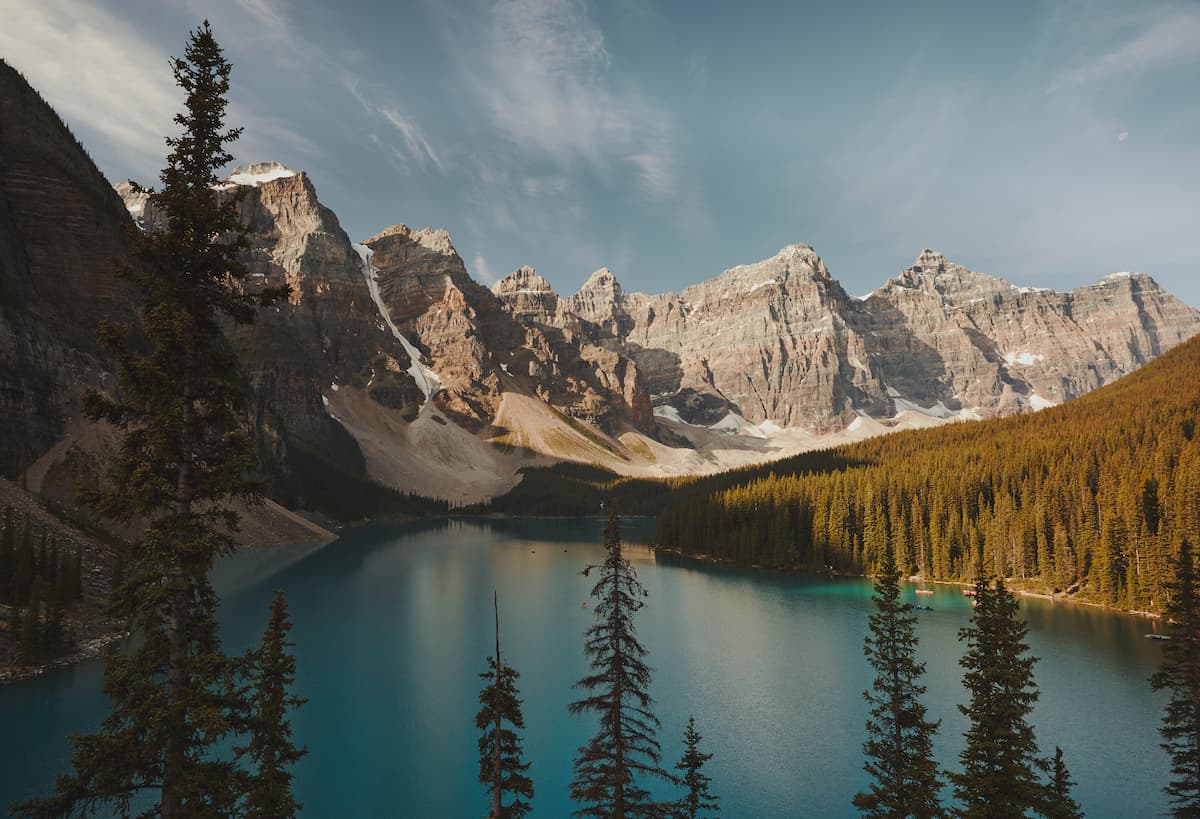
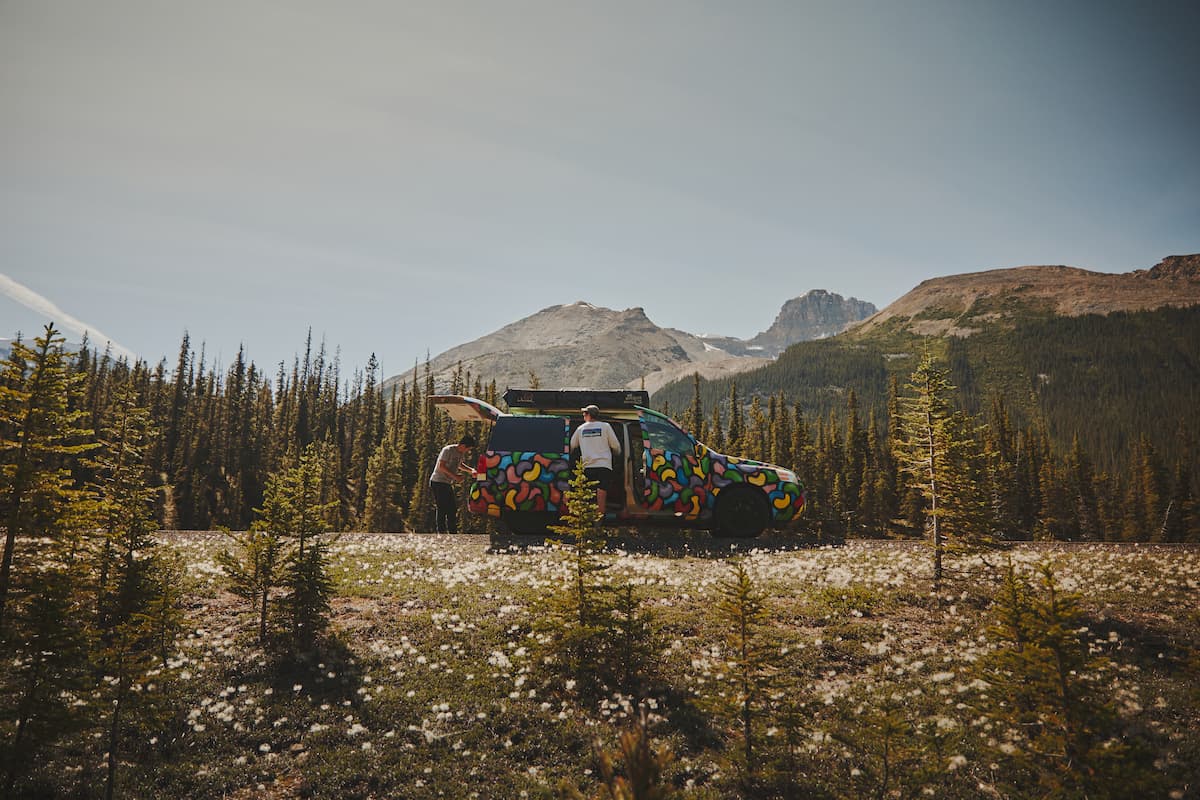
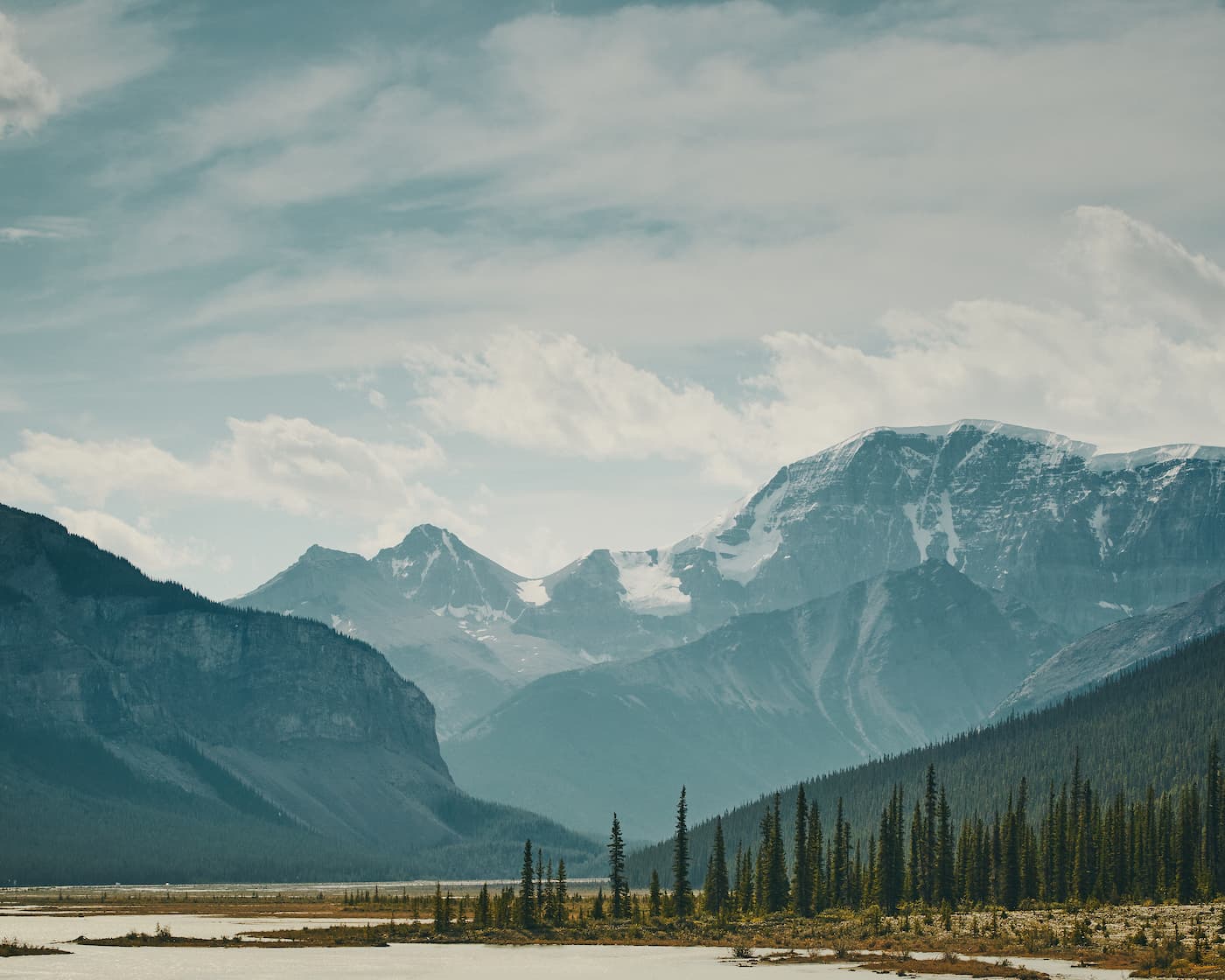
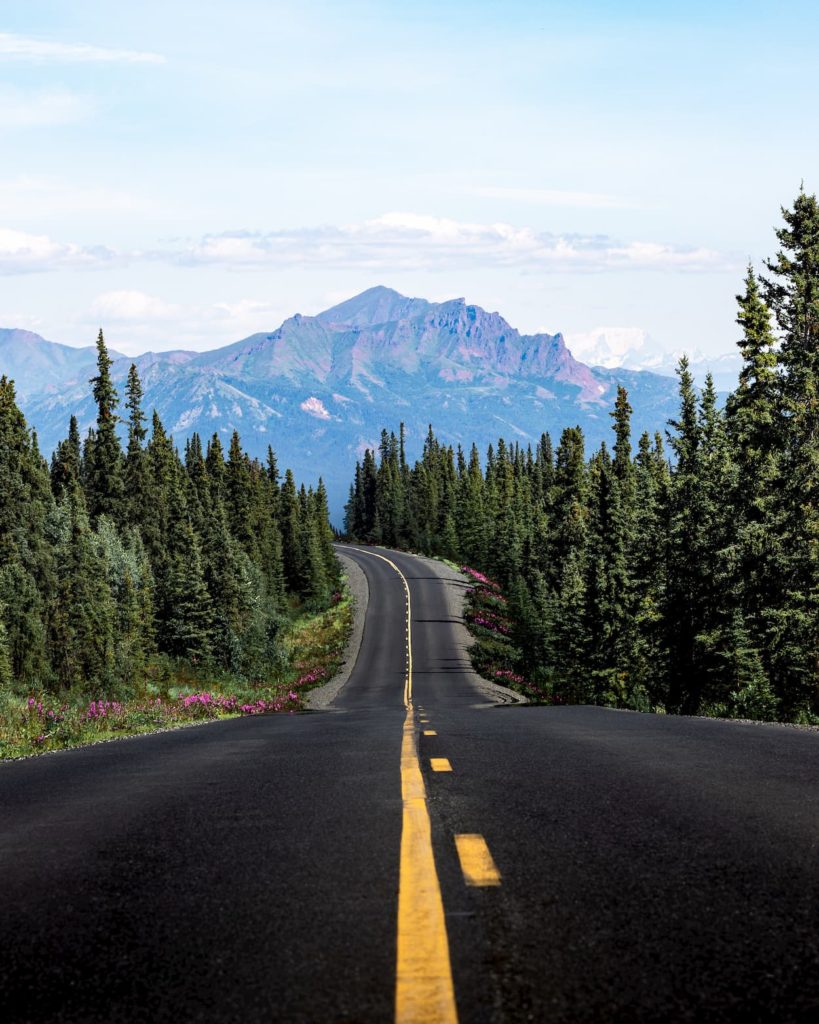
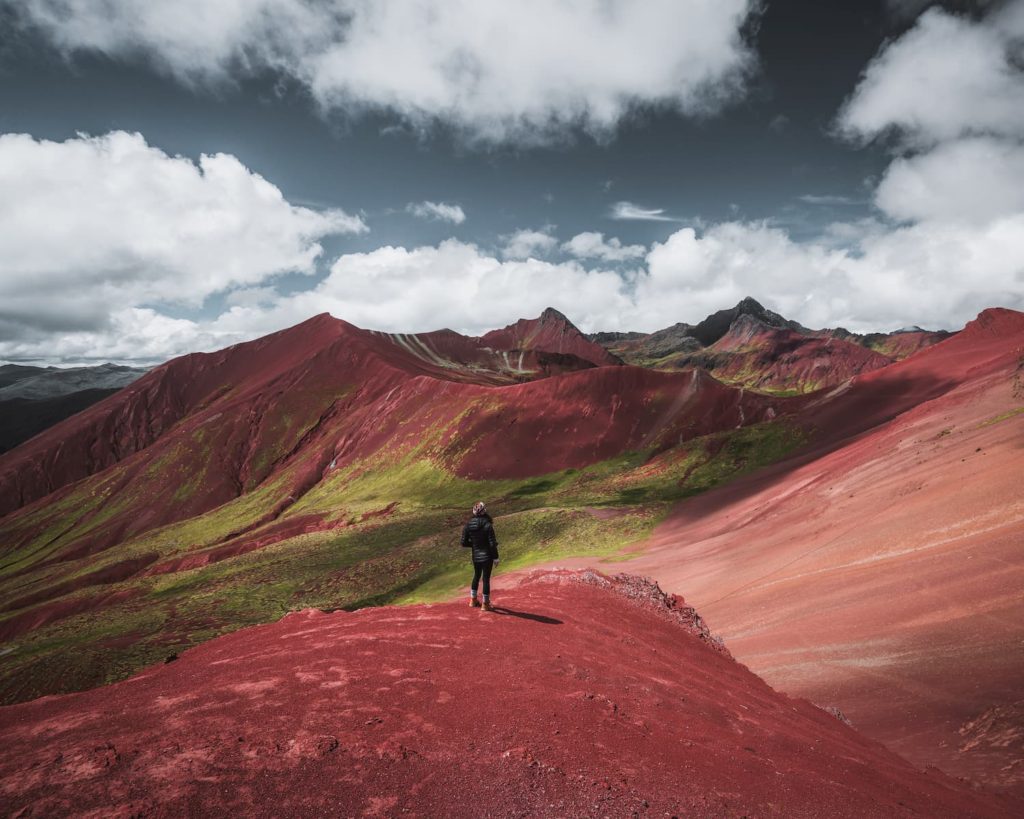
It helps me to bring myself to the present and be aware of the environment and how it makes me feel to be there. I think I can say that Alberta is one of my favorite places I’ve ever been. Being on that road from Banff to Jasper, the glacier route, made me realize how tiny we humans are compared to nature. I also realized that from west to east, Canada is so big and vast. I intensely enjoy these kind of places that make you feel small and beholden to nature. There’s just so much to discover!
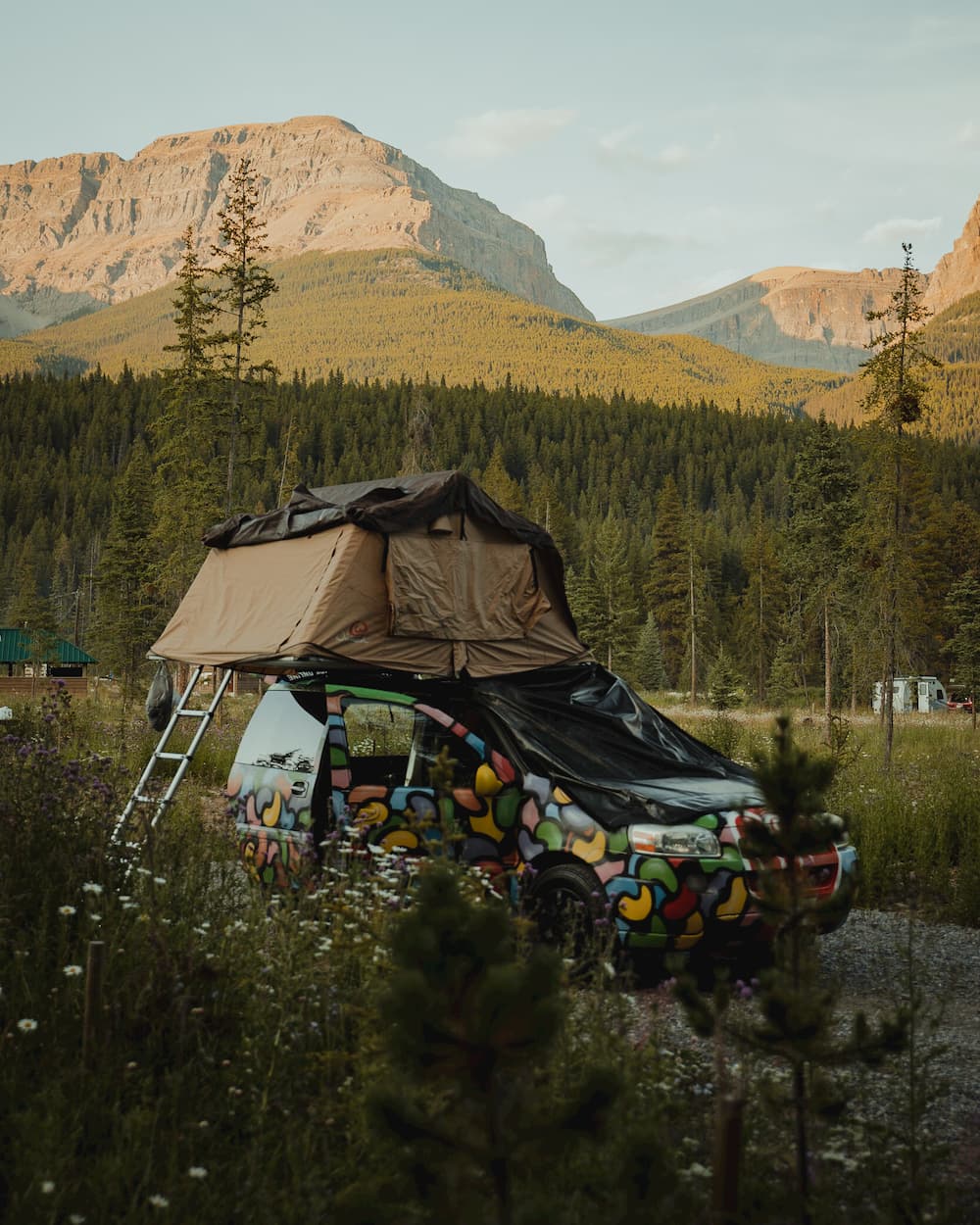
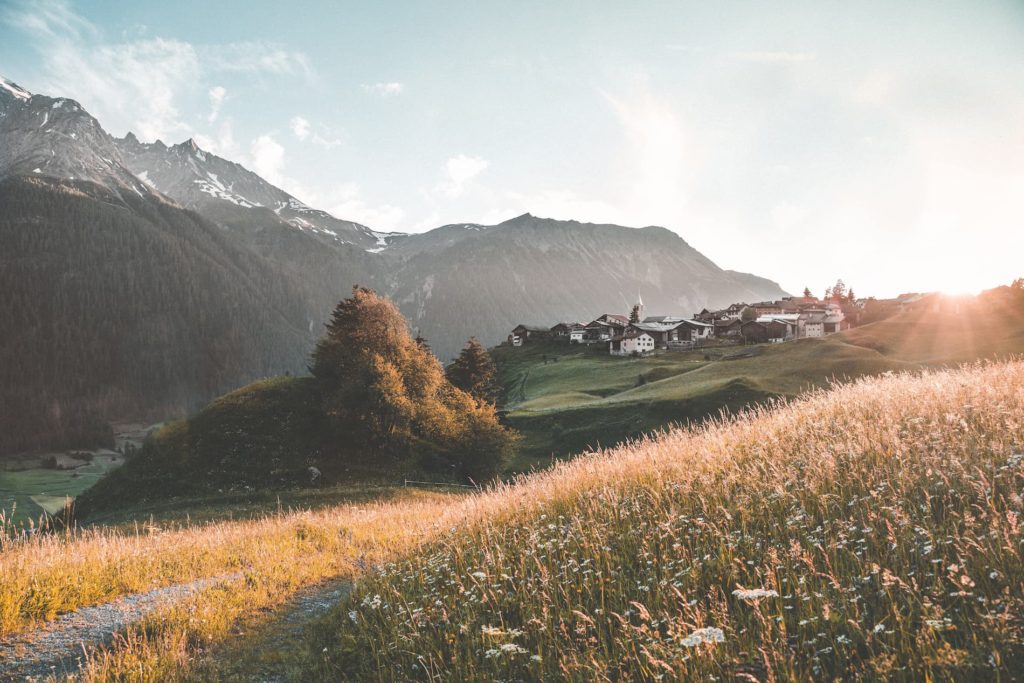
We have to organize the party ourselves and fill it in as how we want. Do what we personally define as a party. As an introvert, I have never been attracted to the idea of spending my evenings in bars and at parties. I always preferred evenings with fewer people where conversations have meaning. I think this mentality translates to my work as I like to explore the world alone and have a one on one conversation with the environment I’m in. For me it’s about dreaming of going places, exploring and truly experiencing these places and then capturing them.
Would you like content like this sent to your inbox?

Andy Rider is a passionate wildlife photographer and filmmaker based in South Africa, dedicated to capturing the raw beauty of nature while raising awareness about conservation. Inspired by legends like Steve Irwin, his journey began as a field guide, where he honed his skills and developed a deep respect for ethical wildlife photography.
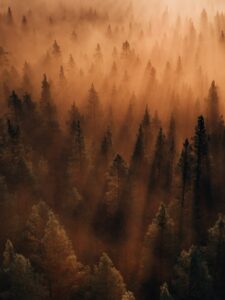
In this article, photographer Philipp shares how time, clarity, and consistency have shaped his evolving relationship with nature photography. Drawn ever further north, he writes about embracing uncertainty, working with restraint, and finding beauty even when plans fall apart — including the unlikely story behind his Best of the Week–winning image.
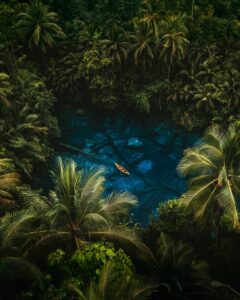
Tom shares the journey behind his winning photography, from a passion for exploration and remote places to field lessons, composition choices, and color grading.
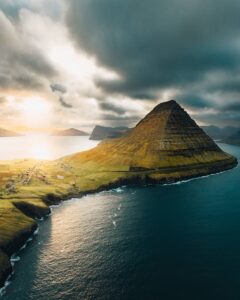
Join us in the Faroe Islands for a unique photo tour, where you’ll elevate your creative skills with expert guidance from Ronald Soethje and Nomadict.

Join us in the Azores for a unique photo tour, where you’ll elevate your creative skills with expert guidance from Ronald Soethje, Bruno Ázera, and Nomadict.

In this article, Forest shares how years of chasing scale, silence, and raw landscapes shaped his approach to photography, from the deserts of Kazakhstan to the volcanic ridges of Iceland. He talks about how he uses light, texture, and vast negative space to create images that feel both intimate and overwhelming.

Simon shares the journey behind his photography, from early inspirations to field techniques, editing, and the story of the winning shot that shaped his path.

In this article, Miro shares how his love for cinematic music evolved into a deep passion for photography and how he uses light, color, and atmosphere to turn the streets of Prague into living film scenes.