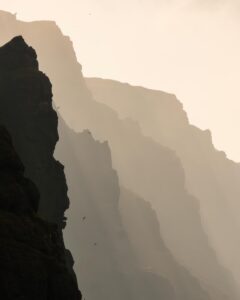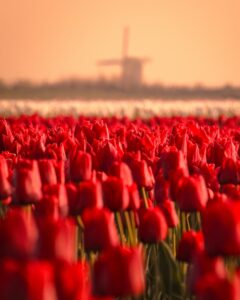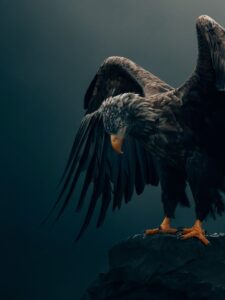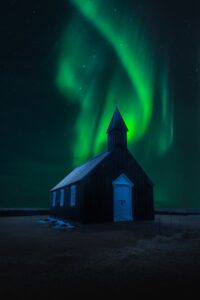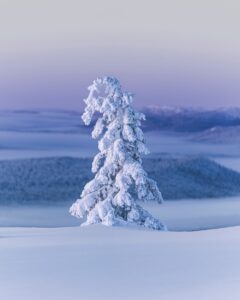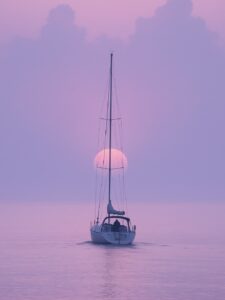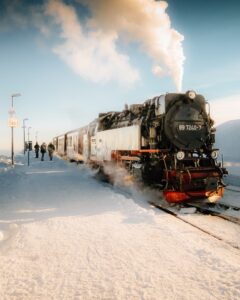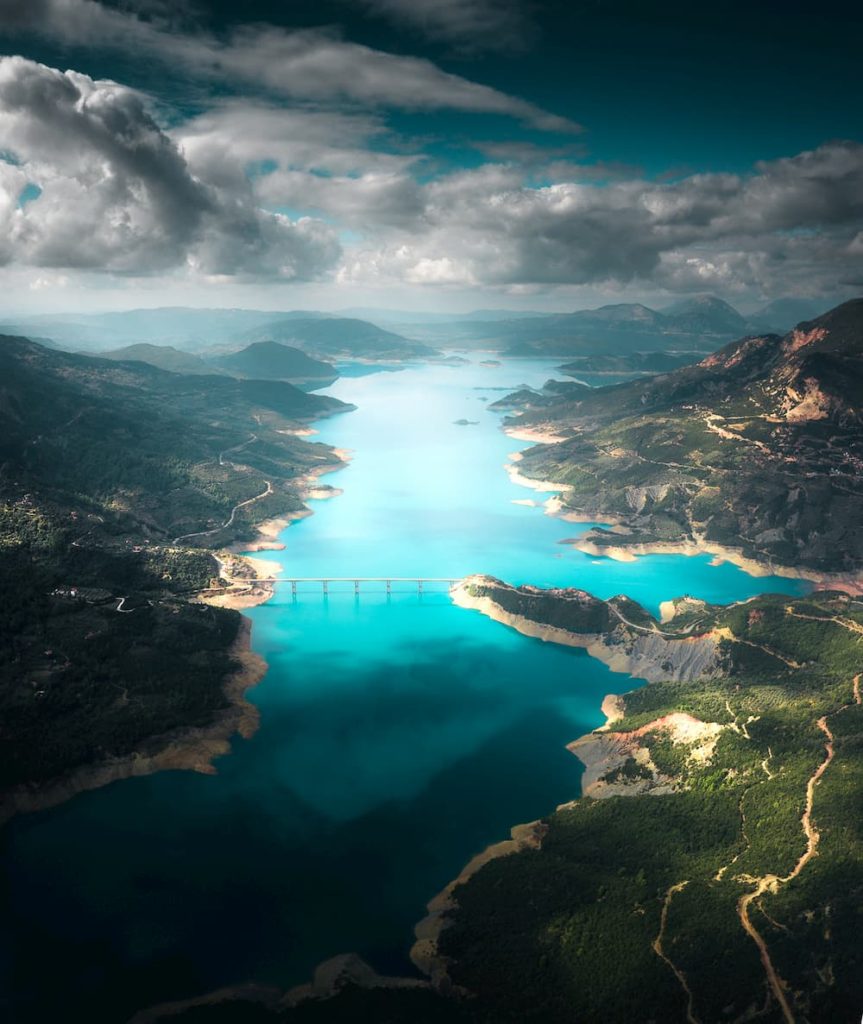
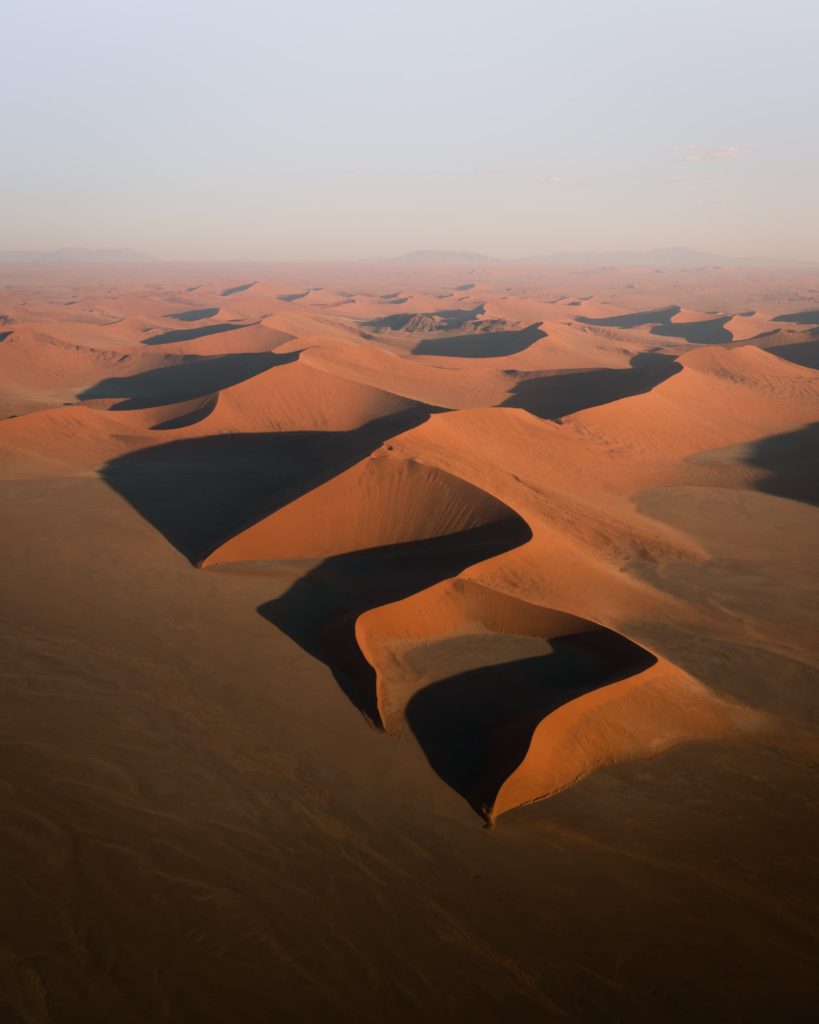
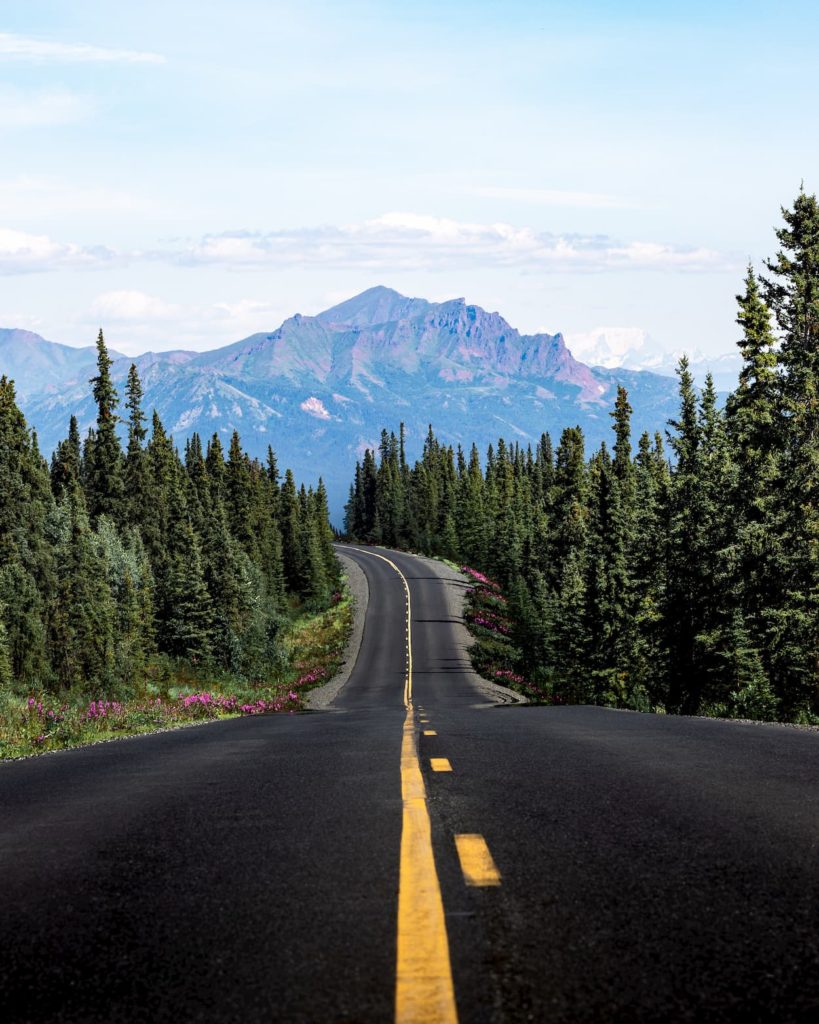
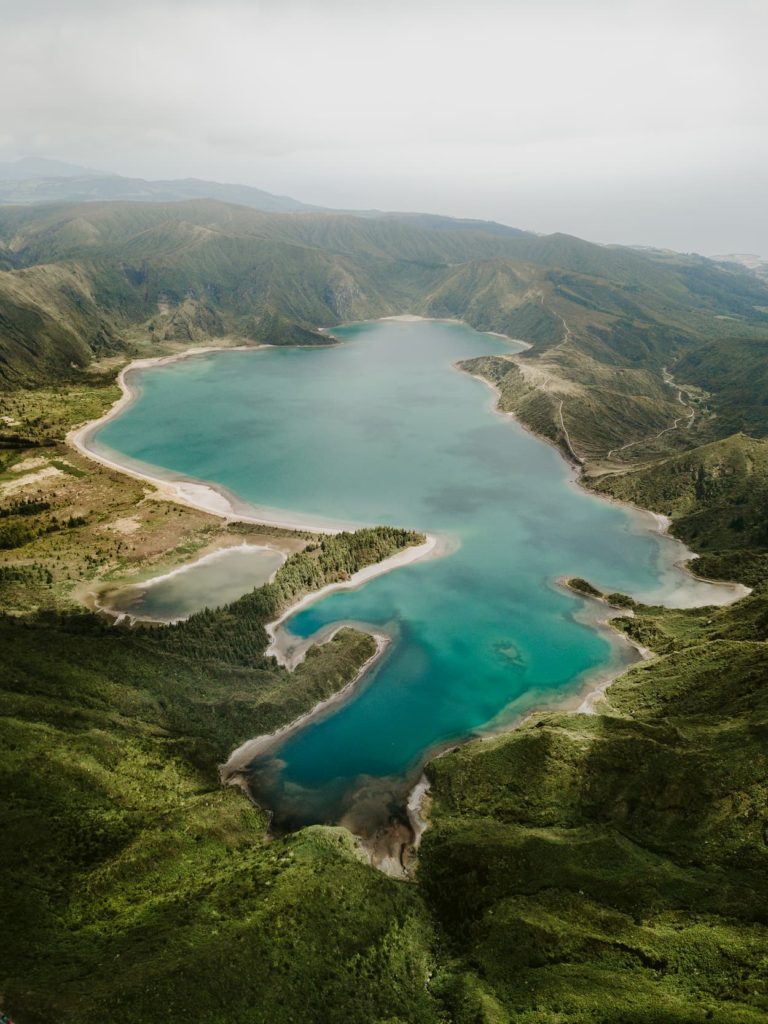
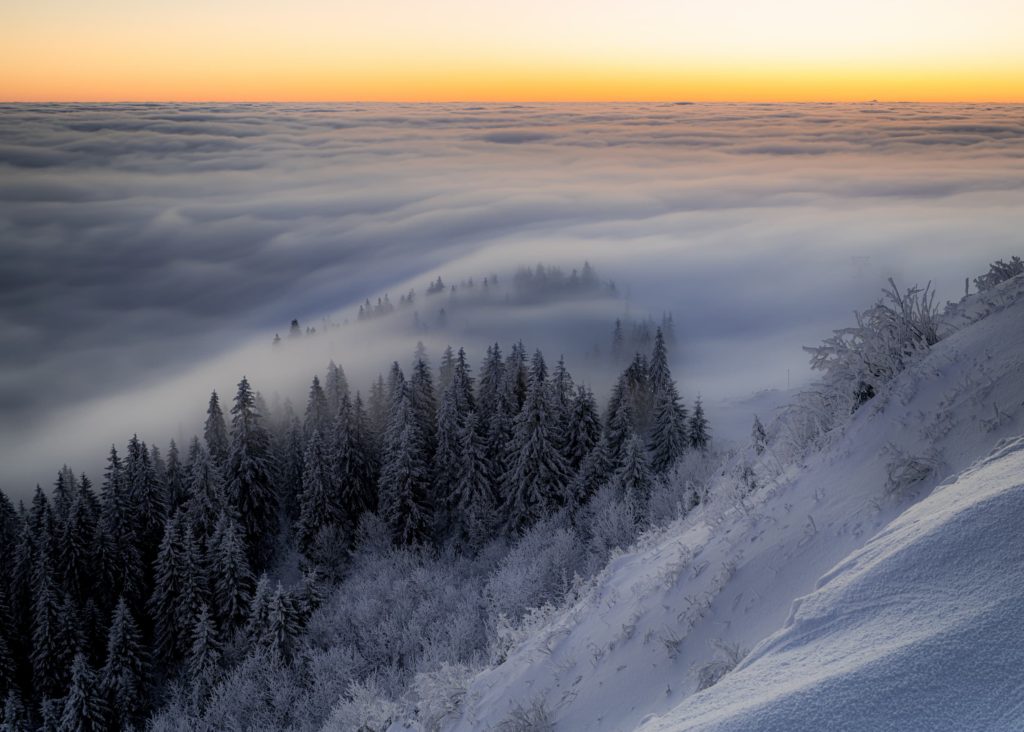
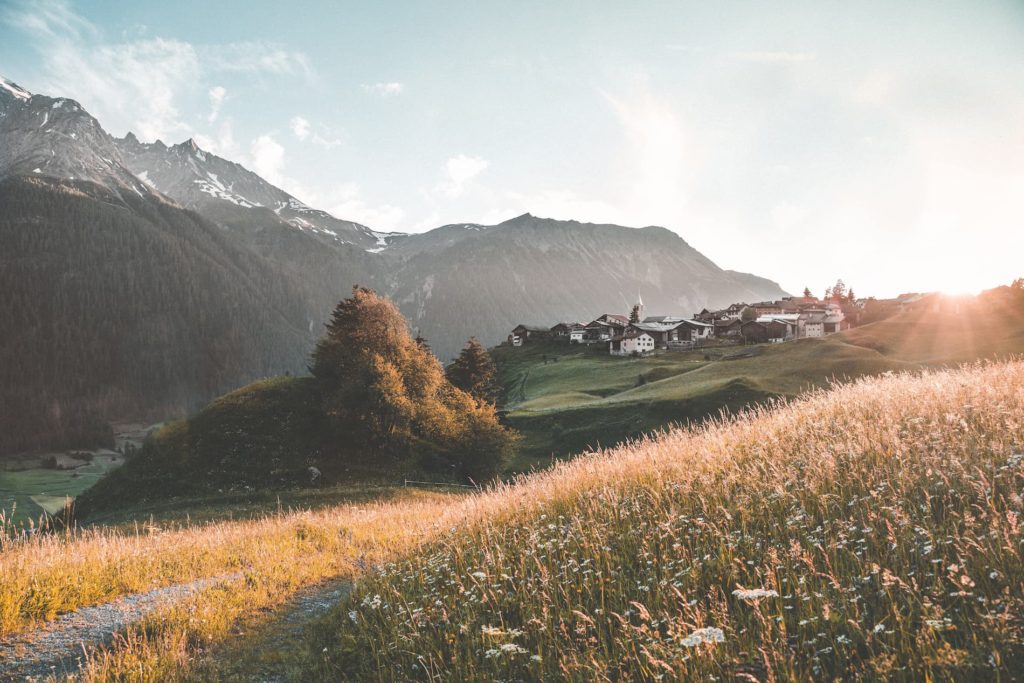
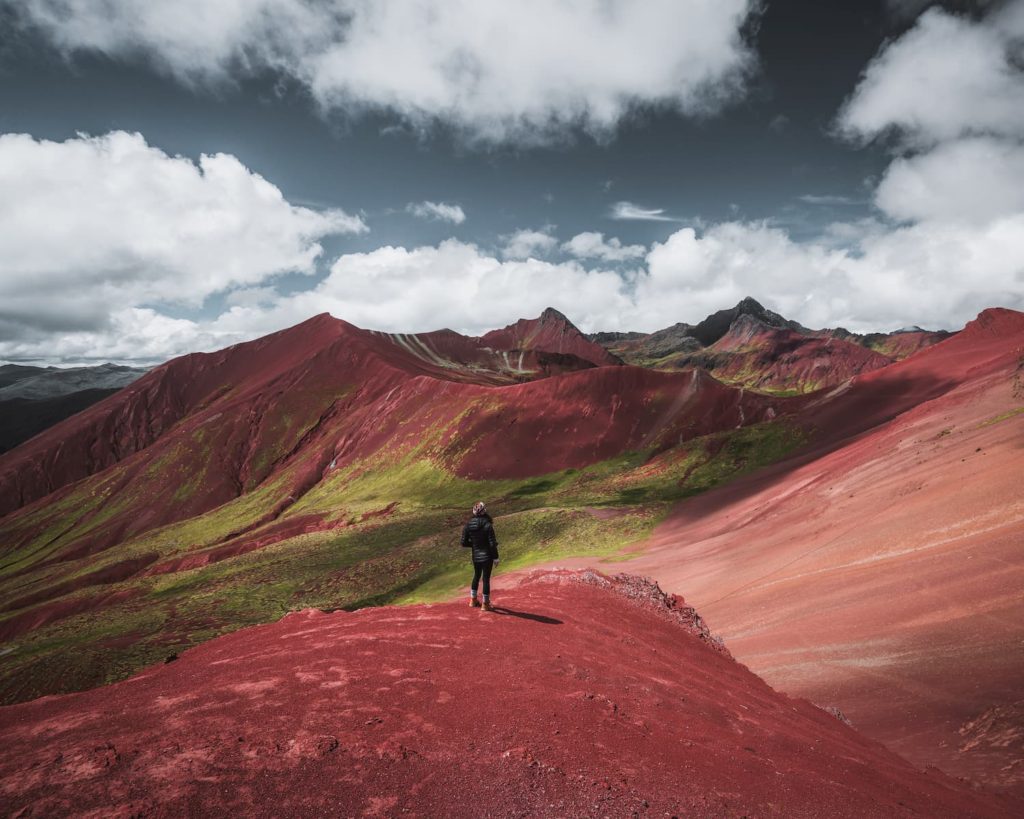
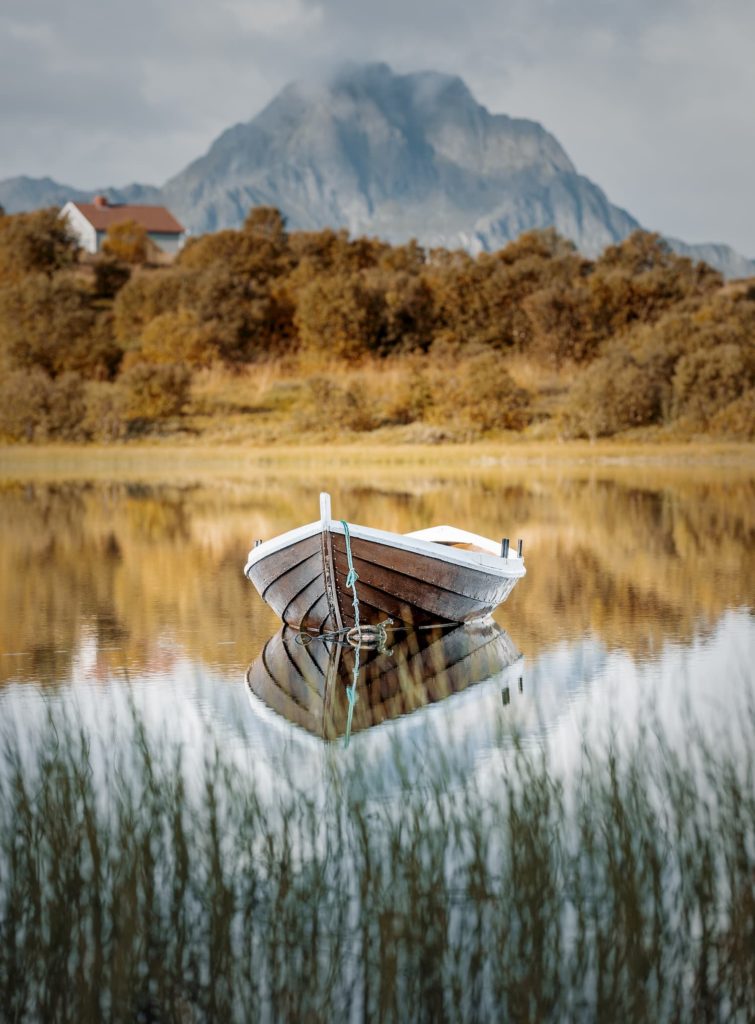
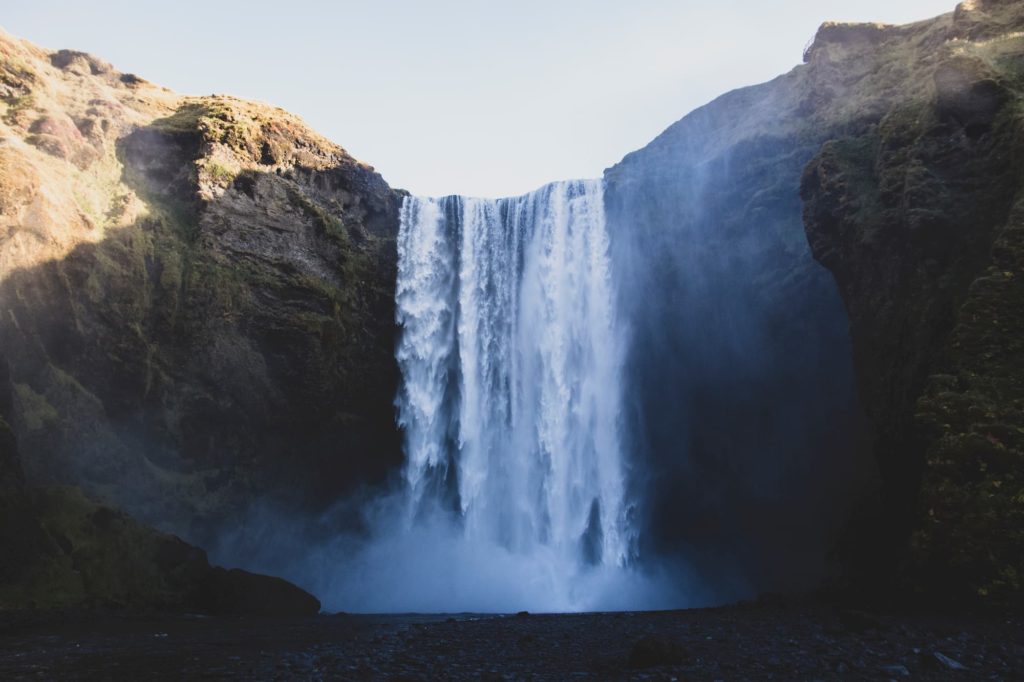
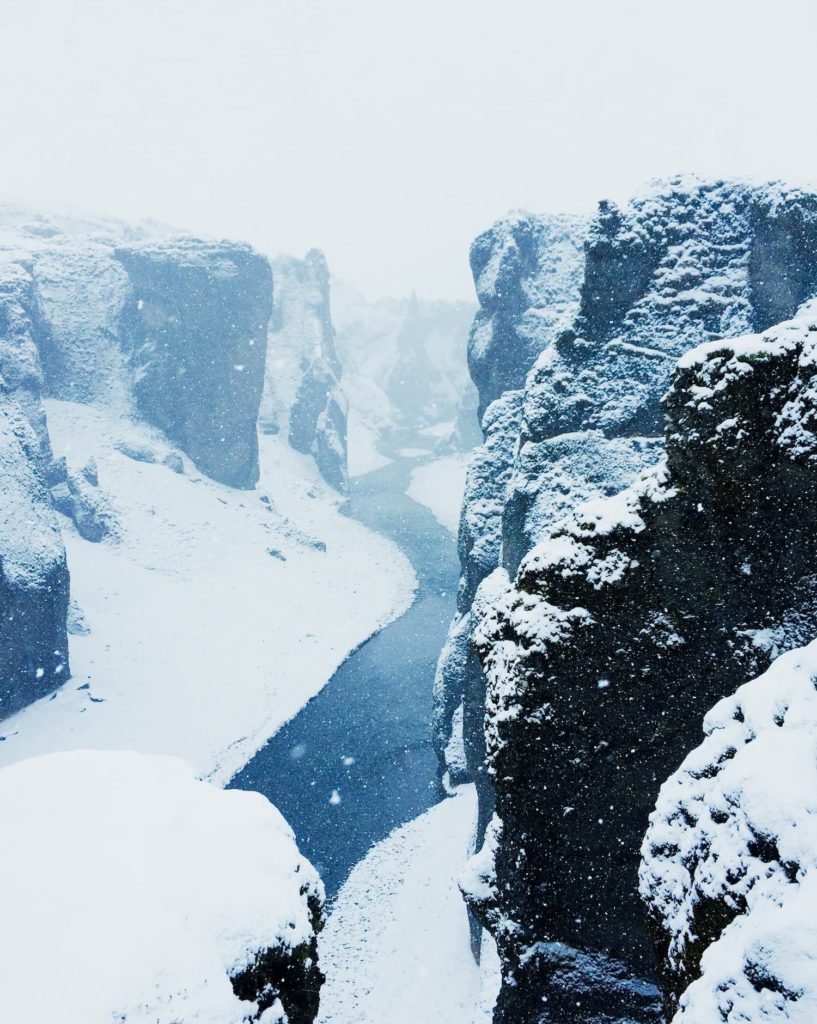
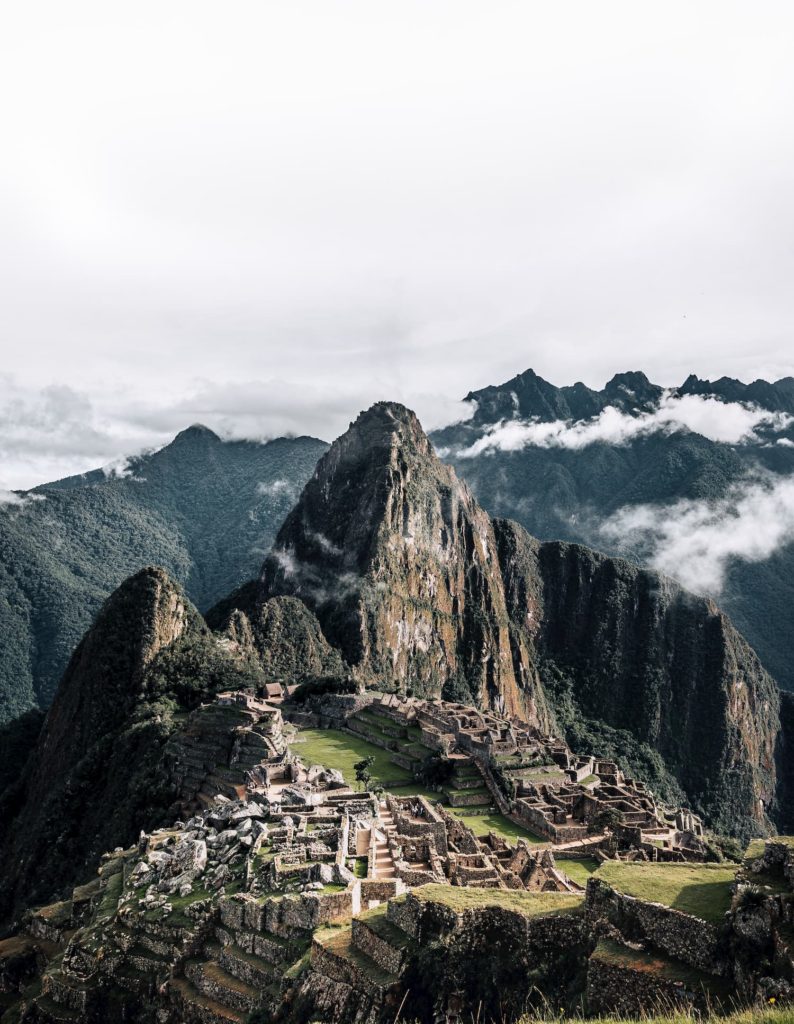
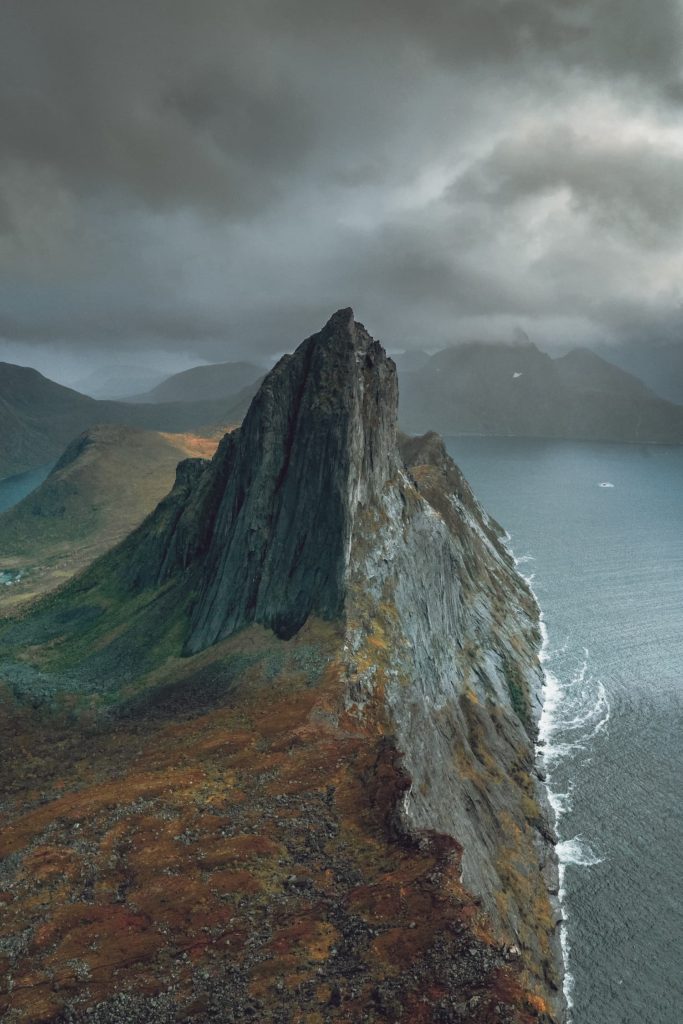
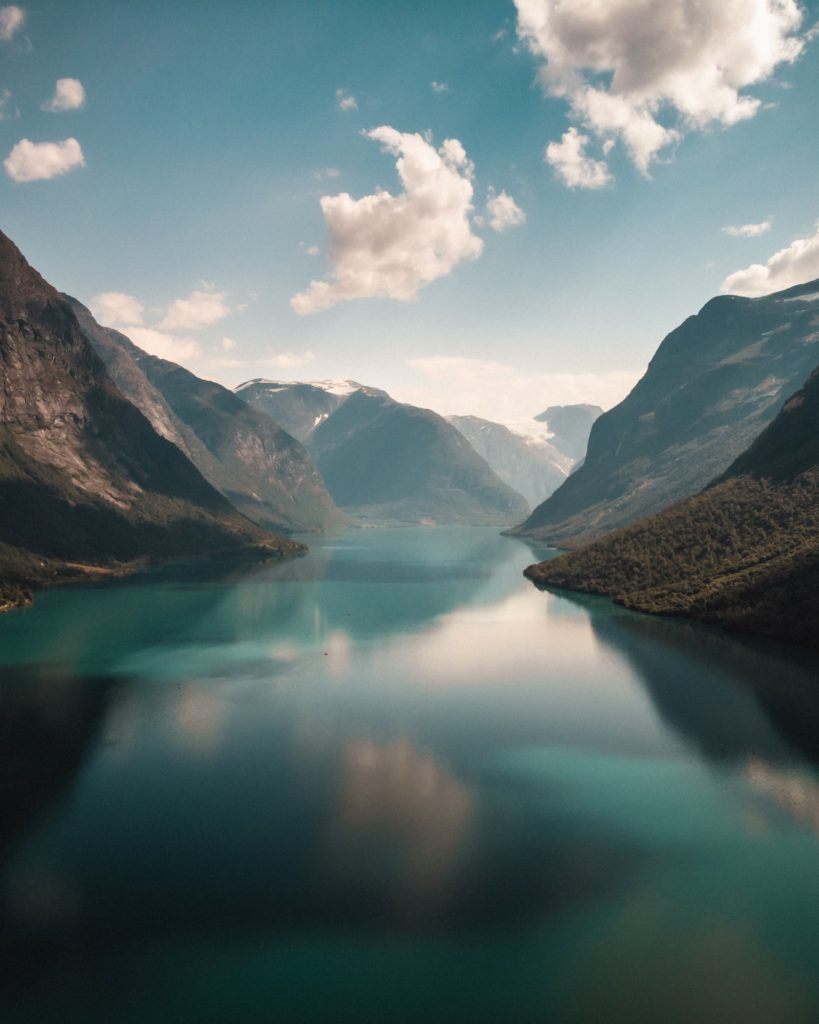
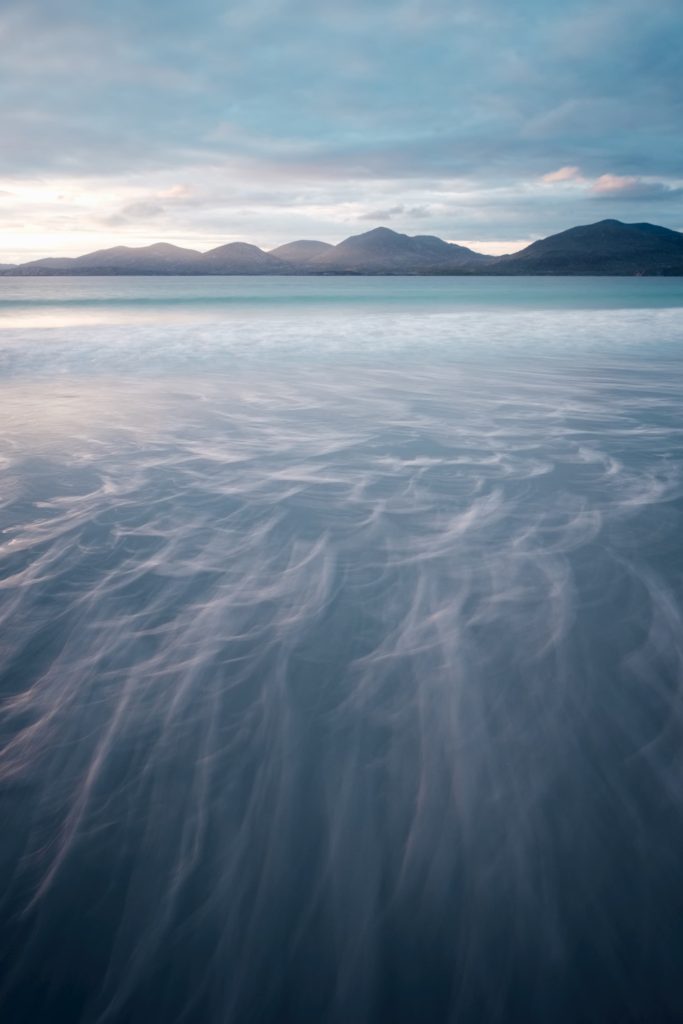
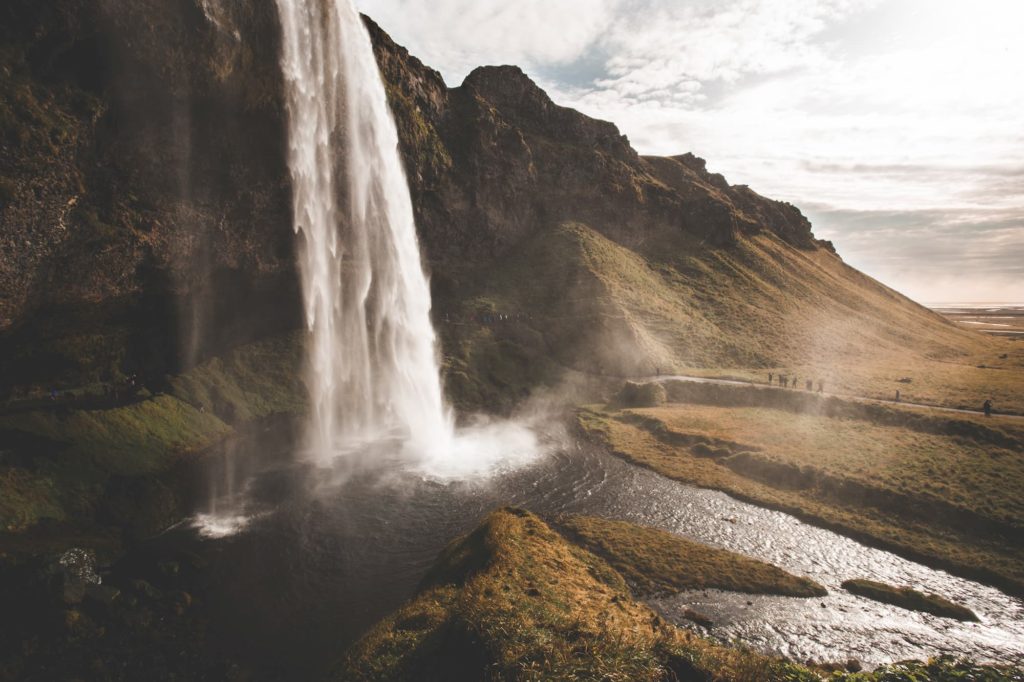
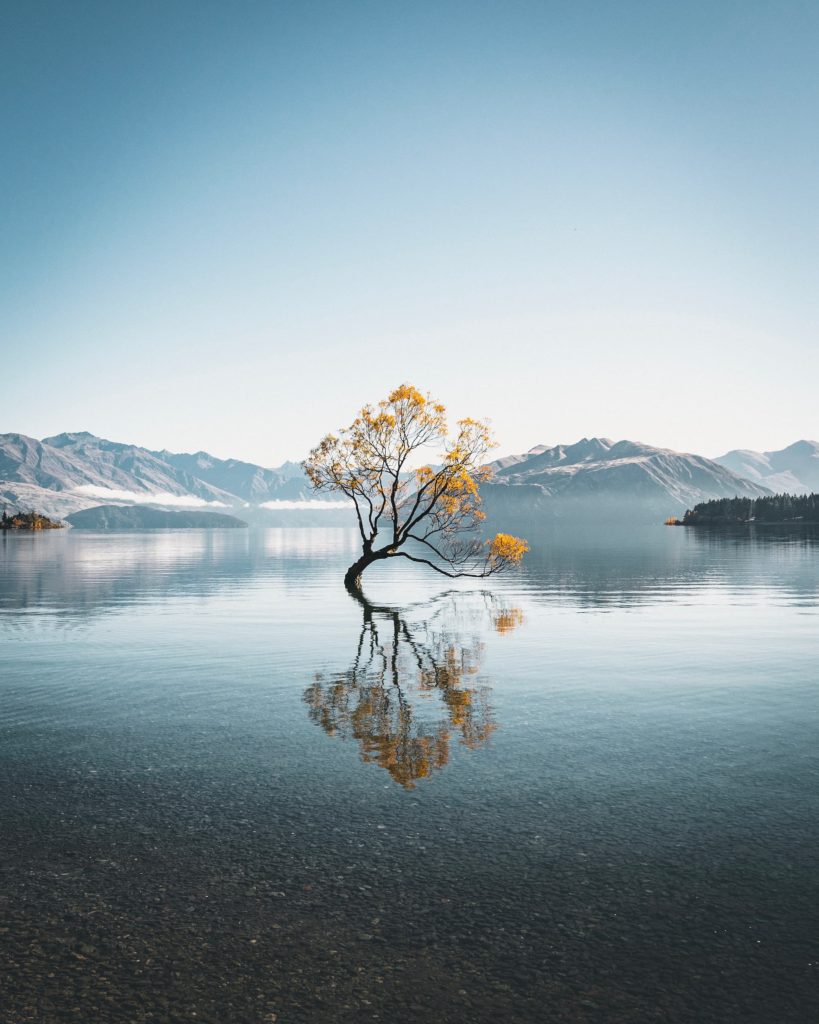
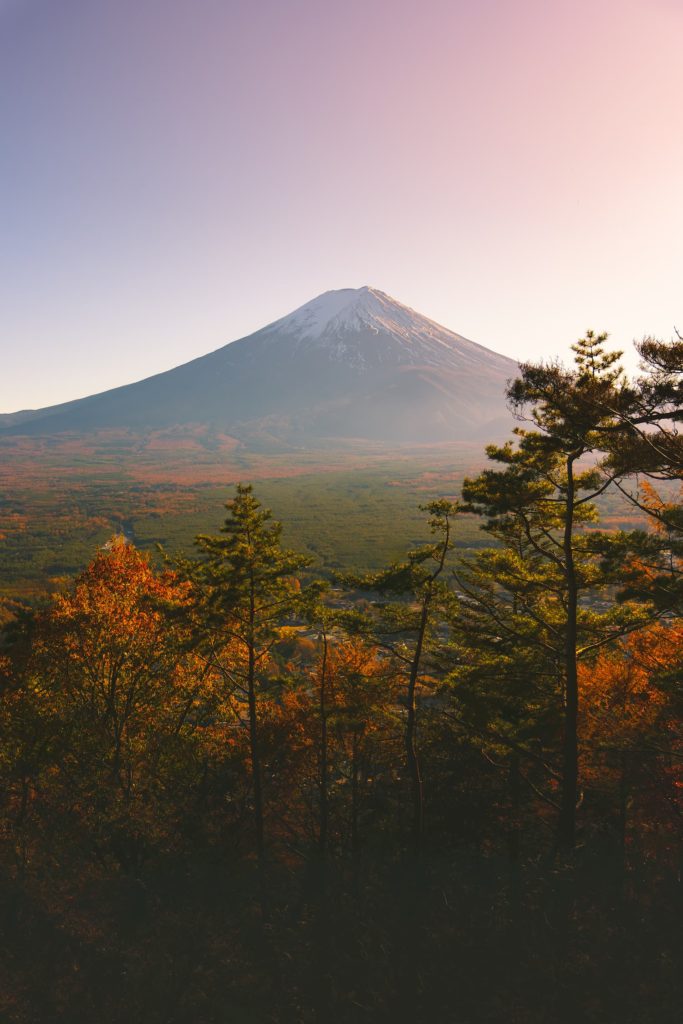
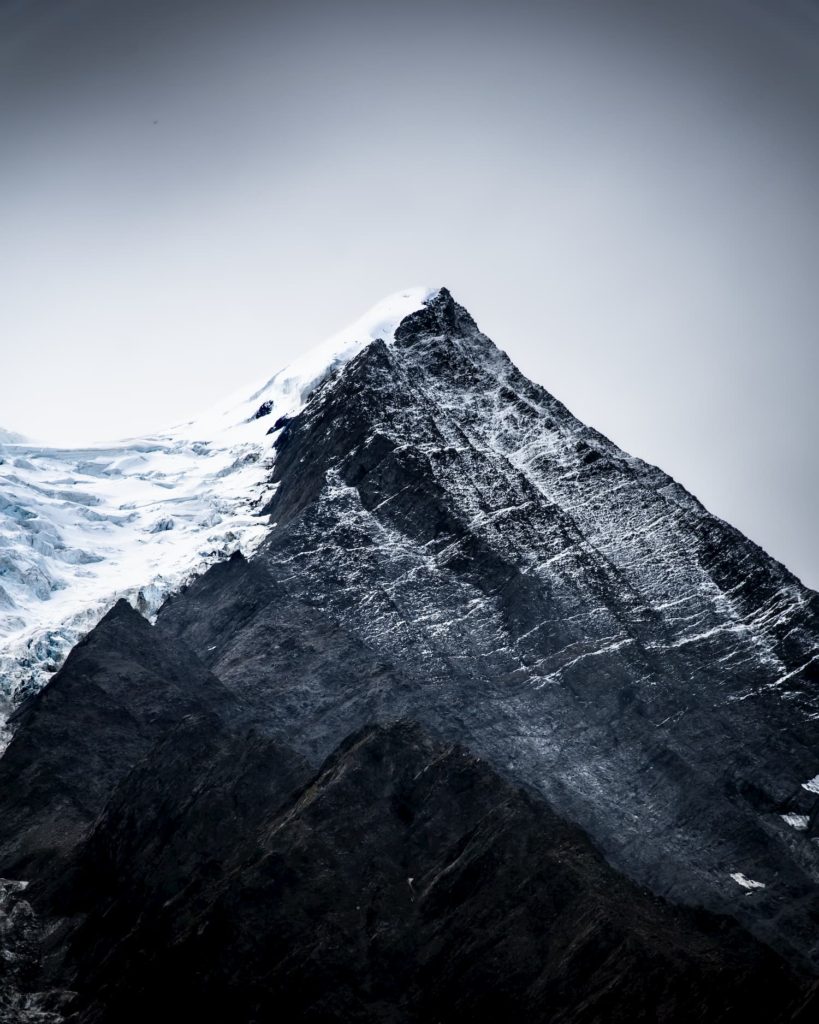
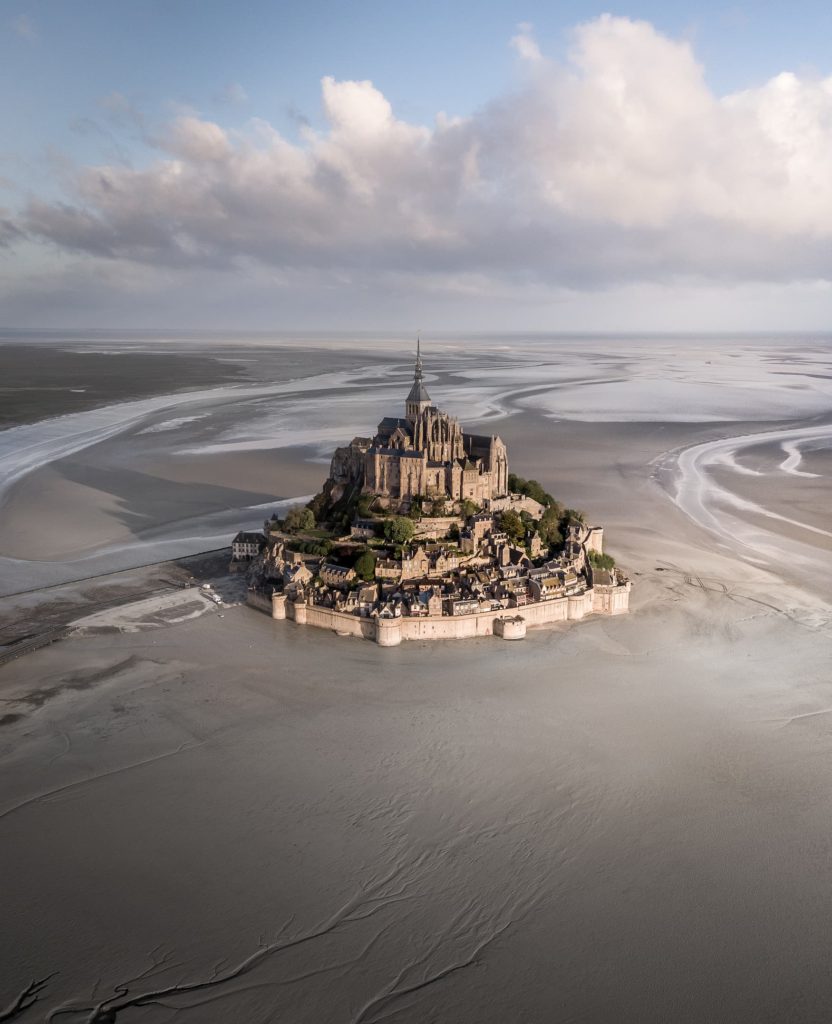
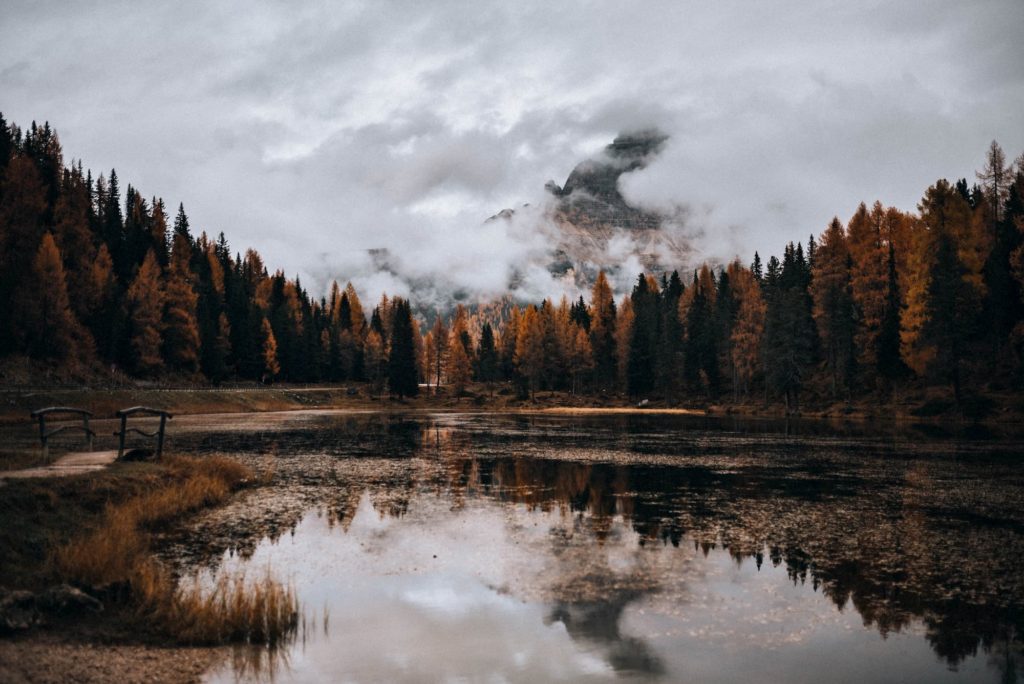
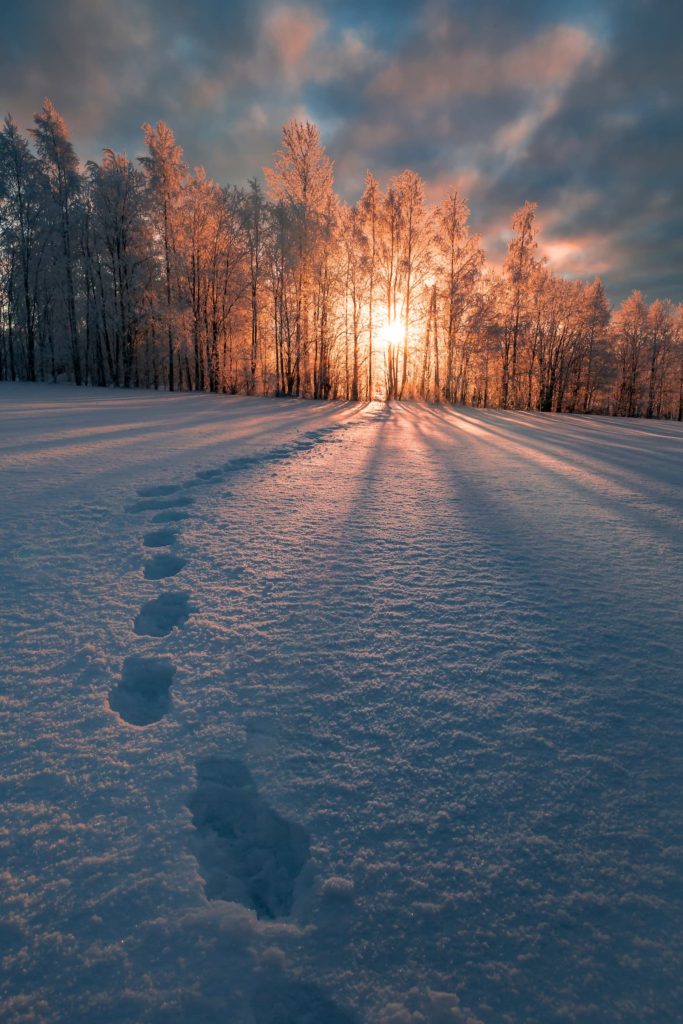
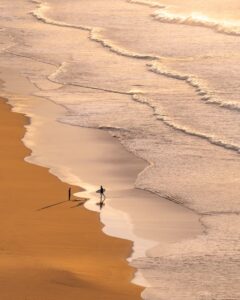
There’s this unexplainable drive to go to places I haven’t been before. It has something to deal with that feeling of going somewhere and experiencing it for the first time. And that feeling is even stronger when it was hard to reach and once you are there, you are all alone, knowing you are one of few people who put the effort to get to that place. And then, that additional rush through your body when photographing the scenery, capturing it the way you see it, creating art.
I picked up a camera for the first time when I was 16. It was just for fun; I was already taking pictures of my friends at school with a very bad phone camera, and then I slowly started taking pictures of everything else: clouds, flowers, sunsets… I just enjoyed the process, always looking for interesting things, different perspectives, creating something from nothing. I slowly started to take things more seriously and so decided to upgrade to a decent camera when I was 16. I was always more on the creative side than the mathematical side, I just wasn’t good at it, neither I felt any spark of interest in it.
I didn’t want to work from 9 to 5 for 40 years and earn my freedom at retirement age. I want to travel, see the world, earn a living from something I truly enjoy doing, not having someone who tells me how and when to work. Just being free.
The latter mostly – a story about a grown man who never left his comfort zone his whole life, never did anything extraordinary in his whole life, and only at the age of 40+ he discovers the thrill of adventure and the rewards of getting out of your comfort zone. After watching that movie (several times), my biggest fear became wasting half of my life doing what is expected of me and not having the courage to do what I really wanted.
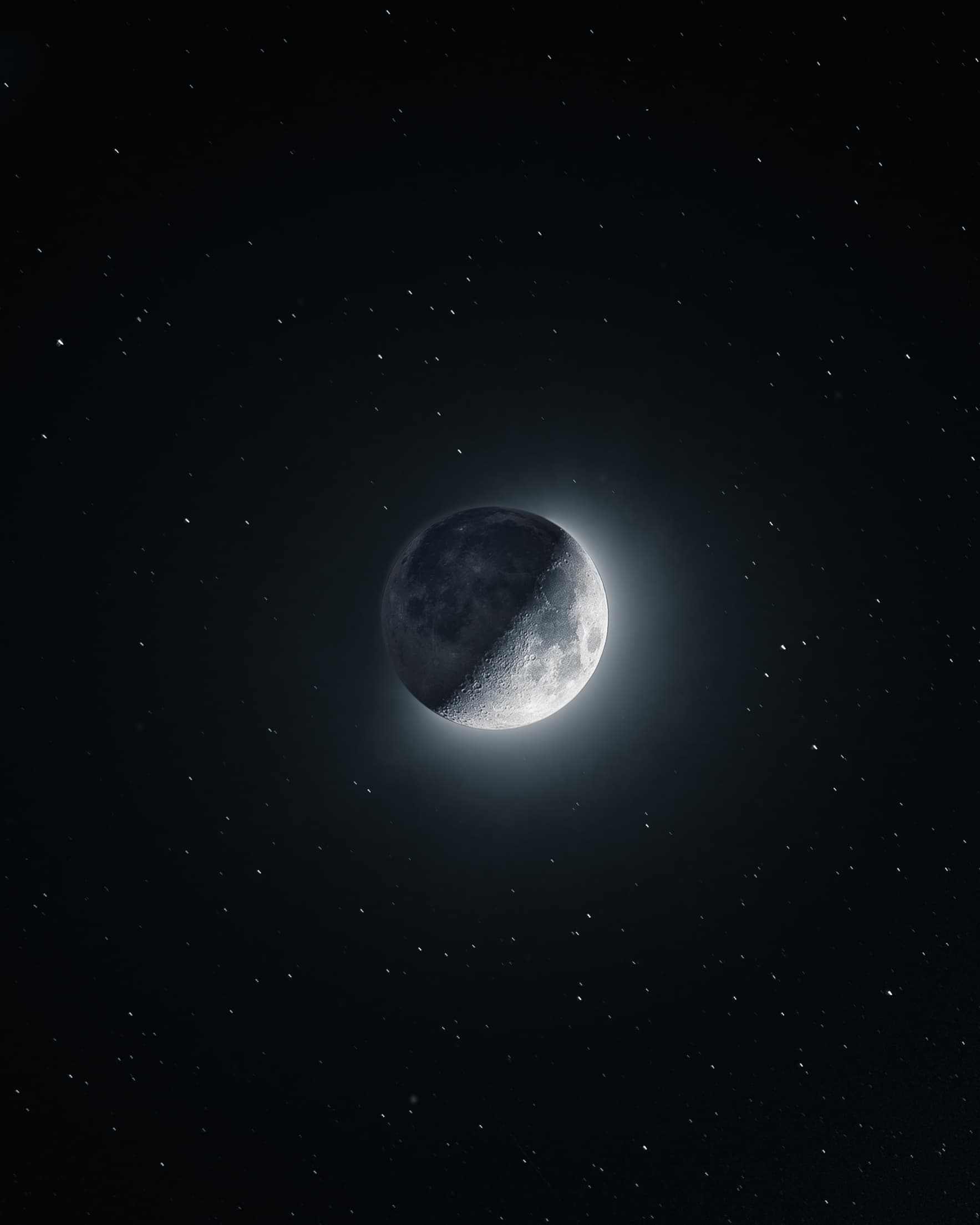
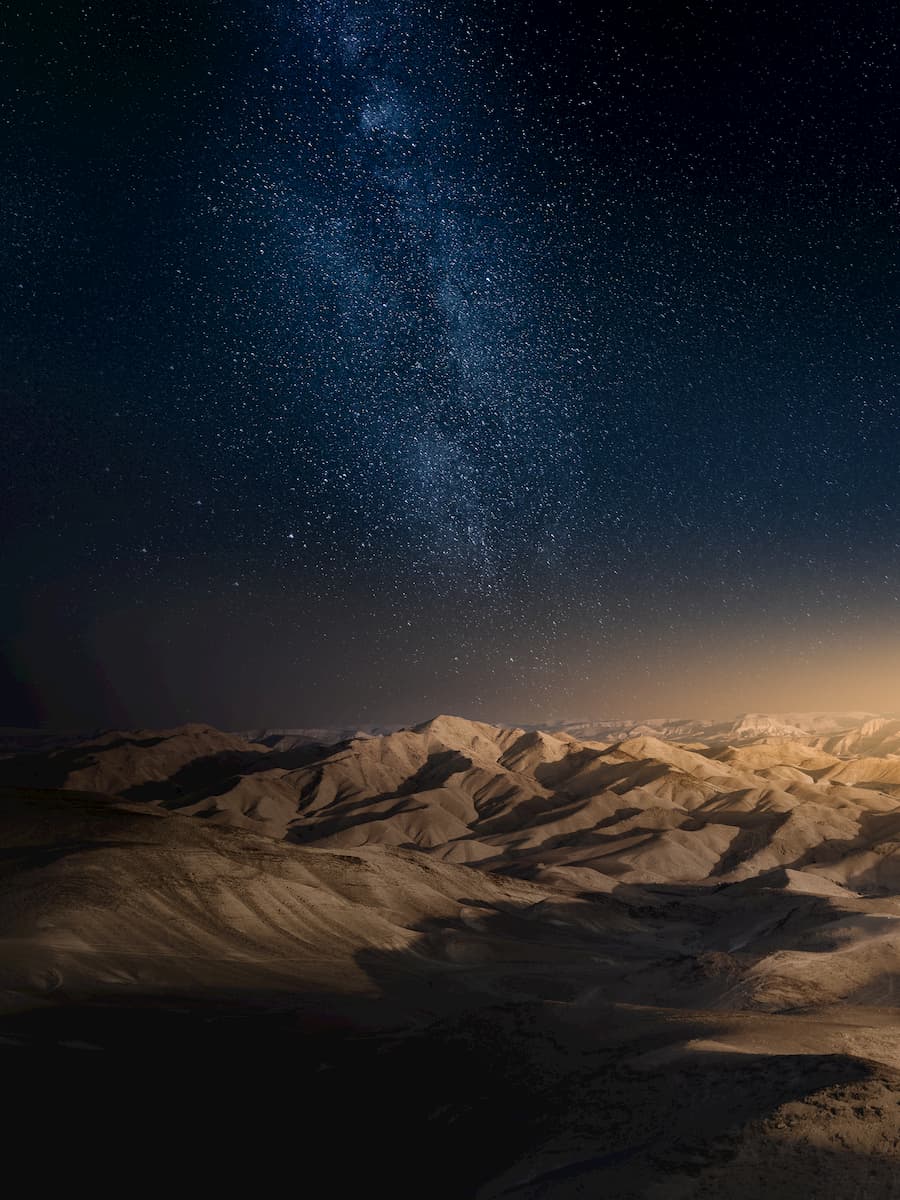
When I shoot or edit I try to focus on my own emotions, preferences and ideas without letting me be influenced by what other people may say or think. For example, not long ago I took this shot of the moon. My idea for the photo was to show the moon in all its glory, the same way I see it every time it rises at night. I couldn’t do that with one shot (technically) so I edited and composed the photo out of several so to match the way I wanted to present it. And that philosophy applies to all of the photos that I edit; I combine the raw reality that the camera captures and combine it with what my eyes, mind and body saw and felt at that moment that I took the shot. To do that, I use whatever is at my disposal, whether it is color adjustment or photo merging in photoshop.
My mindset and my photography have definitely benefited from the 3.5 years of army service in the IDF (Israel Defense Force) as a combat tank commander, which I finished just six months ago. I can confidently say that the army service completely changed who I am today. It taught me so many things about life, but above all about myself. The most essential out of them all I believe, is that I realized that I am capable of a lot more than I initially would think. As part of the combat training at the army, you go through relatively extreme situations – spending 24 hours inside a tank with three other people without getting out once and hardly getting any sleep, for example. Those moments of extreme, where you are being pushed to your limits, those that you think you have, are the moments that change you and make you grow as a person.
The army taught me a lot more that I carry with me to this day in my personal life; it taught me what true responsibility is and how to keep going when it gets tough – “not giving up” has gotten a deeper meaning which reflects in many aspects of my life now. Although the army service is mandatory in Israel and it is definitely the hardest I’ve ever been through in my life both physically and mentally, I wouldn’t change a single thing. I would do it all over again. I think the service gave me a very big advantage compared to other people of my age around the world and I think it’s gonna help me not only in my photography journey, but in any aspect of life.
I’m still trying to figure out what my future will look like and in what direction I want to go with my photography. I’m still very young and only at the start of my professional photography career – I’m building myself as I go. I definitely want to keep showcasing nature and the outdoors in all its glory, to make people understand that without nature and mother Earth, we are doomed. So in the future I might get more into environmental awareness and try to incorporate that into my photography. Environmental awareness can be understood in different ways, and I would like to address both, actually. On the one hand it is about protection, knowing our impact and adjusting our behavior to safe the planet. On the other hand, it is about being aware of your direct precious environment and surroundings.
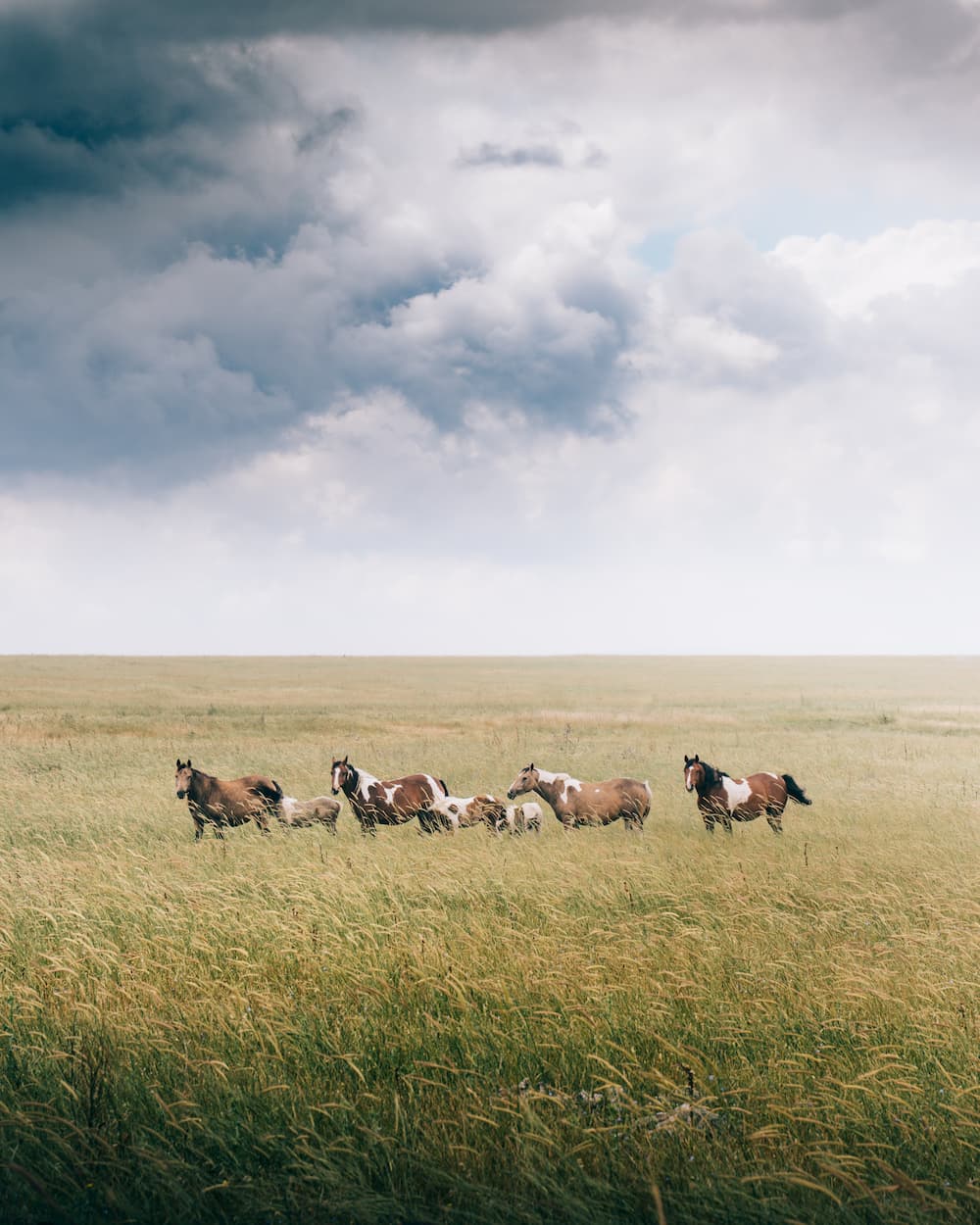
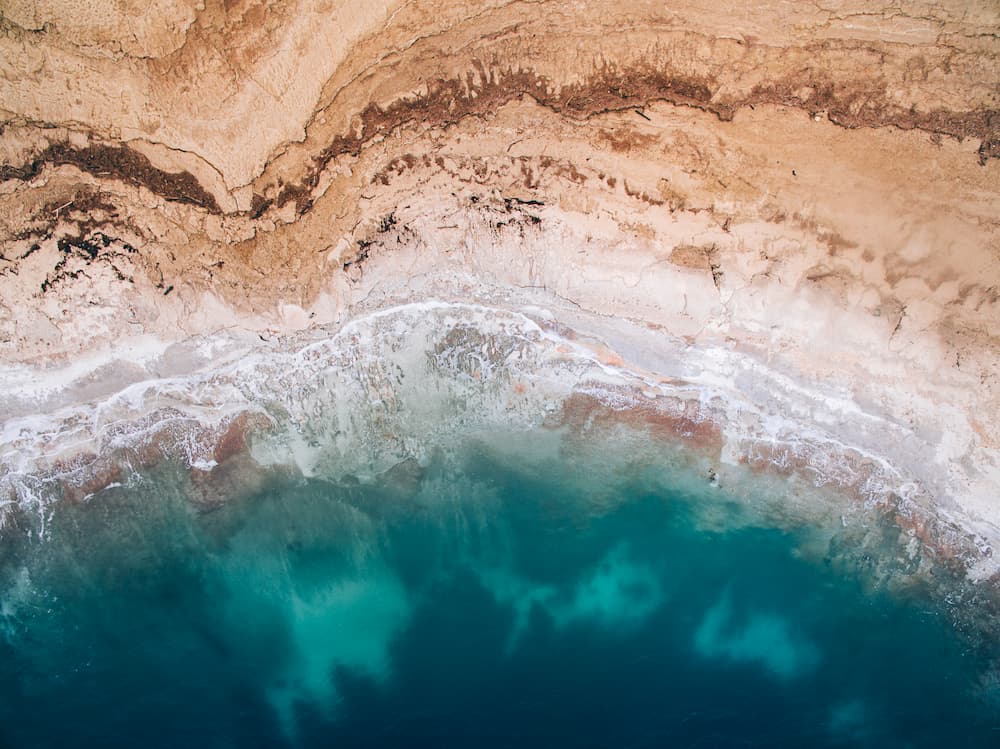
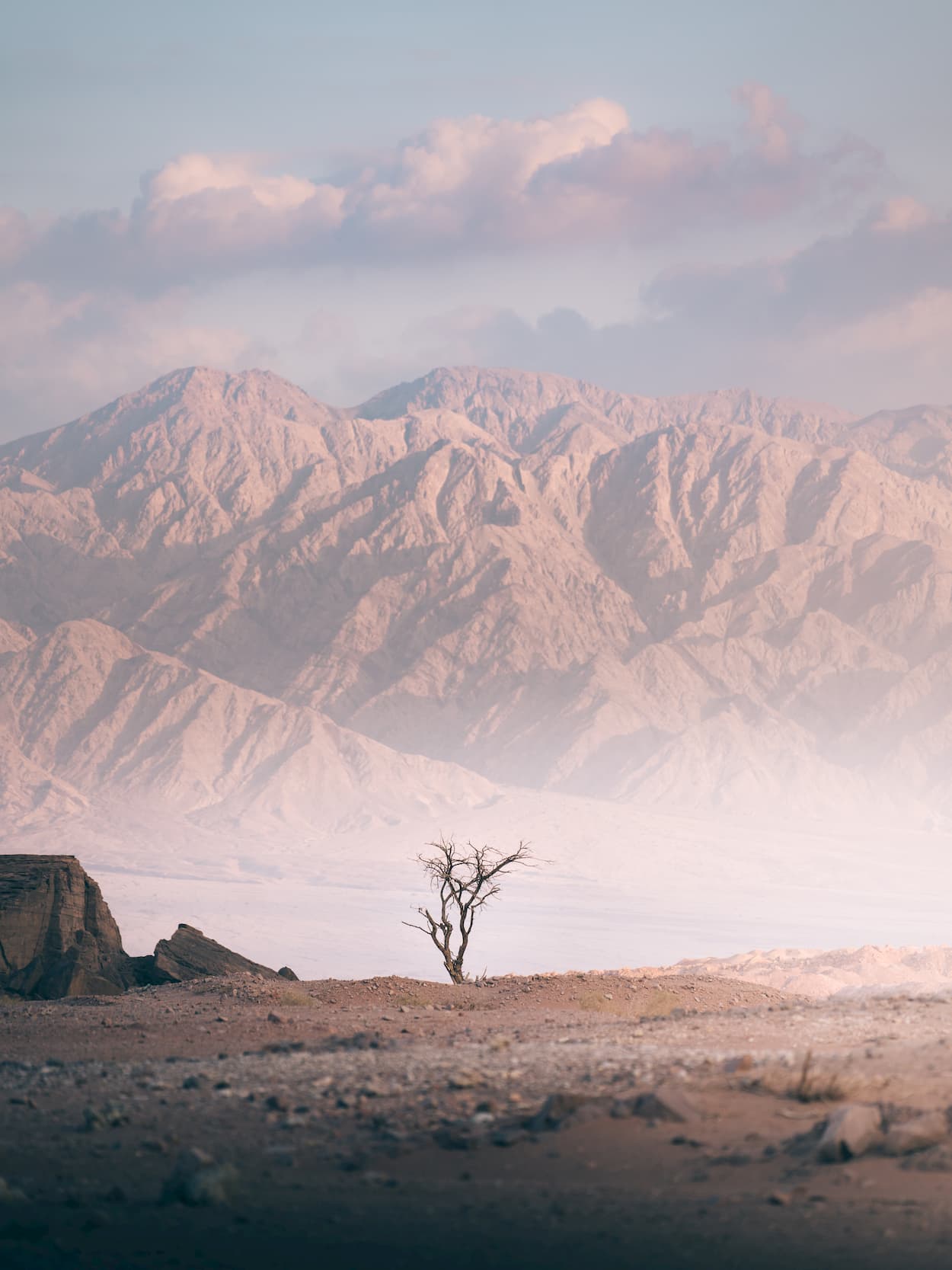
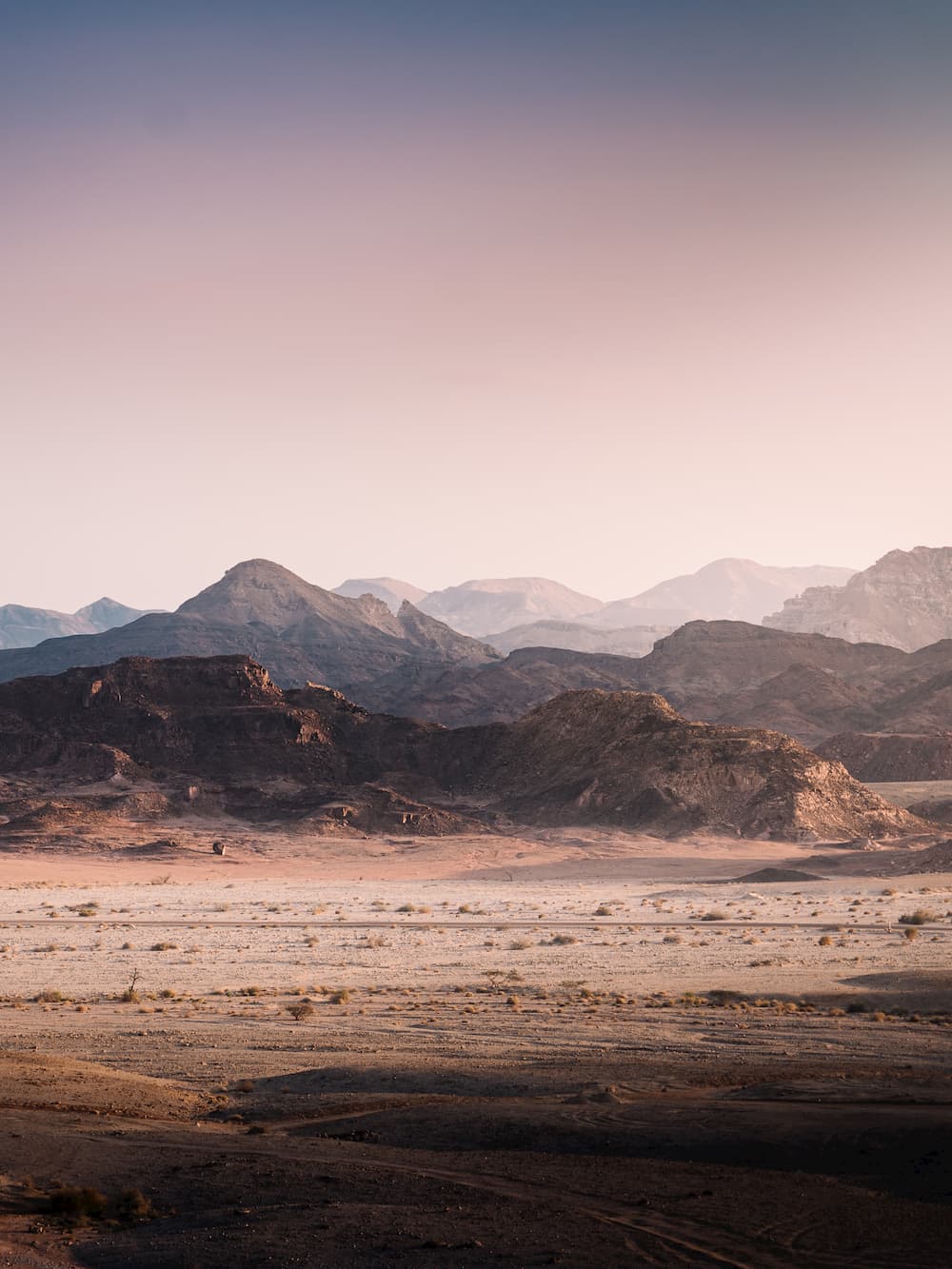
It’s only about 1000 km long, but in spite of that it has basically everything: Extreme desert landscapes, beautiful Mediterranean Sea, lush green mountains and even one snowy mountain in the very north. Especially in today’s circumstances, where flying around the world isn’t really an option, we are being confined to our national borders and need to deal with what our land has to offer. I think in that sense, the pandemic did some good. Personally I find myself traveling a lot in my own country, discovering places and landscapes I would never have thought to exist in Israel. So I guess the idea that even in the most terrible situations there’s something good to take away is really true, and life challenges us to find it, face it and use it. To be better.
Would you like content like this sent to your inbox?

Join us in the Azores for a unique photo tour, where you’ll elevate your creative skills with expert guidance from Ronald Soethje, Bruno Ázera, and Nomadict.

In this article, Forest shares how years of chasing scale, silence, and raw landscapes shaped his approach to photography, from the deserts of Kazakhstan to the volcanic ridges of Iceland. He talks about how he uses light, texture, and vast negative space to create images that feel both intimate and overwhelming.

Simon shares the journey behind his photography, from early inspirations to field techniques, editing, and the story of the winning shot that shaped his path.

In this article, Miro shares how his love for cinematic music evolved into a deep passion for photography and how he uses light, color, and atmosphere to turn the streets of Prague into living film scenes.

In this article, Stefanie reveals how her background in physics sparked her passion for astrophotography and how she blends science with creativity to capture the beauty of the night sky. Readers will discover her approach to color, contrast, and editing, as well as her aurora photography workflow.

Spanish photographer Yhabril captures the profound connection between humans and the mountains that shaped him. Growing up in the Pyrenees, his work bridges outdoor sports, landscapes, and celestial scenes — often blending athletes, moonlight, and wilderness into striking visual stories.

In this article, Ariane shares how photography helped her navigate personal challenges, connect authentically with people and animals, and develop a philosophy rooted in empathy and artistic freedom. Readers will also discover her ethical approach to wildlife photography and her trusted equipment for both camouflage techniques and cameras.

Discover how to photograph Dutch tulip fields in their most magical light. From choosing the right gear and lenses to mastering composition, color, and aerial perspectives, this guide shares creative techniques to capture the beauty of the Netherlands’ tulips. Learn how light, color grading, and proportion bring emotion into every frame.