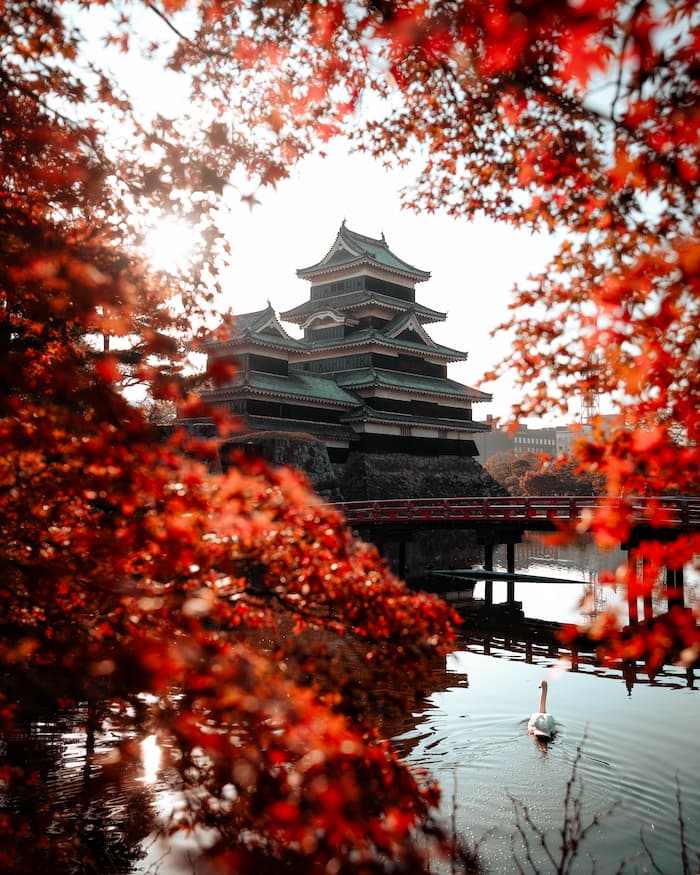
Sebastian Tan

@quetzalcoatlst

Winner Best of the Week 44 at #nomadict

Driven by a desire to witness the world in its rawest states, Sebastian Tan pursues remote landscapes with patience and precision. Blending meticulous planning with resilience, his work transforms fleeting light into immersive fine art. Recognized internationally, Sebastian bridges the wild and familiar, inviting others to see through his lens.

Why I photograph remote landscapes: Finding light in the wild

My passion for outdoor photography is rooted in a desire to witness the world in its most raw, unscripted states. For me, it began as an escape from the noise of daily work—a way to seek out the ‘hidden’ versions of landscapes that most people never get to see. There is a profound sense of peace that comes during the journey to a remote location; it’s in that pursuit of the perfect light that I find my clarity. Ultimately, I photograph because I want to bridge the gap between the wild and the familiar, bringing those epic, quiet moments back to my family, friends, and community so they can see the world through my eyes.
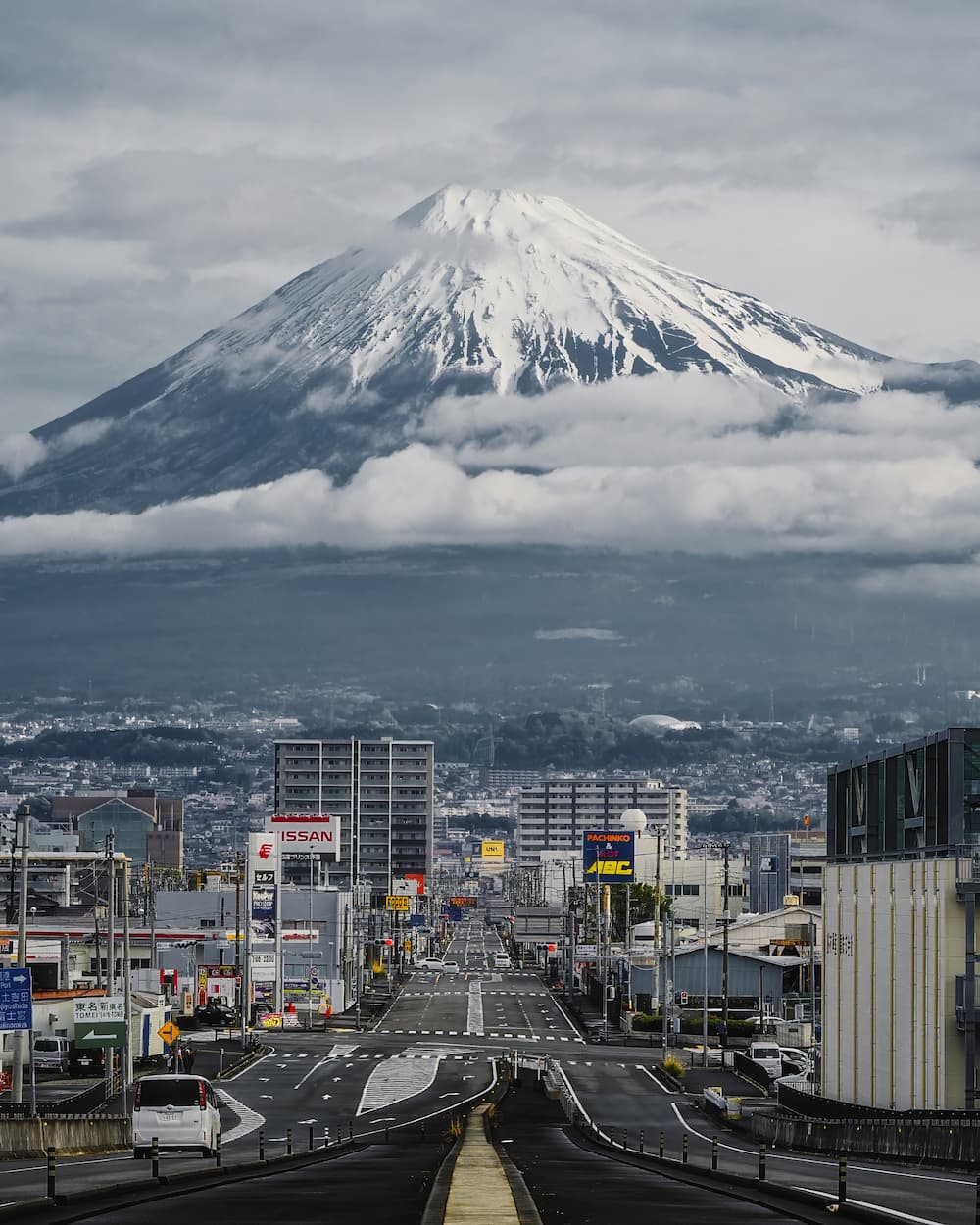
Sebastian Tan - @quetzalcoatlst_YumenoFuji1
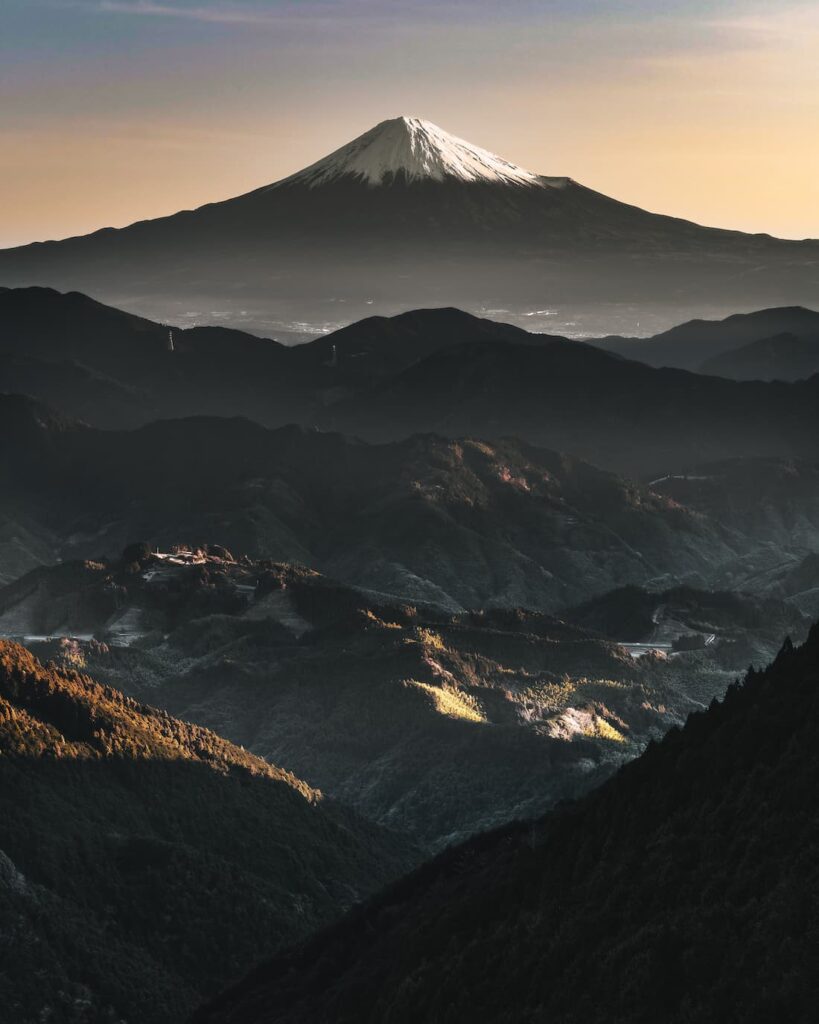
Sebastian Tan - @quetzalcoatlst_YoshiwaraVvalley

Four lessons I’ve learned in landscape photography

1) Great photography is as much about waiting as it is about shooting. You cannot rush a landscape into revealing its best self; you have to earn it. I’ve learned that the most transformative light often happens in the moments just after most people have packed up their gear and left. Staying a bit longer doesn’t just give you better light—it gives you the quiet necessary to truly get inspired by the frame.
 
2) Landscape photography is a dance between meticulous planning and total unpredictability. While we can’t control the weather, we can control our readiness. I rely heavily on tools like Google Earth and PhotoPills to envision my shots before I even arrive. For example, during my trip to Japan, I knew Mount Fuji was notoriously shy. By studying the maps and intentionally booking extra days in the area, I took control of my ‘luck.’ Planning provides the foundation for creativity when the moment finally arrives.
 
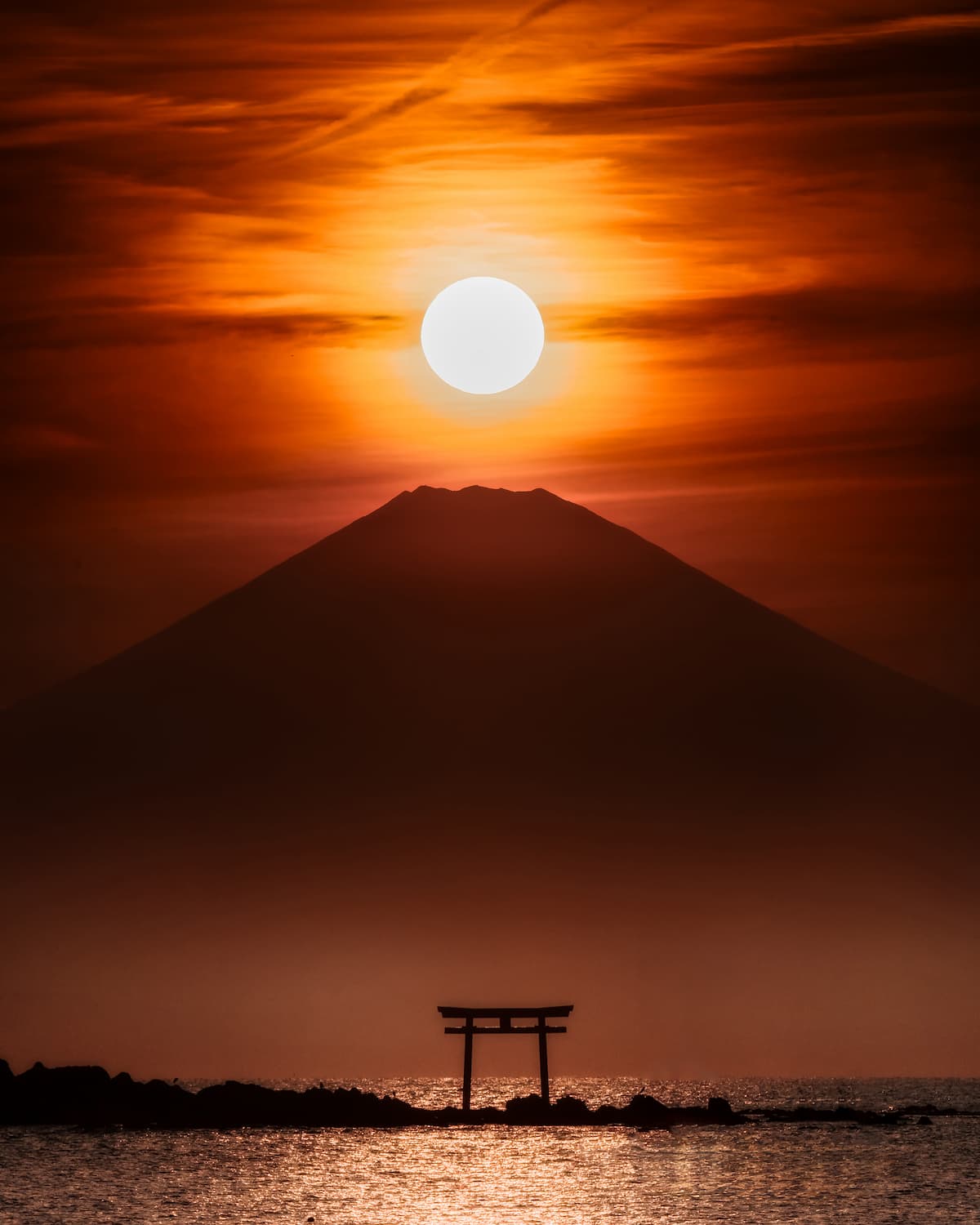
3) If you have a vision for a specific piece of art, you have to be willing to return to it time and time again. Nature doesn’t always offer its best on the first date. I once became obsessed with a shot of Mount Fuji from over 150km away, perfectly aligned with the setting sun. It took five separate attempts to finally capture that alignment. That persistence taught me that the ‘perfect shot’ isn’t just about a shutter click; it’s about the resilience it took to get there.
 
4) The gear is heavy, the hikes are long, and the weather is often unforgiving. I’ve realized that being a landscape photographer requires a level of physical fitness and mental endurance that not many people see. You must be physically fit enough to carry your kit for miles and be disciplined enough to withstand hours of freezing cold or heat. Your body is just as much a part of your kit as your camera—if you don’t maintain it, you can’t reach the places where the stories are told.
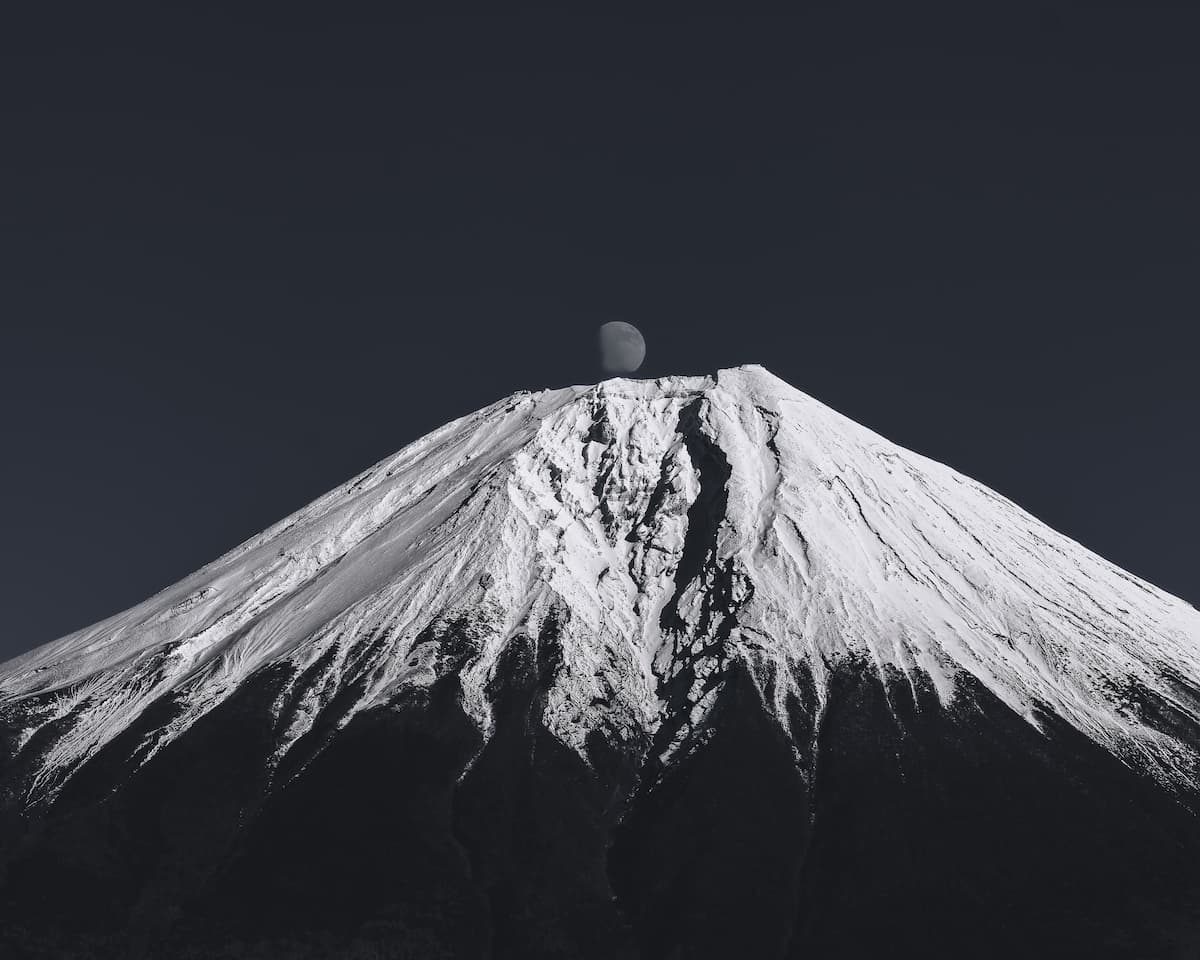
Pearl Fuji_Seb

Winner
Best of the Week 44

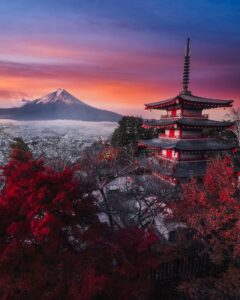
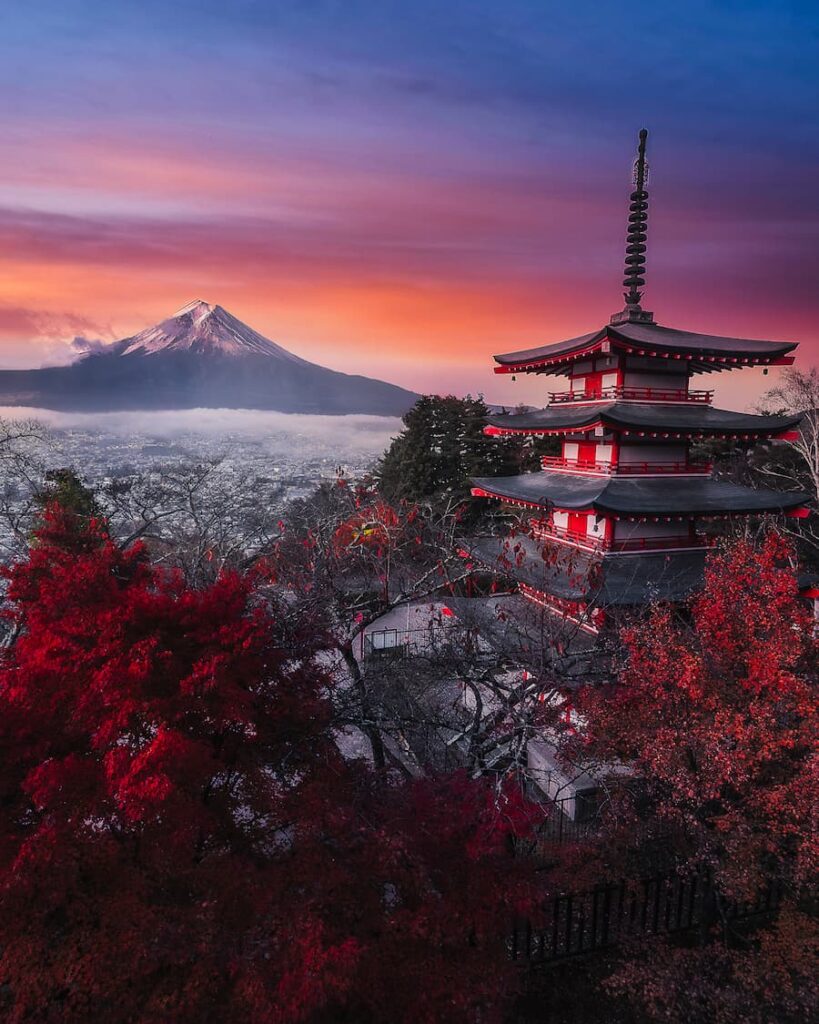
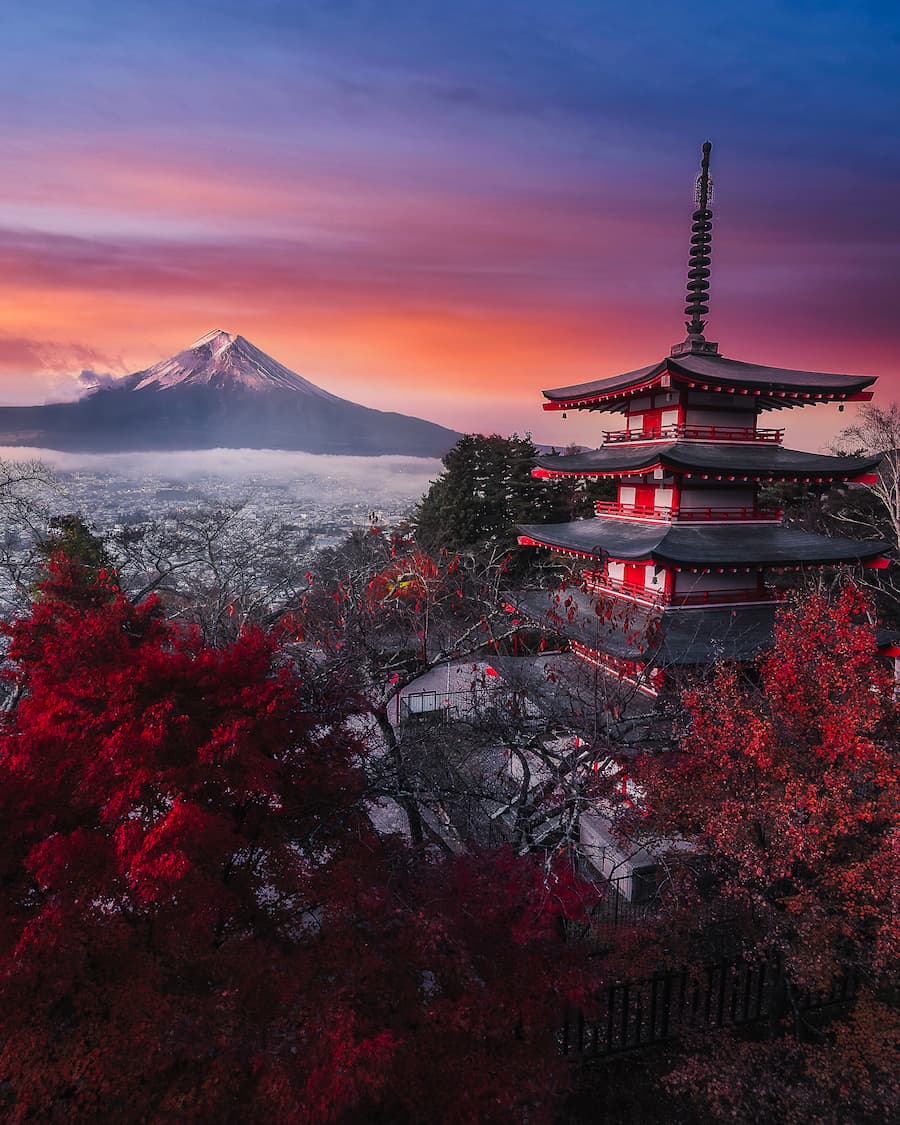
My winning photo was taken at the Chureito Pagoda in Fujiyoshida during the peak of the autumn season. While this is one of the most photographed spots in Japan, I didn’t want just a standard postcard shot; I wanted to capture the ‘soul’ of the morning.
 
I arrived long before sunrise, climbing the 398 steps in the biting cold to secure a vantage point. The mountain was initially hidden by clouds, and for a while, it looked like the sunrise would be a ‘gray-out.’
 
Nevertheless, I stayed. Just as the sun began to break, the clouds parted to reveal the snow-capped peak of Fuji, while a layer of mist stayed tucked over the city below. It felt like the world was divided into two: the busy life below the mist and the timeless, silent giants above. Capturing that exact moment where the sky turned a soft violet-orange against the deep red maples felt like the culmination of days of planning and hours of waiting in the dark.
I chose this vertical composition to emphasize the grandeur and scale of the scene. By positioning the Chureito Pagoda on the right third of the frame, I created a visual anchor that balances the massive presence of Mount Fuji on the left.
 
I specifically used the autumn leaves in the foreground to create a natural frame, adding depth to the scene. The ‘layering’ was intentional: the vibrant red leaves at the bottom, the soft mist in the middle-ground, and the sharp, clear peak of Fuji in the background. This vertical stack guides the eye upward, mimicking the feeling of looking up in awe at the mountain.

My approach to editing landscape photography

My goal with the editing was to enhance the dreamlike atmosphere I felt while standing there. I wanted a palette that felt both ‘regal’ and ‘tranquil.’ I leaned into a complementary color scheme, contrasting the warm oranges and fiery reds of the sunrise and foliage against the cool, moody blues and purples of the sky and the mountain shadows.
 
I paid close attention to the luminance of the reds—I wanted them to feel rich and saturated without losing the delicate textures of the leaves. The colors aren’t just there for impact; they represent the transition between night and day. The cool tones represent the fading night, while the warm tones represent the new light hitting the peak.

The most vital steps of my workflow

My editing process is always centered on enhancing the atmosphere rather than changing the reality of the scene. Across all my work, I follow a systematic approach to ensure my portfolio has a cohesive, ‘painterly’ feel.
 
The most vital steps of my workflow generally include:
 
1) Establishing the color harmony: I always begin by balancing the ‘temperature’ of the shot. I look for a dialogue between cool and warm tones. In the Fuji photo, this meant ensuring the deep blues of the mountain and the sky didn’t compete with the fiery reds of the pagoda, but rather complemented them.
 
2) Dynamic range and selective masking: I rarely apply global adjustments. Instead, I use brushes and linear gradients to treat the foreground, midground, and background as separate layers. For this image, I masked the city mist separately to preserve its soft, ‘glowy’ texture while keeping the architectural lines of the pagoda crisp and sharp.
 
3) Refining the ‘Hero’ of the frame: Every photo has a soul. I use subtle dodging and burning to guide the viewer’s eye toward the focal point. Here, I used a radial filter on the snow-capped peak of Mount Fuji to bring out the highlights and textures, ensuring that, despite all the color in the foreground, the mountain remains the undisputed hero.
 
4) The final softness (the Orton effect): My signature final step is adding a touch of the Orton effect to the highlights. This creates that ethereal, dreamlike quality you see in the mist and the sky of the winning shot, transforming a digital capture into a piece of fine art.

On exploring the Mangystau Desert in Kazakhstan

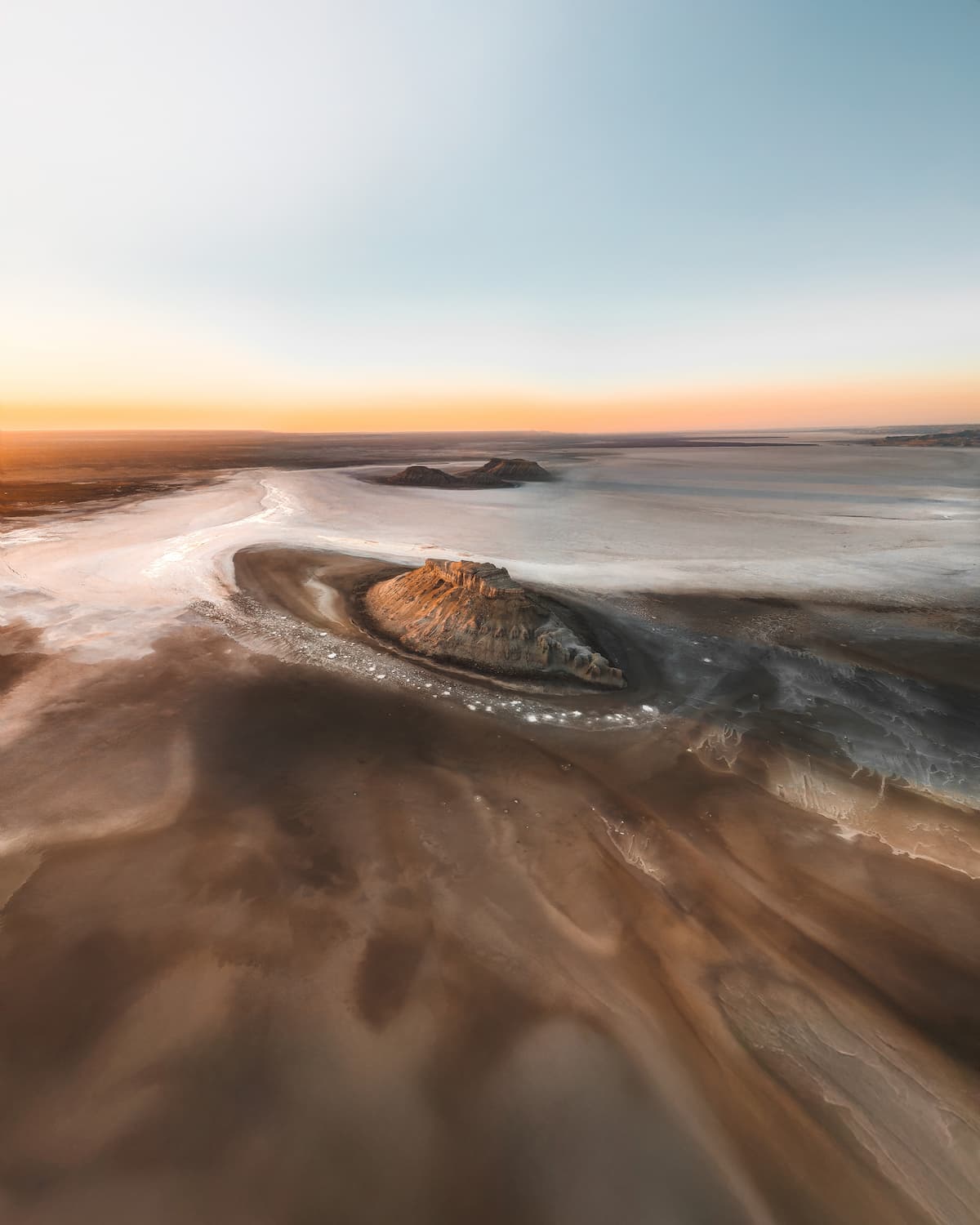
Because photography is my deep-rooted passion rather than a commercial ‘gig,’ I treat every major expedition as a dedicated personal project. While I have spent years meticulously documenting Japan, my most significant and challenging project to date was my 2025 expedition to the Mangystau Desert in Kazakhstan.
 
This was a true test of endurance. I spent a week deep in the desert with no phone reception, no internet, and no basic amenities like showers or toilets. It was a journey into the unknown to capture some of the most ‘otherworldly’ landscapes on the planet. This trip taught me that the most epic photos often require a complete surrender of comfort; it reinforced the lesson that to witness something truly unique, you have to be willing to go where most people won’t.
 
The results of this ‘deep dive’ approach—both in the deserts of Kazakhstan and the shrines of Japan—have been the most rewarding milestones of my career. Since my last interview with Nomadict, I have focused on pushing my work from “capturing moments” to “creating world-class art: 
 
International Photography Awards (IPA): First Prize and multiple Honorable Mentions across 2023 and 2024.
Tokyo International Foto Award (TIFA) 2025: 1 Gold, 1 Bronze, and 2 Honorable Mentions.
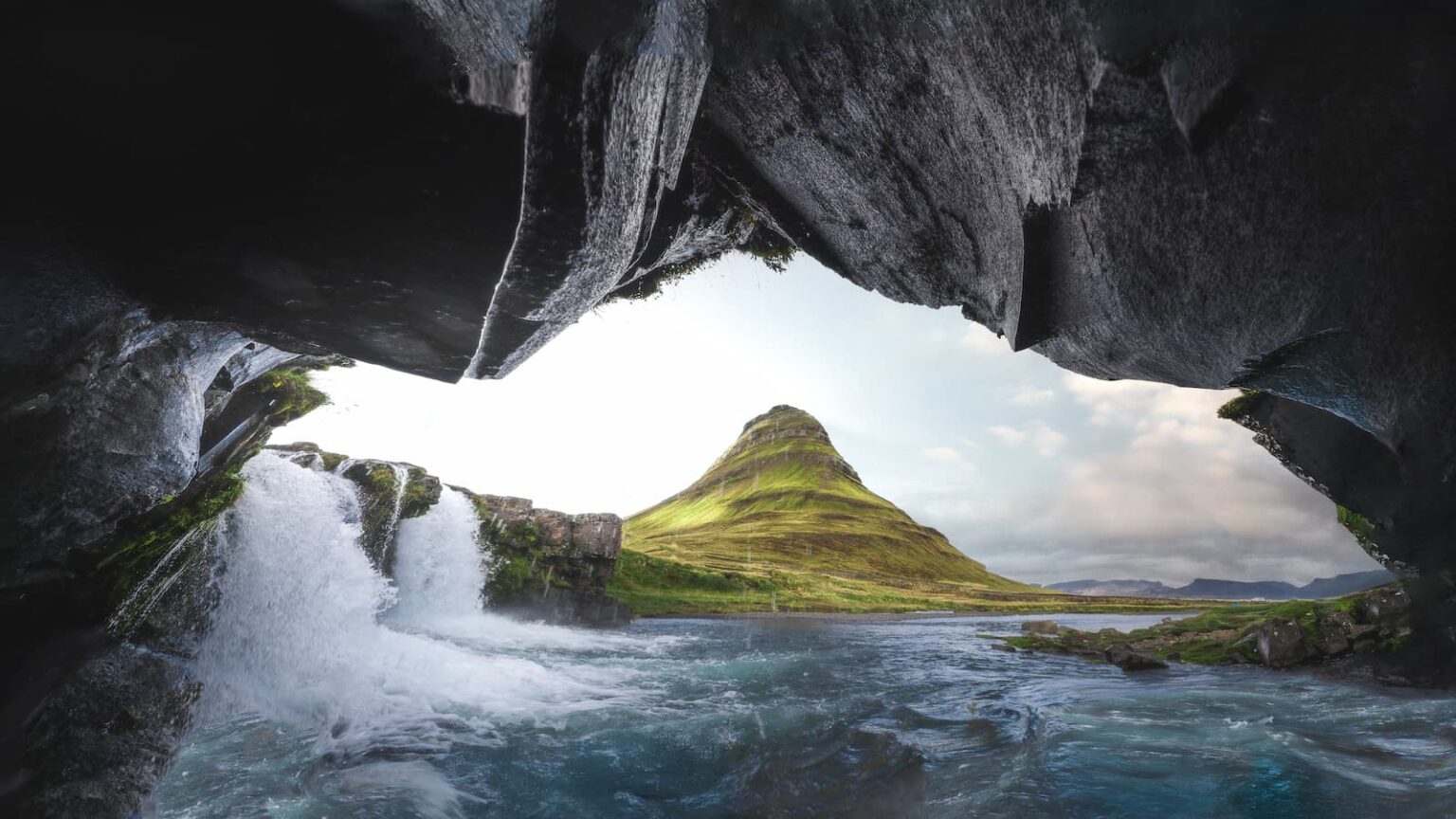
National Geographic: One of my shots from Iceland was selected as one of the Top 10 Most Inspiring Travel Photos of 2026.
35Awards 2024: Named in the Top 35 Wildlife Series.
 
These honors have validated my belief that when you approach a personal passion with the discipline of a professional, the work resonates on a global scale. Kazakhstan proved I have the grit, and the awards prove I have the vision.
Karynzarak_seb
THE LATEST STORIES

WRITEN WITH PASSION TO INSPIRE YOU
Sebastian Tan - @quetzalcoatlst - winning image

Sebastian Tan (@quetzalcoatlst): Best of the Week 44 at #nomadict

Driven by a desire to witness the world in its rawest states, Sebastian Tan pursues remote landscapes with patience and precision. Blending meticulous planning with resilience, his work transforms fleeting light into immersive fine art. Recognized internationally, Sebastian bridges the wild and familiar, inviting others to see through his lens.

Kasper Rajasuo - @rajasuokasper - Nomadict Best of the Week

Kasper Rajasuo (@rajasuokasper): Best of the Week 46 at #nomadict

From childhood hikes to award-winning shots, Kasper Rajasuo’s journey is one of rapid evolution and deep connection. In this article, Kasper shares the technical secrets behind his “Santa’s Cabin” winning photo, the four lessons that defined his career, and how he uses color theory to transform harsh Finnish winters into dreamy, serene masterpieces.

@andyswildlife_Best of the Week_Nomadict

Andy Rider (@andyswildlife): Best of the Week 2 at #nomadict

Andy Rider is a passionate wildlife photographer and filmmaker based in South Africa, dedicated to capturing the raw beauty of nature while raising awareness about conservation. Inspired by legends like Steve Irwin, his journey began as a field guide, where he honed his skills and developed a deep respect for ethical wildlife photography.

Philipp Pilz - @buchstabenhausen - Nomadict Winning Photo

Philipp Pilz (@buchstabenhausen): Best of the Week 43 at #nomadict

In this article, photographer Philipp shares how time, clarity, and consistency have shaped his evolving relationship with nature photography. Drawn ever further north, he writes about embracing uncertainty, working with restraint, and finding beauty even when plans fall apart — including the unlikely story behind his Best of the Week–winning image.

Faroe_Islands_Nomadict_Photo_Tour_1

Photo tour in the Faroe Islands

Join us in the Faroe Islands for a unique photo tour, where you’ll elevate your creative skills with expert guidance from Ronald Soethje and Nomadict.