Photo tour in Azores, Portugal
Join us in the Azores for a unique photo tour, where you’ll elevate your creative skills with expert guidance from Ronald Soethje, Bruno Ázera, and Nomadict.
Sam’s journey as a photographer is one of transformation and passion. Growing up in Portland, he embraced hiking, then expanded to mountaineering, diving, and rock climbing. Pivotal experiences, including a solo trip to Italy and Slovenia and meeting his wife, shaped his path as a dedicated traveler and photographer. Now in New Zealand, Sam captures the beauty of nature and life’s moments through stunning photography.
Until the end of high school, I predominantly focused my time and energy on family, friends, and video games. While the outdoors were certainly a part of my life, they were often quite a reluctant part.
However, each year I grew older, what was once a forced activity became a genuine interest of mine. I began to fixate on hiking nearly every trail I could near my home city of Portland.
I looked for the longest and hardest trails, setting out with my closest friend. Each time I found myself somewhere new, with a new adventure and challenge, my brain would latch onto the idea that I felt like I was in a video game.
Year after year, I lost my interest in video games and built up my interest in the people, places, and challenges that good adventures are built around.
Travel was the natural progression of my gamification of life. More places, and means to access them such as mountaineering, diving, and rock climbing, felt like opening up the map.
The cherry on top was meeting my now wife three years ago. When we met, the amount I traveled increased dramatically, leading me to where I am now, living in New Zealand.
There are a few key moments that have defined who I am as an explorer and traveler. The first was a solo trip to Italy and Slovenia I took near the end of high school. It was my first real international experience, and it taught me that travel didn’t have to cost exorbitant amounts and that it could look and feel exactly how you want it to. The people I met were the most relatable I’d ever met, and the experience changed my whole outlook on life.
The second key moment was a choice I made to invest in learning to rock climb and mountaineer. These activities are now the foundation of my exploration, my photography, and my energy in life. Without focusing on them, I’m not sure I’d even be a photographer or a traveler, at least to the extent that I feel I am today.
The third and final pivotal moment was when I met my wife. Within a month of meeting, we spent two weeks in Alaska. Over the following couple of years, we visited a handful of countries over four continents and got married. She opened up the world for me.
There are so many lessons that come during your formative years, but four that stand out are:
1) Little, intentional, steps get you where you ultimately want to be. Trying to take a few large steps to get there is more than likely going to leave you close to where you started. The more goals I’ve accomplished, the more I’ve realized my subtle fixations are what got me there, not any single big deciding moment.
2) It’s ok to not be where you want to be, and you shouldn’t feel disdain for where you are. By this I mean, our grandest dreams are reachable, but there is a journey to be had. I had to work jobs I didn’t feel much passion for for quite a long time to save money and create the structure needed to accomplish some of my biggest goals. Now living in New Zealand is my biggest proof that some compromise in the process was well worth the reward, and I enjoyed the journey.
3) As a photographer, don’t narrow down too much or too quickly. Especially while you are learning, I think there is an immense amount to learn by wandering into various genres. Social media encourages us to build a base of die-hard fans who like what we like, and if we waver from what they like, we’ll fail to build a community. This isn’t fair to you as an artist and explorer, though, and there is an immense amount of value in taking the time to scratch as many itches as possible. Perhaps this is why I have very little following on social media, but I wouldn’t change a thing.
4) Invest in the people that are a part of your adventures. While the beautiful places we go to are addicting in a way, they cannot provide the kind of satisfaction that a connection with someone unexpected can. I’ve met people in foreign countries who taught me so much in only a short amount of time. The stories we shared, the connections we now have, they last far longer than the memories of a beautiful waterfall or mountain.
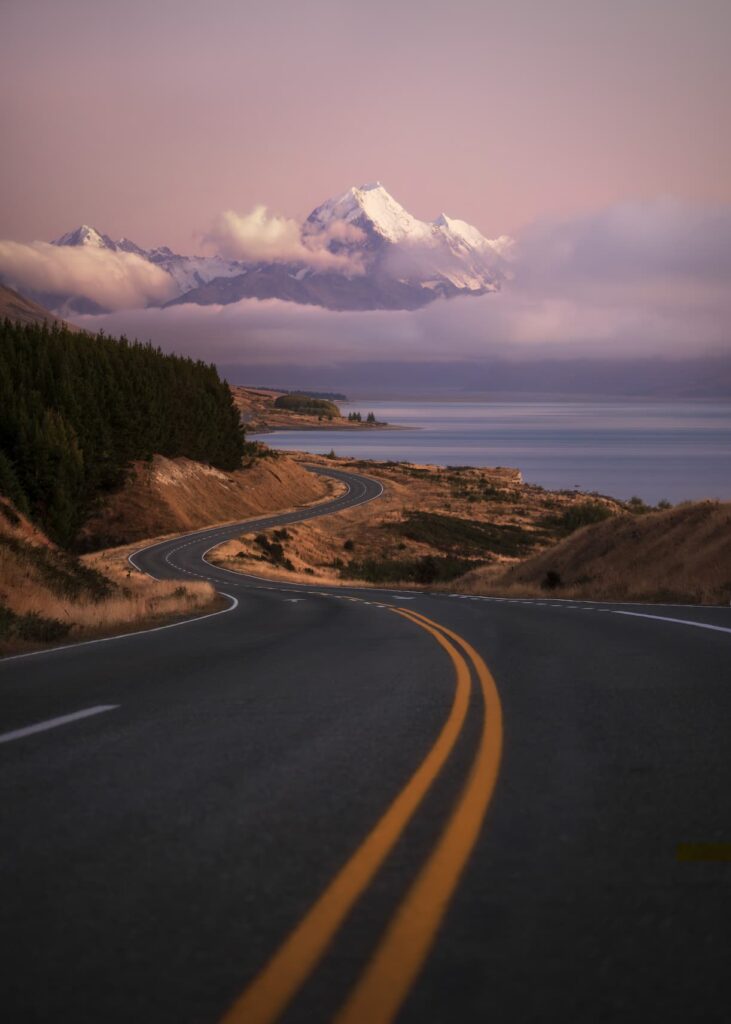
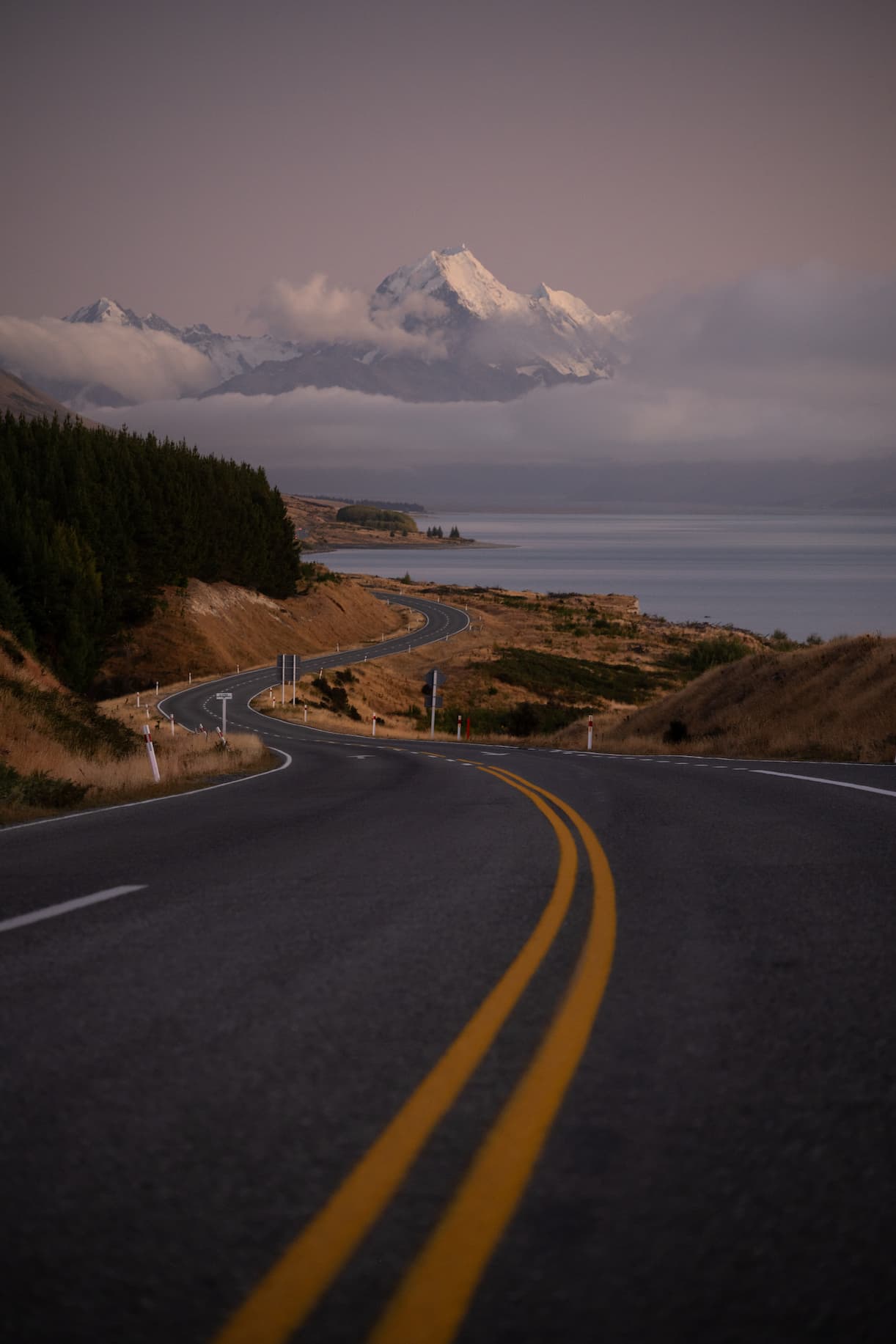
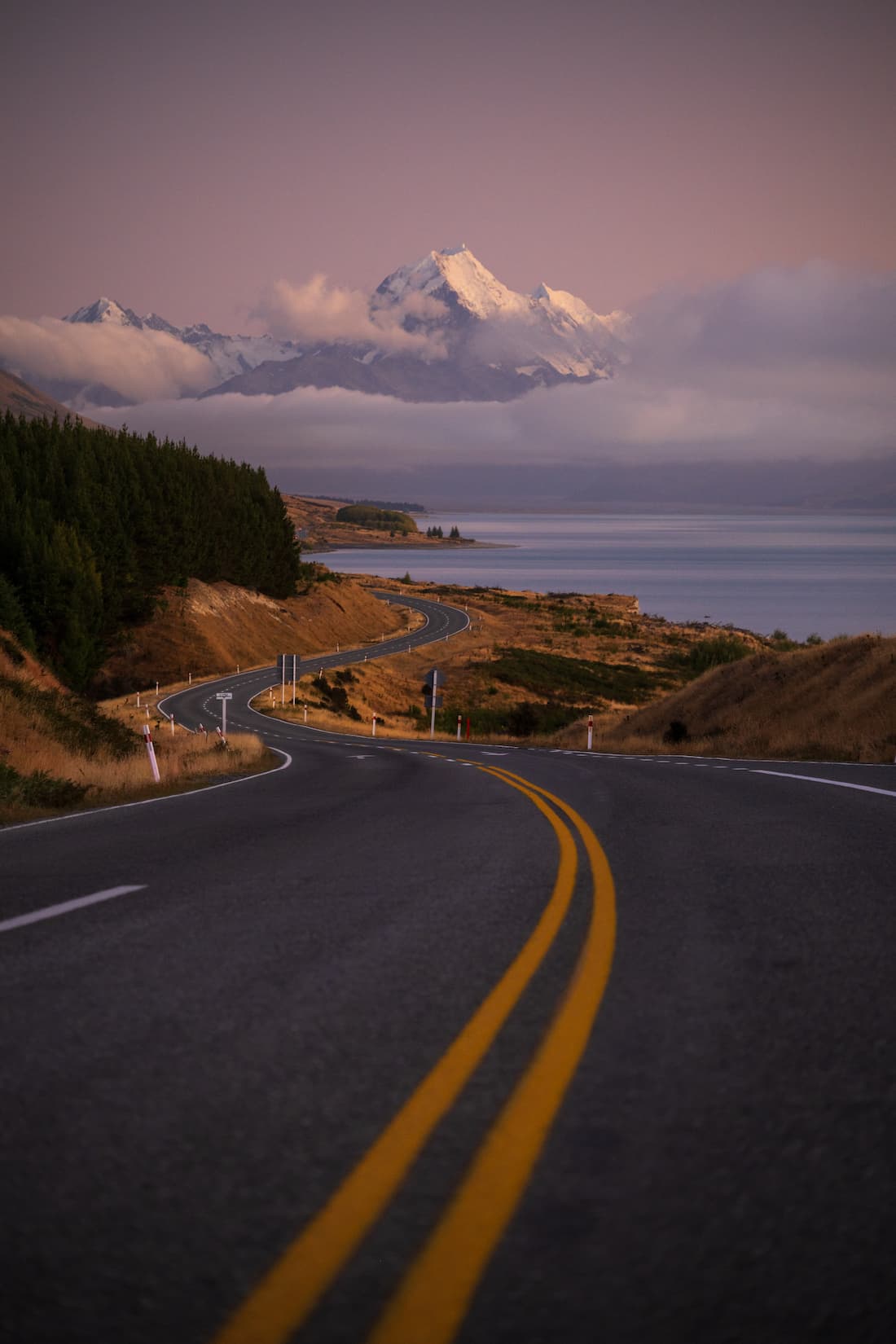
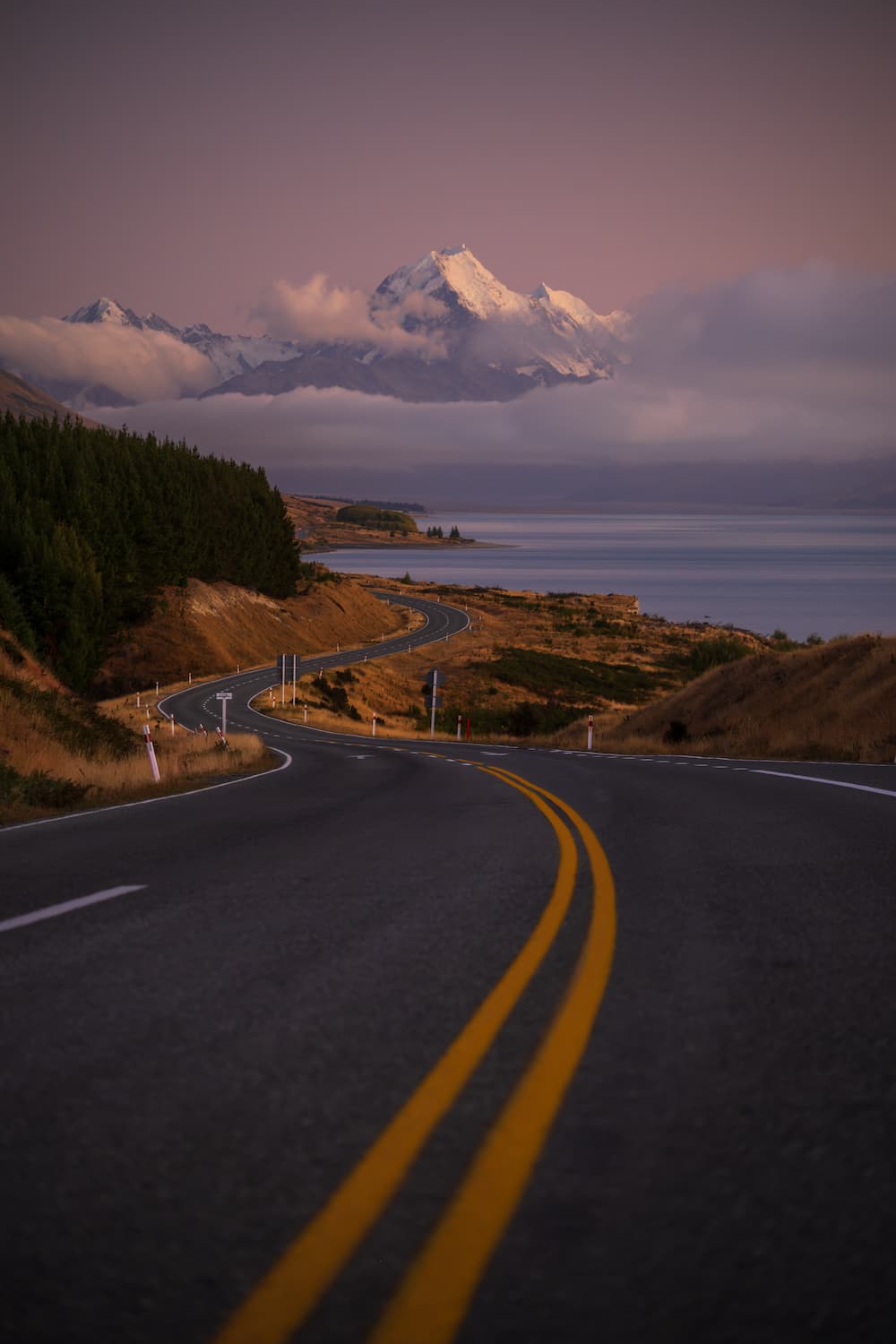
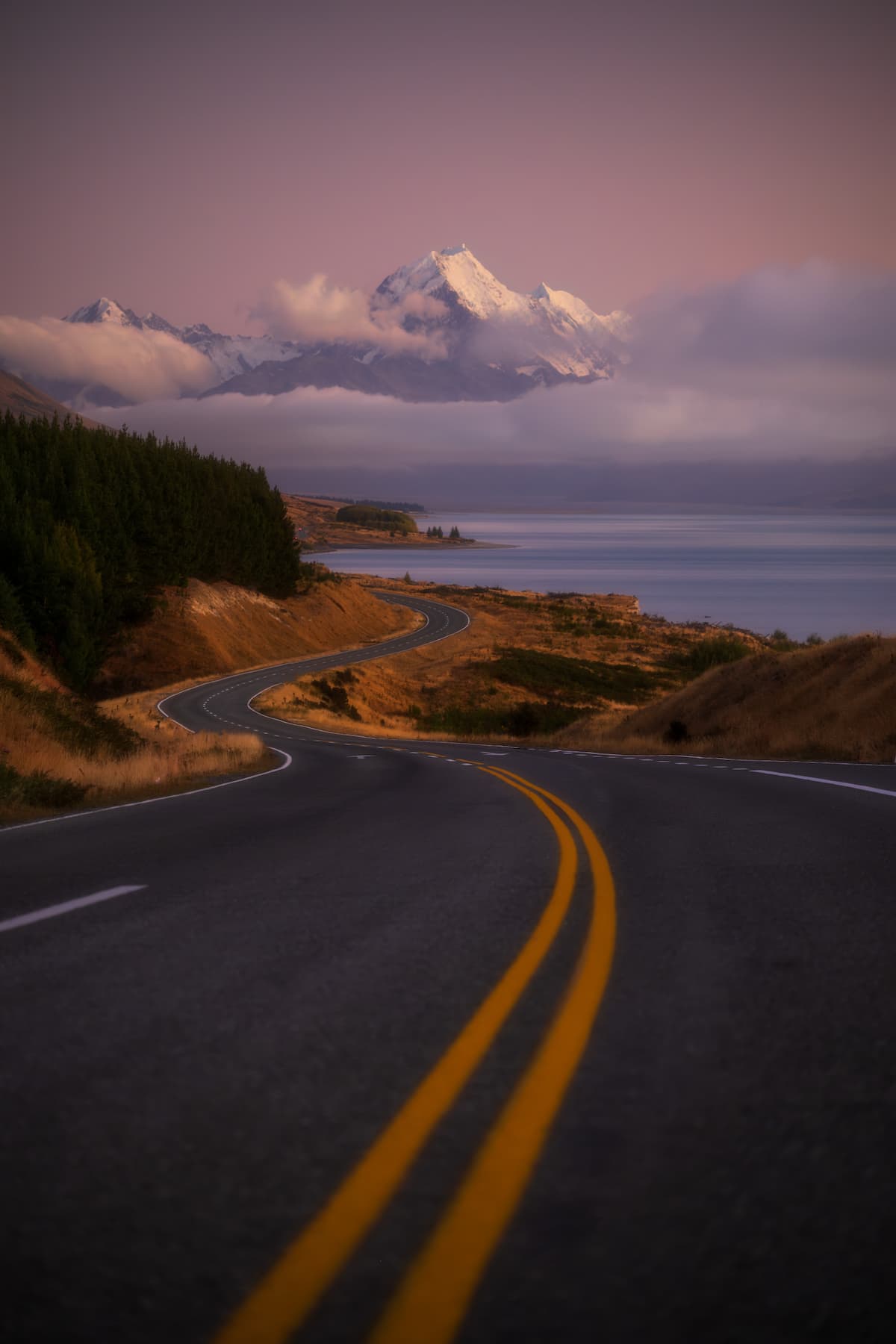
The photo that won best of the week was taken during a quick stop on my way to Mt. Cook. I had driven nearly five hours that morning in the hopes that I would get to this view during sunrise.
I had a whole list of photos in mind, but in typical photography fashion, few of them panned out. Instead, I found myself with more time than expected exactly where this photo was taken. No cars were driving by, the air was cool but calm, and the magenta hues painting the scene seemed to float in the air. It was a serene 10 or so minutes, and I enjoyed fresh coffee the whole time I was shooting.

This composition was the natural one to take. I don’t often incorporate elements of human influence like roads, buildings, cars, etc… but in New Zealand, infrastructure is often built with eloquence.
There is so much respect for the country, and it shows through in the huts, the trails, and even many of the roads. In this case, the road was idyllic and added to the scene in many ways. It also served as a perfect leading line towards the mountain. It’s a bit of a classic shot, but the light and atmosphere made it feel original to me.
The photo edit was quite minimal. The light was vibrant but soft in the first place, and all I did was clean up the scene.
I did remove a few distractions (some road signs and mile markers), but otherwise, I didn’t push this photo very far.
In every photo I edit, I add a small degree of softness to the image through the Orton effect, a slight drop in clarity, and a low-brightness light flare that is predominantly a negative dehaze effect that also softens part of the scene.
The most vital steps in editing this image were:
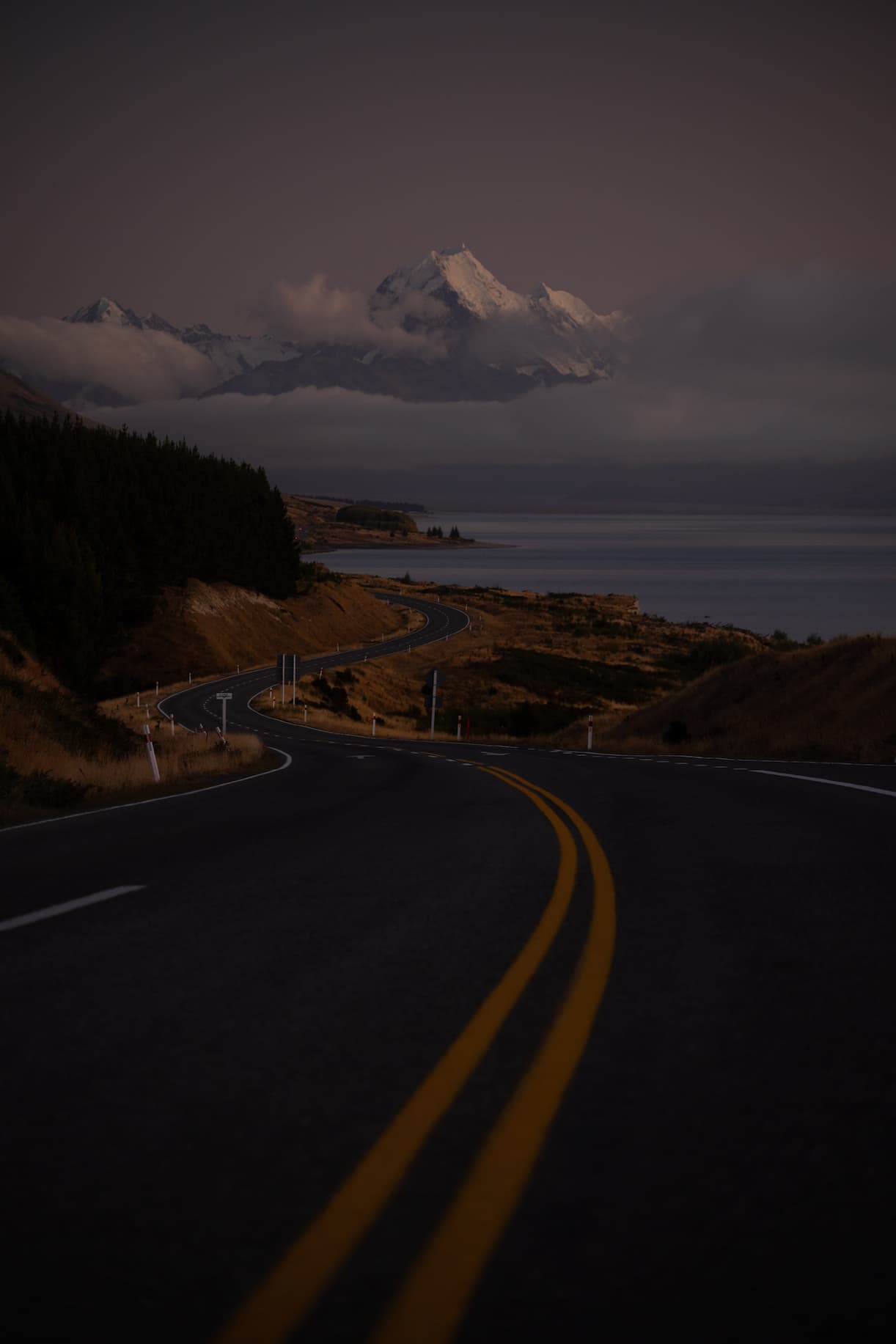
1) Boosting the exposure as the scene was badly underexposed when I first took the photo. I missed my exposure, likely because my eyes were adjusted to the scene and I underestimated how dark it was.
2) Cleaning up the noise through a little Denoise Ai in Lightroom.
3) Boosting the vibrance of the scene.
4) Introducing local brightness and negative dehaze to make it clear where Mt. Cook was being illuminated by the sunrise.
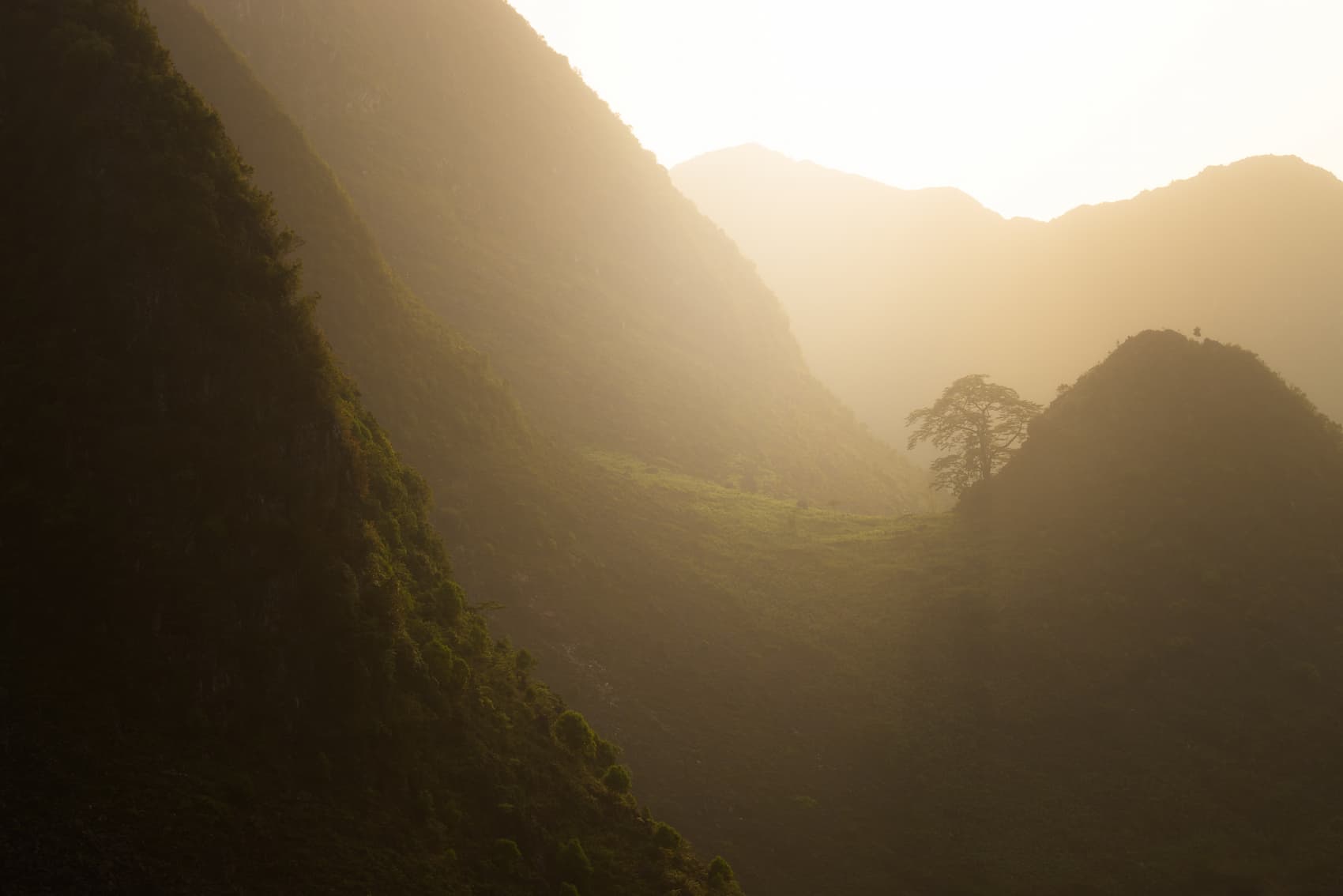
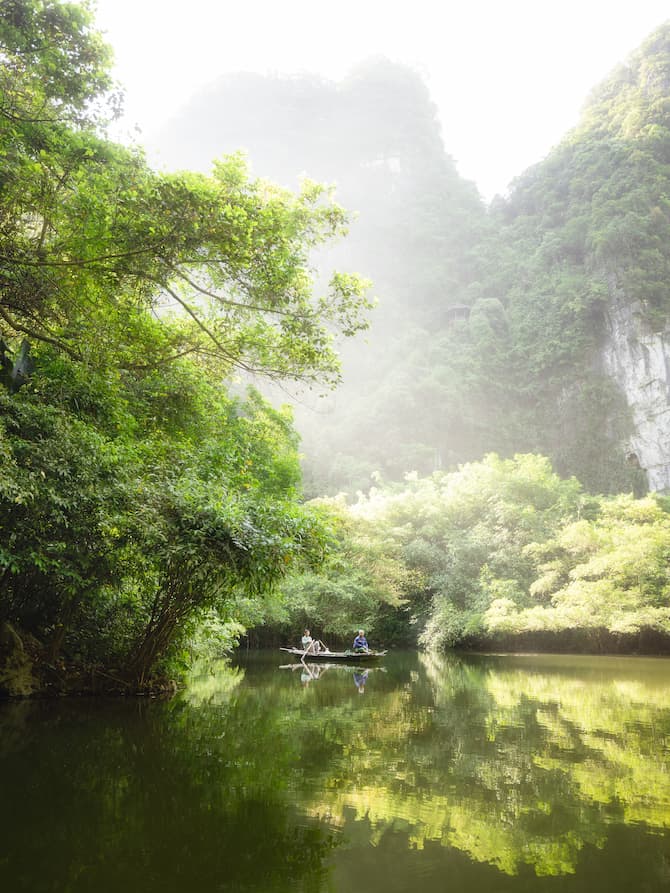
My most influential project was photographing Vietnam over ten days. This was the most important because it was the first time I spent a considerable amount of time planning for the trip. I learned about various ethnicities, hired a local guide to help us travel in the far northern mountains of Ha Giang, borrowed and invested in the right gear, and journaled the whole experience.
That trip transformed my shooting process and taught me an immense amount about storytelling and photojournalism. I had an article published about our journey, and I believe I produced my best body of images over those ten days. They’ve never performed well on social media because I believe they wander from my core niche, but they reflect a change in my direction in photography. Up to that point, I was purely focused on taking a beautiful picture in a beautiful place.
Now, a year after that trip, I consider myself more of a storyteller, and I think in terms of sets of photos, accompanying articles, visual dialogues and so much more. The change has been very beneficial and makes the art of photography immensely more satisfying for me.
Two months ago, I started my business after a year of pondering the possibility. It’s been an immense challenge and forced me to consider different kinds of photography that can bring in money. In ten years, I would like to have full control over the stories and content I produce, and I would like to be able to survive on that. I am not a photographer for the money. I left a well-paying corporate job to chase this dream of photography. Still, to be able to self-sustain a passion is my dream. Currently, my focus is on commercial photography and content creation through YouTube. In ten years, I would like to expand that web to include book production, photography workshops, and fine art. I hope to produce my first book or zine in the next two years.
As far as the path to reach these goals, I believe I alluded to that in the third question. Incremental intentional steps at all times. I will always have a long list of daily, weekly, monthly, and yearly goals so that I can wake up and take one more incremental step every single day. I also believe that becoming self-sustaining as a commercial photographer would be an ideal platform to build off of with the intention of other photographic pursuits in mind. Lastly, especially as we see reality becoming less and less clear online, I believe writing and vulnerability in our writing are paramount to our potential to succeed. I want to practice writing daily, and to constantly be trying to work with new journals, and more importantly, their editors. Critique and inquisitive opportunities are great ways to grow, and I want so much more of that.

Join us in the Azores for a unique photo tour, where you’ll elevate your creative skills with expert guidance from Ronald Soethje, Bruno Ázera, and Nomadict.

In this article, Forest shares how years of chasing scale, silence, and raw landscapes shaped his approach to photography, from the deserts of Kazakhstan to the volcanic ridges of Iceland. He talks about how he uses light, texture, and vast negative space to create images that feel both intimate and overwhelming.

Simon shares the journey behind his photography, from early inspirations to field techniques, editing, and the story of the winning shot that shaped his path.

In this article, Miro shares how his love for cinematic music evolved into a deep passion for photography and how he uses light, color, and atmosphere to turn the streets of Prague into living film scenes.

In this article, Stefanie reveals how her background in physics sparked her passion for astrophotography and how she blends science with creativity to capture the beauty of the night sky. Readers will discover her approach to color, contrast, and editing, as well as her aurora photography workflow.

Spanish photographer Yhabril captures the profound connection between humans and the mountains that shaped him. Growing up in the Pyrenees, his work bridges outdoor sports, landscapes, and celestial scenes — often blending athletes, moonlight, and wilderness into striking visual stories.

In this article, Ariane shares how photography helped her navigate personal challenges, connect authentically with people and animals, and develop a philosophy rooted in empathy and artistic freedom. Readers will also discover her ethical approach to wildlife photography and her trusted equipment for both camouflage techniques and cameras.

Discover how to photograph Dutch tulip fields in their most magical light. From choosing the right gear and lenses to mastering composition, color, and aerial perspectives, this guide shares creative techniques to capture the beauty of the Netherlands’ tulips. Learn how light, color grading, and proportion bring emotion into every frame.