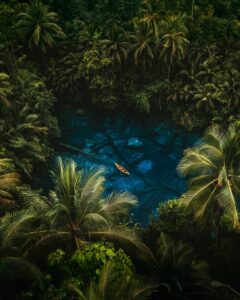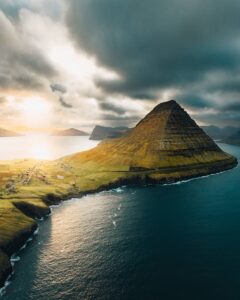
Photo tour in Azores, Portugal
Join us in the Azores for a unique photo tour, where you’ll elevate your creative skills with expert guidance from Ronald Soethje, Bruno Ázera, and Nomadict.
The mountains of Austria ignited a love for nature and photography in Philipp. Through careful planning, the use of good equipment, and waiting for the perfect light, he creates visually striking and emotionally powerful images that capture the essence of the landscape. Read the article to learn more about Philipp!
A thirst for adventure and a deep love for nature inspired me to pick up a camera. I wanted to capture nature’s beauty through photography, which then turned into a great passion of mine. Some of my ancestors were also photographers, so it was not an unfamiliar craft to me either.
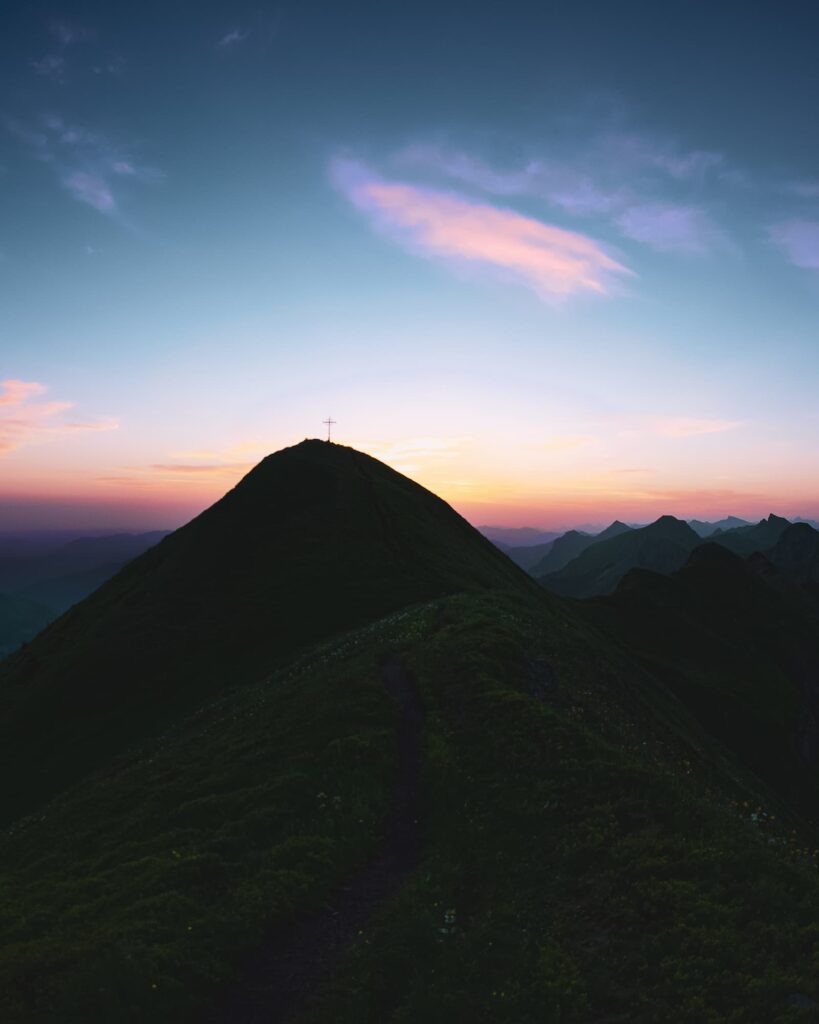
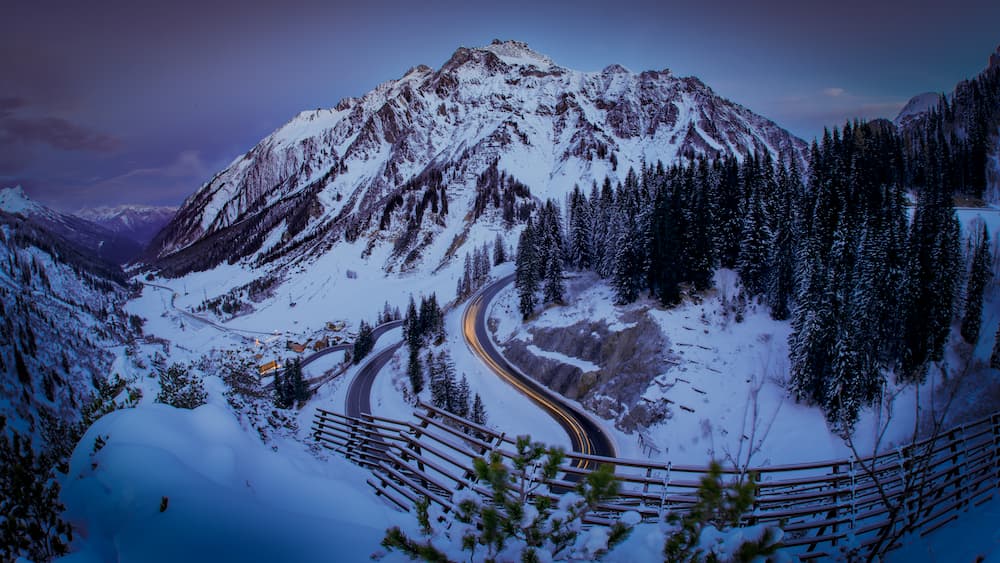
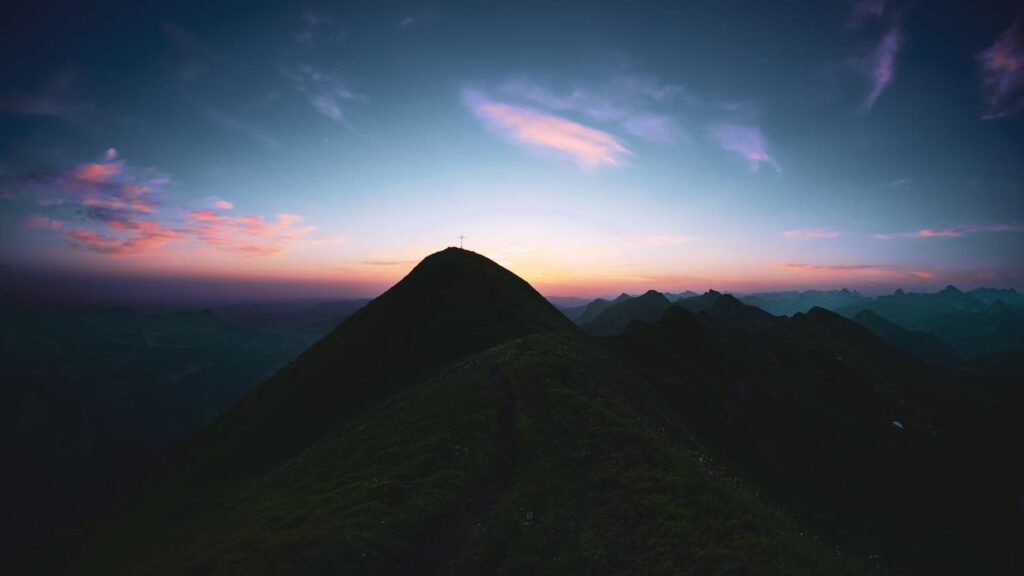
As I was born in Bregenzerwald, a mountainous region in Austria. I believe that my surroundings also influenced me and brought me to love hiking in the outdoors and shooting images. For me, mountains mean home, I notice this feeling of connectedness with all mountains and it motivates and inspires me tremendously. I am always seeking to capture the most magical moments in the mountains – whether it’s the play of light, the stillness, the presence of animals, fog, or even just a ray of sunlight.
Aside from mountains, I enjoy exploring special and remote places. For example, I once traveled to Iceland to capture the northern lights. I was so mesmerized by the beauty that I stayed up the entire night to capture the most stunning images of them. To me, nature has endless facets to explore and photograph, and I am always eager to embark on new adventures and capture them.
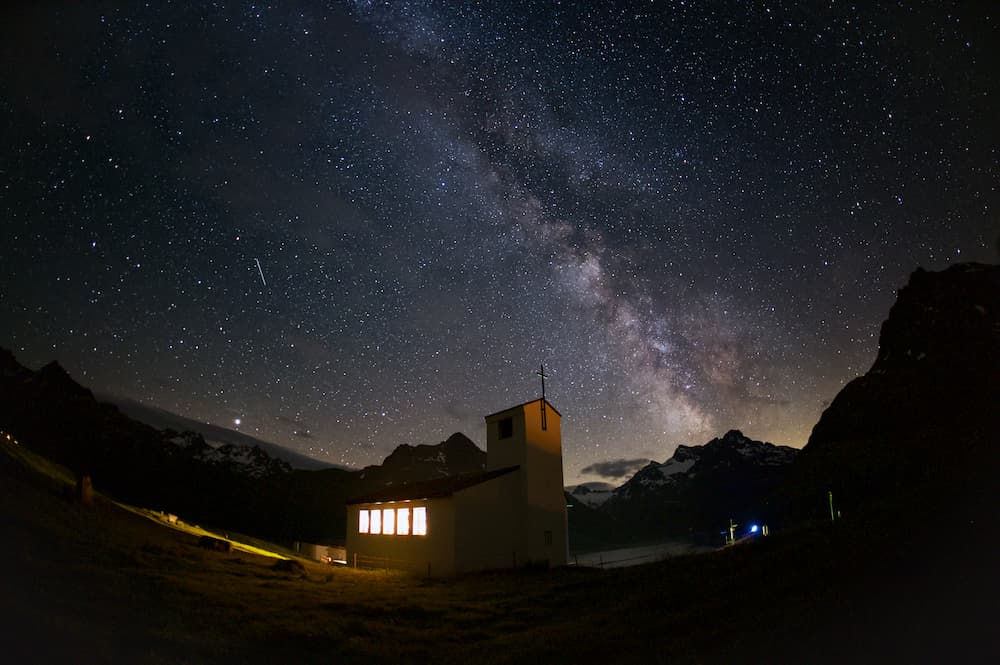
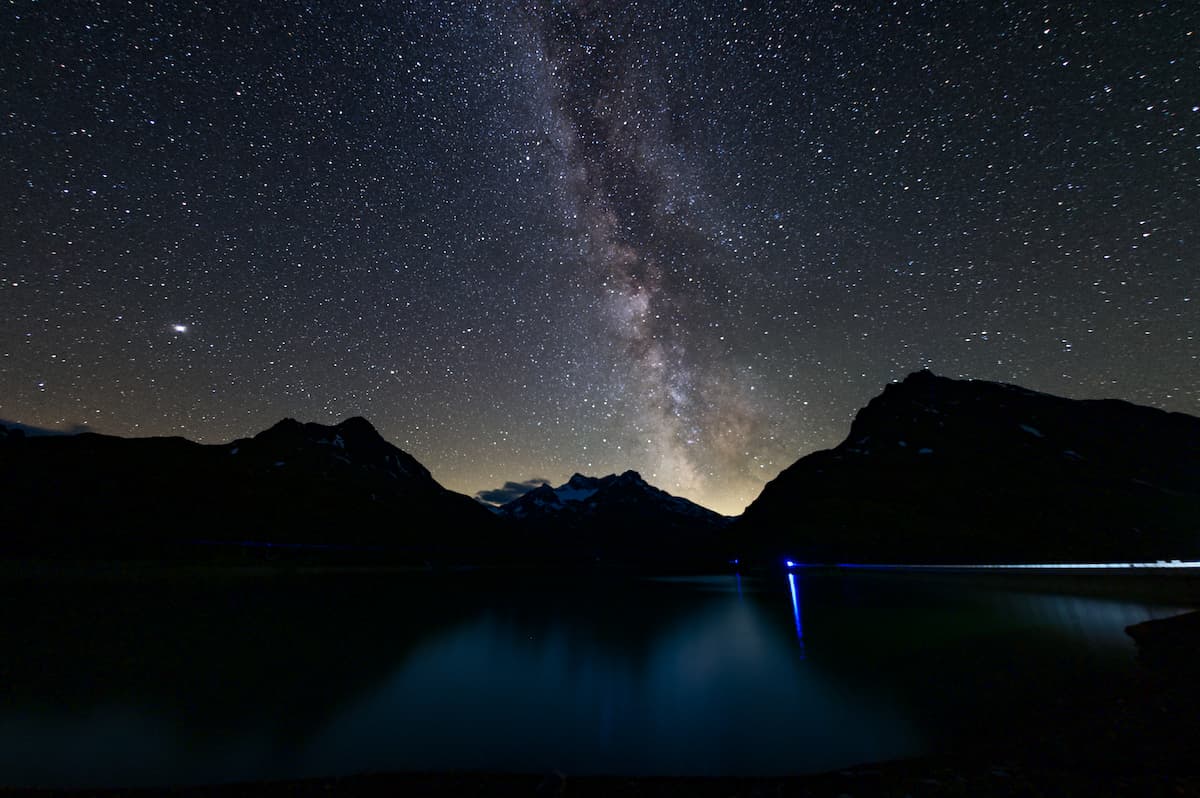
Probably the most remarkable outing I have had so far was when I took my first Milky Way pictures. I was on top of a mountain at night, in the dark but enlightened slightly by the stars in the sky. When I looked at my camera display and saw the Milky Way, I was speechless. I wanted to keep shooting and at the same time go home to see the result and work on the images I just took.
The immense night sky, a beautiful sunrise or a touching sunset behind the mountains… Those are the moments that keep me going and make me want to continuously improve. Wanting to achieve the images I have envisioned from certain places drives me from one adventure to the next. And that doesn’t have to happen far away; I think the places here in Vorarlberg are the most beautiful ones, so I really don’t mind taking lots of pictures in this same area.
Capturing a great landscape photograph requires a combination of several factors but an epic location is not necessarily one of them. The right look, perfect moment, good equipment, and perfect light all play a crucial role in creating a stunning landscape photograph. Here’s why:
A great landscape photograph must capture the essence and beauty of the natural landscape. This requires a good understanding of the landscape and careful planning of the composition. Choosing the right angle, framing, and perspective can make all the difference in creating a visually striking image that accurately represents the landscape.
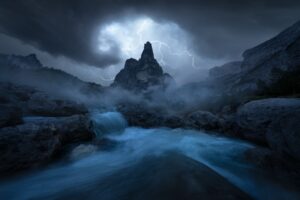
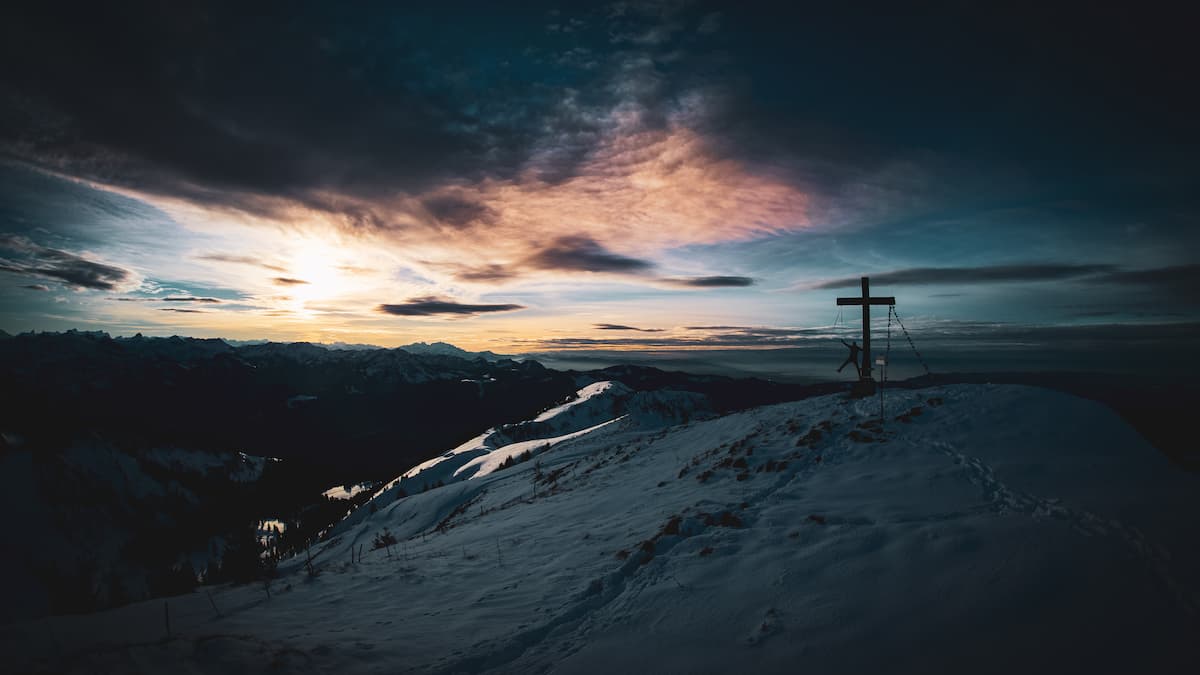
Timing is everything when it comes to capturing a great landscape photograph. The perfect moment could be during the golden hour when the light is soft and warm, or it could be capturing a dramatic weather condition such as a thunderstorm or a sunset. Being in the right place at the right time is crucial to capture the natural beauty of the landscape in its full glory.

The right equipment is essential for capturing great landscape photographs. A high-quality camera, lenses, filters, and a sturdy tripod can help capture sharp and detailed images. Good equipment also enables the photographer to experiment with different settings and techniques to create unique and creative images.
Light is the most critical element of landscape photography. The quality, direction, and intensity of light can dramatically impact the mood and atmosphere of the photograph. The perfect light can transform an ordinary landscape into a breathtaking masterpiece. Photographers often wait for hours for the right light, and some even return to the same location multiple times to capture the perfect light.
By mastering these elements, a photographer can create visually striking and emotionally powerful images that capture the natural beauty of the landscape. The strength is to be found in serenity. You can always take good pictures. And it is not always about good planning…the weather cannot be influenced and you are the one to adapt to the circumstances, even if that means that you are going to create another image than you initially wanted to or envisioned. The mix of predictable and unpredictable aspects with a certain flair and a bit of madness is what makes it so special.

Most of the time, I do check the weather forecast to determine the optimal time for exploring and photography, keeping in mind that it can change anytime and I may encounter surprises. For instance, when I want to capture a stunning image of the Milky Way, I ensure that the sky is cloudless, as this provides the ideal conditions. Similarly, when I aim to photograph a mountain sunrise, I consider the time when the sun will rise, the light direction, and the expected weather conditions in the mountainous region. Of course, post-processing also plays a vital role in achieving a flawless image. Through the magic of Photoshop, I can enhance and refine the picture to create an impactful and visually stunning photograph.
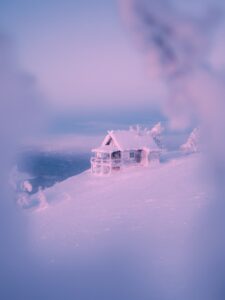
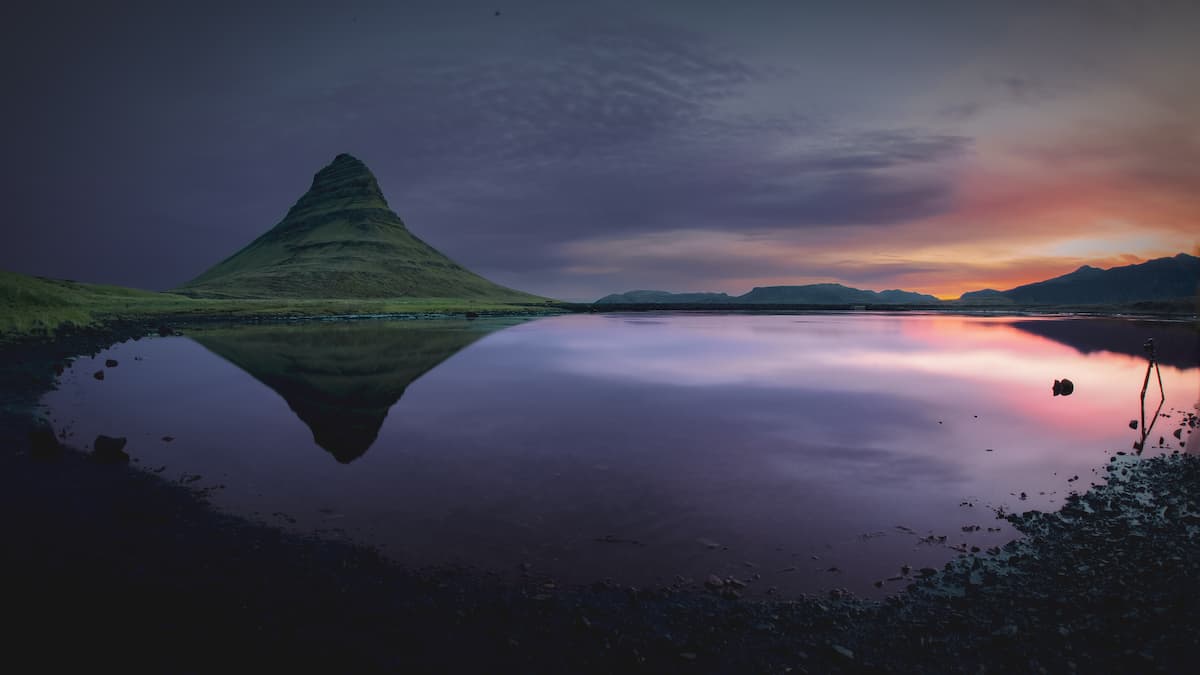
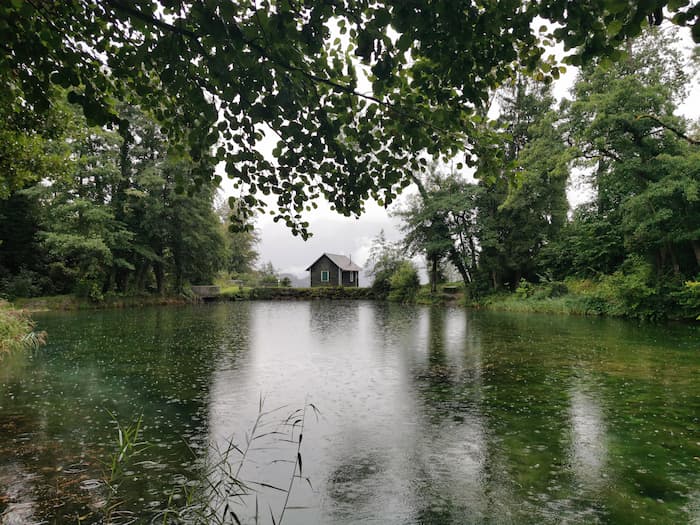
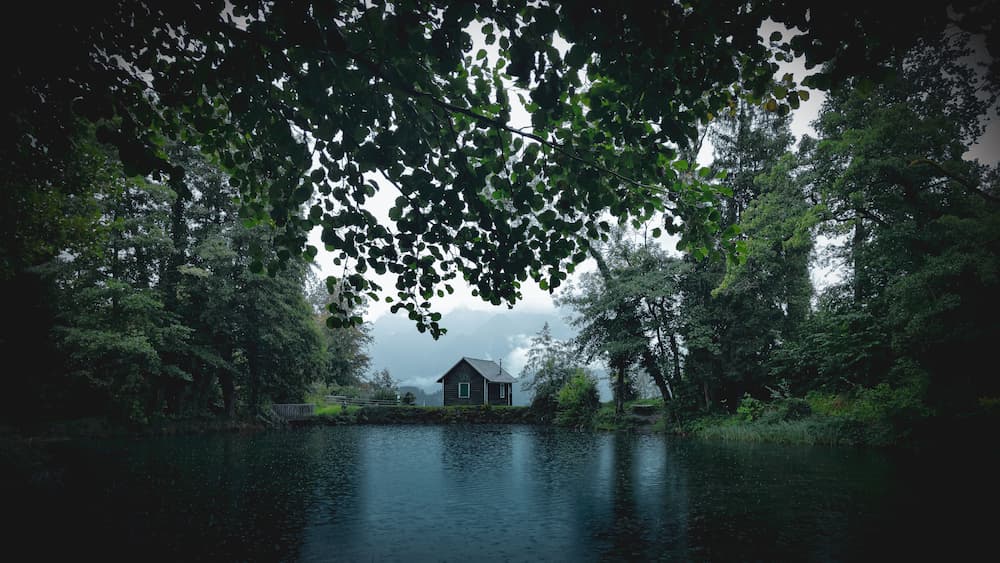
When creating my pictures, I always begin by choosing the format. I typically opt for a 16:9 landscape format. Once I have established the format, I move on to the look of the image. For the most part, my photographs feature a moody aesthetic. A great example is my photos of lonely cottages in the middle of a forest. They convey a haven with a touch of adventure and coziness (I’d love to live in one of them!) In general, my pictures are mostly without a person. That really keeps the focus on nature – and when you look at it, there is nobody else but you in your imagination.
There are still many mountains and natural wonders for me to discover. So far, the silence in the middle of the night on the Silvretta mountain range deeply touched me. It offered me a moment to be grateful for all the beautiful moments I’ve already experienced. I am very much looking forward to anything else that my outings with my camera will teach and show me.

Join us in the Azores for a unique photo tour, where you’ll elevate your creative skills with expert guidance from Ronald Soethje, Bruno Ázera, and Nomadict.

In this article, Forest shares how years of chasing scale, silence, and raw landscapes shaped his approach to photography, from the deserts of Kazakhstan to the volcanic ridges of Iceland. He talks about how he uses light, texture, and vast negative space to create images that feel both intimate and overwhelming.

Simon shares the journey behind his photography, from early inspirations to field techniques, editing, and the story of the winning shot that shaped his path.

In this article, Miro shares how his love for cinematic music evolved into a deep passion for photography and how he uses light, color, and atmosphere to turn the streets of Prague into living film scenes.

In this article, Stefanie reveals how her background in physics sparked her passion for astrophotography and how she blends science with creativity to capture the beauty of the night sky. Readers will discover her approach to color, contrast, and editing, as well as her aurora photography workflow.

Spanish photographer Yhabril captures the profound connection between humans and the mountains that shaped him. Growing up in the Pyrenees, his work bridges outdoor sports, landscapes, and celestial scenes — often blending athletes, moonlight, and wilderness into striking visual stories.

In this article, Ariane shares how photography helped her navigate personal challenges, connect authentically with people and animals, and develop a philosophy rooted in empathy and artistic freedom. Readers will also discover her ethical approach to wildlife photography and her trusted equipment for both camouflage techniques and cameras.

Discover how to photograph Dutch tulip fields in their most magical light. From choosing the right gear and lenses to mastering composition, color, and aerial perspectives, this guide shares creative techniques to capture the beauty of the Netherlands’ tulips. Learn how light, color grading, and proportion bring emotion into every frame.