Photo tour in Azores, Portugal
Join us in the Azores for a unique photo tour, where you’ll elevate your creative skills with expert guidance from Ronald Soethje, Bruno Ázera, and Nomadict.
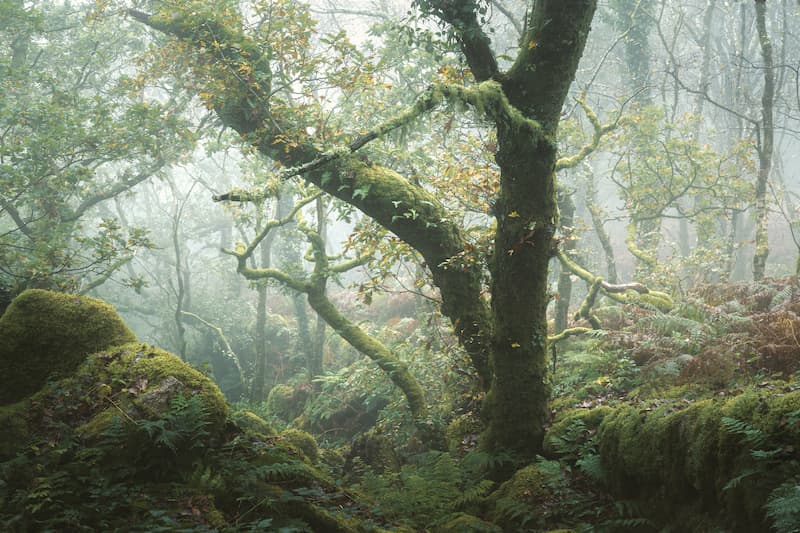
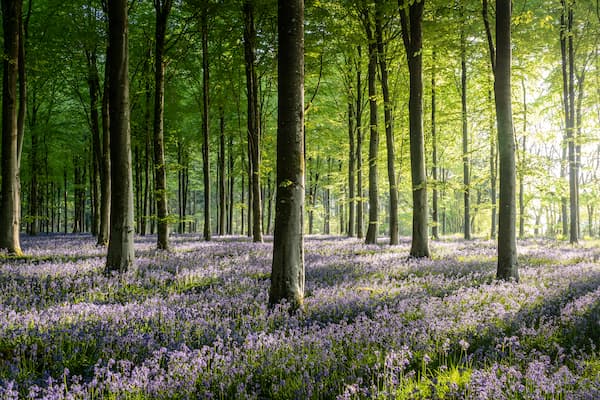
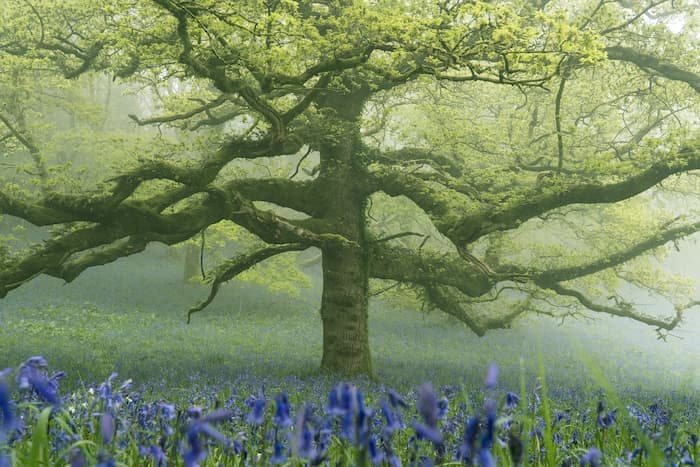
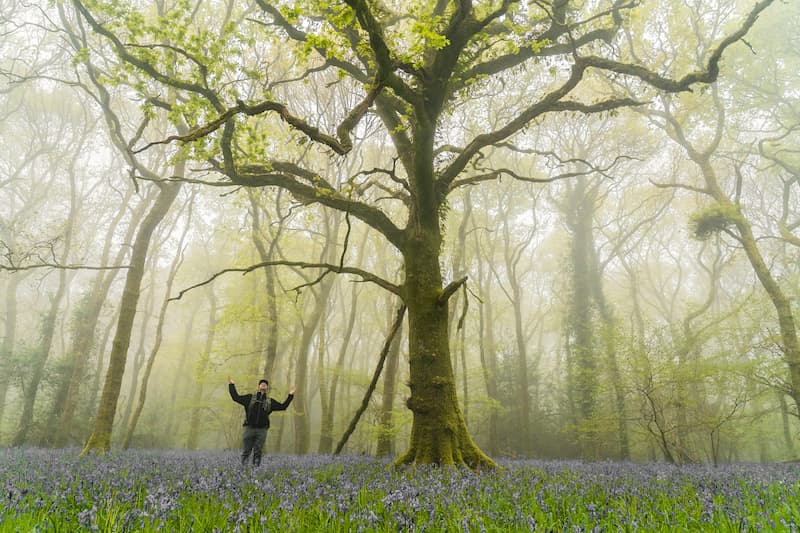
Drawn to the moody atmosphere of coastal and woodland landscapes, Lee found his voice through slow, intentional exploration of light, color, and composition. In this article, he shares how nature, patience, and personal connection have shaped his unique photographic style.
I was working in marketing when a friend of a friend sold me a camera, and it just clicked. I never seriously set out to become a photographer, but this felt like the missing piece I didn’t know I needed.
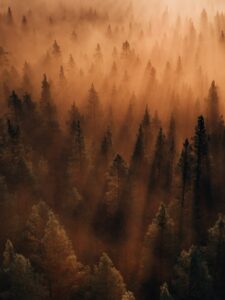
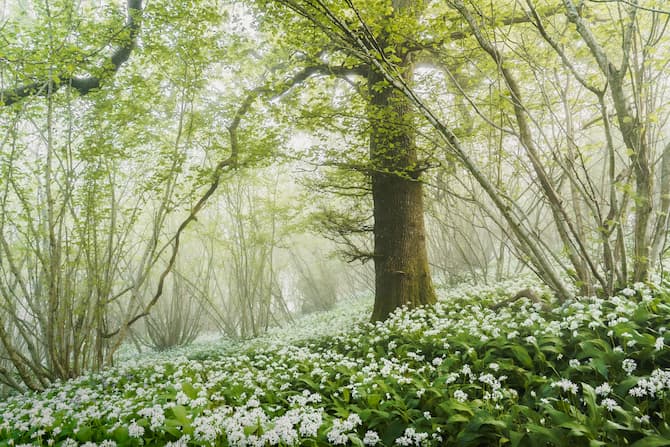
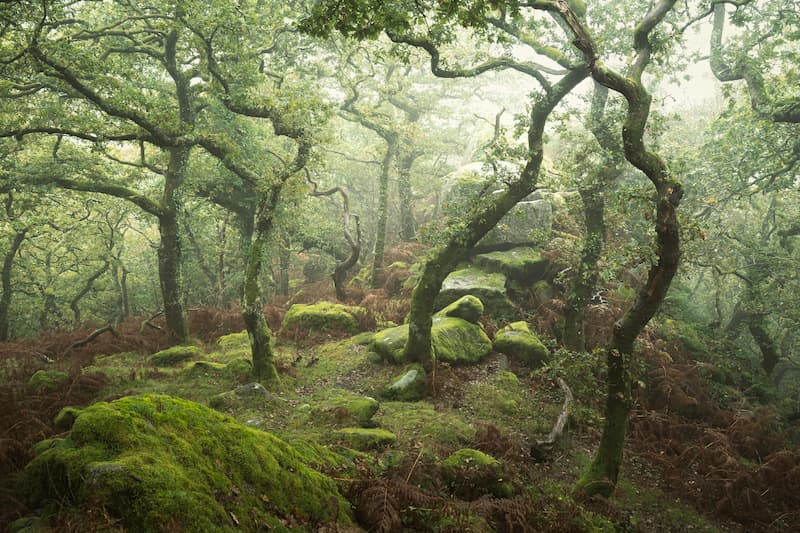
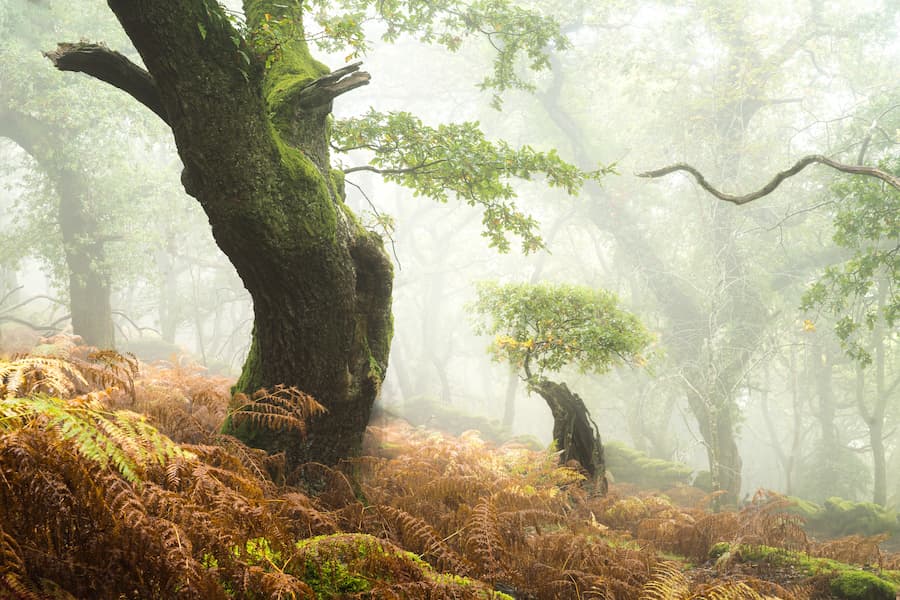
At first, I was just snapping photos of my cat—nothing serious. But when I started exploring coastal and woodland areas, something shifted. The forest had so much more variety and depth – it pushed me to grow and experiment with composition. Plus, I’ve always been a massive Lord of the Rings fan, so wandering through misty woods felt like stepping into Middle-earth in a way. It all just fell into place from there.


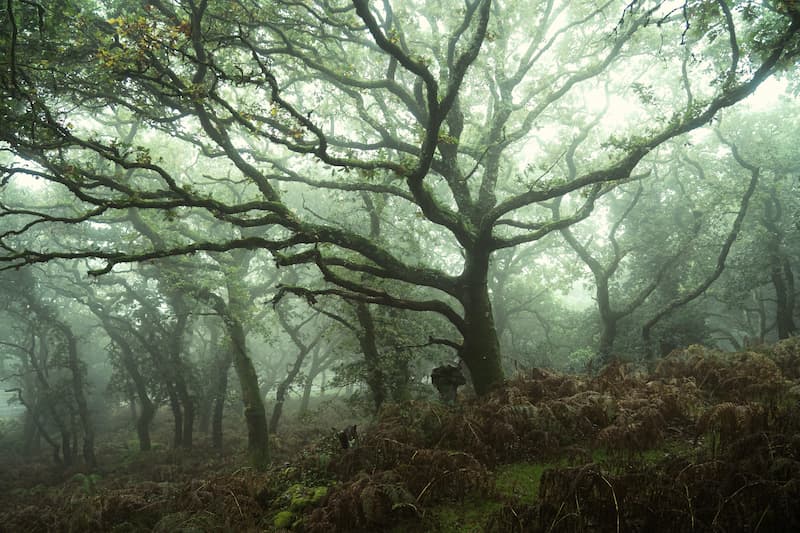
Before I go out on a shoot, I normally do just the necessary preparation. Rigid planning doesn’t work for me – it’s more like semi-organized wandering! I usually check the forecast for fog, and sometimes I have a rough idea in my head, but more often than not, I just let the light guide me. Have you ever stumbled upon something way better than what you planned? It happens all the time in the New Forest, it’s a goldmine!


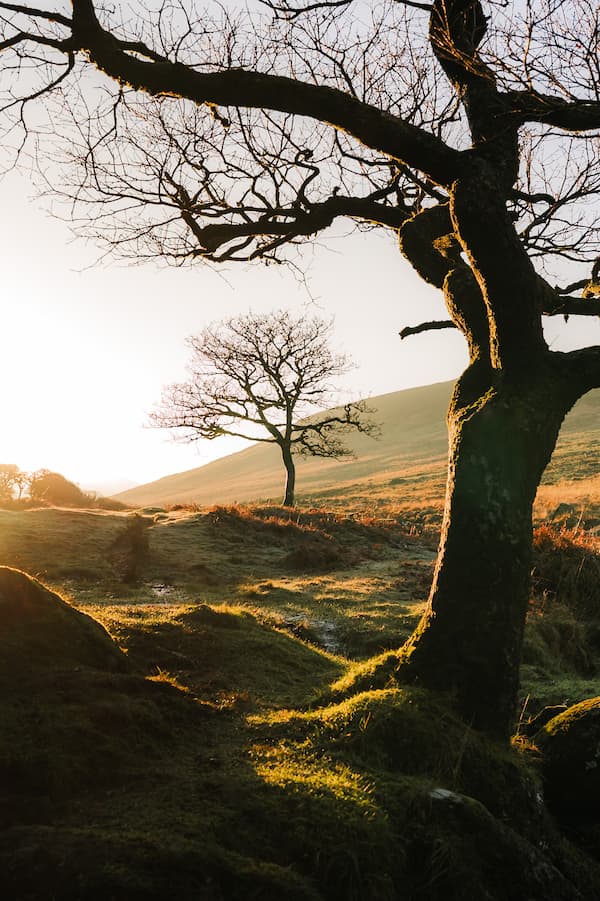
Some of my best shots have come from unpredictable weather. Fog? Pure magic. Harsh sunlight? I’ll use shadows and embrace the contrast. Rain? It adds this lush, moody vibe I can’t get enough of. I try not to fight the conditions, just lean into them. After years of shooting, I’ve learned that no two mornings are the same, even in the same spot. Light changes everything. And patience… I used to rush around like a headless chicken and still miss a lot. Now I know better – I let the forest set the pace, and just observe. And honestly, it’s taught me a bit about myself, too, like how slowing down can reveal things you didn’t even know you were looking for.
Similarly, shooting handheld taught me what I like in compositions, as it allows you to make micro adjustments and amplifies the possibilities. I can change the feel of the image very fast by being reactive and experimenting more flexibly. I want someone to look at the photo and feel something, and I consider this both when composing the image as well as when editing it. Color grading is one of my favorite parts of the process. It’s where the mood takes shape.
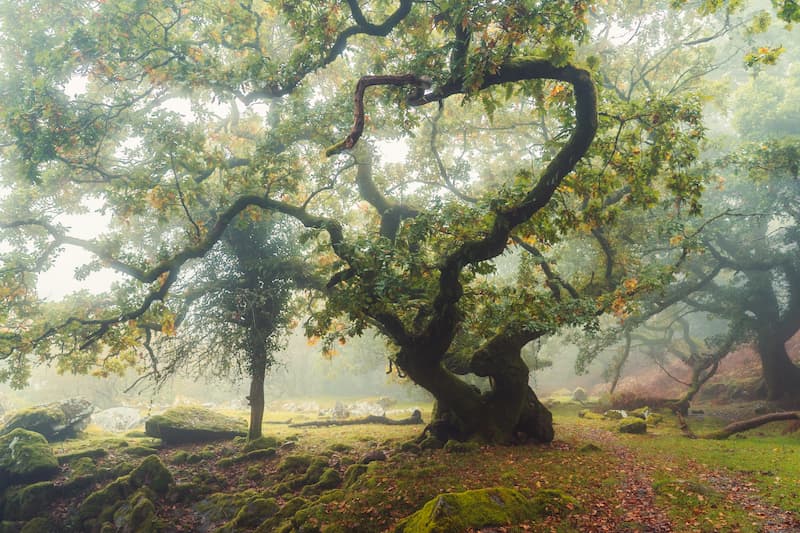
To maintain color harmony in all my images, I have a go-to color palette – those soft greens, muted browns, and misty blues – but I adapt it depending on what the light’s doing. If it’s a golden morning, I let those tones breathe. If it’s foggy, I might mute everything down to keep the mood. I always check in at the end to see if I feel anything. If not, I’ll dial it back and start again.


In a world overflowing with jaw-dropping images, it’s easy to think, ‘Why bother?’ But your perspective is entirely your own, your eyes see differently than anyone else’s. So, if there is one thing I would say to other creators looking to develop a unique style but are overwhelmed by what is already out there, I would say start by shooting what you feel drawn to, not what you think people want to see. Don’t worry about being different, just be consistent. Your style will find you. And honestly? The forest is one of the best places to get lost and discover your voice.


Join us in the Azores for a unique photo tour, where you’ll elevate your creative skills with expert guidance from Ronald Soethje, Bruno Ázera, and Nomadict.

In this article, Forest shares how years of chasing scale, silence, and raw landscapes shaped his approach to photography, from the deserts of Kazakhstan to the volcanic ridges of Iceland. He talks about how he uses light, texture, and vast negative space to create images that feel both intimate and overwhelming.

Simon shares the journey behind his photography, from early inspirations to field techniques, editing, and the story of the winning shot that shaped his path.

In this article, Miro shares how his love for cinematic music evolved into a deep passion for photography and how he uses light, color, and atmosphere to turn the streets of Prague into living film scenes.

In this article, Stefanie reveals how her background in physics sparked her passion for astrophotography and how she blends science with creativity to capture the beauty of the night sky. Readers will discover her approach to color, contrast, and editing, as well as her aurora photography workflow.

Spanish photographer Yhabril captures the profound connection between humans and the mountains that shaped him. Growing up in the Pyrenees, his work bridges outdoor sports, landscapes, and celestial scenes — often blending athletes, moonlight, and wilderness into striking visual stories.

In this article, Ariane shares how photography helped her navigate personal challenges, connect authentically with people and animals, and develop a philosophy rooted in empathy and artistic freedom. Readers will also discover her ethical approach to wildlife photography and her trusted equipment for both camouflage techniques and cameras.

Discover how to photograph Dutch tulip fields in their most magical light. From choosing the right gear and lenses to mastering composition, color, and aerial perspectives, this guide shares creative techniques to capture the beauty of the Netherlands’ tulips. Learn how light, color grading, and proportion bring emotion into every frame.