Photo tour in Azores, Portugal
Join us in the Azores for a unique photo tour, where you’ll elevate your creative skills with expert guidance from Ronald Soethje, Bruno Ázera, and Nomadict.
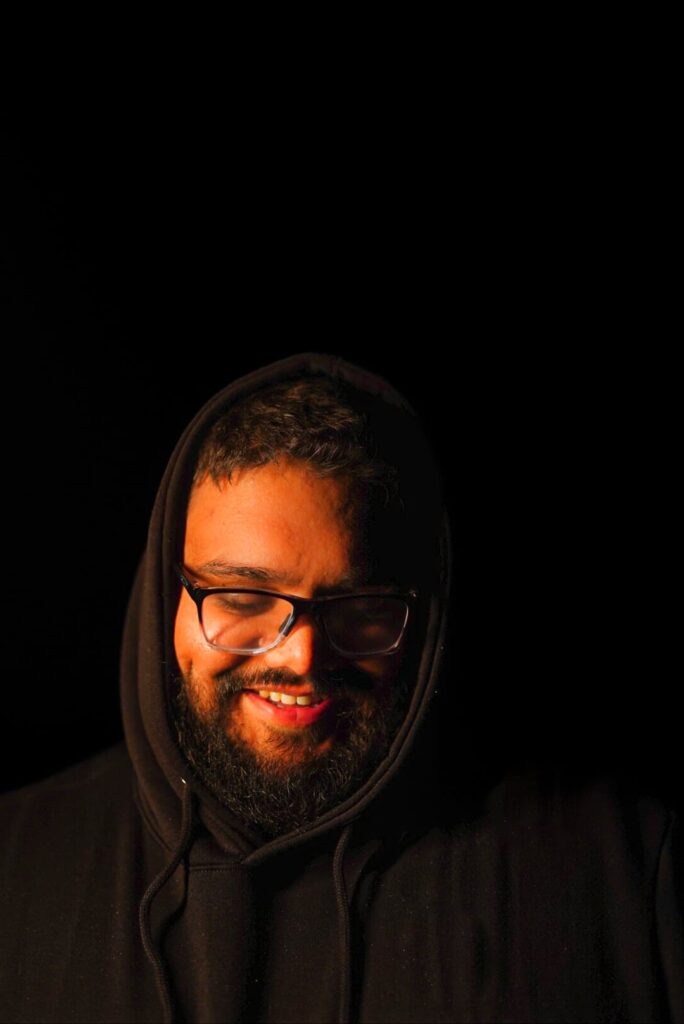
JP Ramirez embarked on a transformative journey when he moved from a metropolitan area to the scenic landscapes of California five years ago. In a relatively short span of almost five years in photography, JP has accumulated valuable lessons, crafted vibrant and moody images, and fostered a sense of community among photographers. Join us as we delve into JP Ramirez’s insights, unique photography approach, and aspirations for the future.
My passion for photography and travel comes from moving cross country from a very metropolitan area with little nature or scenery to California, where there is plenty of nature. When I moved here five years ago, I took every opportunity I had to see something new and different, and with each visit, my passion for documenting these trips became stronger and stronger.
I’ve only been in the photography world for almost five years now, so not long, but I have learned a lot that has helped me over the years.
Lesson 1: Do not compare yourself to others. It is a lesson everyone usually knows, but it’s the hardest to overcome. Everyone has their style and their touch to everything they create, and while someone else might be having success, it doesn’t mean you won’t with what you’re doing. Keep doing what you’re doing, and give yourself time to grow and learn your craft.
Lesson 2: Be welcoming and nice to everyone. When I first started in photography, I needed to figure out what to do. I wanted to take good photos, so I followed photographers who inspired me and seemed open and welcoming. Unfortunately, on many occasions, that isn’t the case. So, as the years have passed, I have made it a must to respond to every DM I get from other photographers who either have questions about settings or a specific shot or simply want to talk about their passion for photos. A simple response goes a long way for newer photographers still looking for their path.
Lesson 3. Take your time when shooting, and never rush your work. When you run, you make mistakes. Often, photographers are put in situations where we are racing against a sunrise, a sunset, or even the moon rising. We want to ensure we get the shot, so we rush to get our camera out and start shooting, but when you get home, you notice your settings are all wrong. Take your time, go through your settings, and while shooting, just enjoy the moment.
Lesson 4. Shoot as much as you can and have fun. I get asked a lot about what a photographer can do to help them better their craft, and the simple yet true answer is to shoot more. Practice makes perfect. Anytime you have to go and shoot, do it. It doesn’t have to be a specific niche or location. Just shoot whatever you see and further hone your skills. On top of that, make sure you’re enjoying yourself and that you still get joy out of taking photos and editing because without that joy, you will lose interest, and photography won’t be fun anymore.
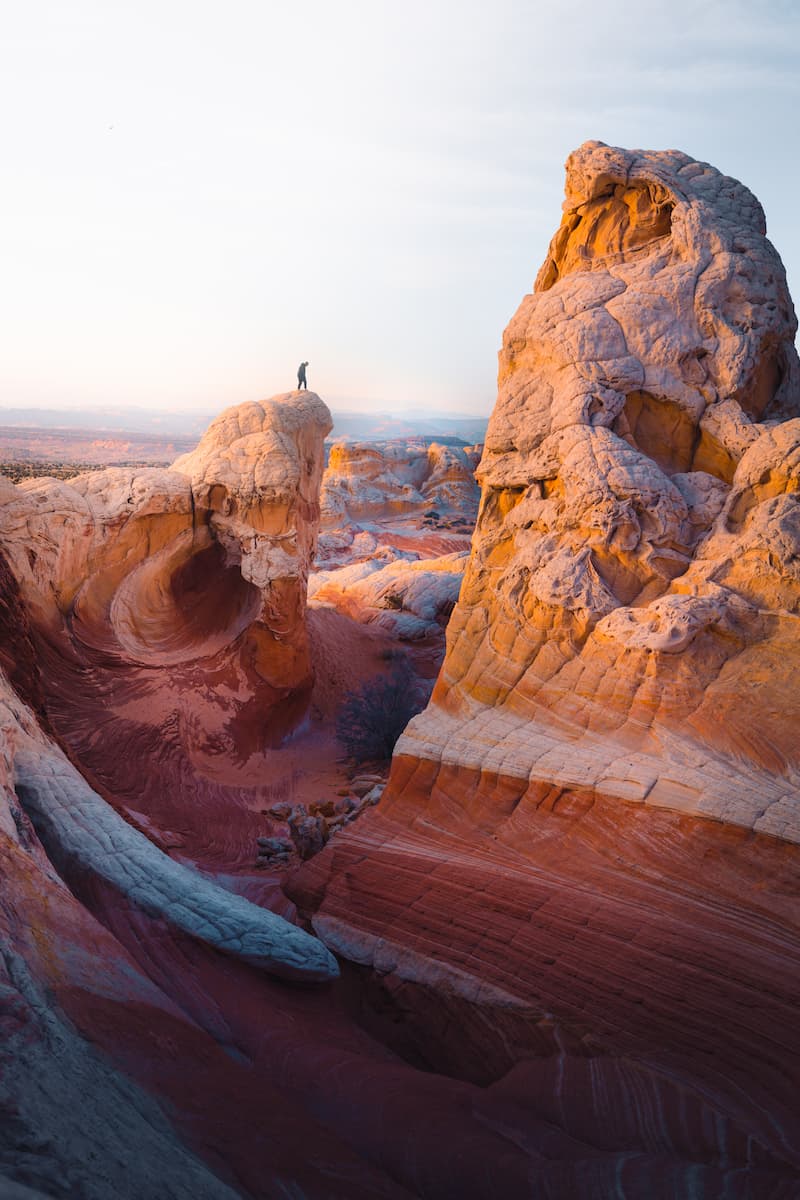
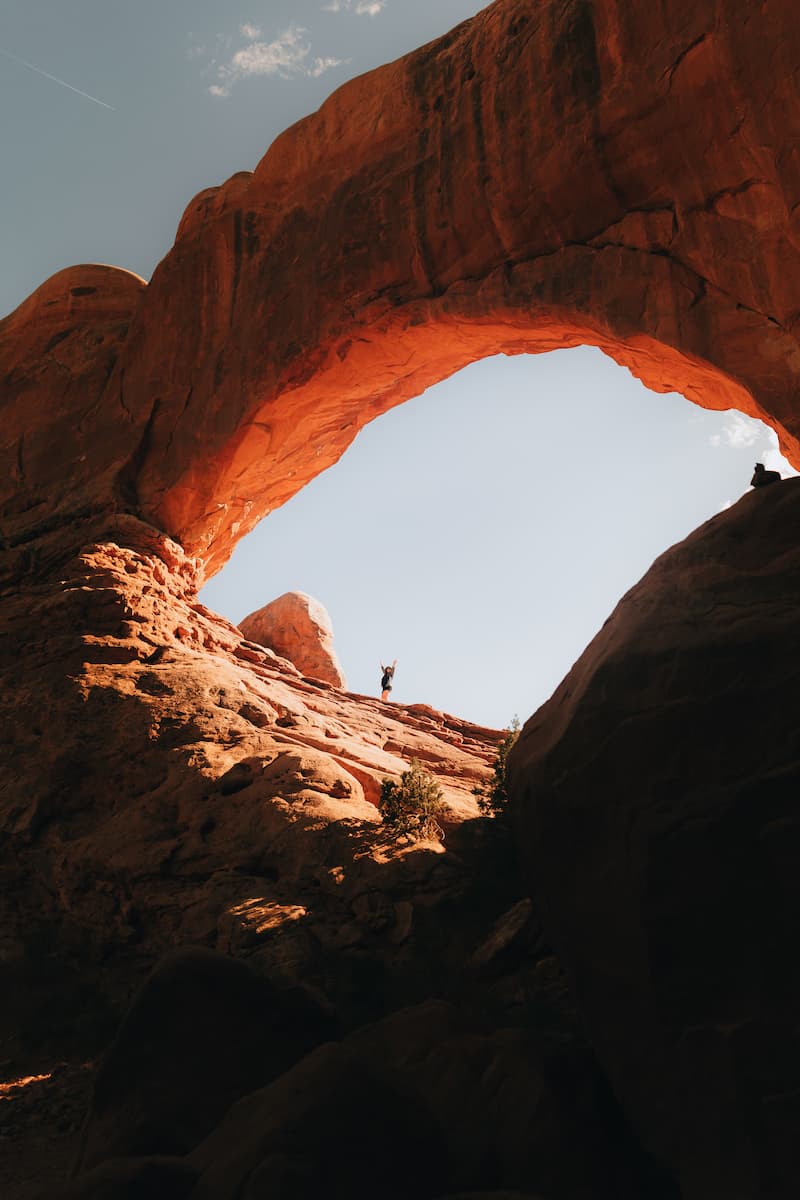
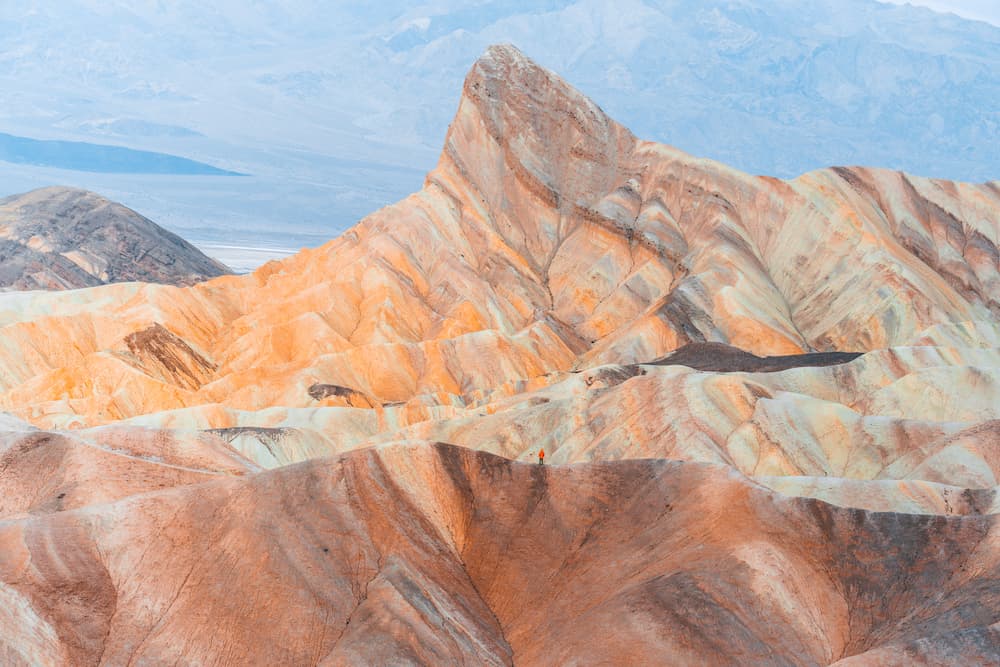
The colors in my images are something I always envision. I love seeing what colors my camera can capture that the naked eye can’t see and then messing around with them in post-editing.
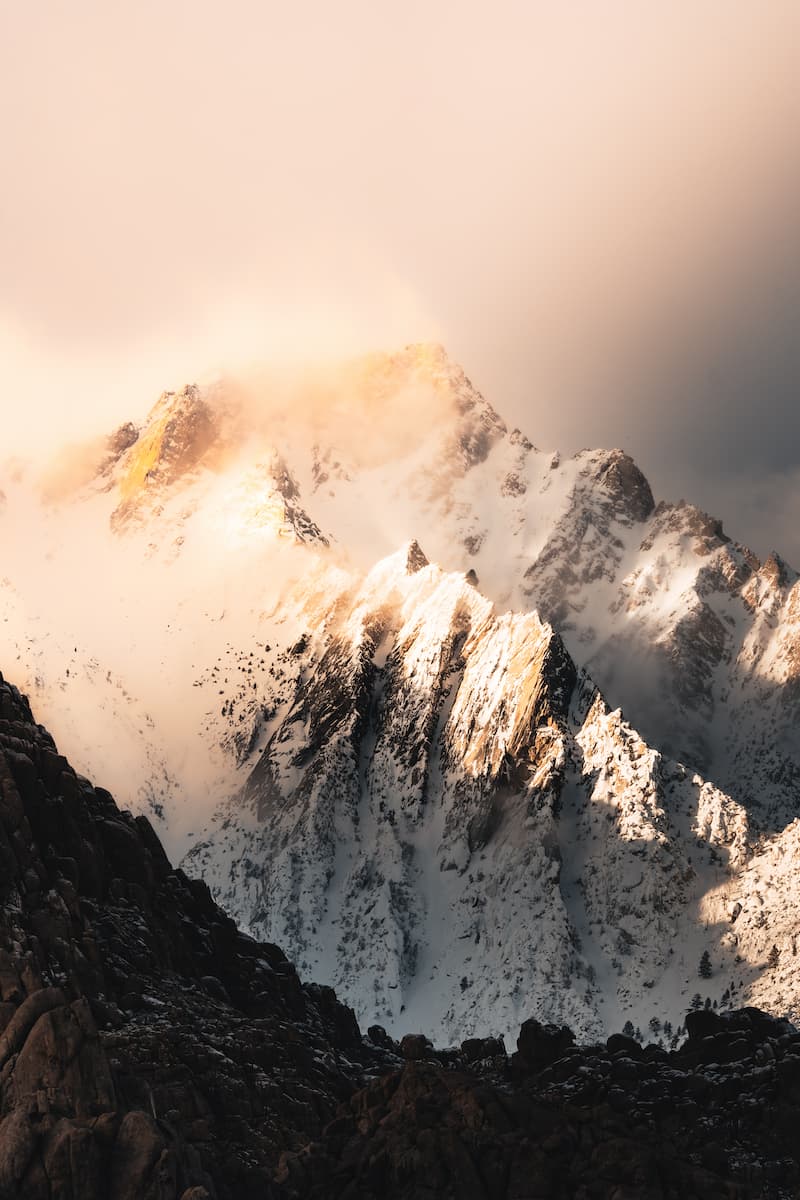
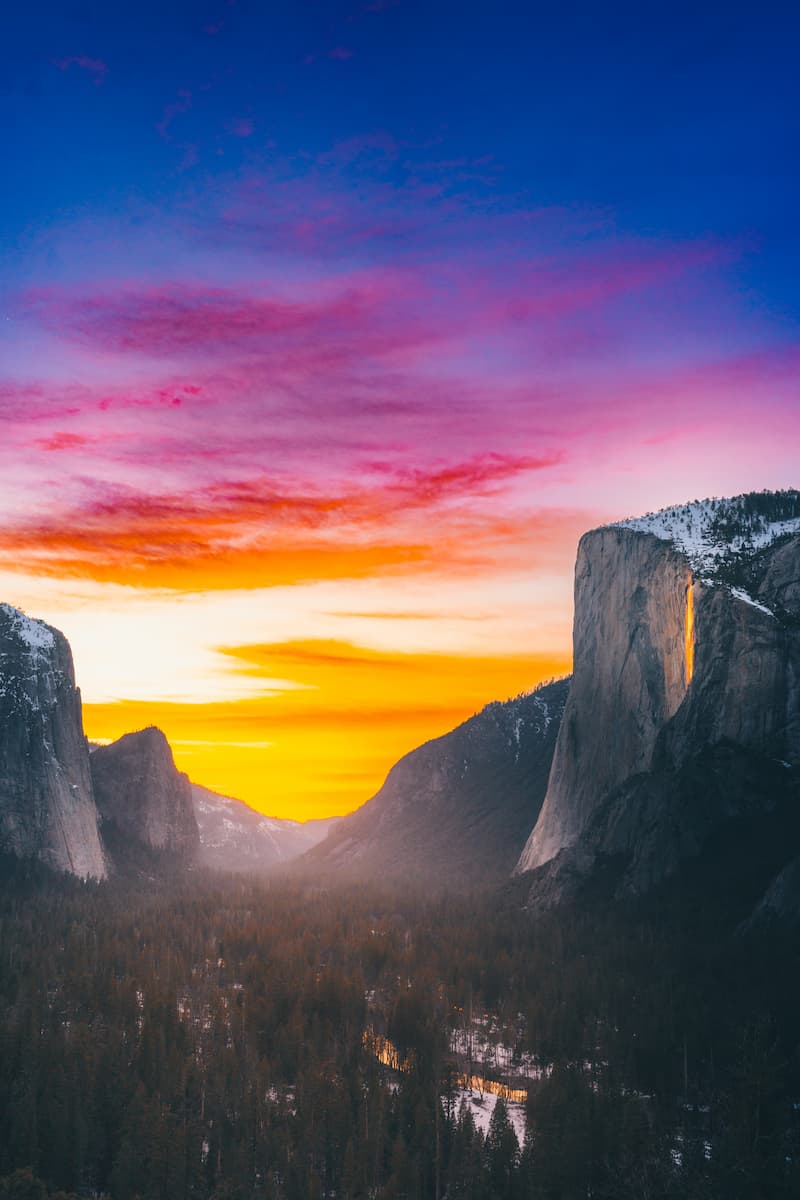
When shooting for dramatic shots, natural light is key. You always want to shoot away from the light, especially when the light works in your favor, such as sunset and sunrise. As far as settings go, I tend to underexpose a lot of my shots just so I can have room to work with them in post-processing, and last but not least, LUCK, you need to be at the right place at the right time for the perfect sunset sky or the perfect sunset glow.
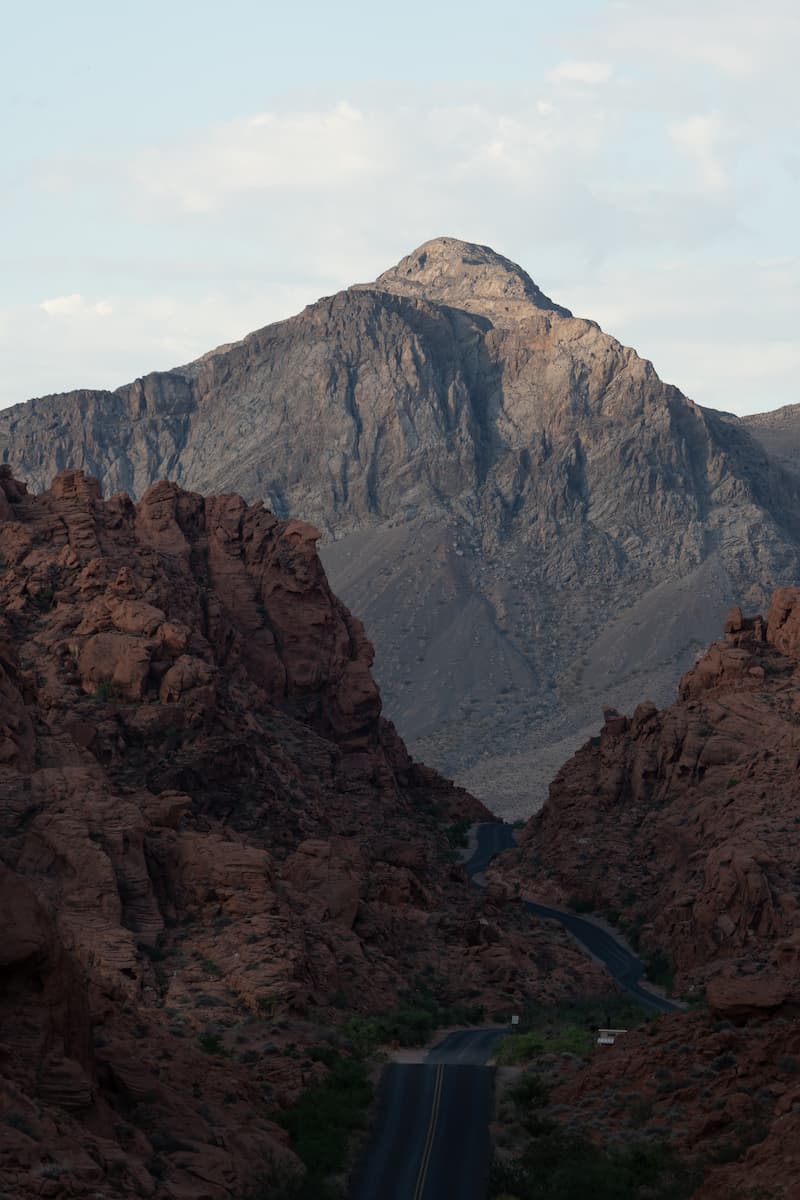
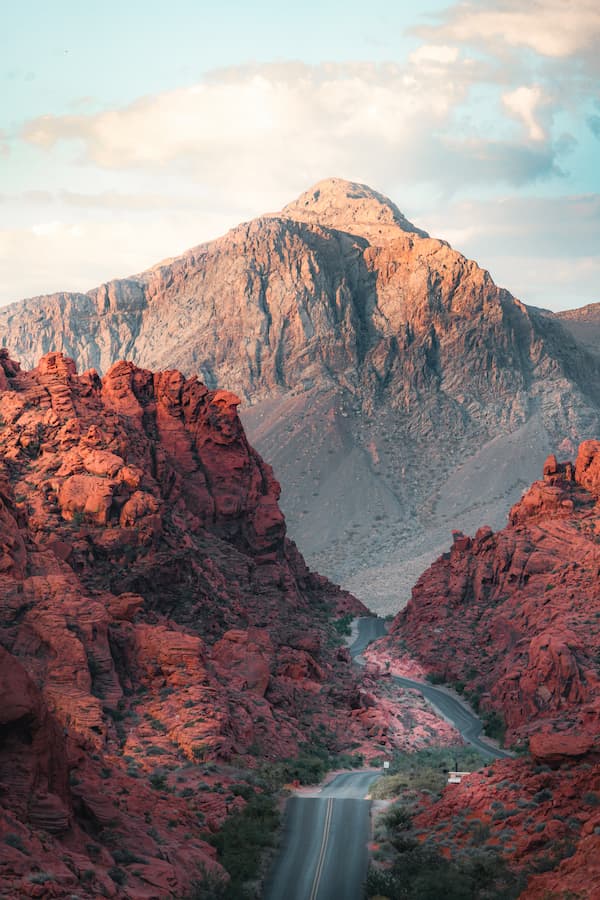
The following photo was taken during sunrise in the Valley Of Fire State Park in Nevada. My approach to editing this was as follows:
Since the image was under-exposed, I brought up the shadows and a few whites to reveal more of the road.
I used Radial Gradients on the road and some surrounding rocks to bring out more of the light hitting them and adjusted the color to bring out more reds.
I used the Luminance tool to add the right amount of light everywhere, showing a brightness level. (Mountain, sky, and some of the rocks)
I then used the “select sky” tool in Lightroom and used dehaze to bring some clouds out since it overexposed the sky after using the luminosity tool.
To top it all off, I used a linear gradient at the bottom right corner up to a 3rd of the photo, bringing a little more exposure and contrast.
Photographing each season has ups and downs, but more ups than downs. Seeing different areas with different weather multiple times yearly makes for such an amazing experience. One month, you are at a spot surrounded by wildflowers, and then a couple of months later, that spot is covered in 4 feet of snow, which is the reward when chasing seasons. Now, the downside is probably packing the right clothing each time.
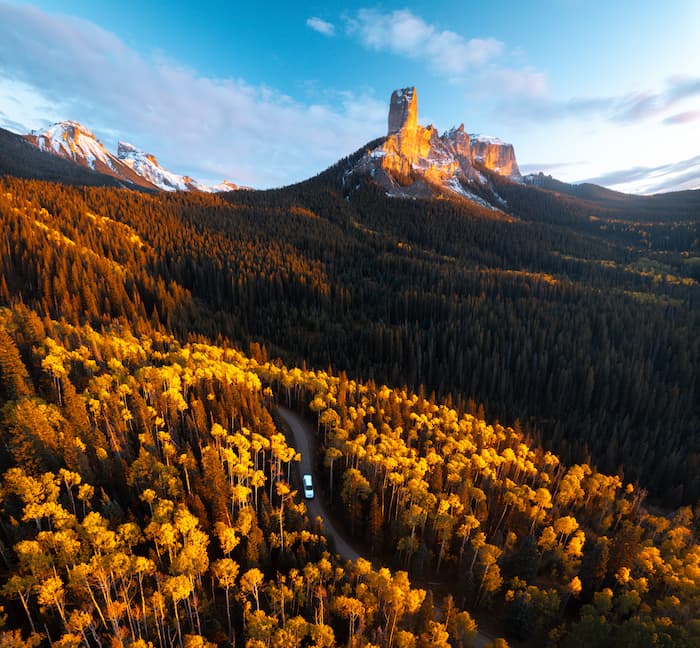
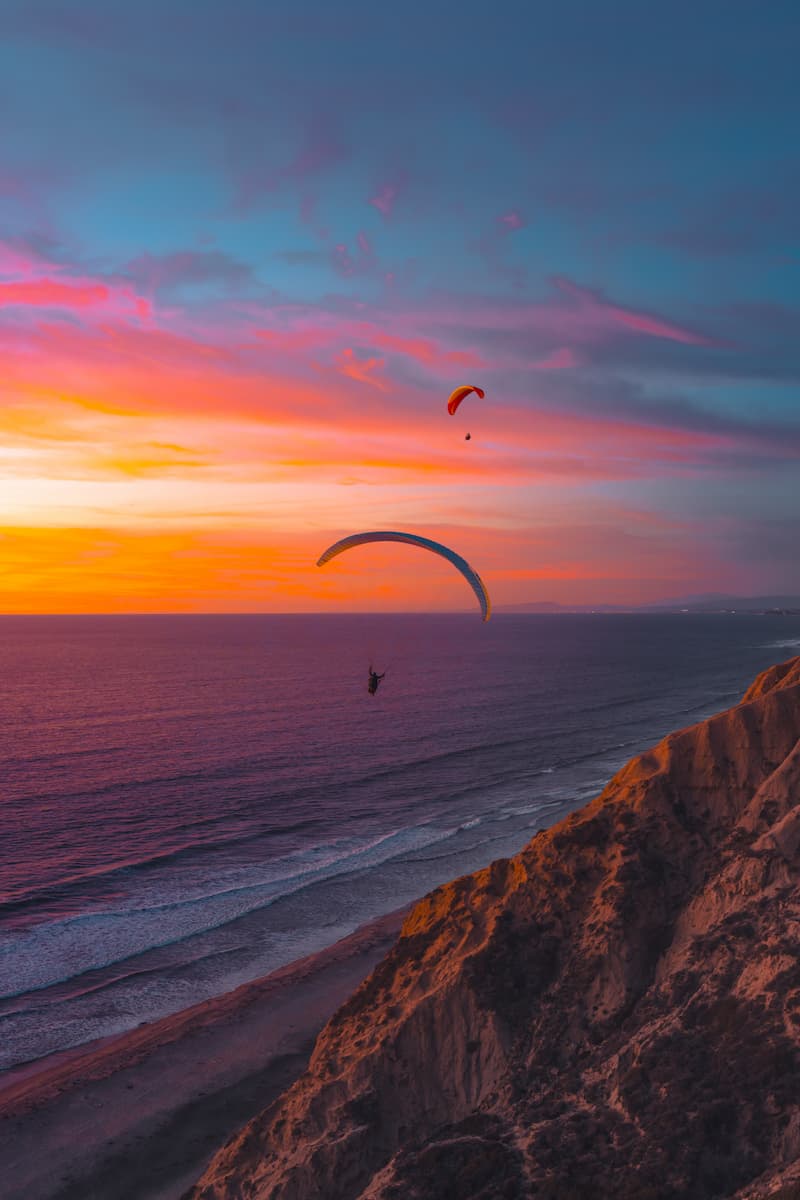
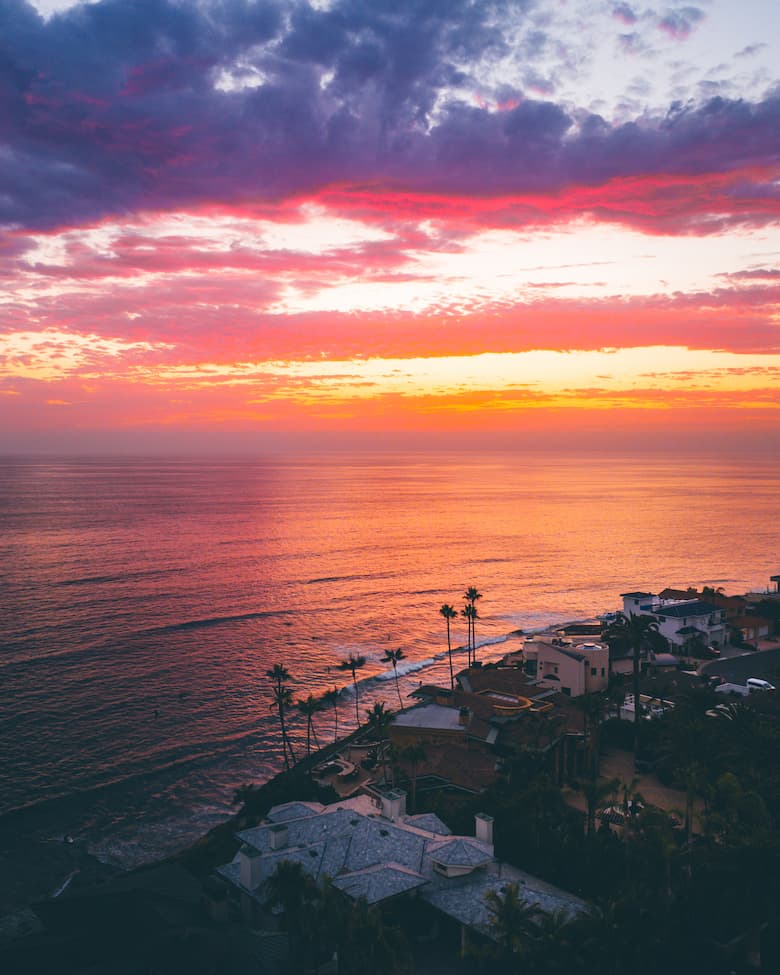
During the summer, I’m usually at the beach in San Diego, where I can time sunsets and sunrises perfectly and see clouds and storms coming in and out. During the fall and winter seasons, I head into the mountains for fall colors and snow, and that’s when things get tricky because each location has a different time when the sun sets and the surrounding mountains play a part since they cover the sun up. It takes a lot of planning and a lot of different apps to make sure that everything is going to be somewhat decent, but even with planning, you can never be too sure, and with those moments, I take it as they come and let my creative juices flow and come up with something.
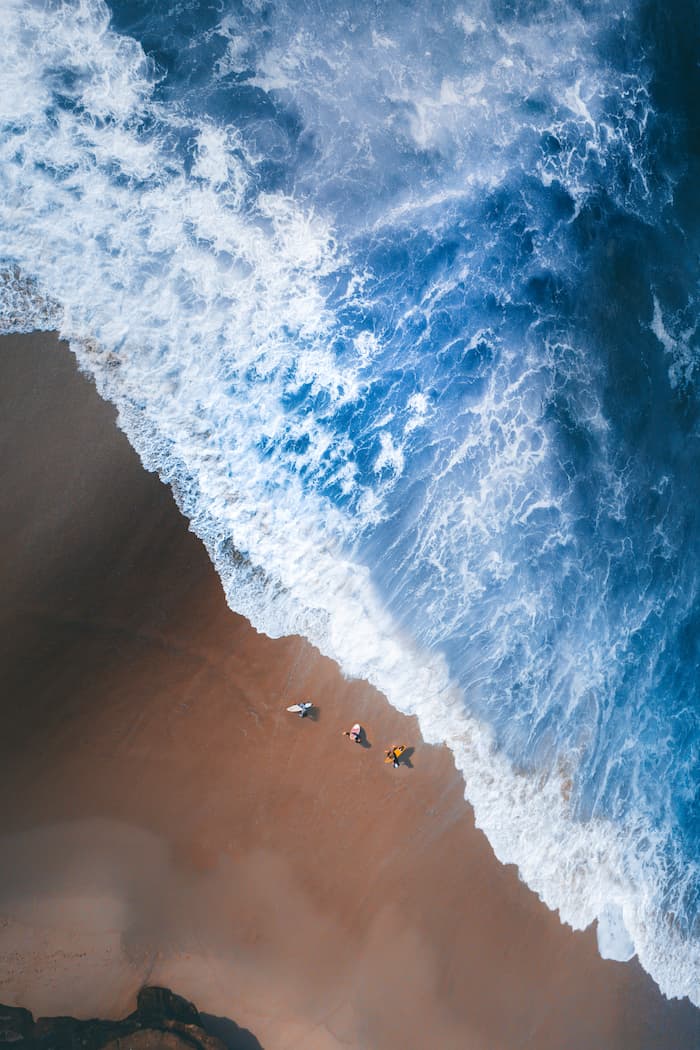
Moods and seasons inspire my style; during the summertime, much of my work is vibrant and extremely colorful, while in fall and winter, it becomes extremely moody. I continue to change my style, welcome new things, and let each photo I edit go toward whatever creative thought I have.
When I first picked up a camera in 2018, I used it just to point and shoot without editing, most likely using Lightroom’s built-in presets. The one thing I did that helped me fully understand photography and its setting was tackling, in my opinion, the hardest style of photography, Astrophotography; once I learned the basics of Astro, going back to do other kinds made it easier to comprehend settings and lighting.
Three years ago, I took a small group of friends out to the desert to shoot Astrophotography, and I had a great time doing it to the point where the following year, I decided to have a meet-up for photographers of all levels to come out and shoot and learn about Astro.
The response to that meet-up was amazing. I had over 30 people show up, some driving 2 hours away to join me. I did it again but split it between 2 different dates, one being a full weekend camping trip. So, as a personal project, I’m very proud of how these meet-ups have turned out and look forward to doing them next year, meeting more photographers, making more friends, and seeing everyone from past events.
This photo of the Bristlecone Pine tree is one of my all-time favorites. Besides this being a bucket list location, it is a photo that took me two years to get. I went up to this location in 2022 and waited all night until the Milky Way lined up, but the 30+MPH winds and the 20-degree weather almost made it unbearable to handle, and I couldn’t get a steady shot. This year, I went again and successfully captured the photo I wanted.
I want to take this passion project and make it a full-time career working with brands and TV networks. I have hesitated to make this a full-time gig due to my love for it and not wanting to get the stress of “work” coming into play, but that is something I can overcome. Over the next few years, I plan to put myself out there more, pitch myself to companies, and do gigs here and there to feel more comfortable and make it full-time.

Join us in the Azores for a unique photo tour, where you’ll elevate your creative skills with expert guidance from Ronald Soethje, Bruno Ázera, and Nomadict.

In this article, Forest shares how years of chasing scale, silence, and raw landscapes shaped his approach to photography, from the deserts of Kazakhstan to the volcanic ridges of Iceland. He talks about how he uses light, texture, and vast negative space to create images that feel both intimate and overwhelming.

Simon shares the journey behind his photography, from early inspirations to field techniques, editing, and the story of the winning shot that shaped his path.

In this article, Miro shares how his love for cinematic music evolved into a deep passion for photography and how he uses light, color, and atmosphere to turn the streets of Prague into living film scenes.

In this article, Stefanie reveals how her background in physics sparked her passion for astrophotography and how she blends science with creativity to capture the beauty of the night sky. Readers will discover her approach to color, contrast, and editing, as well as her aurora photography workflow.

Spanish photographer Yhabril captures the profound connection between humans and the mountains that shaped him. Growing up in the Pyrenees, his work bridges outdoor sports, landscapes, and celestial scenes — often blending athletes, moonlight, and wilderness into striking visual stories.

In this article, Ariane shares how photography helped her navigate personal challenges, connect authentically with people and animals, and develop a philosophy rooted in empathy and artistic freedom. Readers will also discover her ethical approach to wildlife photography and her trusted equipment for both camouflage techniques and cameras.

Discover how to photograph Dutch tulip fields in their most magical light. From choosing the right gear and lenses to mastering composition, color, and aerial perspectives, this guide shares creative techniques to capture the beauty of the Netherlands’ tulips. Learn how light, color grading, and proportion bring emotion into every frame.