Photo tour in Azores, Portugal
Join us in the Azores for a unique photo tour, where you’ll elevate your creative skills with expert guidance from Ronald Soethje, Bruno Ázera, and Nomadict.
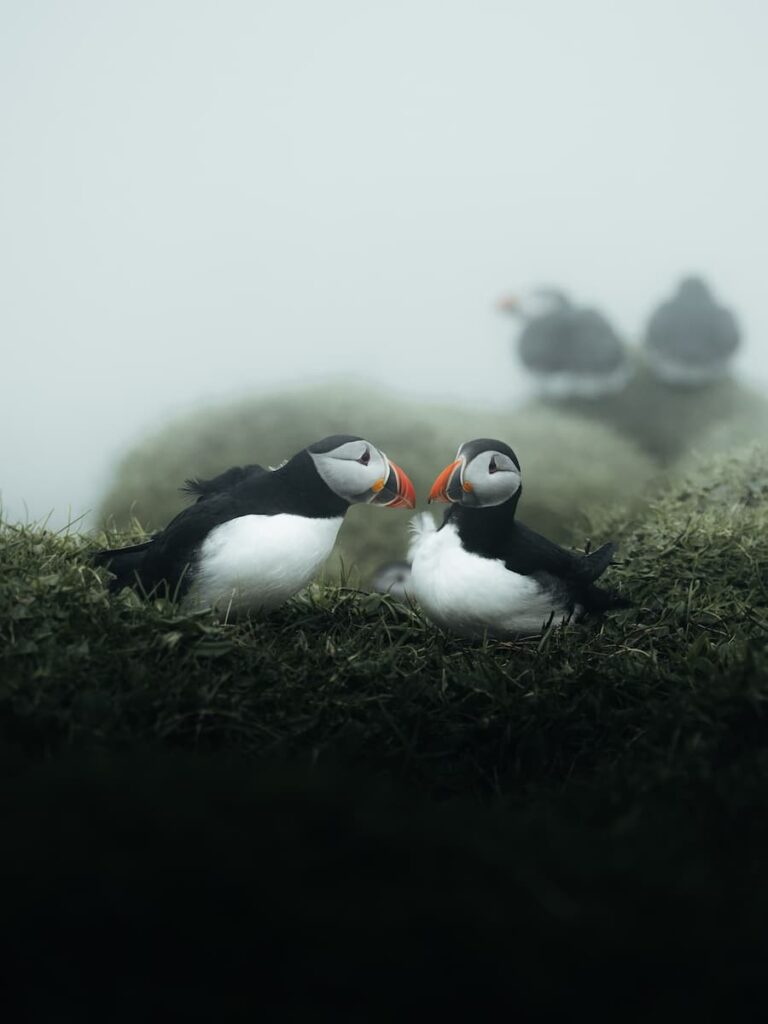
Inês is a nature photographer drawn to wild, remote places where weather, wildlife, and mood shape her storytelling. In this article, she shares the behind-the-scenes journey of capturing the Best of the Week image: a puffin trio on the Faroe Islands. She explains how she approached the edit of this image, and shares key lessons she’s learned through experience.
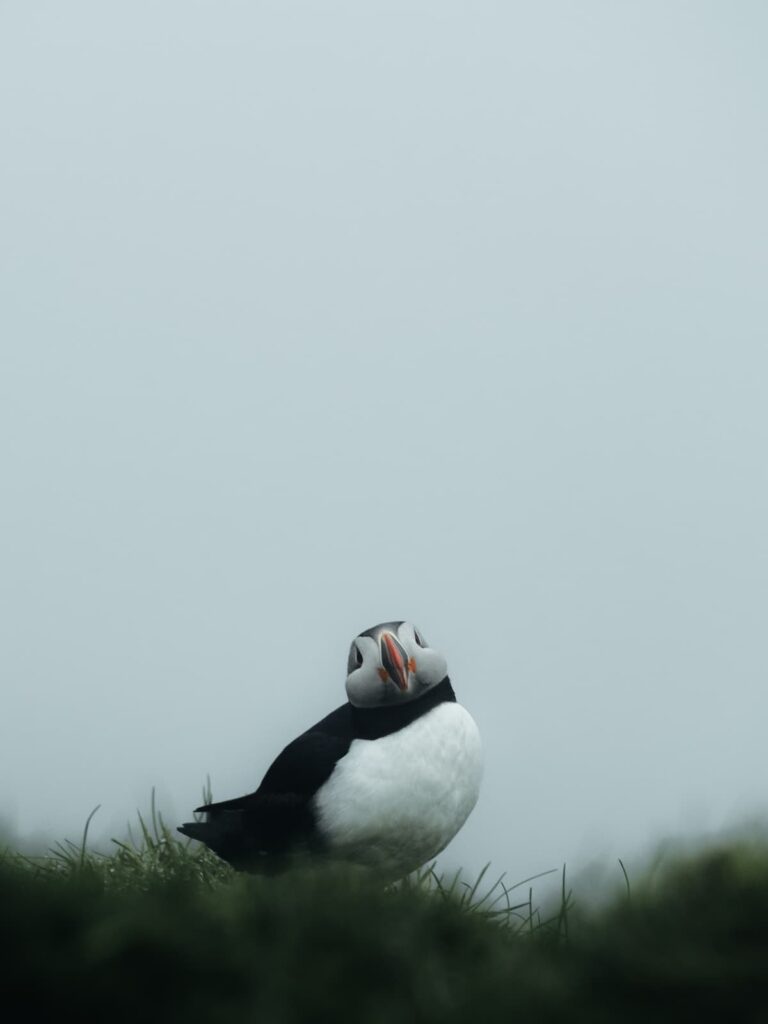
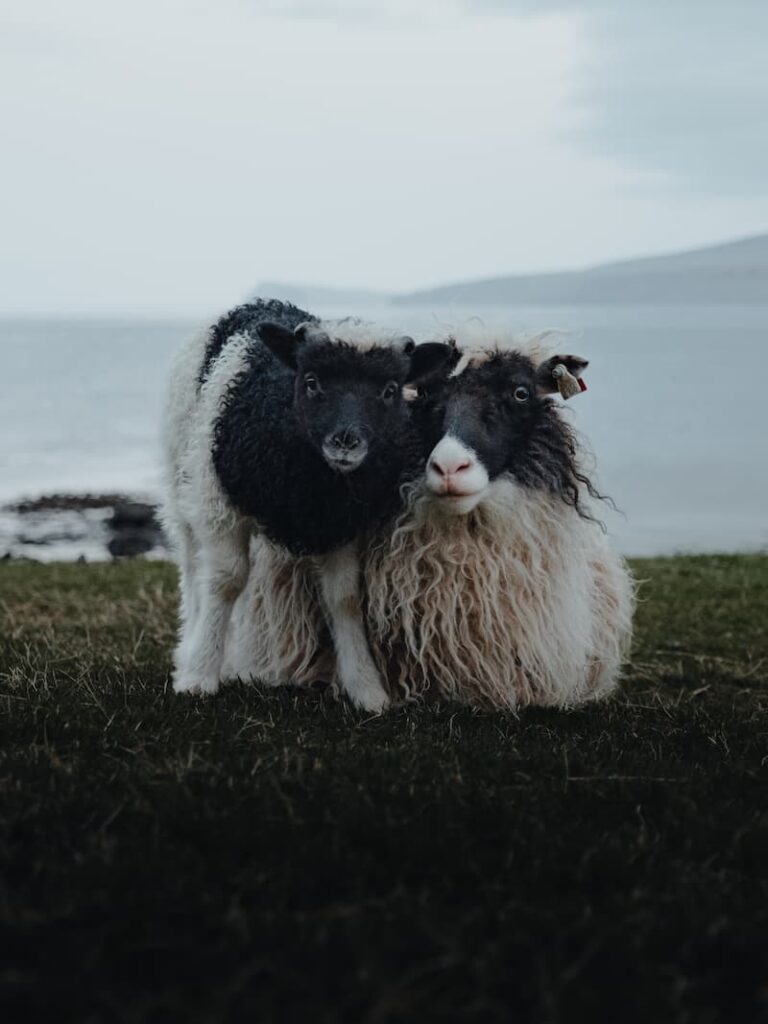
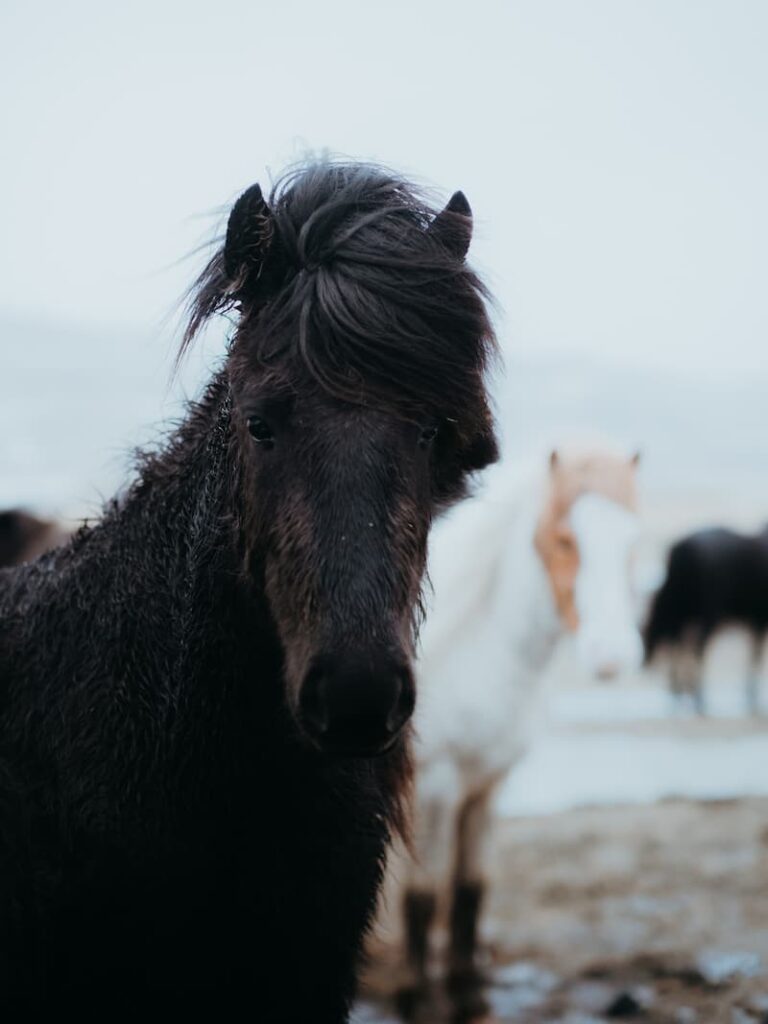
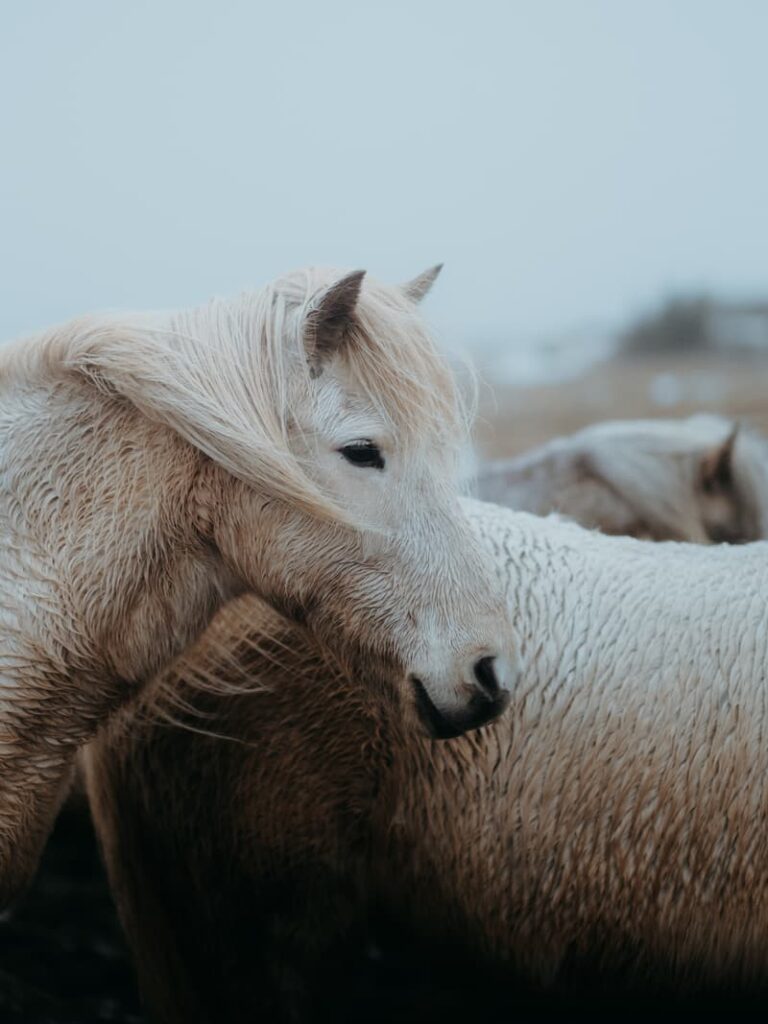
Icelandic horses roaming the open fields, Faroese sheep on rugged slopes, Azorean cows with lush green hilly backdrops… local fauna breathe life into wild places. For me, animals aren’t just subjects; they’re storytellers. They add depth, context, and a sense of dimension to the landscapes I capture. I am often content with capturing the rawness of places in their isolation, but these wonderful beings catch my attention, and they enrich the storytelling. Being on the Faroe Islands during springtime this year, it felt imperative to try and capture the puffins on camera as well.


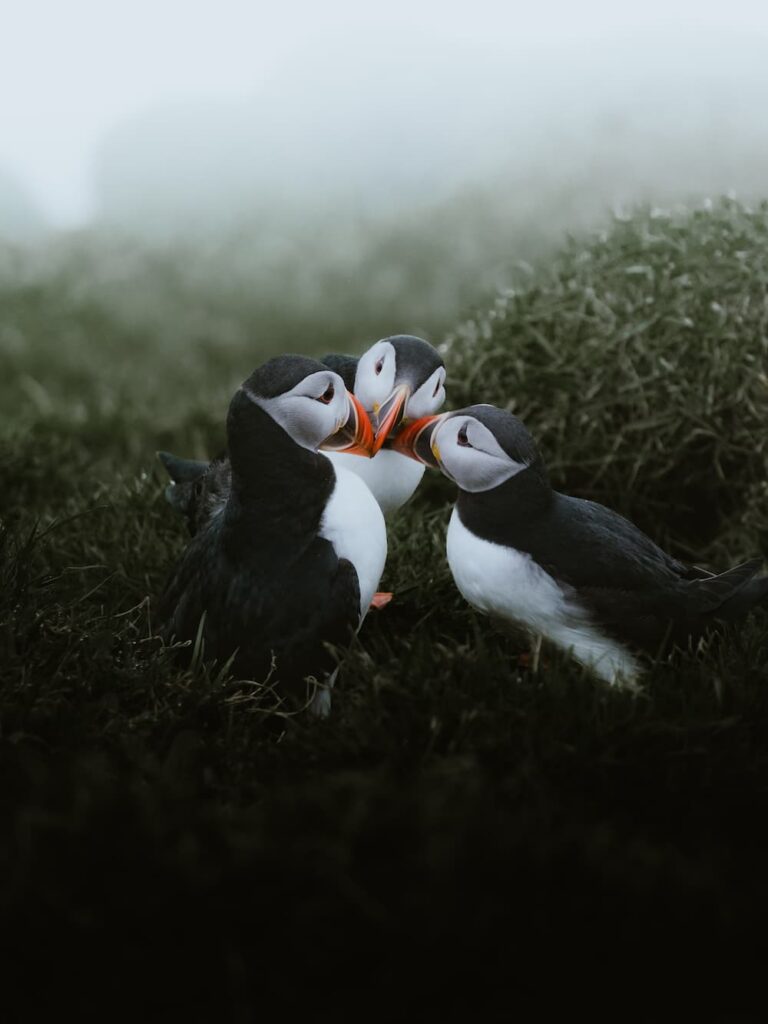
This photo, which won the Best of the Week, was taken on the island of Mykines. I had planned to visit the island during my trip to the Faroes, and at the first attempt, the trip was cancelled due to bad weather once we had almost reached the Sørvagur ferry port.
Ironically, it was a bright sunny day, but the sea was too rough for the ferry to dock safely. We rescheduled, and on the second attempt, thick fog shrouded the island. Perfect puffin weather!
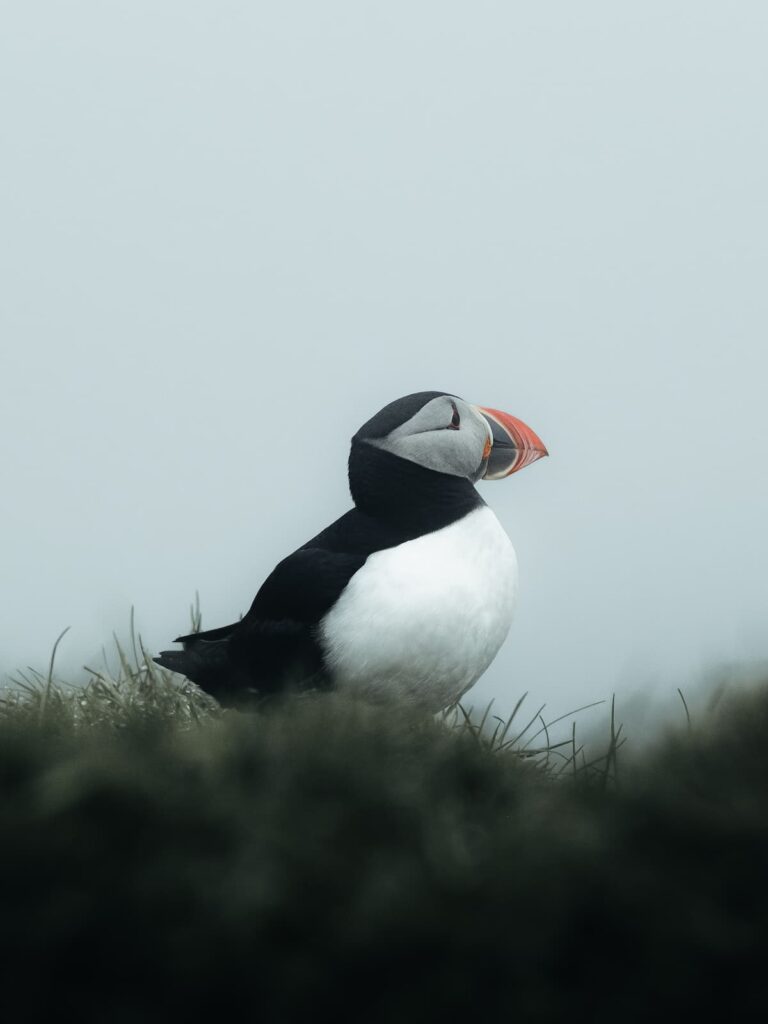
There were hundreds of them…the most they’d seen yet that year, according to the guide. So what first seemed a setback turned into my lucky chance to watch the puffins up close and photograph them. I saw many beautiful shots, but this little, cute trio caught my eye, and I spent some time focusing on getting them on camera.

I like to keep my shots as minimalistic as possible, which isn’t always easy outdoors. In this composition, the cliff-top location gave me a clean ocean backdrop, and the fog added smooth, diffused light, which was perfect for isolating the puffins.
I shot this with a telephoto lens at 200mm, which let me get closer without disturbing them and added natural compression. Getting the camera as close as possible to the ground was also key in my composition, letting the grass blur into the foreground and adding depth to an otherwise flat scene.


During my editing process, I try to give an image an authentic look while keeping a cohesive feel across my work:
1) In this image, because of the heavy fog, I used positive dehaze first to bring back some clarity.
2) Then I tweaked the S-curve to adjust light and contrast, and pulled the shadows and highlights down.
3) I muted the greens so they wouldn’t clash with the cooler tones in the highlights, and also made sure to preserve the bright orange on the puffin’s beaks.
4) Finally, I used linear masks to darken the foreground and restore some haze behind the puffins. This step helped isolate and guide the eye towards them. This last step was key.
The raw file was very flat due to the heavy fog, and the masks helped bring back contrast and focus without completely changing the mood.


I shoot and edit because it brings me joy. I do photography entirely for the love of it, and all trips nearby or far away fuel my passion. However, my trip to Iceland three years ago still stands out as one of the most important for me, both for the experience itself but also for the raw material I shot.
I like to revisit photos from past trips and re-edit them in a new way, or find an image that I had previously overlooked that suddenly seems great. This helps me evolve, sharpen my skills, and stay curious.


Over the years, nature photography has taught me a lot. Here are a few key lessons I often remind myself of:
1) Carry the gear, even if heavy: If you own multiple lenses or a drone, always bring them with you. Yes, it will weigh on your back, but it’s better than the weight of regret of not having that telephoto lens with you at the right time.
2) Embrace the mood: Fog, overcast skies or low clouds make a scene far more interesting than a clear day ever could, and shifting your angle by a few steps, or crouching lower, can turn an average frame into something really special.
3) Be mentally prepared for conditions to not match your vision: Maybe it’s too sunny for that moody shot you dreamed of, or too windy to fly the drone… that’s reality. Keep an open mind, try different compositions, and make the best of what you get. And don’t underestimate the power of post-processing wizardry.
4) Bring snacks: You’ll need energy to carry all that gear and roam around for hours.


Undoubtedly, I will learn many more lessons, and I am looking forward to all of them! Honestly, with the way social media and AI are changing, I can’t and don’t want to predict exactly where this passion will take me. I just know I want to keep doing what I love: learning, exploring, and telling stories about wild places for as long as I can. I am grateful for the freedom and opportunity to travel often and shoot whatever catches my eye, whether it’s for myself or something bigger.


Join us in the Azores for a unique photo tour, where you’ll elevate your creative skills with expert guidance from Ronald Soethje, Bruno Ázera, and Nomadict.

In this article, Forest shares how years of chasing scale, silence, and raw landscapes shaped his approach to photography, from the deserts of Kazakhstan to the volcanic ridges of Iceland. He talks about how he uses light, texture, and vast negative space to create images that feel both intimate and overwhelming.

Simon shares the journey behind his photography, from early inspirations to field techniques, editing, and the story of the winning shot that shaped his path.

In this article, Miro shares how his love for cinematic music evolved into a deep passion for photography and how he uses light, color, and atmosphere to turn the streets of Prague into living film scenes.

In this article, Stefanie reveals how her background in physics sparked her passion for astrophotography and how she blends science with creativity to capture the beauty of the night sky. Readers will discover her approach to color, contrast, and editing, as well as her aurora photography workflow.

Spanish photographer Yhabril captures the profound connection between humans and the mountains that shaped him. Growing up in the Pyrenees, his work bridges outdoor sports, landscapes, and celestial scenes — often blending athletes, moonlight, and wilderness into striking visual stories.

In this article, Ariane shares how photography helped her navigate personal challenges, connect authentically with people and animals, and develop a philosophy rooted in empathy and artistic freedom. Readers will also discover her ethical approach to wildlife photography and her trusted equipment for both camouflage techniques and cameras.

Discover how to photograph Dutch tulip fields in their most magical light. From choosing the right gear and lenses to mastering composition, color, and aerial perspectives, this guide shares creative techniques to capture the beauty of the Netherlands’ tulips. Learn how light, color grading, and proportion bring emotion into every frame.