Photo tour in Azores, Portugal
Join us in the Azores for a unique photo tour, where you’ll elevate your creative skills with expert guidance from Ronald Soethje, Bruno Ázera, and Nomadict.
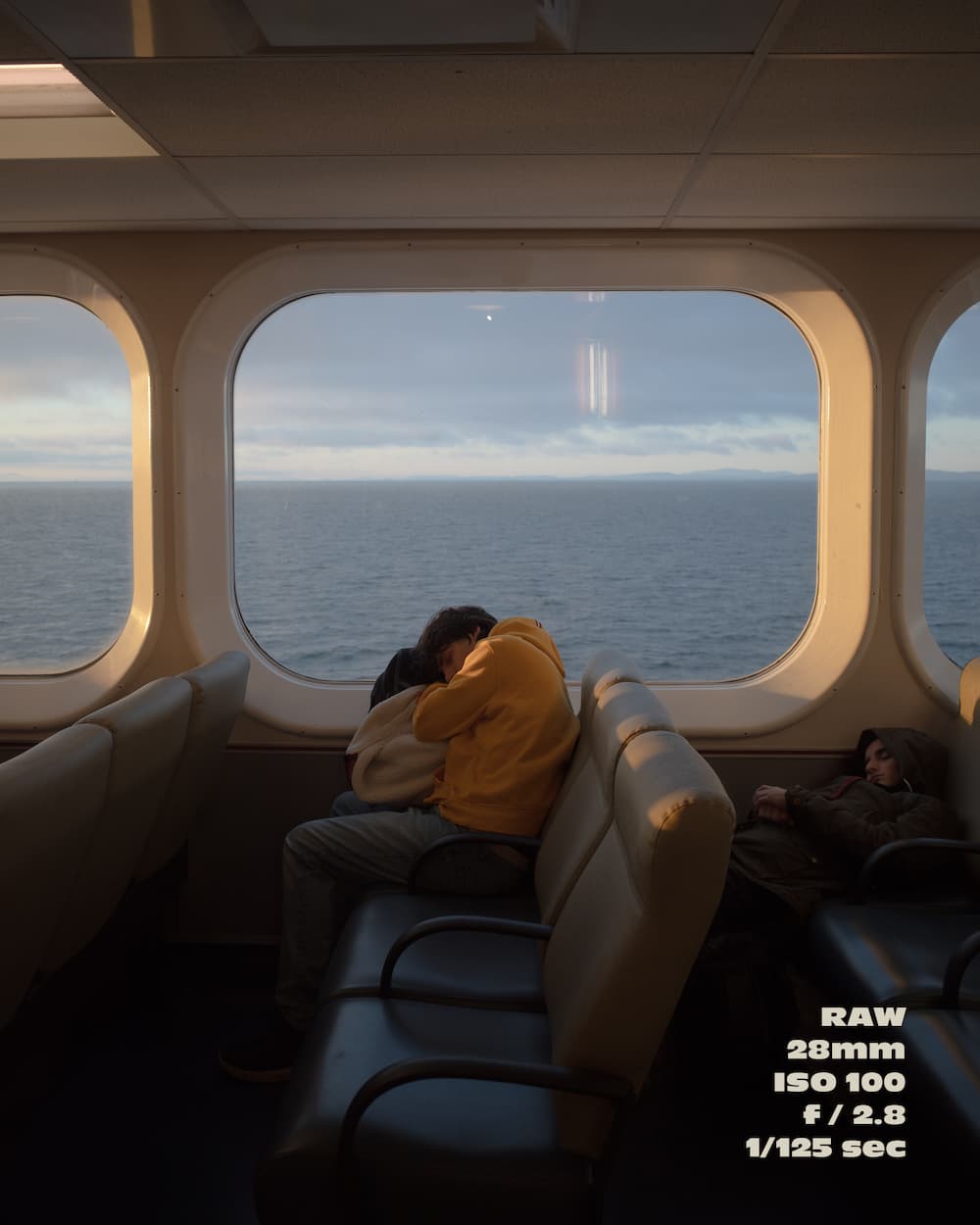
The image on the right side of this article is one of Harry’s most celebrated photos on social media, with over 100,000 likes. To help you understand the success of this photo, Harry has provided a step-by-step guide to the image and its color grading, including presets for you to easily follow and try!
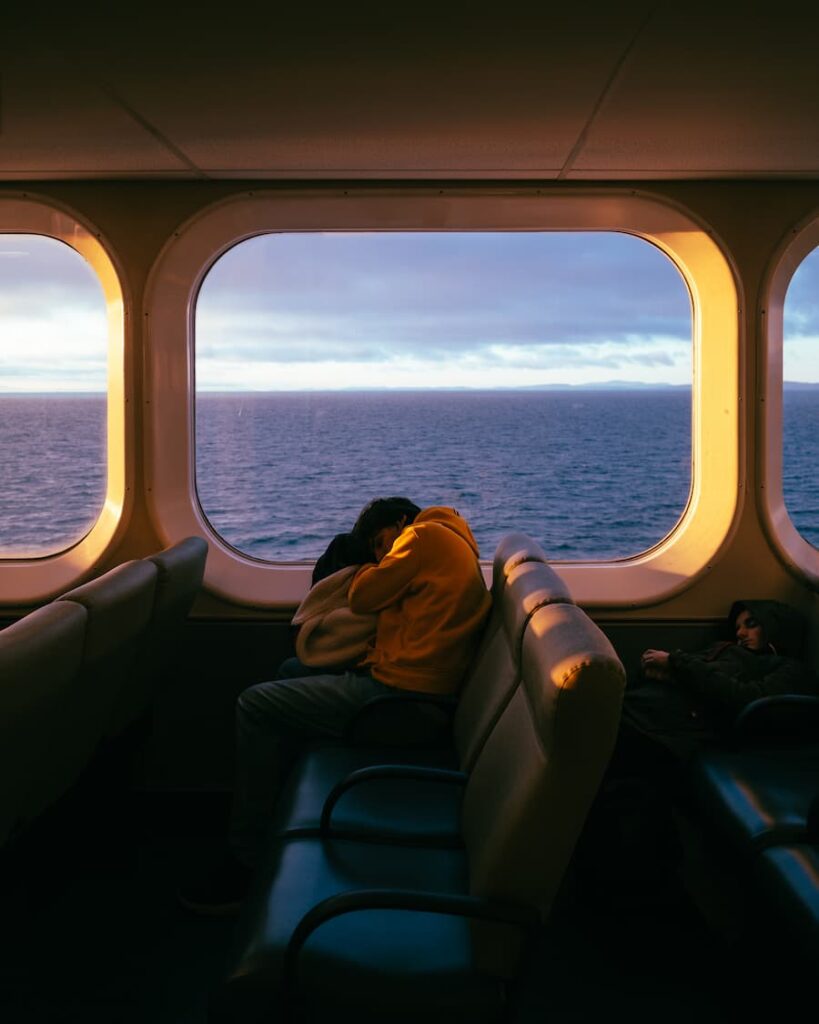
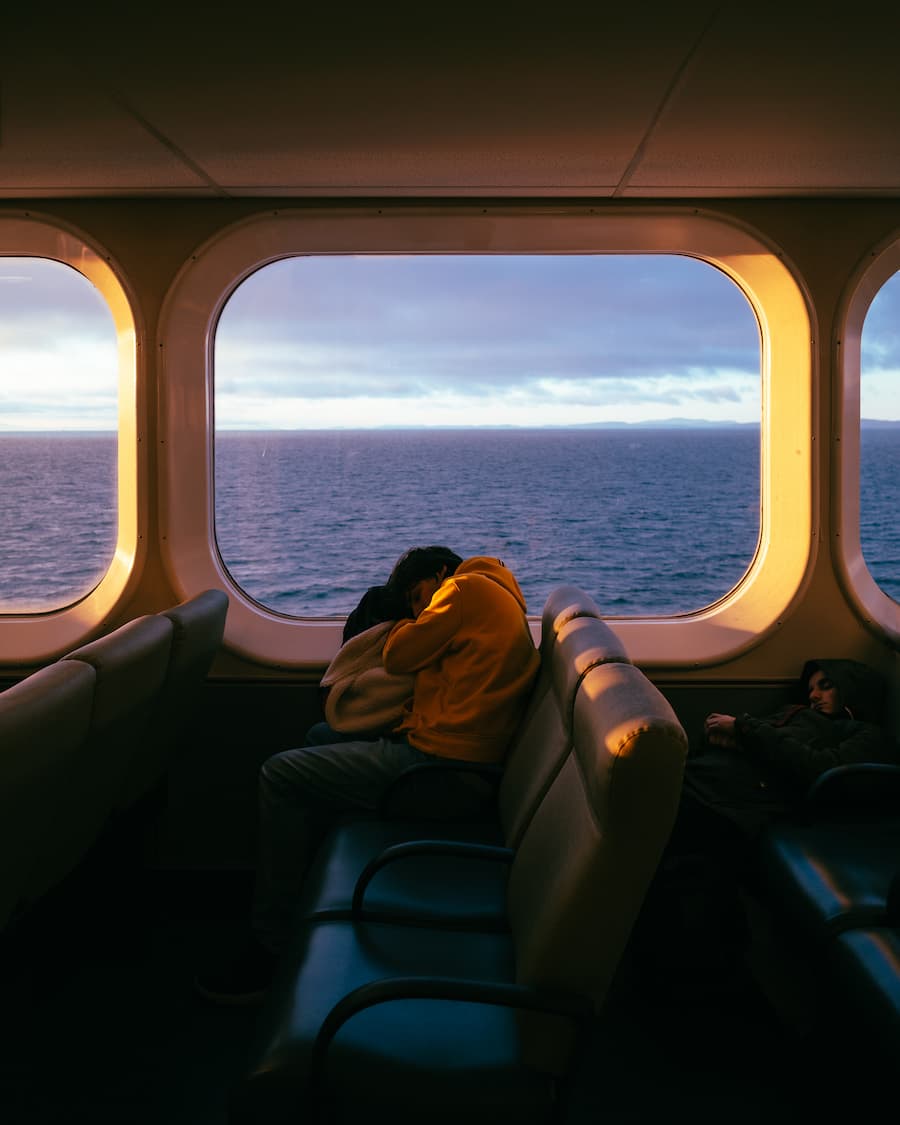
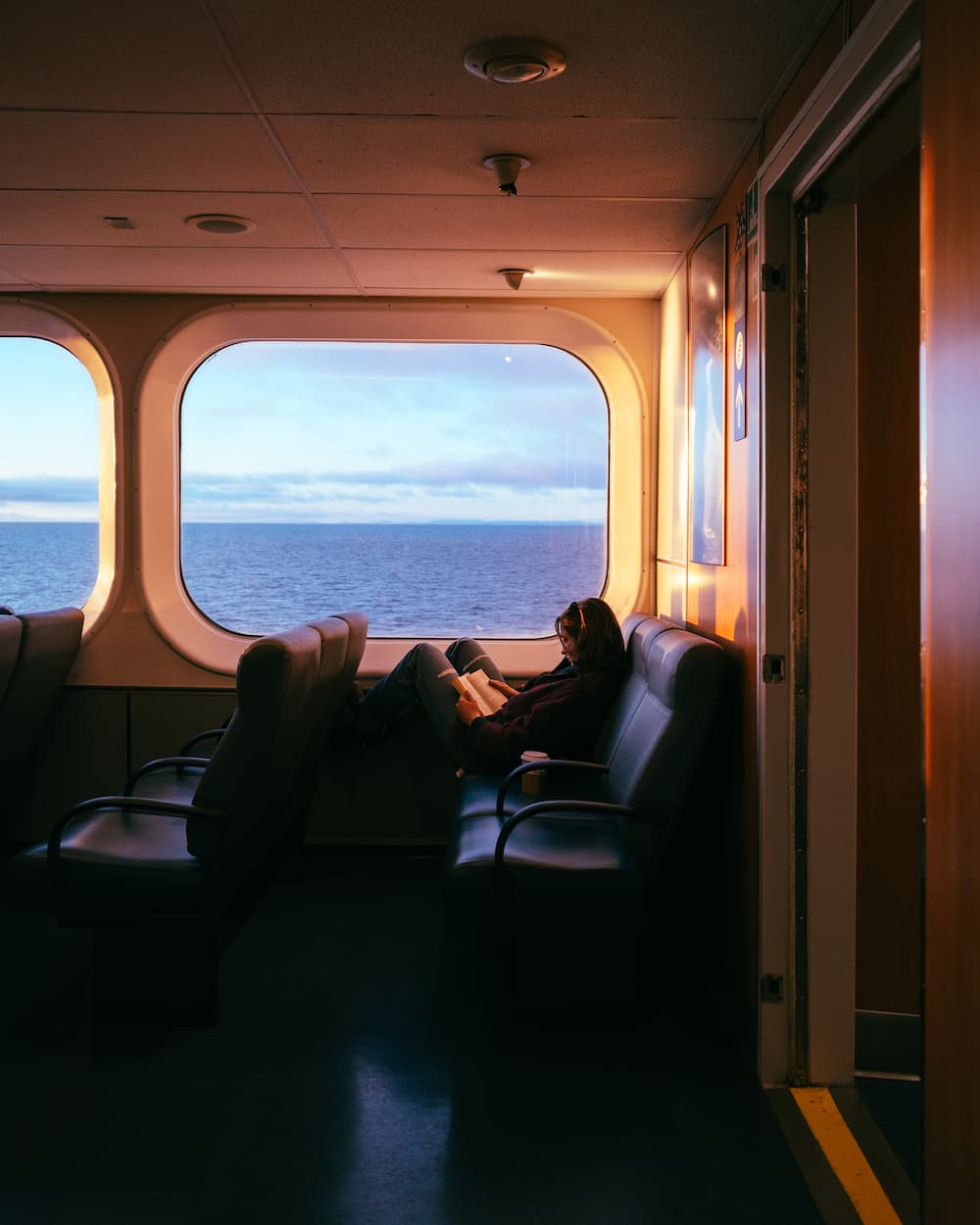
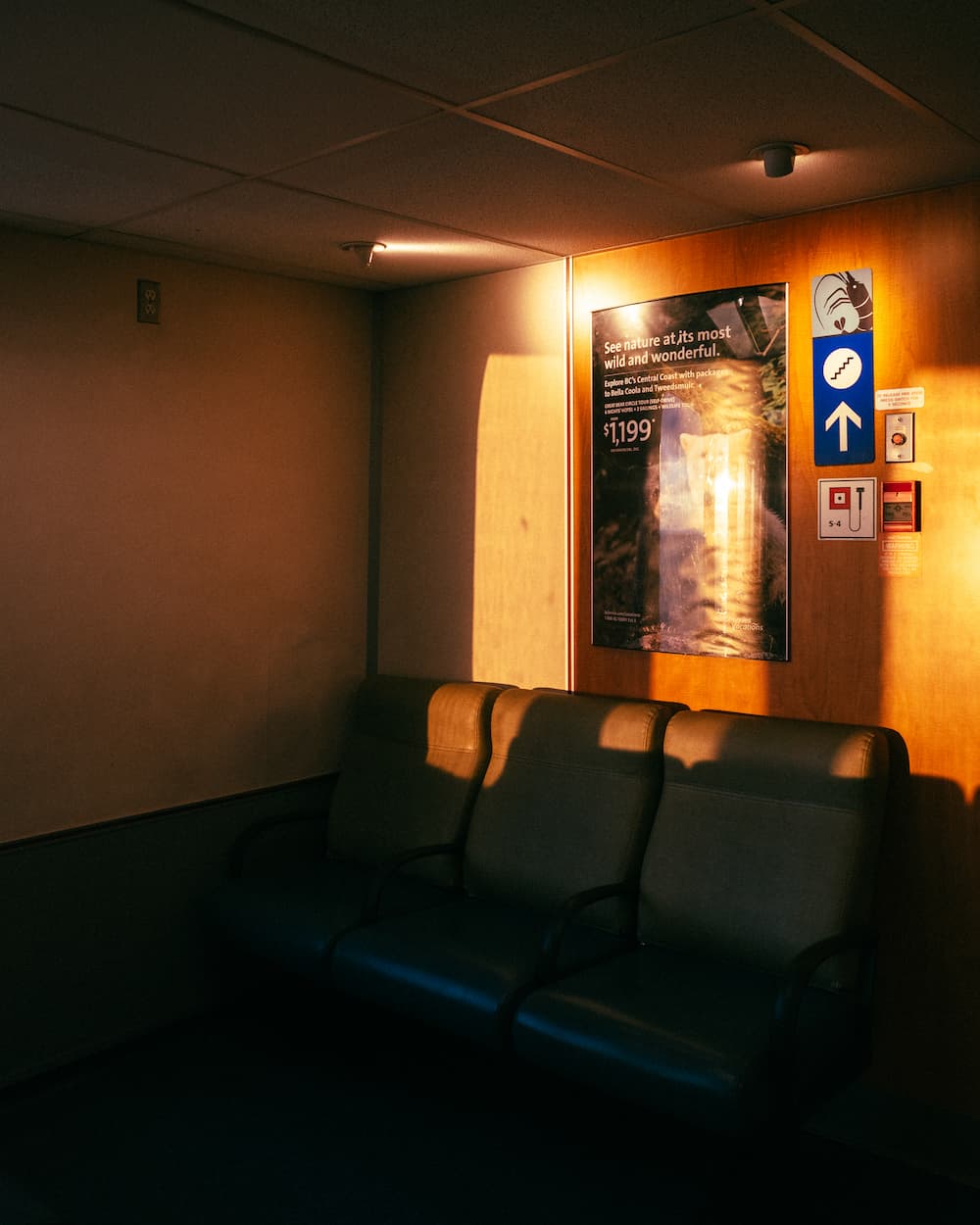
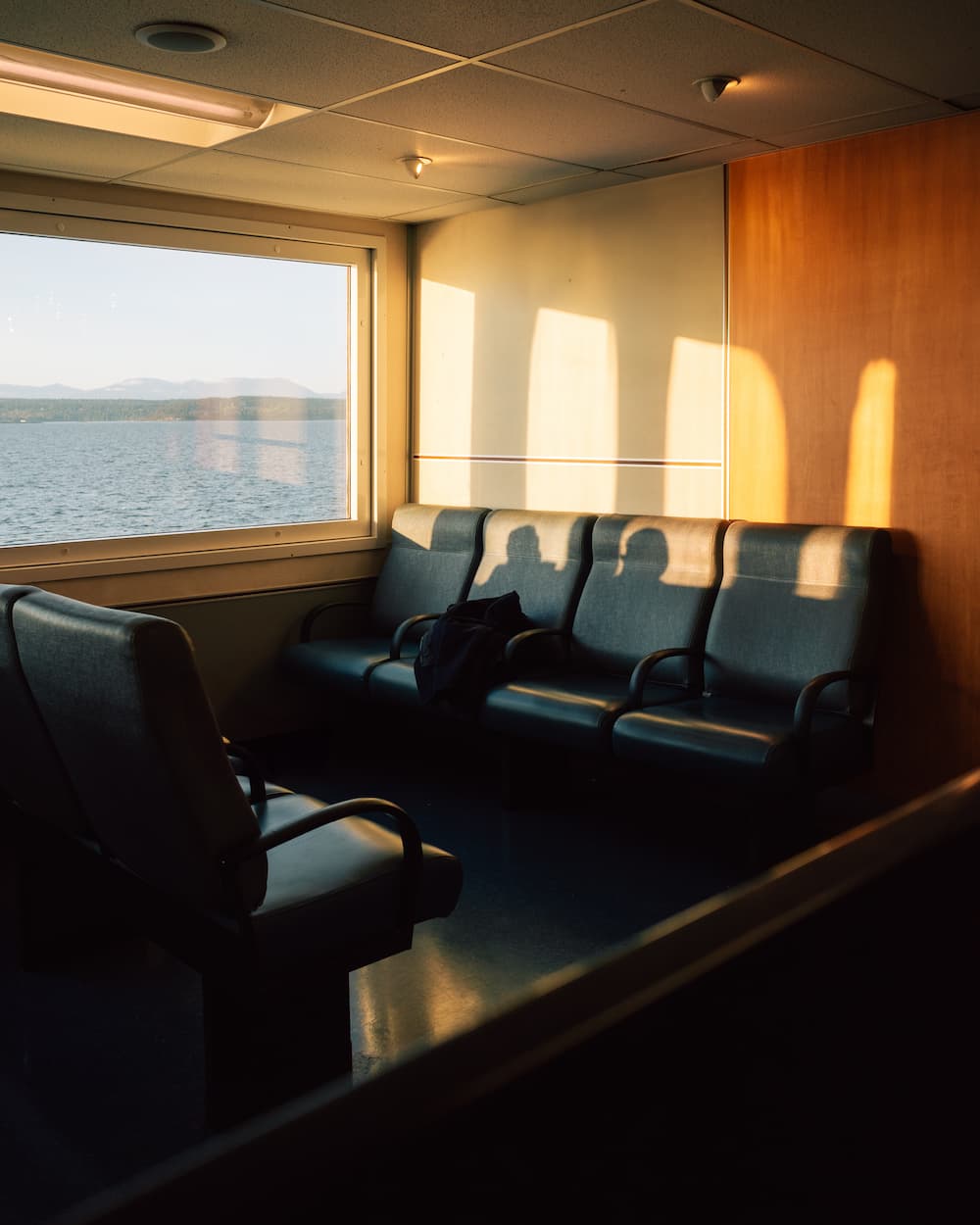
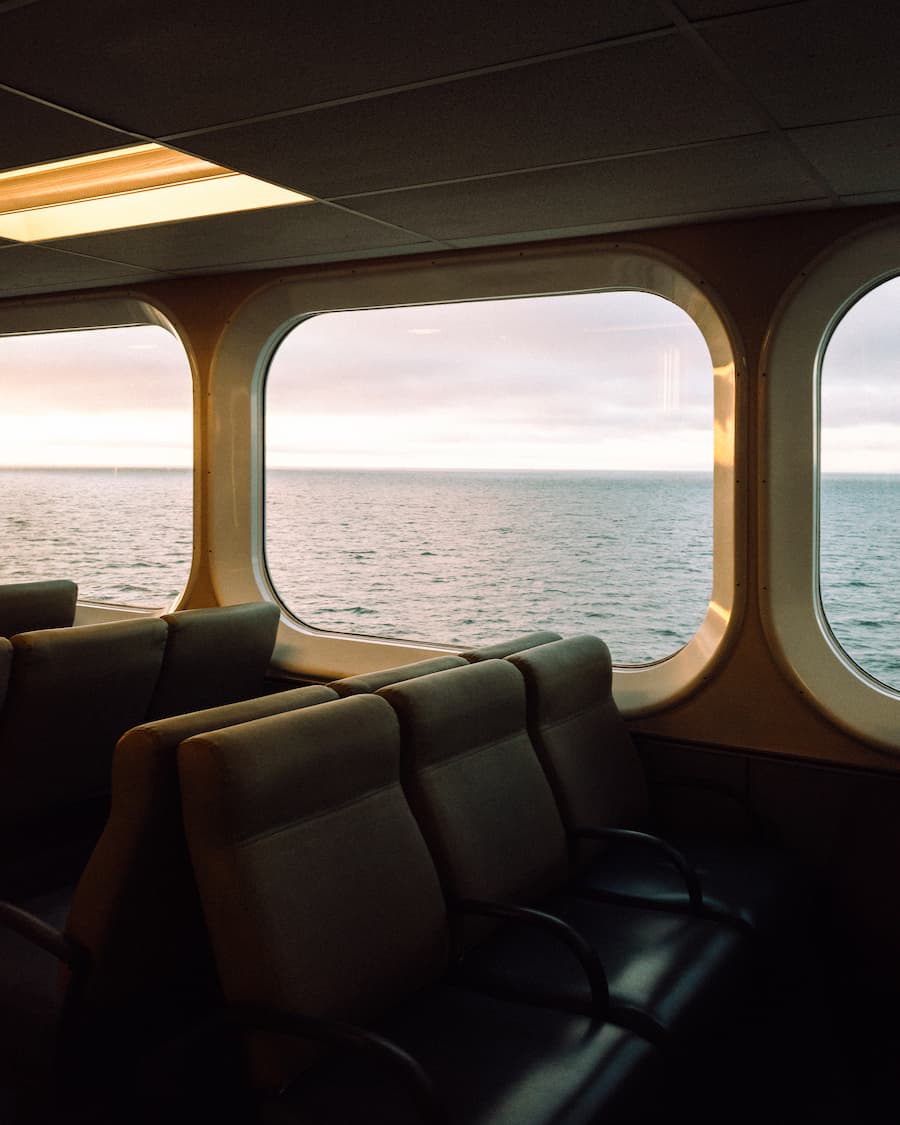
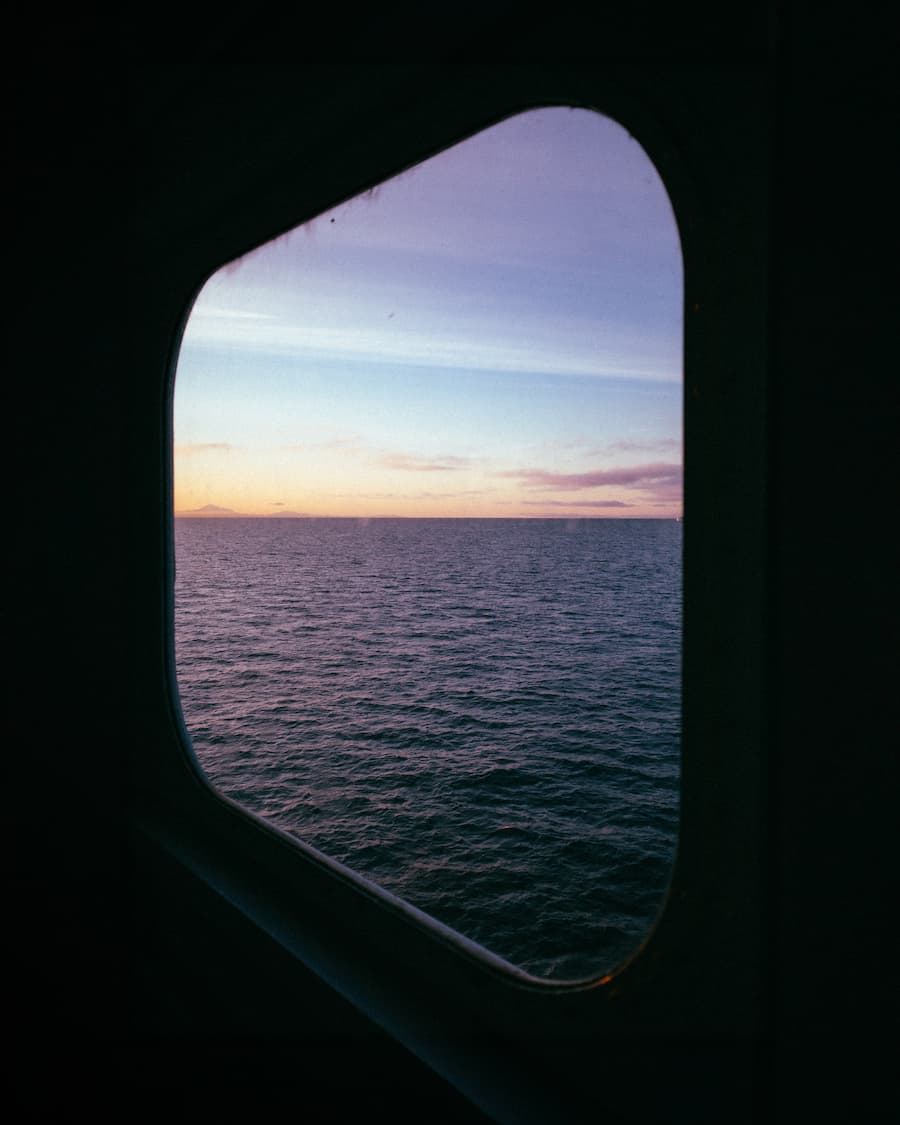
I captured this series en route to Vancouver Island for a hiking trip with friends. While most passengers on the early morning ferry were tired and half-asleep, I seized the opportunity to capture the stunning light and take as many shots as possible.
In this series, you can find some of my favorite shots from that sunrise and the editing breakdown I followed to give them my style, taking as an example the first image of this series:
Step 1) Camera settings
The camera settings I used were 1/125 seconds, f/2.8, and ISO 100.
Step 2) Understand the unedited colors
The RAW file already had an atmospheric palette with a dark brown/black (120E0E), a dark brown (3E3026), a muted blue/grey (7D8894), a muted brown (665447), and a light beige (C6B8A8).
My vision was to create a color palette that enhanced the essence of the sunrise. I looked for a harmonious blend of warm and cool tones to add vibrancy and contrast. To do so, using Lightroom, I adjusted the image as follows:
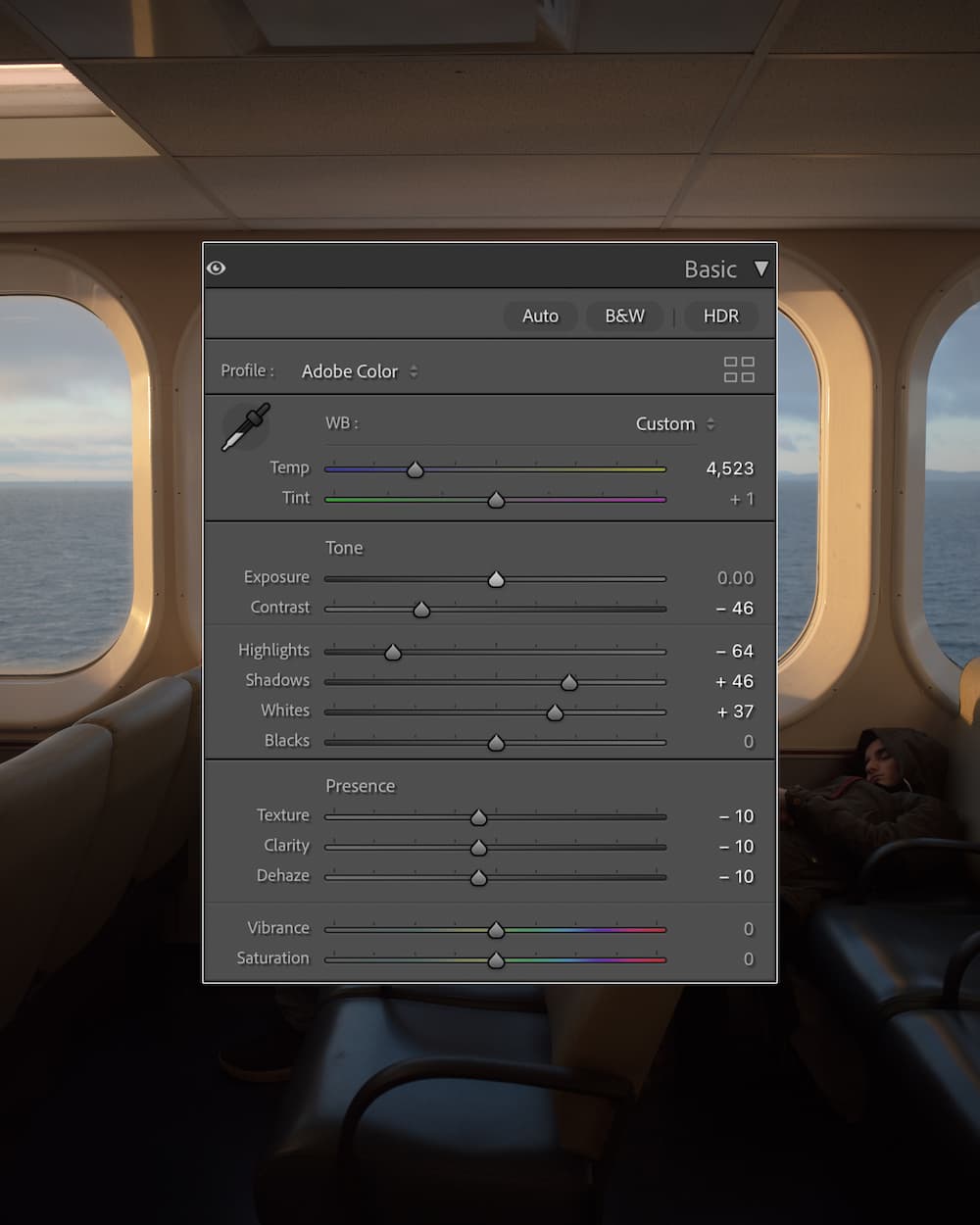
Step 3) Basic adjustments
3.1) White Balance
Temperature 4,523
Tint +1
3.2) Tone
Contrast -46
Highlights -64
Shadows +46
Whites +37
3.3) Presence
Texture -10
Clarity -10
Dehaze -10
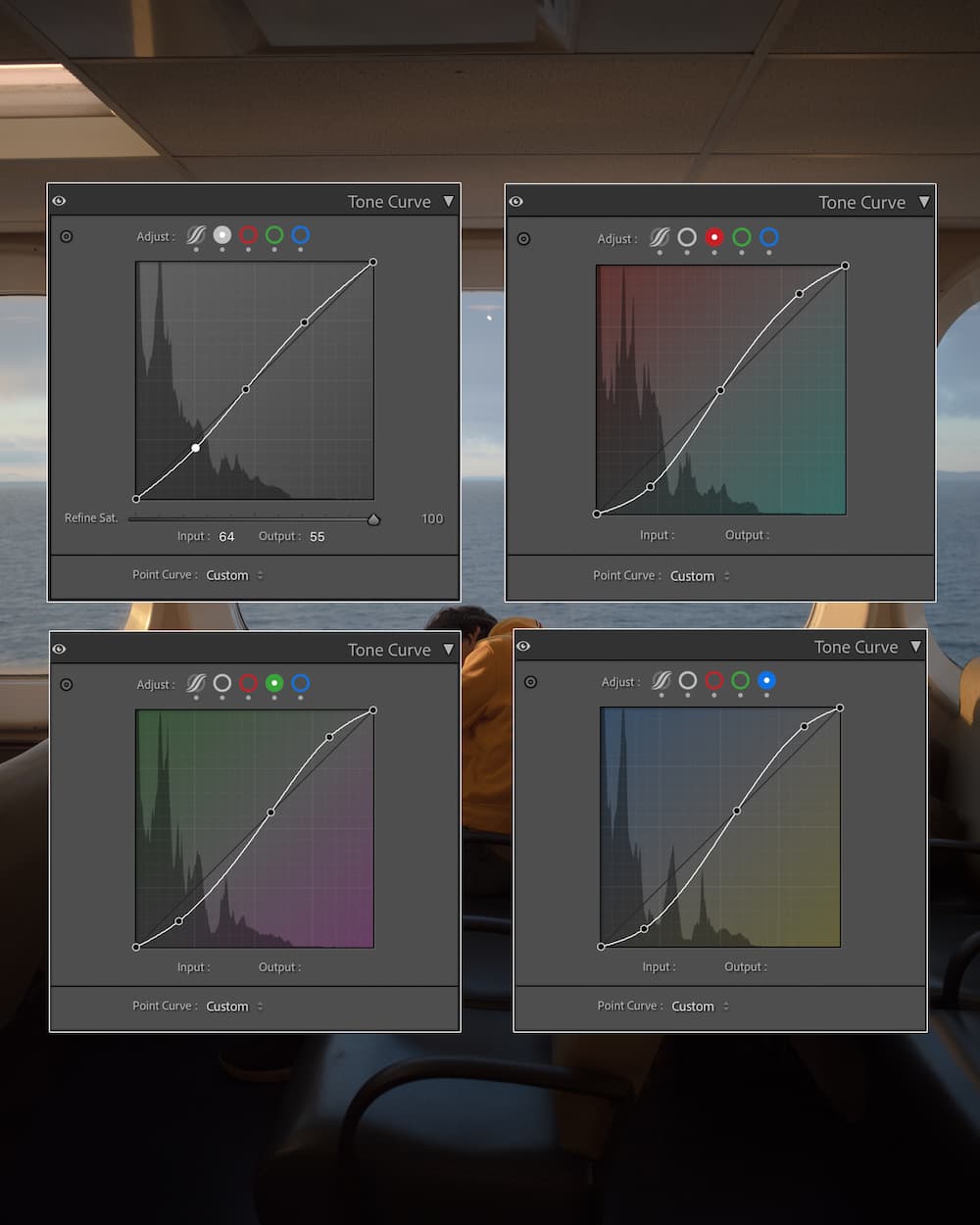
Step 4) Tone Curve
Below I demonstrate how I worked on the RGB channels for precise control over tonal values. This approach helps correct color casts and enhance specific colors more naturally.
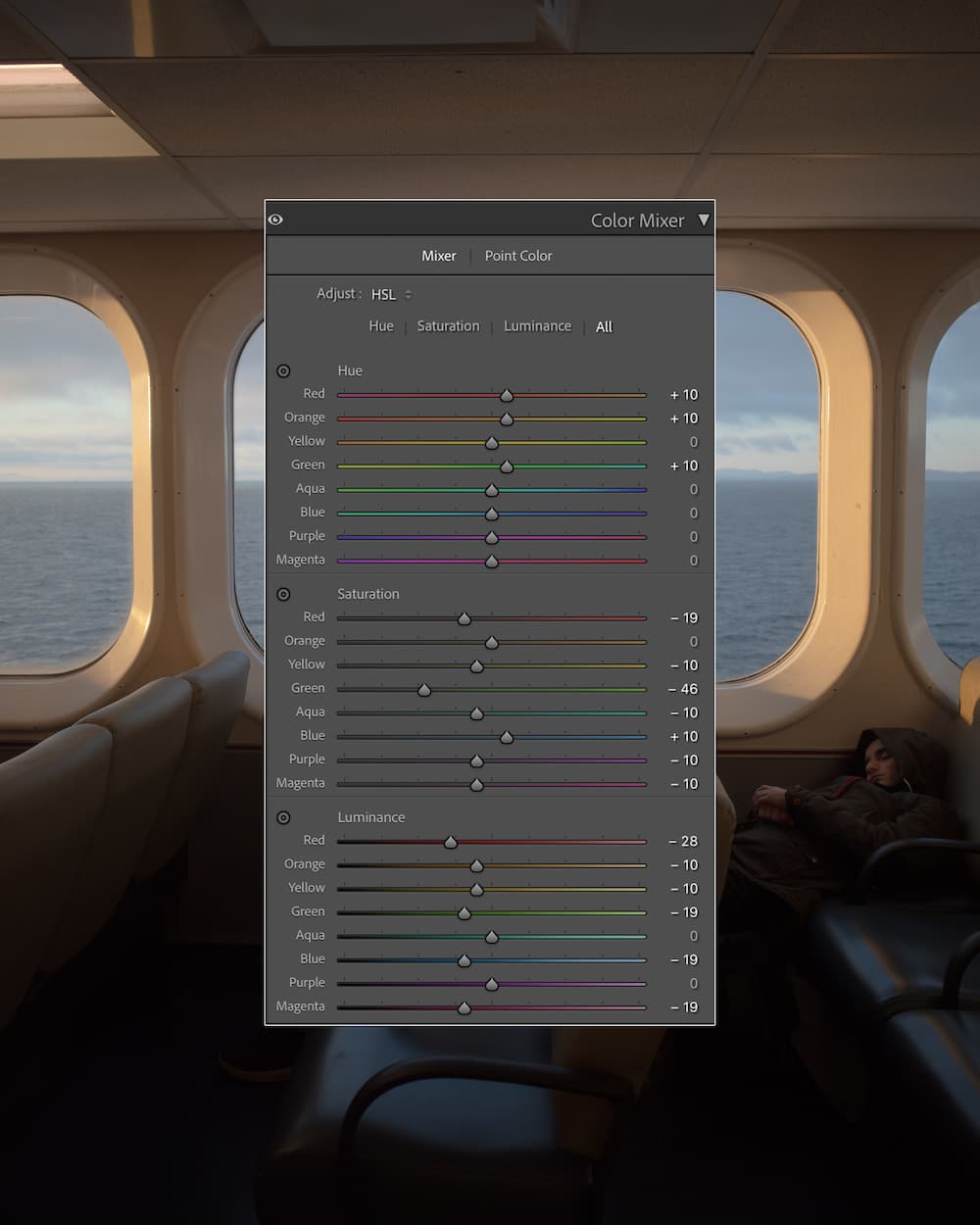
Step 5) Color Mixer
5.1) Hue
Red +10
Orange +10
Green +10
5.2) Saturation
Red -19
Yellow -10
Green -46
Aqua -10
Blue +10
Purple -10
Magenta -10
5.3) Luminance
Red -28
Orange -10
Yellow -10
Green -19
Blue -19
Magenta -19
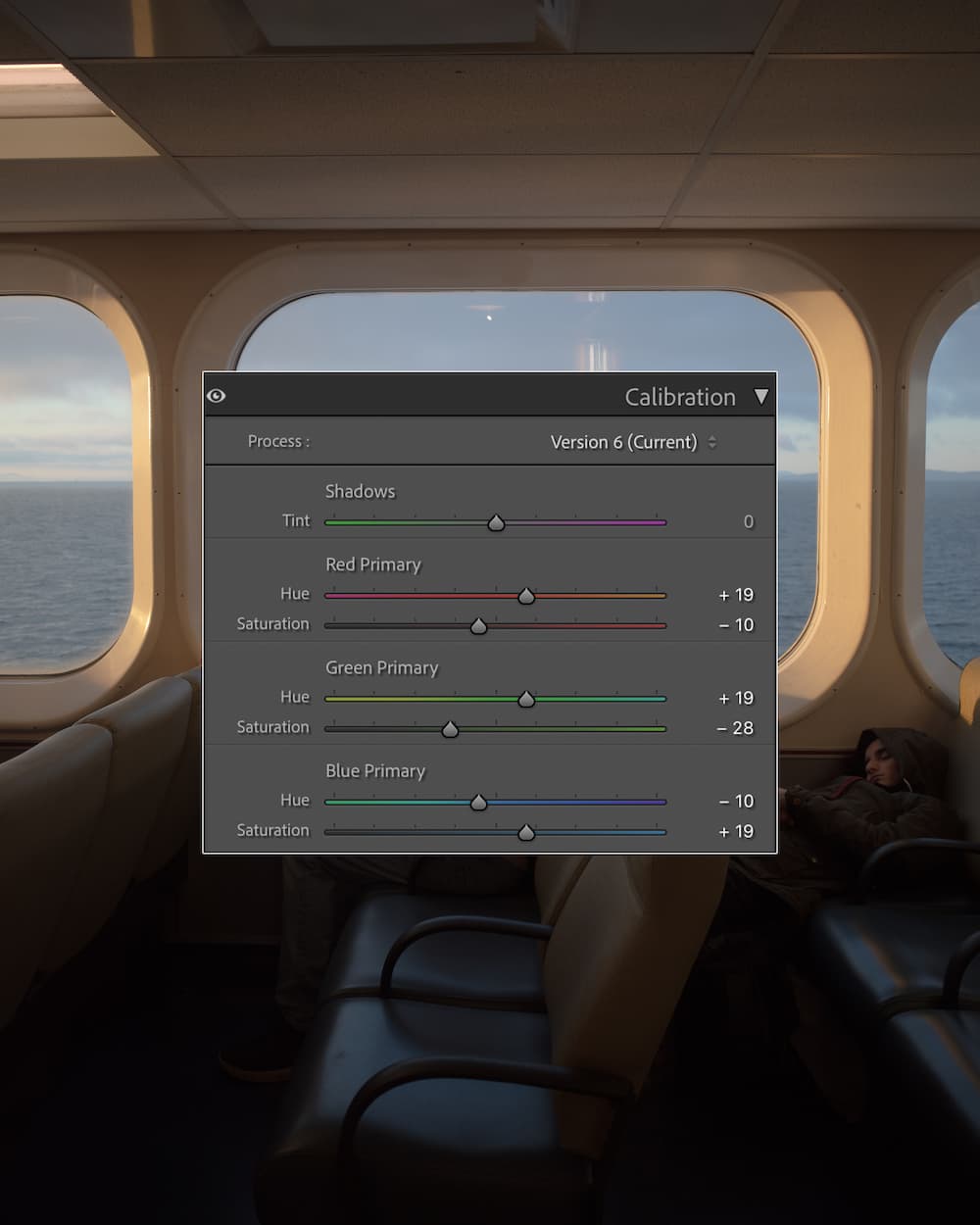
Step 6) Calibration
Red Primary
Hue +19
Saturation -10
Green Primary
Hue +19
Saturation -28
Blue Primary
Hue -10
Saturation +19
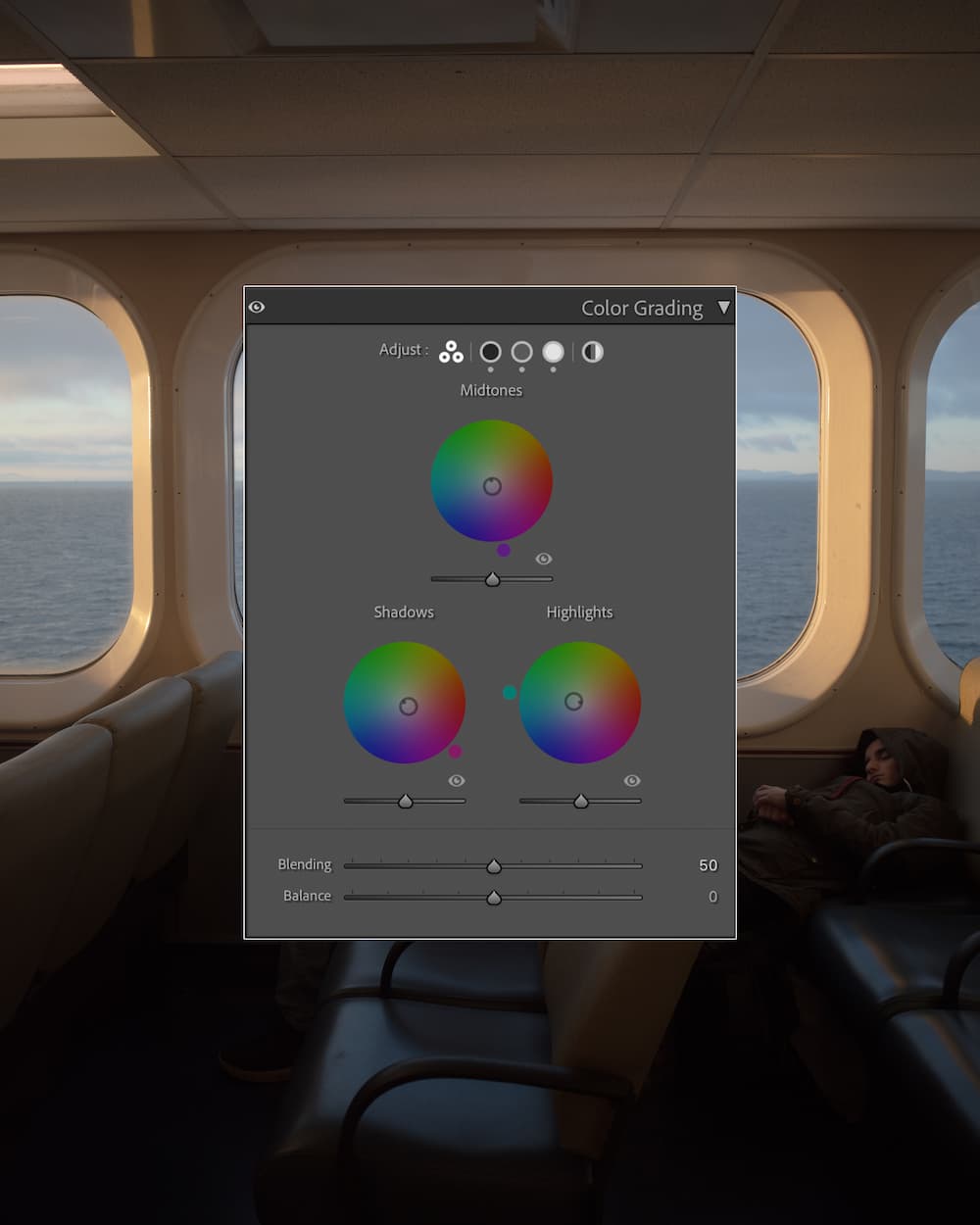
Step 7) Color theory
As a result, I obtained a split-complementary color palette with an accent – the yellow provides a striking focal point. The deep green (10130D) and the earthy brown (573725) add significant depth and contrast, grounding the overall composition. The muted blue-gray (676D90) and the soft pale blue (C2CCDF) add tranquility, balance, and a touch of vibrancy compared to the original. The bright golden yellow (F5C871) serves as an accent color, adding contrast to the otherwise analogous palette.

Join us in the Azores for a unique photo tour, where you’ll elevate your creative skills with expert guidance from Ronald Soethje, Bruno Ázera, and Nomadict.

In this article, Forest shares how years of chasing scale, silence, and raw landscapes shaped his approach to photography, from the deserts of Kazakhstan to the volcanic ridges of Iceland. He talks about how he uses light, texture, and vast negative space to create images that feel both intimate and overwhelming.

Simon shares the journey behind his photography, from early inspirations to field techniques, editing, and the story of the winning shot that shaped his path.

In this article, Miro shares how his love for cinematic music evolved into a deep passion for photography and how he uses light, color, and atmosphere to turn the streets of Prague into living film scenes.

In this article, Stefanie reveals how her background in physics sparked her passion for astrophotography and how she blends science with creativity to capture the beauty of the night sky. Readers will discover her approach to color, contrast, and editing, as well as her aurora photography workflow.

Spanish photographer Yhabril captures the profound connection between humans and the mountains that shaped him. Growing up in the Pyrenees, his work bridges outdoor sports, landscapes, and celestial scenes — often blending athletes, moonlight, and wilderness into striking visual stories.

In this article, Ariane shares how photography helped her navigate personal challenges, connect authentically with people and animals, and develop a philosophy rooted in empathy and artistic freedom. Readers will also discover her ethical approach to wildlife photography and her trusted equipment for both camouflage techniques and cameras.

Discover how to photograph Dutch tulip fields in their most magical light. From choosing the right gear and lenses to mastering composition, color, and aerial perspectives, this guide shares creative techniques to capture the beauty of the Netherlands’ tulips. Learn how light, color grading, and proportion bring emotion into every frame.