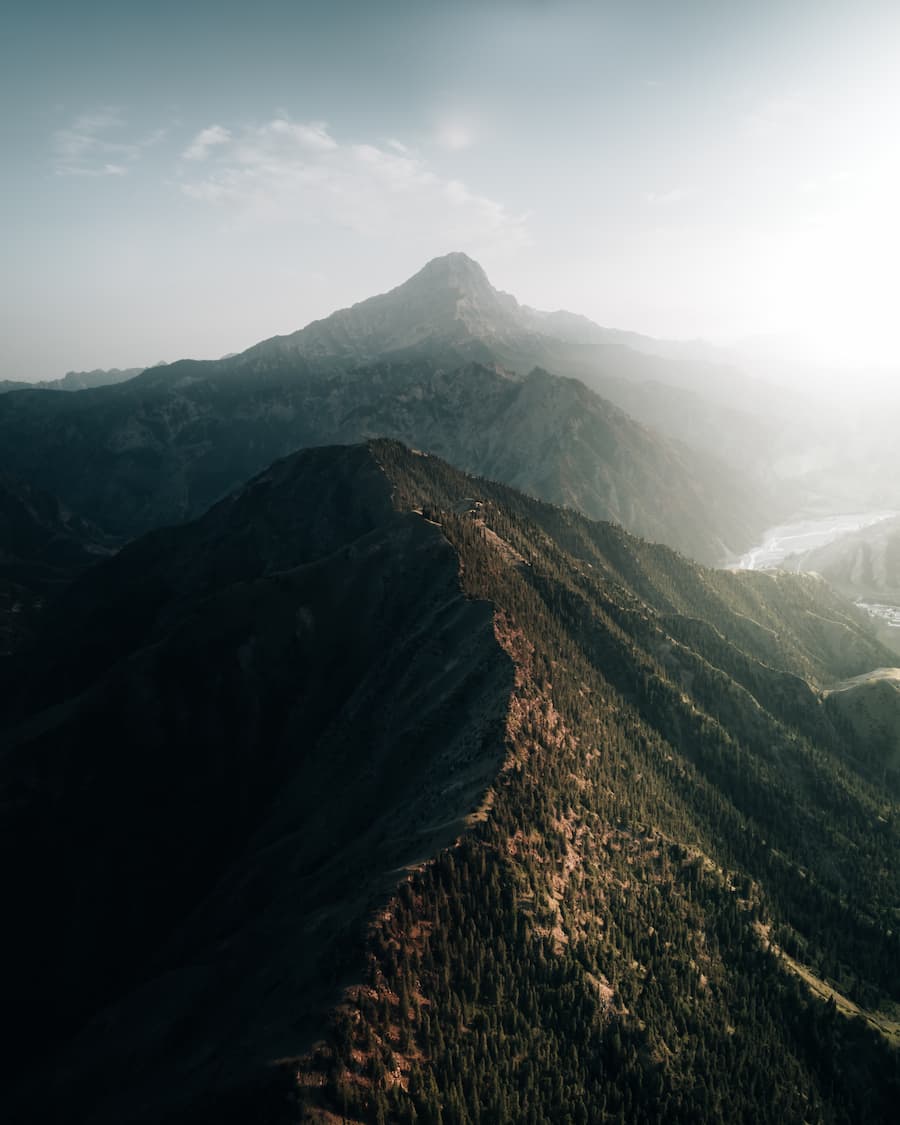
Kazakhstan photography guide: Forest Kai’s tips for shooting Bozzhyra, Bokty Mountain & more

@forest1kai

Photographer based in the US

In this article, Forest shares how years of chasing silence, scale, and raw terrain, from the deserts of Kazakhstan to the ridges of Iceland, shaped his approach to photography. He reveals how he uses light, texture, and vast negative space to create images that feel both intimate and immense, along with practical tips on planning remote adventures, mastering natural conditions, and bringing cinematic depth to extreme landscapes.

How my journey into remote landscapes began

My relationship with remote mountains began with loss. When I was fourteen, my father passed away. In my family, we bring ashes to distant mountains as a final farewell. At that age, I couldn’t grasp what “forever” meant; I only remember being carried into a vast, silent landscape that felt both sacred and unbearable.

Looking back, that moment shaped everything. Mountains became more than scenery; they became a place where I could continue speaking to him. 

When I travel through Kazakhstan, Tibet, or Xinjiang, I’m not just photographing landscapes. I’m documenting the spaces where I meet him again in dreams, the conversations that happen across empty plateaus. That’s why my images often feel dark, quiet, and moody. They come from grief, but also from a dialogue that never ended.

I never studied landscape photography formally. My approach grew from emotion far more than technique. Kazakhstan may be more familiar to travelers, but Tibet and Xinjiang still feel mythical, “blank” in most people’s minds because they’re so distant. That distance, both geographic and emotional, is what draws me in. 

These places blur reality and memory. They’re landscapes that act like bridges to the people we’ve lost.

Aksu - Forest Kai - @forest1kai

Kazakhstan landscape photography guide (My most recommended spots)

Best Places to Photograph in Kazakhstan • Bozzhyra Valley • Bokty Mountain • Tiramisu Landscape

Kazakhstan has become one of the regions I return to again and again. Its landscapes feel massive, ancient, and untouched, the kind of places that remind you how small you are.

Bozzhyra Valley — The Alien World

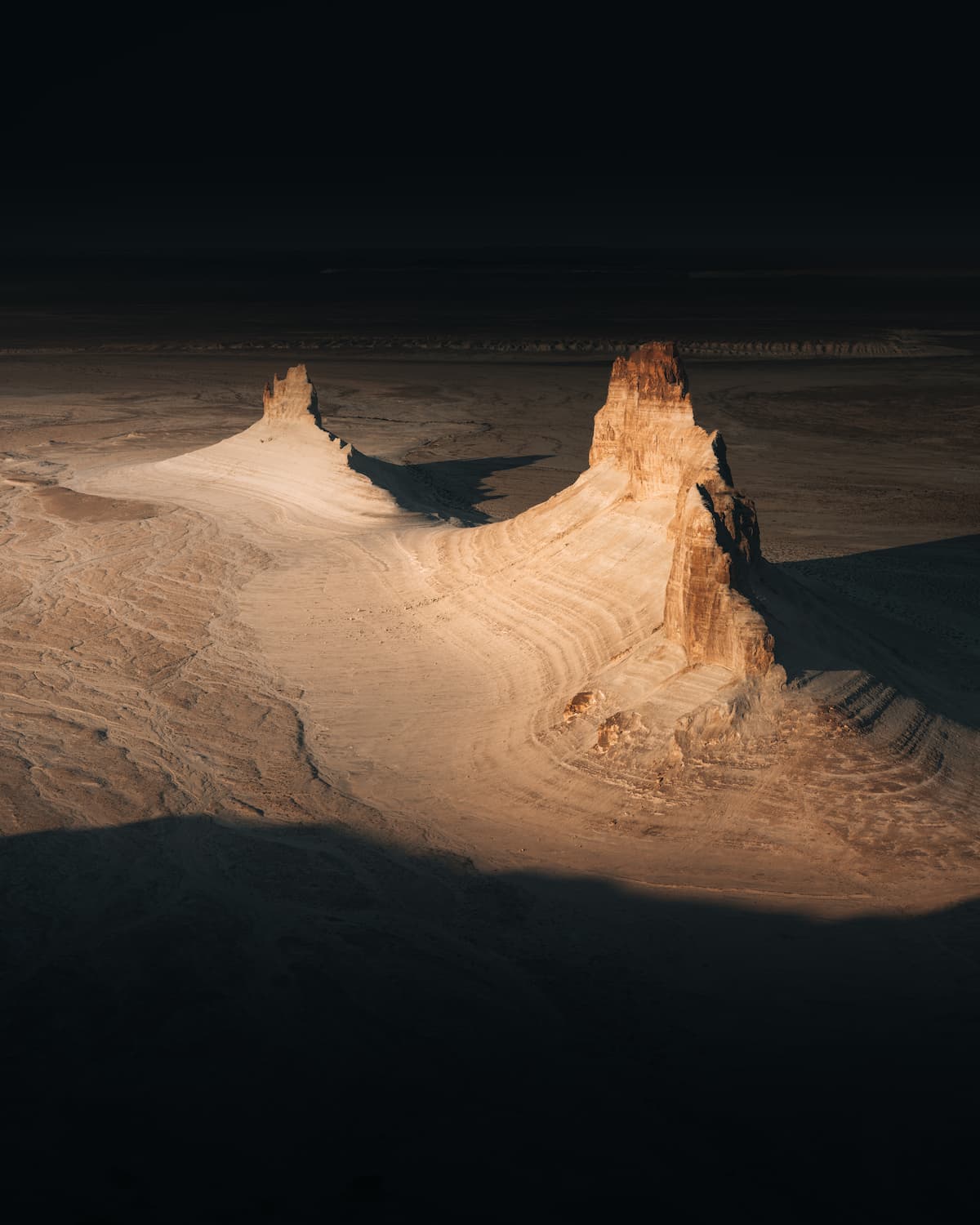
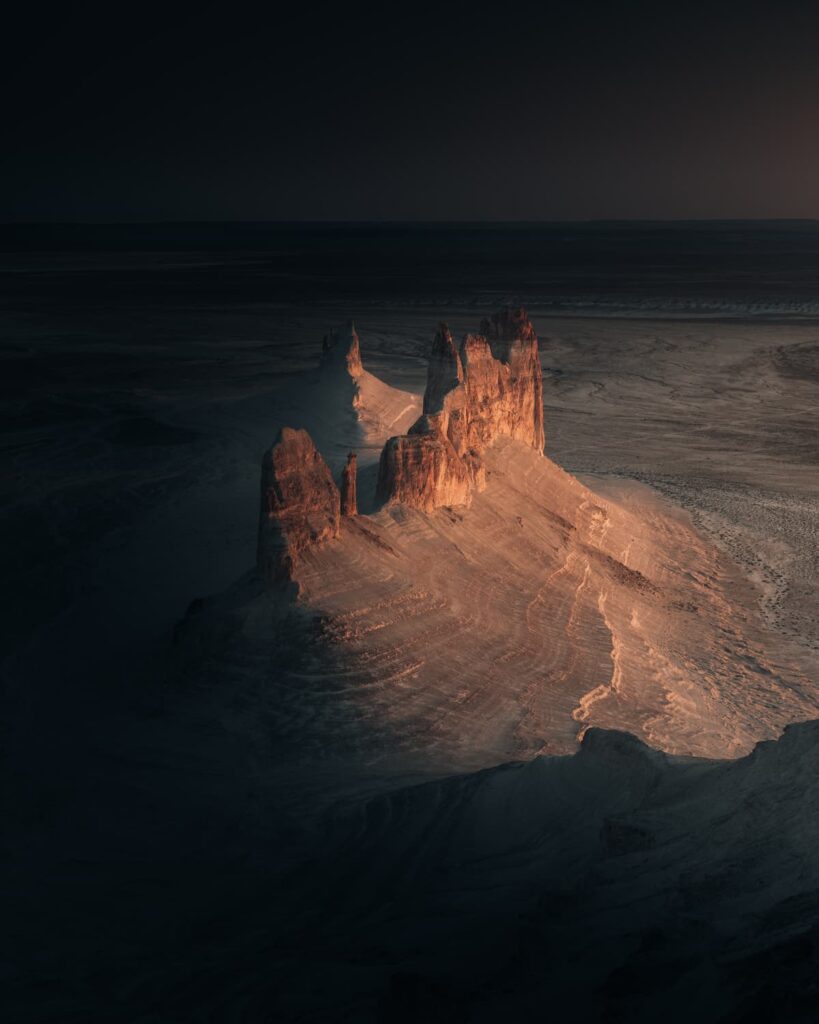
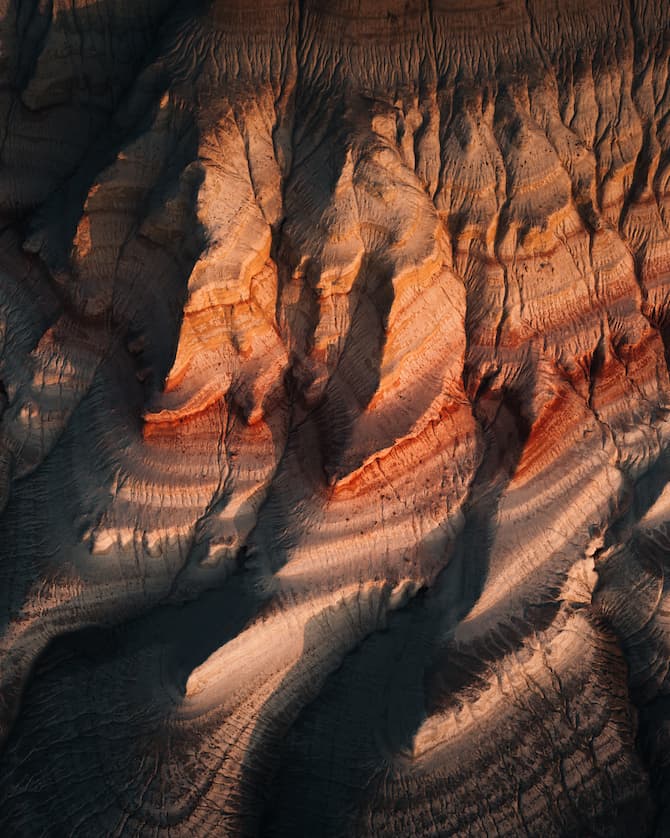
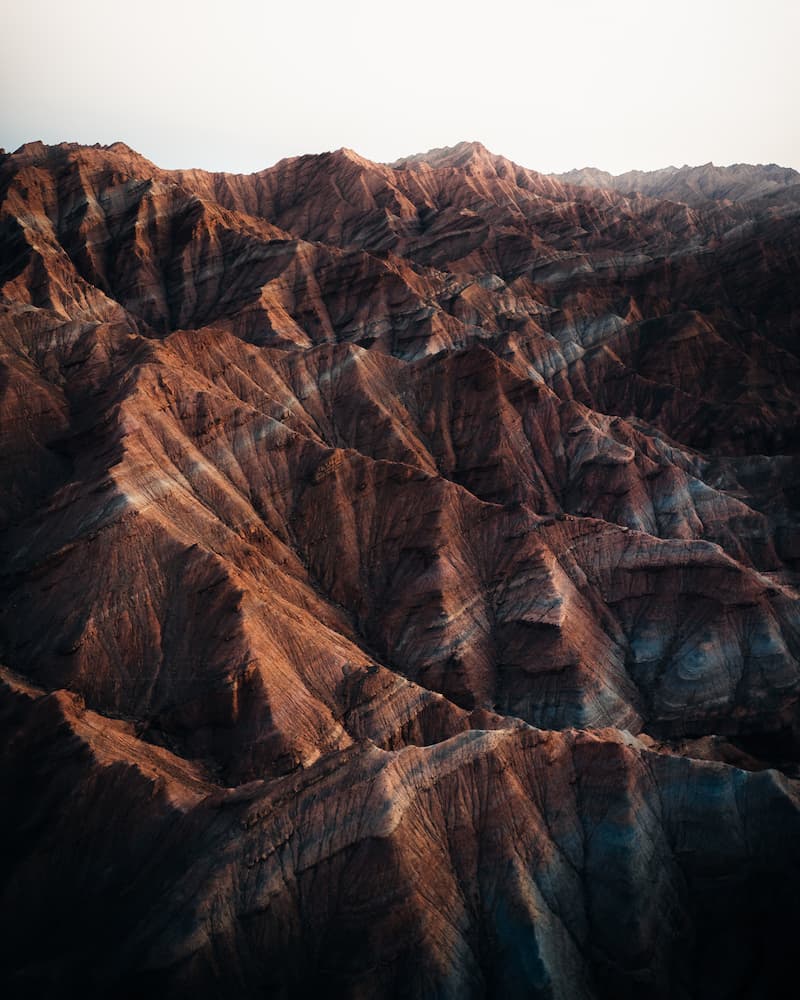
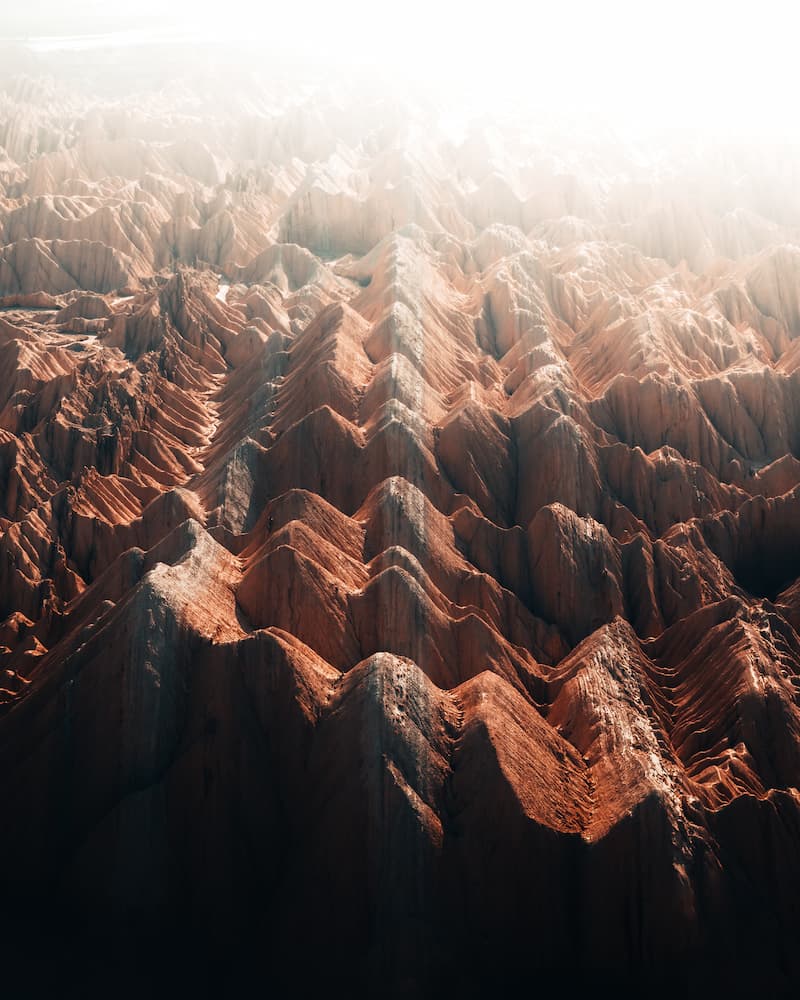
Bozzhyra Valley is usually the first place I suggest to photographers. The formations look extraterrestrial, as if carved by another planet’s weather system. The light spreads slowly across its cliffs at sunrise, creating long shadows and deep contrasts, perfect for moody, cinematic photography.

Bozzhyra Valley - Kazakhstan 5 Forest Kai - @forest1kai
Bozzhyra Valley - Kazakhstan 6 Forest Kai - @forest1kai

Bokty Mountain – Colorful & Powerful

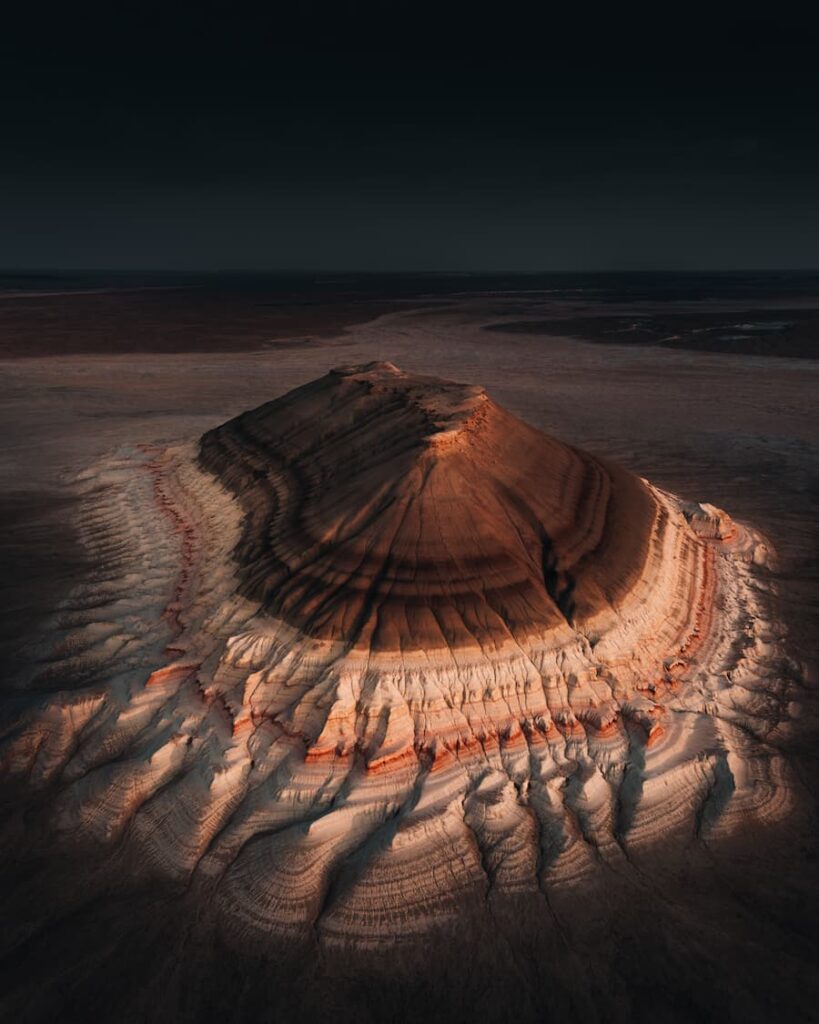
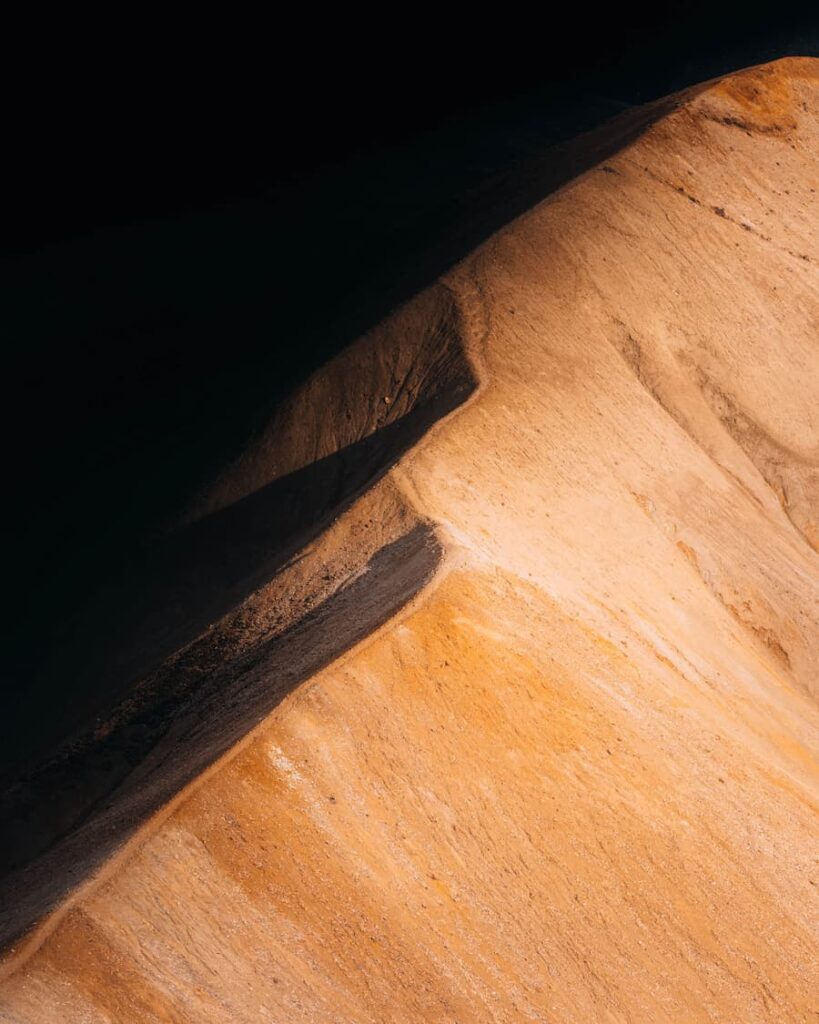
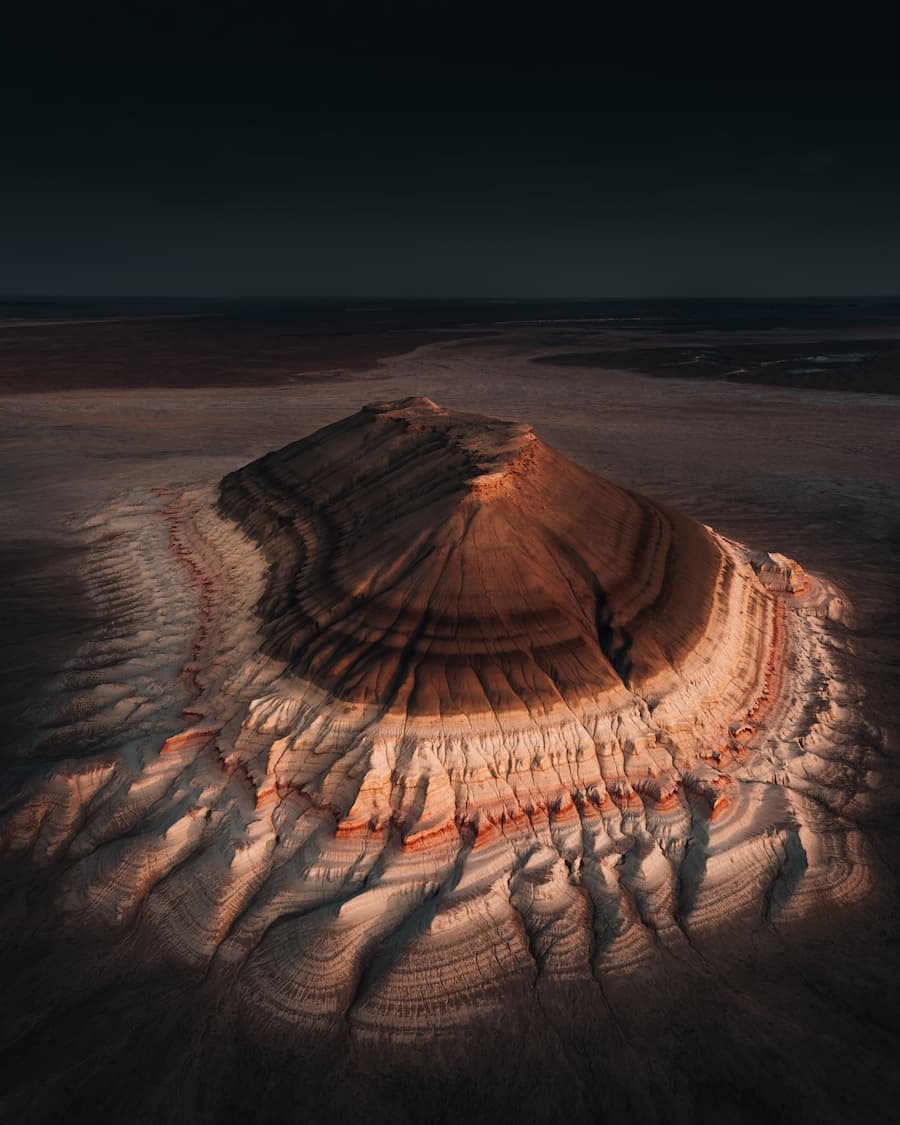
Bokty Mountain feels like a geological monolith rising out of the silent steppe. Its layered sediments hold millions of years, and at sunrise, the entire mountain glows. The colors shift slowly; the silence becomes almost physical. It’s one of the most powerful places I’ve ever photographed.

Bokty Mountain - Kazakhstan 4 Forest Kai - @forest1kai
Bokty Mountain - Kazakhstan 2 Forest Kai - @forest1kai

Tiramisu – Nature’s Layered Dessert

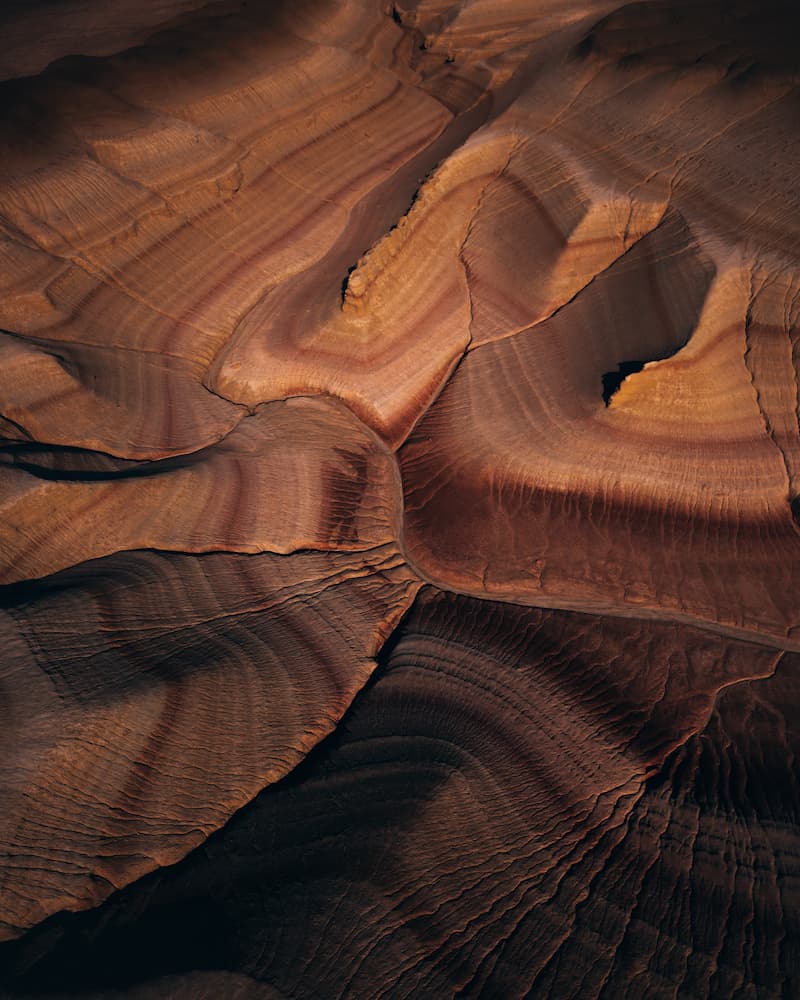
This landscape is softer, more delicate. The layers stack gently like a giant dessert, gradients of beige, cream, and warm brown. The formations are fragile, sculpted by wind over thousands of years. It’s subtle, photogenic, and unlike anywhere else.

Kazakhstan’s tourism infrastructure is developed compared to Tibet or Xinjiang, but these places still demand respect: long drives, unpredictable weather, and a mindset ready for silence. The reward is immense, landscapes that feel both ancient and intimate.

Tiramisu - Kazakhstan 3 Forest Kai - @forest1kai

How I capture vast and remote landscapes

When I arrive somewhere new, I don’t set up my camera immediately. I walk. I circle the terrain again and again until something feels harmonious. It’s not about technical perfection; it’s about a moment where the light, silence, and space align emotionally.

Compositionally, I frame with minimal sky and minimal foreground, keeping the subject centered. With my darker tonal style, this creates a natural gravitational pull, like a dream with one central image.

Exploration over maps: Photographing Tibet and Xinjiang

Xinjiang and Tibet are different from anywhere else. There are no standard “photography spots.” You study maps, mark distances, check which roads are drivable, and then you test them yourself. You find the real places by going, failing, and trying again.

The challenges are real: Blown tires, altitude sickness, freezing nights, long stretches without signal, and hours or days without food or water.

But difficulty is part of the experience. The landscape gives meaning slowly.

Safety and logistics for remote region photography

Tibet and Xinjiang require preparation on a different level. Fuel stations can be hours apart, so I plan routes carefully. At altitudes of 5,500–6,000 meters, oxygen becomes scarce, and even simple movements feel heavy. Nights can be dangerous; wild animals roam, and temperatures drop sharply.

A few months ago, I experienced mild frostbite while shooting a mountain at dawn. My fingers are still recovering. It was a reminder that remote photography is not just about the images, it’s about respecting the environment and understanding the risks.

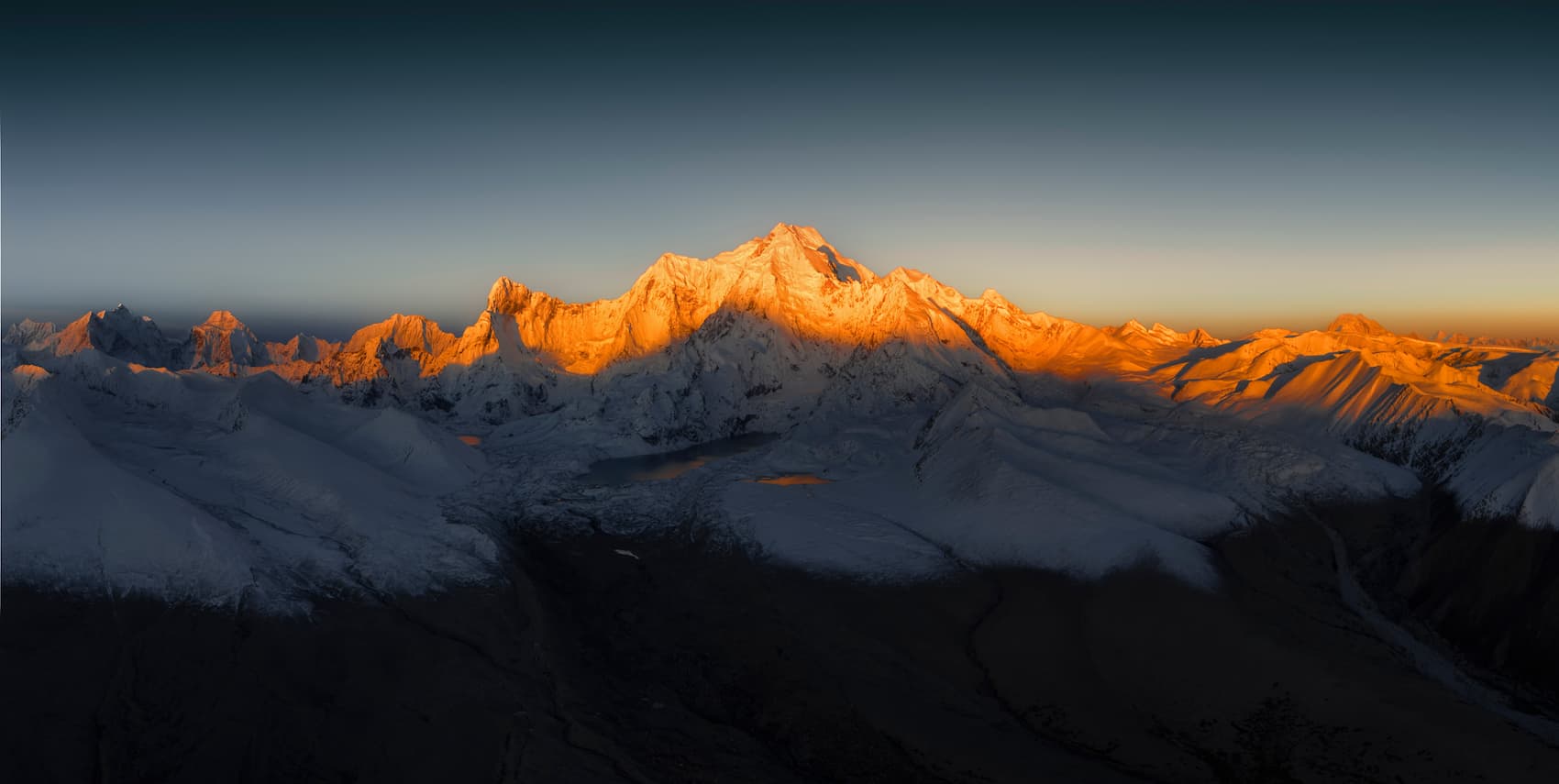
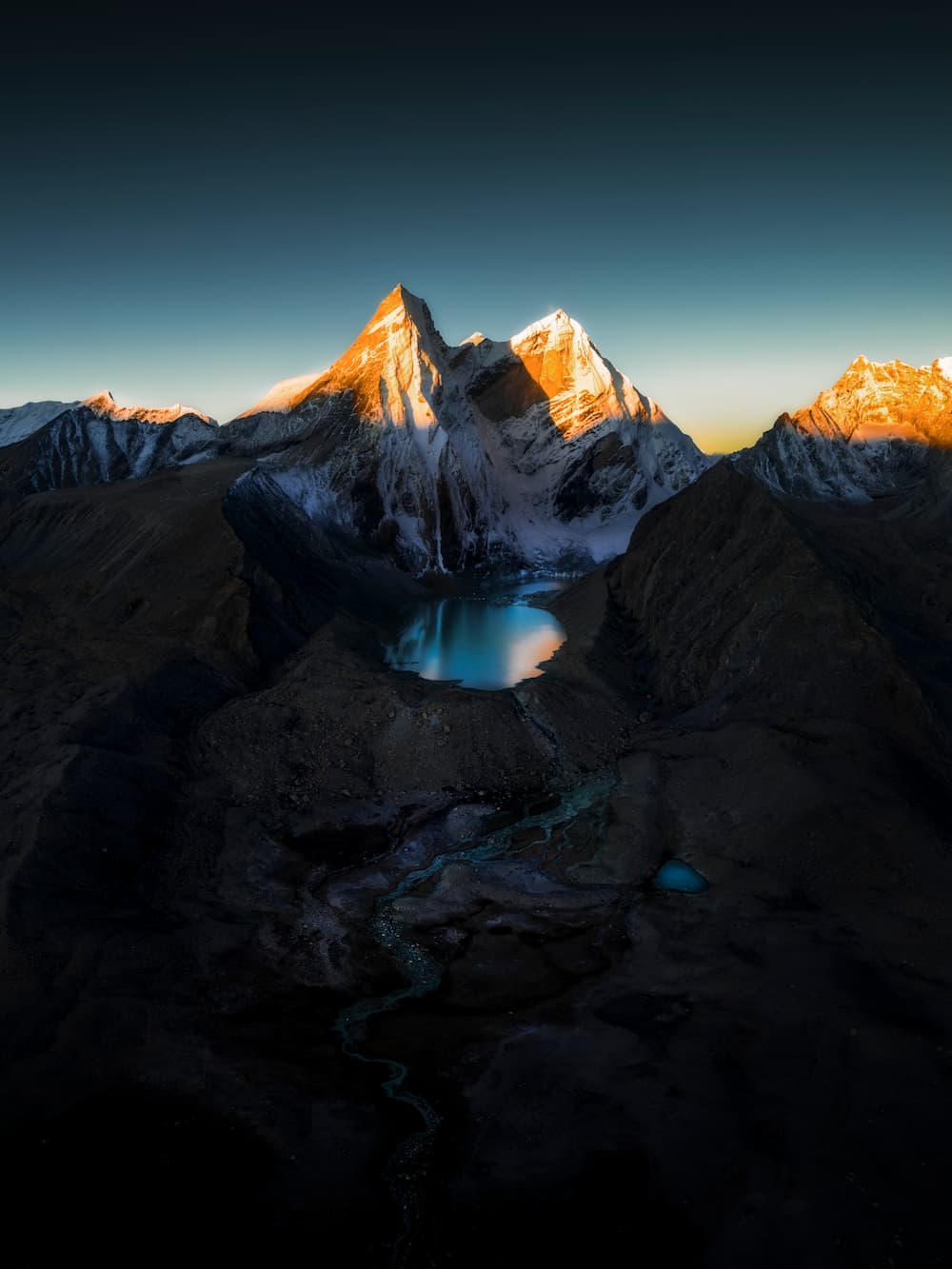
In 2023, when photographing Mount Shishapangma, I waited five full days for the mountain to finally reveal itself at sunrise. Moments like that teach patience and humility.

Natural light, timing, and my cinematic mood

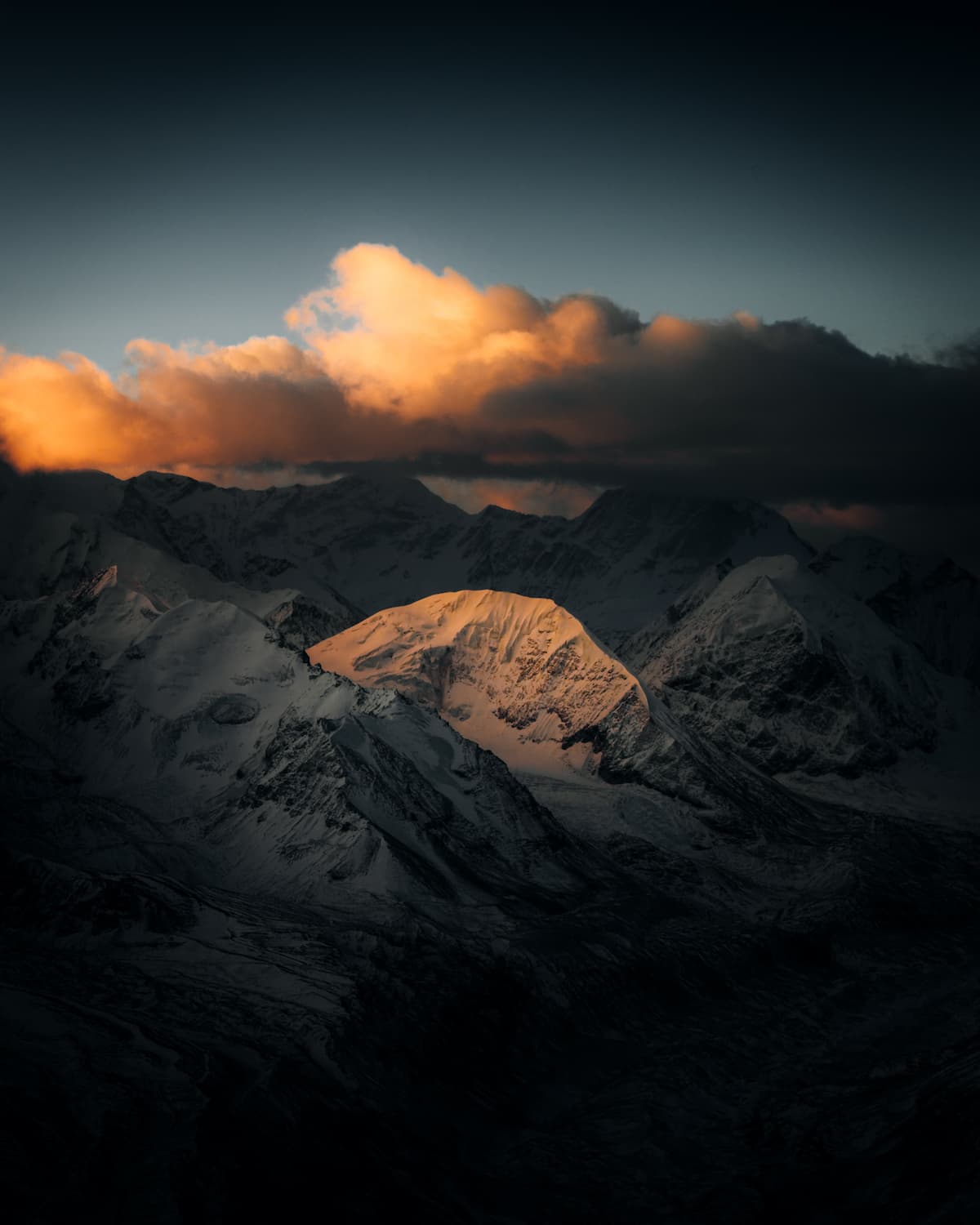
Even though my images look dramatic, I never create light artificially. Everything is natural. I simply wait for the moment when real light aligns with the emotion I feel in the place.

Waking at 4 a.m. has become normal. Sometimes I wait hours; sometimes days. But the fragile, cold light before sunrise is when landscapes feel the most honest.

My editing workflow & color philosophy

My color palette looks cinematic, but my philosophy is simple: remove distractions and let the light speak.

1) I darken the edges to guide the eye inward.

2) I protect the natural sunrise gradient — that fragile orange-yellow glow.

3) I merge similar tones and remove color noise to keep the image cohesive.

4) I lift the blacks slightly and introduce a subtle magenta tone to the shadows.

5) I keep highlights warm and orange.

That contrast, shadow magenta vs. warm highlight, creates the mood people often notice.

For me, “reality” is not just what a camera sees. It’s also memory, grief, breath, silence. I never manipulate a scene with Photoshop; I only use color and light. I’m not documenting a place exactly as it is; I’m documenting how it lives inside me.

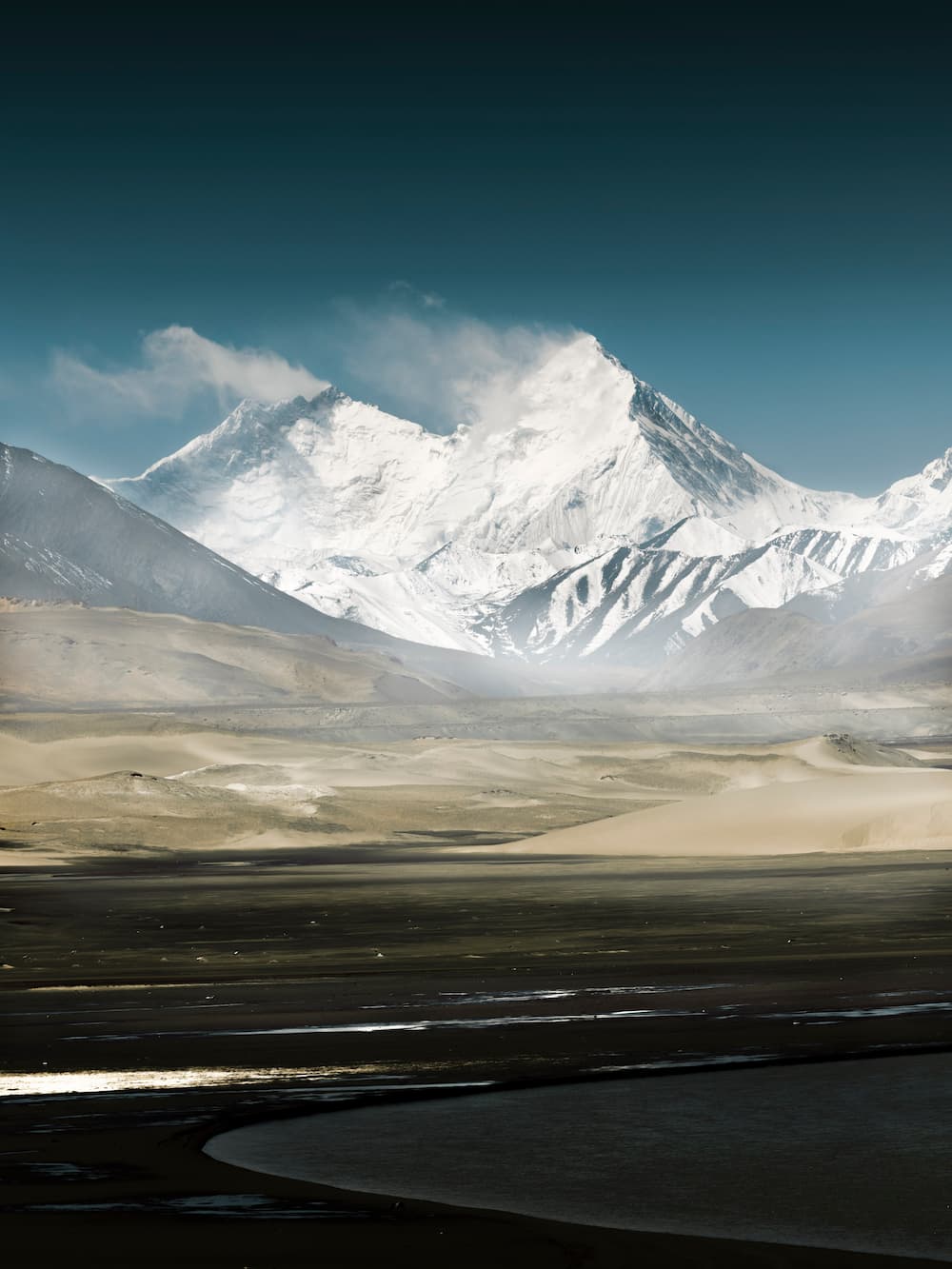
Xinjiang 2 - Forest Kai - @forest1kai
Xinjiang - Forest Kai - @forest1kai

My most challenging shoot: Frozen dawn in Tibet

One of my hardest experiences was a dawn shoot in Tibet, flying my drone in freezing wind. I was so focused on composition that I stopped noticing my hands. Frostbite set in without warning. Even now, my fingers are still recovering, thankfully not severely.

Moments like that stay with you. They remind you why patience and awareness matter more than any piece of gear.

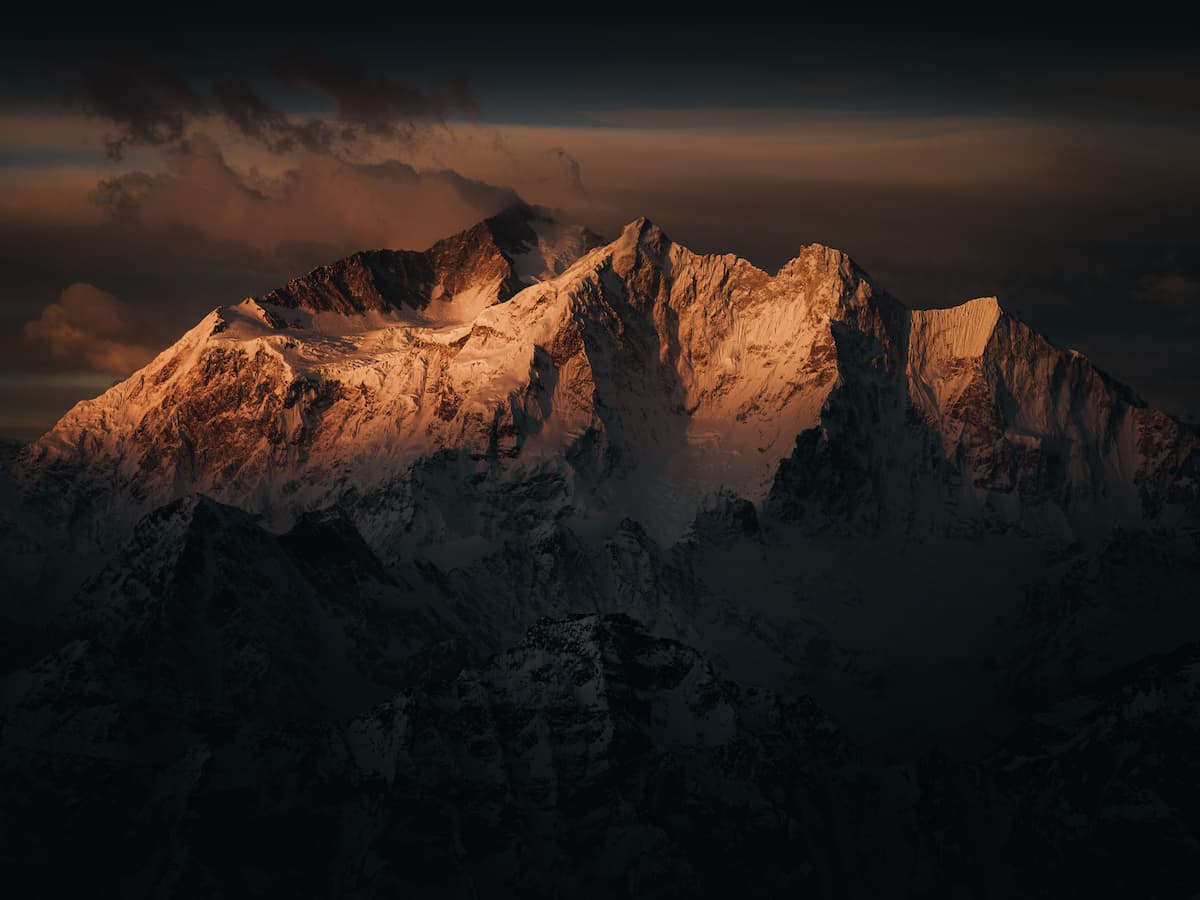
Makalu - Forest Kai - @forest1kai

Advice for aspiring landscape photographers

I’m 18 this year, still studying, still learning. But if I had to share something, it would be this:

Go to places that make you feel something.

Don’t choose landscapes because they’re famous or beautiful. Choose them because they change your breathing, because they scare you a little, because they remind you of something you can’t say out loud.

Your style is shaped by what you’re willing to endure:

1) Waking up at 4 a.m.

2) Waiting five days for a mountain to appear

3) Enduring frostbite

4) Being alone with no signal for hours

These moments teach you who you are visually.

My journey through Kazakhstan, Tibet, and Xinjiang has taught me that landscape photography isn’t just about documenting what you see; it’s about documenting what you feel.

THE LATEST STORIES

WRITEN WITH PASSION TO INSPIRE YOU
Bokty Mountain - Kazakhstan 4 Forest Kai - @forest1kai

Forest Kai (@forest1kai): Photographer based in the US

In this article, Forest shares how years of chasing scale, silence, and raw landscapes shaped his approach to photography, from the deserts of Kazakhstan to the volcanic ridges of Iceland. He talks about how he uses light, texture, and vast negative space to create images that feel both intimate and overwhelming.

Nomadict+Yhabril@yhabril 00011

Yhabril (@yhabril): Best of the Week 33 at #nomadict

Spanish photographer Yhabril captures the profound connection between humans and the mountains that shaped him. Growing up in the Pyrenees, his work bridges outdoor sports, landscapes, and celestial scenes — often blending athletes, moonlight, and wilderness into striking visual stories.

04 Nomadict_Ariane Totzke

Ariane Totzke (@besondersschwierig): Photographer based in Switzerland

In this article, Ariane shares how photography helped her navigate personal challenges, connect authentically with people and animals, and develop a philosophy rooted in empathy and artistic freedom. Readers will also discover her ethical approach to wildlife photography and her trusted equipment for both camouflage techniques and cameras.

@dmnk.visuals - Nomadict cover

Cinematic city photography: An essential 6-step workflow

In this article, you’ll learn how to read and use light in your home city, choose the right technical settings for low-light scenes, and refine your editing workflow to shape color and atmosphere step by step. In addition, Dominik shares how to find fresh perspectives on familiar locations, five lessons that transformed his photography, and insights on the future of street photography.