Filip Hrebenda
@filiphrebenda
Nature and travel photographer
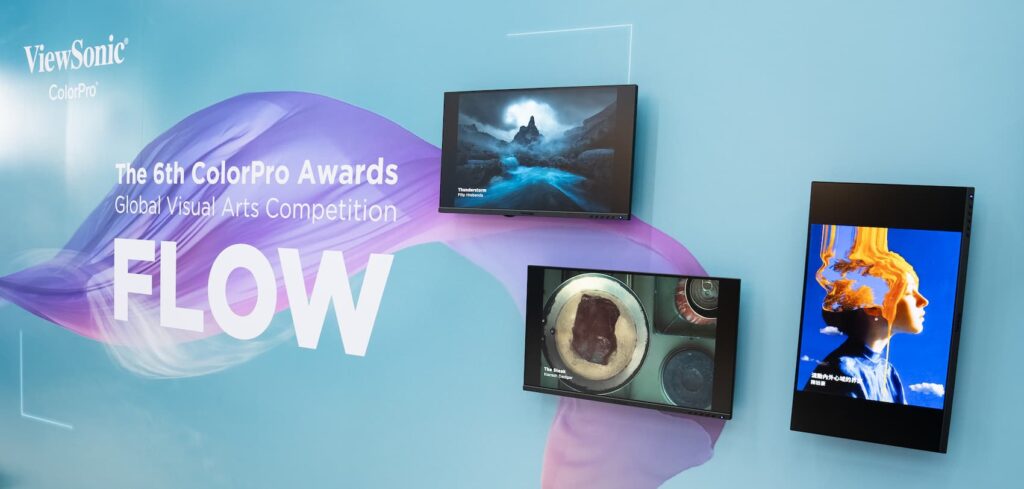
Known for capturing nature’s raw intensity, Filip Hrebenda creates atmospheric landscapes shaped by storm, fire, and light. Winner of the 6th ColorPro Awards for ‘Thunderstorm’, his work reflects years of persistence, exploration, and a deep emotional connection to the elements.
Introducing Filip Hrebenda
From volcanic eruptions in Iceland to the rugged peaks of the High Tatras and the Dolomites, Filip Hrebenda consistently places himself in demanding conditions to capture moments that feel both powerful and intimate. His award-winning image Thunderstorm, recipient of the 6th ColorPro Awards, reflects this dedication — a photograph born from patience, preparation, and a deep respect for the elements.
Interview
Welcome Filip! “Thunderstorm” has won the 6th ColorPro Awards. Can you walk us through the moment you captured it?
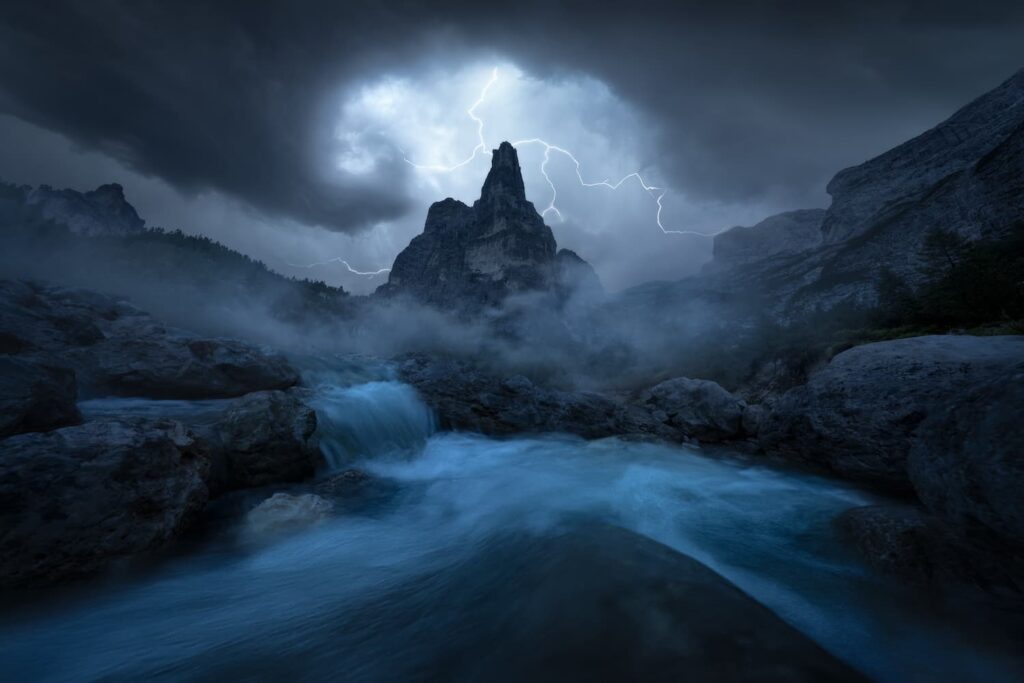
It was late summer, a few days after I had finished one of my photo tours in the Dolomites. I decided to stay a few extra days because very interesting stormy weather was forecast, which is the best possible scenario for a landscape photographer. One evening, I headed to this lesser-known location.
When I arrived at the parking lot, dense storm clouds began to form, and it started to rain lightly. I knew something interesting was about to happen. While still at the parking lot, I set up my camera because I knew the location well and knew I would want to capture some lightning. I put on waterproof clothing and headed out to the spot in the rain.
Along the way, the rain intensified, but I kept going. When I arrived at the location, thunder started rumbling heavily. I found a composition in the stream and set up interval shooting. Every few moments, I had to wipe the lens because of the rain. Still, I managed to capture several lightning strikes and everything I needed.
Compared to past projects like Born of Fire or your work in the High Tatras, what made this image feel special or different to you?
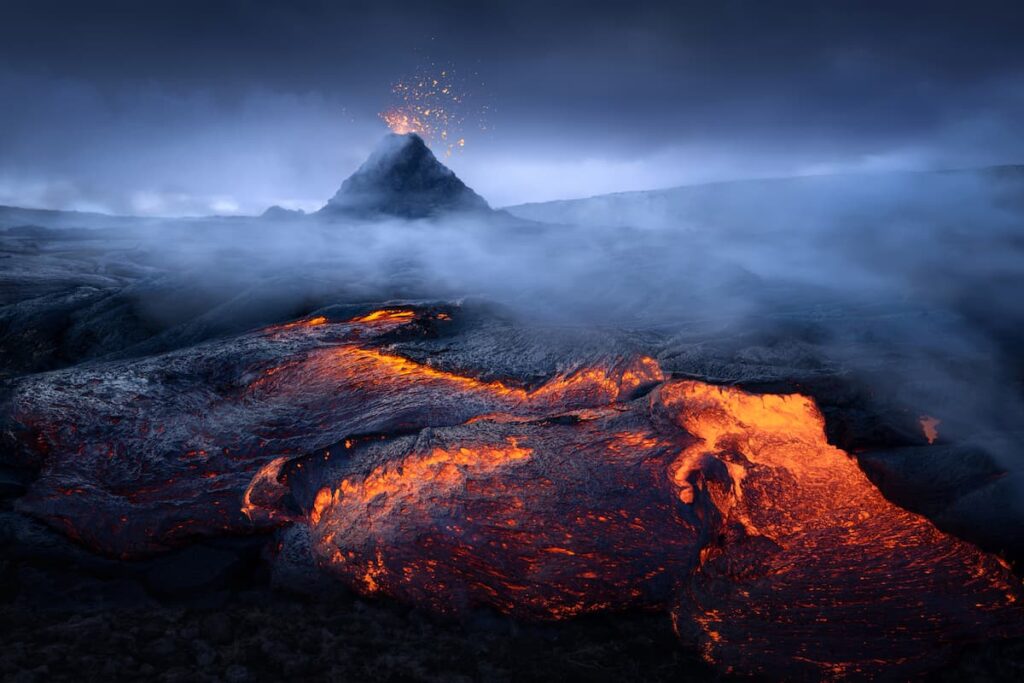
Every photograph has its own unique story. Some projects require significantly more effort, while others require less. For example, because of past pandemic restrictions, I had to stay in quarantine in Iceland for a week for the Born of Fire project, and then spend nearly two weeks dealing with the demanding challenges that come with photographing volcanoes. It was a beautiful project, but it required a great deal of commitment.
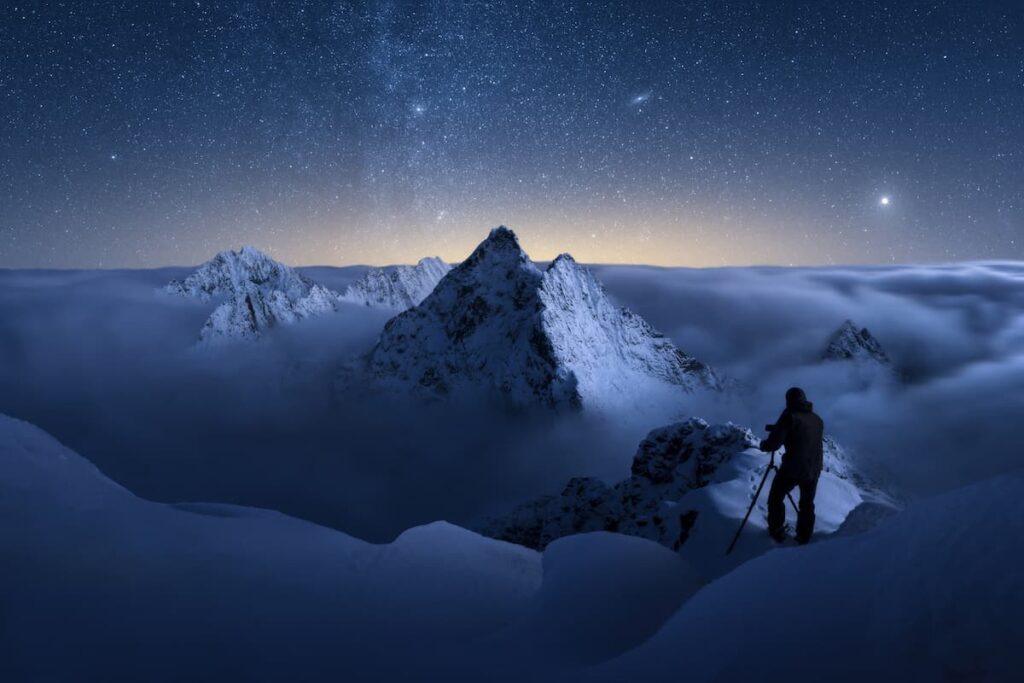
Photographs from the High Tatras, on the other hand, always demand long treks in harsh conditions. The photo “Thunderstorm” was more of a quick shoot—it cost me just one afternoon. But of course, being out in nature during a storm is never something you take lightly. You always need to know the limit of how far you can go so that it remains relatively safe.
In the end, everything was worth it. The result was not only strong photographs, but also stories tied to emotions that are not easily forgotten.
Your work is known for atmosphere, drama, and emotional depth. What specific visual elements or color relationships in “Thunderstorm” were essential in conveying the story behind the scene?
Through my work, I always try to convey to the viewer not only the atmosphere of the place I photographed, but also the feeling I experienced while being there.
If my hands were freezing during the shoot, I want the viewer, metaphorically, to feel cold as well when looking at the photograph. If I felt a bit afraid while photographing, I want the viewer to sense something similar when gazing at the image.
In the photograph Thunderstorm, I aimed to capture several elements. However, what I primarily wanted to draw attention to was movement and, to a certain extent, a feeling of helplessness—the sense that what surrounds us is greater than we are ourselves, and that no matter how hard we try, we cannot control it. Visually, the photograph begins in the foreground, which is meant to pull the viewer in through its leading lines. At the same time, it expresses the power of water as a natural element that we cannot stop.
The feeling of cold was perfectly complemented by the mist drifting through the surrounding forests. Around the sharp peak in the center, lightning streaks add to the drama, and the entire scene is enclosed by a swirling dark cloud whose role is to keep the viewer’s eye from “leaving” the photograph. Through such elements, it becomes possible to transfer emotion to the viewer, which is essential to the success of landscape photography.
From a technical perspective, what were the biggest challenges in capturing this storm?
Photographing in the rain—especially during storms—makes it challenging to keep the camera stable and the lens dry. It’s often windy, so droplets constantly end up on the lens. Before every interval shot, I had to quickly wipe the lens to make sure there weren’t any large drops that couldn’t be removed in post-processing.
Beyond that, it’s classic shooting in harsh conditions, where the rule is simple: if you’re well dressed and properly equipped, you’ll take a better photo—because you can step deeper into the water and endure waiting for the right conditions longer. For shoots like this, I always wear sturdy rubber boots and good waterproof clothing. That’s essential. And of course, a cloth for wiping the lens in every pocket.
And on the post-processing side, what were the key steps or choices you made to keep the mood authentic while enhancing the storm’s intensity?
Post-processing always begins in the field. Even there, it’s necessary to imagine what the final image will look like. For example, to further enhance the cold atmosphere, I tried to compose the entire scene so that it didn’t contain many colors. I wanted it to be almost monochromatic, allowing me to push it toward cooler tones later on.
It was also crucial to visually “close” the image with something. That’s why I had to wait until this interesting, twisted cloud formed above the mountain—something I could later work with in post-processing and darken. It was also necessary to emphasize the lightning around the mountain so that the mountain itself would stand out. When you illuminate the surroundings of a subject that isn’t directly lit, its shape and outlines become more pronounced, allowing it to become the main focal point. Post-processing, then, is mainly about making full use of all the possibilities you were already thinking about while shooting in the field.
What does this recognition mean to you on a personal level, and how does it resonate with the years of work and persistence behind your photography?
I always say that photography is not a competition—it’s a subjective matter. Still, recognitions like this always make me happy. This year, I’ve been fortunate to receive several such awards, and each one pushes me further forward. It’s a great feeling to know that the idea I put into the photograph resonated with an international jury and turned into a success like this.
The journey to something like this always takes years. It requires a lot of determination to be in places at times when no one else wants to be there. It means enduring harsh conditions and learning to cope with many setbacks. Every success is preceded by many less successful attempts.
And yet, in a way, landscape photography never truly leads to failure. Simply spending time outdoors and trying to perceive the nature around you is already a huge success in today’s fast-paced world.
Since our last interview together, how has your relationship with nature, fear, and challenge evolved?
Even before, I enjoyed challenges and tried to visit places that tourists don’t usually go to. But I think this keeps evolving, and I continue to seek out even more remote and interesting locations. Through my work, I want to bring viewers places and moments that are rare and seldom seen.
I’ve also been focusing more on exhibiting my work. For example, this year I had the opportunity to exhibit at one of the largest photography festivals in the world, Xposure, which takes place annually in the UAE. I titled my exhibition “Elements of Our Earth.” Through it, I wanted to present the beauty and importance of all Earth’s elements—fire, water, air, earth, and space.
The renowned documentarian Jacques Cousteau once said, “People only protect what they love.” Through my exhibition and lectures, I wanted to add to this statement: “People will only love something once they realize how beautiful and important it is to them.” Based on conversations with visitors and attendees of my talks, I feel that I succeeded in doing that—and that brings me just as much joy as when my work receives an award.
Advice for aspiring landscape photographers
Lastly, what advice would you give aspiring landscape photographers who want to capture powerful weather moments but struggle with unpredictability and planning?
I would advise two things:
1) Don’t chase Instagram trends. Don’t let yourself be pushed into them. They kill creativity. If you want to build your own style and eventually break through in landscape photography, try to spend more time in nature and capture what resonates most strongly with you—and in a way that resonates with you. Don’t focus on what will probably get the most likes on social media, because that’s just a path to endlessly looping through trends that you may never escape from, and you’ll never truly show what you’re capable of.
And the second, related point:
2) Explore. Repeatedly visiting the same spots will not make you an exceptional photographer. If you really want to break through, you have to try to bring something new. Not the same photograph of Kirkjufell over and over again (that was just an example). The more space you give to your own view of the landscape and nature—and the more unconventional places you discover while exploring—the faster you’ll grow and the more interesting your work will become.
As for unpredictability and planning, try to find a reasonable balance between discomfort and safety. The most beautiful conditions and photographs often come after hours spent in rain or unpleasant weather. Always dress and equip yourself so that you can endure several hours on location in rain or snow. And once you have that kind of gear, what you need most is patience. When you manage to combine these things, you’ll certainly experience conditions in which world-class photographs are created.