Photo tour in Azores, Portugal
Join us in the Azores for a unique photo tour, where you’ll elevate your creative skills with expert guidance from Ronald Soethje, Bruno Ázera, and Nomadict.
Carl is a photographer from Swansea, South Wales, specializing in landscape photography and capturing unique moments in his home country and abroad. He won ‘Best of the Week 1’ at #nomadict thanks to your votes, and in this article, we learn about his winning photograph and creative approach.
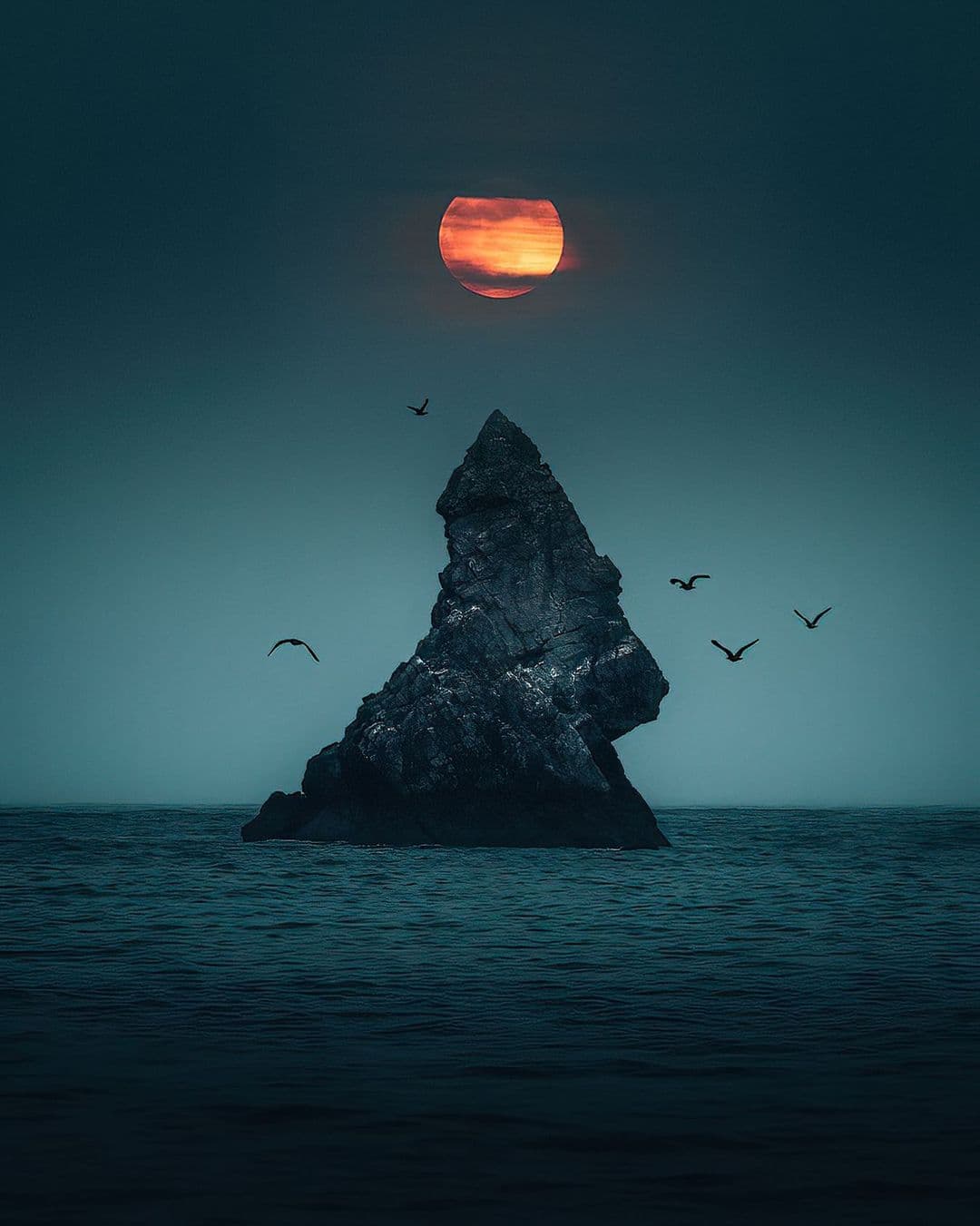
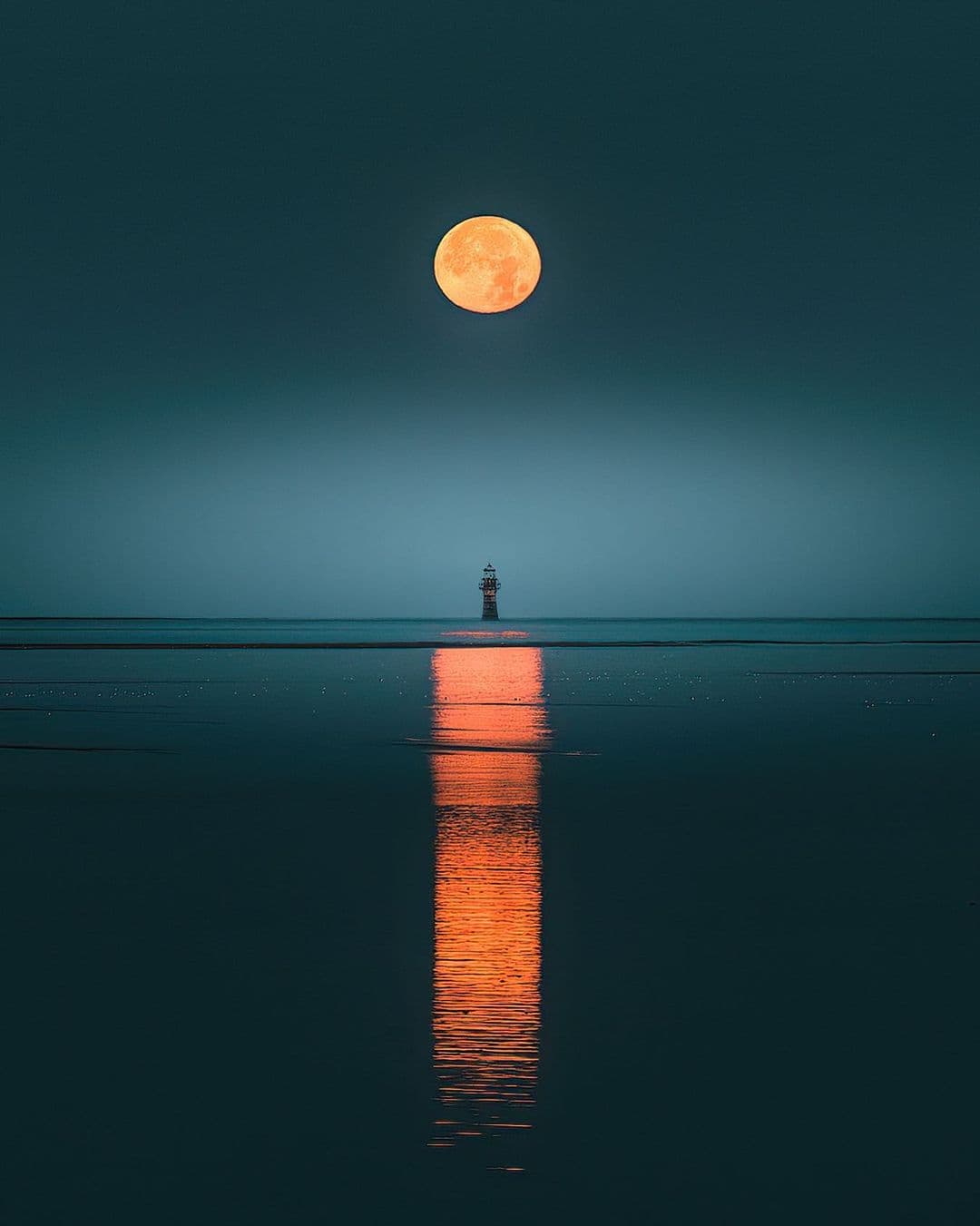
I started photography around three years ago when I bought a drone to take aerial photos for a website I was making. I was suddenly hooked as the mix of creativity and the technical side just appealed to me. A year later I bought my first camera and I’ve never looked back. Photography has taken me to so many places and I have witnessed things I would never have thought of before I took up photography. From full moons rising on the Gower Peninsula to starry nights in the snow up on the Brecon Beacons, I now see Wales differently and try my best to showcase the beauty of my country in my images.
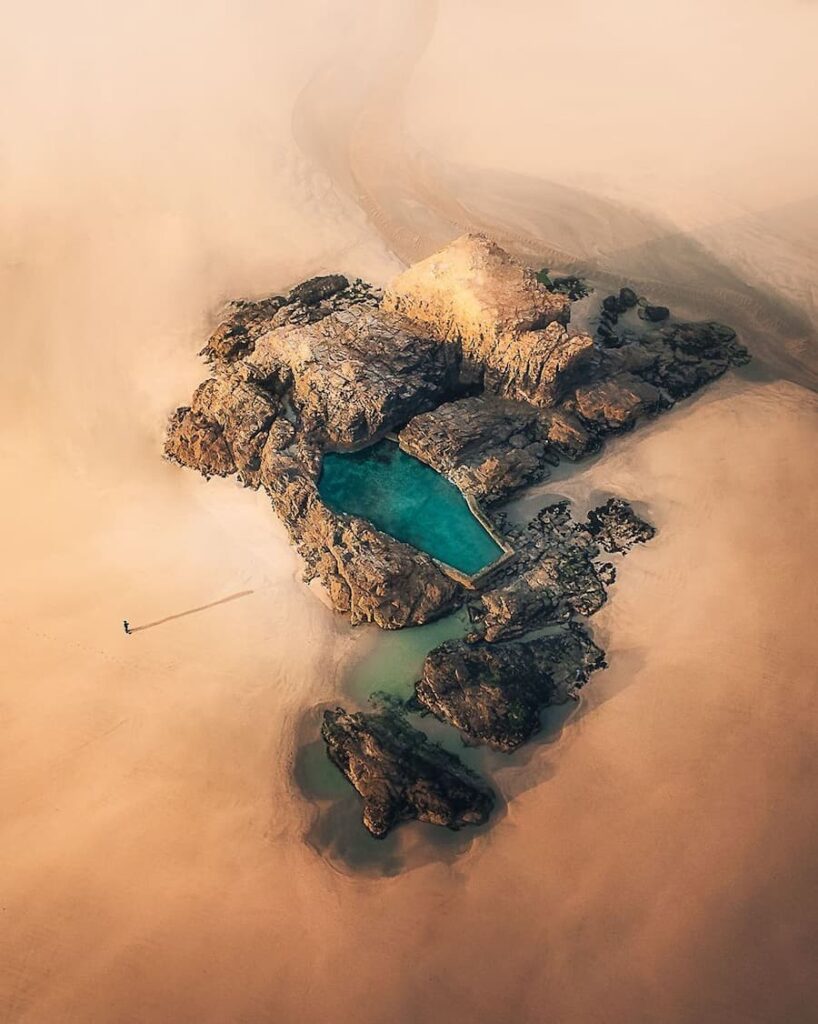
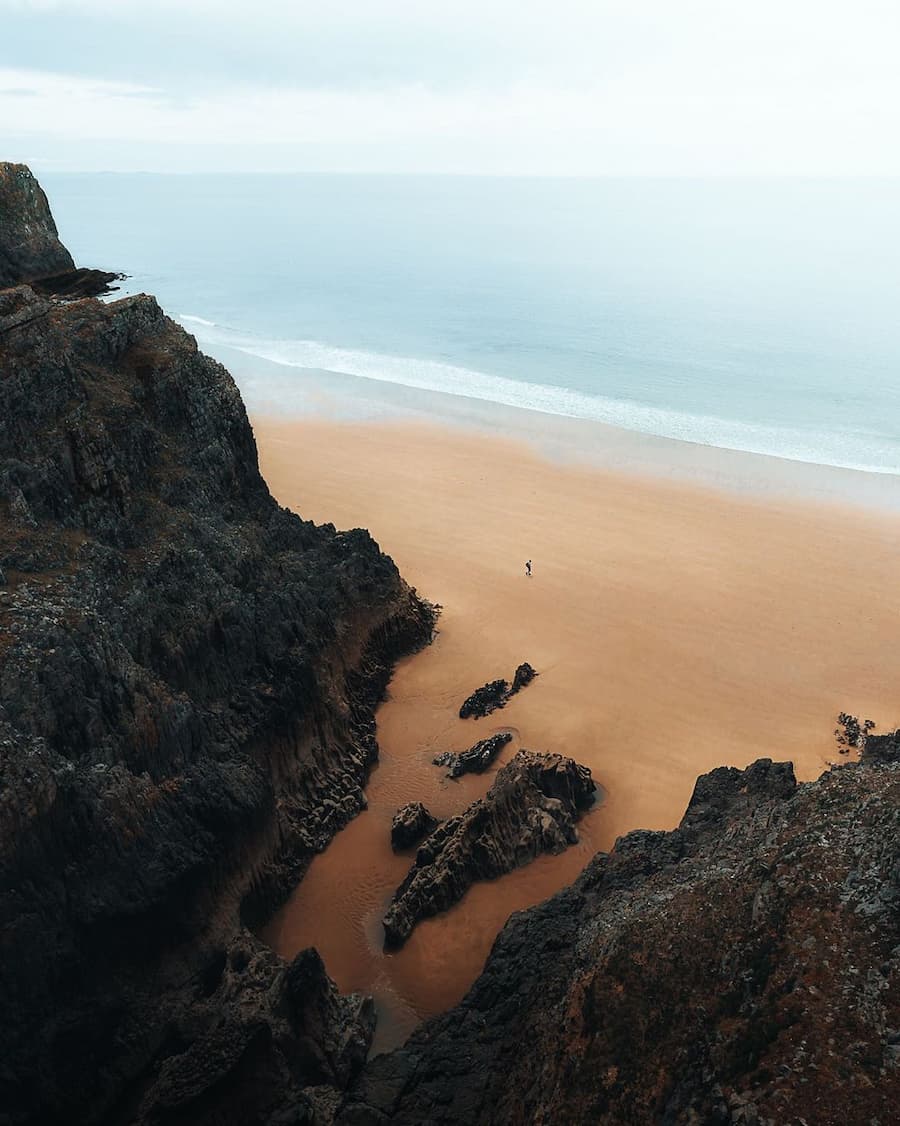
This is how, eventually, I captured my winning photograph:
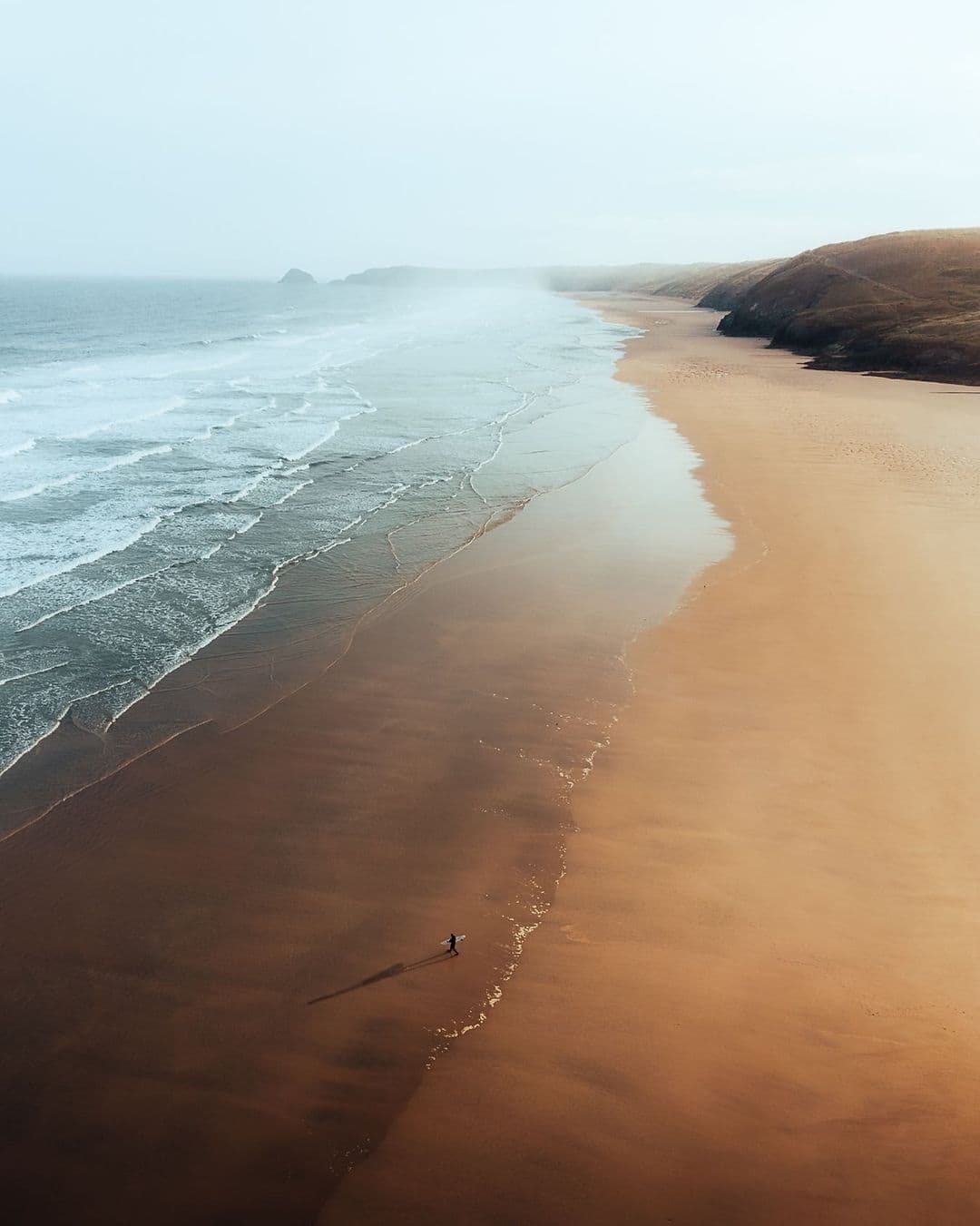
One morning during my stay in Cornwall, I walked the length of the 2-mile beach at Perranporth to check out the rock pool known as Chapel Rock. It’s a very popular beach so I had to get out early and I arrived as the sun was rising around 6 am. I knew an aerial perspective would show this place off. I then decided to place myself in the shot, to give a sense of scale alongside the pool and I knew that the low sun would also give a cool, long shadow pointing towards the pool. Then, when it comes to drone photography, I typically follow this guideline:
1) Shoot in RAW
2) Keep the ISO as low as possible (< 400)
3) Bracket exposures in strong light
4) Use vertical panoramas
As I finished shooting the rock pool, a surfer walked past, heading out for his morning surf so I quickly turned the drone around and took another vertical panorama. This image illustrates the length of the beach and these are 2 of my favorite images to date.
Back home, editing is my favorite part of the process, I love how you can bring an image to life during post-processing. When editing my images, I like to use complementary colors and make them punchy, with high contrast. My favorite colors to work with are blues and oranges, I try not to include too many colors in my images and always ensure that the colors bring out the best in the subject.
For the winning photo, I wanted to create a warm, vibrant look to emphasize the feeling of sunrise. I use Lightroom and Photoshop for my edits and always start my workflow in Lightroom. I begin with basic edits and then enhance the image using masks, this is a powerful way to bring out the best in the image. I will then finish the image in Photoshop and for this particular shot, I removed a lot of distractions and cleaned up some of the elements on the beach.

Move RIGHT or LEFT to compare
In this regard, there are a few elements that can help you capture a great photograph. The four factors I pay the most attention to are:
Composition – composition is key to a great landscape photo. I always try to simplify a scene, if there is too much going on the eye can wander. Remove any distractions and try different angles, think about the placement of your elements, and think about techniques such as the rule of thirds, leading lines, depth, symmetry, and negative space. Some of my favorite photos are based around minimalism, sometimes less is more.
Light – light plays a huge role in photography, the same scene can look drastically different depending on the light. I always plan my shots to know what direction the light will be coming from, whilst also keeping an eye on the weather. The time of day plays a key role in this, my favorite times to shoot are at sunrise and sunset when the light is softer and the sun is lower in the sky, which can also create long, interesting shadows.
Tell a story – draw your viewer into the image by telling a story. Make them feel like they were there. I always try to portray a mood, bringing out the emotion in the viewer will give them an attachment to the image. This can also be added in the editing stage, using bold colors, photographing in the fog, going out when it snows, or anything that adds that extra bit of spice to an image.
Subject – I always try to make sure that my photo has a strong subject. Images lacking a subject will lose the viewers’ interest. I see a lot of images shot too wide, trying to include everything that can be seen. If you have a big scene, try using a telephoto lens and picking out specific details.

Join us in the Azores for a unique photo tour, where you’ll elevate your creative skills with expert guidance from Ronald Soethje, Bruno Ázera, and Nomadict.

In this article, Forest shares how years of chasing scale, silence, and raw landscapes shaped his approach to photography, from the deserts of Kazakhstan to the volcanic ridges of Iceland. He talks about how he uses light, texture, and vast negative space to create images that feel both intimate and overwhelming.

Simon shares the journey behind his photography, from early inspirations to field techniques, editing, and the story of the winning shot that shaped his path.

In this article, Miro shares how his love for cinematic music evolved into a deep passion for photography and how he uses light, color, and atmosphere to turn the streets of Prague into living film scenes.

In this article, Stefanie reveals how her background in physics sparked her passion for astrophotography and how she blends science with creativity to capture the beauty of the night sky. Readers will discover her approach to color, contrast, and editing, as well as her aurora photography workflow.

Spanish photographer Yhabril captures the profound connection between humans and the mountains that shaped him. Growing up in the Pyrenees, his work bridges outdoor sports, landscapes, and celestial scenes — often blending athletes, moonlight, and wilderness into striking visual stories.

In this article, Ariane shares how photography helped her navigate personal challenges, connect authentically with people and animals, and develop a philosophy rooted in empathy and artistic freedom. Readers will also discover her ethical approach to wildlife photography and her trusted equipment for both camouflage techniques and cameras.

Discover how to photograph Dutch tulip fields in their most magical light. From choosing the right gear and lenses to mastering composition, color, and aerial perspectives, this guide shares creative techniques to capture the beauty of the Netherlands’ tulips. Learn how light, color grading, and proportion bring emotion into every frame.