Hi there! My name is Bruno Ázera and I’m a digital artist based in Terceira Island, Azores, Portugal. Being born and raised here, I have come to love creating photos and videos in the Azores. I specialize in creating Photography Tours and Workshops, while I also work with businesses that are connected to nature and the outdoors.
My first interest in photography was triggered when my mother gave me a wooden box with photographs taken by my great grandfather when I was young. I still keep it with me, it is a box of memories, history, and art. As a teenager, I also started with music – playing an electric bass – following in the footsteps of my family. The thrill of playing live with my band was amazing. Being surrounded by and being creative with music, led me to other forms of art. I think that it is all connected.
When I started to show a greater interest in photography and wanted to acquire my own equipment, it was really expensive and I had to work hard to be able to bear these costs. It wasn’t easy, but I felt that this was the path I wanted to take. From a very early age, I started playing with Photoshop, even before thinking about photography, and the love for cinema has practically always existed – this was driving me to achieve what I wanted. From the first day I picked up a camera back in 2005 until today, things have completely changed. My workflow from capture to edit has evolved and I’m focusing more on video and creating digital products for my website. Growing your brand you need to be up to date with all the new technology that comes out and know what other artists are creating. I invest a lot of time and money in my skills.
I think photographers today aren’t just “normal photographers”, but digital artists. However, although I like to edit and use new technology, I have a line that I never cross when creating images. I don’t like to replace skies or the reality of a location, especially when it comes to sharing travel content of the Azores on social media. Very often we see photos produced and loaded with filters and tones that are not possible in those certain scenarios. Unfortunately, I feel that there is a trend for fast food photos. Don’t get me wrong, I love digital art! But I think that a photographer should never be afraid to mention the process of editing and how the image was changed/ modified.
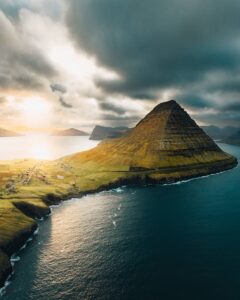
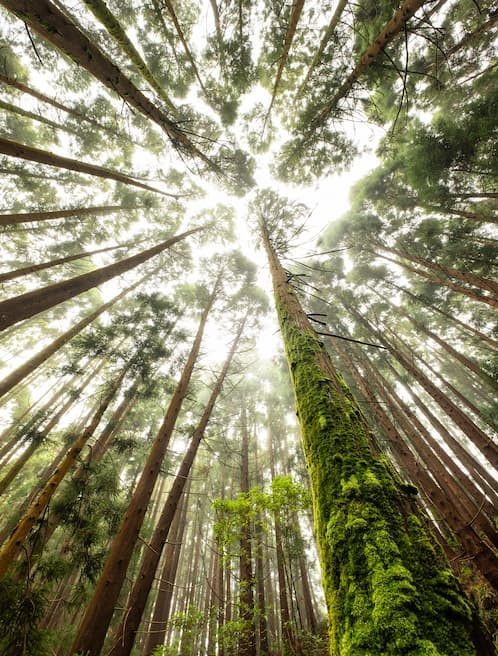
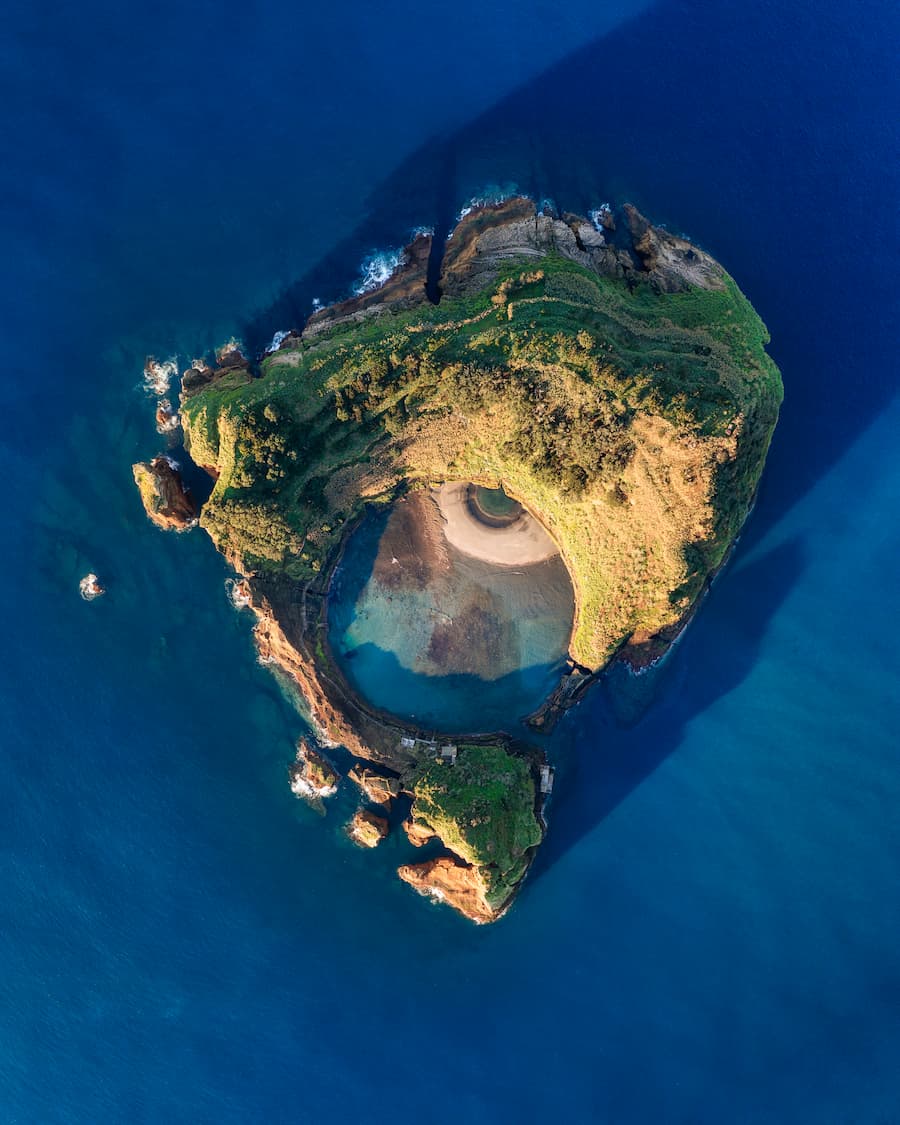
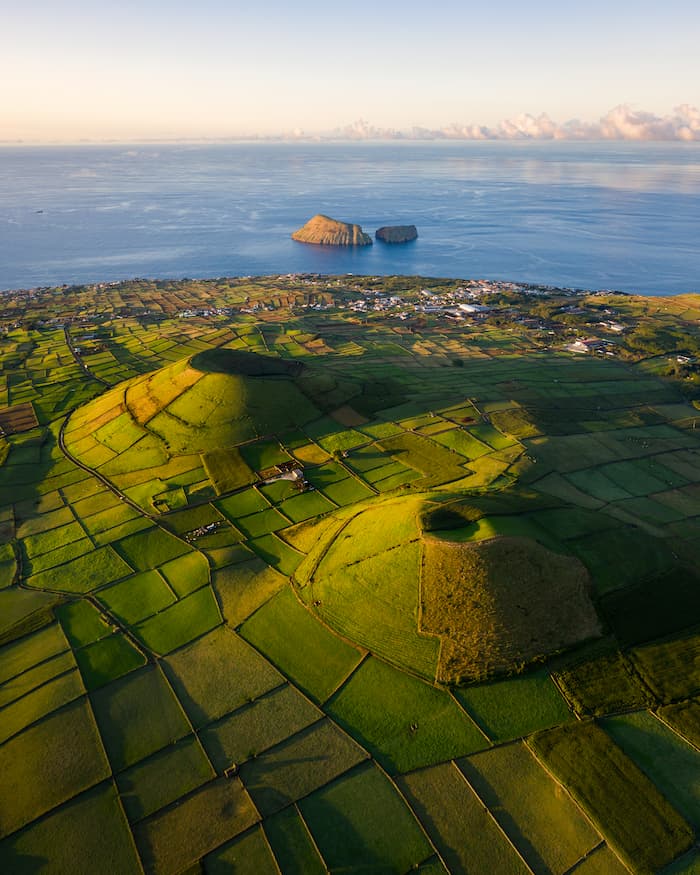
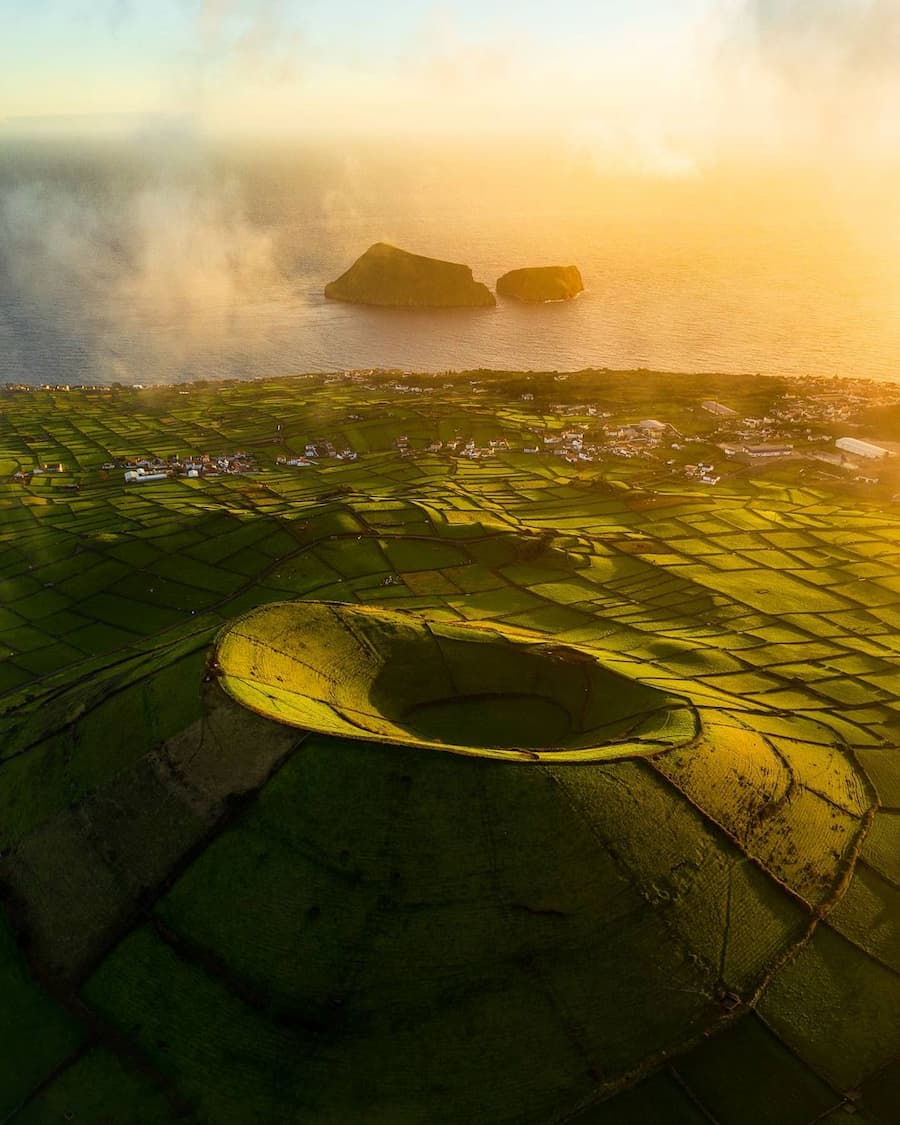
The present green and rugged landscape in our daily lives, the dark blue colors from the ocean, and the bright yellows from the best light of the day, are a reflection of my photography work. My workflow has evolved and changed over the years but I’ve been a Lightroom and Photoshop user since I started. I’ve tried Capture One mainly for the colors, but in my opinion, especially with the new local adjustment tools, Lightroom is still the best out there. My editing starts in the blue channel of the Calibration and finishes in the HSL/Color module. These are by far the two main tools I use to create my style and look. Participants of my photo tours are usually blown away when showing these simple steps. Next, I jump to Photoshop to add perspective and depth to the image, using luminosity masks for dodging and burning or for creating more precise blending exposures when needed. More recently, I have added Luminar to my editing workflow. The AI understanding of a scene is incredible and really helps with final touches.
Being organized is key to being productive throughout the process. There is no right way, but try to find a method of work that fits your needs. One thing I can’t stress enough is backing up and cataloging all of your work. Unfortunately, I have learned this the hard way by losing several years of photos due to a power surge, destroying two of my main hard drives on my server.
My tours and photo guides available on my website are a reflection of what I consider important for landscape photographers that are thinking of visiting the Azores. They are the result of hard work that I am proud of having built during all this time being a local and living here in the Azores.
I think that what makes my workshops/tours unique – is me. That may sound a little uncommon to hear someone saying such a thing out loud about themselves, but in the end, it’s true for everyone. In my case, being a local photographer and having lived here all my life, I know the people, I know the customs and I know exactly what is interesting for others to see. Nothing is staged and I want the participants to have an experience as close as possible to what it’s like to live and be Azorean. An example of this was recently when the farewell lunch of one of my September photo tours was held at my parents’ house. Amazing experience!
My photo tours are above all, adventures and experiences where the best opportunities to photograph the Azores are created. I have spent countless hours scouting and photographing all the locations intensively, therefore choosing the best time of day to show it. We frequently fly from where I’m based to go to another island, but the ferry is the best option if you want to explore the triangle of the islands of Faial, Pico, and São Jorge because they are so close to each other. I also like to include post-processing and editing sessions on the go, where I teach and let people try.
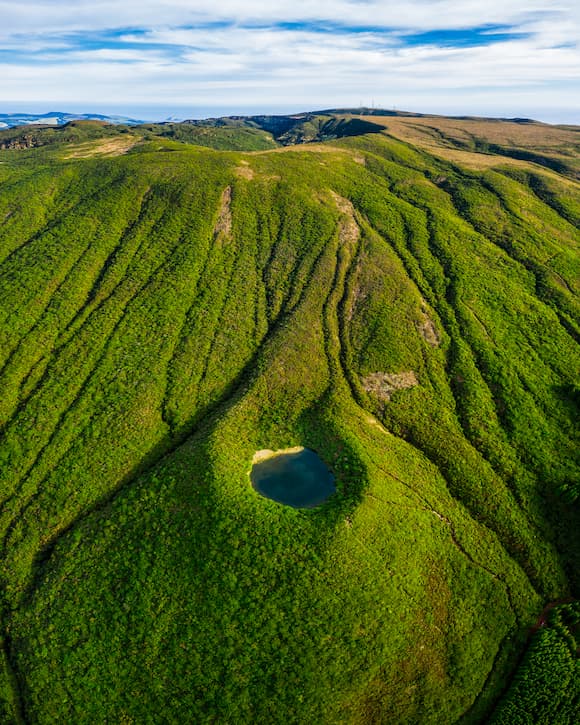
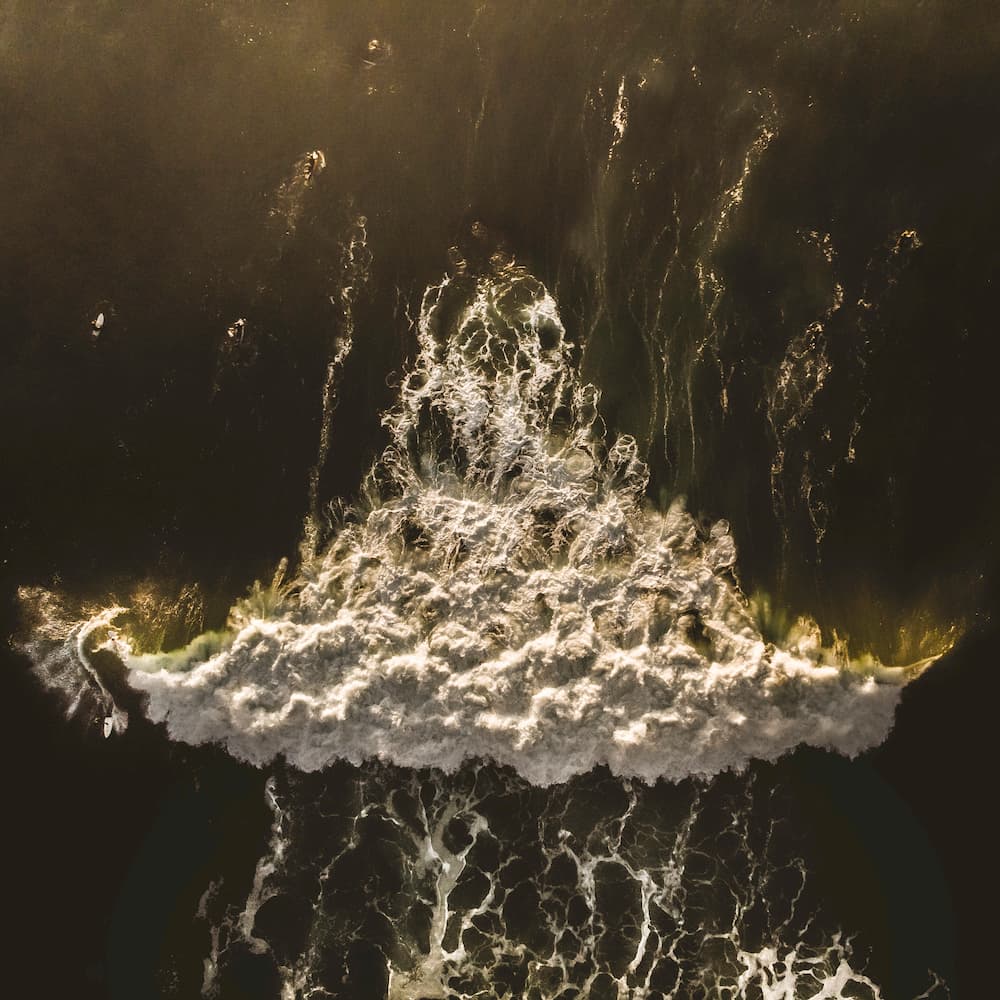
I have a great time during all my tours, whatever island it is that I show. It is hard to choose one or even a few islands, considering most people cannot visit all. Each one has its charm. Of course, Terceira Island means home and comfort to me, it has a completely different vibe. My favorite photograph from the island is of Pico Dona Joana. For many years, I passed through this place and had no idea of the hidden beauty that was there. With the technology of drones, it is possible to discover different perspectives and places that were completely out of reach, especially the incredible seascape of the Azores viewed from the ocean.
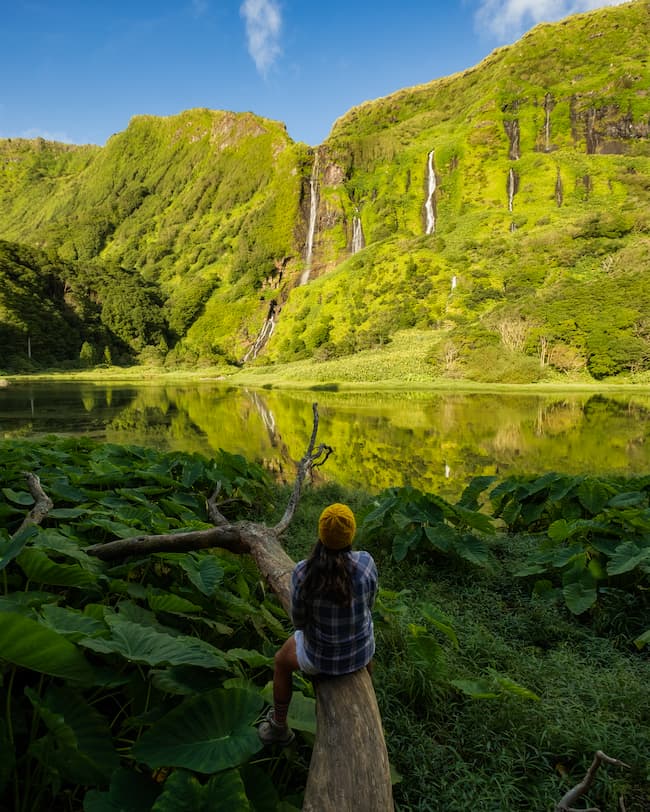
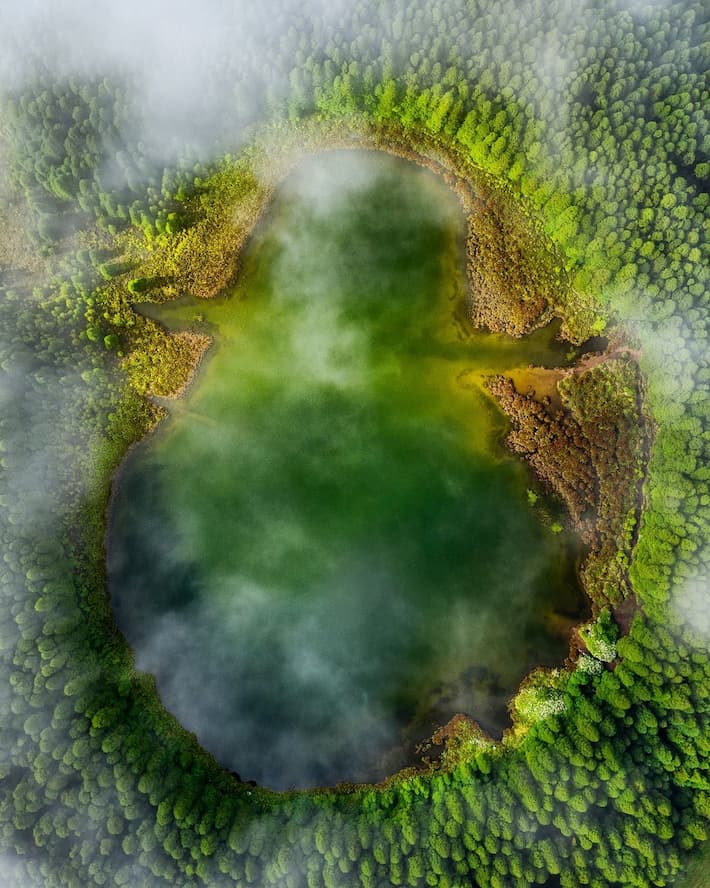
However, if I had to recommend a place to visit when having a limited amount of time, it’s São Miguel. This island has a bit of everything, from amazing landscapes to gorgeous lagoons and hot springs. The island that impresses me more personally, is definitely Flores. An untouched landscape, surrounded by green endemic vegetation and breathtaking waterfalls everywhere you point the camera.
There is a lot to see and photograph on each island and the feel of nature and sense of peace takes over. Nevertheless, it is difficult to live in a place as isolated as the Azores and be successful just doing photo tours focusing on nature and adventures, especially since I don’t live on the biggest and most touristy island of the archipelago. So, my main job is running a bar/music venue owned by my family that we opened back in 1998 in my hometown and doing my best to be present on social media. One of the main strategies I’ve used was to always put the name or hashtag Azores on everything that I created and shared, but in reality, it always comes down to creating the best work possible.
Recently, I have been focusing more on video and learning how to shoot and edit videos. I never thought that I could be hired for doing what I love, creating the nature and outdoor content of the Azores. It all started with personal projects, but I’ve been fortunate enough to have my work on big commercial ads for television. The industry has changed, and you have to adapt and evolve with it.
Doing your best and being your best, I have learned over the years, is the one and the only thing that will lead you toward your goals. There are many strategies you can apply to achieve success, but they will only work for you (in the long run) if they are driven by a sincere and authentic passion.
Love from the Azores!
Would you like content like this sent to your inbox?

Join us in the Azores for a unique photo tour, where you’ll elevate your creative skills with expert guidance from Ronald Soethje, Bruno Ázera, and Nomadict.

In this article, Forest shares how years of chasing scale, silence, and raw landscapes shaped his approach to photography, from the deserts of Kazakhstan to the volcanic ridges of Iceland. He talks about how he uses light, texture, and vast negative space to create images that feel both intimate and overwhelming.

Simon shares the journey behind his photography, from early inspirations to field techniques, editing, and the story of the winning shot that shaped his path.

In this article, Miro shares how his love for cinematic music evolved into a deep passion for photography and how he uses light, color, and atmosphere to turn the streets of Prague into living film scenes.

In this article, Stefanie reveals how her background in physics sparked her passion for astrophotography and how she blends science with creativity to capture the beauty of the night sky. Readers will discover her approach to color, contrast, and editing, as well as her aurora photography workflow.

Spanish photographer Yhabril captures the profound connection between humans and the mountains that shaped him. Growing up in the Pyrenees, his work bridges outdoor sports, landscapes, and celestial scenes — often blending athletes, moonlight, and wilderness into striking visual stories.

In this article, Ariane shares how photography helped her navigate personal challenges, connect authentically with people and animals, and develop a philosophy rooted in empathy and artistic freedom. Readers will also discover her ethical approach to wildlife photography and her trusted equipment for both camouflage techniques and cameras.

Discover how to photograph Dutch tulip fields in their most magical light. From choosing the right gear and lenses to mastering composition, color, and aerial perspectives, this guide shares creative techniques to capture the beauty of the Netherlands’ tulips. Learn how light, color grading, and proportion bring emotion into every frame.