Billy Dinh

@billydeee

Photographer based in the US

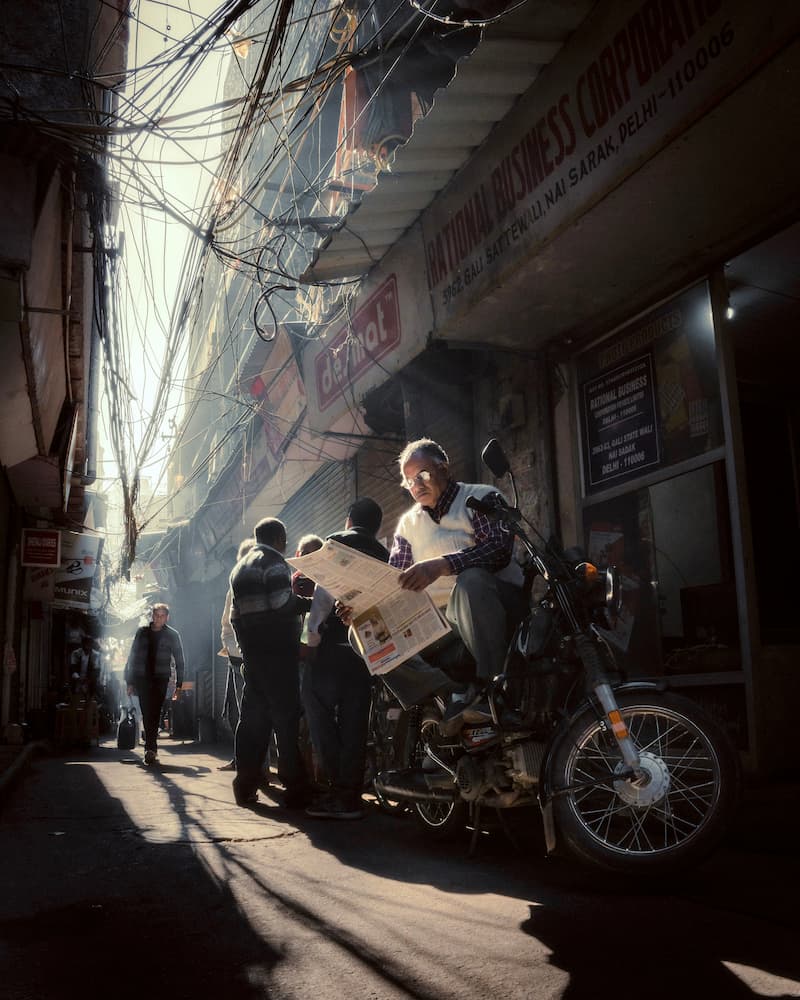
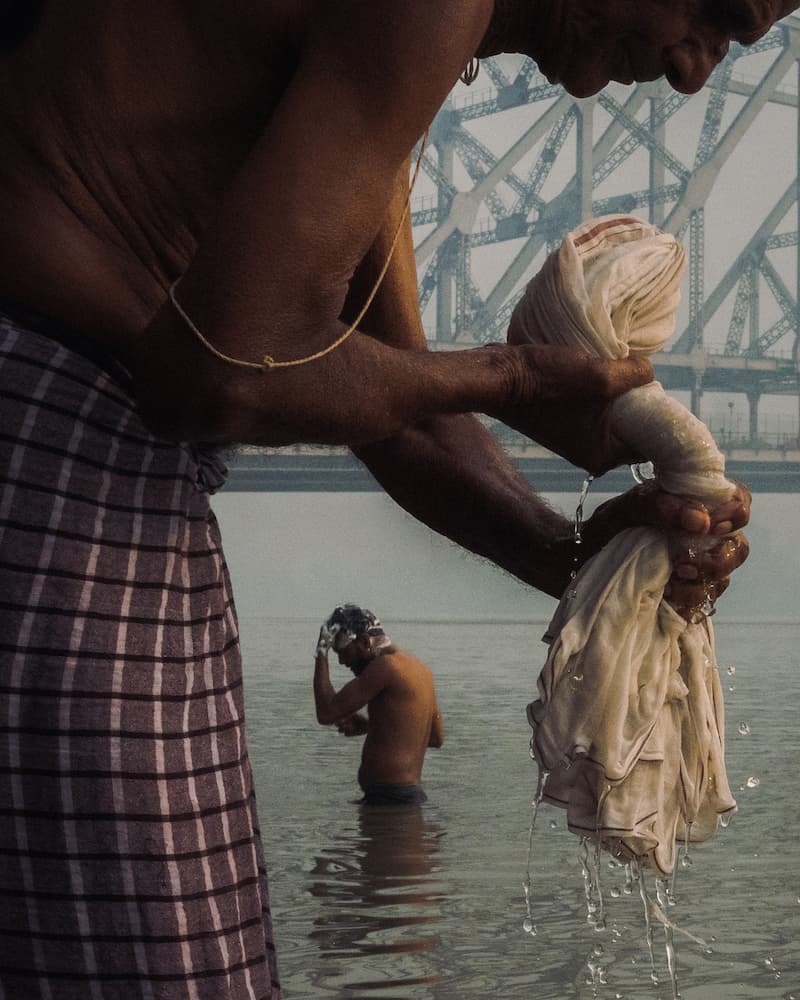
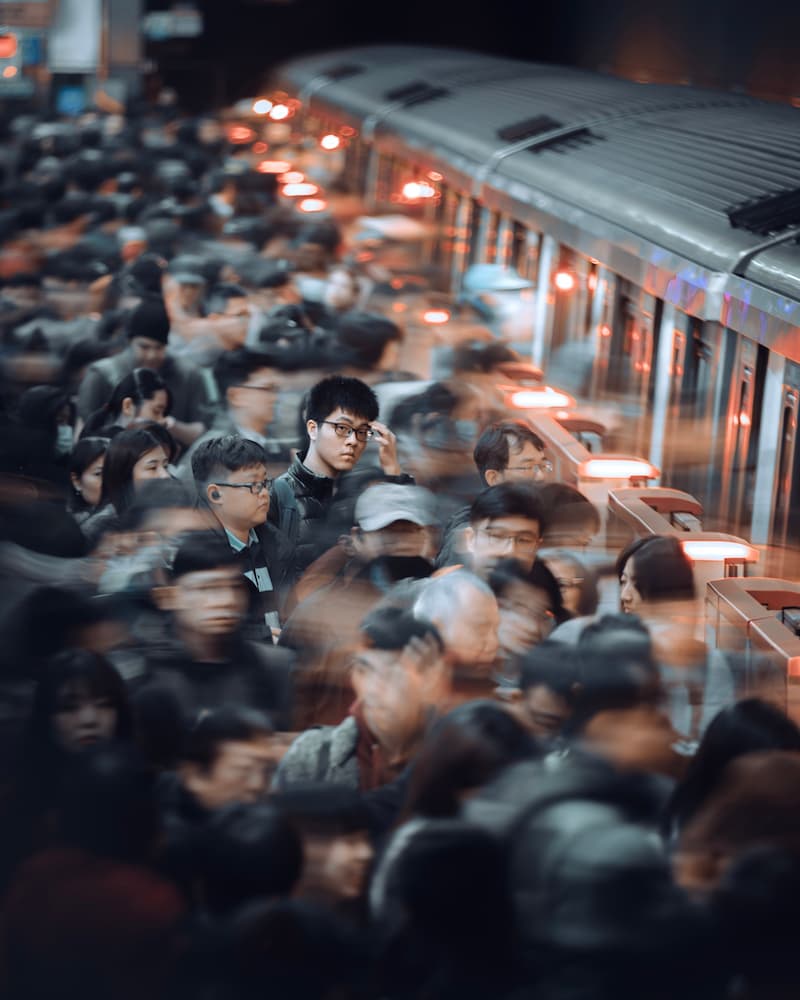
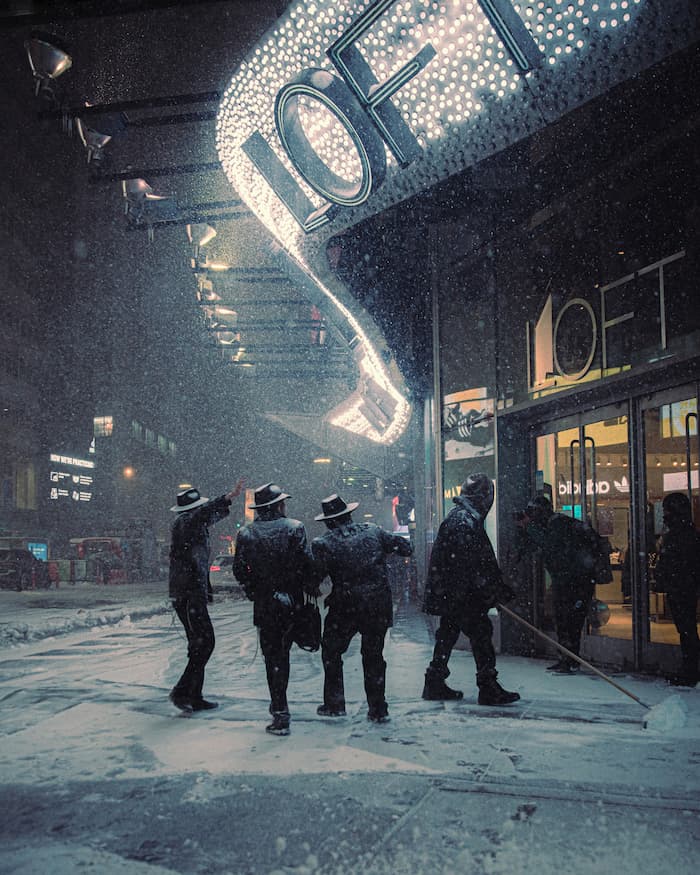
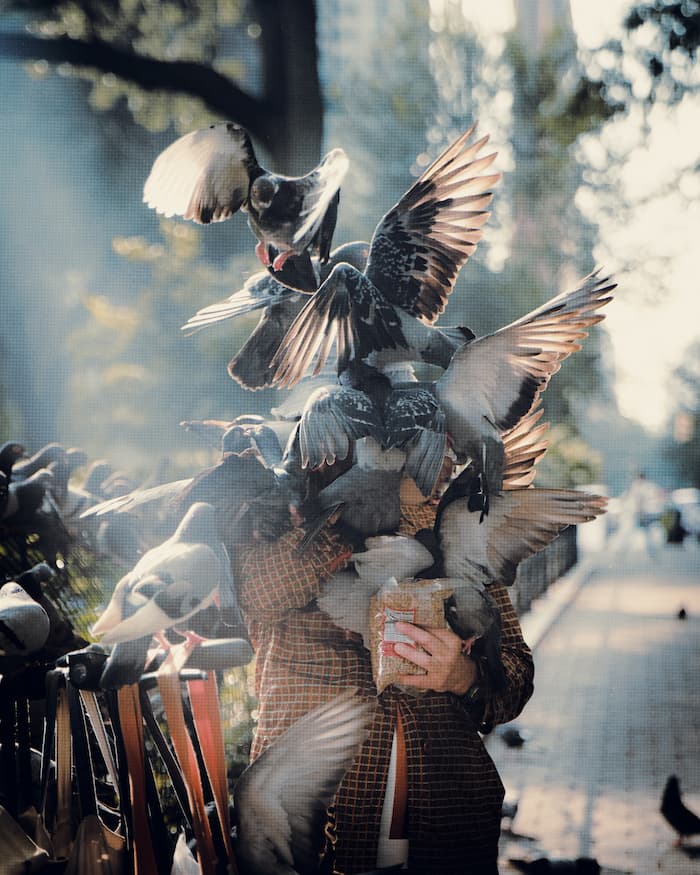
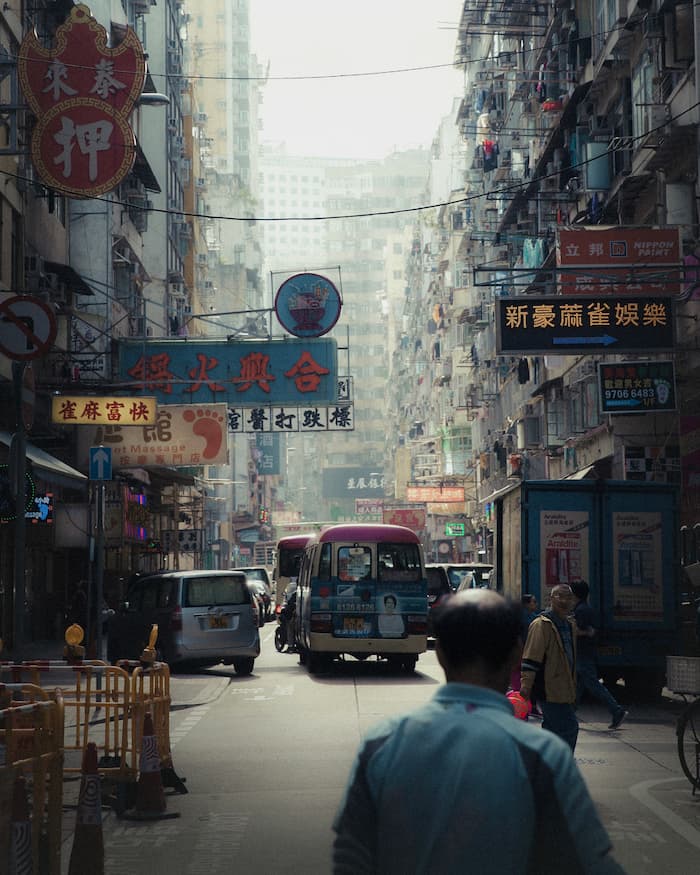
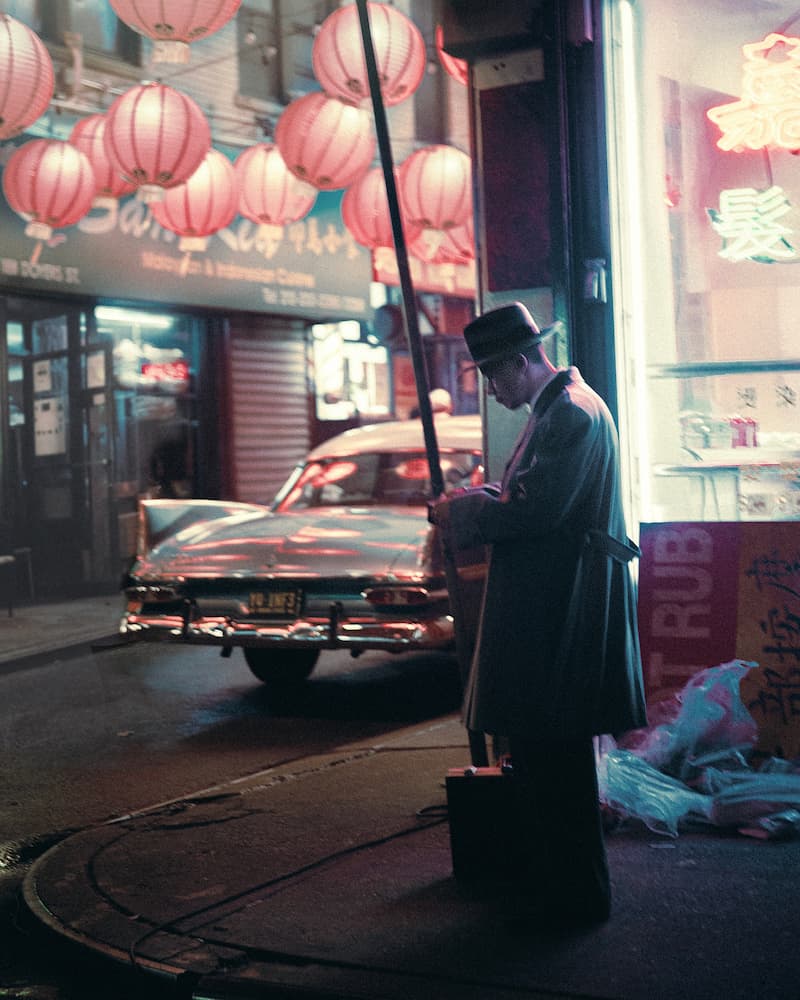
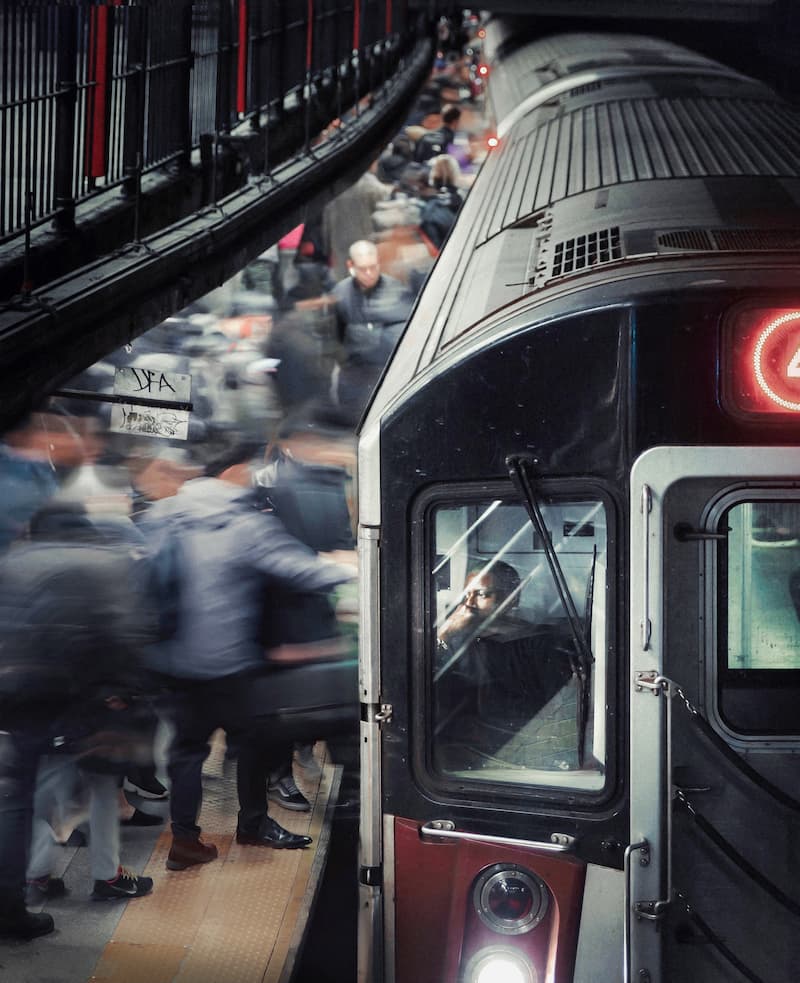
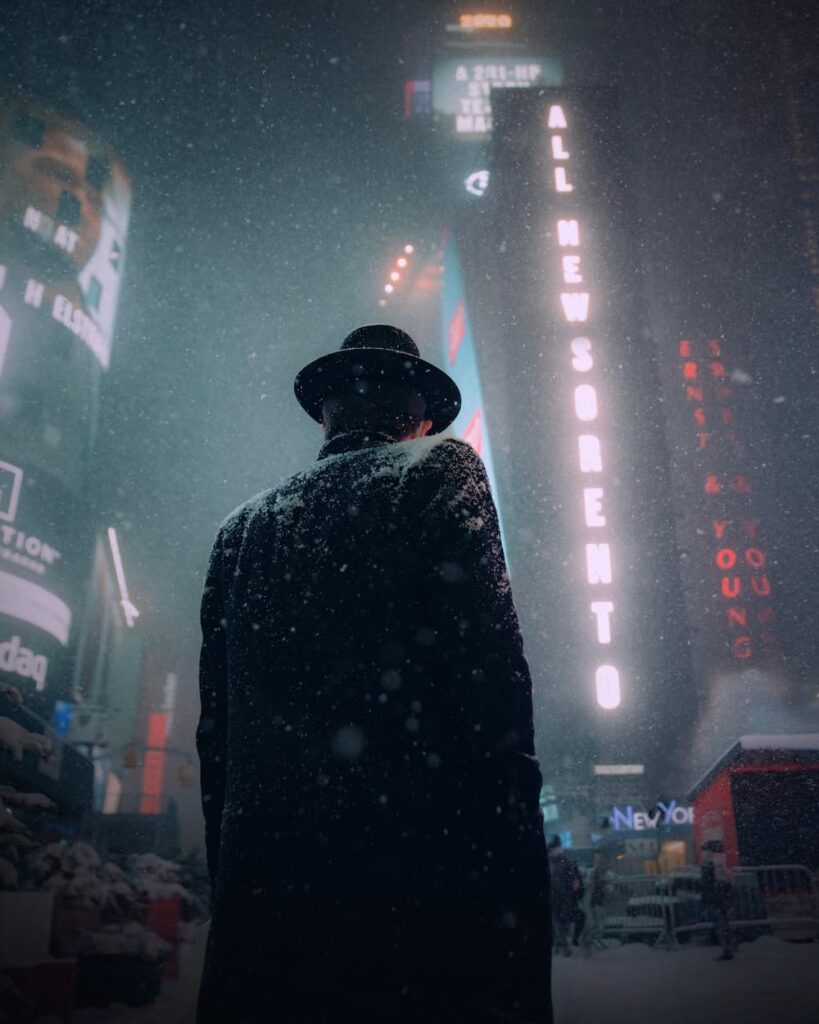
Photographer Billy has always been drawn to visual storytelling, a passion that began with illustration and naturally evolved into street photography. His work captures both the raw and poetic moments of everyday life, often shaped by a cinematic eye and a curiosity for human behavior. In this article, he shares the journey behind his craft, the mindset he brings to the streets, and how his background influences his perspective on the world.


Origins

I grew up dreaming of becoming an illustrator, so visual storytelling has always been a part of me. This interest, combined with my love for traveling, naturally led me to photography. I started by taking photos on my phone—capturing streets and people—and gradually became more serious about it. Eventually, I realized my phone couldn’t give me the quality or flexibility I needed, so I made the switch to a proper camera.

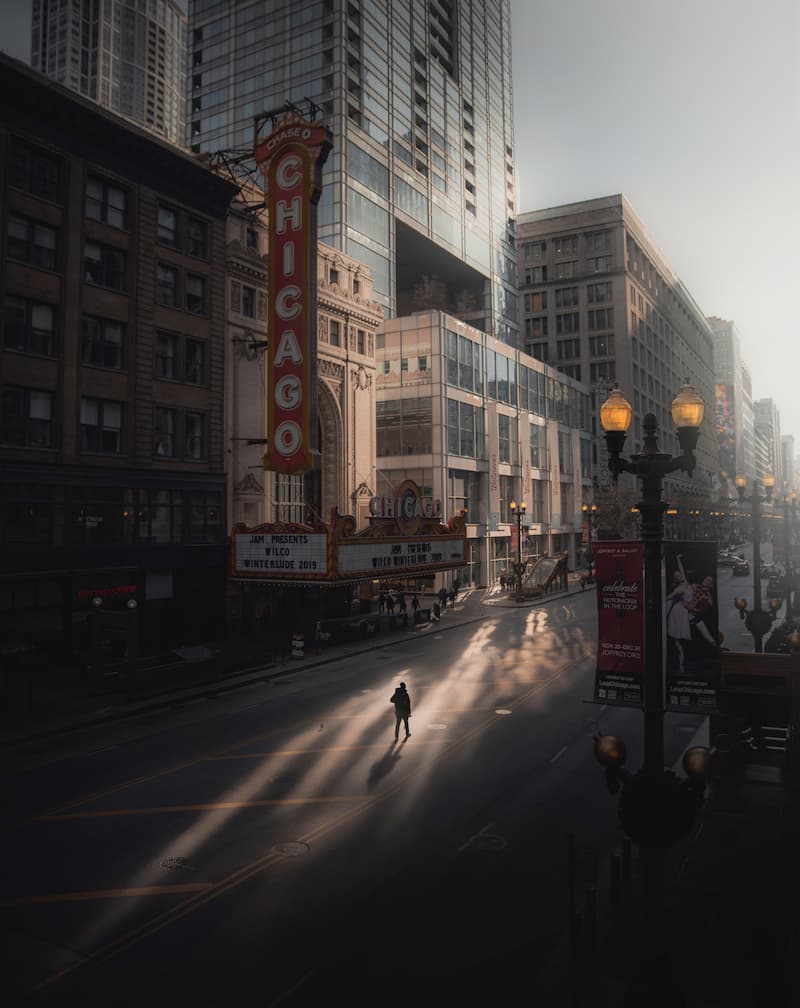
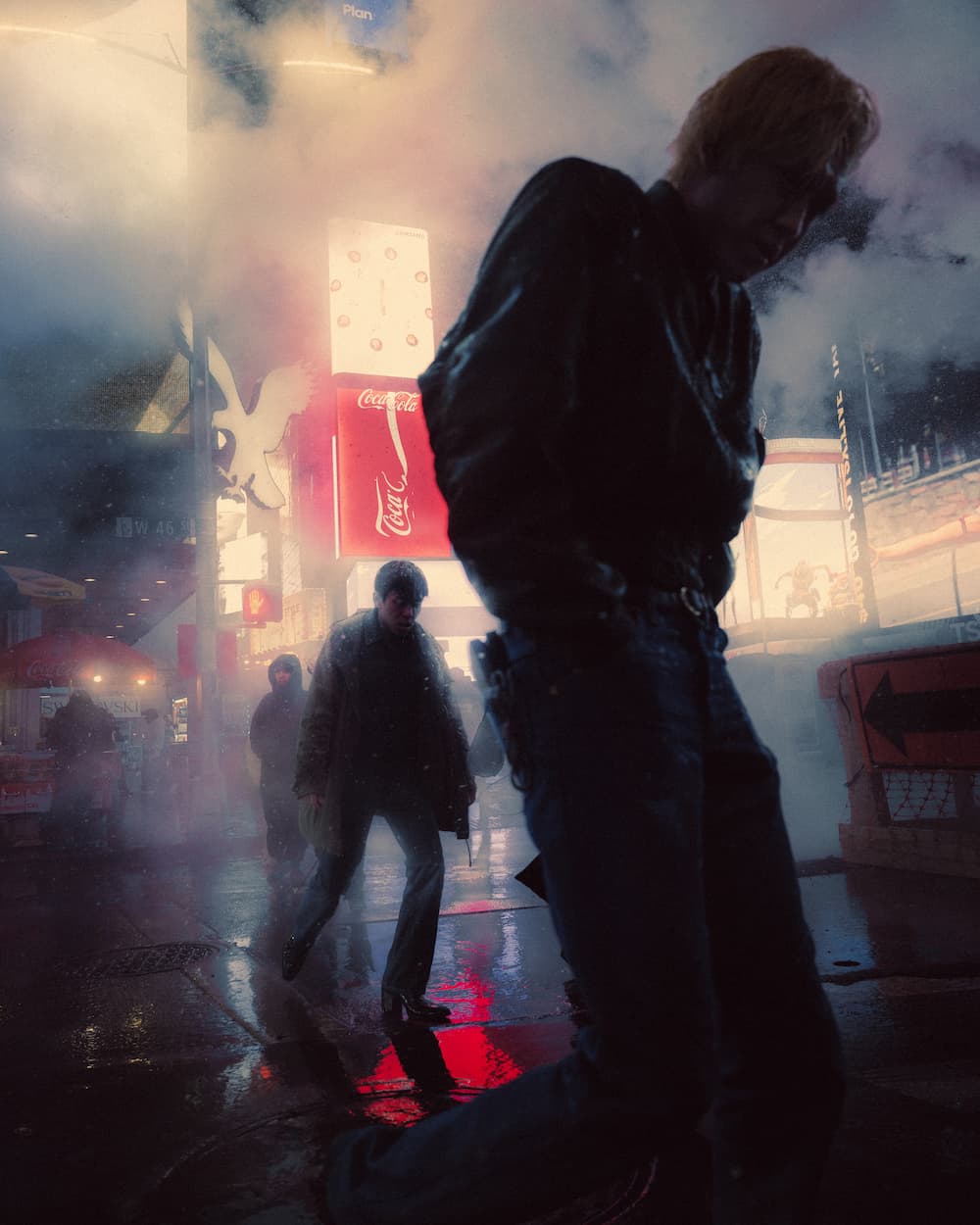
When walking around New York or other cities, I’m drawn to visually striking moments. The ideal scene is a once-in-a-lifetime moment with perfect light, captured from the right spot. However, even the simplest, everyday moments can be just as powerful. There’s a part of me that loves to document and isolate specific scenes of daily life, while another part enjoys making life appear more cinematic or surreal. Because I used to illustrate comics, my compositions tend to reflect that—curious, dynamic, and a little different from the norm.

Key principles to help you elevate your street photography

Street photography can bring discomfort, uncertainty, and fear. You’re working in public spaces, surrounded by people who might either be watching or become your subjects. My biggest advice to overcome this is: practice often, look approachable, and always be respectful. If you’re nervous, people will sense it. With experience, you’ll learn how to be either discreet or direct while photographing people naturally. You’ll also get faster, knowing which lens suits which situation and having your camera settings ready makes a big difference.

I use one digital camera body and switch between lenses depending on the situation. For busy environments or wide scenes, I prefer wide and mid primes. If I’m focusing on abstract compositions or details, I go for a telephoto lens. In situations where it’s harder to photograph people, I bring my smaller primes. When I’m unsure of what I’ll shoot, I reach for a zoom lens—it gives me the flexibility to capture a range of scenes.

My approach to color and editing

When editing street photos, I give each image the attention it deserves. I use my own presets as a starting point, but always fine-tune them to match the subject and mood. I tend to favor darker, contrasty looks with some desaturation, but I avoid straying too far from how I saw or remembered the moment.

I use Lightroom to do most of the color corrections and exposure balancing, with the tone curve and color grading being my favorite tools. 

Over time, I’ve come to appreciate both color and black & white in street photography. I mostly shoot in color and choose to keep it when it enhances the visual language and mood. However, some images are stronger in black & white—especially high-contrast scenes where color doesn’t contribute much or even distracts from the story.

On finding your style and final thoughts

I think I’ve found my style by now, though I keep refining it. Studying art and photography I admire has played a big part in developing my storytelling skills. It doesn’t have to be just street photography—any form of art can influence your perspective. 

If you’re searching for your style, I highly recommend exploring the work of others. There’s nothing wrong with borrowing bits and pieces at first. In time, with practice, you’ll naturally shape it into something that’s uniquely yours.

THE LATEST STORIES

WRITEN WITH PASSION TO INSPIRE YOU
São Miguel, Azores Photo Tour

Photo tour in Azores, Portugal

Join us in the Azores for a unique photo tour, where you’ll elevate your creative skills with expert guidance from Ronald Soethje, Bruno Ázera, and Nomadict.

Bokty Mountain - Kazakhstan 4 Forest Kai - @forest1kai

Forest Kai (@forest1kai): Photographer based in the US

In this article, Forest shares how years of chasing scale, silence, and raw landscapes shaped his approach to photography, from the deserts of Kazakhstan to the volcanic ridges of Iceland. He talks about how he uses light, texture, and vast negative space to create images that feel both intimate and overwhelming.

Nomadict+Yhabril@yhabril 00011

Yhabril (@yhabril): Best of the Week 33 at #nomadict

Spanish photographer Yhabril captures the profound connection between humans and the mountains that shaped him. Growing up in the Pyrenees, his work bridges outdoor sports, landscapes, and celestial scenes — often blending athletes, moonlight, and wilderness into striking visual stories.

04 Nomadict_Ariane Totzke

Ariane Totzke (@besondersschwierig): Photographer based in Switzerland

In this article, Ariane shares how photography helped her navigate personal challenges, connect authentically with people and animals, and develop a philosophy rooted in empathy and artistic freedom. Readers will also discover her ethical approach to wildlife photography and her trusted equipment for both camouflage techniques and cameras.