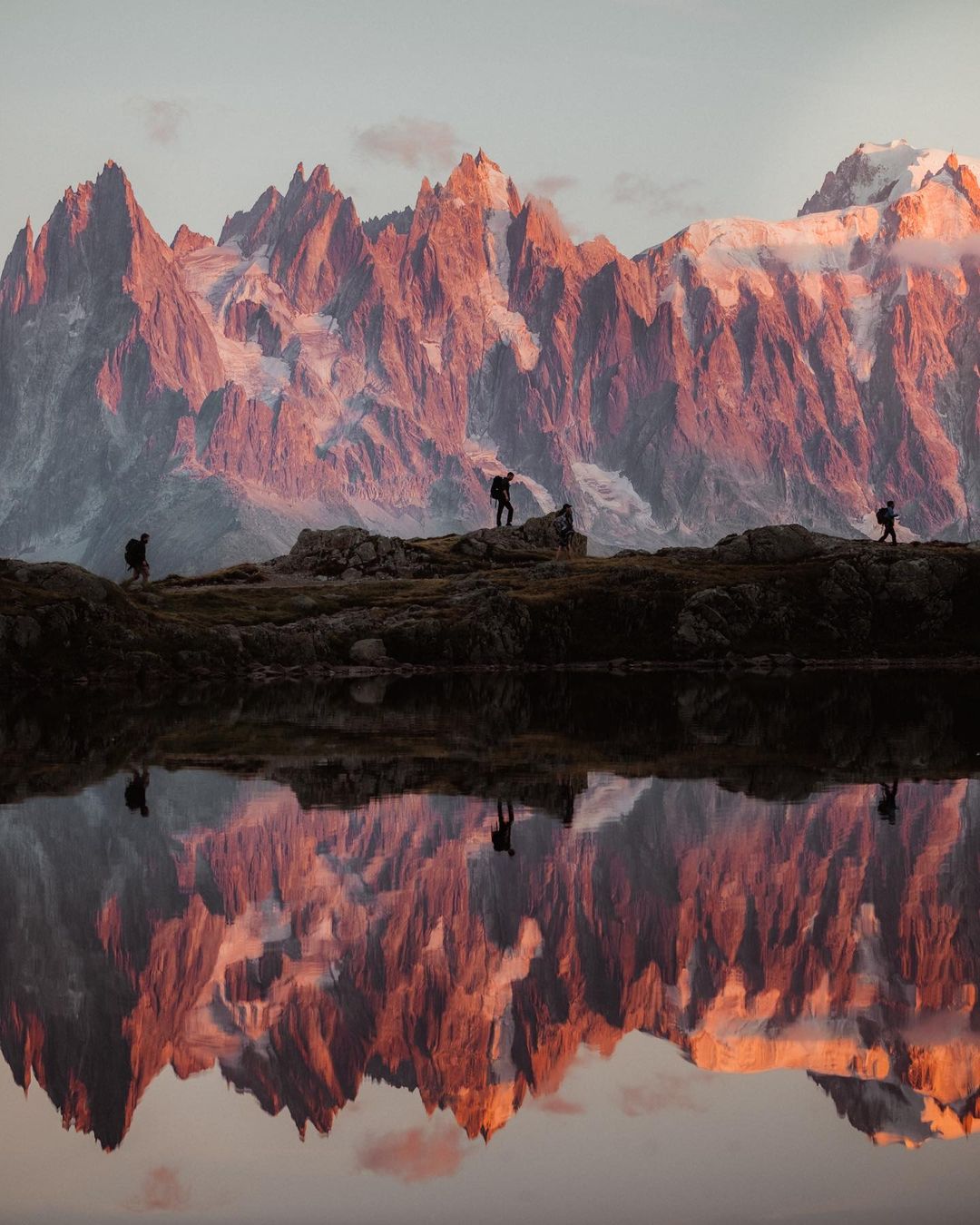
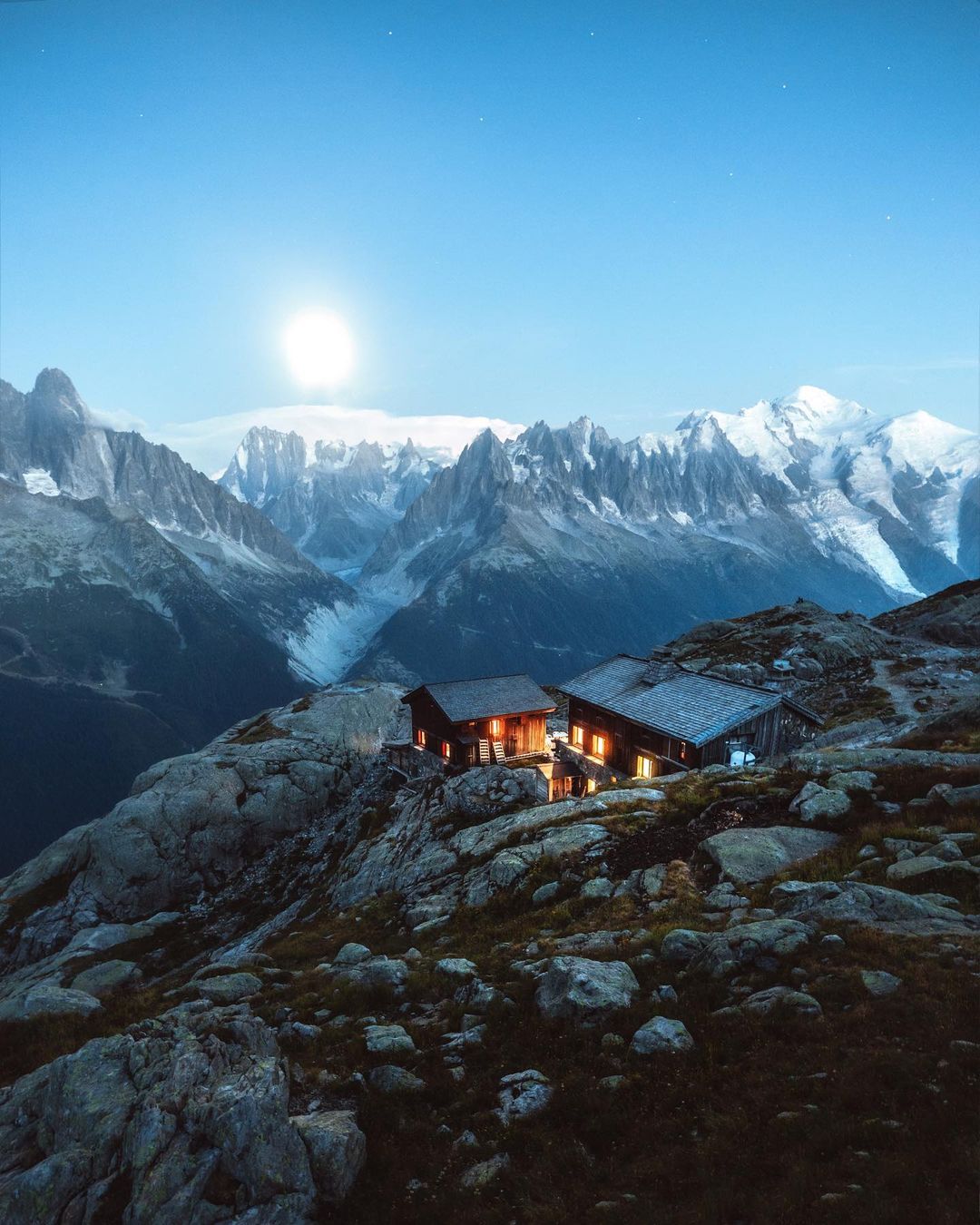
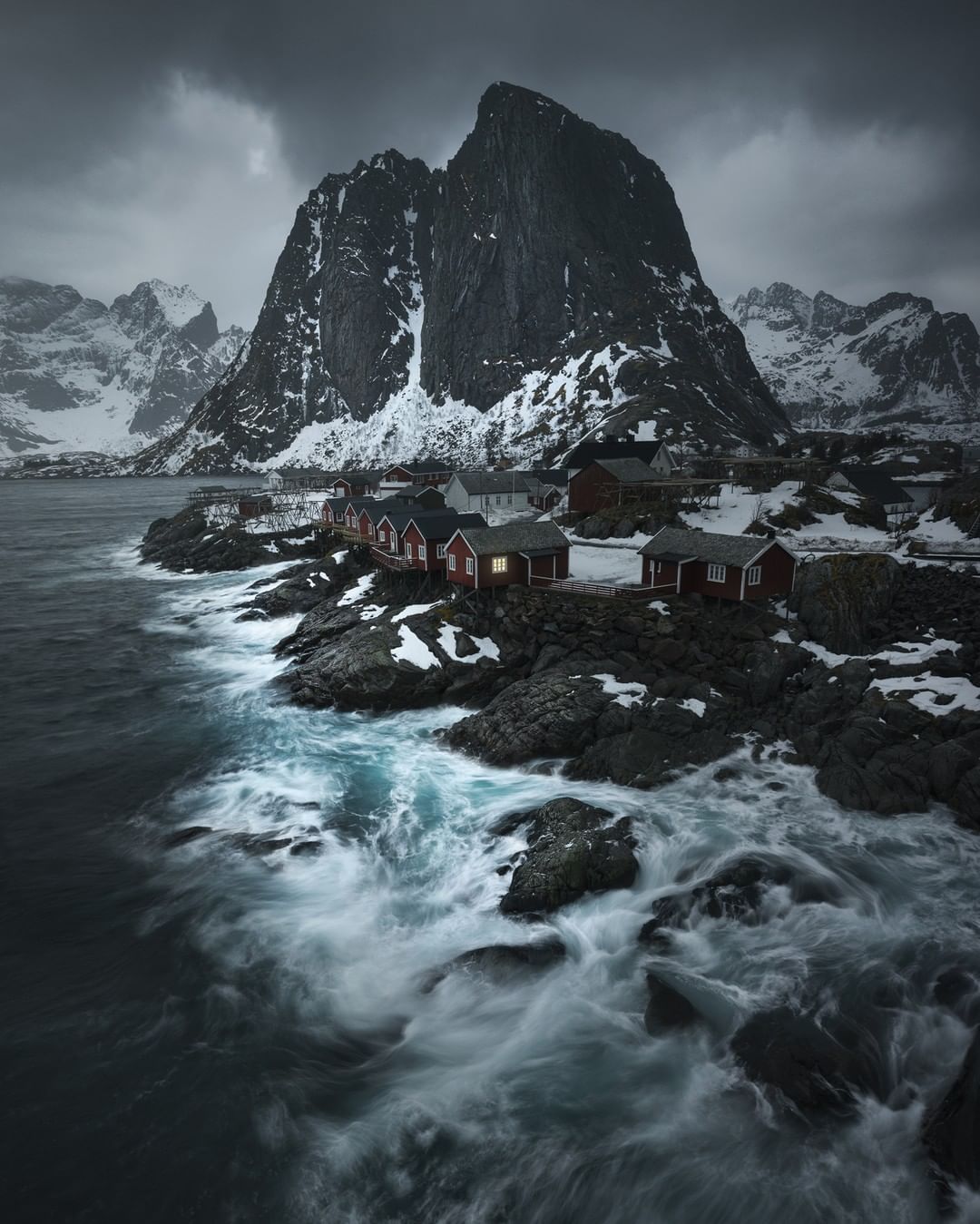
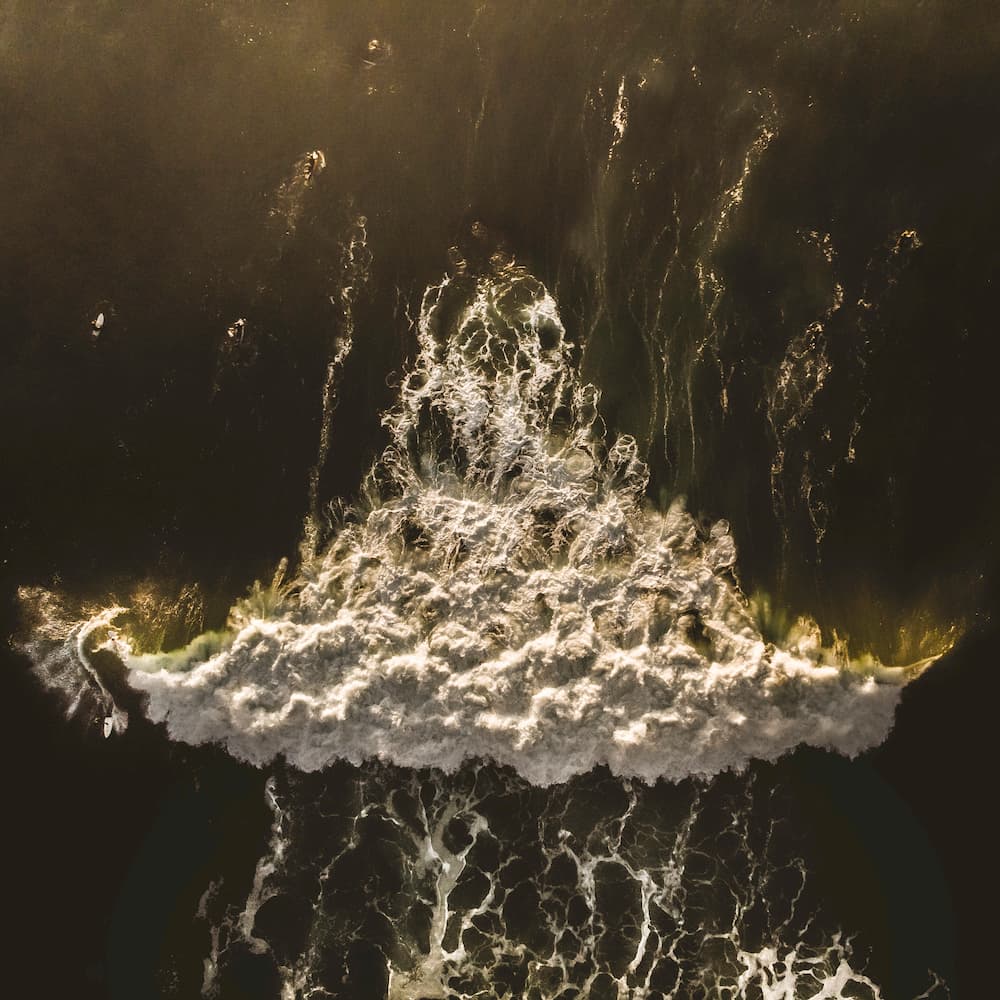
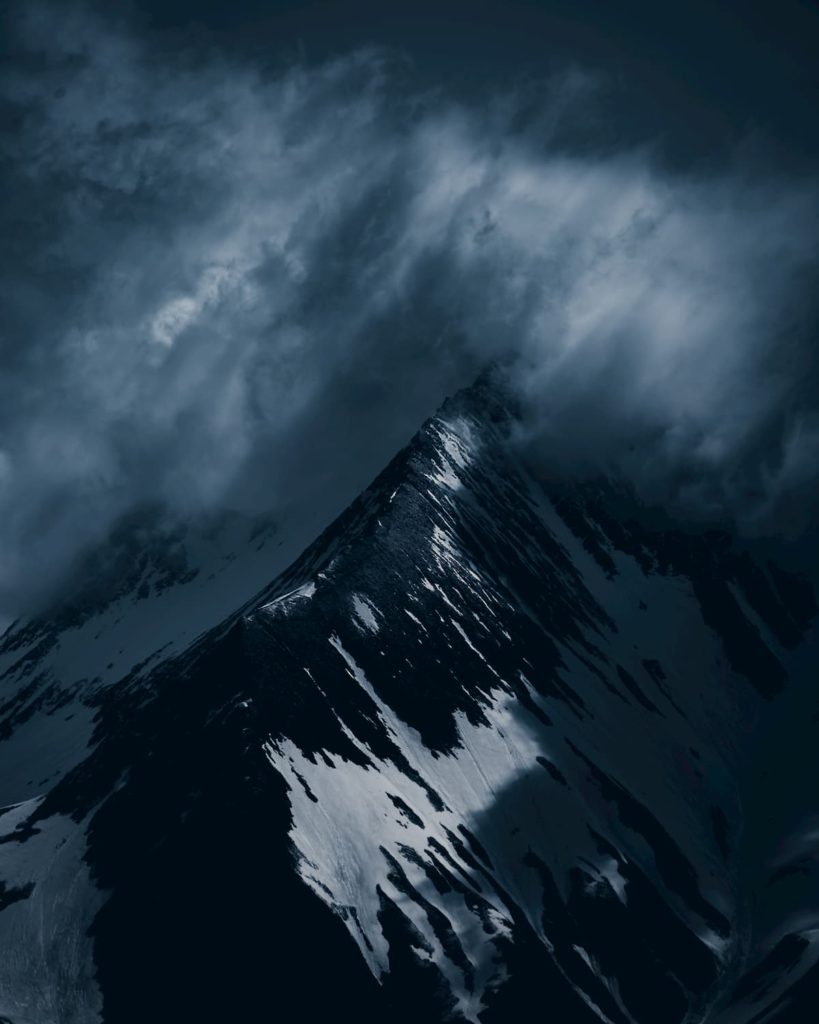
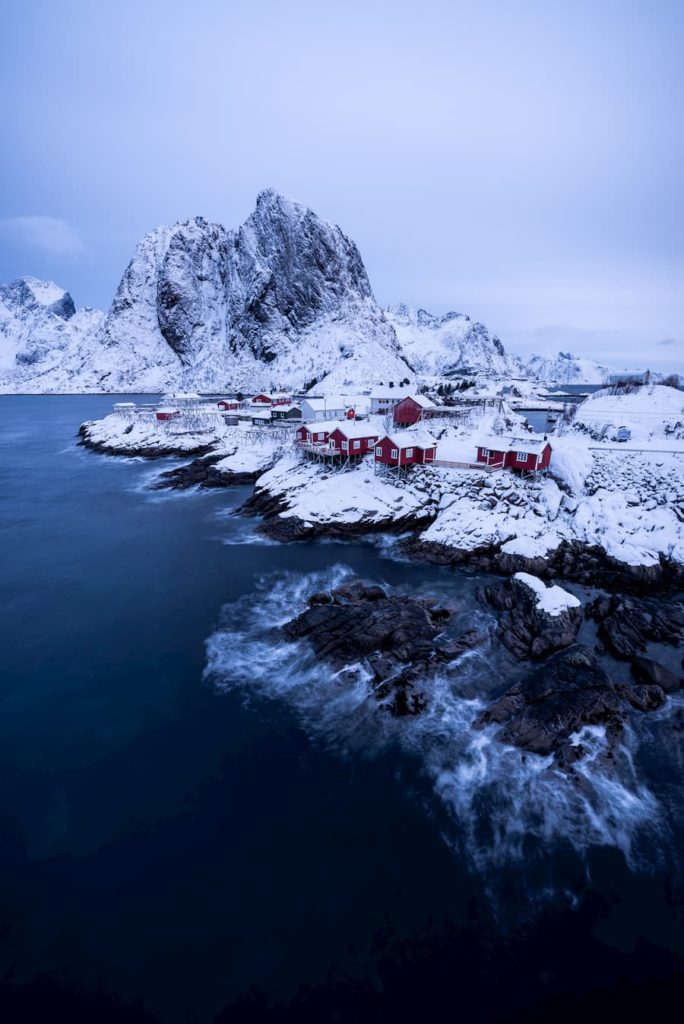
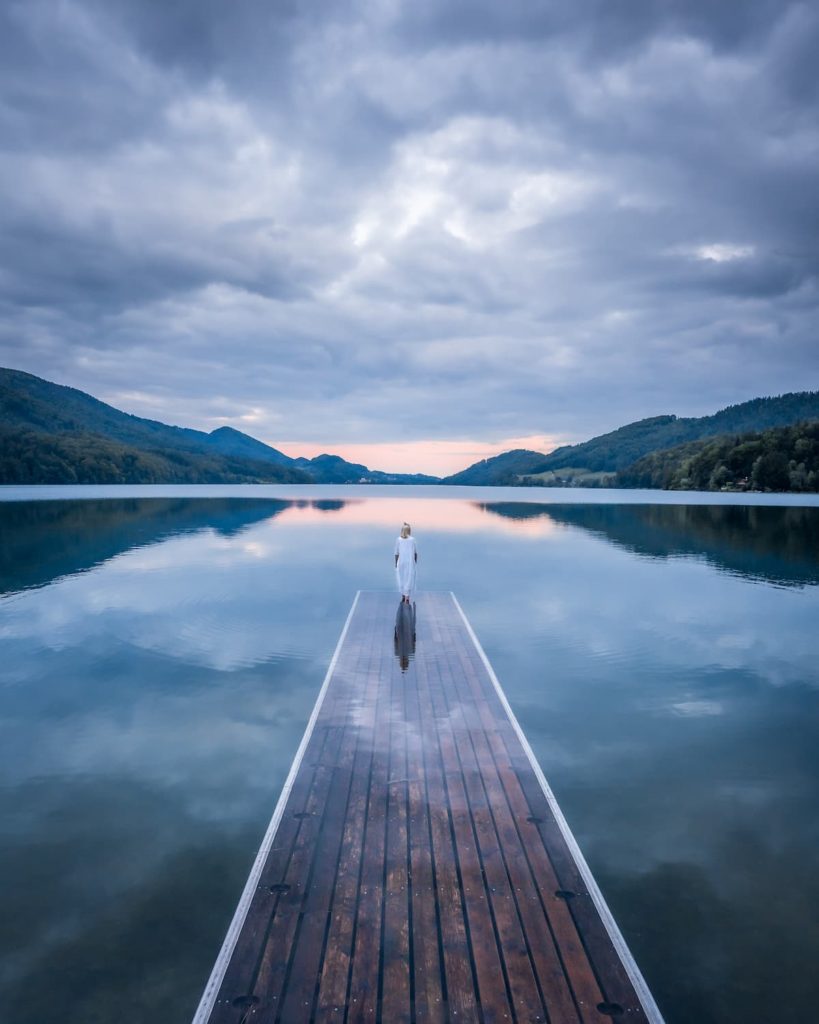
@pete_ell: “This was a special evening well spent watching the sun paint the striking Mont Blanc massive with orange and crimson hues. There wasn’t a drop of wind and these hikers kept passing by without knowing they were the perfect subject for this reflection image.
To make the most out of the situation, I chose to split the image 50/50 with the reflection and mountains as a perfect mirror image.”
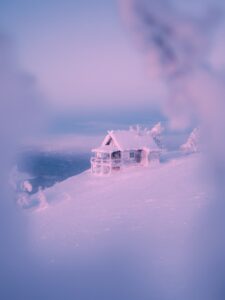
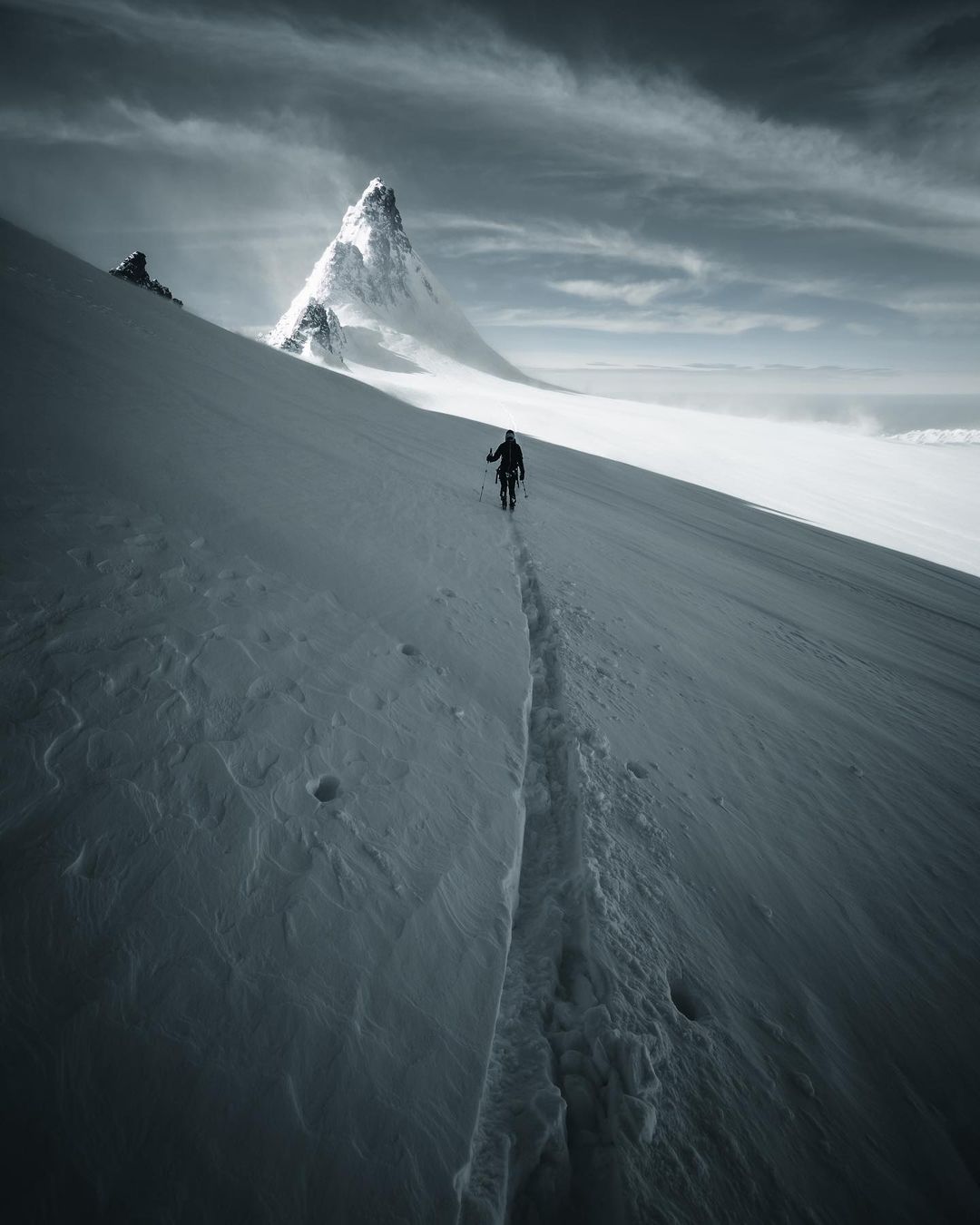
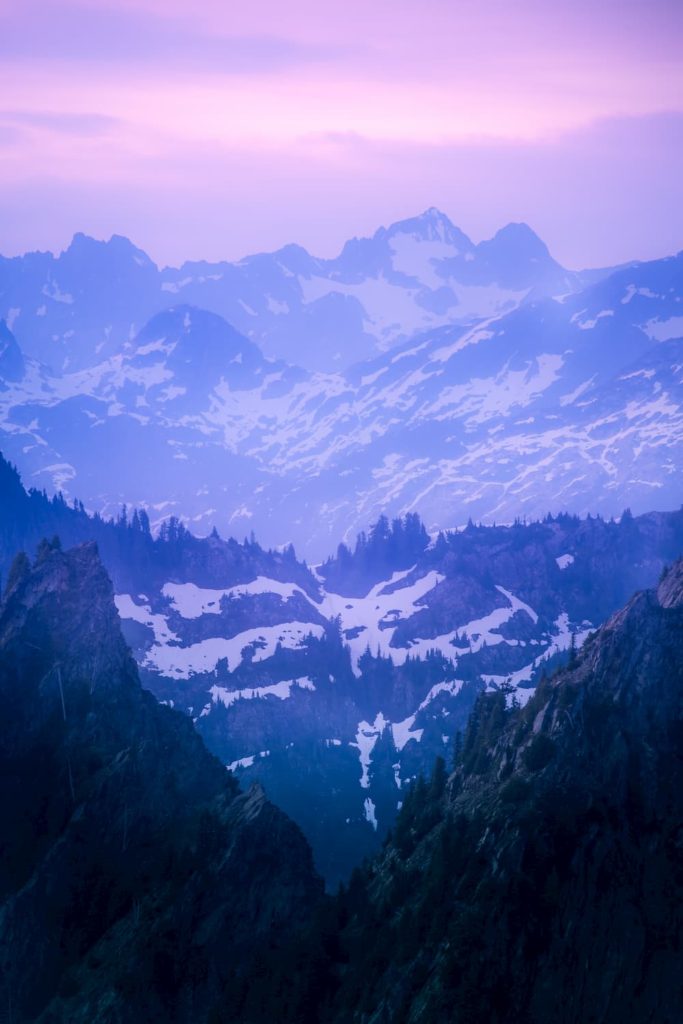
@roman_volken: “When I am outdoors shooting, I also enjoy searching for minimalistic scenes. In a way, I do not enjoy images with a lot going on. When the point of interest is clear, the message becomes stronger. And I also like the following quote: “Be at a special place at special times.” Probably this is the most crucial ingredient in achieving a great landscape photograph. For me, that perfect shot would be a sunrise high up on a mountain, looking over the clouds, peaks touched by the first soft sunlight, your heart and mind taken over by peace and bliss.”
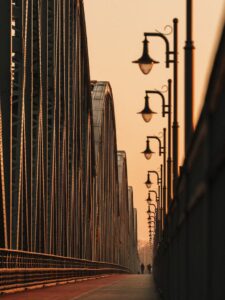
@maximiliangierl: “Similarly, in my opinion, a good photo should evoke emotions. A great way to achieve that is using leading lines which very often help/guide the viewer through the image to understand what is going on.
Using telephoto lenses is also a good tool. Telephoto lenses will add depth of field and separate the subject from the background. All in all, an image should tell a story – being the ultimate goal.
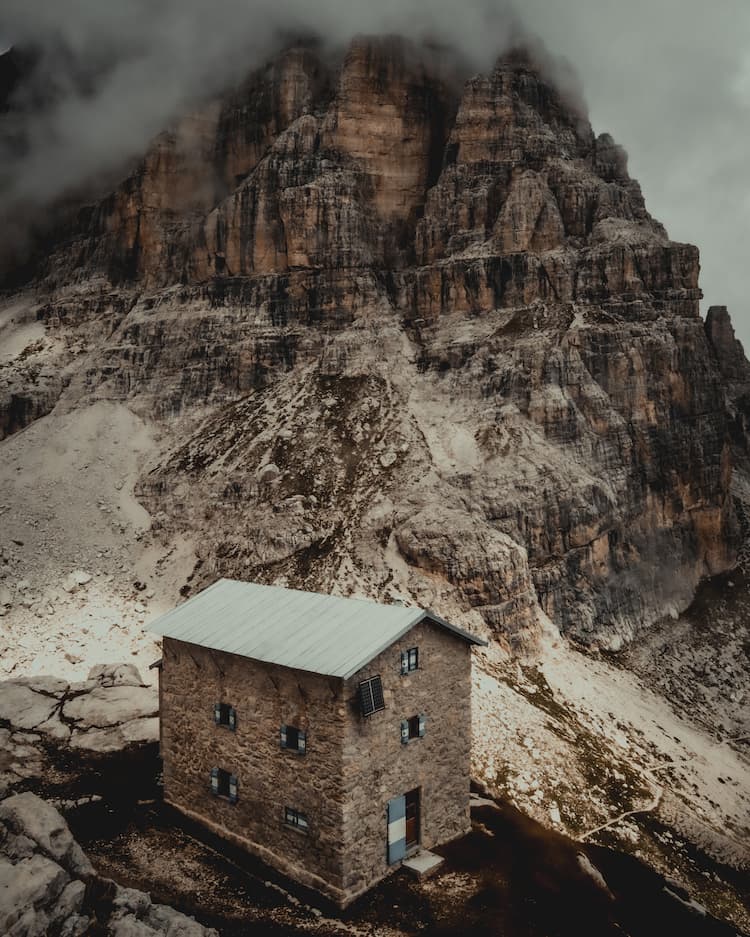
Then, when I plan my climbs, I consider which photography opportunities will be available. In the first place, I make sure to wake up very early. My goal is to reach the summits before sunrise, and if I can enjoy a sunset on top of a mountain, I will plan that. I seek the best lighting conditions.
Secondly, I check where the sun will be rising. This influences my photography as well as the route I will follow because normally you have to reverse the peaks. However, it depends on the route. With experience and after some time, you learn how fast you can climb a particular peak, how many kilos you will carry in your backpack depending on the route, and what type of gear/equipment you will need.
Thirdly, I think about a set of photos I would like to capture. I keep those in mind when planning everything ahead of time and deciding on when I would have to be where at specific times. This has always remained a challenge, it is very hard to plan routes taking everything into account for the climb and photography. Never was I discouraged by this, though, because witnessing and photograph events that the public generally doesn’t see motivated me tremendously. So in a way, alpinism pushed my photography, the same way now photography influences alpinism.”
@marcogelpi.ph: “Light and post-processing are both of great importance, but the composition is simply the cornerstone of photography. How you frame an image can take you from a regular photo to one of your favorite ones.
Then I visualize what the final post-processed shot will look like while shooting on the field. By doing so, I can compose a more effective shot and include all the elements I will need for post-processing.”
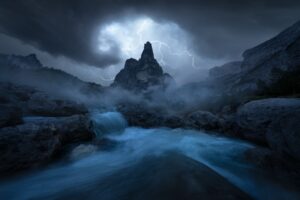
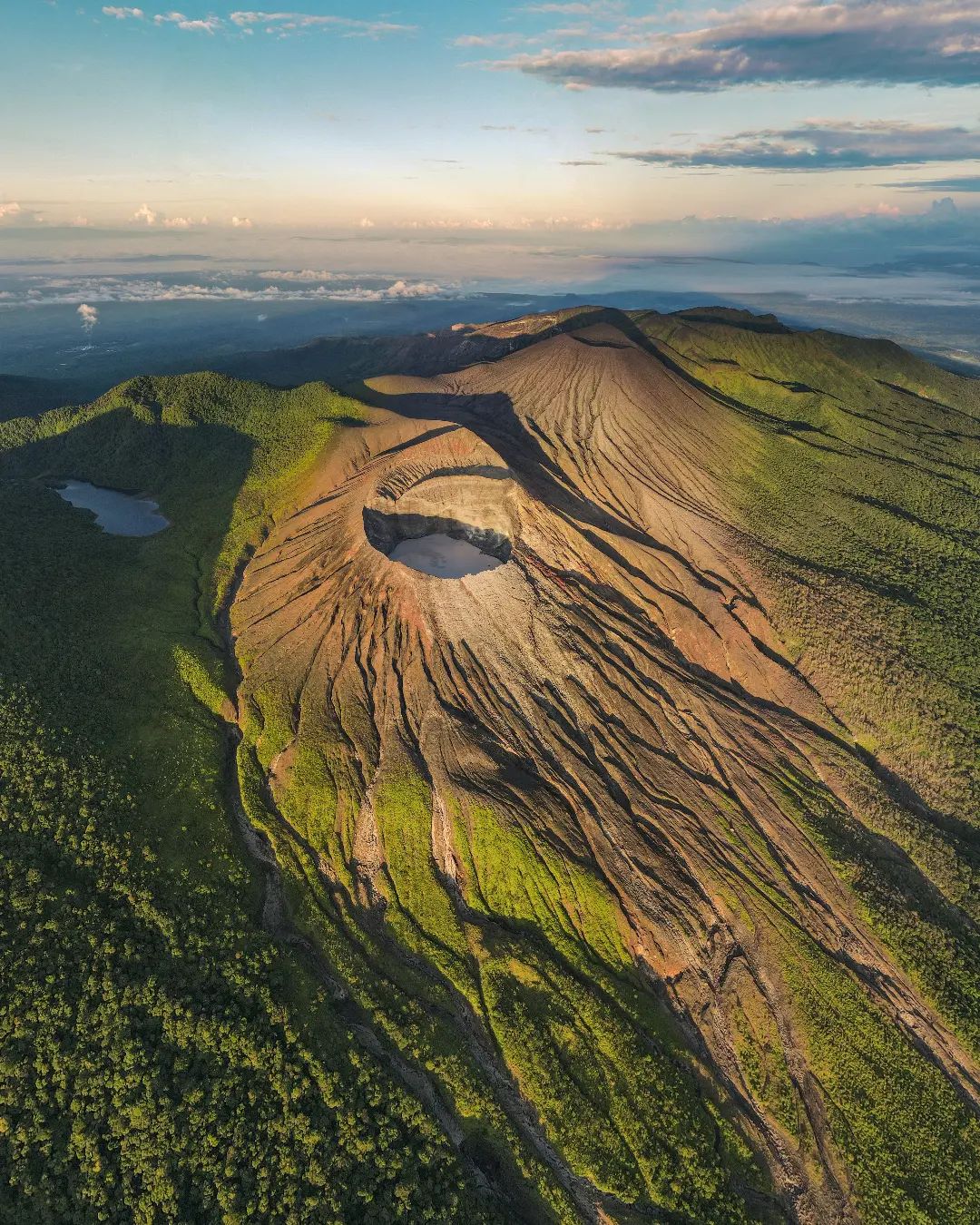
@kamer_gabocr: “My creative process starts by checking the weather. It has to be the right one, and then I plan the frames I want to capture both with the drone and camera.”
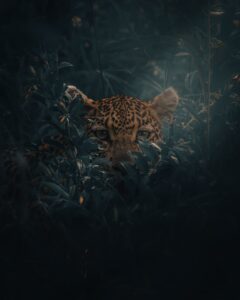
@josteinrc: “Then, for wildlife photography, I would say the key ingredient to creating a great photo is knowing your subject/the animal in question. Knowing the animals’ habitat and their behavior makes it easier to plan the image and also plan how to photograph it without disturbing it.
The first tip leads me to the next ingredient, which is ethics. Animals should not be put in stressful or dangerous situations just for someone to get a good photo. They should not be fed either, except for bird feeders. In my opinion, animals often do the best poses and look the best when they do not know that humans are nearby.
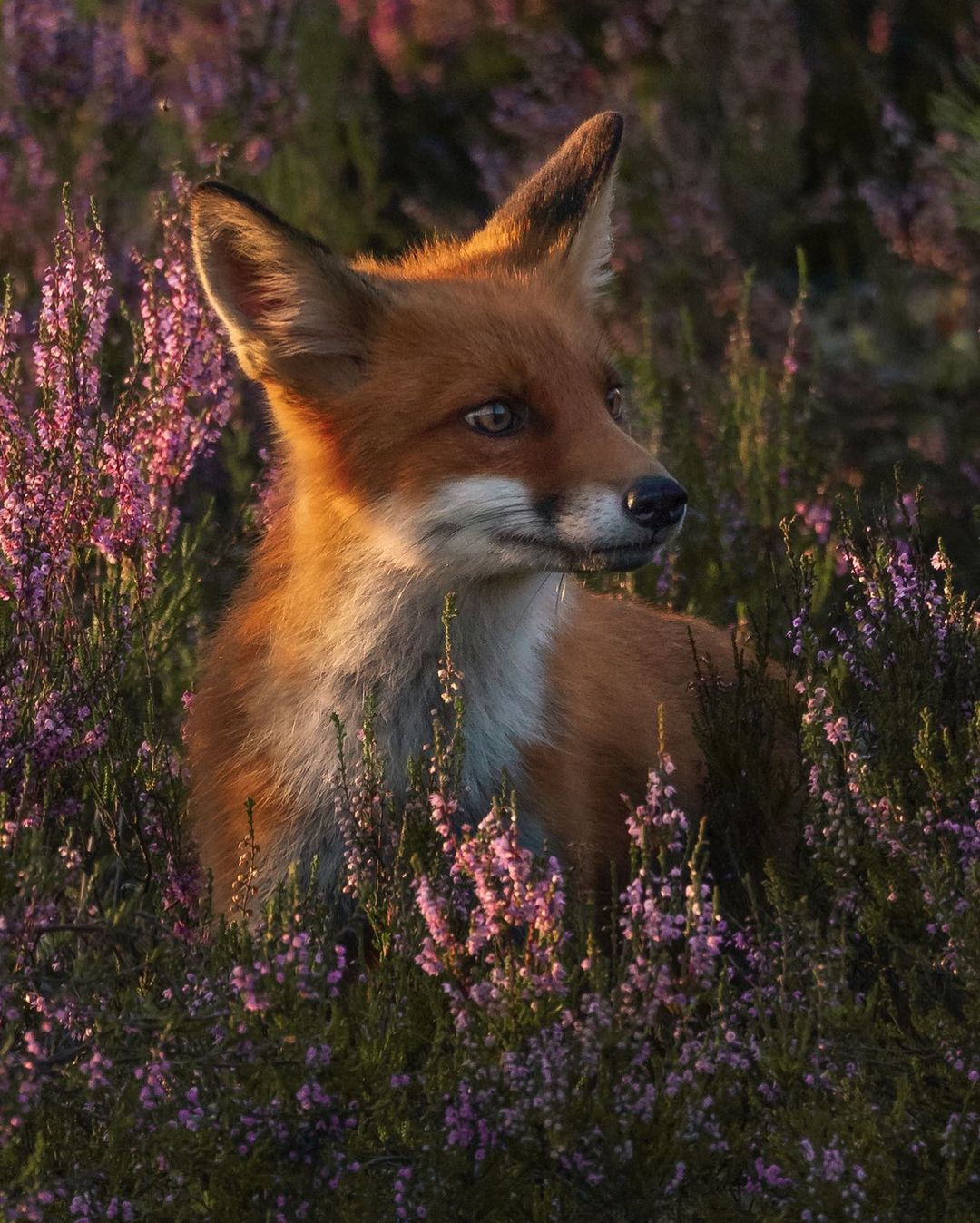
Also, having good light can make the subject stand out, like the fox photos, where I have been lucky to see a fox family at their den. The evening sun hit them like a studio lamp! Those photos would not have been the same without the light.”
Would you like content like this sent to your inbox?

Join us in the Azores for a unique photo tour, where you’ll elevate your creative skills with expert guidance from Ronald Soethje, Bruno Ázera, and Nomadict.

In this article, Forest shares how years of chasing scale, silence, and raw landscapes shaped his approach to photography, from the deserts of Kazakhstan to the volcanic ridges of Iceland. He talks about how he uses light, texture, and vast negative space to create images that feel both intimate and overwhelming.

Simon shares the journey behind his photography, from early inspirations to field techniques, editing, and the story of the winning shot that shaped his path.

In this article, Miro shares how his love for cinematic music evolved into a deep passion for photography and how he uses light, color, and atmosphere to turn the streets of Prague into living film scenes.

In this article, Stefanie reveals how her background in physics sparked her passion for astrophotography and how she blends science with creativity to capture the beauty of the night sky. Readers will discover her approach to color, contrast, and editing, as well as her aurora photography workflow.

Spanish photographer Yhabril captures the profound connection between humans and the mountains that shaped him. Growing up in the Pyrenees, his work bridges outdoor sports, landscapes, and celestial scenes — often blending athletes, moonlight, and wilderness into striking visual stories.

In this article, Ariane shares how photography helped her navigate personal challenges, connect authentically with people and animals, and develop a philosophy rooted in empathy and artistic freedom. Readers will also discover her ethical approach to wildlife photography and her trusted equipment for both camouflage techniques and cameras.

Discover how to photograph Dutch tulip fields in their most magical light. From choosing the right gear and lenses to mastering composition, color, and aerial perspectives, this guide shares creative techniques to capture the beauty of the Netherlands’ tulips. Learn how light, color grading, and proportion bring emotion into every frame.