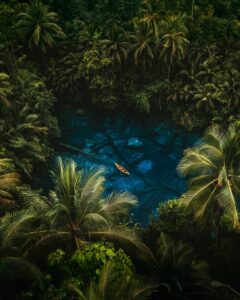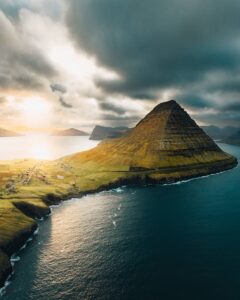
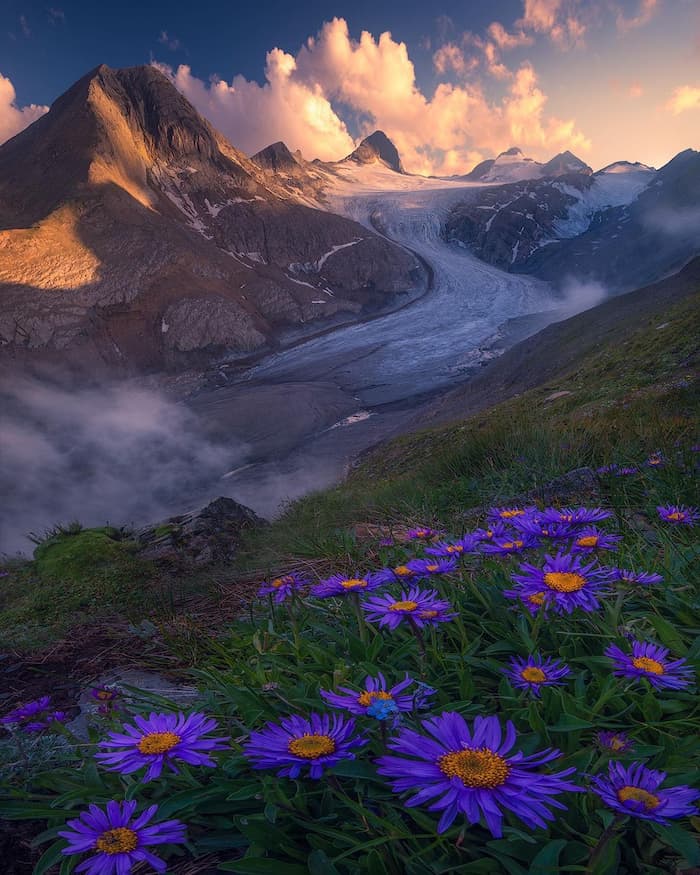
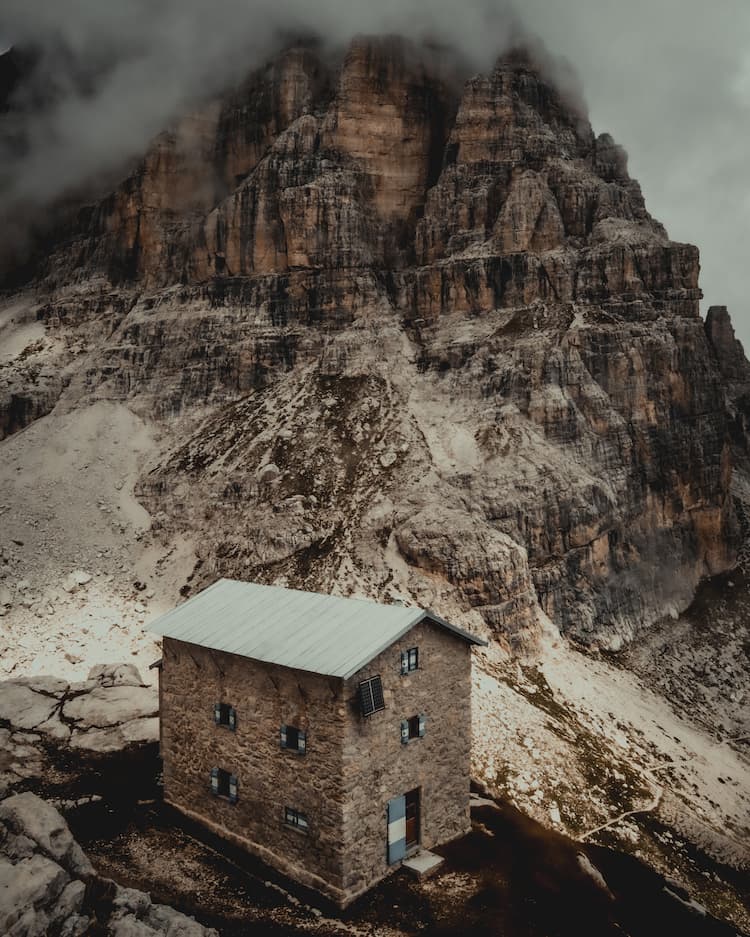
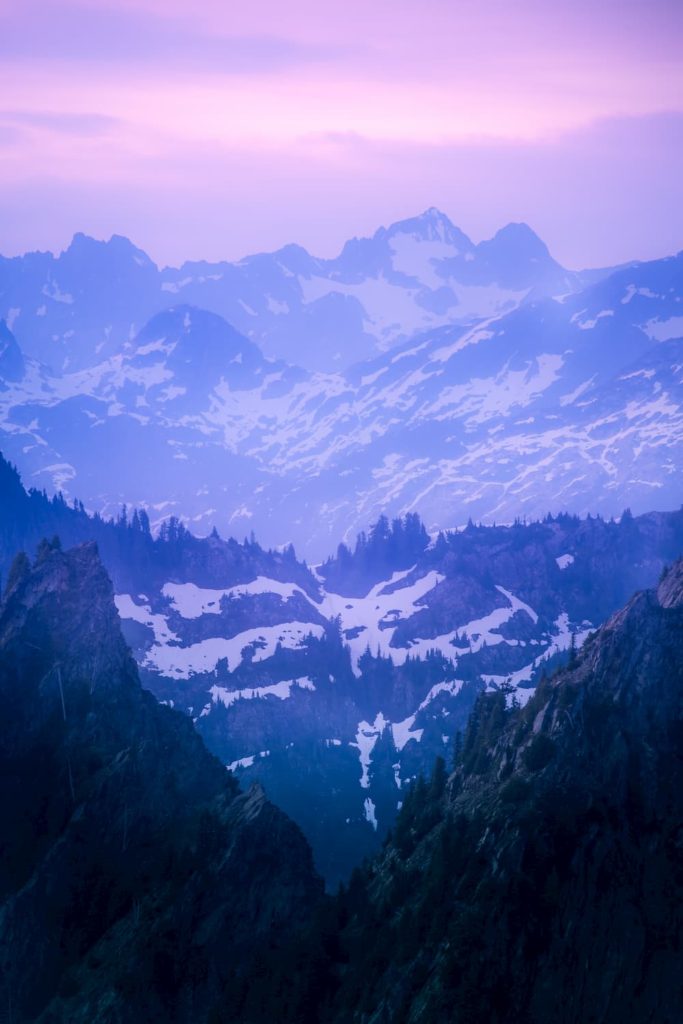
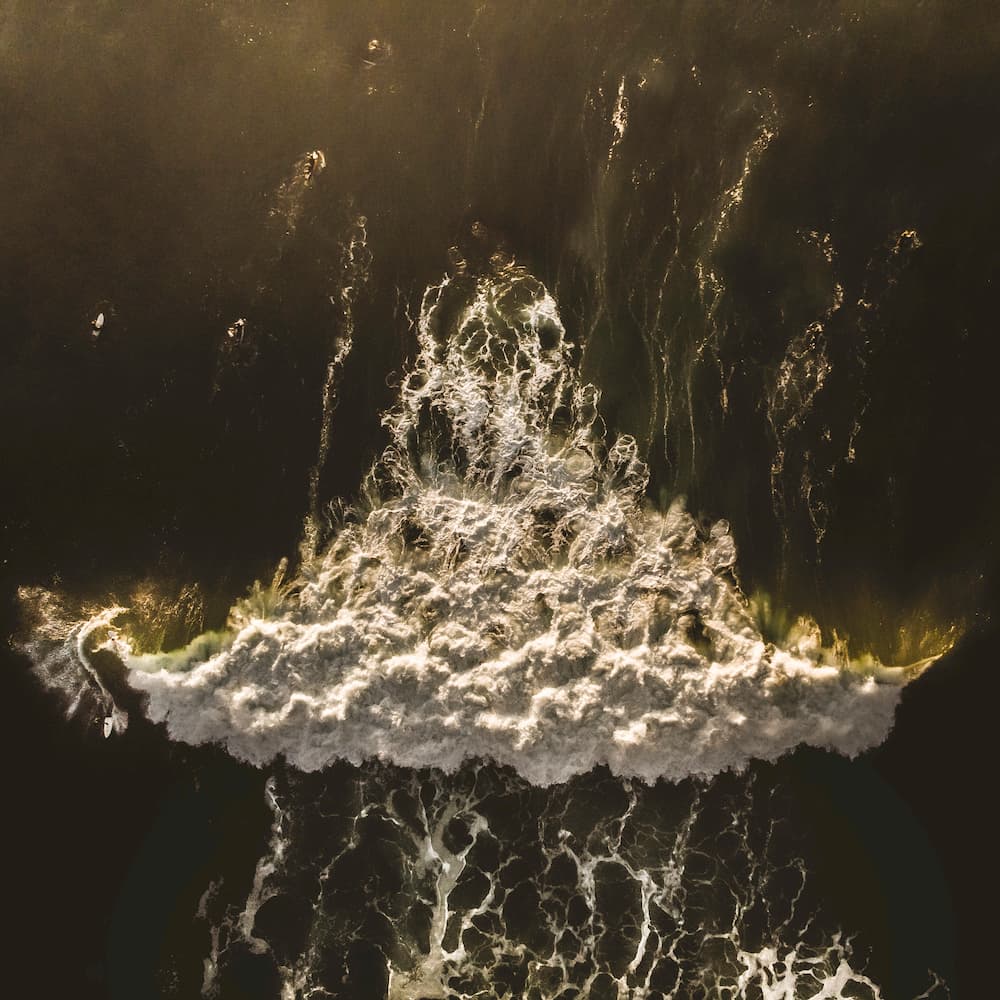
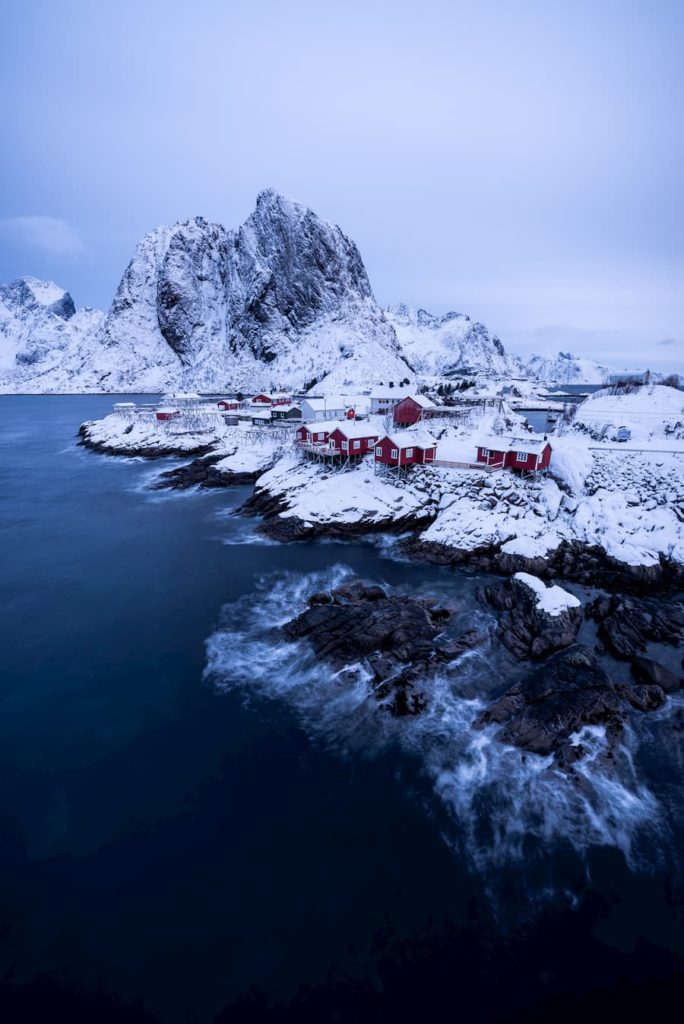
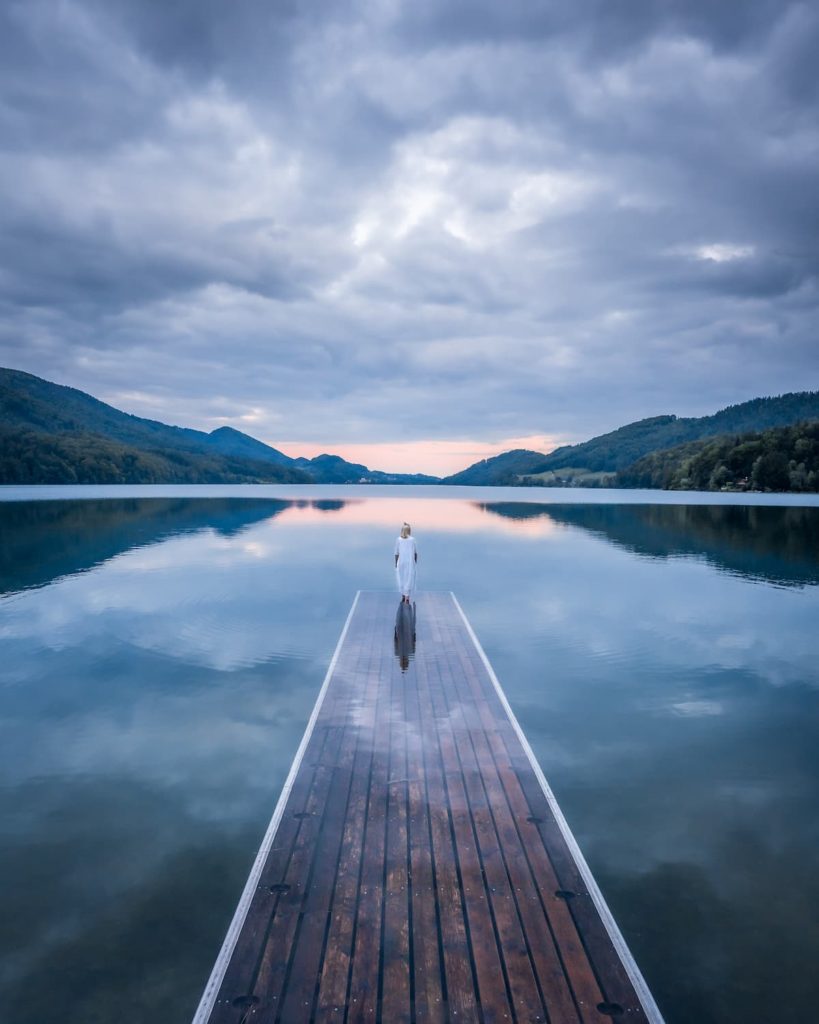
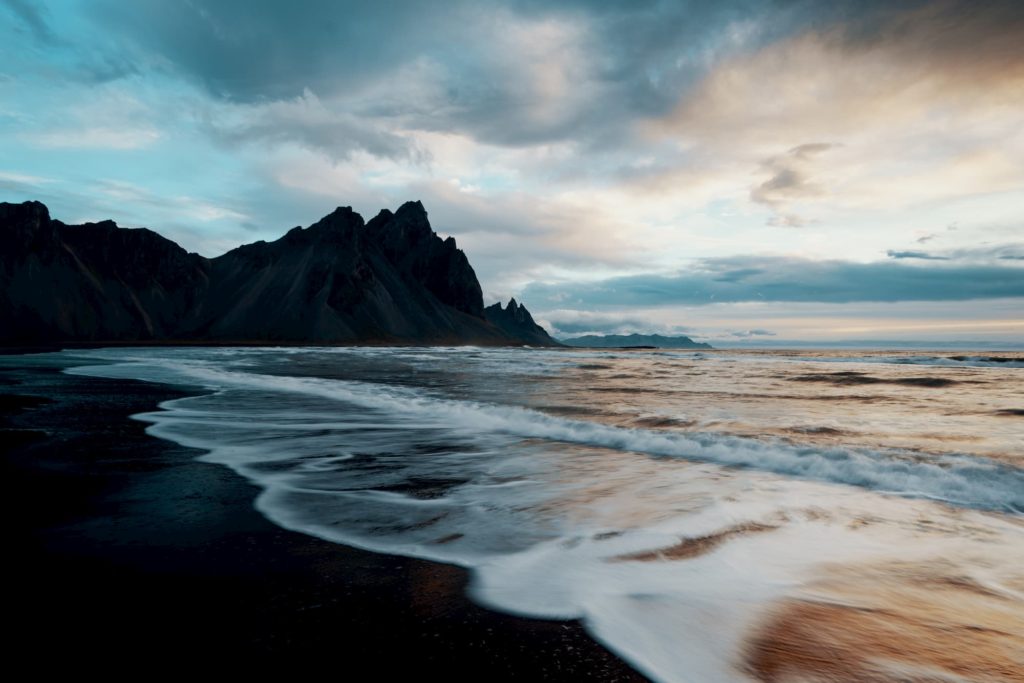
@arpandas_photography_adventure: “Whether it is the composition, the place itself, or the post-processing style, I constantly search for uniqueness. And finding new and exciting views is the best way to surprise your viewers and position your brand.”
1) Finding perspectives that are different:
@arpandas_photography_adventure: “There are three essential things to create a winning photo:
1) Composition: It is probably the most important thing for me. It is the “crème de la crème” of landscape photography. I try to find unique compositions in popular spots that help me to stand out from the crowd.
2) Understanding the light: The second most important thing is to understand the light in the mountain and prepare beforehand. Whether the mountain will be backlit or front lit or side-lit? It is not easy to figure that out in the mountains. But the more you shoot, the more experience you get.
3) Uniqueness: Whether it is the composition, the place itself, or the post-processing style, I constantly search for uniqueness. And finding new and exciting views is the best way to surprise your viewers and position your brand.
I produce photos keeping this in mind, being also one of my biggest motivations.”
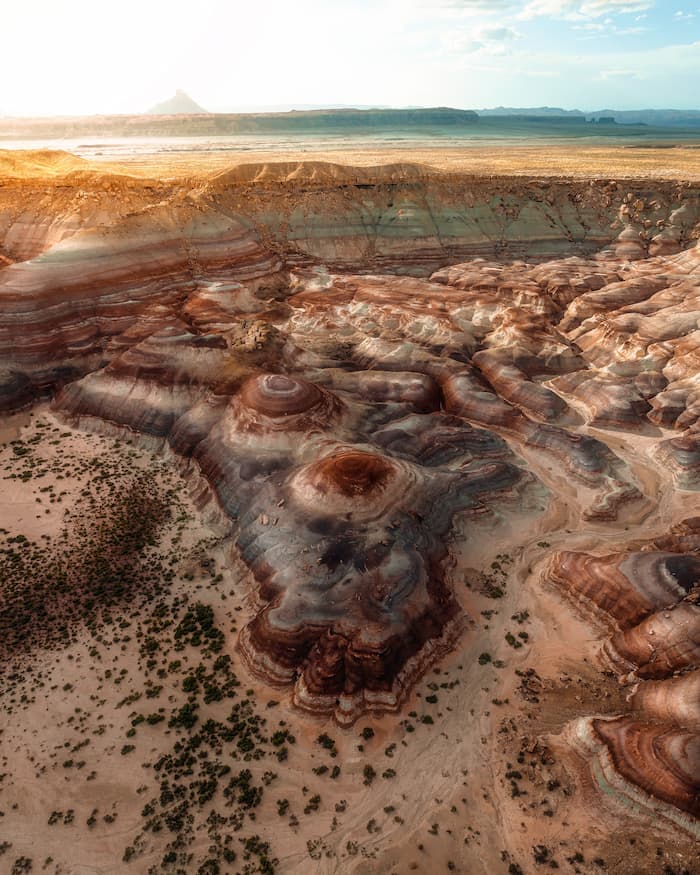
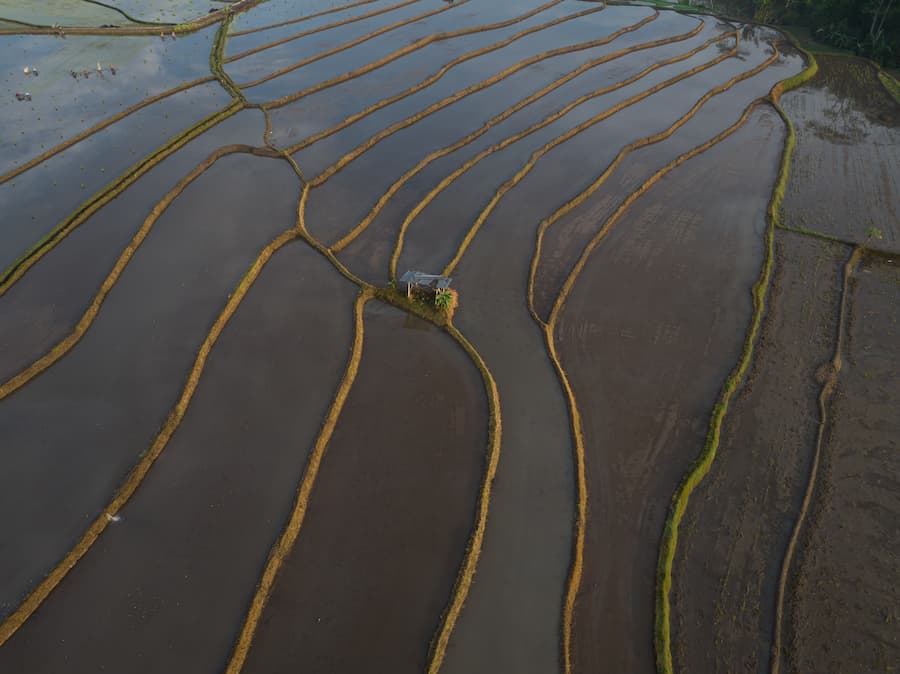
@funkdrone: “When picking my compositions, I always want to go the extra mile in finding that different perspective or angle for the viewer. Even the slightest change can enhance the beauty of the main subject. And I believe showing new perspectives provide more value to the viewer.”
Move RIGHT or LEFT to compare
2) It is all about the actual story, what is happening in the photo:
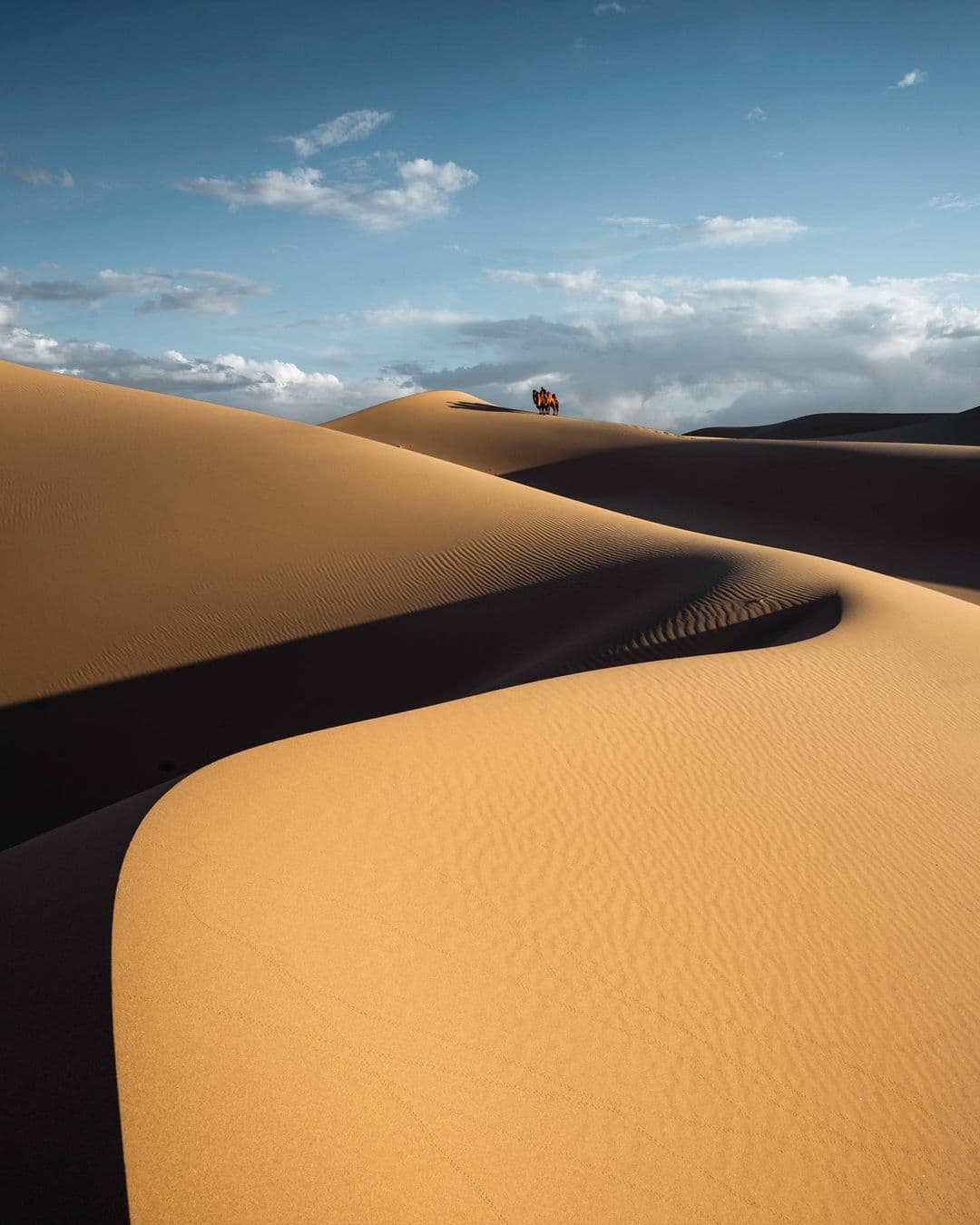
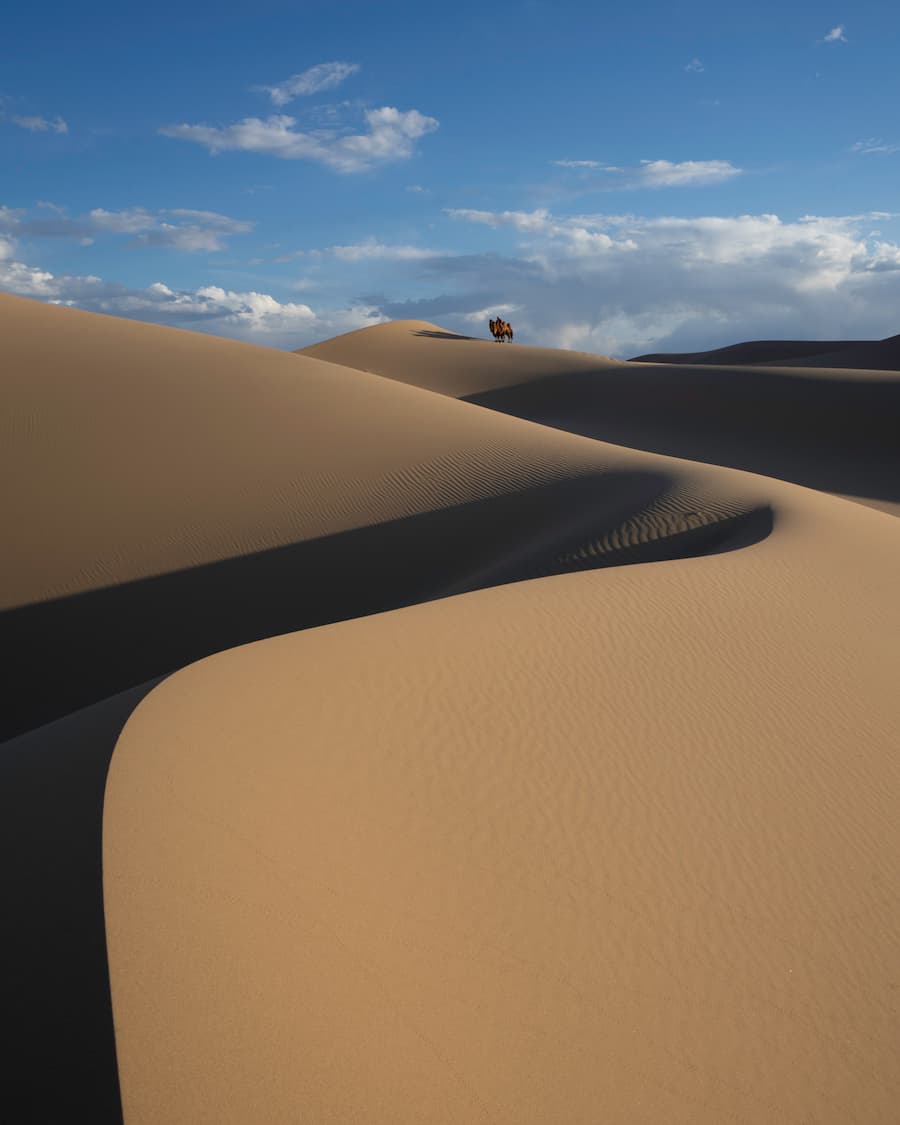
@arthur_paikert: “I could say a lot of things about my picture. But I think it is all very subjective. But I think the story behind a photo adds something else as it can change your perspective on the picture. So I like the composition of my image but for me is all about the memories.
Being in the Gobi desert in Mongolia at sunset and photographing a camel herder was just crazy. The kind of moment I live for, which will remain in my mind forever.”
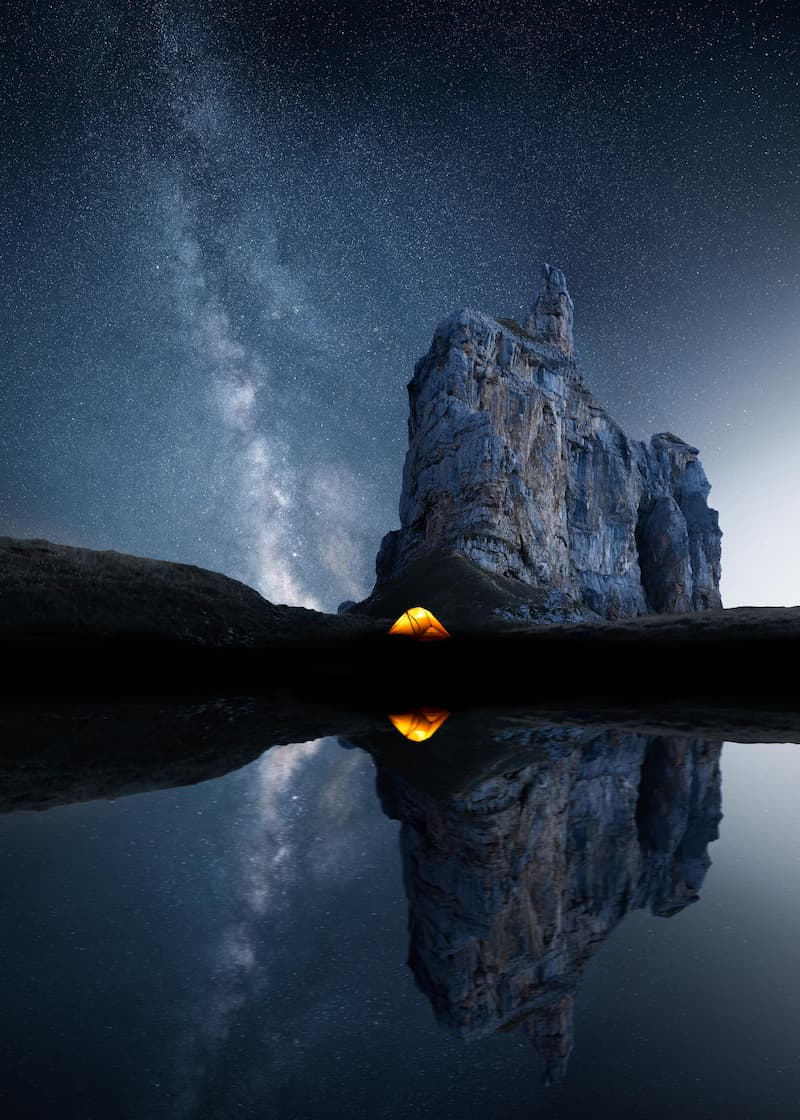
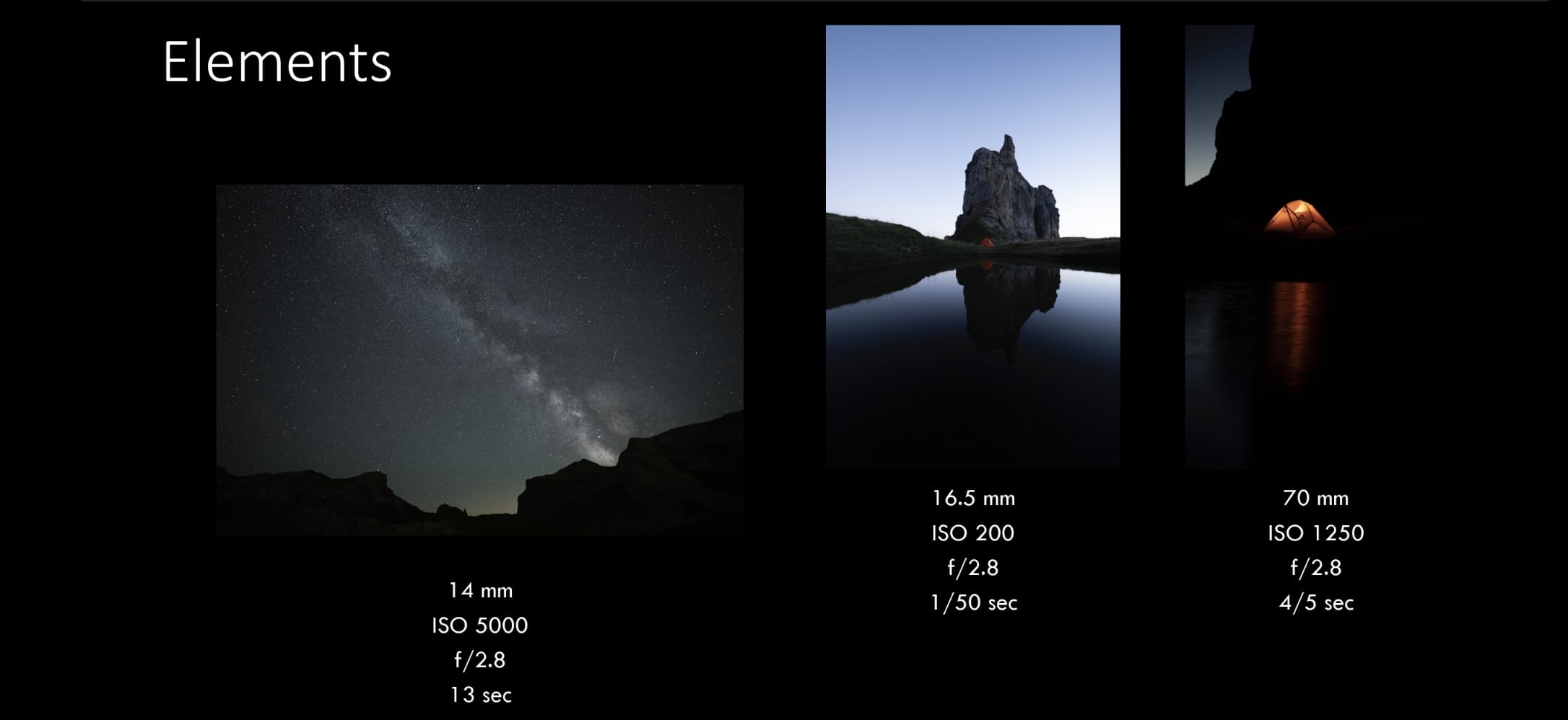
@angefuchs: “I tried to bring a contrast between the blue of the landscape and the yellow/orange of the tent. I believe yellow and blue are always a great combination to attract the eye!
The milky way also has a big part in this photo, inviting the viewer to think about the vastness of our universe. As such, I wanted to place the tent in the middle of the frame, showing how the galactic center gravitates.
In my opinion, by following these basic steps, I added a wow factor to the composition. The milky way acts as a leading line, giving the viewer towards the center of the image.
As for what makes it a winning photo:
I would say that the story that goes with it is what made people resonate more with the image. This composite represents more than what it shows and aims to speak to all of us who are capable of higher things than we think.”
3) Capture your photos with an understanding of the different compositional rules:
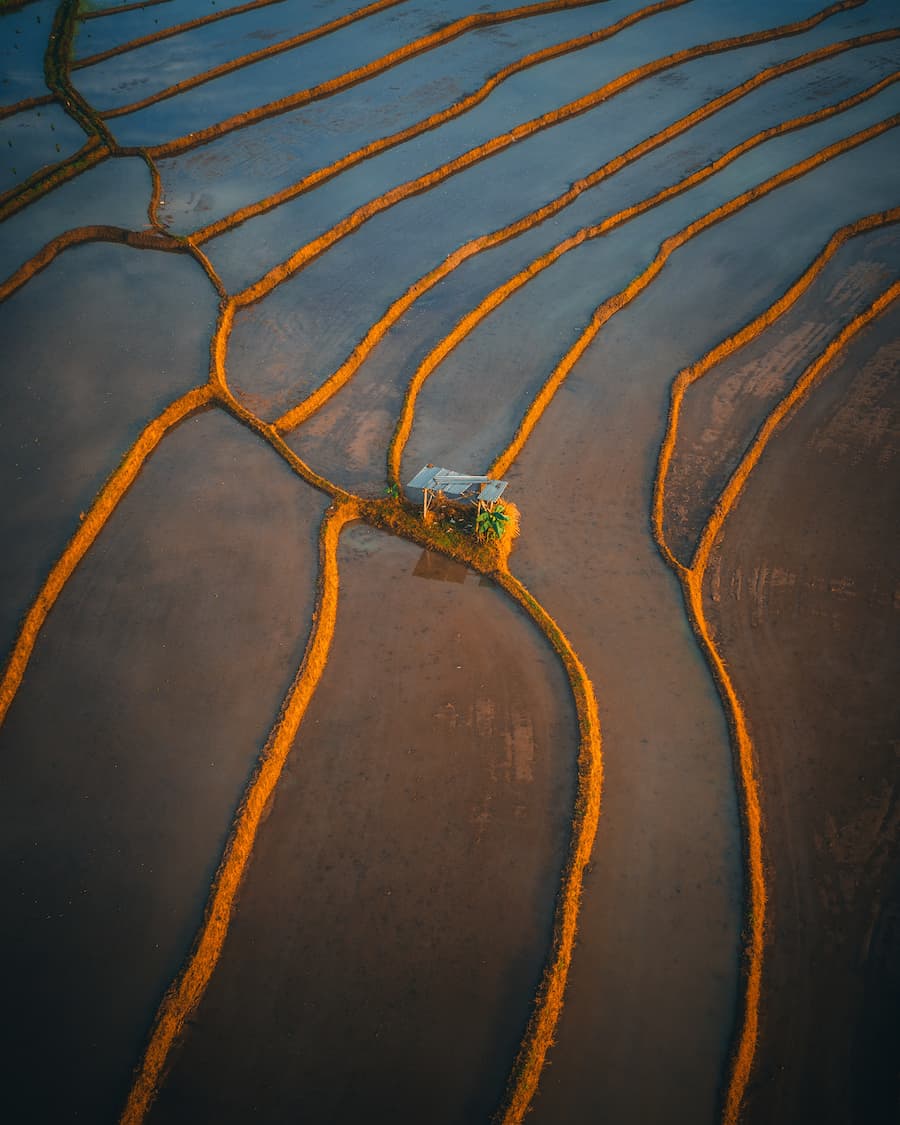
@drg.dentadio: “For my photo, the composition of the pattern obtained and the placement of the object I think are correct, so the image is pleasing to the eye.
In my opinion, how you place an object in your frame (point of view) – the rule of thirds, framing, composition pattern, leading line, reflection, or golden spirals – is the number one factor for creating winning photos.”
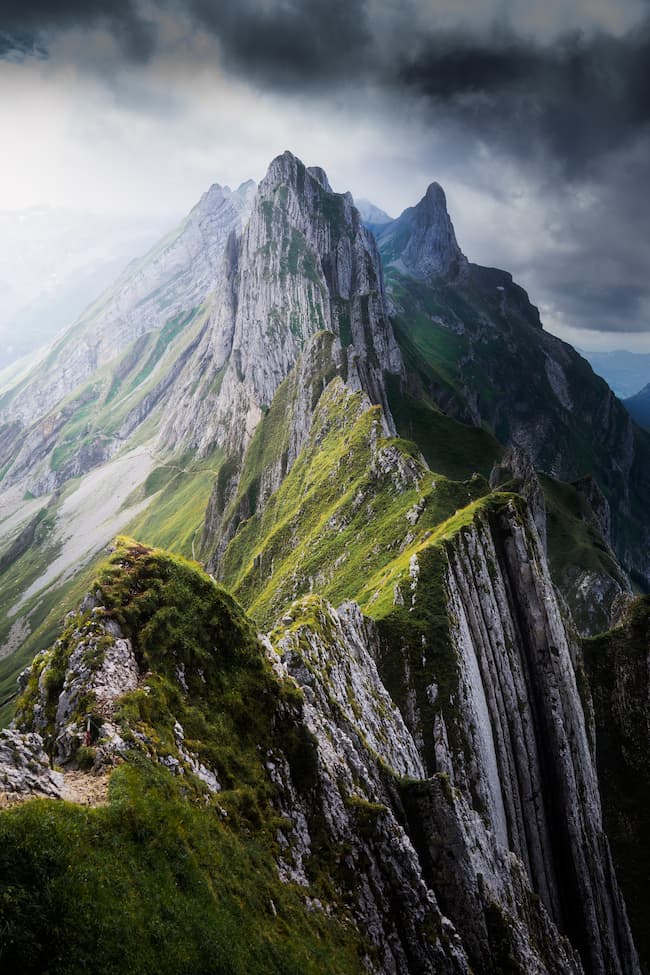
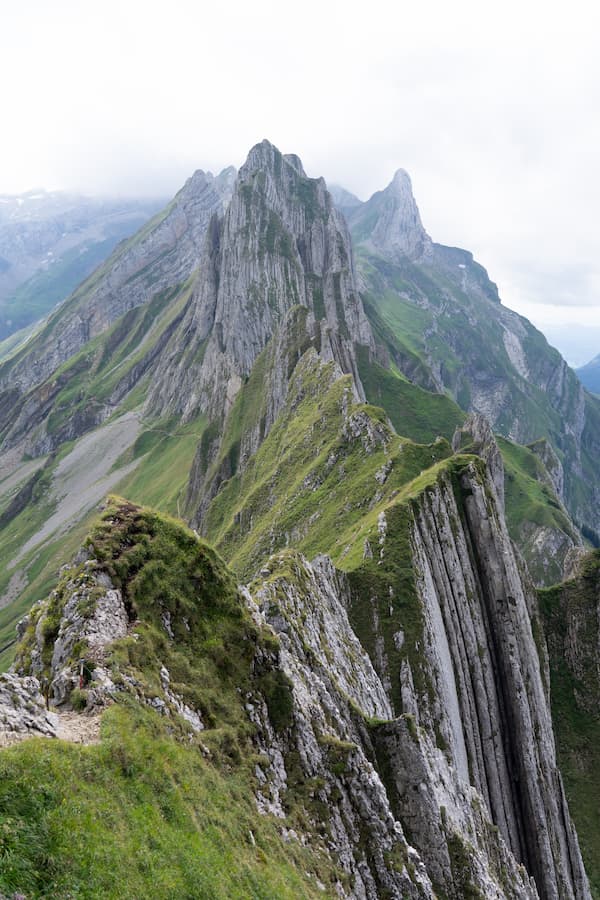
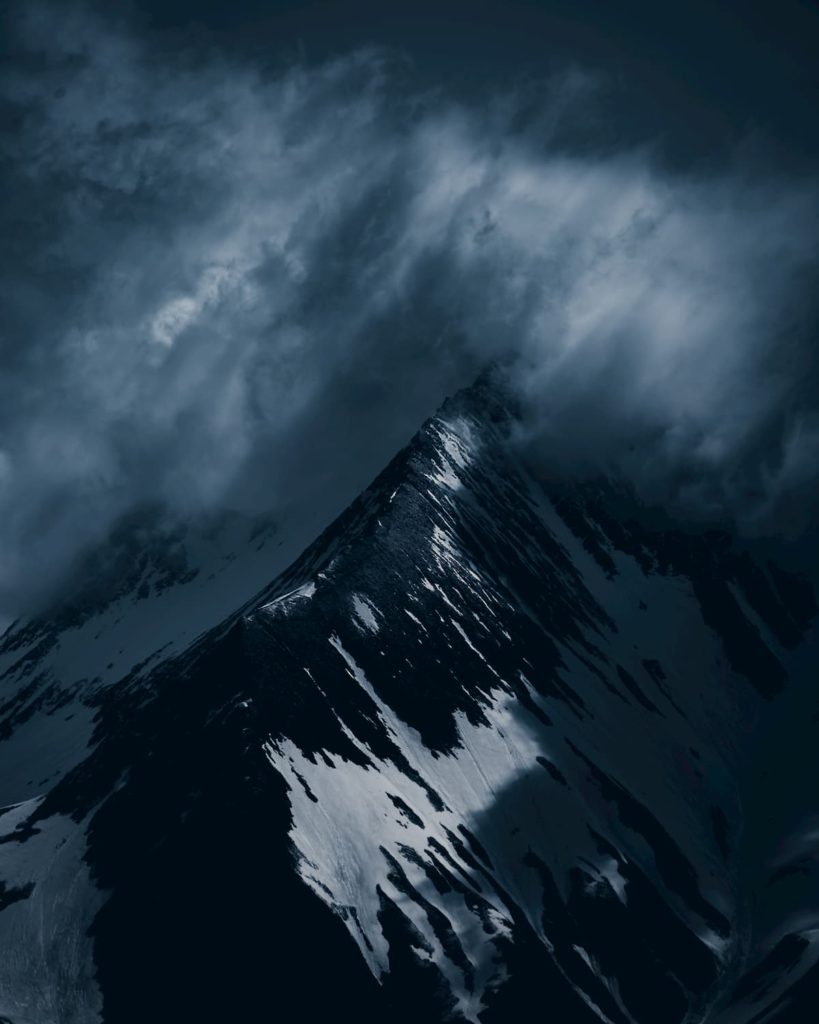
@kvbarneveld: “I think my photo reflects the impressive height of the beautiful Swiss alps. This part of the alps is not popular, making it lovely to explore without bumping into tourists.
The picture is appealing because of the leading lines present in the range. So the mountain rig leads the viewer toward the impressive peak in the background. In addition, the incoming stormy clouds give the image an epic vibe.”
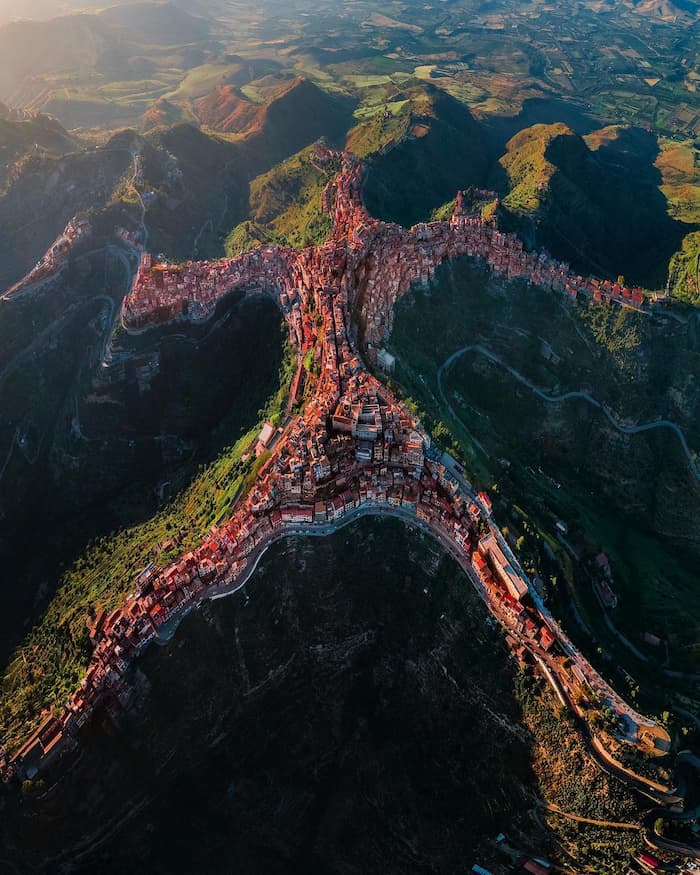
@evgeni.fab: “I choose my photography destinations by looking at landscapes or cityscapes, while I still find a compromise with my wife or friends. My trip to Sicily is a good example.
The main challenge, however, was the season. I knew seeing clouds during this time of the year was not expected. And, of course, we ended up seeing only clear skies. Therefore, I counted on drone images more than ever.
Having such a powerful tool in the sky helps you create unique content. In addition, I try my best to be at the desired location for sunset or sunrise, not utilizing those specific periods but the soft light of the golden hour.”
4) In landscape photography, having an appealing atmosphere is also crucial:
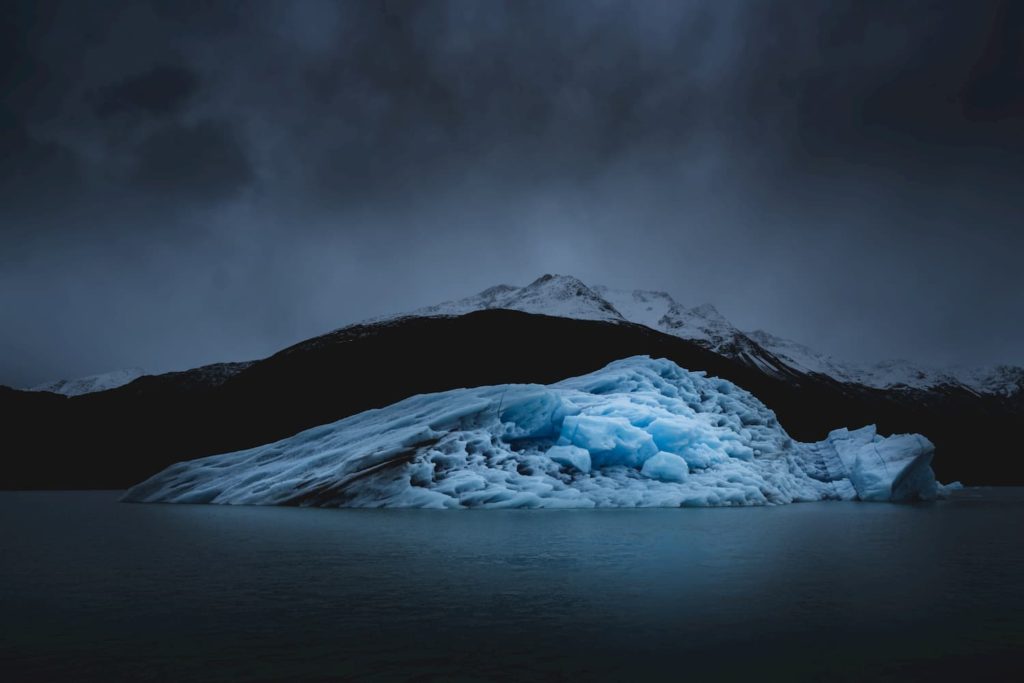
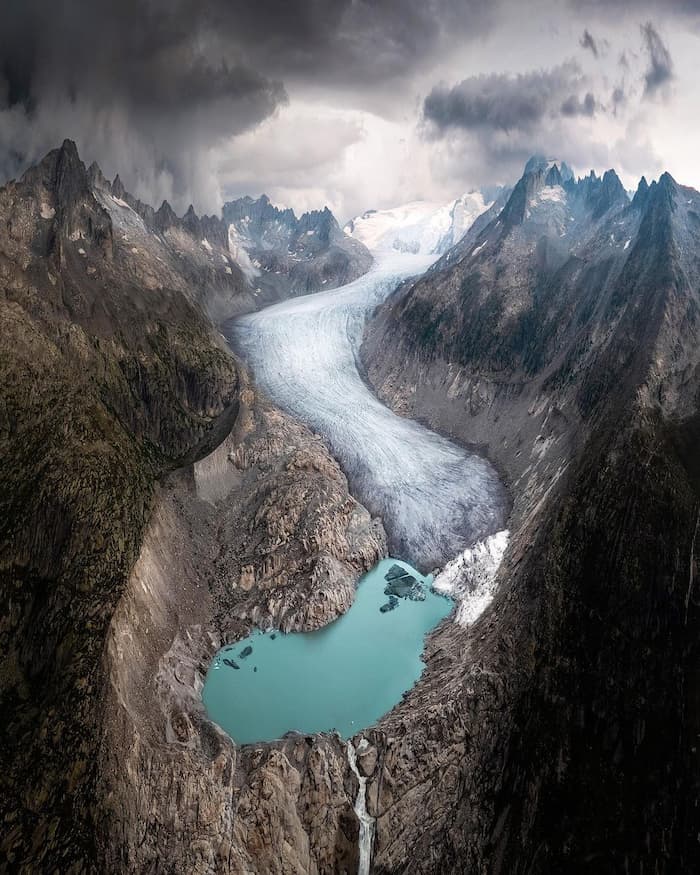
@hugohealy: “This image consists of about 30 shots, and by blending the different photos, the result was this perspective which allows the viewer to enjoy the entire landscape.
The conditions allow for a dramatic scene. There was a storm brewing creating a mystical mood in the sky. After capturing the images, the rain started pouring from the sky, and my drone got soaked!
The layout of the landscape allows for a very striking and dramatic composition leading the viewer through the frame. The image itself also tells a sad story about our climate. This glacier used to be larger, and scientific reports say in the next 50-80 years, the glacier will be gone.”
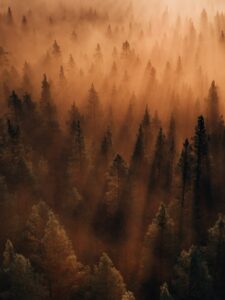
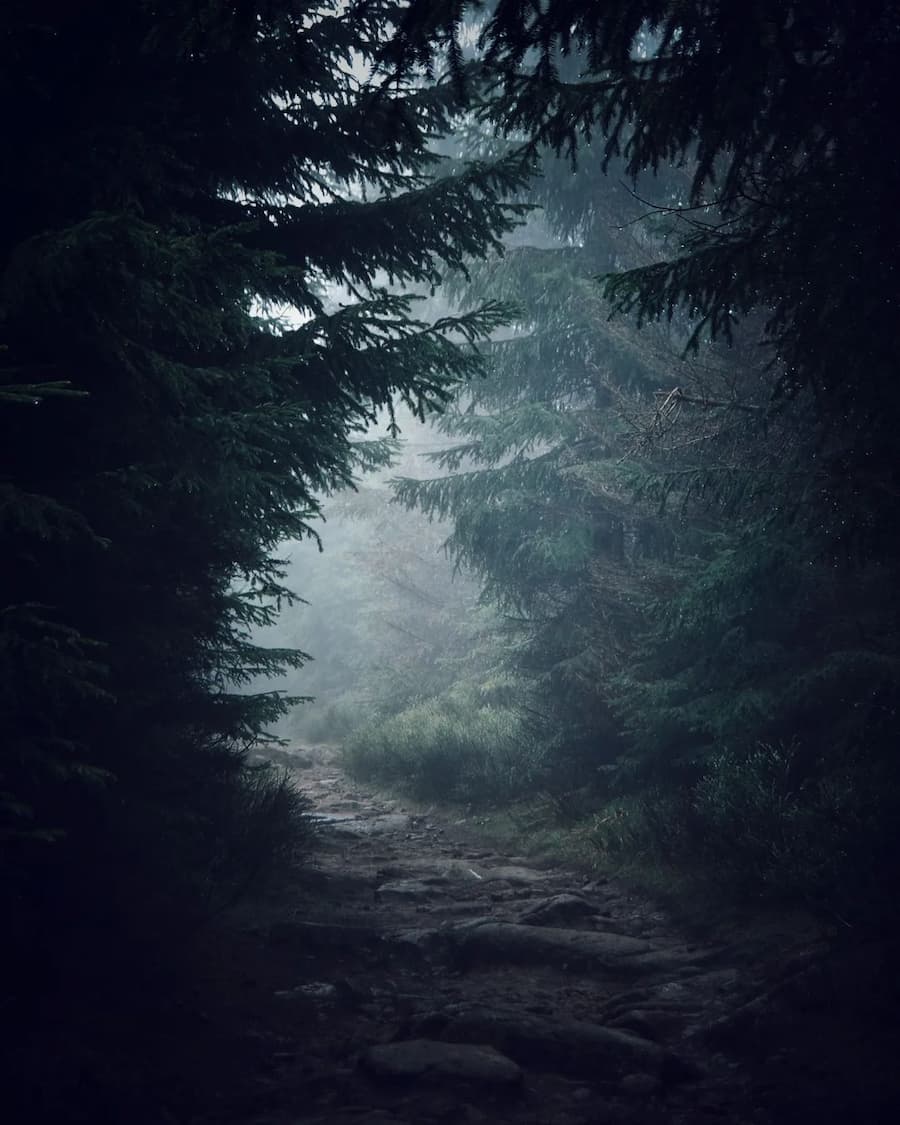
@stef.f: “To capture this mood, I get up very early on rainy mornings. In summer, the alarm clock sometimes rings at 3 am. Then I drive to the Harz Mountains and chase the mist.
I love walking all alone through the forest and the moor. Nothing is as mystical and mysterious as a foggy forest. That’s why autumn is my favorite season.
On sunny days I usually leave the camera at home. Of course, I sometimes create the mood artificially editing the pictures.”
Would you like content like this sent to your inbox?

Join us in the Azores for a unique photo tour, where you’ll elevate your creative skills with expert guidance from Ronald Soethje, Bruno Ázera, and Nomadict.

In this article, Forest shares how years of chasing scale, silence, and raw landscapes shaped his approach to photography, from the deserts of Kazakhstan to the volcanic ridges of Iceland. He talks about how he uses light, texture, and vast negative space to create images that feel both intimate and overwhelming.

Simon shares the journey behind his photography, from early inspirations to field techniques, editing, and the story of the winning shot that shaped his path.

In this article, Miro shares how his love for cinematic music evolved into a deep passion for photography and how he uses light, color, and atmosphere to turn the streets of Prague into living film scenes.

In this article, Stefanie reveals how her background in physics sparked her passion for astrophotography and how she blends science with creativity to capture the beauty of the night sky. Readers will discover her approach to color, contrast, and editing, as well as her aurora photography workflow.

Spanish photographer Yhabril captures the profound connection between humans and the mountains that shaped him. Growing up in the Pyrenees, his work bridges outdoor sports, landscapes, and celestial scenes — often blending athletes, moonlight, and wilderness into striking visual stories.

In this article, Ariane shares how photography helped her navigate personal challenges, connect authentically with people and animals, and develop a philosophy rooted in empathy and artistic freedom. Readers will also discover her ethical approach to wildlife photography and her trusted equipment for both camouflage techniques and cameras.

Discover how to photograph Dutch tulip fields in their most magical light. From choosing the right gear and lenses to mastering composition, color, and aerial perspectives, this guide shares creative techniques to capture the beauty of the Netherlands’ tulips. Learn how light, color grading, and proportion bring emotion into every frame.