Photo tour in Azores, Portugal
Join us in the Azores for a unique photo tour, where you’ll elevate your creative skills with expert guidance from Ronald Soethje, Bruno Ázera, and Nomadict.
Barbara Thoeny won our weekly contest thanks to a golden hour photo in the beautiful Lofoten Islands. This article teaches us about her winning shot, passion for capturing the northern lights, and most valuable experiences as a solo traveller and photographer.
My father inspired my passion for photography. He was also a passionate photographer (not a professional one), and he bought me my first camera (a Canon compact) when I was very young. We took pictures together on holiday by the sea, and he gave me some tips.
Ever since I have learned many valuable lessons, the following stand out:
1) To be patient and to dedicate sufficient time to my projects.
2) Always bring the camera to be ready; you never know if you will find yourself unexpectedly in the perfect spot with the ideal light or weather conditions.
3) If the conditions at my chosen site are not good enough, I go for a walk to explore more interesting spots for a later occasion and then return to my original site when the conditions are good.
4) When I edit a photo, I wait to publish it. I look at it again the next day, and if I am unhappy, I adjust it further.
Tips and tricks for capturing the northern lights:
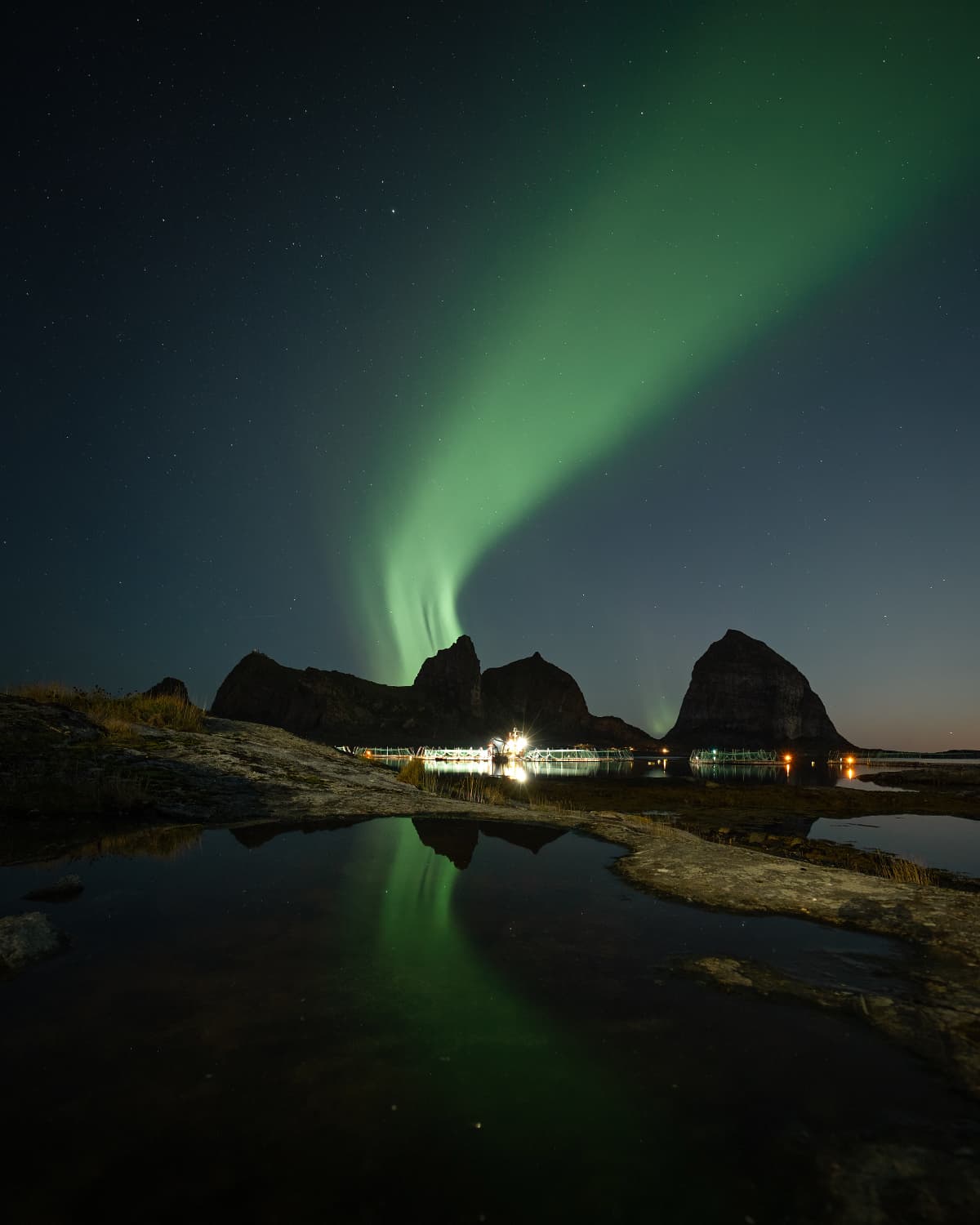
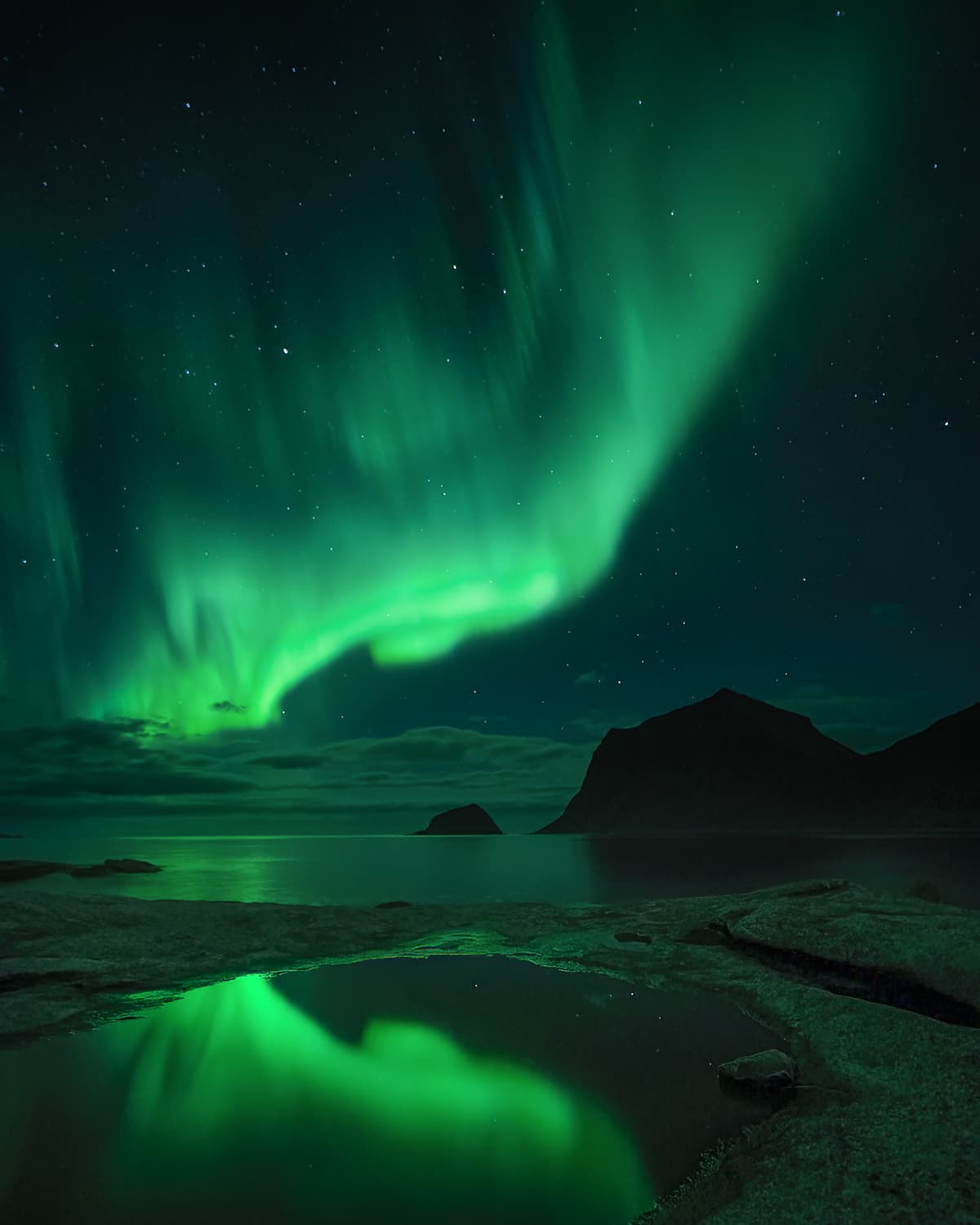
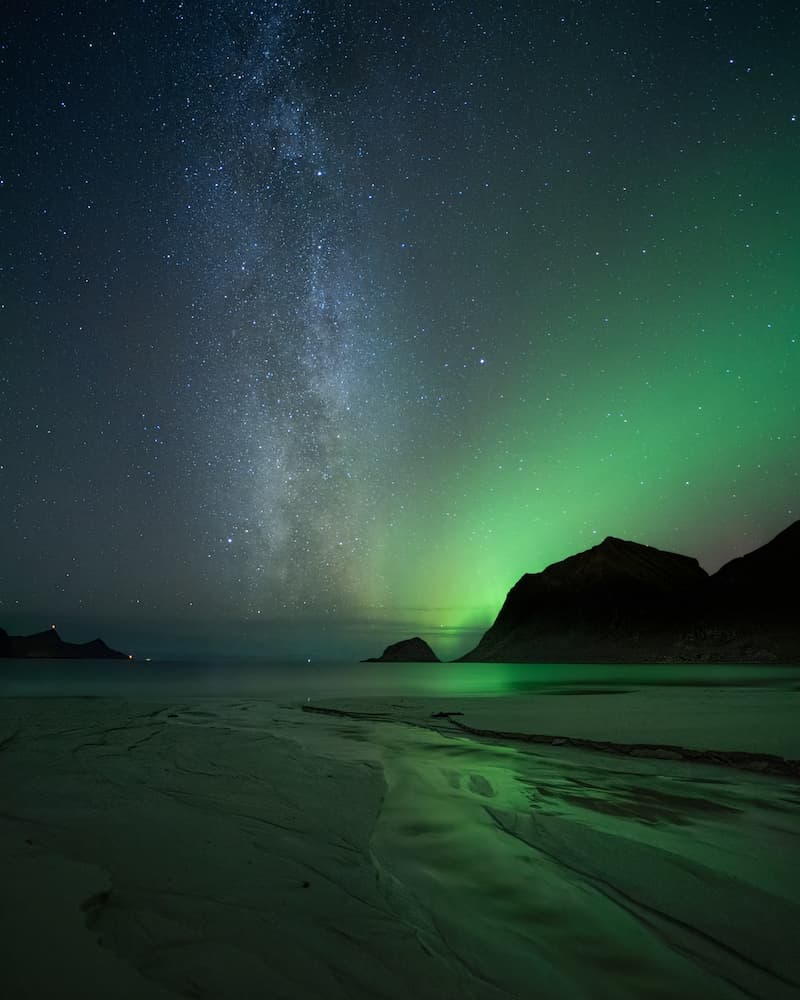
It is not easy with the “green lady,” but it is very exciting! I am addicted to the northern lights; capturing them is a big passion. I have experienced almost 50 aurora nights since 2019, and I am still fascinated to see this beauty again and again.
1) I normally go to check out the place where I want to take my Aurora pictures during the day or evening. It is important to see the place when it is not dark yet; first, to find an interesting setting, then to know where to put the material (tripod) and from where to take the picture, and then how to access the spot (by the sea, by hiking, etc.).
2) I need to find a place with almost no light pollution as I do not like the artificial light in my night sky images (others include them, so this is a question of taste).
3) When the northern lights illuminate the sky, it is important to adjust the settings very often to get the best result, especially when the light changes in intensity and speed.
4) I always check the photos immediately on the camera screen when taking pictures at night. I lose some time. However, I can see if I like the scenery, if the settings are right, and if the photos are not out of focus (this happened to me before!).
5) Practice is very important in every kind of photography, even night sky photography.
On post-production
My editing style is quite soft. I get the best out of the image without exaggerating the editing. For my Aurora pictures, I always start by adjusting the white balance.
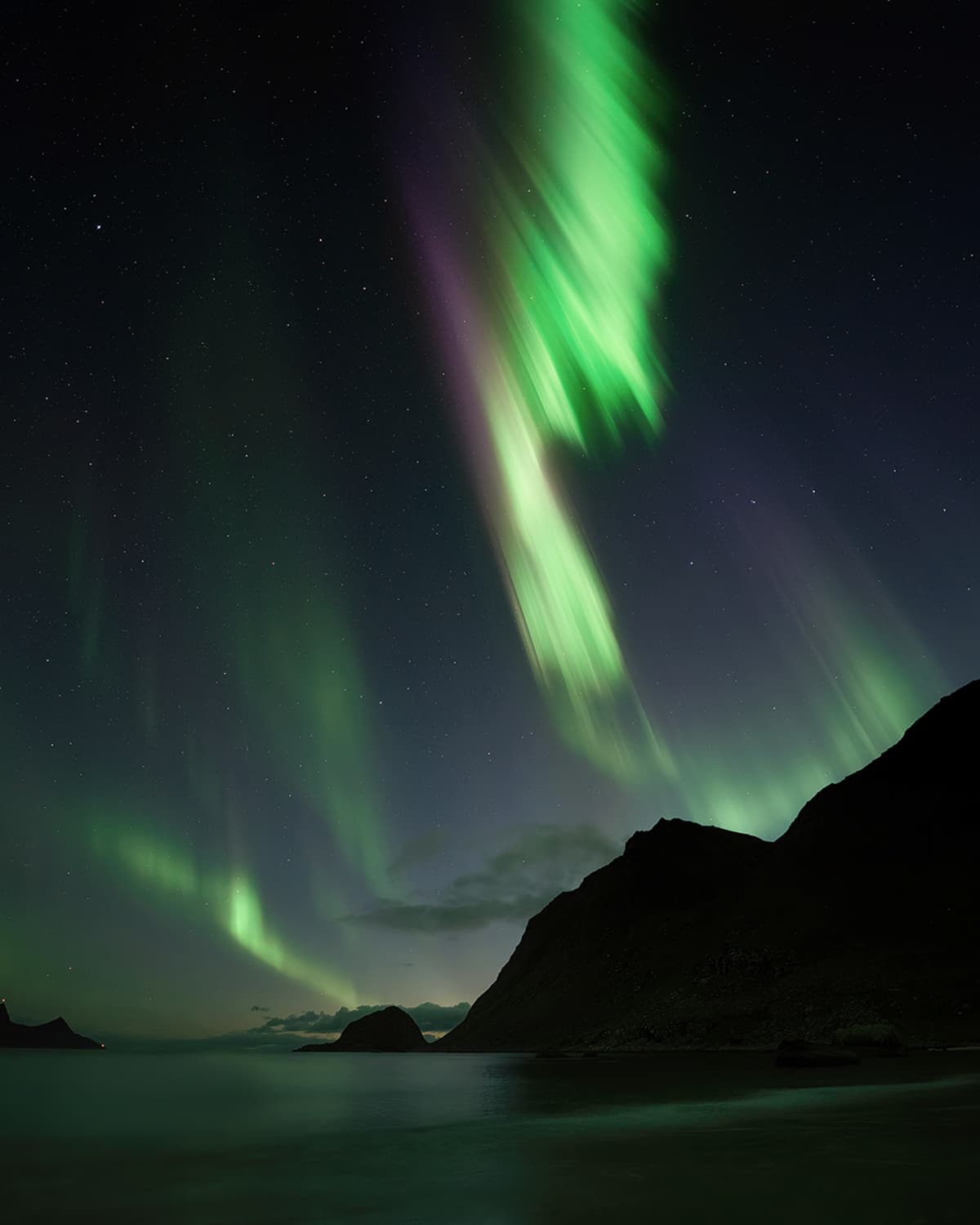
I like to show the cold and peaceful atmosphere of these nights. I don’t have to do much more when the northern lights are as strong as in this image. But often, I boost the highlights and reduce the saturation of green and blue.
I give the picture some dynamic with the radial filters or the brush tool. Then, to finish the edit, I clean up the photo with the healing brush.
An essential lesson to capturing great landscape photos
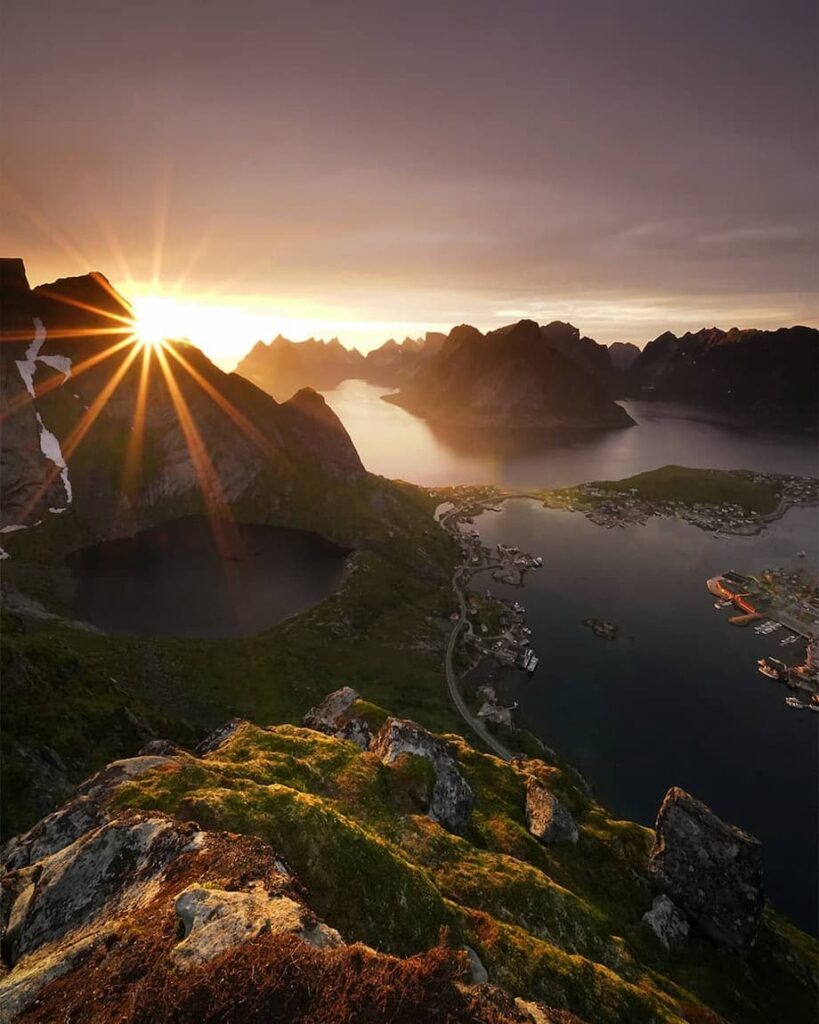
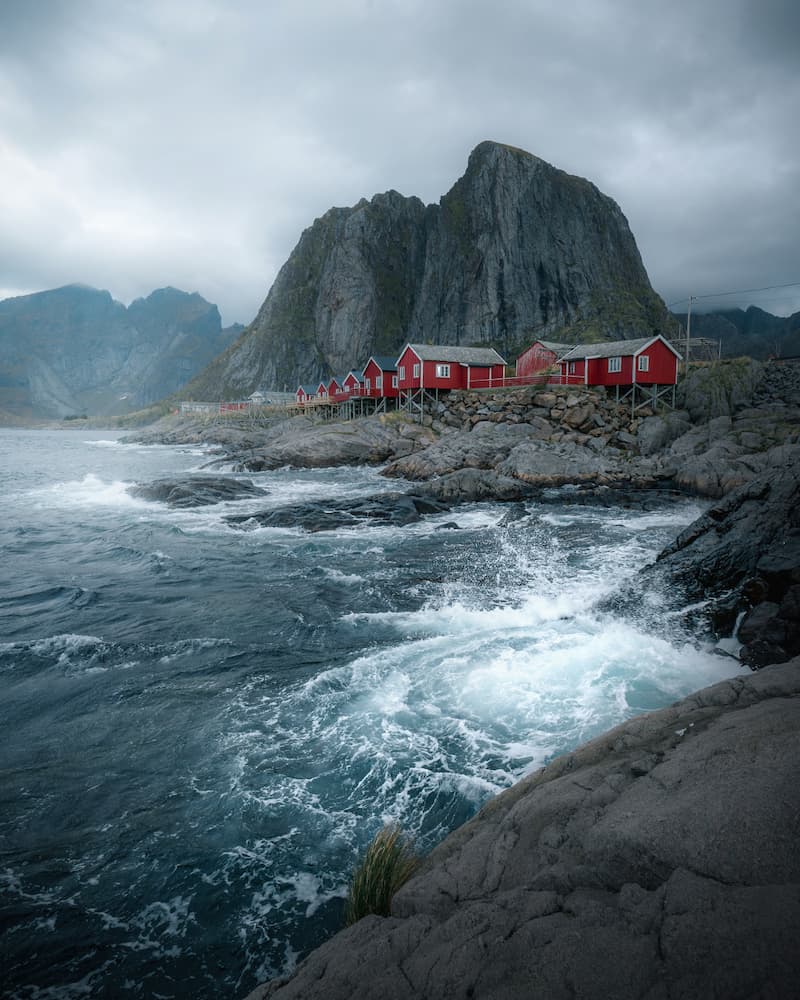
Be patient. When I go for a sunset hike, I try to be early on the top, e.g., to have enough time to find the best composition before the sky starts to get interesting. Often, I spend many hours at the spot. Especially on the Lofoten (and in the north in general), the weather changes very often and quickly. Even on a very grey day, it is possible to get 10 minutes of a crazy sunset. It is too late if you are not in the right place in these moments.
Travelling in my van makes it much easier for me to be often in the right place. In the north, you can get many days or weeks of bad weather; therefore, I learned to always go outside despite the weather. You can find many moody places where you get beautiful images on grey or rainy days. Especially during the autumn storms, it is very beautiful and interesting to go out with the camera too.
I always look for a harmonious and picturesque scene when I go out. I capture the picture, so I don’t have to edit much. I never use a preset, as every photo needs different editing. I show the atmosphere of that moment, and as every moment is other, I edit every image differently and with various color adjustments. My motto is learning by doing on the field and in editing, day by day. These lessons have helped me win Best of Week 1.
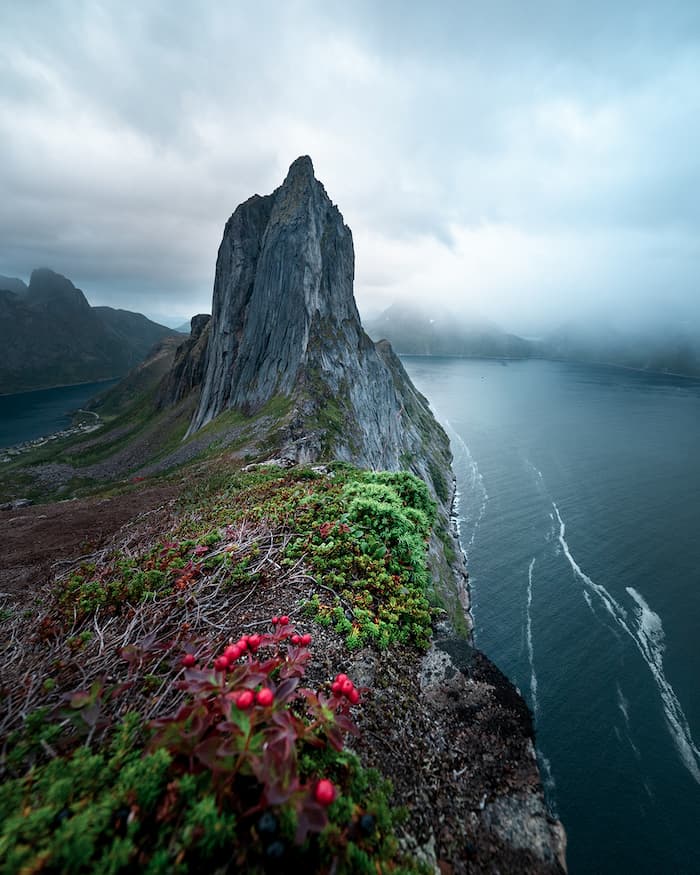
This photo dates back to 3 August 2020, 22:00. It was my 3rd long road trip to northern Norway and my 5th time up on that mountain. The conditions were just perfect. First, a lot of wind, then rain, a rainbow and then, fortunately, just in time, the sky started to open up again. And that was the perfect moment to take this image. After about 3 hours up there, I was wet, frozen, excited and happy. I will never forget this moment.
I took the photo with my Sony A7iii. I bought this new camera a month before that road trip and learned much about it. But I’m very satisfied with the photo, so the settings were quite okay. 😉 I used a 12mm lens to capture as much as possible of this breathtaking view.

Favourite photo
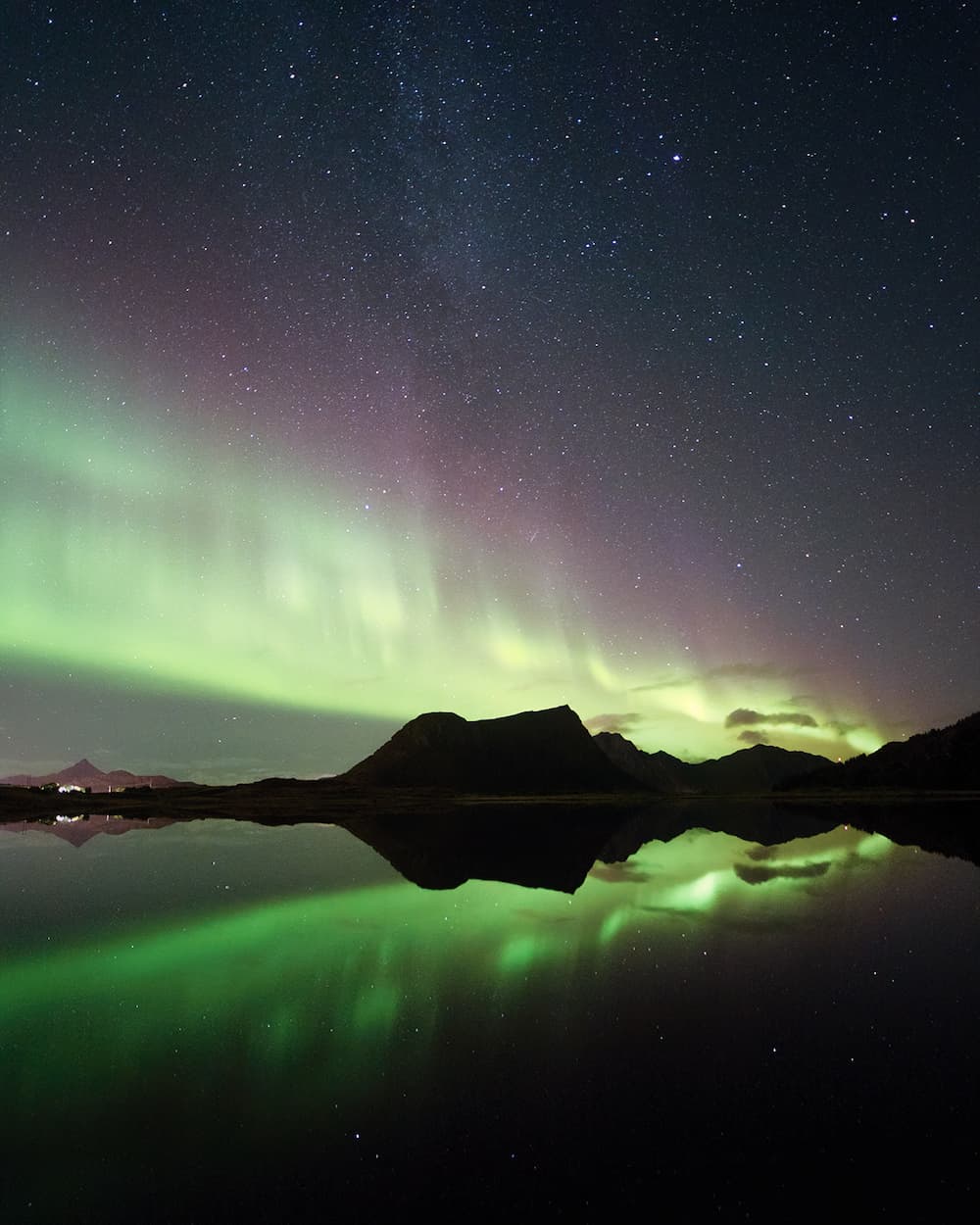
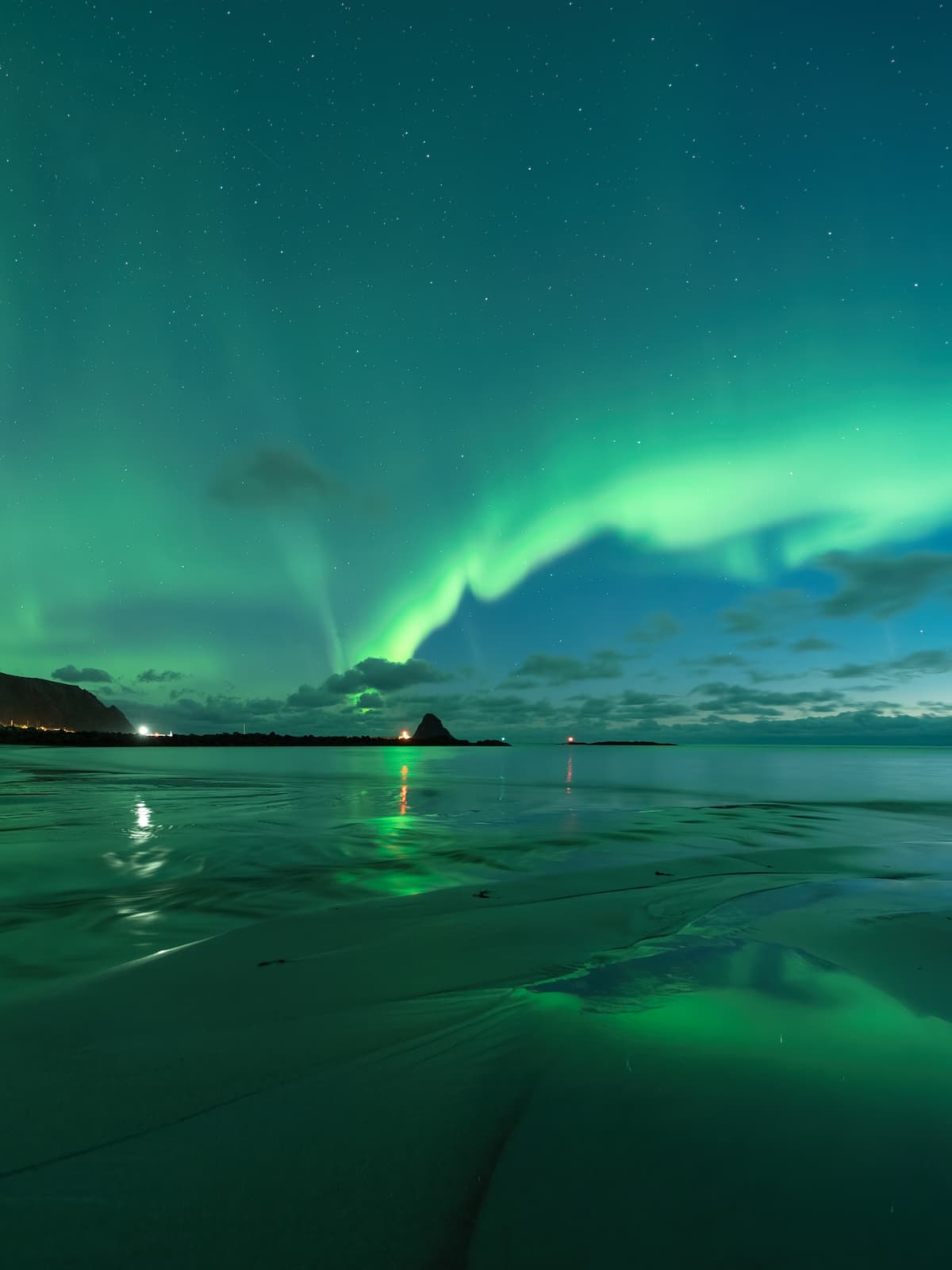
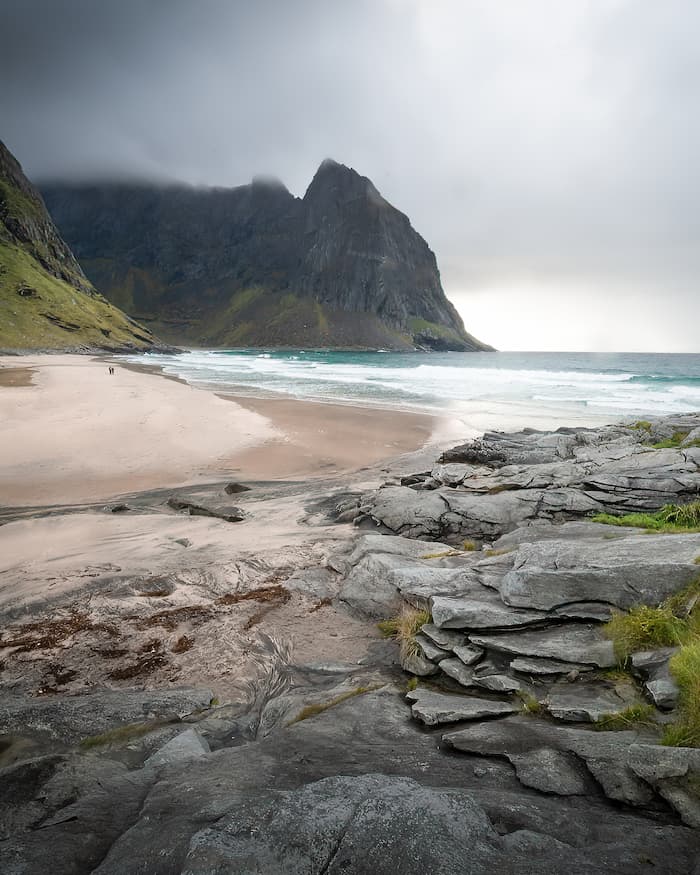
The image below is my favourite. It is unique and different, showing that bad things lead to good ones. That night, there was a strong aurora show, but unfortunately, I ruined all my images because they were out of focus, and I recognized it only when the big show was over. I was quite upset with myself and went for a walk on the beach. Suddenly, I saw that scene and took the best photo of the night.
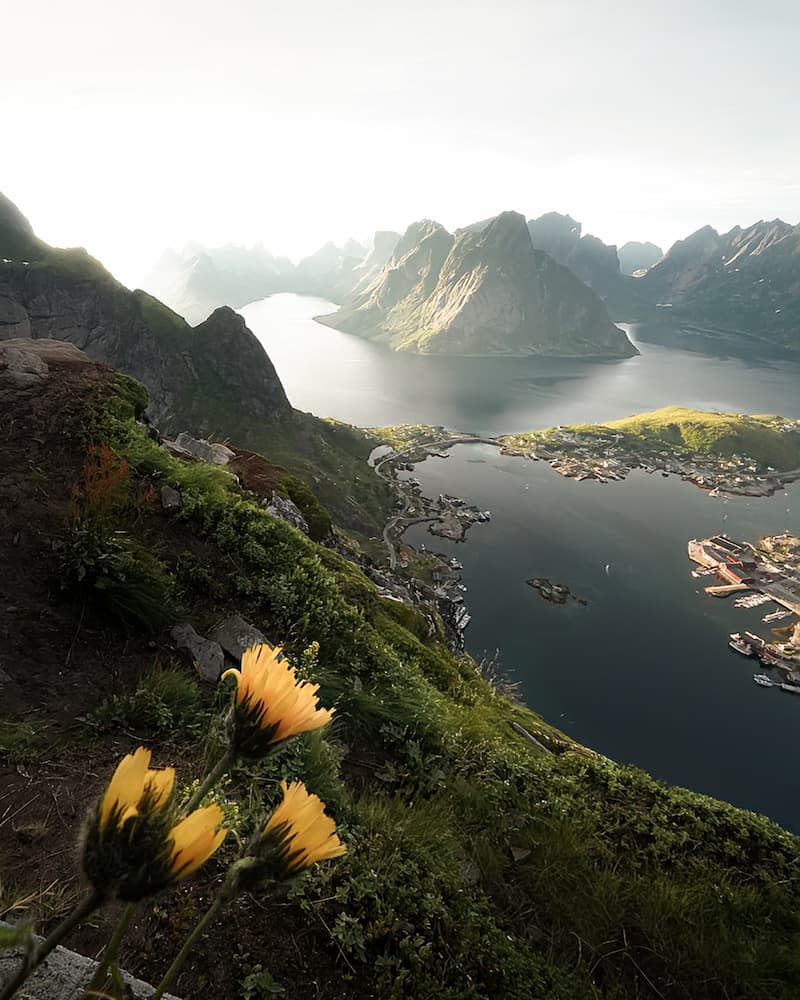
However, the place that is close to my heart is Reinebringen. I saw a picture of it during a multi-vision show back in 2018. At that moment, I recognized that I needed some travel and passion again.
Three months later, I quit my job, bought a VW van, and went alone for a 100-day road trip to North Cape and back. In the meantime, I have been up on this mountain eight times, and many of my favourite images show this stunning view.

Join us in the Azores for a unique photo tour, where you’ll elevate your creative skills with expert guidance from Ronald Soethje, Bruno Ázera, and Nomadict.

In this article, Forest shares how years of chasing scale, silence, and raw landscapes shaped his approach to photography, from the deserts of Kazakhstan to the volcanic ridges of Iceland. He talks about how he uses light, texture, and vast negative space to create images that feel both intimate and overwhelming.

Simon shares the journey behind his photography, from early inspirations to field techniques, editing, and the story of the winning shot that shaped his path.

In this article, Miro shares how his love for cinematic music evolved into a deep passion for photography and how he uses light, color, and atmosphere to turn the streets of Prague into living film scenes.

In this article, Stefanie reveals how her background in physics sparked her passion for astrophotography and how she blends science with creativity to capture the beauty of the night sky. Readers will discover her approach to color, contrast, and editing, as well as her aurora photography workflow.

Spanish photographer Yhabril captures the profound connection between humans and the mountains that shaped him. Growing up in the Pyrenees, his work bridges outdoor sports, landscapes, and celestial scenes — often blending athletes, moonlight, and wilderness into striking visual stories.

In this article, Ariane shares how photography helped her navigate personal challenges, connect authentically with people and animals, and develop a philosophy rooted in empathy and artistic freedom. Readers will also discover her ethical approach to wildlife photography and her trusted equipment for both camouflage techniques and cameras.

Discover how to photograph Dutch tulip fields in their most magical light. From choosing the right gear and lenses to mastering composition, color, and aerial perspectives, this guide shares creative techniques to capture the beauty of the Netherlands’ tulips. Learn how light, color grading, and proportion bring emotion into every frame.