Photo tour in Azores, Portugal
Join us in the Azores for a unique photo tour, where you’ll elevate your creative skills with expert guidance from Ronald Soethje, Bruno Ázera, and Nomadict.
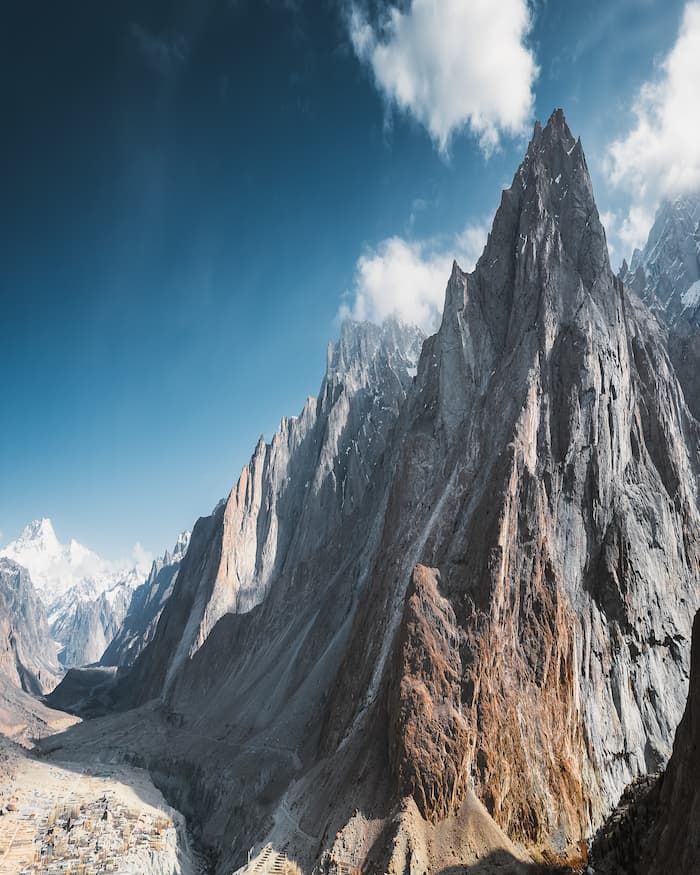
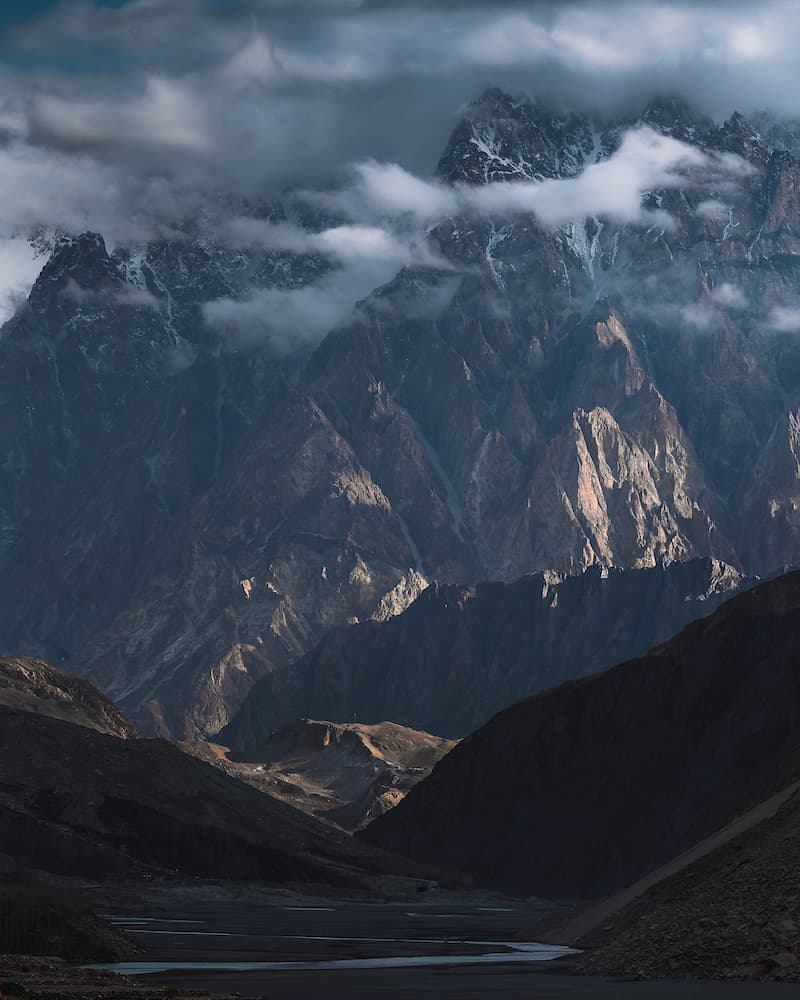
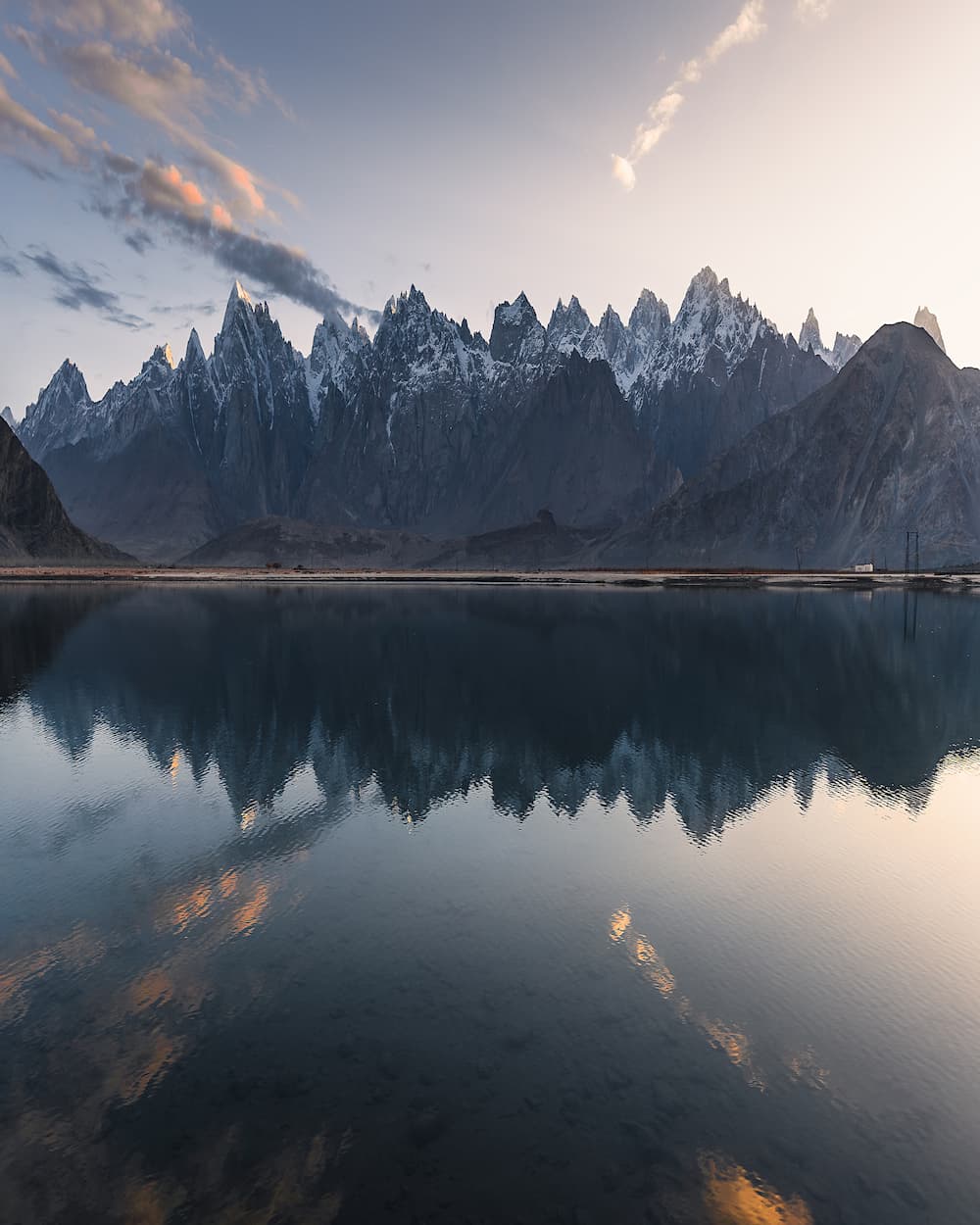
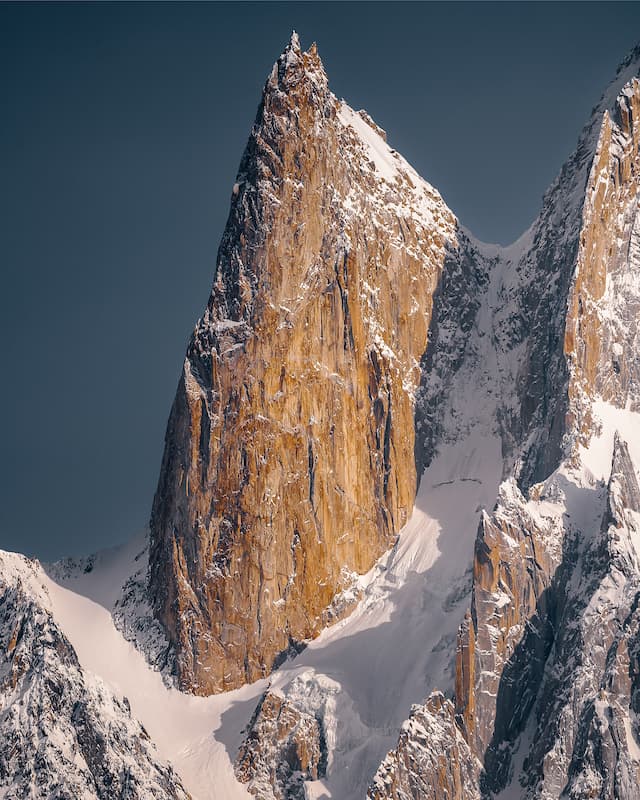
By capturing exceptional lighting, incorporating depth of field, exploring angles, and utilizing adept editing techniques, Asad creates winning photographs that convey the profound essence of remarkable regions like the Sarfaranga Cold Desert. The majestic mountains of Karakoram, the Himalayas, and the Hindukush serve as a constant source of inspiration, with their otherworldly beauty leaving him in awe.
My passion for travel ignited my interest in photography. Stepping out of my comfort zone, I embarked on a journey to explore diverse locations, immerse myself in various cultures, and understand different ways of life and belief systems. Captivated by these experiences, I felt compelled to document them, allowing me to share these cherished moments with my loved ones.
Traveling is a catalyst for personal and human growth, shaping us into better individuals. The Northern areas of Pakistan serve as a constant source of inspiration, compelling me to embark on more adventures. The majestic mountains of Karakoram, the Himalayas, and the Hindukush possess an otherworldly beauty that is truly awe-inspiring. There is no experience more extraordinary than beholding those towering peaks in all their glory.
Throughout my journey, both personally and professionally, I have gained valuable insights from which I have learned four important lessons:
1) Surround yourself with supporters and block out those who hinder your progress: It is crucial to distance yourself from individuals who impede your growth and prevent you from expressing yourself authentically. Removing these obstacles allows you to show up as your true self.
2) Don’t obsess over deciphering the algorithm: Spending excessive energy trying to understand complex algorithms is often a fruitless endeavor. Instead, focus on creating content that aligns with your passions and brings you joy. Trust in what feels good and authentic to you.
3) Imperfection is inherent in art: No artist is flawless, and it is important to remember that quality is not the sole determining factor of success. Quantity plays a significant role in artistic growth. Take inspiration from artists like Picasso, who created over 1300 paintings in their lifetime, with only a few gaining fame. Embrace the process of creating and let your work speak for itself.
4) A camera is a gateway to unimaginable places: Always bear in mind that a camera is more than just a device; it holds the power to transport you to extraordinary destinations beyond your wildest dreams. It serves as a passport to capturing breathtaking moments and immersing yourself in new and fascinating experiences.
5) One of the most pivotal projects I embarked on was photographing Singapore. It taught me a valuable lesson that things don’t always unfold as planned, necessitating comprehensive research on the location, timing, and weather conditions. Despite spending five days in Singapore, the continuous rainfall provided an invaluable learning experience. As a photographer, it is crucial to adapt and find creative solutions despite unforeseen circumstances. Hiring a guide in a foreign, non-English-speaking country can be a time-saving asset. Additionally, effective communication with clients regarding such factors becomes essential for a successful collaboration. The outcome of this project played a significant role in shaping my career by instilling adaptability, thorough preparation, and effective client communication as key pillars of professional growth.
6) Lastly, the most significant lesson I’ve learned is that art is a personal expression, and you have the freedom to pursue what resonates with you. Discovering your unique style often happens when you no longer allow the opinions of others to dictate your creative choices.
My artistic endeavours draw considerable inspiration from the works of Max Rive and Marc Adamus, two legendary photographers. Their masterpieces provide valuable insights into exploring the intricacies and depths of the environment. By studying their exceptional portfolios, one can gain a profound understanding of how to create impactful imagery. The key to achieving success lies in the magical trio of a compelling subject, exquisite lighting, and an extraordinary environment, combining to create truly winning photographs.
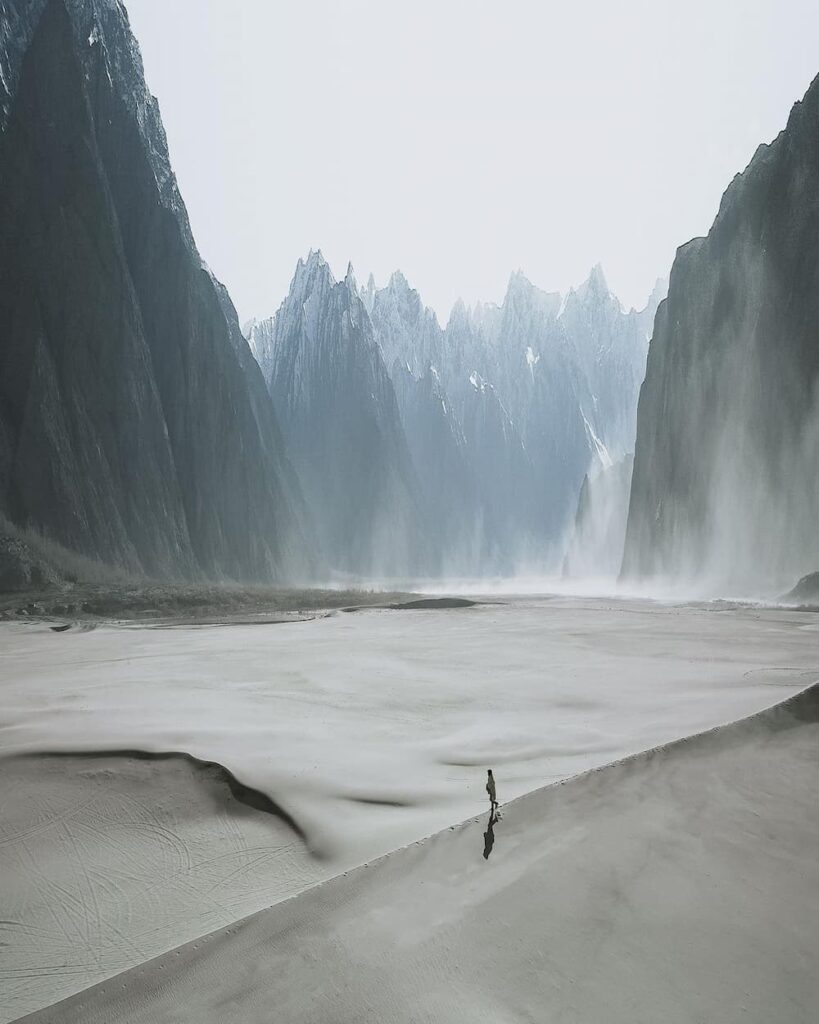
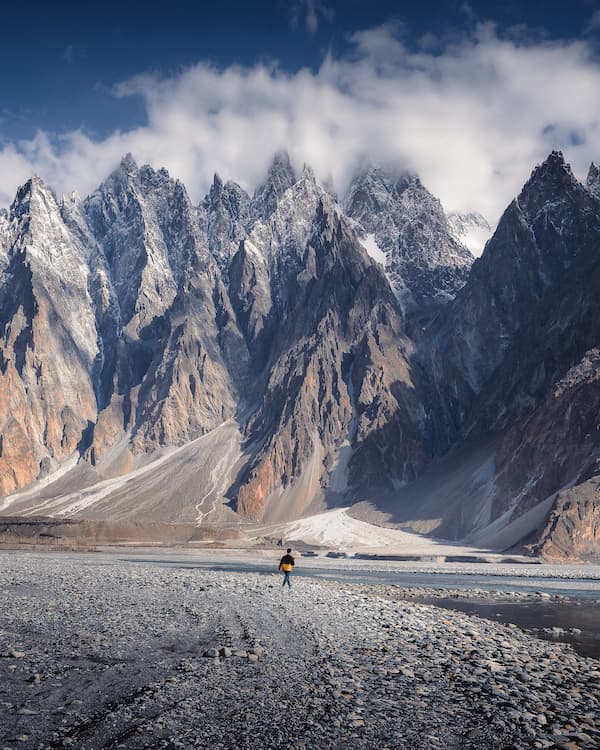
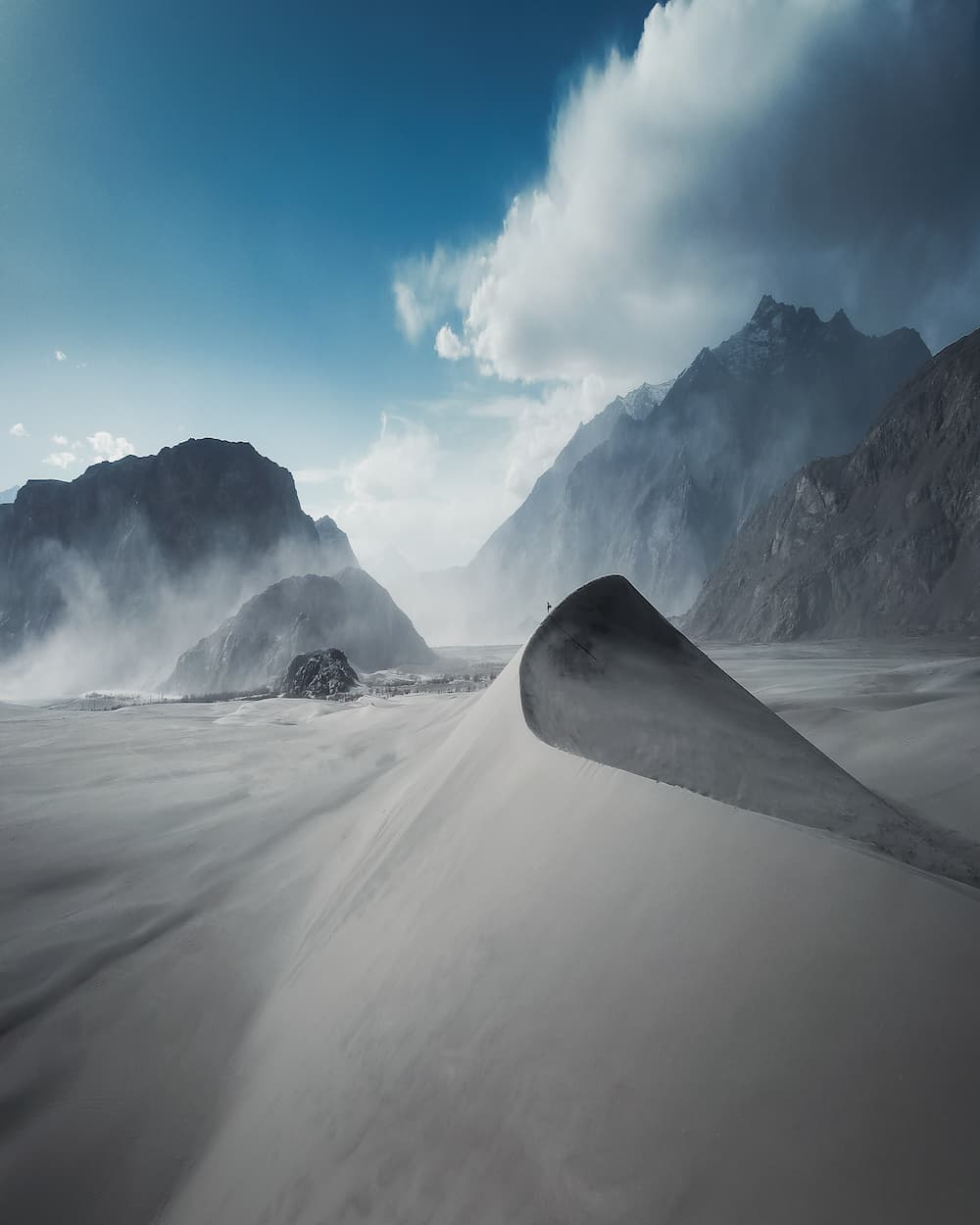
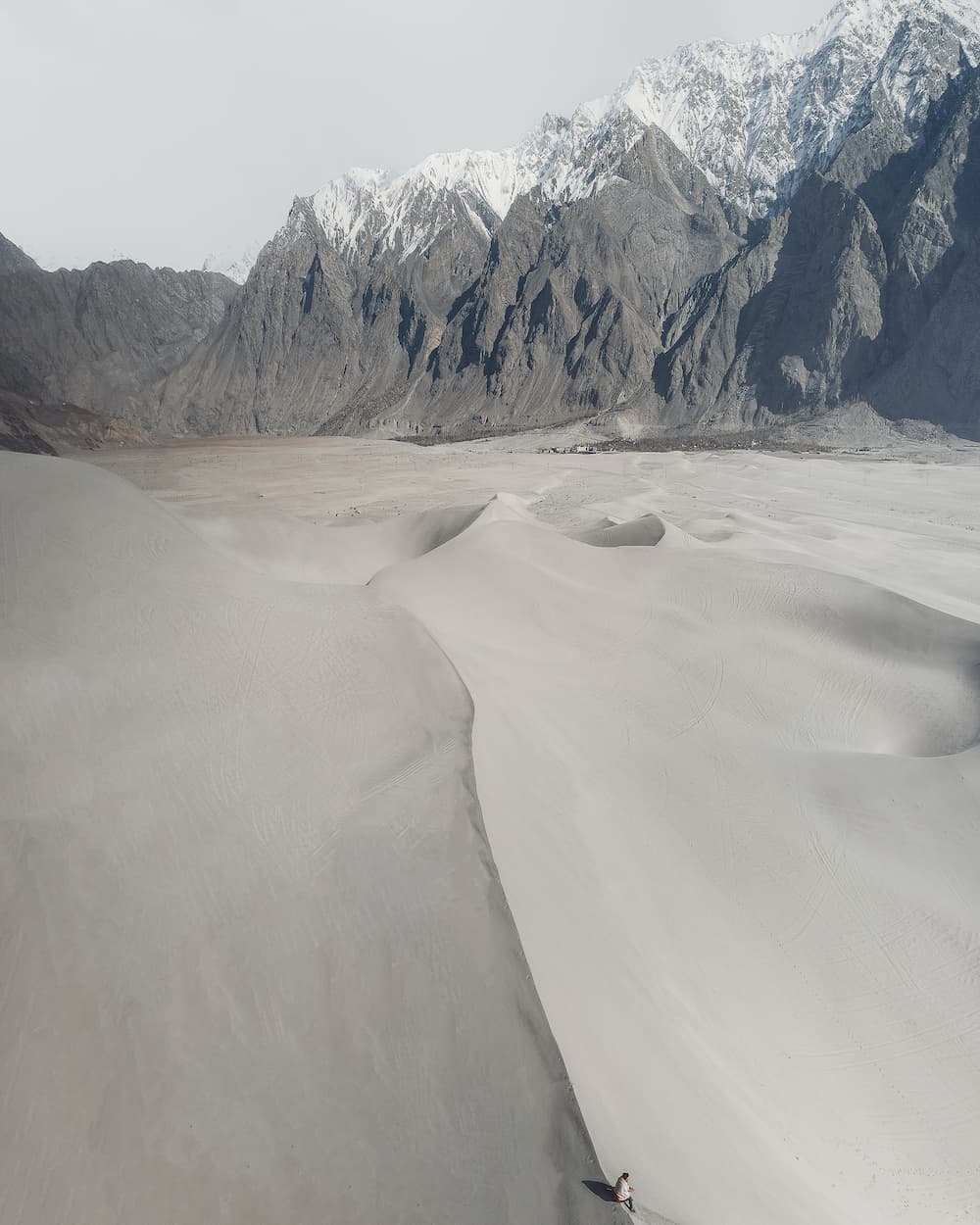
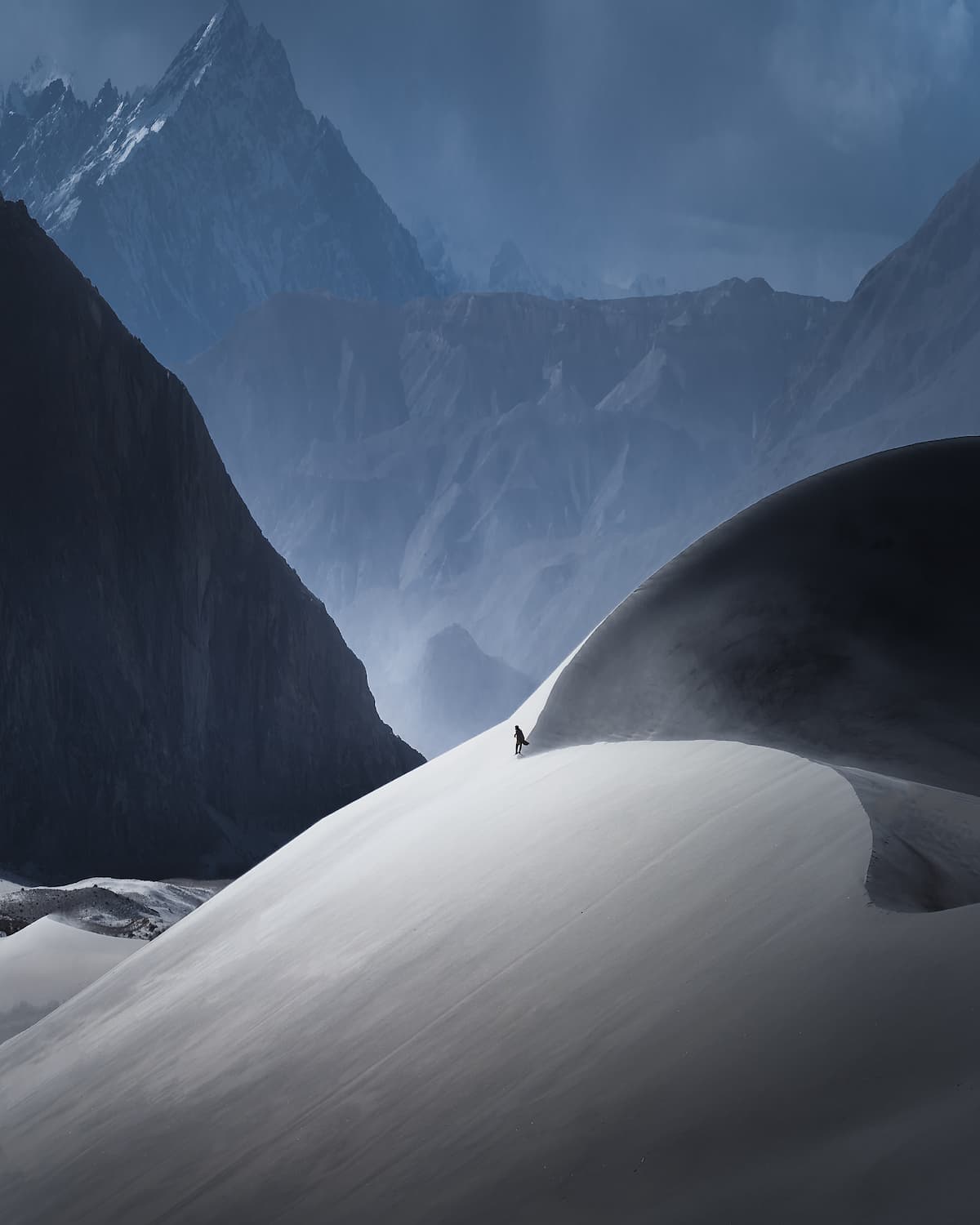
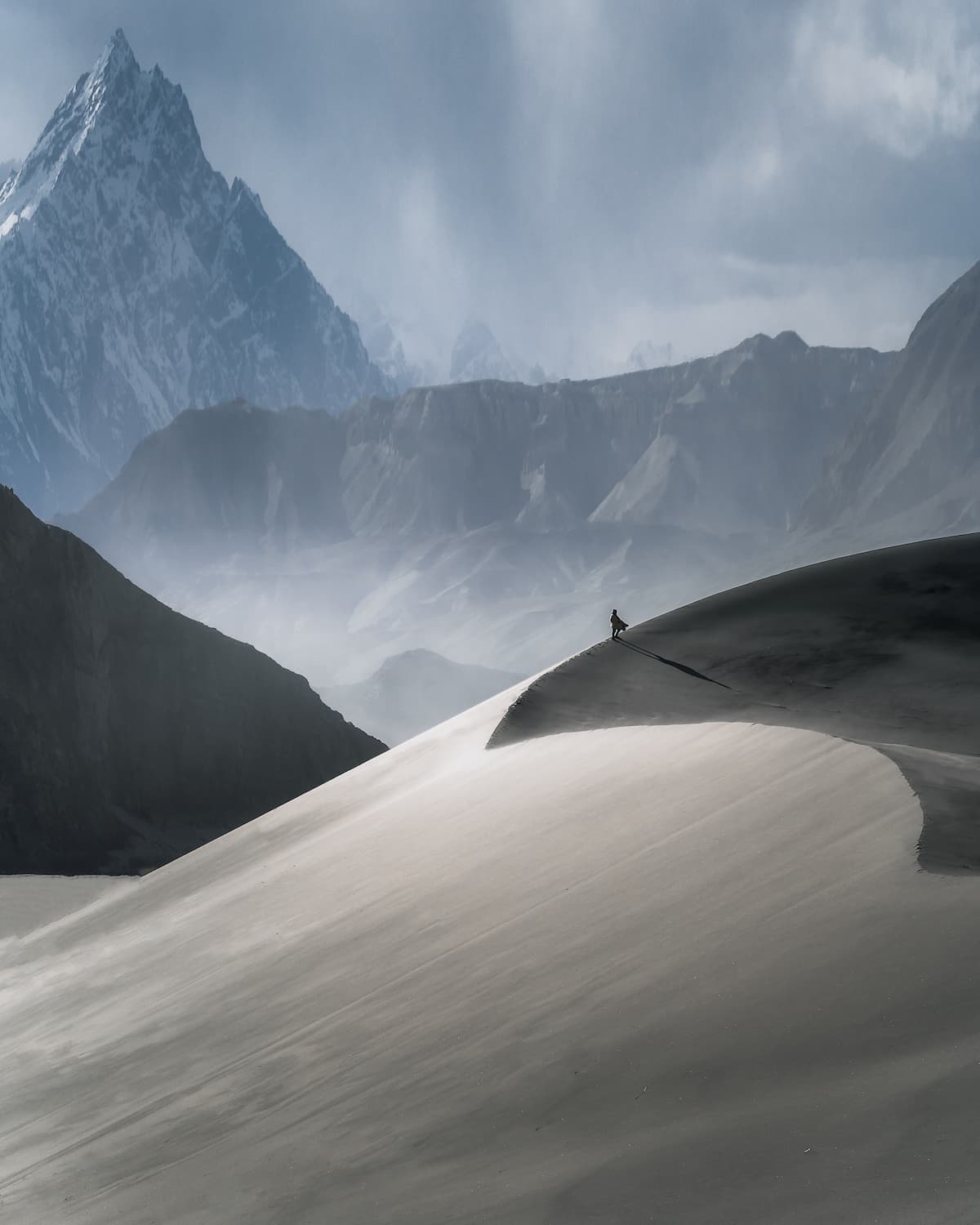
In this case, the winning photo captures the mesmerising beauty of the Sarfaranga Cold Desert, recognized as one of the highest cold deserts worldwide. The Desert is situated at an elevation of approximately 2,500 metres (8,200 feet) above sea level, and the region experiences extremely cold temperatures, with winter temperatures dropping well below freezing point, while summers are relatively mild.

With this image, I wanted to convey the profound essence of this remarkable region, emphasizing its vastness and captivating atmosphere. For that, I used my DJI Air 2S, and the following were my camera settings: F/2.8 1/1000s ISO 100. To create this landscape photo, four key elements come into play: capturing exceptional lighting, incorporating a vast depth of field, exploring intriguing angles, and employing adept editing techniques.
Editing is comparable to applying a finishing touch to a well-crafted table. However, it should not be the sole focus or the essence of the table itself. When it comes to editing mountains, a distinct approach and mindset are necessary. In this context, the location was renowned as the world’s highest cold desert, emphasizing the importance of showcasing the true essence of the mountains as I witnessed them in that region, encompassing the sacred Karakoram and Himalayan mountains. While I typically employ complementary color theory in most of my photographs, this particular picture relied on a single color to dominate the entire composition. Color grading is highly subjective, and I enjoy experimenting with various approaches to achieve the desired aesthetic.
In my editing process, I prioritize three vital steps: observing and capturing the existing light, deliberately generating light when necessary, and finally, enhancing the light to achieve the desired effect.
As long as I possess the ability to see, I aspire to continue pursuing photography, whether as a profession or a passionate hobby. I am grateful to consider Pakistan my home, and I find great inspiration in the remarkable beauty that surrounds me. My ultimate hope is that when people encounter my work, it fosters a deep appreciation for preserving the untamed essence of natural landscapes. To achieve this vision, I intend to employ strategies that promote conservation, raise awareness about the importance of preserving wilderness, and capture the awe-inspiring wonders of the world through my lens.

Join us in the Azores for a unique photo tour, where you’ll elevate your creative skills with expert guidance from Ronald Soethje, Bruno Ázera, and Nomadict.

In this article, Forest shares how years of chasing scale, silence, and raw landscapes shaped his approach to photography, from the deserts of Kazakhstan to the volcanic ridges of Iceland. He talks about how he uses light, texture, and vast negative space to create images that feel both intimate and overwhelming.

Simon shares the journey behind his photography, from early inspirations to field techniques, editing, and the story of the winning shot that shaped his path.

In this article, Miro shares how his love for cinematic music evolved into a deep passion for photography and how he uses light, color, and atmosphere to turn the streets of Prague into living film scenes.

In this article, Stefanie reveals how her background in physics sparked her passion for astrophotography and how she blends science with creativity to capture the beauty of the night sky. Readers will discover her approach to color, contrast, and editing, as well as her aurora photography workflow.

Spanish photographer Yhabril captures the profound connection between humans and the mountains that shaped him. Growing up in the Pyrenees, his work bridges outdoor sports, landscapes, and celestial scenes — often blending athletes, moonlight, and wilderness into striking visual stories.

In this article, Ariane shares how photography helped her navigate personal challenges, connect authentically with people and animals, and develop a philosophy rooted in empathy and artistic freedom. Readers will also discover her ethical approach to wildlife photography and her trusted equipment for both camouflage techniques and cameras.

Discover how to photograph Dutch tulip fields in their most magical light. From choosing the right gear and lenses to mastering composition, color, and aerial perspectives, this guide shares creative techniques to capture the beauty of the Netherlands’ tulips. Learn how light, color grading, and proportion bring emotion into every frame.