Andy Rider

@andyswildlife

Winner Best of the Week 2 at #nomadict

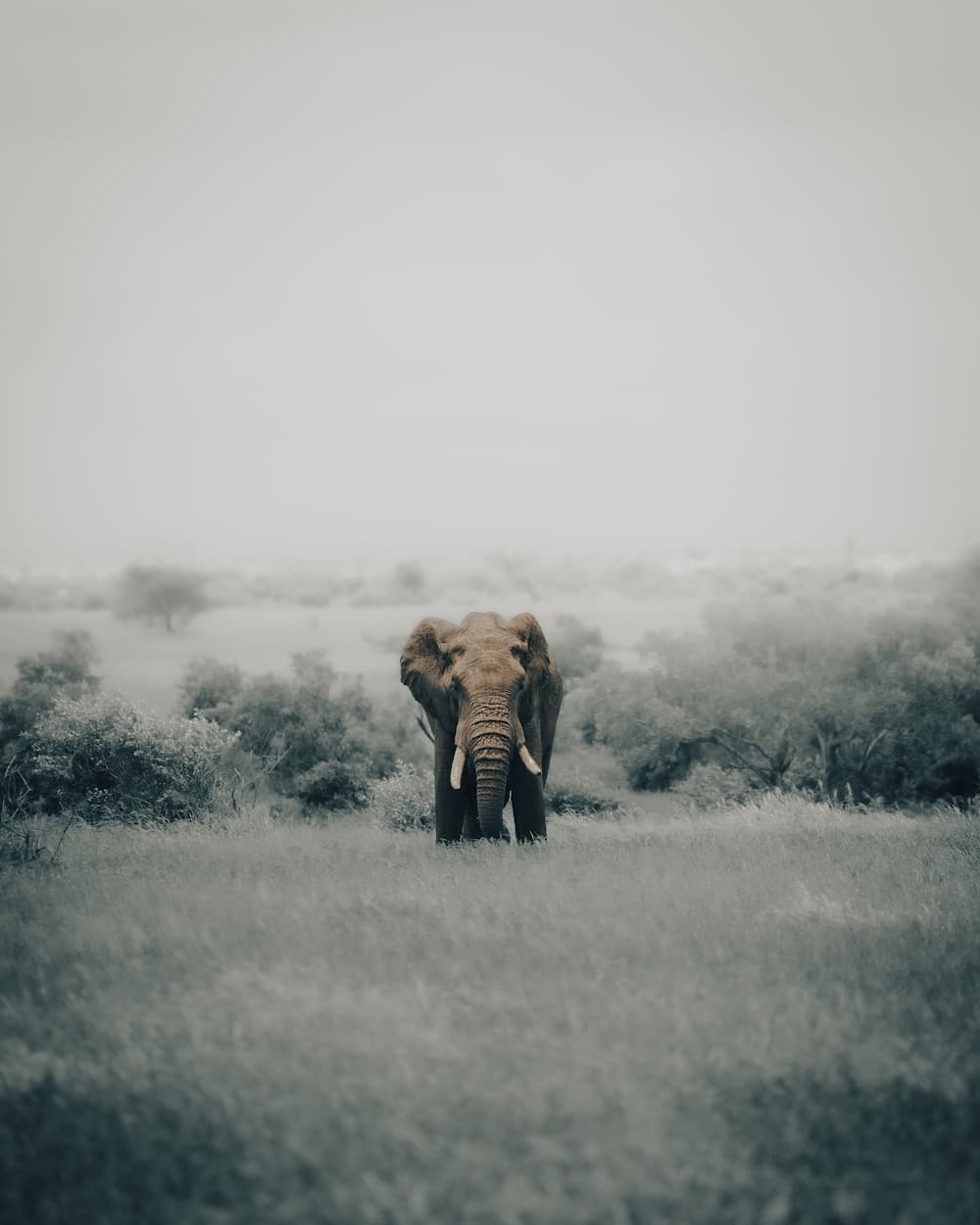
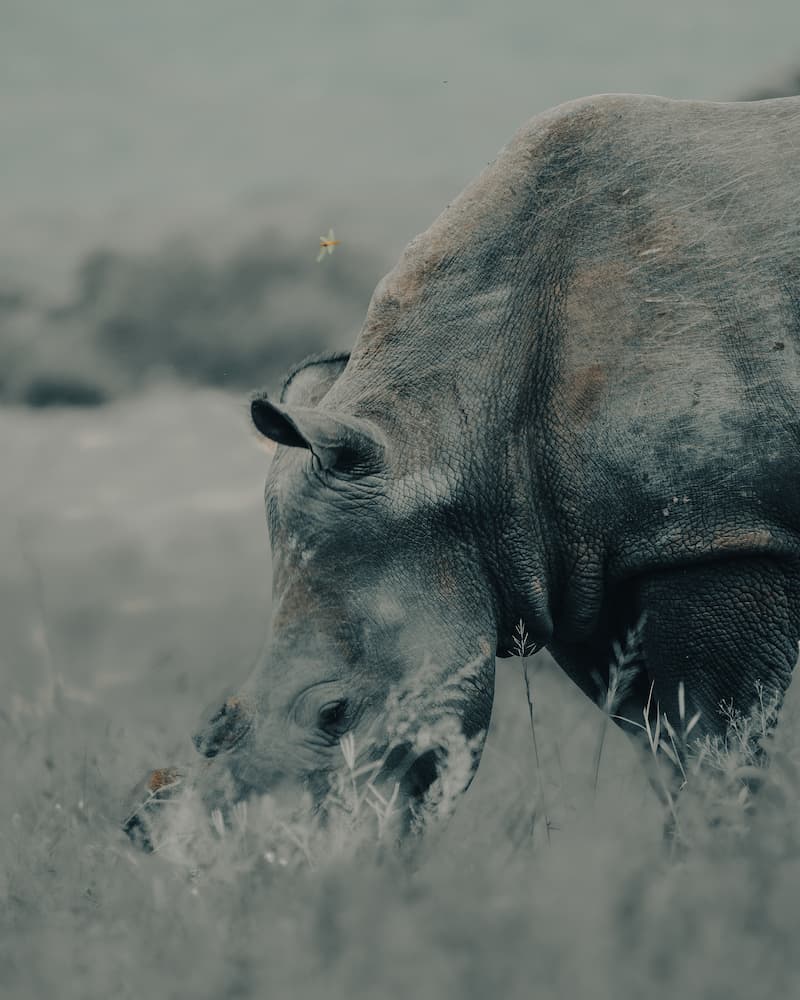
Andy Rider is a wildlife photographer based in South Africa, dedicated to capturing the raw beauty of nature while raising awareness about conservation. Through his powerful storytelling and distinctive editing style, he strives to bridge the connection between humans and the natural world, using his work to inspire change and appreciation for wildlife.

From field guide to wildlife photographer: How a childhood passion shaped my journey

My passion for wildlife started at an early age, inspired by legends like Steve Irwin and Jeff Corwin. I was instantly hooked and knew that one day I wanted to be the next Steve Irwin. Throughout school, we would go to the bush quite frequently and after school, I became a field guide. That’s when my passion for photography, specifically wildlife photography, started. After four years and lots of practice, every image I capture tells a story, and every lesson shapes my future work.

@andyswildlife_Nomadict_1
@andyswildlife_Nomadict_2

Essential wildlife photography lessons: From camera mastery to ethical practice

The first and most essential lesson I learned was mastering my camera settings. If there’s action in a sighting, I need to change the settings in split seconds. Being able to do that quickly and almost blindly, I can substantially increase the quality of my images. 

The second lesson I learned is to not compare myself to other photographers. There will always be someone better than me and if I keep comparing myself to them, I lose motivation and second-guess my work, doubting if it is good enough. By looking at others’ work, the only thing I want to obtain is inspiration; from their overall work, a specific composition, or their approach to editing, and incorporate it into my workflow and style. 

@andyswildlife_Nomadict_3

Thirdly, ethics is critical in wildlife photography. I quickly realized that observing and photographing animals should be done respectfully and unnoticeably. It should be as if I weren’t there at all. This means that sometimes, I can’t get the shot I wished for.  It requires lots of patience to wait for the perfect moment to happen naturally, however, I do not want to interfere in an animal’s activities or trigger them in any way. This can be dangerous, but also capturing an animal in its natural state and behavior is very rewarding. Knowing you respect their habitat and life, feels much better than when you would have gotten an impressive image due to unethical behavior toward the animal. 

Lastly, and probably the most important and valuable lesson of all, is to know when to put the camera down and live in the moment. Sometimes, we’re so focused on capturing the perfect shot that we miss the beauty unfolding right before us. Learning to pause, even briefly, and appreciate the scene without a lens between you and reality can enhance your creative process. 

Winner
Best of the Week 2

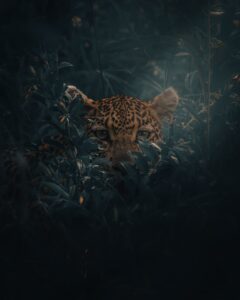
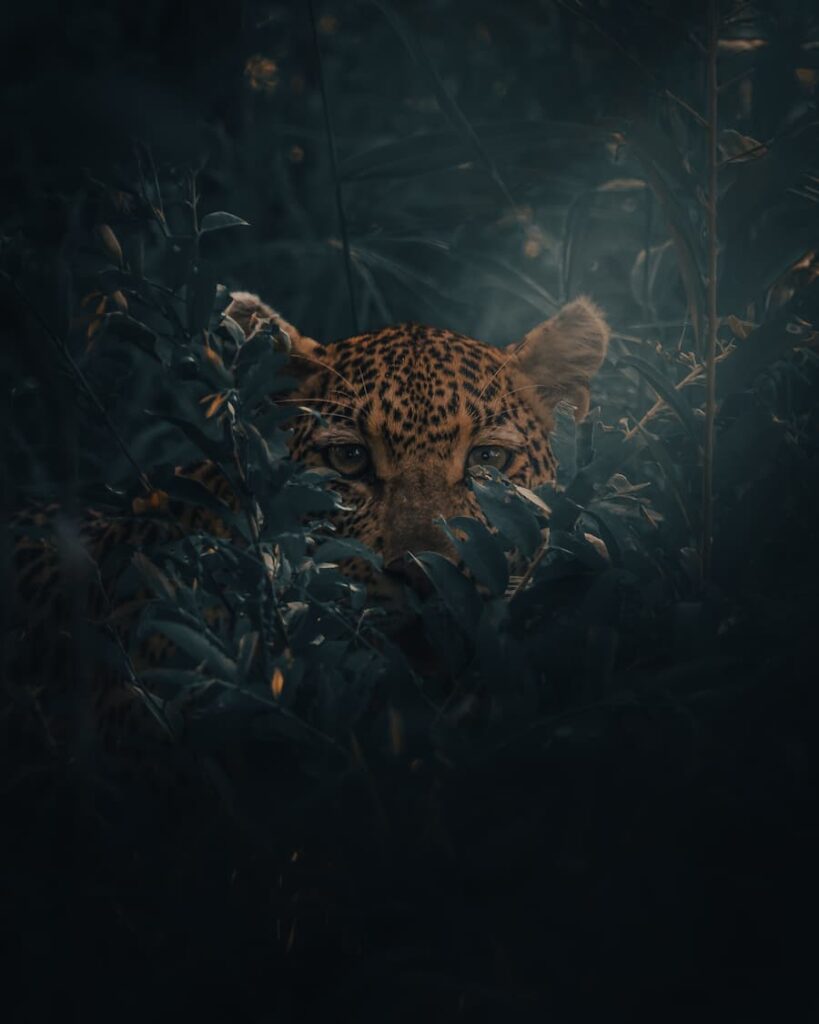
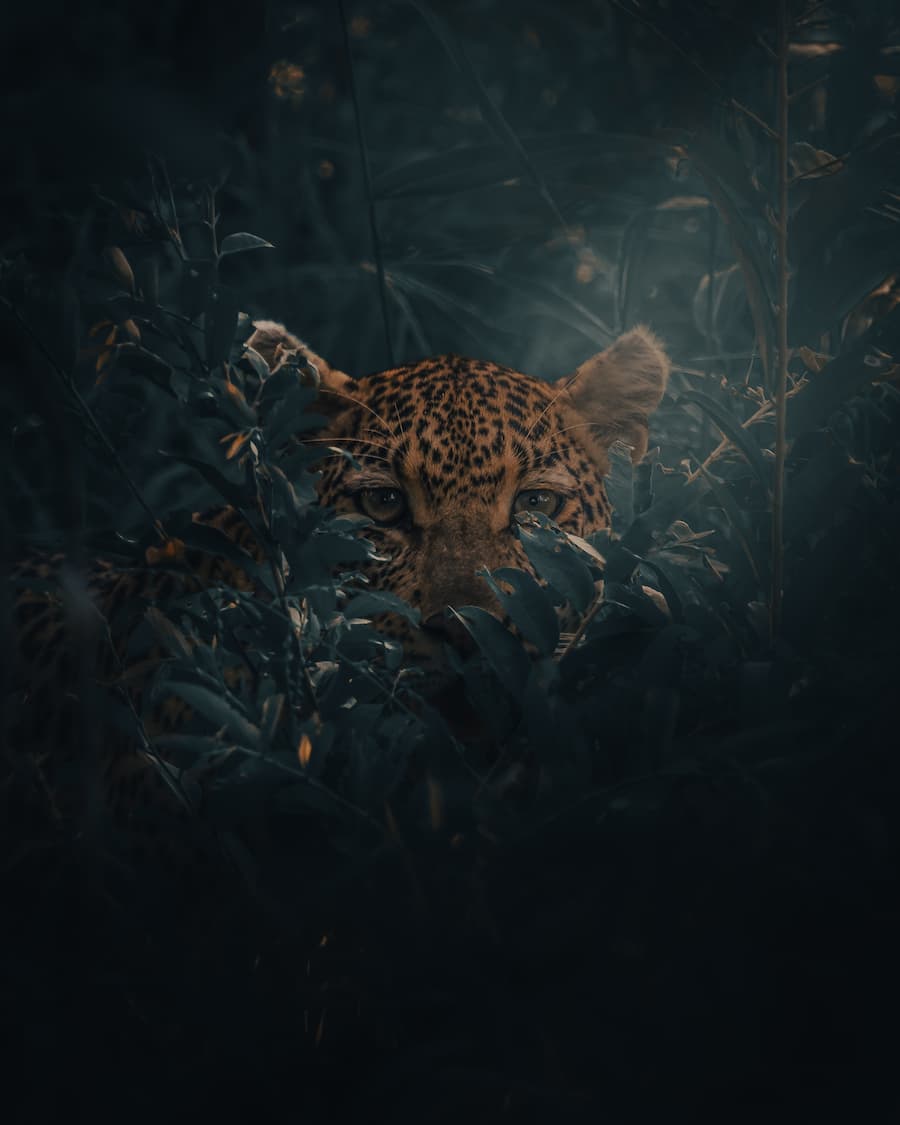
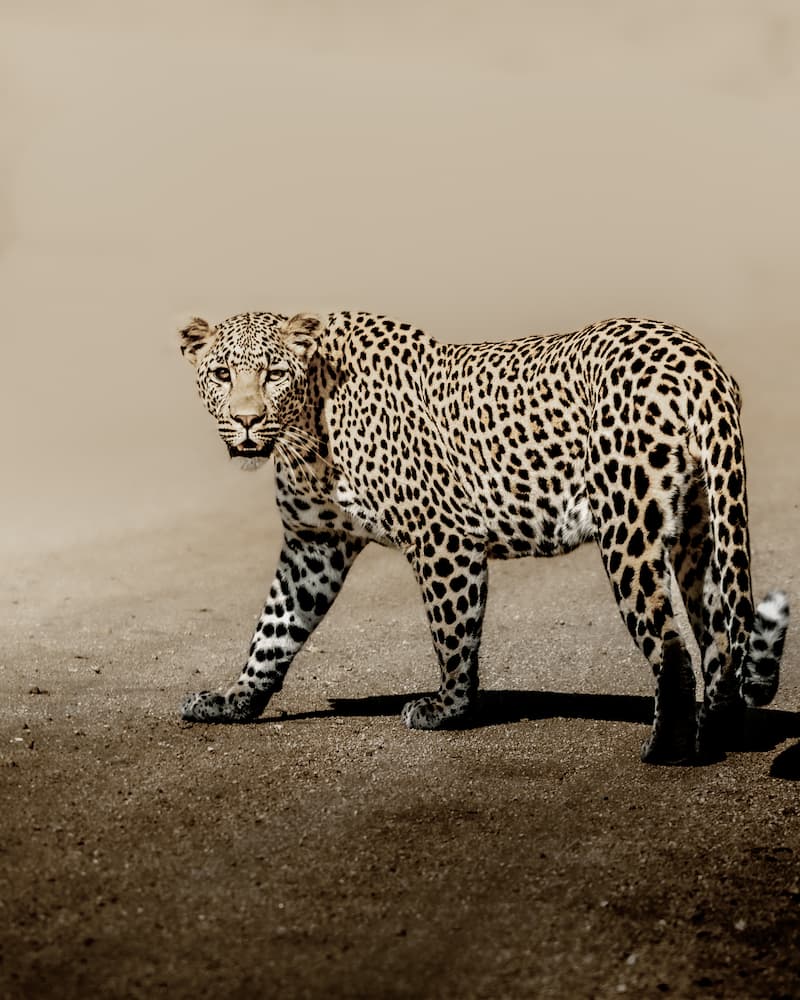
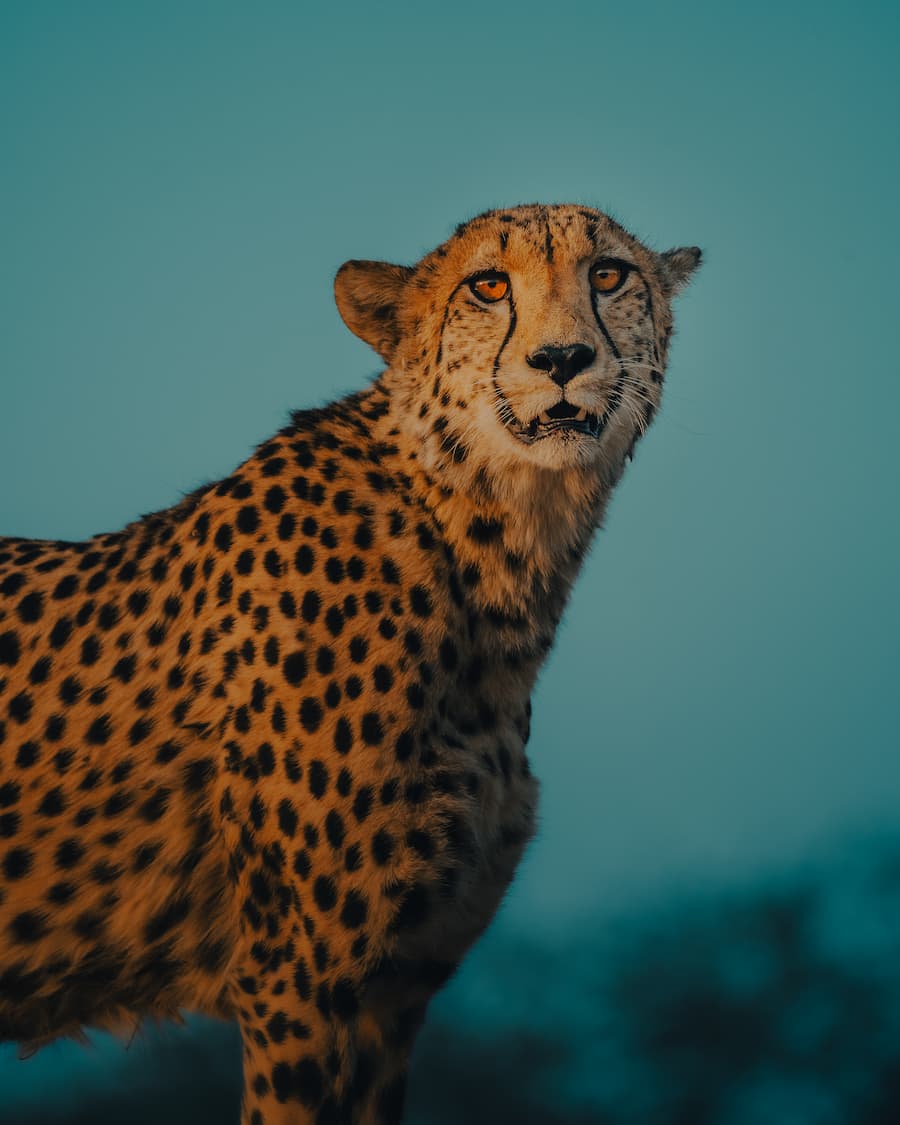
I had to remind myself of this lesson during my visit to Kruger National Park. I had two days off work and my top priority was finding a leopard. Almost at the end of the second day, there was still no sight of a spotted cat. Hope was fading as I left Satara to get to Orpen gate before closure. Then, just a kilometer from the gate, a skittish female leopard bolted across the road. The moment lasted mere seconds, but as she disappeared into the tall grass, she turned back and stared at me with her big blue eyes. Out of the 20 images I captured, one turned out crisp—a single frame that perfectly preserved that fleeting, intense gaze. This is the image that won the Best of the Week 2, 2025.

For this image, I wanted to replicate the feeling of that moment for anyone who viewed it. A tightly cropped portrait was the best way to achieve this, drawing attention to her expression and the emotions it conveyed. Portraits excel at emphasizing facial expressions, which is why I centered the leopard in the frame.

Even before editing, I knew exactly how I wanted the final image to look. The process involved lots of masking and brushwork to refine details. A radial gradient added the finishing touch, enhancing the soft light filtering through the trees onto the leopard’s face. 

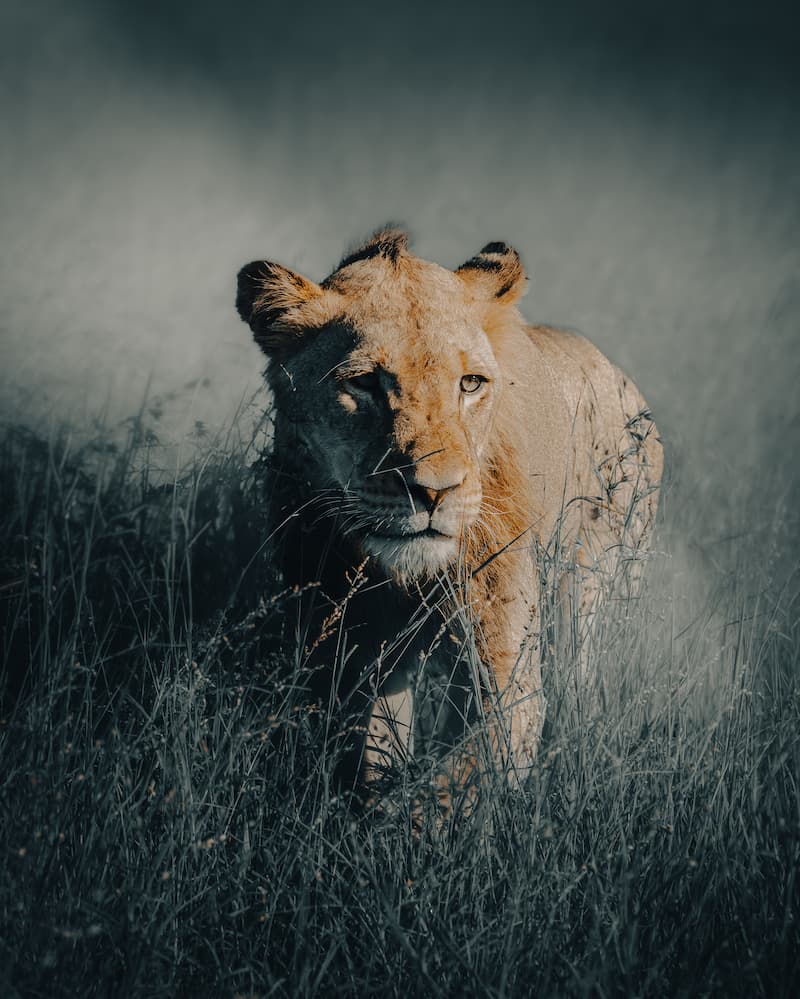
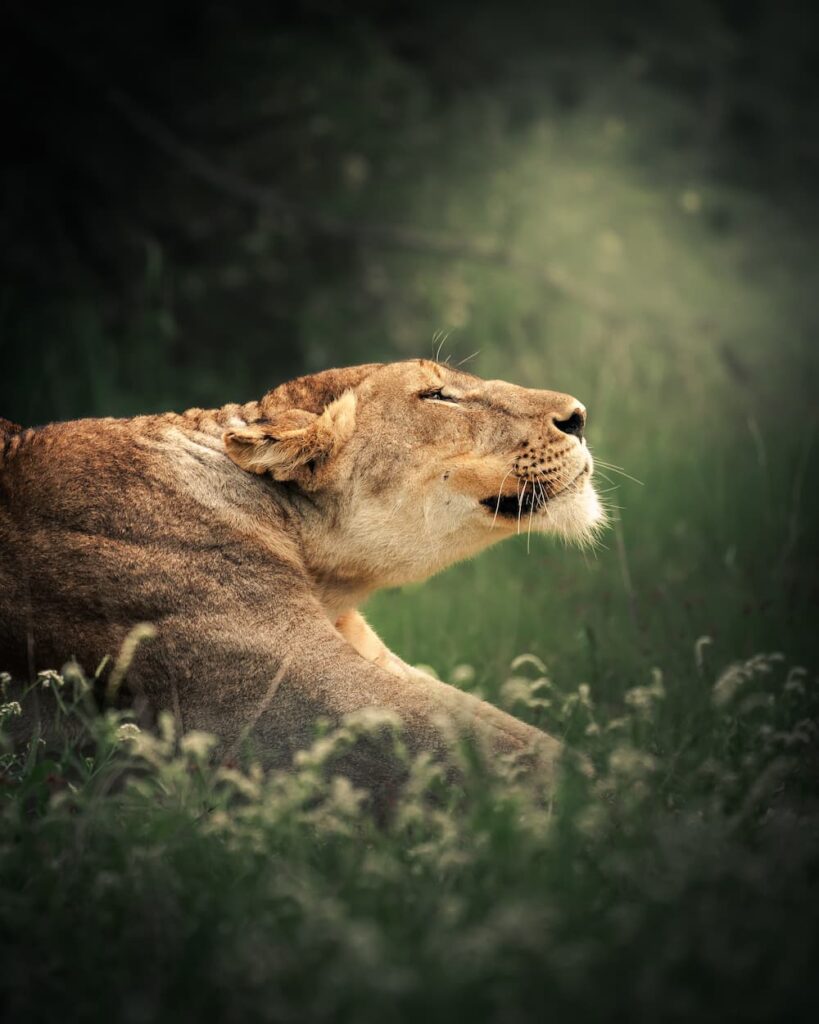
My editing style has evolved over the years, but I consistently lean toward orange and blue hues. Colors symbolize emotions and blue evokes a sense of calm and mystery without overpowering the image, while orange radiates warmth and positivity. It is a warmer color that can also provide a sense of comfort which is what I ultimately try to include in all my images. These colors also reflect the deeper message I try to convey in my work and in my captions – our connection to wildlife and the similarities between nature and mental health.

The most vital step in this edit was perfecting the crop. It took a lot of trial and effort, but once I achieved the composition I wanted, I fell in love with the image instantaneously. Softening the background required precision—I wanted a moody feel without overshadowing the subject. Masking the leopard, inverting the selection, and carefully adjusting clarity, texture, and sharpness created the desired depth. The radial gradient was the final and trickiest part of the edit.

Capturing the raw power of apex predators

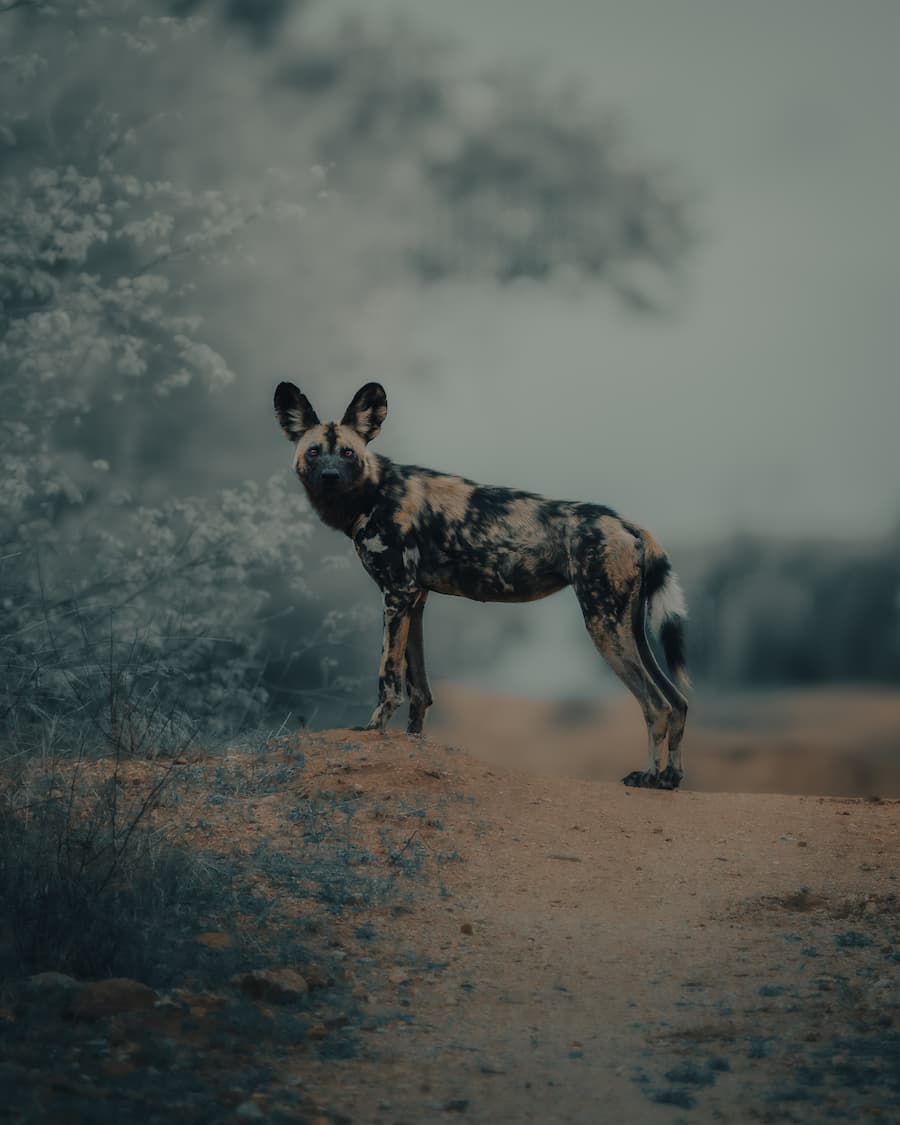
I love capturing the raw and untamed essence of Africa’s predators, especially in their most vulnerable and powerful moments. In my journey as a wildlife photographer, this has been the most rewarding project. It wasn’t a commissioned job or a structured assignment—it was a self-driven pursuit, fuelled by an obsession with storytelling through visuals. 

I spent weeks in the bush, tracking big cats, scavengers, and apex hunters, often in the most unpredictable conditions, chasing the fleeting seconds that tell a lifetime of stories. Through this project, I learned patience in its purest form. Wildlife doesn’t work on a schedule, and neither does great storytelling. I learned to anticipate behavior, read the land, embrace discomfort, and most importantly, adapt. The result? A collection of images and footage that not only elevated my portfolio but also deepened my understanding of the wild and how to translate its energy into something that resonates with people. It was a pivotal moment that solidified my passion, built my confidence, and ultimately led to new opportunities where I could turn my creative vision into a career.

Future goals and ambitions

In ten years, I want the whole world to know who Andrew Rider is—a professional wildlife filmmaker and photographer whose sole mission is to raise awareness about the natural world. Whether that means presenting on the big screen like Steve Irwin did or writing a series of books where all the funds go directly to conservation, it doesn’t matter. No matter where this journey takes me, my goal remains the same—to leave a lasting impact on wildlife conservation and inspire others to do the same. 

@andyswildlife_Nomadict_8
@andyswildlife_Nomadict_10
THE LATEST STORIES

WRITEN WITH PASSION TO INSPIRE YOU
@andyswildlife_Best of the Week_Nomadict

Andy Rider (@andyswildlife): Best of the Week 2 at #nomadict

Andy Rider is a passionate wildlife photographer and filmmaker based in South Africa, dedicated to capturing the raw beauty of nature while raising awareness about conservation. Inspired by legends like Steve Irwin, his journey began as a field guide, where he honed his skills and developed a deep respect for ethical wildlife photography.

Philipp Pilz - @buchstabenhausen - Nomadict Winning Photo

Philipp Pilz (@buchstabenhausen): Best of the Week 43 at #nomadict

In this article, photographer Philipp shares how time, clarity, and consistency have shaped his evolving relationship with nature photography. Drawn ever further north, he writes about embracing uncertainty, working with restraint, and finding beauty even when plans fall apart — including the unlikely story behind his Best of the Week–winning image.

Faroe_Islands_Nomadict_Photo_Tour_1

Photo tour in the Faroe Islands

Join us in the Faroe Islands for a unique photo tour, where you’ll elevate your creative skills with expert guidance from Ronald Soethje and Nomadict.

São Miguel, Azores Photo Tour

Photo tour in Azores, Portugal

Join us in the Azores for a unique photo tour, where you’ll elevate your creative skills with expert guidance from Ronald Soethje, Bruno Ázera, and Nomadict.

Bokty Mountain - Kazakhstan 4 Forest Kai - @forest1kai

Forest Kai (@forest1kai): Photographer based in the US

In this article, Forest shares how years of chasing scale, silence, and raw landscapes shaped his approach to photography, from the deserts of Kazakhstan to the volcanic ridges of Iceland. He talks about how he uses light, texture, and vast negative space to create images that feel both intimate and overwhelming.