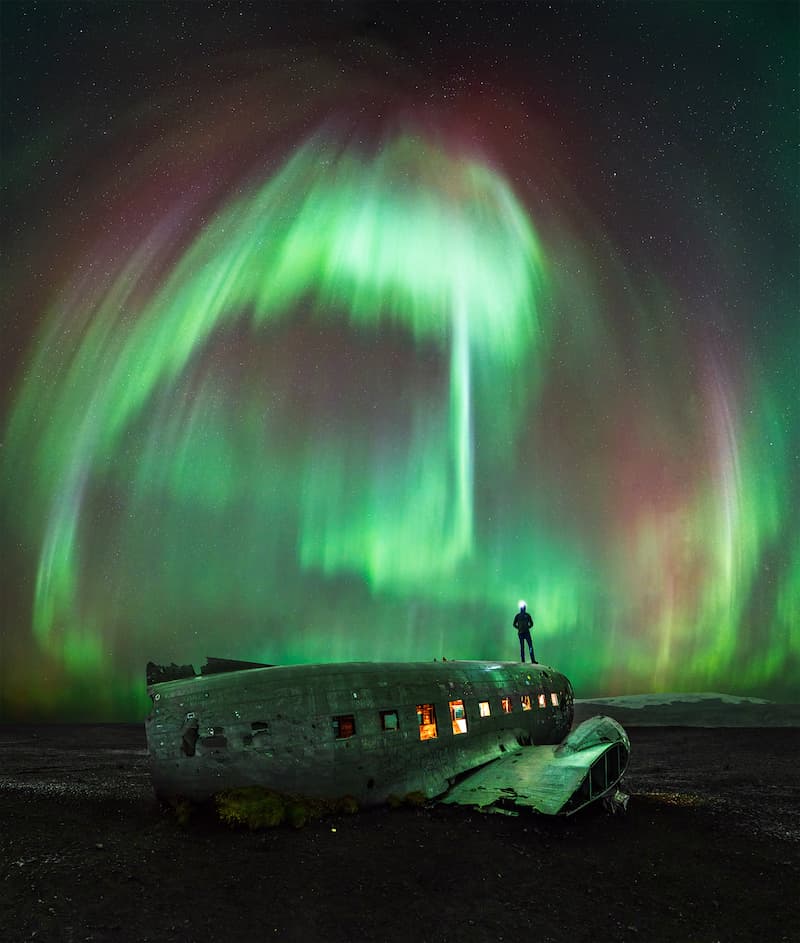
Aurora photography panorama workflow: A guide to camera settings, editing, and color

With Stefanie Liebermann

In this article, Stefanie reveals how her background in physics sparked her passion for astrophotography and how she blends science with creativity to capture the beauty of the night sky. Readers will discover her approach to color, contrast, and editing, as well as her aurora photography workflow with a practical guide for shooting, stitching, and refining stunning northern lights panoramas.

Stefanie Liebermann - @stefanliebermannphoto - 11

While studying for my PhD in physics in Germany, I was searching for a creative outlet. I found it in photography, often using my only free time at night to experiment under the stars. I didn’t know where this new hobby would lead, but after my first session photographing the night sky, I was hooked. Seeing how the camera revealed what the human eye couldn’t—hidden light, delicate colors, infinite stars—was an unforgettable moment.

That fascination became the beginning of my journey into astrophotography. My academic background in optics and astrophysics gave me the technical foundation to understand what I was observing. 

Through years of experimentation and problem-solving in the field, I taught myself most of what I know—learning by thinking through challenges, testing on the spot, and observing results. This hands-on approach helped me develop a deep understanding of connections between light, color, and exposure. 

Later, I published two books sharing this knowledge: Sternbilder der Welt (Constellations of the World) and Faszination Astrofotografie (The Fascination of Astrophotography).

Stefanie Liebermann - @stefanliebermannphoto - 1

What makes a great astrophotograph

When reviewing my RAW files, exposure is the first thing I look for. Every great astrophotograph begins with correct exposure—ideally exposed to the right. An image that’s too dark loses important detail due to limited bit depth. The photo should appear slightly bright at first; those highlights can always be refined in post-processing.

Having received recognition in some of the world’s top photography contests—such as the Epson Panorama Awards, Sony World Photography Awards, Night Scape Awards, and Astronomy Photographer of the Year—I now focus on leading photo tours and sharing knowledge with others rather than competing.

Stefanie Liebermann - @stefanliebermannphoto - 13

How color shapes the night sky

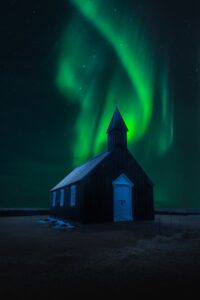
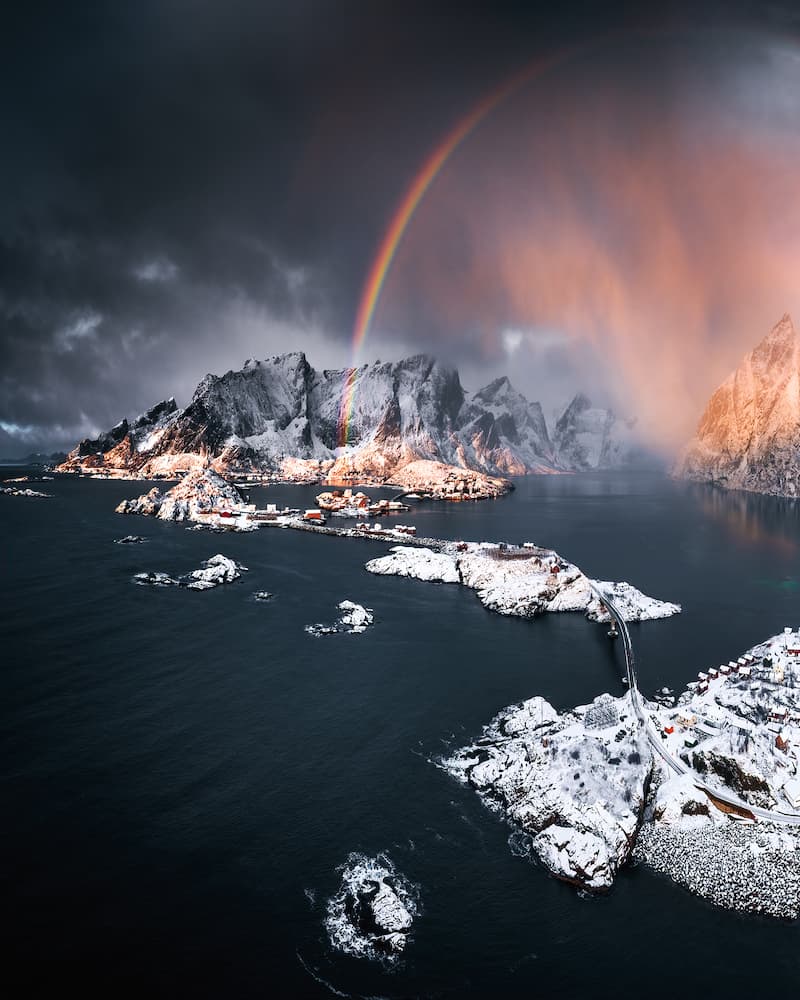
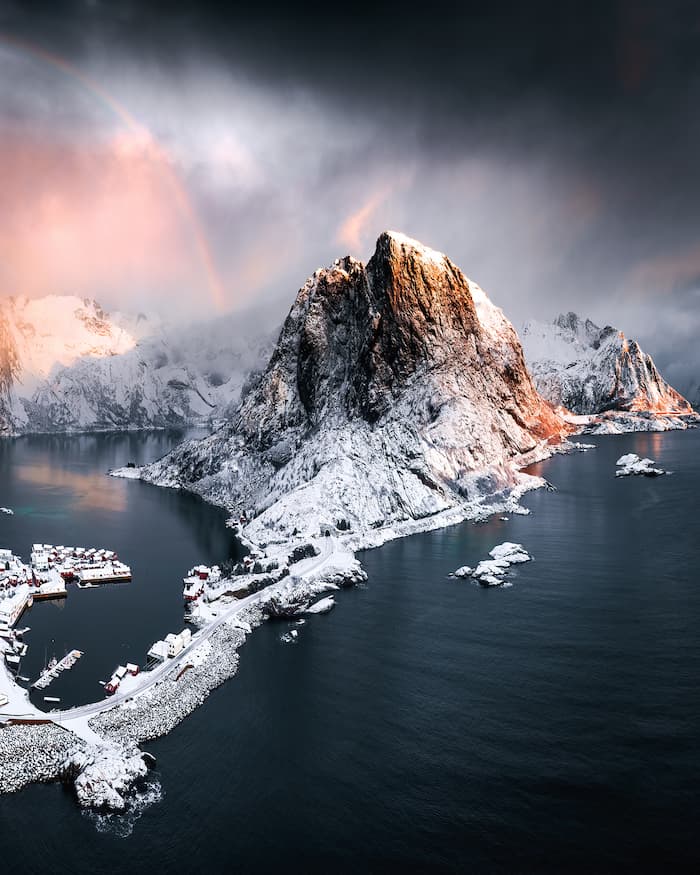
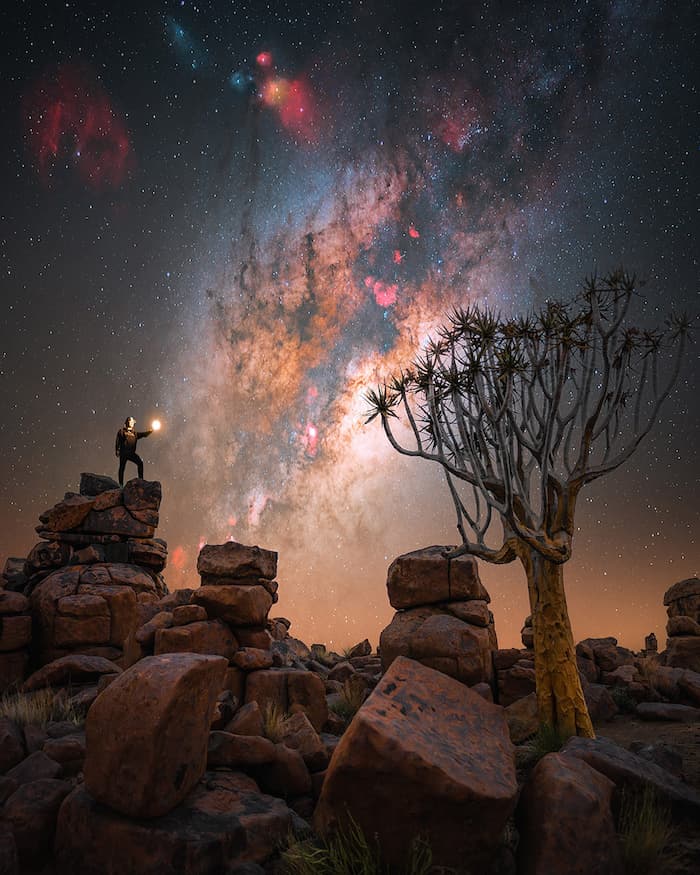
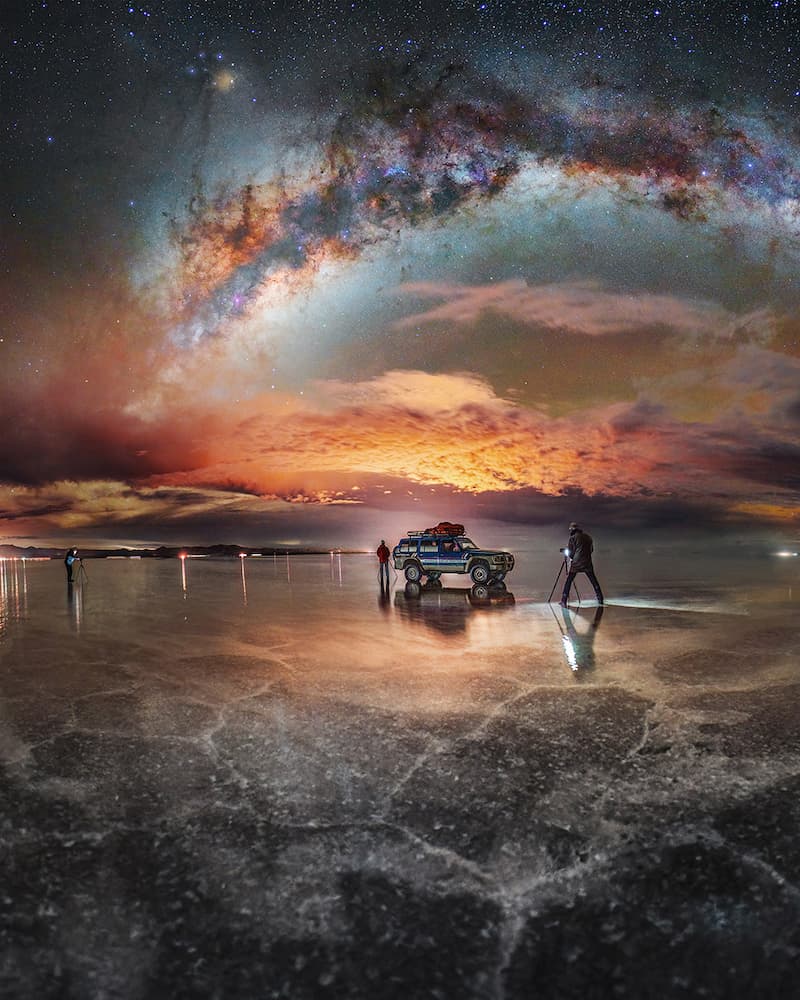
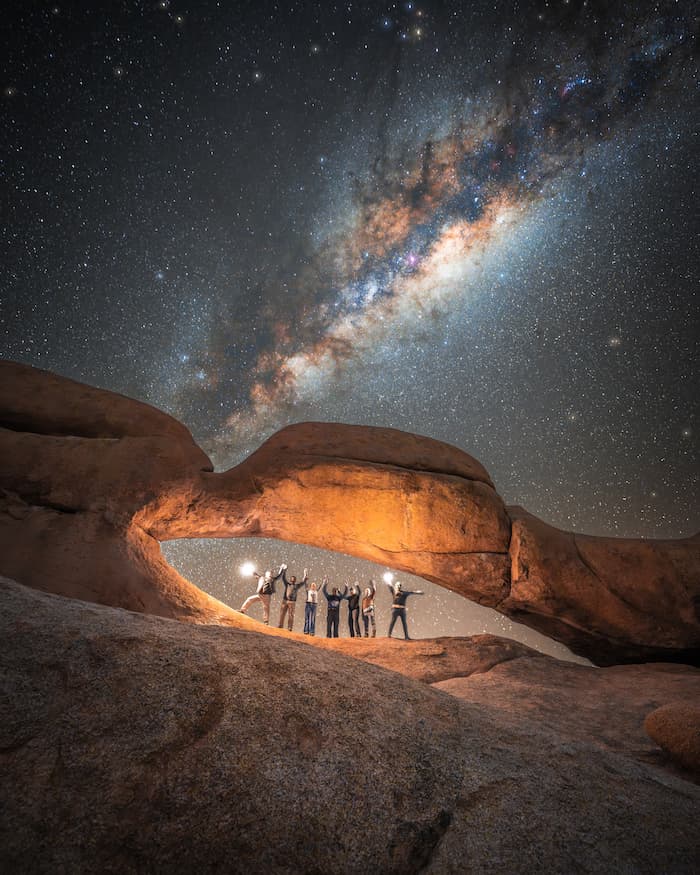
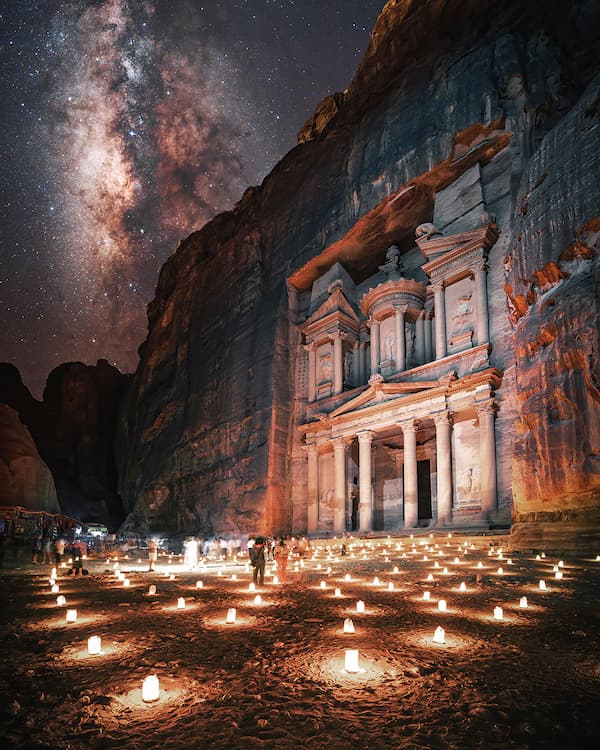
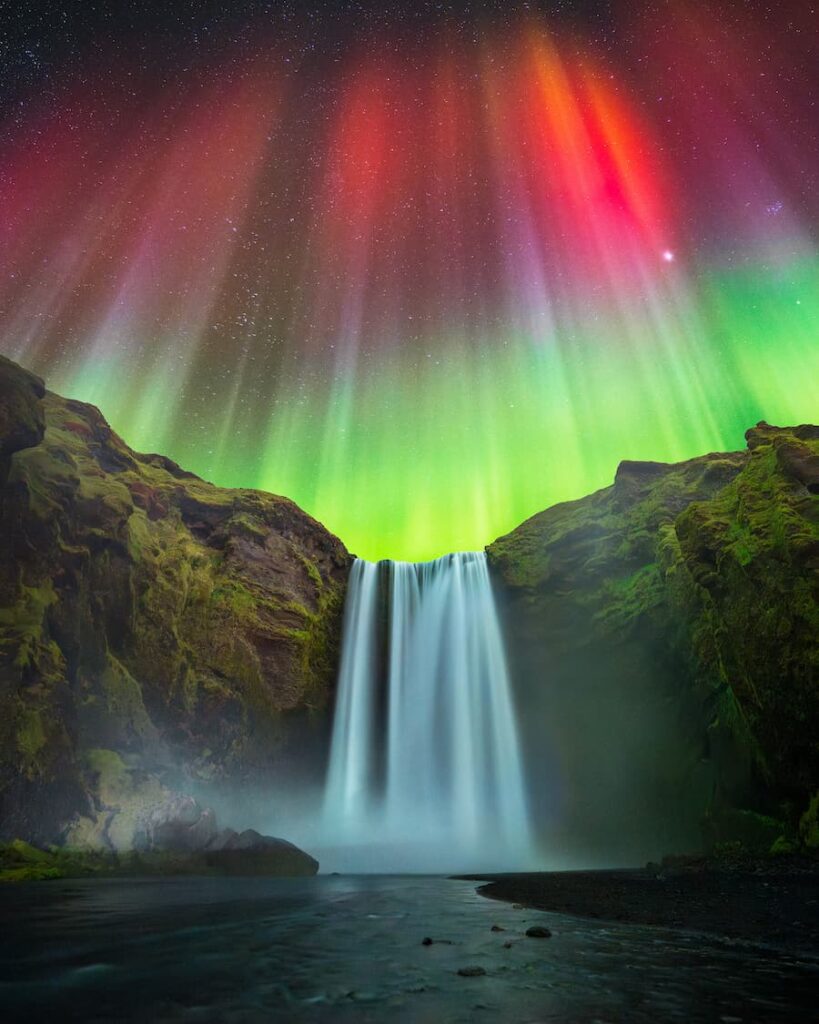
In night sky photography, color tells a story. The tones I use always depend on the foreground. If the environment is warm and reddish, like a desert, I give the sky a gentle warmth to match. In contrast, if I’m photographing auroras in the Arctic, cooler tones—blue, turquoise, and green—feel more natural.

Still, I often reduce the saturation of blue hues so the night sky looks closer to how we perceive it with the naked eye. This subtle desaturation keeps the image grounded in reality, even when the subject matter feels otherworldly.

Stefanie Liebermann - @stefanliebermannphoto - 15
Stefanie Liebermann - @stefanliebermannphoto - 16

My astrophotography editing workflow

Editing is where astrophotography transforms from documentation to art. 

Every image becomes engaging through contrast, light against dark, warm against cool, soft against sharp. 

The tools I rely on most are white balance, tone correction, and color balance, which help create and enhance visual depth. I also use gradation curves and luminance masks for dodge and burn adjustments, emphasizing the three-dimensional feel of the stars and landscape.

There’s rarely a clear moment when a photo feels finished. Often, time constraints decide that for me. When the tones and contrasts align harmoniously, I know it’s complete. I do sometimes miss the early days, when I could spend hours perfecting a single image just for the joy of it.

For beginners, my advice is simple: trust your instincts. Don’t try to copy popular editing styles on social media. Our human sense of harmony naturally guides us toward what feels right. Focus on mastering white balance, color correction, and tonal contrast—and above all, practice. Consistency and curiosity are the keys to developing your own editing style.

Stefanie Liebermann - @stefanliebermannphoto - 5

Connecting with nature through photography

Beyond technical skill, astrophotography is also about connection. During my workshops across the world, from Madeira to Lofoten, I encourage participants to truly experience the landscapes they photograph. When you stand before Iceland’s melting glaciers and see how much they’ve receded year after year, you can’t help but think about climate change. Photography helps us appreciate the beauty of our planet, and reminds us of our responsibility to protect it.

Stefanie Liebermann - @stefanliebermannphoto - 3
Stefanie Liebermann - @stefanliebermannphoto - 4

Aurora photography panorama workflow

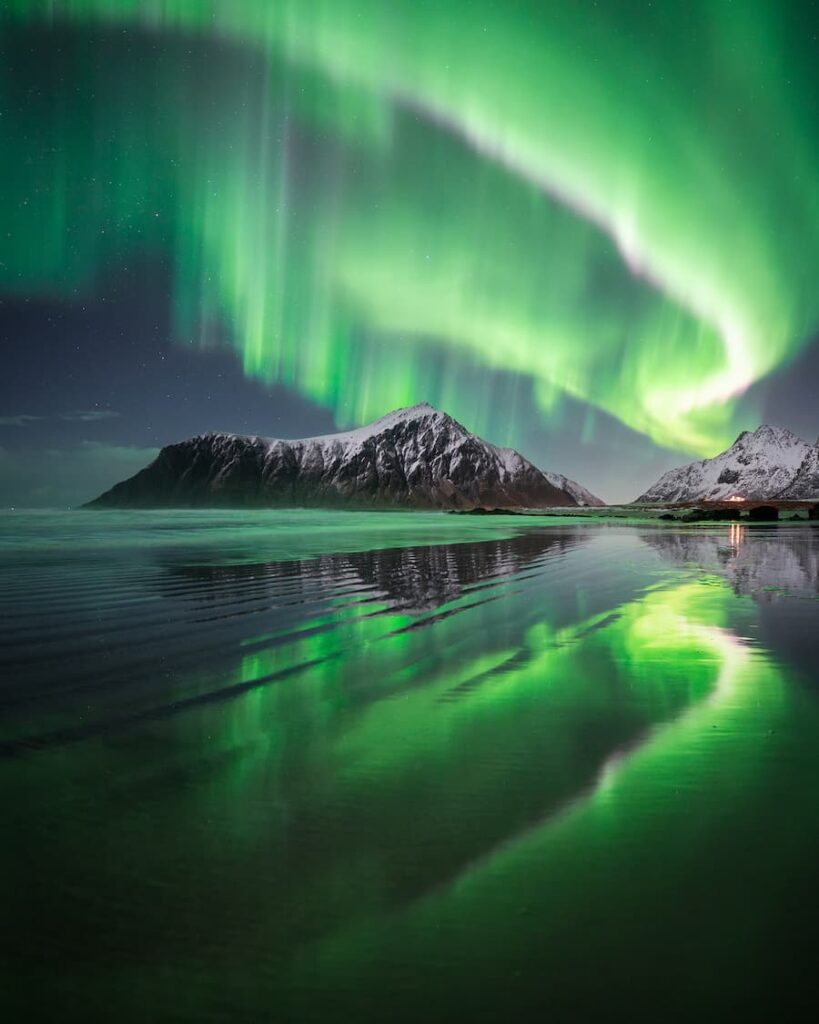
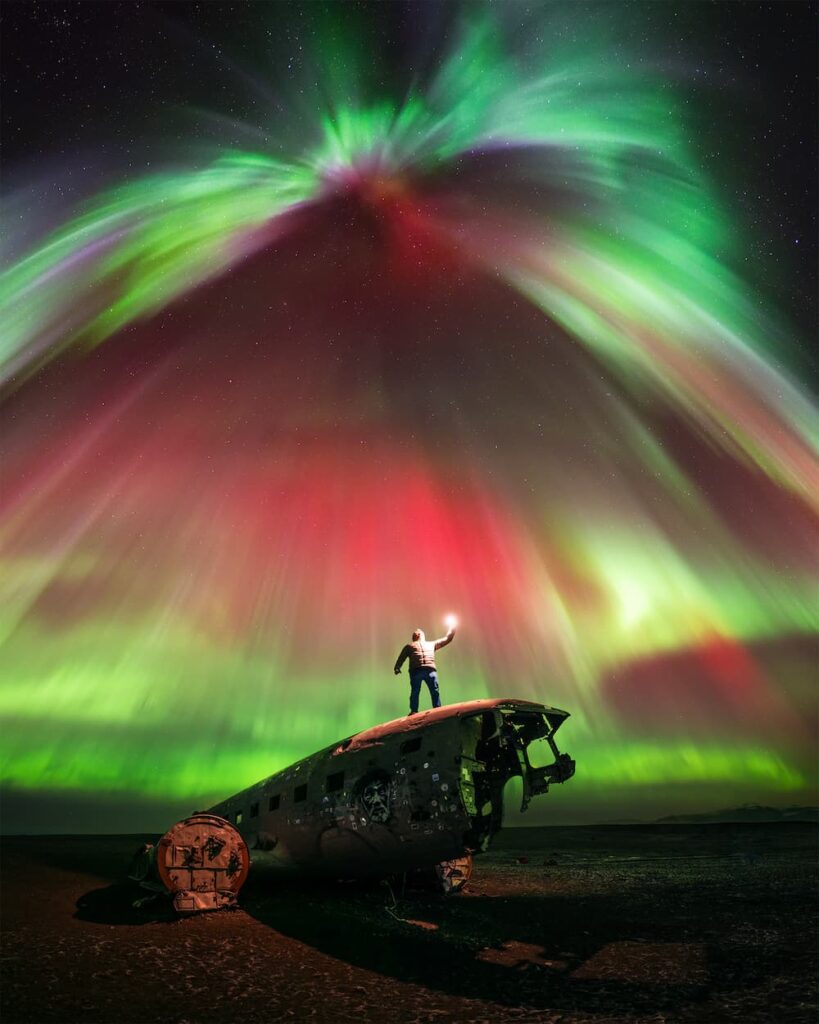
If you want to take your aurora photography to the next level, try creating panoramic images. Panoramas enable you to capture the full sweep of the Northern Lights and the vastness of the night sky.

(1)

Shooting the single frames:

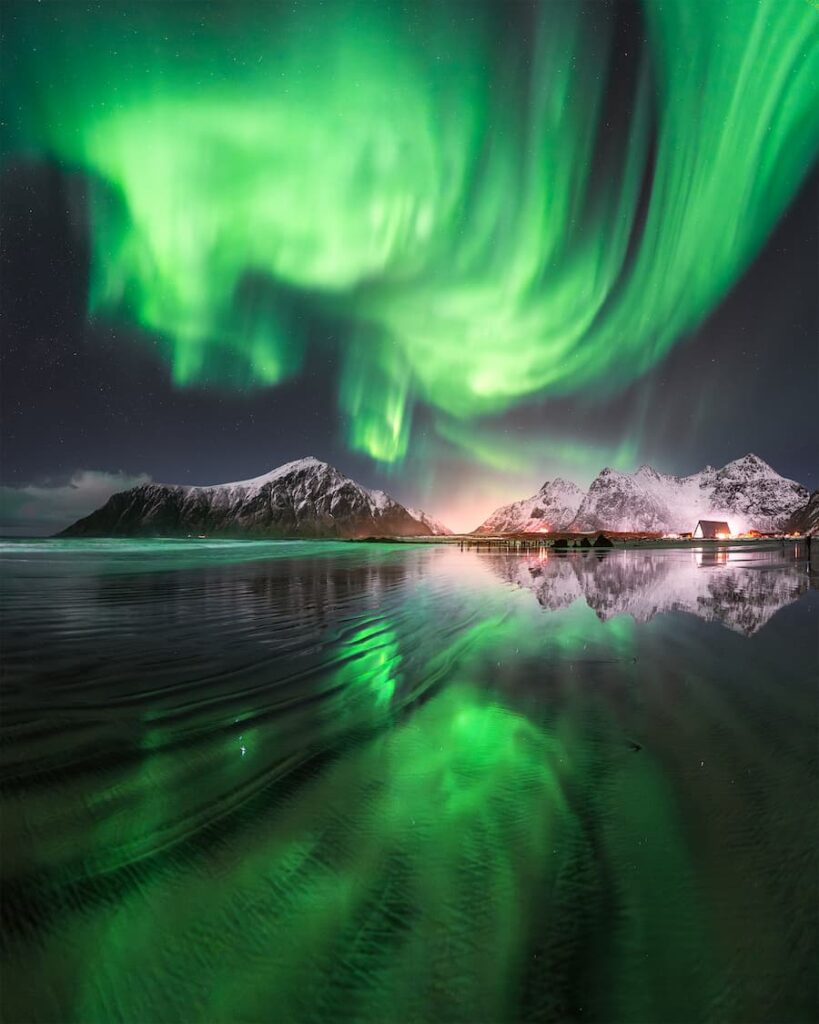
Example settings: Panorama of 14 images | Sony A7R V | 14mm | f/1.4 | 2.5s | ISO 2000

Auroras change rapidly, so use short exposures and higher ISO to freeze their dynamic colors and patterns. If your shutter speed is too slow, the aurora will blur, making stitching difficult. This is the trickiest part of panorama photography, especially when working with moving foregrounds like water.

Pro tip: A well-captured aurora needs minimal editing. The real artistry lies in the capture and stitching process.

Pano Before

(2)

Stitching the panorama:

Import all frames into a panorama software—Adobe Lightroom or PTGui for more advanced projections. Apply lens corrections, reduce noise and chromatic aberrations, and then stitch your images together. Experiment with projection methods; I often prefer Mercator or Stereographic for their natural perspective.

(3)

Editing the final image:

Use Lightroom or Photoshop to refine your panorama. Start with cropping for strong composition—think golden ratio, symmetry, or leading lines. Reduce noise using Topaz Denoise AI or NoiseXTerminator. Adjust white balance and tones to make the aurora’s greens and reds appear lifelike. For Arctic images, enhance the cold atmosphere with blue, turquoise, and green hues, but keep the blues slightly desaturated for a natural night-sky look.

Refine contrast at multiple levels:

  • Color contrast: Adjust with HSL tools and tone curves.
  • Brightness contrast: Balance shadows, highlights, and midtones using luminosity masks.
  • Structural contrast: Apply sharpening selectively with a High Pass filter or Topaz tools.
pano after

Finally, export your panorama as a TIFF in AdobeRGB for high-quality prints, or JPEG in sRGB for web and social media sharing.

Stefanie Liebermann - @stefanliebermannphoto - 9

Final thoughts

Astrophotography is both science and art—a bridge between the measurable and the mysterious. Whether you’re photographing constellations, the Milky Way, or the dancing aurora borealis, remember that every image begins with curiosity and patience. Master the technical details, but never lose sight of the wonder that first made you look up at the night sky.

Stefanie Liebermann - @stefanliebermannphoto - 7
THE LATEST STORIES

WRITEN WITH PASSION TO INSPIRE YOU
São Miguel, Azores Photo Tour

Photo tour in Azores, Portugal

Join us in the Azores for a unique photo tour, where you’ll elevate your creative skills with expert guidance from Ronald Soethje, Bruno Ázera, and Nomadict.

Bokty Mountain - Kazakhstan 4 Forest Kai - @forest1kai

Forest Kai (@forest1kai): Photographer based in the US

In this article, Forest shares how years of chasing scale, silence, and raw landscapes shaped his approach to photography, from the deserts of Kazakhstan to the volcanic ridges of Iceland. He talks about how he uses light, texture, and vast negative space to create images that feel both intimate and overwhelming.

Nomadict+Yhabril@yhabril 00011

Yhabril (@yhabril): Best of the Week 33 at #nomadict

Spanish photographer Yhabril captures the profound connection between humans and the mountains that shaped him. Growing up in the Pyrenees, his work bridges outdoor sports, landscapes, and celestial scenes — often blending athletes, moonlight, and wilderness into striking visual stories.

04 Nomadict_Ariane Totzke

Ariane Totzke (@besondersschwierig): Photographer based in Switzerland

In this article, Ariane shares how photography helped her navigate personal challenges, connect authentically with people and animals, and develop a philosophy rooted in empathy and artistic freedom. Readers will also discover her ethical approach to wildlife photography and her trusted equipment for both camouflage techniques and cameras.