ɪnspɪreɪʃən
Word forms: inspirations
“A feeling of enthusiasm you get from someone or something that gives you new and creative ideas” (Collins Dictionary).
Inspiration lifts you from your bed and keeps you up all night. You feel driven to enter the world and pursue your dream shots. But just like your camera, you need to recharge your internal batteries every once in a while.
So. Where to find yourself some good ol’ inspiration? And what to do if you feel stuck in a rut? You’ve come to the right place. We’re here to help you on your quest for photography inspiration by sharing stories of fellow photographers. Read along and see what has inspired them; it may help you find yours.
(1) Go outside
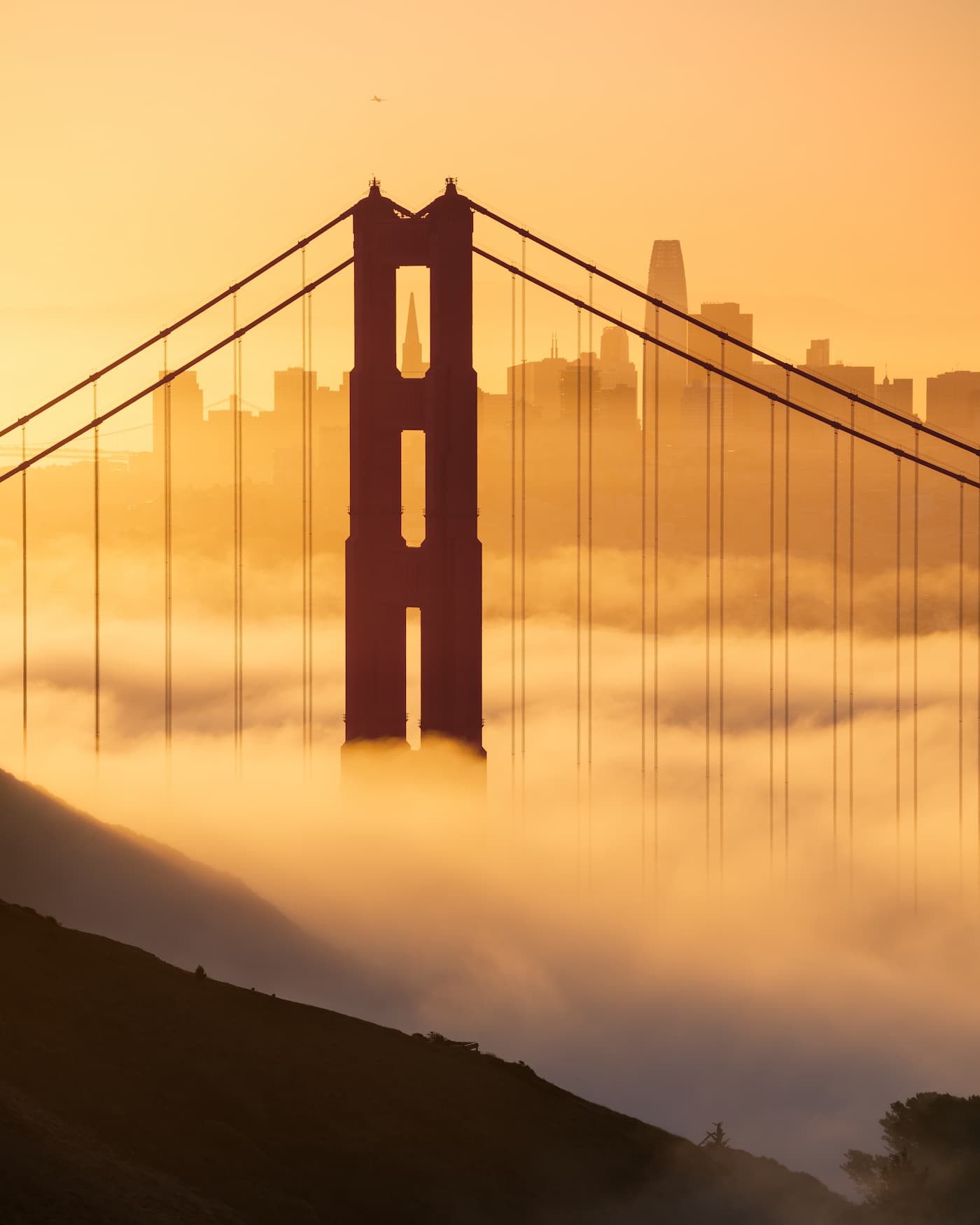
As Manuele Chiaravalloti points out, “we tend to passively look at a complete scene in front of us thinking there is nothing special in it – probably because it is a similar thing we’ve seen thousands of times – so we just pass and walk on.” But sometimes, all you have to do is step outside and find inspiration at your doorstep. Go to places you visit daily and try to see things differently.
Riley Lockett adds that by just going outside, inspiration doesn’t have to come from anywhere far. It hides in daily activities, work commutes, surrounding nature, or streets. Finding it can be challenging, but it’s out there if you look close enough.
Manuele found some of the best spots returning to the exact location often. “Looking and deeply analyzing whatever was around me. Observing the light changing hour after hour and how the different weather could completely transform the scenery, forcing myself to find that detail I didn’t catch the last time I was there.”
(2) Browse the internet and other people’s work
Luckily, many websites can make it easy to find photography inspiration. You may have something specific in mind to search for or are just checking what’s out there; there are lots of beautiful places to look at.
Michael Perschl says he uses Instagram to research new spots and find new perspectives: “Instagram inspires me for new photo motifs and ideas for what kind of photographs I like to try.”
One of the things you can do is location scouting. As Marcin explains, “the inspiration to visit a location can come from a photo I saw online or from a guidebook about the area.” Another way to explore online is to do virtual exploration using Google Earth. It’s an easy tool to better understand a location, what to expect, where to go, and how long it will take.
Besides places, people are a huge source of inspiration. Exploring other people’s work can help you spark new ideas for your photography. For example, Kai Yhun tells us he was inspired by Max Rive’s work. He liked the dark town that allowed the light to stand out. In his work, he uses contrasts to direct the viewer’s eyes to a certain point.
Kenzie also mentions it’s a good idea to watch what photographers are doing in the niche you’re interested in. How do they approach their work? Seeing others perform can inspire you to do the same. For example, Marcin gets a lot of inspiration from other landscape photographers through social media and photography contests.
For Roberto Rinaldi, Charles Darwin was a big source of inspiration. His study on the Galapagos Islands inspired Rinaldi to travel to the same place and discover with his eyes and camera, where his passion for traveling blossomed and grew stronger by the day.
(3) Travel far and wide
If you have the means, traveling is a great way to find new ideas in photography. Kay Yhun says it’s his most significant source of inspiration so far. While studying, he knew there had to be something he truly wanted to do and enjoy. Eventually, nature got him into photography, and traveling gave him the inspiration he sought.
Kenzie Fuller says you can visit places with so much history and learn more about people on those lands. “When you leave your home and put yourself in a completely different environment you know nothing about, you grow.”
(4) No inspiration, now what?
Trying something new for a while can be a good idea if you don’t have inspiration. As Mat Price mentions, “I needed to get out of my comfort zone.” Traveling was a great way for him to regain his drive and confidence.
Savad Monk rightly says, “inspiration comes from within yourself but can be nurtured and sparked everywhere.” Perfectionism is the one thing that can stand in the way of your next step. “Creators get stuck on creating the perfect content, or work of art.” As a creator, it can be more worthwhile to focus on consistency and the process of creating high-quality work.
(5) Have patience with inspiration
“Let go of the past and allow inspiration to come your way,” says Karine Peyre. It’s not a light bulb you can turn on and off, but inspiration comes and goes. It’s possible not to take photos for a while, only to see everything as a potential photograph again.
When you lack inspiration, the best thing to do is to let it be. Give it time. When you take a little break and do not force yourself to move in a particular direction or punish yourself for not having ‘enough’ inspiration, you’ll see it coming peaking around the corner someday.
“I feel tenacious and stronger as the exploration phase begins, and I get back my enthusiasm as I finally ‘see’ and appreciate and embrace the environment.”
(6) Be safe!
With chasing inspiration often comes the over-enthusiastic part of us. We want to try to get the most out of it. ‘Should I go to the edge?’, taken quite literally, can put you in a risky situation.
Definitely, go out there! But be responsible, be safe, and take time to place the proper security measures before embarking on a new adventure. As Michael Perschl says, “go after doing proper research and planning and make sure you invest time in getting the right equipment together.” Check different weather reports and observe the weather on location. People have died to get the perfect photo, so let’s not add more souls!
(7) Enjoy your quest to find photography inspiration
We hope you found new ways to be inspired, and let’s remember: Inspiration. Really. Is. Everywhere. Don’t let yourself be confined to made-up boxes, but step into the creative world and discover where your inspiration is hiding.
See you out there!
Philine Bernard is a freelance copywriter and landscape photographer, excited to combine her passions for Nomadict. Born and raised in the Netherlands, she’s happiest traveling and being outdoors, capturing moments along the way. When without a camera, she partners with companies and organizations to write content that connects and encourages healthy growth.
Give her a follow @philine.bernard or check out her portfolio at www.philinebernard.com. For creative writing, you’ll best find her at www.philter.online.
Would you like content like this sent to your inbox?

Join us in the Azores for a unique photo tour, where you’ll elevate your creative skills with expert guidance from Ronald Soethje, Bruno Ázera, and Nomadict.

In this article, Forest shares how years of chasing scale, silence, and raw landscapes shaped his approach to photography, from the deserts of Kazakhstan to the volcanic ridges of Iceland. He talks about how he uses light, texture, and vast negative space to create images that feel both intimate and overwhelming.

Simon shares the journey behind his photography, from early inspirations to field techniques, editing, and the story of the winning shot that shaped his path.

In this article, Miro shares how his love for cinematic music evolved into a deep passion for photography and how he uses light, color, and atmosphere to turn the streets of Prague into living film scenes.

In this article, Stefanie reveals how her background in physics sparked her passion for astrophotography and how she blends science with creativity to capture the beauty of the night sky. Readers will discover her approach to color, contrast, and editing, as well as her aurora photography workflow.

Spanish photographer Yhabril captures the profound connection between humans and the mountains that shaped him. Growing up in the Pyrenees, his work bridges outdoor sports, landscapes, and celestial scenes — often blending athletes, moonlight, and wilderness into striking visual stories.

In this article, Ariane shares how photography helped her navigate personal challenges, connect authentically with people and animals, and develop a philosophy rooted in empathy and artistic freedom. Readers will also discover her ethical approach to wildlife photography and her trusted equipment for both camouflage techniques and cameras.

Discover how to photograph Dutch tulip fields in their most magical light. From choosing the right gear and lenses to mastering composition, color, and aerial perspectives, this guide shares creative techniques to capture the beauty of the Netherlands’ tulips. Learn how light, color grading, and proportion bring emotion into every frame.