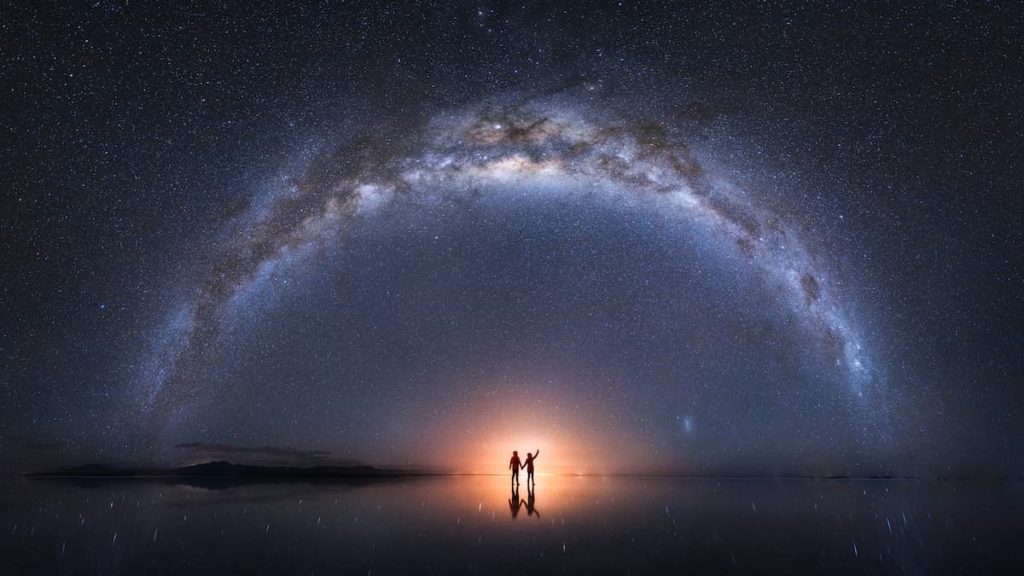
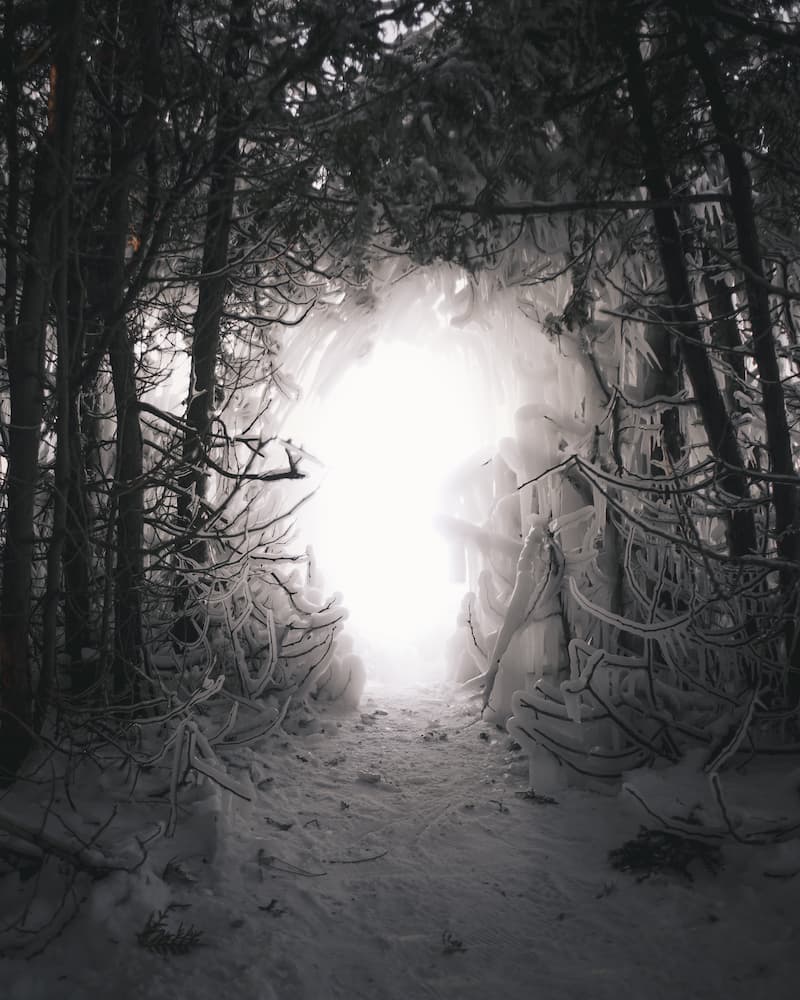
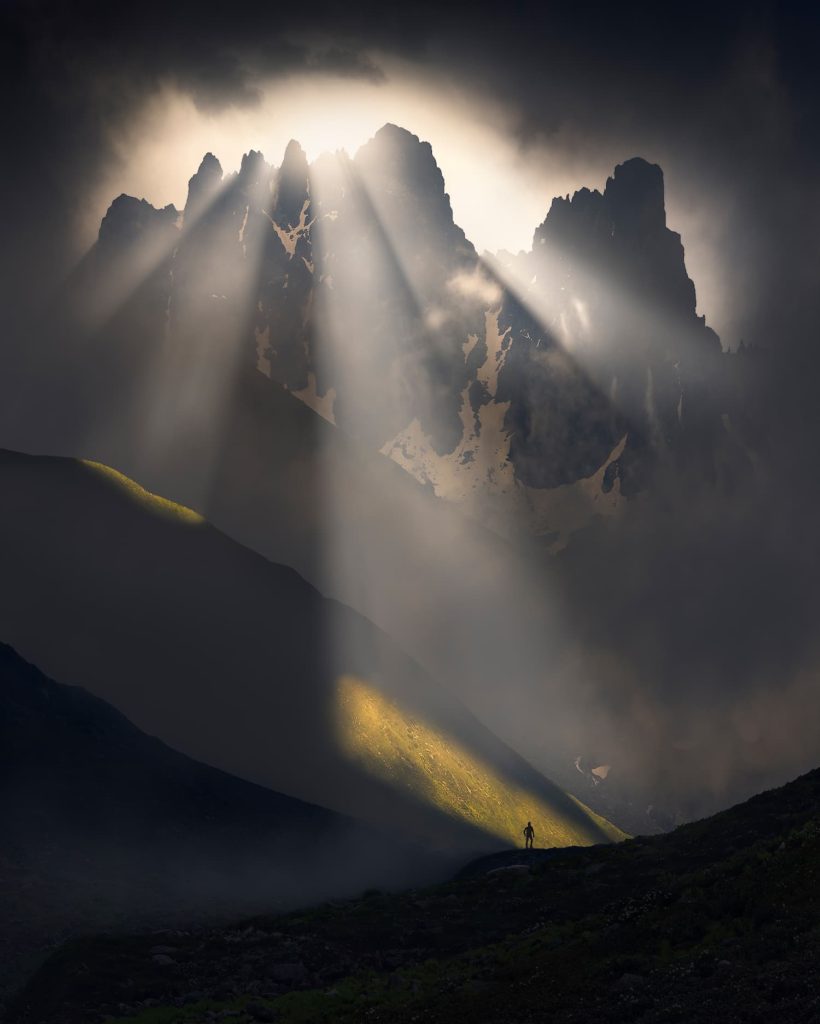
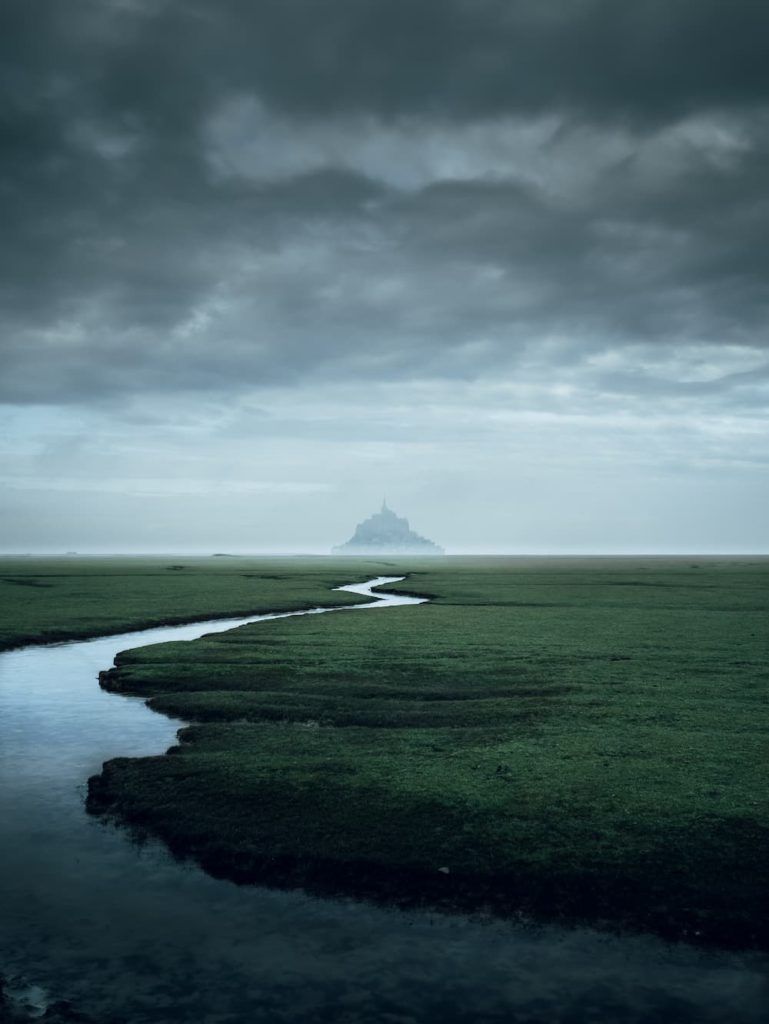
My passion for photography was born in 1986 when my uncle gave me a Yashica TL Electro X as a gift. I have always had a great interest in all types of cameras and I have changed several kits over the years. I had quickly understood that photography would be my great passion, but it’s were some negative events during my job as a graphic designer that brought me to an important decision: becoming a professional photographer.
Shooting sports was my first passion; I liked sports because I didn’t have to pose or guide the athletes but just seize the moment. I started photographing dance, baseball, and finally the sports that gave me the opportunity to work: triathlon and rugby. In the 90s I worked for the “Triathlete” magazine and for the Omega Fotocronache agency – This started when I printed a photographic book about rugby and sent it to various agencies in Rome, Florence, and Milan. The Omega Fotocronache answered me and from there began a collaboration that lasted two years.
Photographing a sporting event as a professional is very complicated. I have to know the sport and the athletes very well and also photograph them while they are near the advertisements around the playing field. The first time I photographed a football match, the agency asked me to photograph only “Ronaldo the phenomenon”, only him in all moments of the match. I was the first in Italy to photograph him.
Some other very special project for me was when the agency sent me to photograph a tennis tournament for disabled athletes.
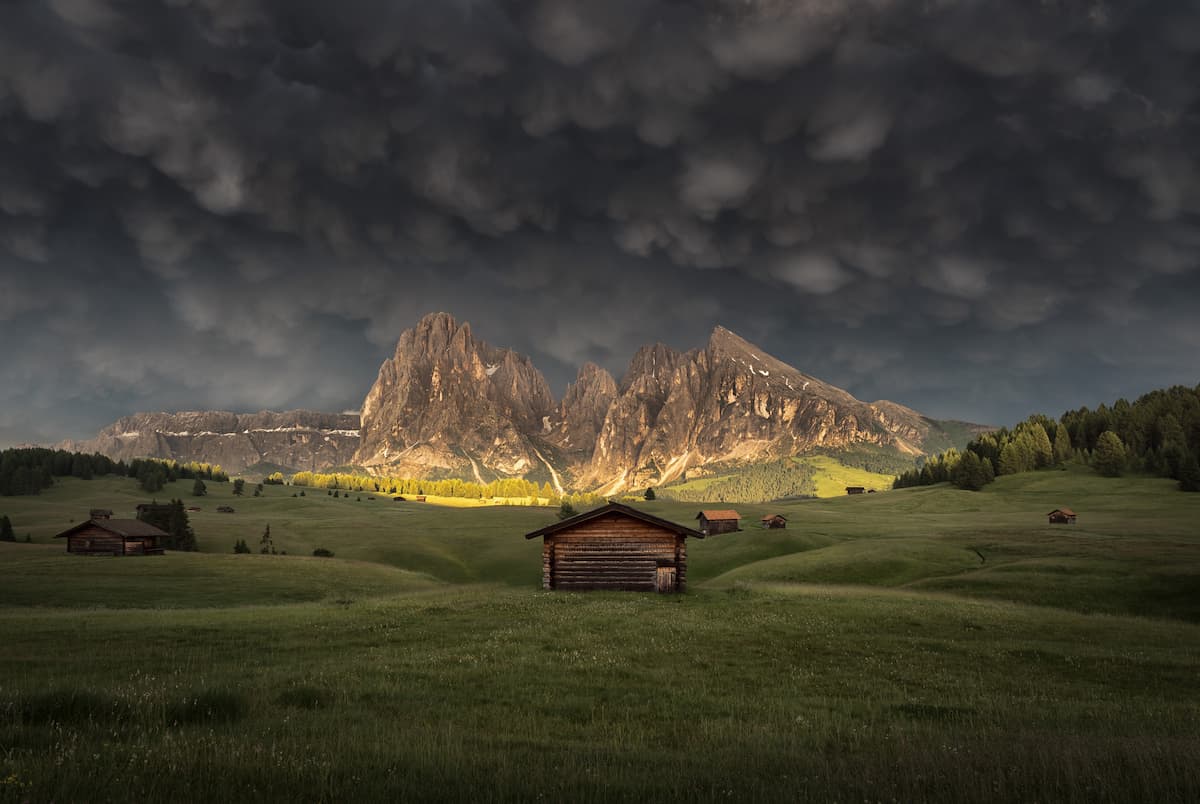
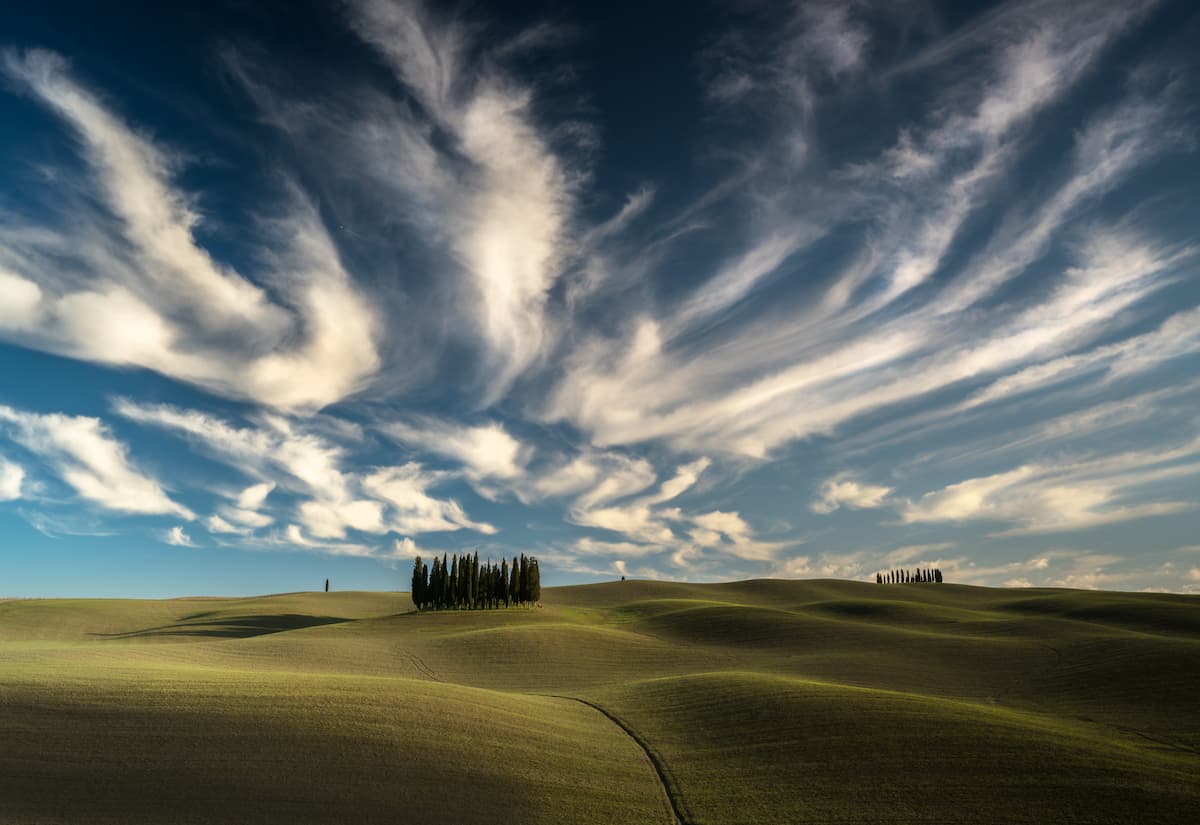
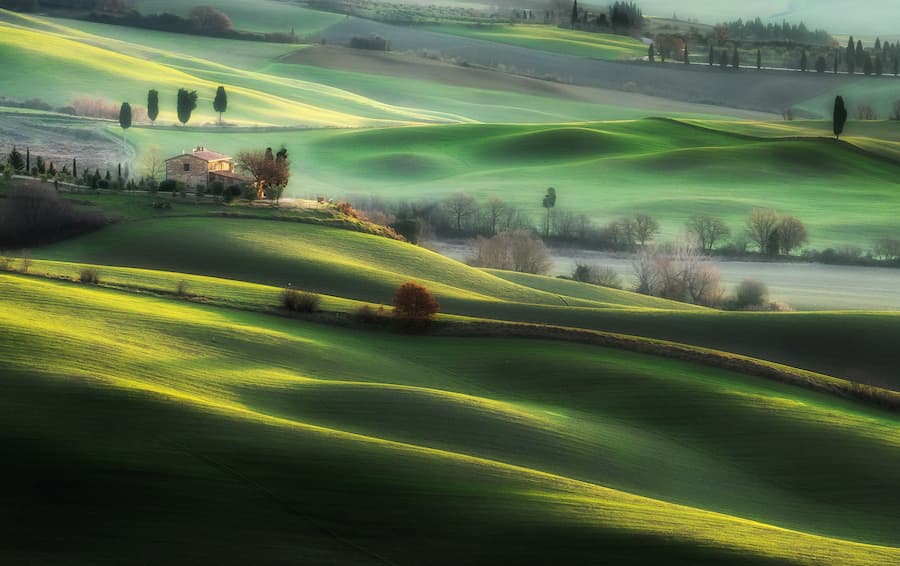
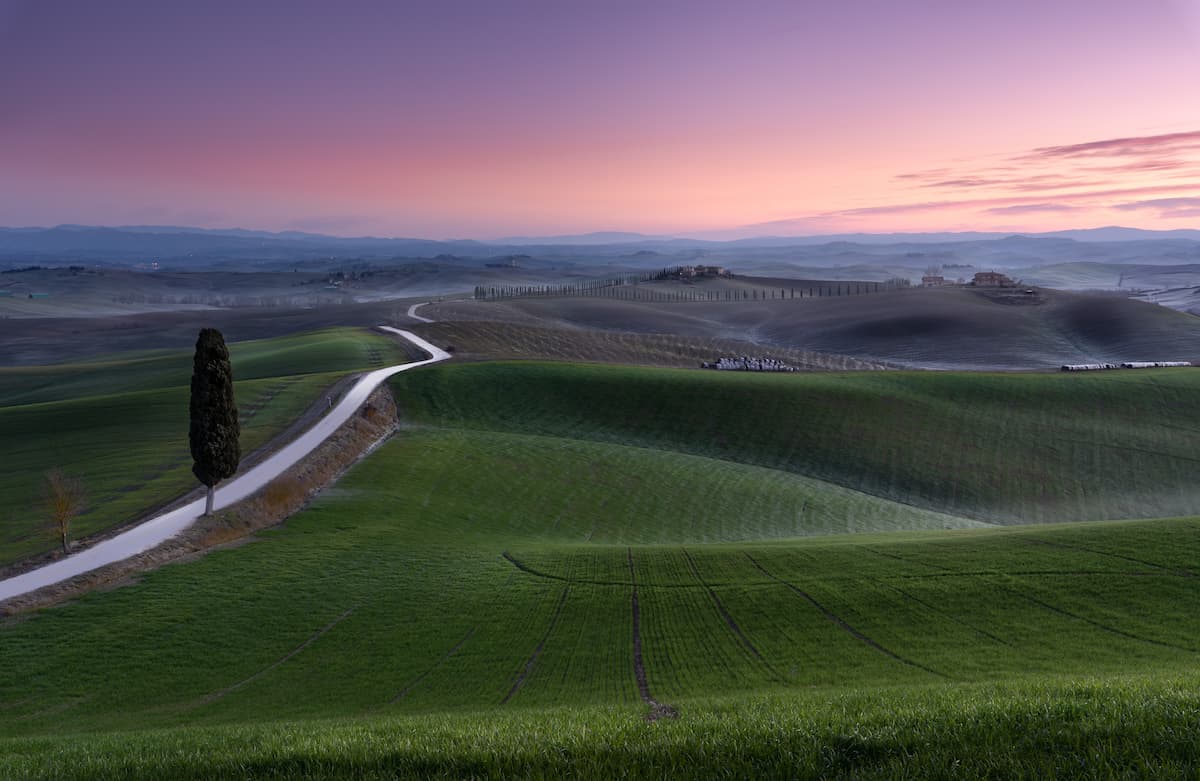
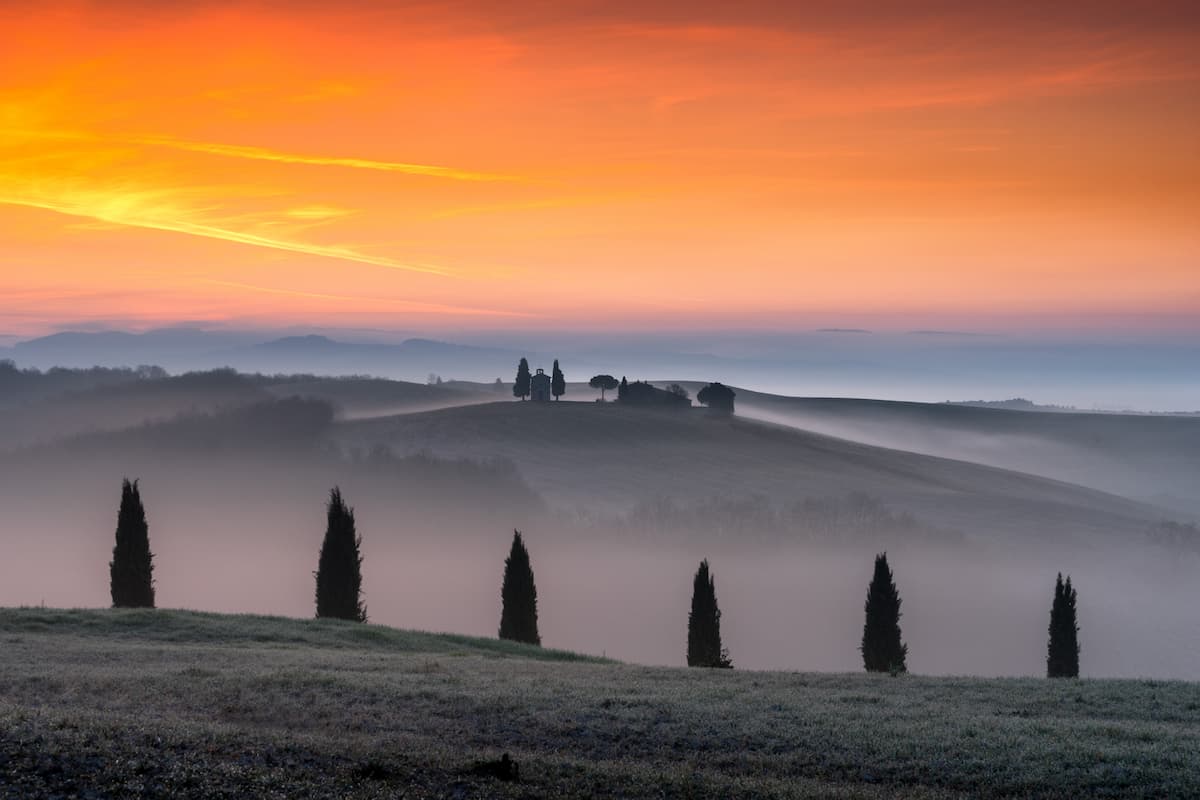
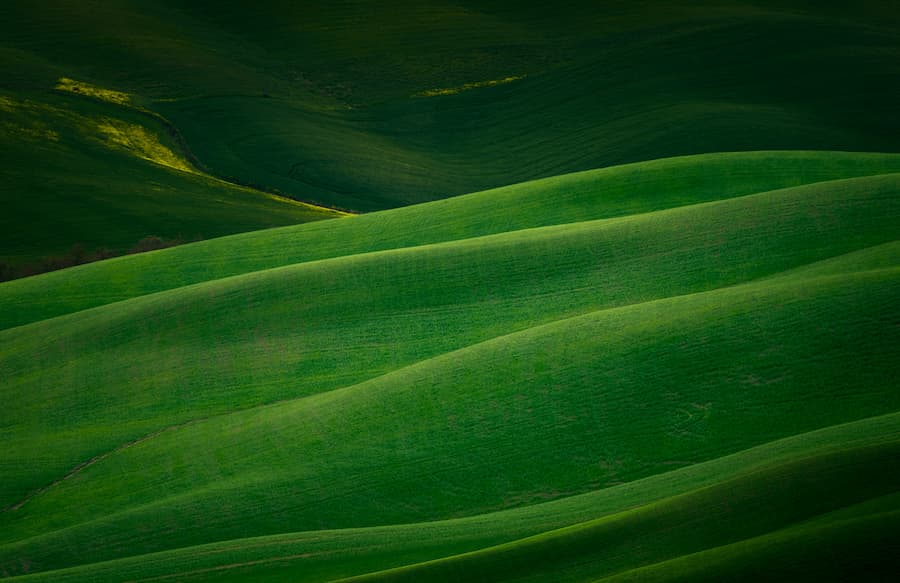
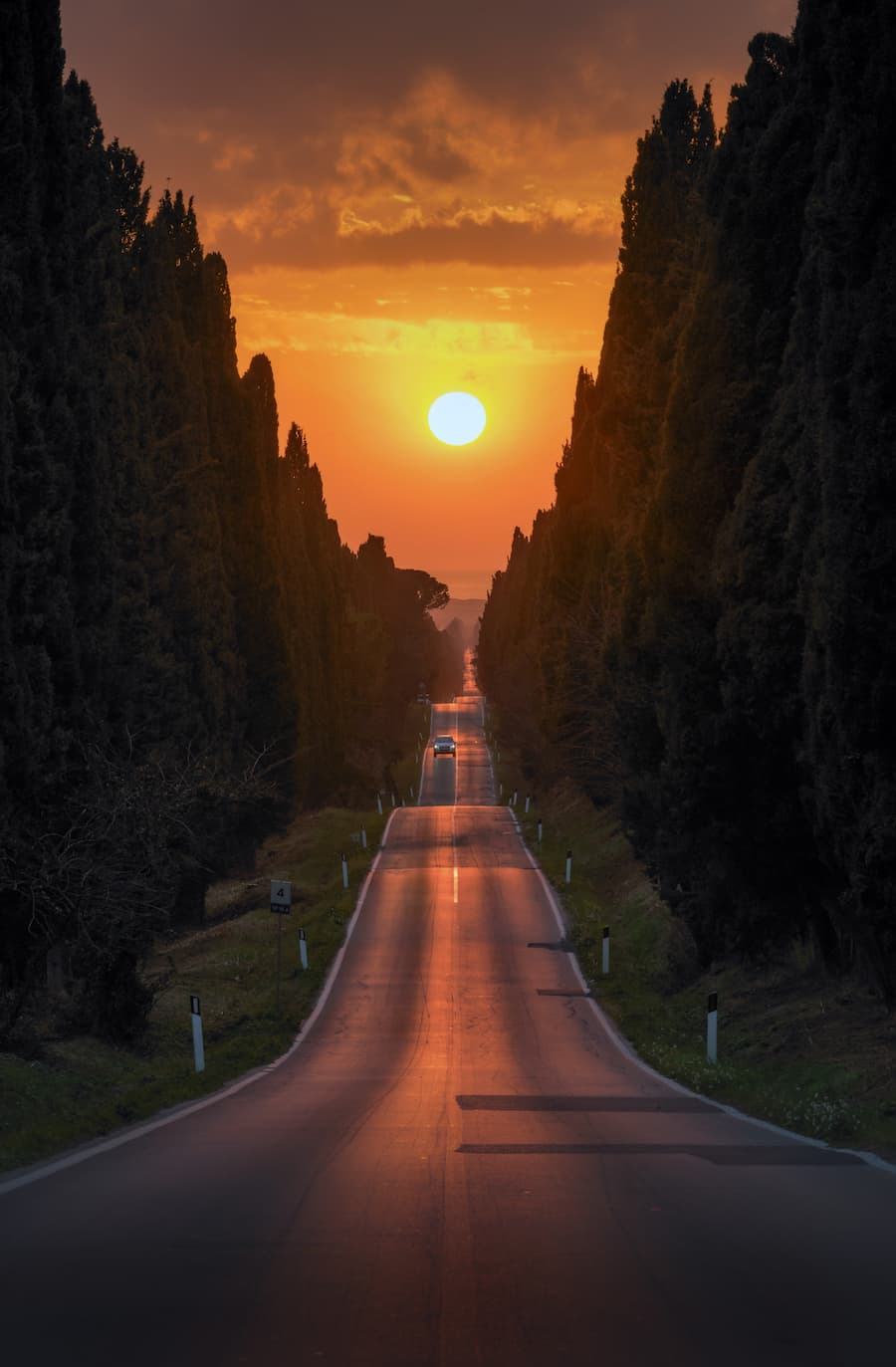
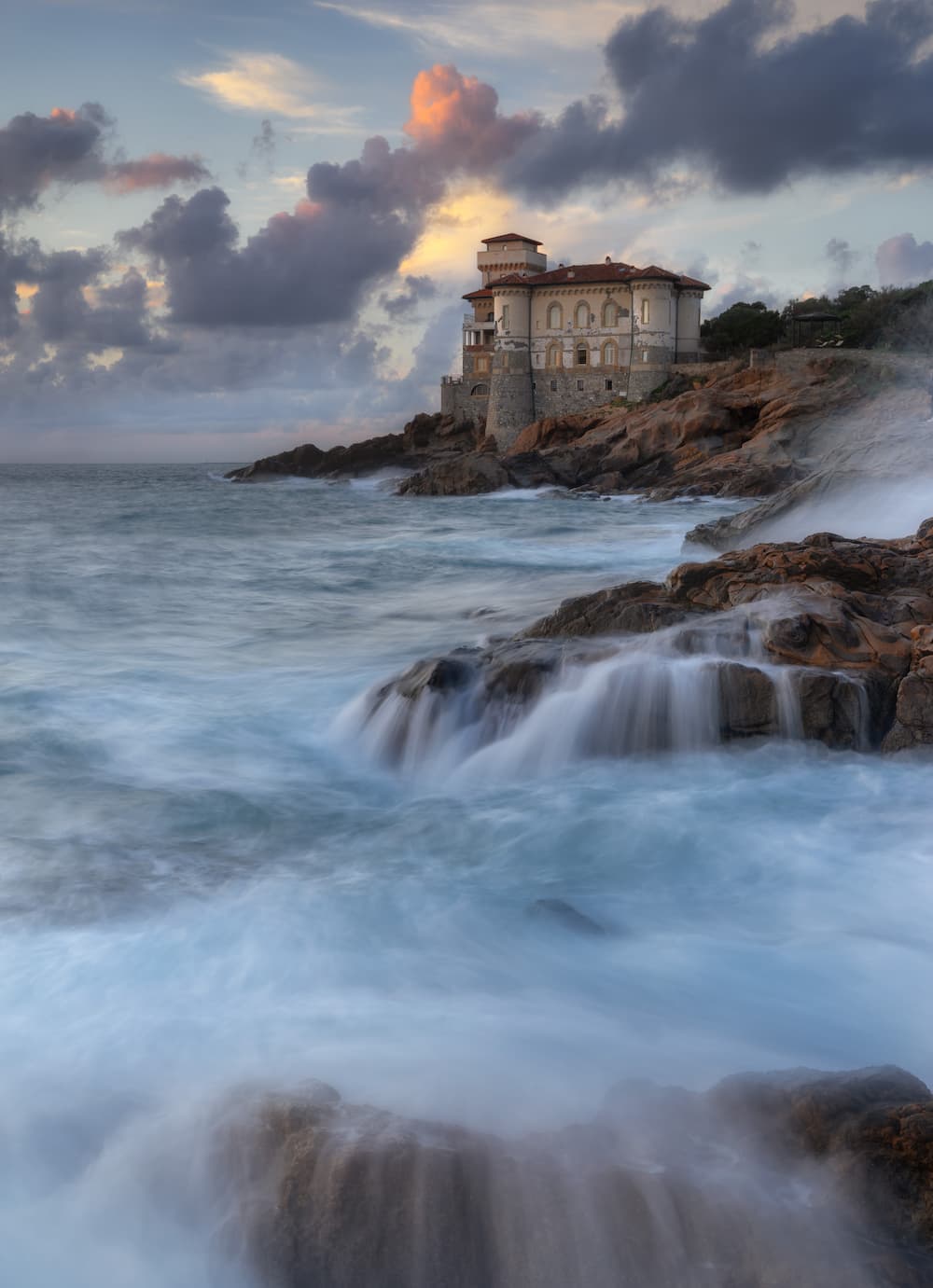
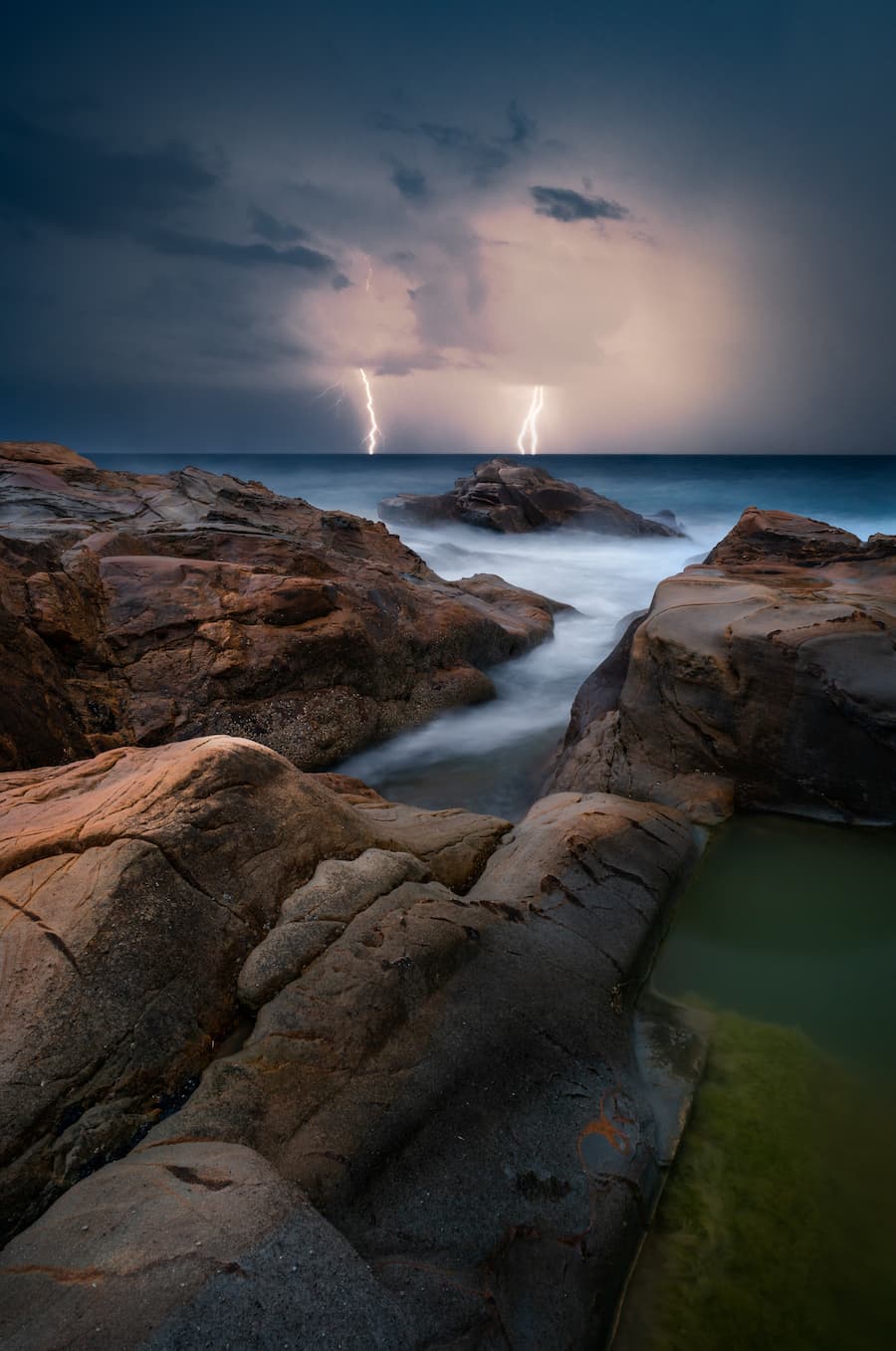
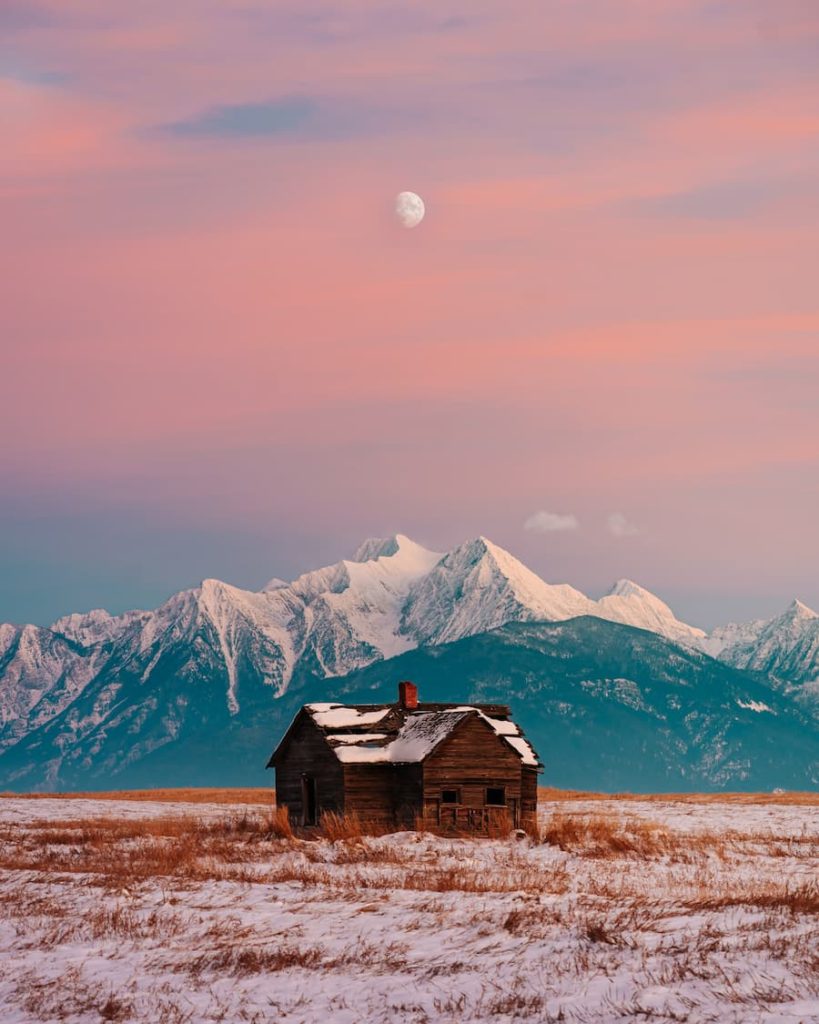
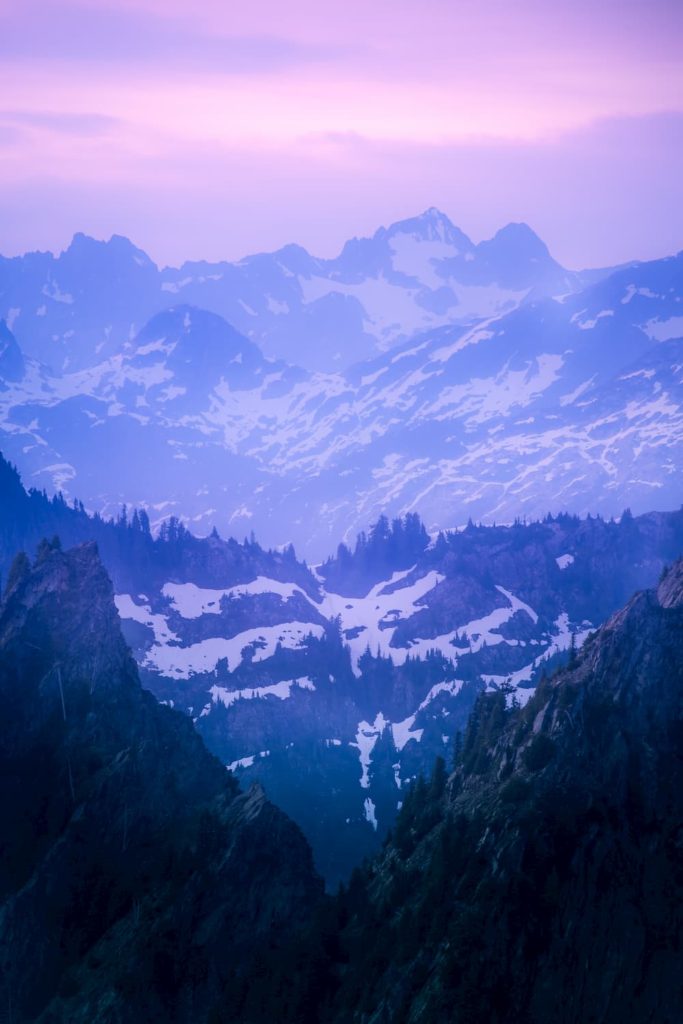
Besides sports, I have always loved nature. Since I was a child I frequently visited Siena and Val d’Orcia; we spent the summer holidays in those places. I live in Livorno, on the Etruscan coast and most of my photos are taken there. During the year, however, I often go back to my beloved childhood places, Siena and Val d’Orcia. The Terre di Siena is fantastic and gives many opportunities to the photographer but “photography” is not always at hand. You have to know the area and always be ready – a moment of hesitation and the “photograph” disappears. Cypresses, hills, farms, white roads, flowers, and medieval villages await you but you must know the area very well, otherwise, you will be disappointed.
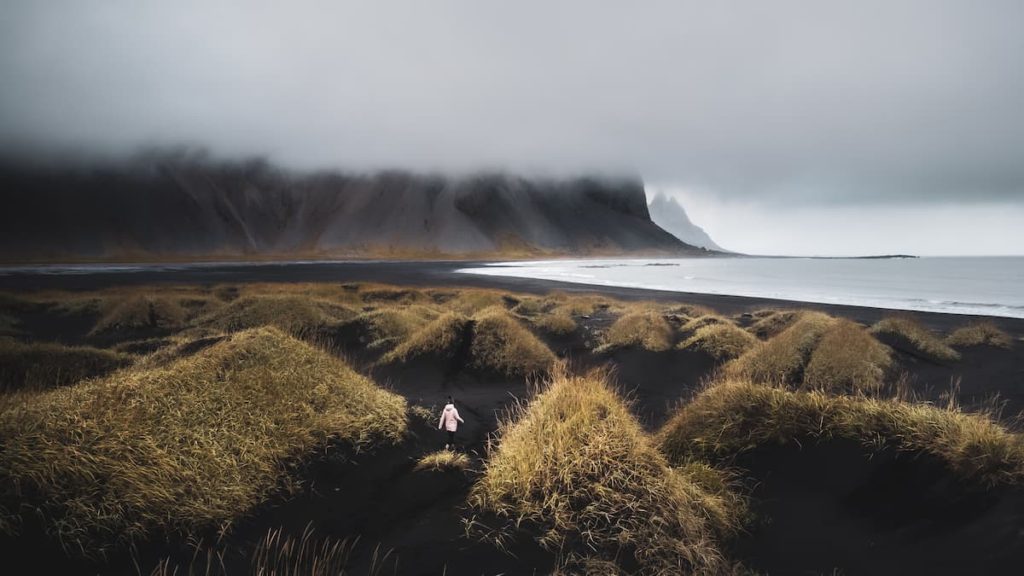
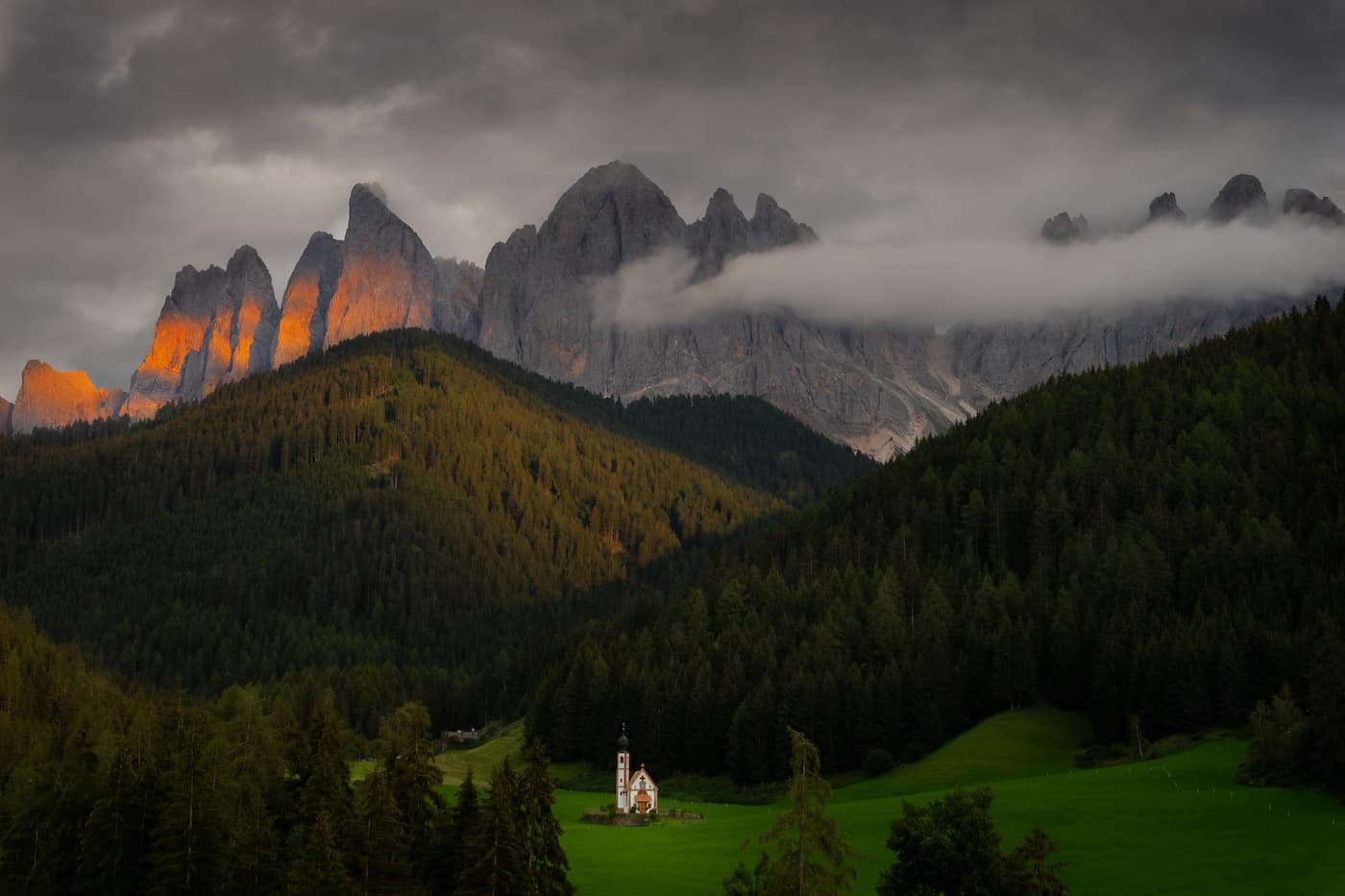
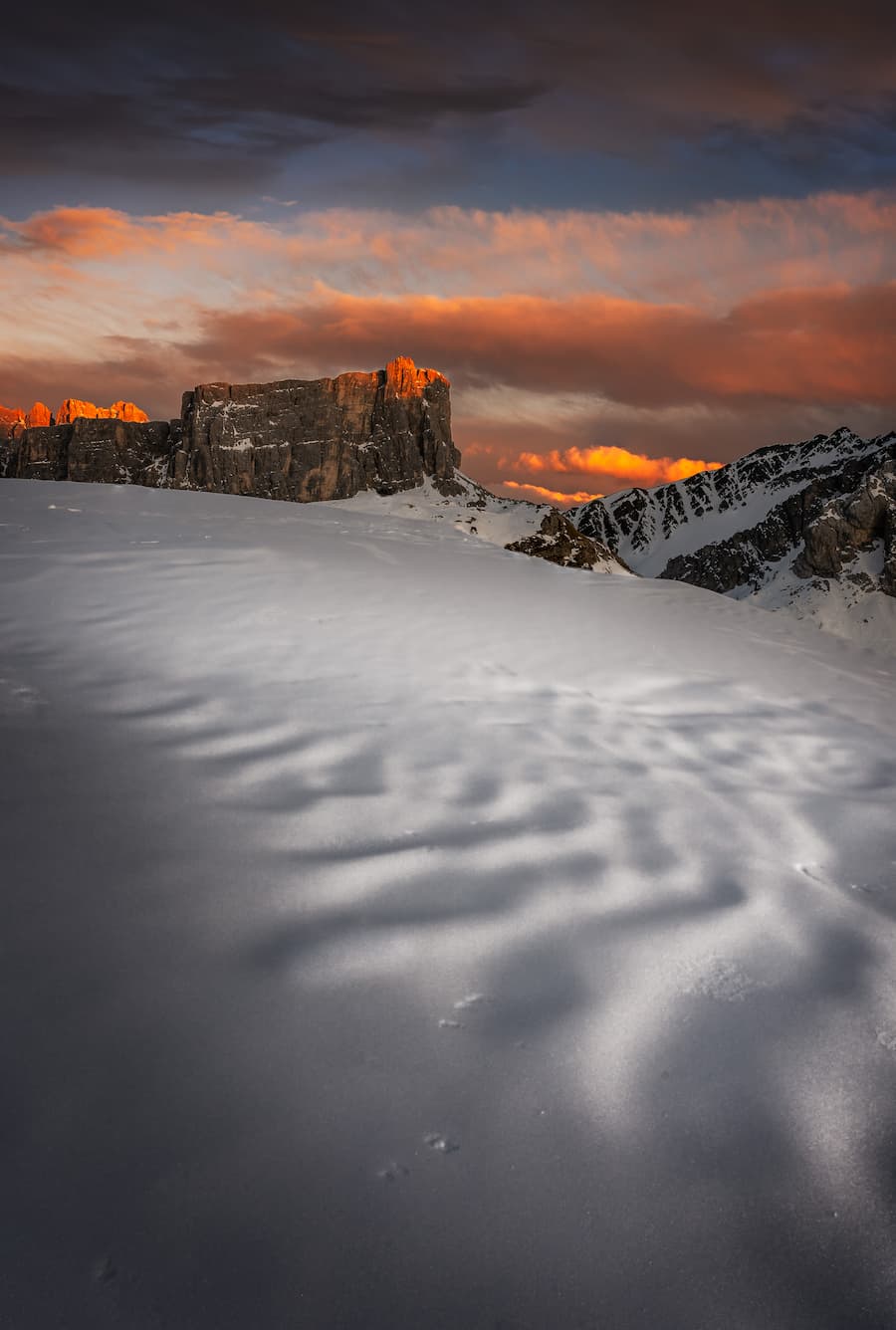
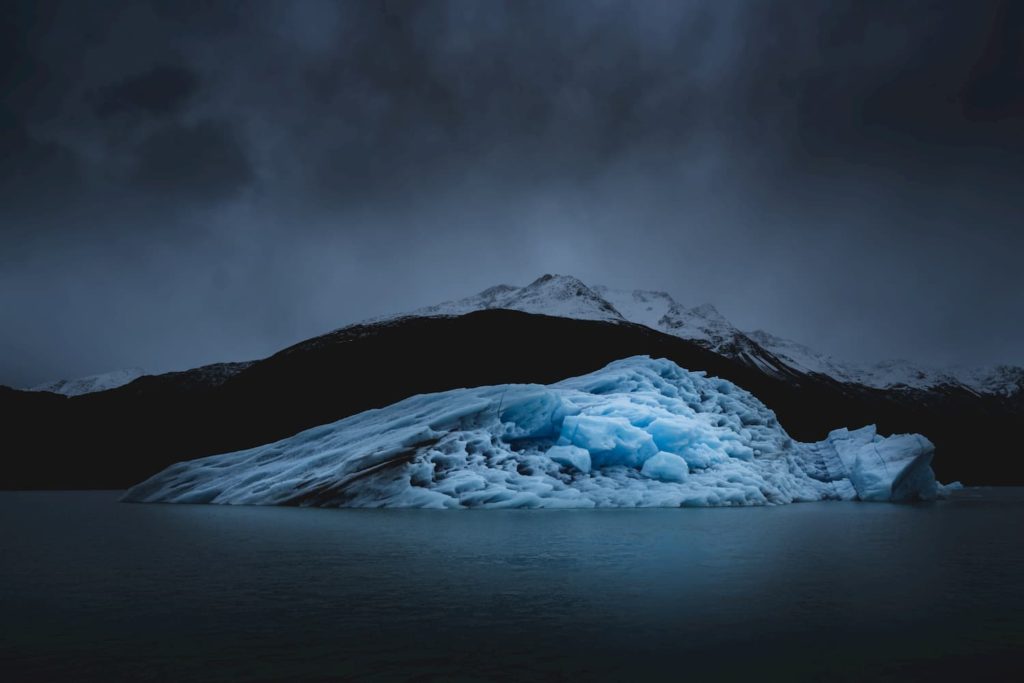
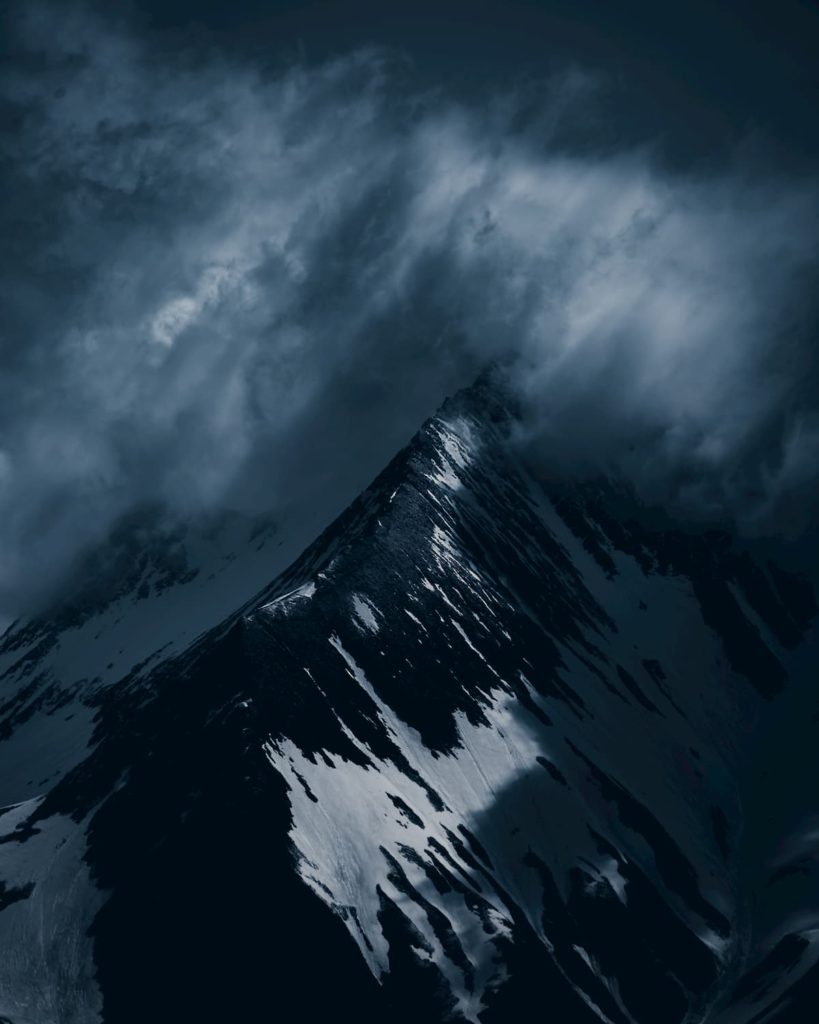
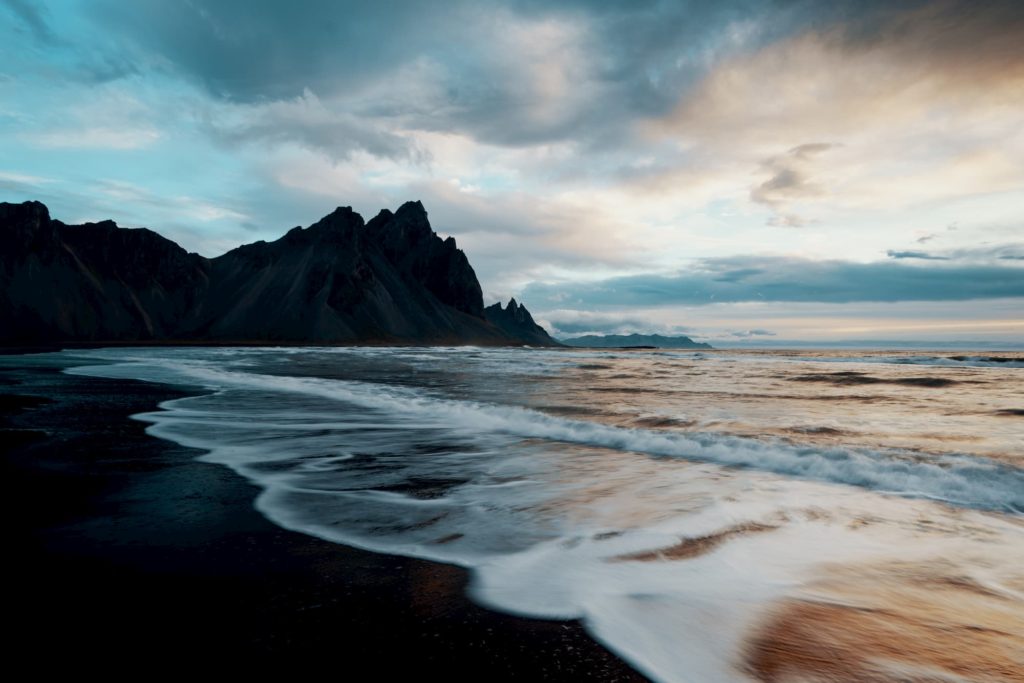
They are huge and make you realize how small and insignificant we humans are. Every year I go there at least twice and the weather changes constantly. You never know the type of photos you will bring home. Wind, dark clouds, rain, fog, cold… That’s exactly what makes it so great!
I have dedicated myself to spherical panoramic photography for seven years with excellent results. It is a very technical kind of photography – which is why it intrigued me so much – and it was not easy to reach high levels. The shooting phase is very important and subsequently, it is key to stitch the various shots perfectly together. Using a 15 mm instead of a 50 mm involves many more clicks to close the sphere. It is much more complicated to stitch 50-60 shots instead of 5.
Dedicated panoramic heads, fisheye lenses (usually), and very complicated software are needed as well, which is a challenge especially if you are not familiar with the English language (like me). However, overcoming the challenge gave me the opportunity to see my views on Google Maps and above all to work for “Der Spiegel” (the largest German news website) during the sinking of the “Concordia”. Although I’ve been doing (panoramic) photography for many years, I became a professional just two years ago.
From that point of view, I still have a lot to learn. I use social media a lot and I always try to promote my website and my activities concerning photography courses, post-production courses, and workshops. I try to sell my prints, and calendars and I made a publication with the geographical coordinates of 40 spots in Tuscany (you can buy it from my website). A few weeks ago I created a group on Facebook “Workshop-paesaggio and friend”.
The prize I am most attached to is the one I got a year ago at the “Trierenberg Super Circuit”. This is the second contest in the world in terms of the number of participants and one of my photos from the Val d’Orcia won the silver medal in the landscape category. The photo is called Cipressi di San Quirico (Cypresses of San Quirico). It is always very difficult for me to choose a photo for an international photo contest. I always look for photos with the most interesting subject and the best light, and sometimes I go to look at what kind of photos the judges take. I don’t always send the same best photo I have or the one that won the most; I always send different photos to each contest.
These help me to determine the position of the sun and then I go to the place. When I arrive I move until I find the right composition – nothing is as seen on the maps, there is always some problem to be solved. For example, sometimes there are private or closed roads that I didn’t see on Google Maps. Or once I found myself in front of a river while my goal was to be on the other side. Other times I see that there is a promontory at the spot I want to go to, but until I am in the place I do not really realize how high it is.
In the end, I deal with what I encounter and then I wait, wait and wait… Sometimes I feel like I’m a fisherman waiting to catch his fish. I use different techniques to compensate for the difference in light, such as optical filters (I am Ambassador Kase), HDR…and I love wide angles, 18mm and 24mm above all. I spend a lot of time on post-production, however, I usually download the images and first leave them there for a few days without looking at them. Then I go back to look at them and choose the photo to work on.
I have great enthusiasm for the craft and I want to learn more and more. A photograph speaks of me: of my joys, my pains, my victories, and my defeats. In every photograph, I see myself as well as others can see who I am through my images. And I find great joy in creating them. All this is very satisfying for me and makes it a blessing to pursue this passion and profession.
Would you like content like this sent to your inbox?

Andy Rider is a passionate wildlife photographer and filmmaker based in South Africa, dedicated to capturing the raw beauty of nature while raising awareness about conservation. Inspired by legends like Steve Irwin, his journey began as a field guide, where he honed his skills and developed a deep respect for ethical wildlife photography.

In this article, photographer Philipp shares how time, clarity, and consistency have shaped his evolving relationship with nature photography. Drawn ever further north, he writes about embracing uncertainty, working with restraint, and finding beauty even when plans fall apart — including the unlikely story behind his Best of the Week–winning image.

Tom shares the journey behind his winning photography, from a passion for exploration and remote places to field lessons, composition choices, and color grading.

Join us in the Faroe Islands for a unique photo tour, where you’ll elevate your creative skills with expert guidance from Ronald Soethje and Nomadict.

Join us in the Azores for a unique photo tour, where you’ll elevate your creative skills with expert guidance from Ronald Soethje, Bruno Ázera, and Nomadict.

In this article, Forest shares how years of chasing scale, silence, and raw landscapes shaped his approach to photography, from the deserts of Kazakhstan to the volcanic ridges of Iceland. He talks about how he uses light, texture, and vast negative space to create images that feel both intimate and overwhelming.

Simon shares the journey behind his photography, from early inspirations to field techniques, editing, and the story of the winning shot that shaped his path.

In this article, Miro shares how his love for cinematic music evolved into a deep passion for photography and how he uses light, color, and atmosphere to turn the streets of Prague into living film scenes.