Photo tour in Azores, Portugal
Join us in the Azores for a unique photo tour, where you’ll elevate your creative skills with expert guidance from Ronald Soethje, Bruno Ázera, and Nomadict.
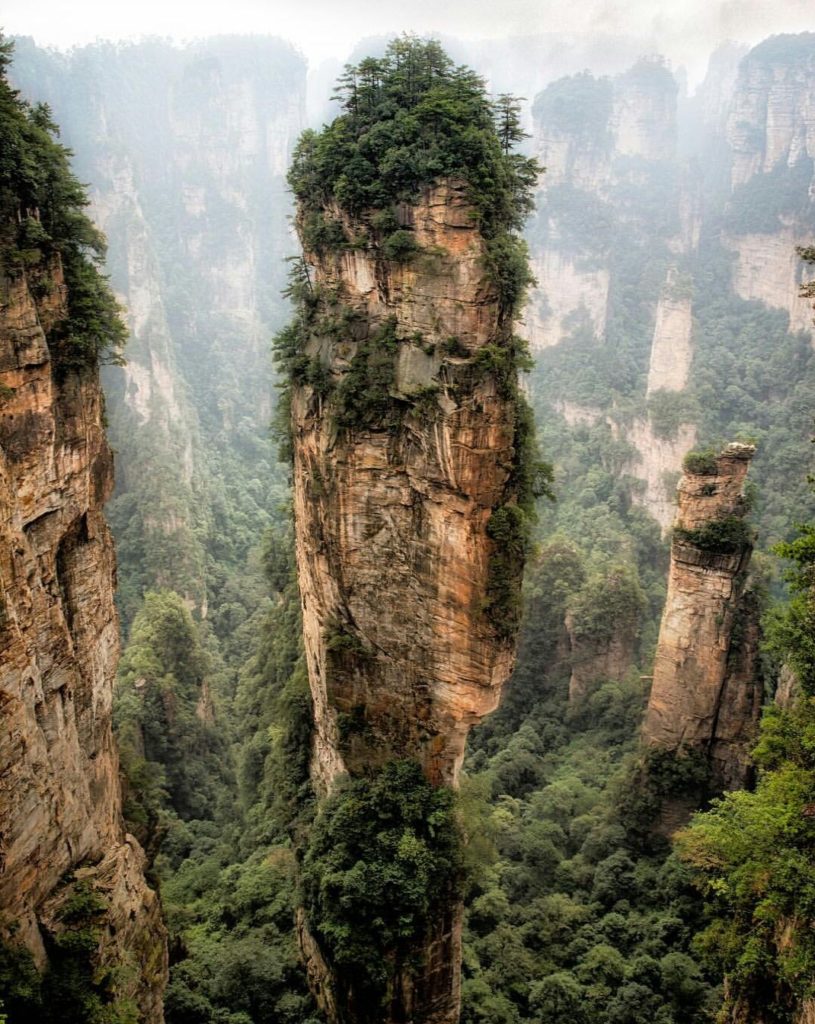
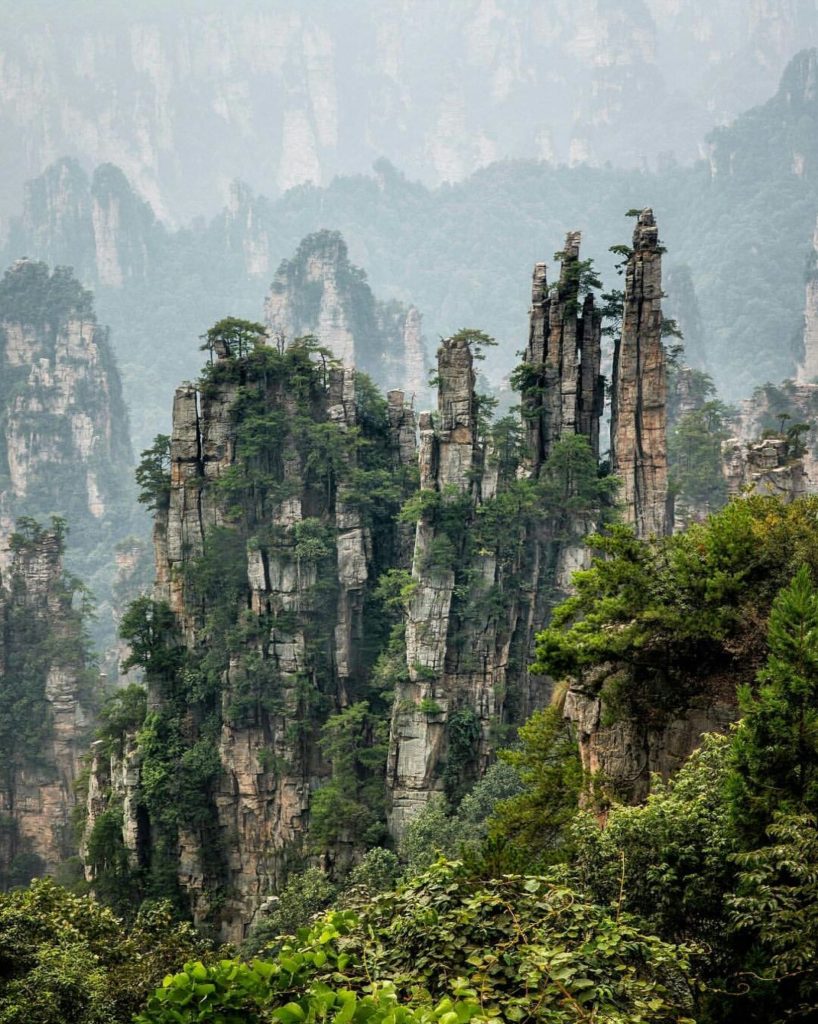
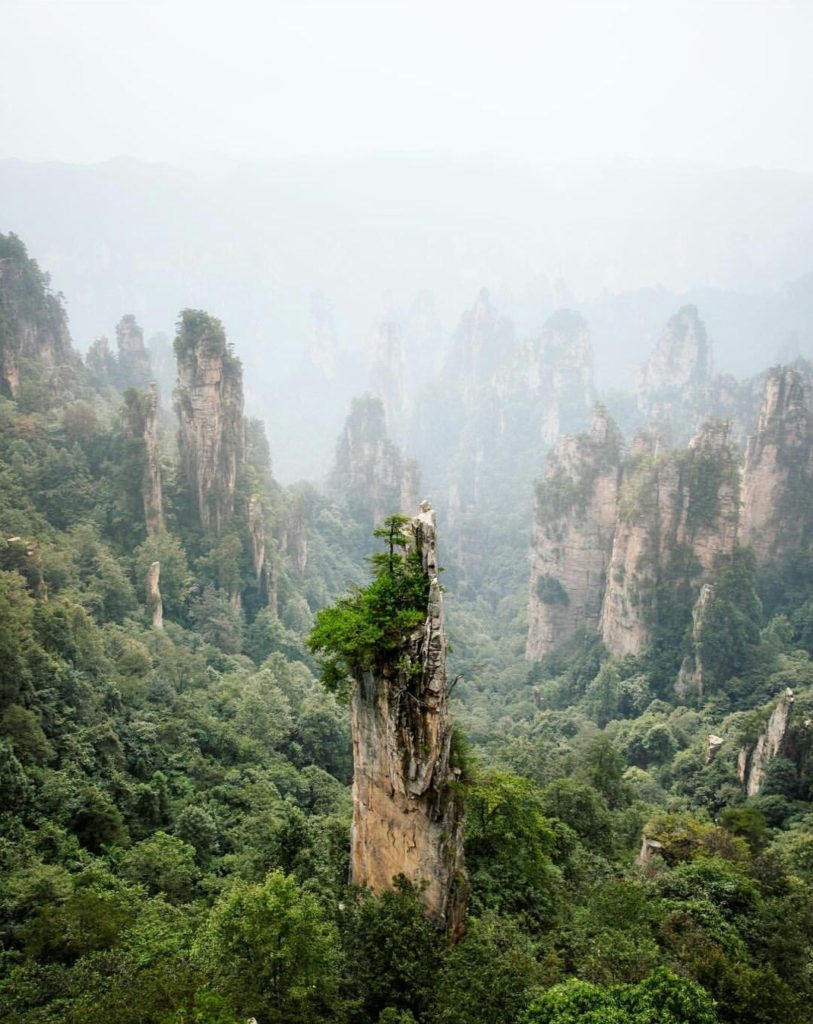
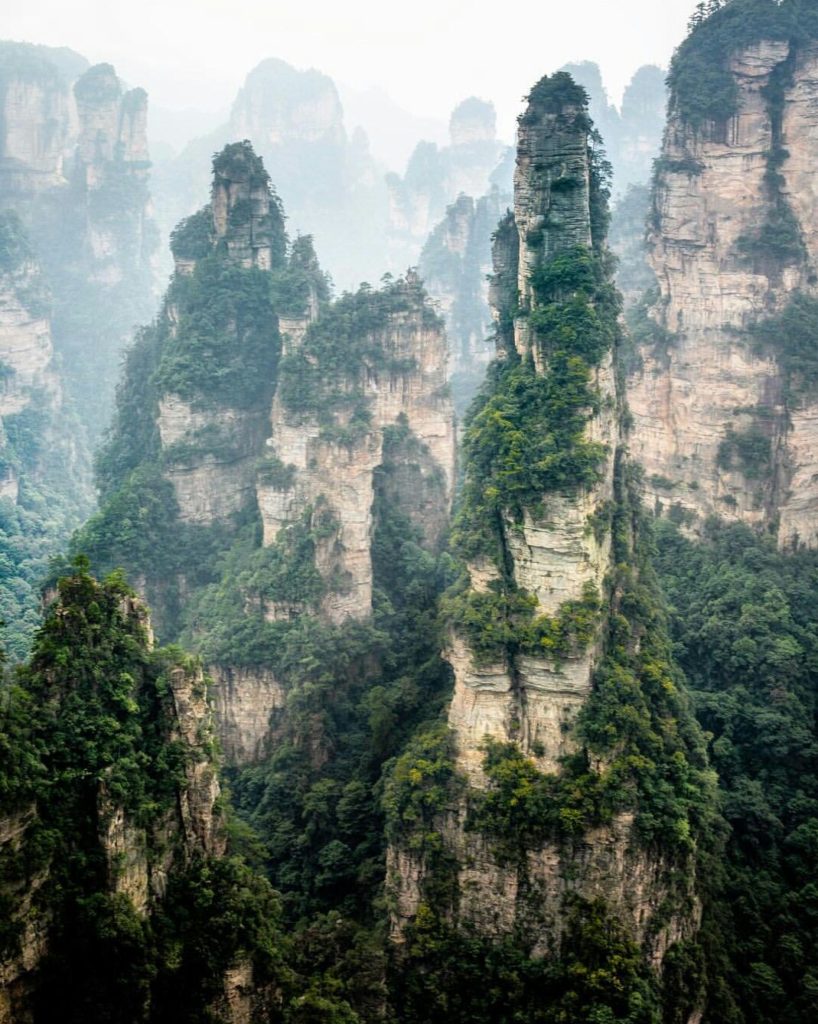
Located in Hunan Province, towards the eastern part of China, the Zhangjiajie National Forest Park is one of the most distinctive natural areas in the world. The quartz-sandstone pillars, seen throughout the park, inspired the floating Hallelujah Mountains seen in the film Avatar and today these formations are a hallmark of China.


Listed as a UNESCO global geopark in 2004, Zhangjiajie was recognized as China’s first national forest park with an area of 4,810 ha (11,900 acres). The pillar-like formations, dominating the scenery, are the result of many years of erosion. Much of the weathering which forms these pillars are the result of expanding ice in the winter and the plants which grow on them. Actually, the park is home to more than 3000 distinct plant species!
In addition, many endangered species of animals can be found around the dense foliage. Perhaps the most famous of these endangered residents is the Chinese Giant Salamander. This massive amphibian lives in the pools and caves throughout the forest.
This prompted the Chinese government to begin conservation efforts to preserve the landscape, flora and fauna of Zhangjiajie National Forest Park long before the area was of interest to tourists. Interestingly, for thousands of years this was a remote land known mainly to three minority people: Tujia, Miao and Bai.


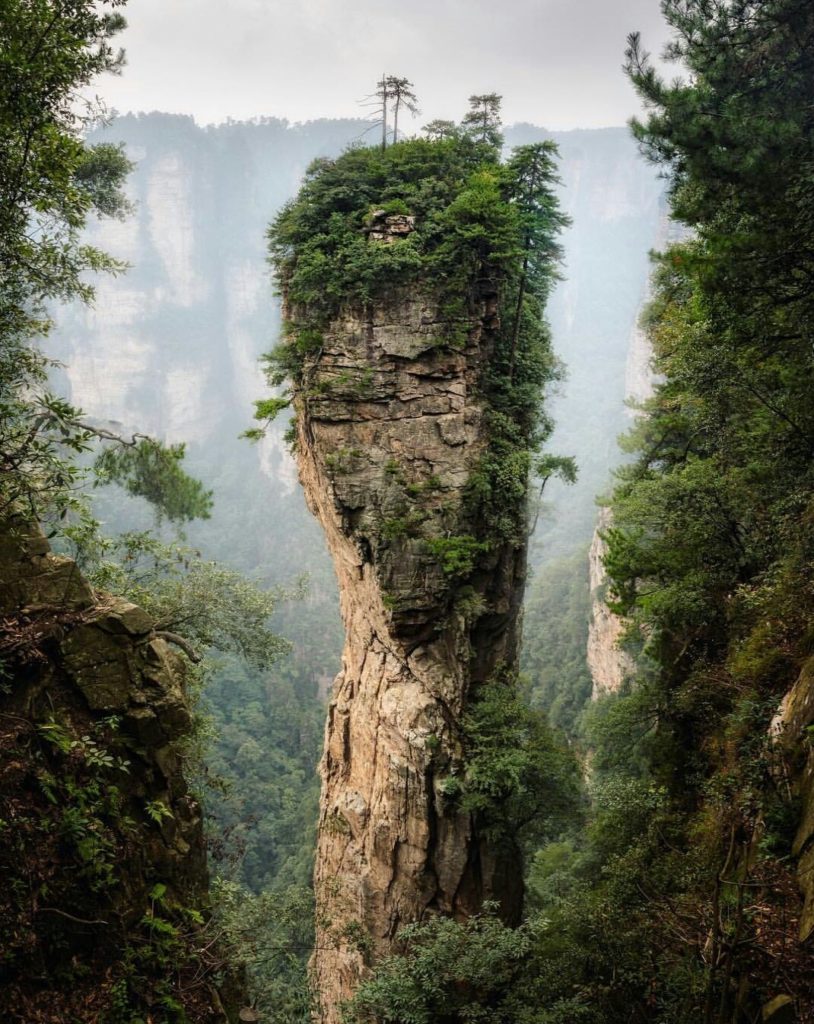
Probably the most recognizable sandstone pillar is the Avatar Hallelujah Mountain. Standing 3,540 feet (1,080 meters) tall, this peculiar formation was renamed to its present name in January 2010 for having served as inspiration for the “Hallelujah Mountains” in the film Avatar, as well as to show appreciation to the social message present therein. Previously, it was known as the Southern Sky Column.

Finally, it is worth noting that here you will find as well the world’s tallest outdoor lift. The towering Bailong Elevator can transport visitors to the top from its foot in less than two minutes! Furthermore, the longest and highest pedestrian glass bridge in the world can also be found at Zhangjiajie. After having adjusted the logistics and safety measures for handling large numbers of tourists, this glass bridge is the ideal spot to capture the beauty of Zhangjiajie at its best!

Join us in the Azores for a unique photo tour, where you’ll elevate your creative skills with expert guidance from Ronald Soethje, Bruno Ázera, and Nomadict.

In this article, Forest shares how years of chasing scale, silence, and raw landscapes shaped his approach to photography, from the deserts of Kazakhstan to the volcanic ridges of Iceland. He talks about how he uses light, texture, and vast negative space to create images that feel both intimate and overwhelming.

Simon shares the journey behind his photography, from early inspirations to field techniques, editing, and the story of the winning shot that shaped his path.

In this article, Miro shares how his love for cinematic music evolved into a deep passion for photography and how he uses light, color, and atmosphere to turn the streets of Prague into living film scenes.

In this article, Stefanie reveals how her background in physics sparked her passion for astrophotography and how she blends science with creativity to capture the beauty of the night sky. Readers will discover her approach to color, contrast, and editing, as well as her aurora photography workflow.

Spanish photographer Yhabril captures the profound connection between humans and the mountains that shaped him. Growing up in the Pyrenees, his work bridges outdoor sports, landscapes, and celestial scenes — often blending athletes, moonlight, and wilderness into striking visual stories.