My passion for traveling comes from my childhood. When my brother and I were younger, our parents took us to visit many places and we always had a camera with us. My father was an amateur photographer and won several awards in the company he worked for. Ever since I was little, I can remember watching my father taking photographs while travelling around the world with us. My brother and I shared a Kodak EKTRALITE 10 and as a family, we loved to look over old photo albums.
My own photography became a big part of my life in 2006/2007. One day, I was watching a car rally with some friends, one of whom had a bridge camera. I asked him to borrow it, and after the first photo I was so in love that I bought the camera that same day! From then on I never stopped shooting.
I don’t always need to be travelling to engage with my photography. In fact, what I enjoy most is going to a place that I know very well and being able to see things from a new perspective.
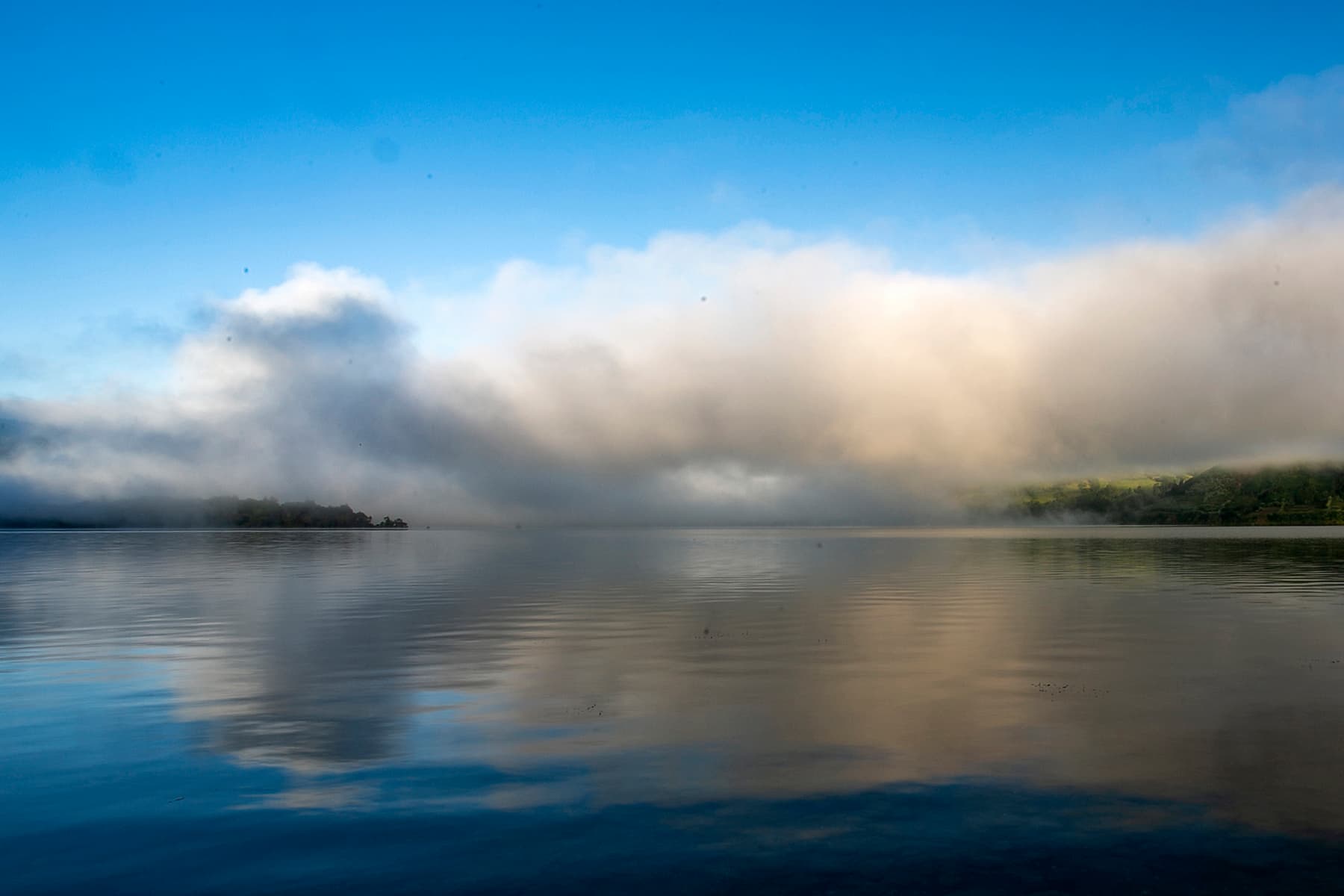
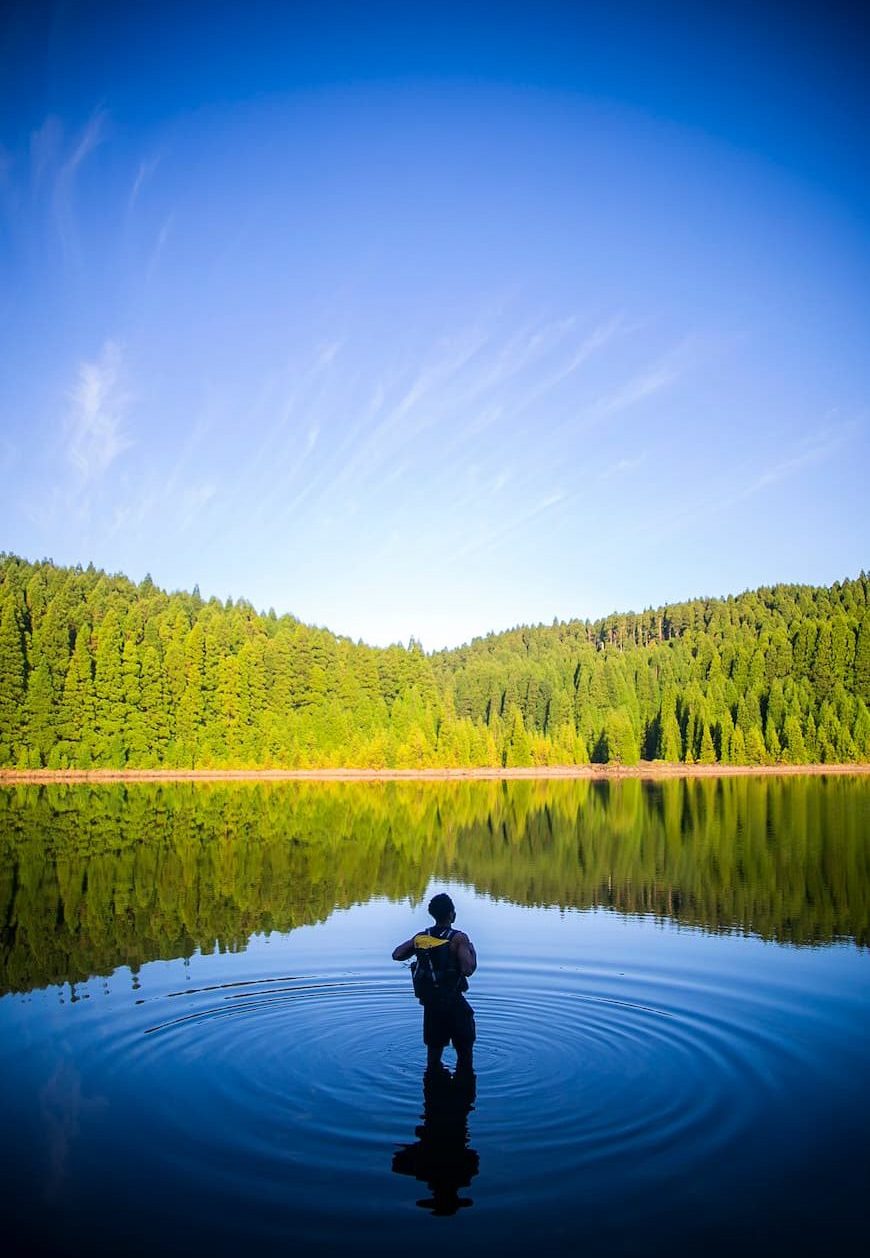
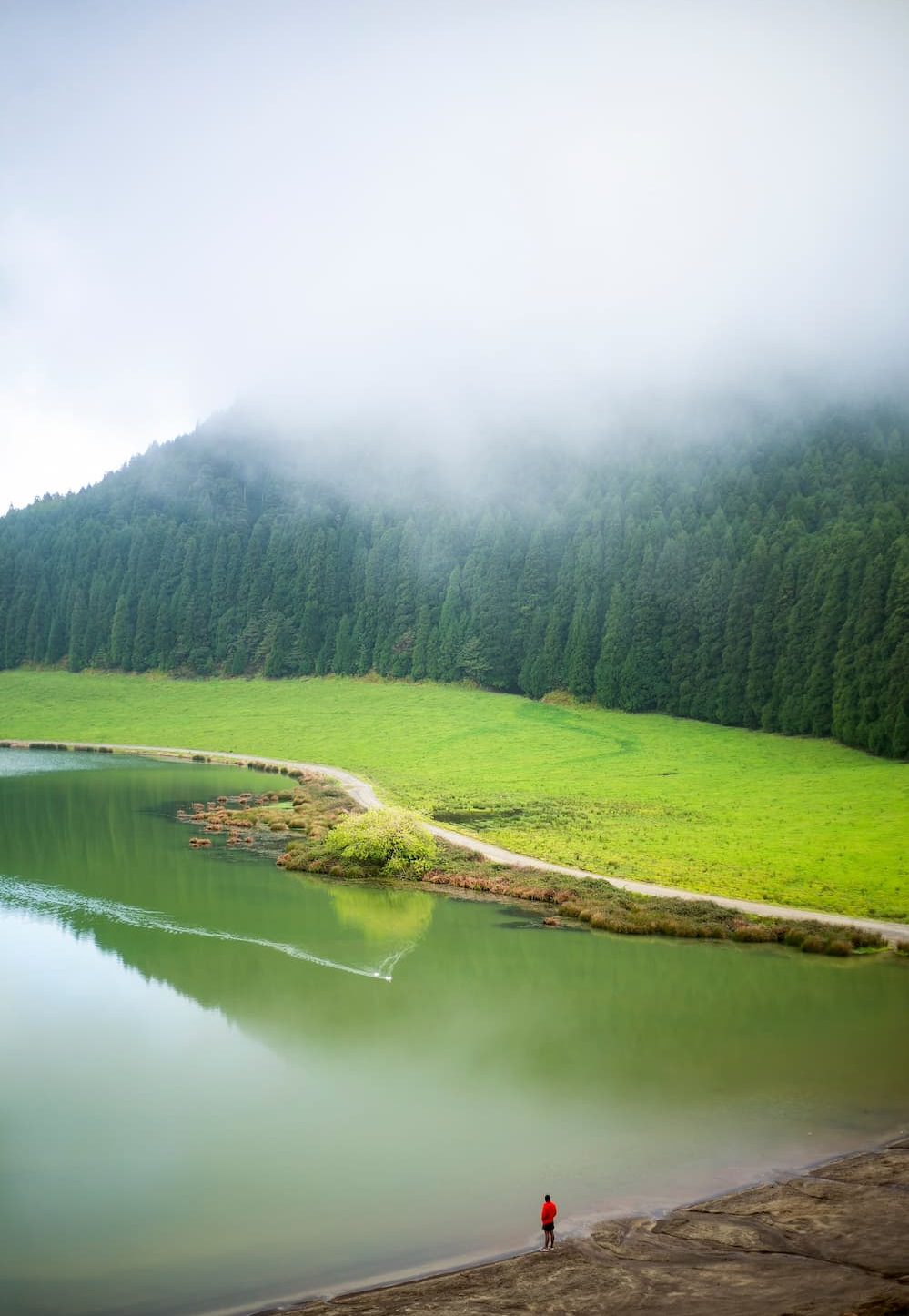
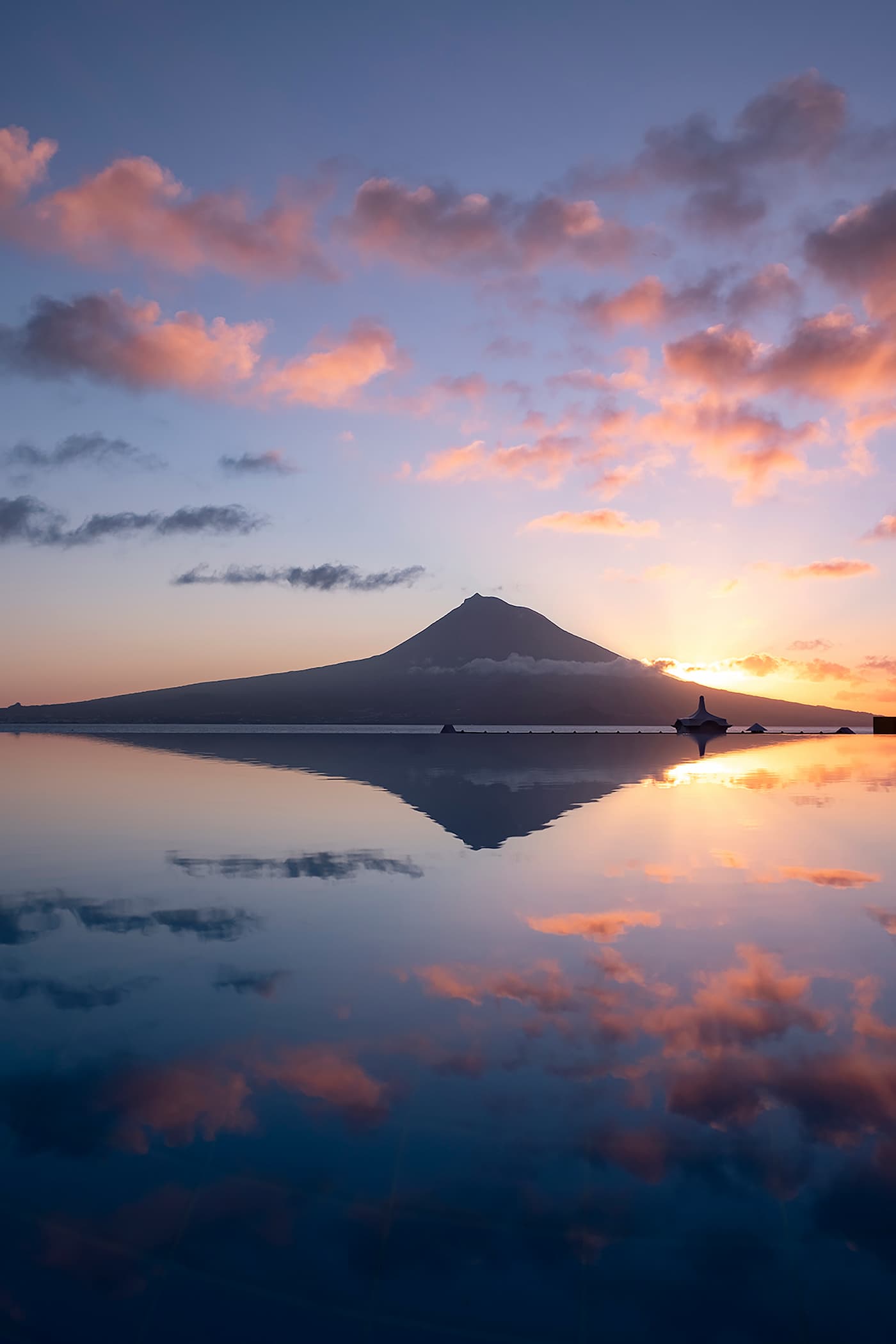
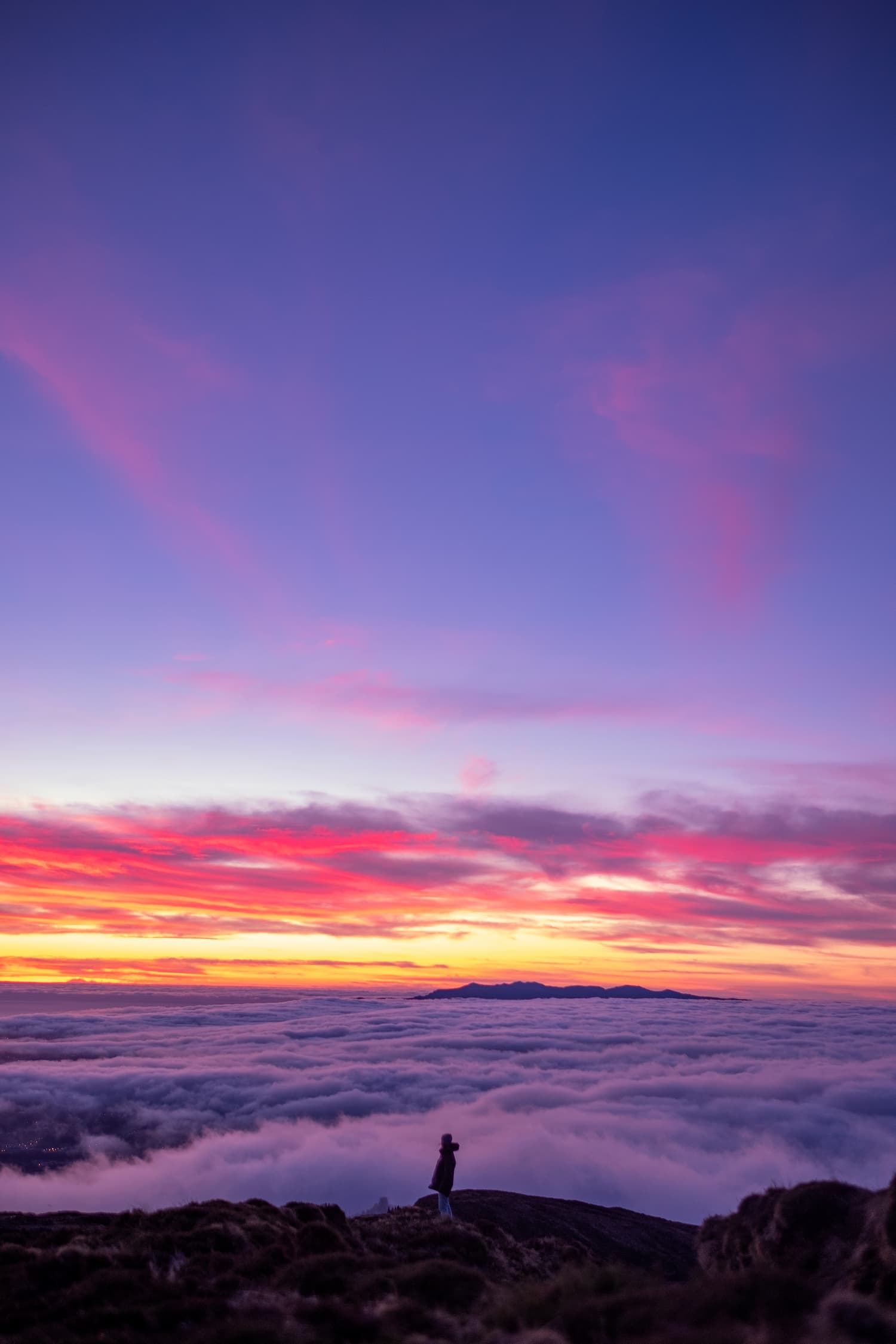
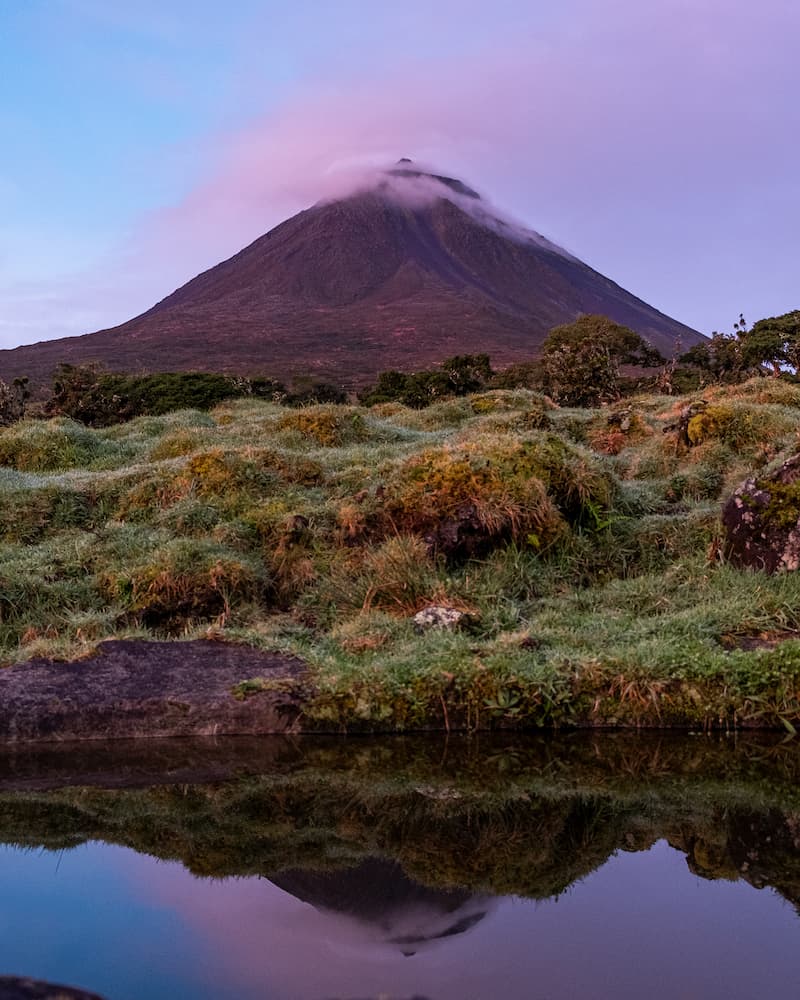
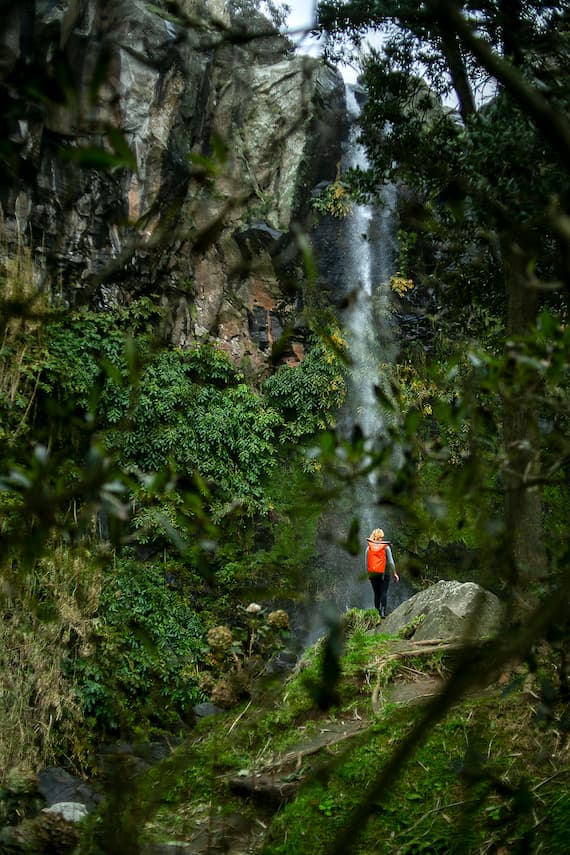
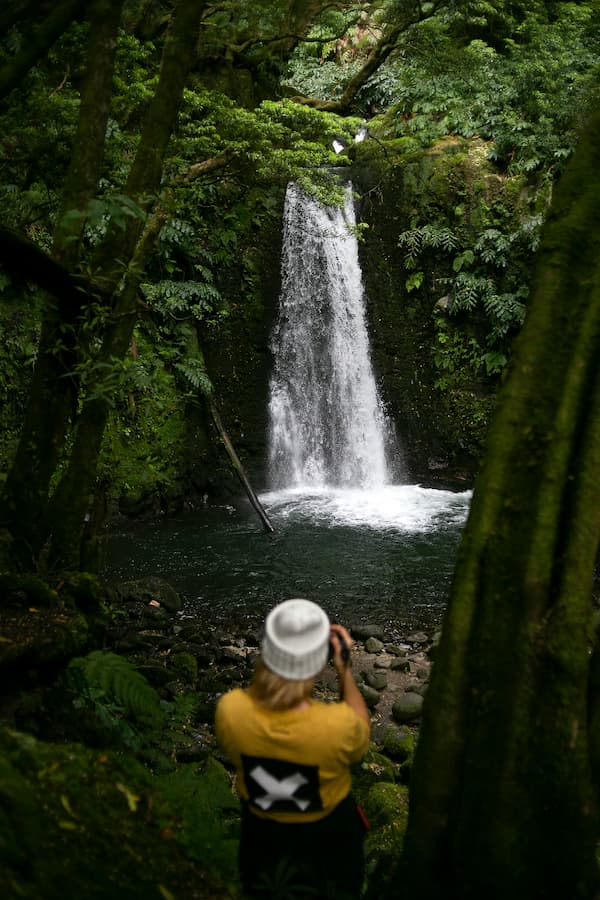
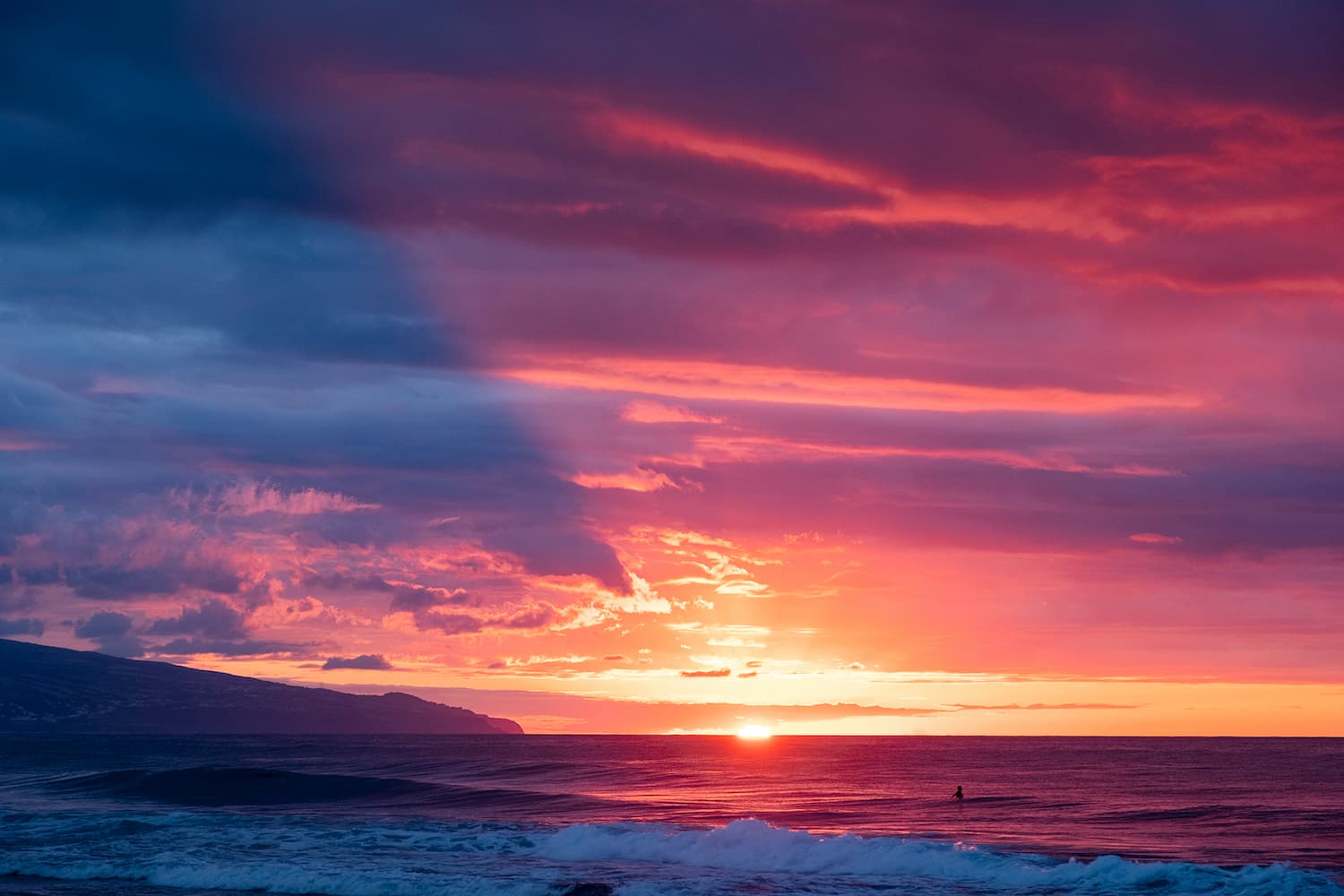
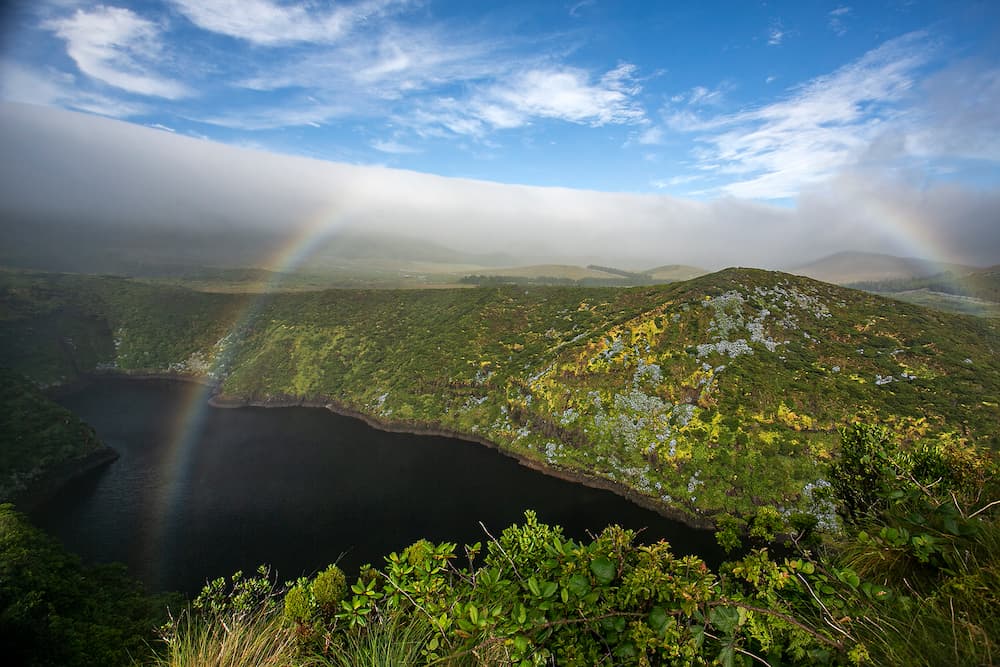
Take where I live in the Azores, for example. You can have all four seasons here in the space of a day. I find it challenging and very interesting, it’s perhaps one of the strangest features of the Azores. Another curious thing is that on Google earth we have to zoom in 20 times in order to find this paradise, lost in the middle of the Atlantic. We have several craters of dormant volcanoes, many of which have little villages nestled inside. People live surprisingly well with volcanoes. The islands are made of basalt and lava and have the sea as a horizon, which brings a certain sense of belonging that is very difficult to explain. Even in bad weather, the Azores are beautiful.
A lot of people asked me to do photography workshops in the Azores, but I never thought it would be a good idea to give workshops to groups. Being a photography trainer, I always thought I could never spend the necessary time with each student. I think that with private classes, people can learn more and better, taking photographs and not just taking notes of openings or speeds. There’s no better way to learn.
I found myself in an environment so different from the Azores. I remember it being 4 am and I was still shooting in the street. I’d lost track of time. It was the first time that I’d felt this way. Not worrying about the danger of being mugged, just shooting for passion, without thinking too much or even thinking at all!
Another trip I’ve been on that was really significant to me was one of the times I went to Cape Verde. I went on vacation and took only one camera. When I came back, I found myself having taken portraits more beautiful than I had thought possible (I only made portraits). I’m intrigued by the connection you create with someone in a portrait. After that, the way I thought about photography changed a little. I started to realize that we don’t need many gadgets to take photographs. Just your favorite camera and your favorite lense will do. As long as you focus on the most important thing, the photography itself.
I gather local and human-interest stories, both to sell and also just to post on my social networks. I am a photojournalist for hard news and day to day stories, but at the same time I like to develop longer pieces. Alongside that, I’m a documentary photographer, and I’m also working on a book that will be an author’s edition about the Azores. When I started interning in a national newspaper, which was edited by one of my photography guru’s, Miguel Madeira, it felt like a great honor. I believe it made me grow as a photographer.
For me, being edited by another photographer is the hardest of tasks. It feels like my work is being evaluated by people who are seeing things in a decontextualized way and for the first time. Our photos have to answer everything; What? Who? When? Where? How? in a simple yet informative way. There is a big difference between posting a photo online and receiving likes and comments and being edited by another photojournalist. Another photojournalist is knowledgeable, both technically and conceptually, and there is a relationship between the two, the edited and the editor. Editing someone else’s work is a huge responsibility. We have to tell the story that our colleague wanted to tell, maintaining rhythms and lines, making the story continue to make sense.
Being a content creator and a travel photographer, alongside my work as a photojournalist, every day I think of the pictures that I want or need to take. The best way to describe it is to say that I never leave home without a camera! Together with my partner, Monique (@villavarzea), we are always thinking of new content for both of us. We take the opportunity to walk around the islands because, even in romance, photography is involved. Besides being my job, it is my passion. When I am happy I will photograph. When I am sad I will photograph. I cannot conceive of a day without photography.
Would you like content like this sent to your inbox?

Join us in the Azores for a unique photo tour, where you’ll elevate your creative skills with expert guidance from Ronald Soethje, Bruno Ázera, and Nomadict.

In this article, Forest shares how years of chasing scale, silence, and raw landscapes shaped his approach to photography, from the deserts of Kazakhstan to the volcanic ridges of Iceland. He talks about how he uses light, texture, and vast negative space to create images that feel both intimate and overwhelming.

Simon shares the journey behind his photography, from early inspirations to field techniques, editing, and the story of the winning shot that shaped his path.

In this article, Miro shares how his love for cinematic music evolved into a deep passion for photography and how he uses light, color, and atmosphere to turn the streets of Prague into living film scenes.

In this article, Stefanie reveals how her background in physics sparked her passion for astrophotography and how she blends science with creativity to capture the beauty of the night sky. Readers will discover her approach to color, contrast, and editing, as well as her aurora photography workflow.

Spanish photographer Yhabril captures the profound connection between humans and the mountains that shaped him. Growing up in the Pyrenees, his work bridges outdoor sports, landscapes, and celestial scenes — often blending athletes, moonlight, and wilderness into striking visual stories.

In this article, Ariane shares how photography helped her navigate personal challenges, connect authentically with people and animals, and develop a philosophy rooted in empathy and artistic freedom. Readers will also discover her ethical approach to wildlife photography and her trusted equipment for both camouflage techniques and cameras.

Discover how to photograph Dutch tulip fields in their most magical light. From choosing the right gear and lenses to mastering composition, color, and aerial perspectives, this guide shares creative techniques to capture the beauty of the Netherlands’ tulips. Learn how light, color grading, and proportion bring emotion into every frame.