How our days look:
We depart half an hour before sunrise, in the quiet calm of Hattvika Lodge—fishing boats gliding through still water, snow-covered mountains holding the first light in the distance. With professional local drivers and generous space to move comfortably, we travel with intention, reaching Lofoten’s icons while also lingering where the landscape asks us to slow down—in those smaller, quieter, more intimate places in between.
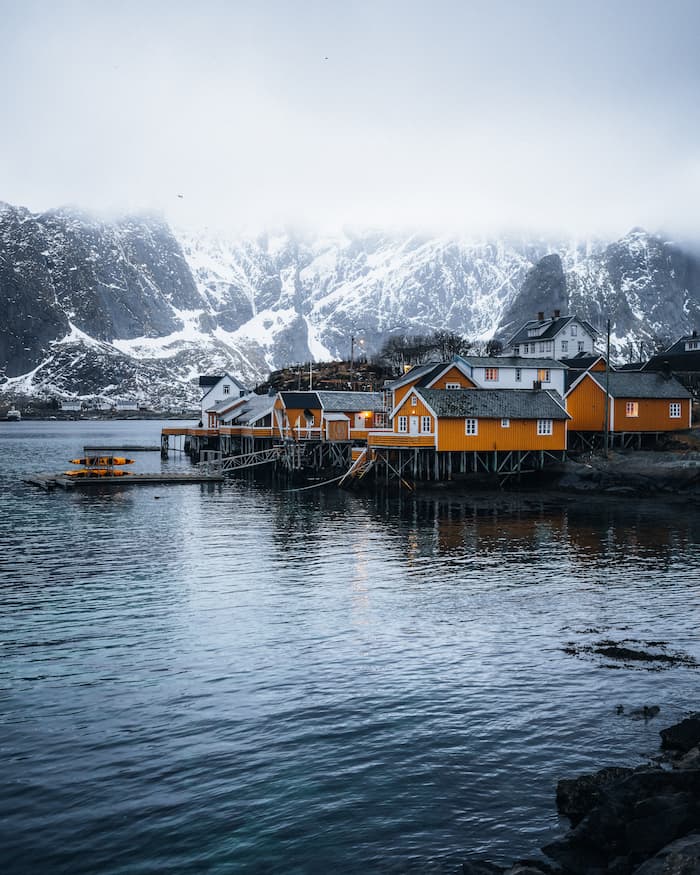
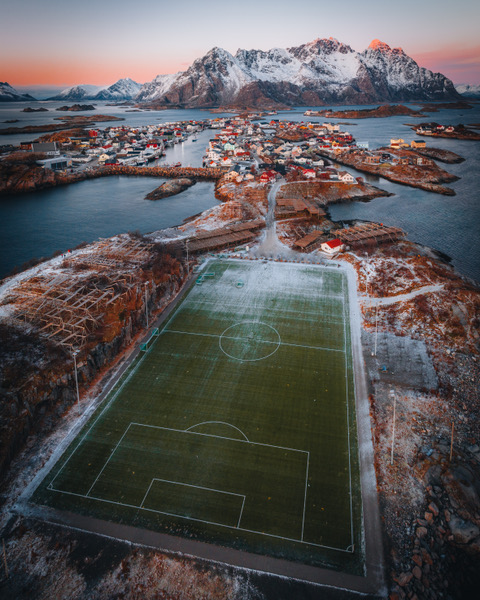
From the dramatic peaks of Henningsvær and its legendary football field, to wind-swept beaches where waves meet surfers, to the quiet mystique of Reine, Hamnøy, and Sakrisøy, each stop offers space to pause, observe, and create. Between destinations, we often stop spontaneously—when the light shifts, the clouds part, or the road reveals something unexpected.
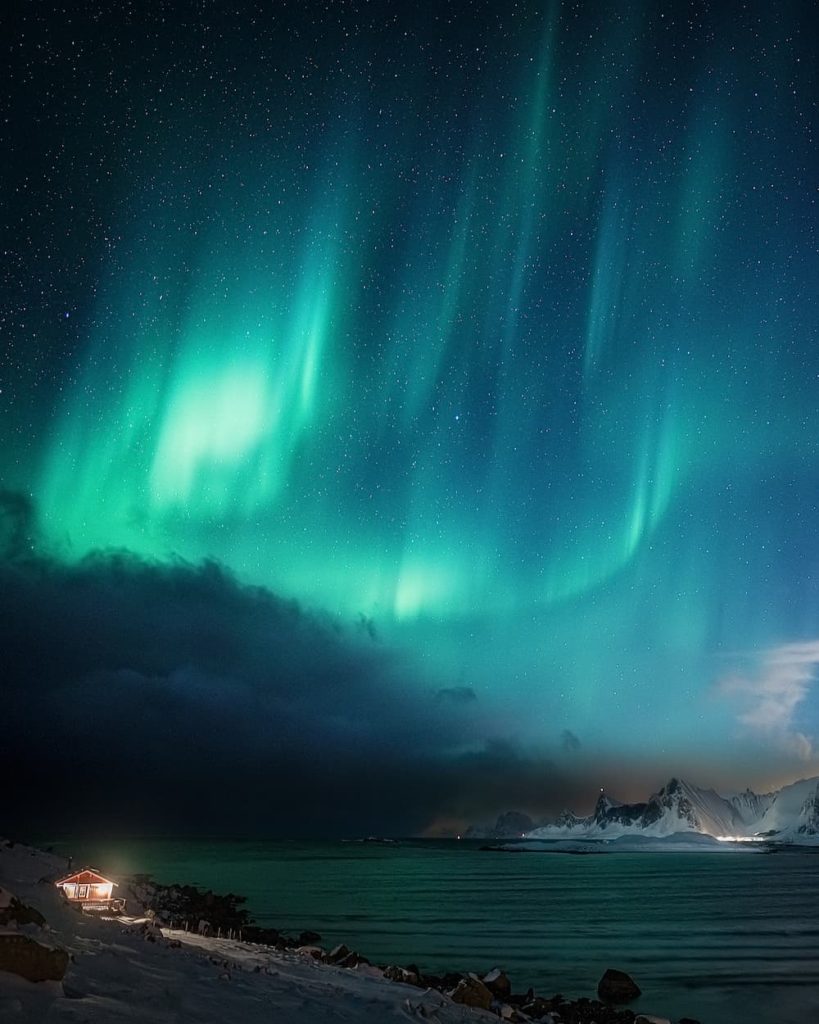
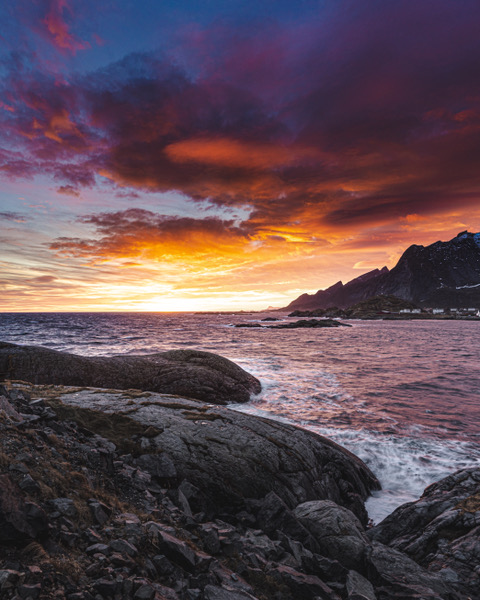
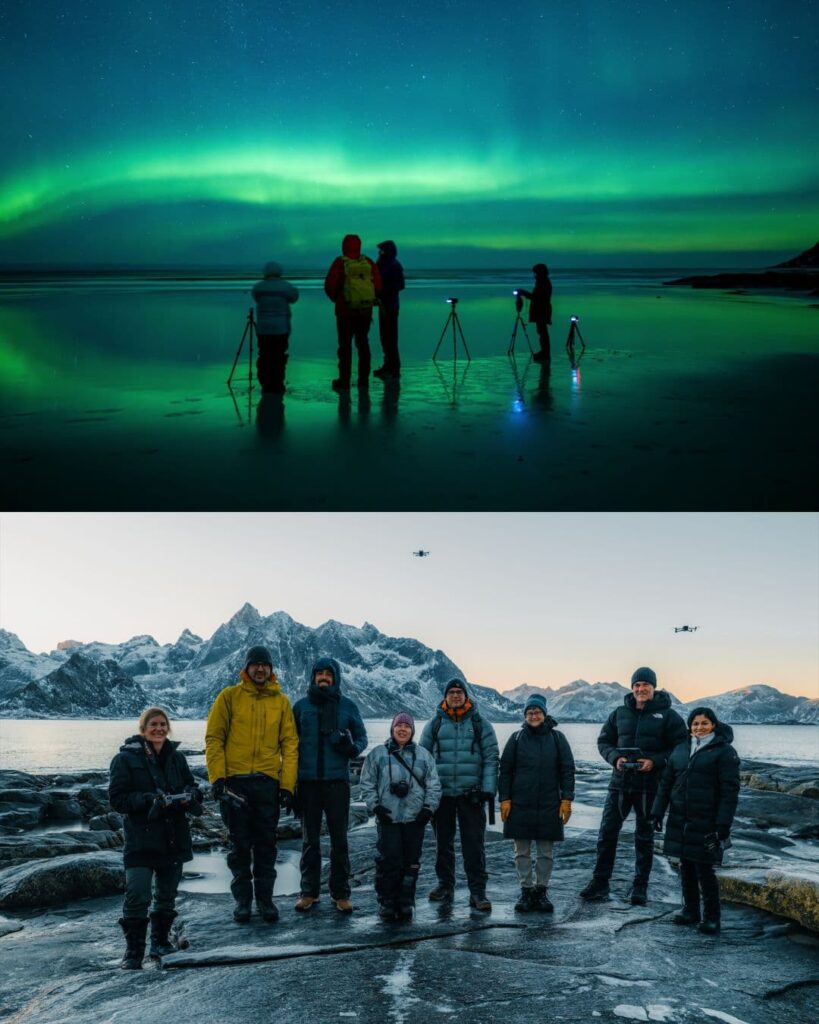
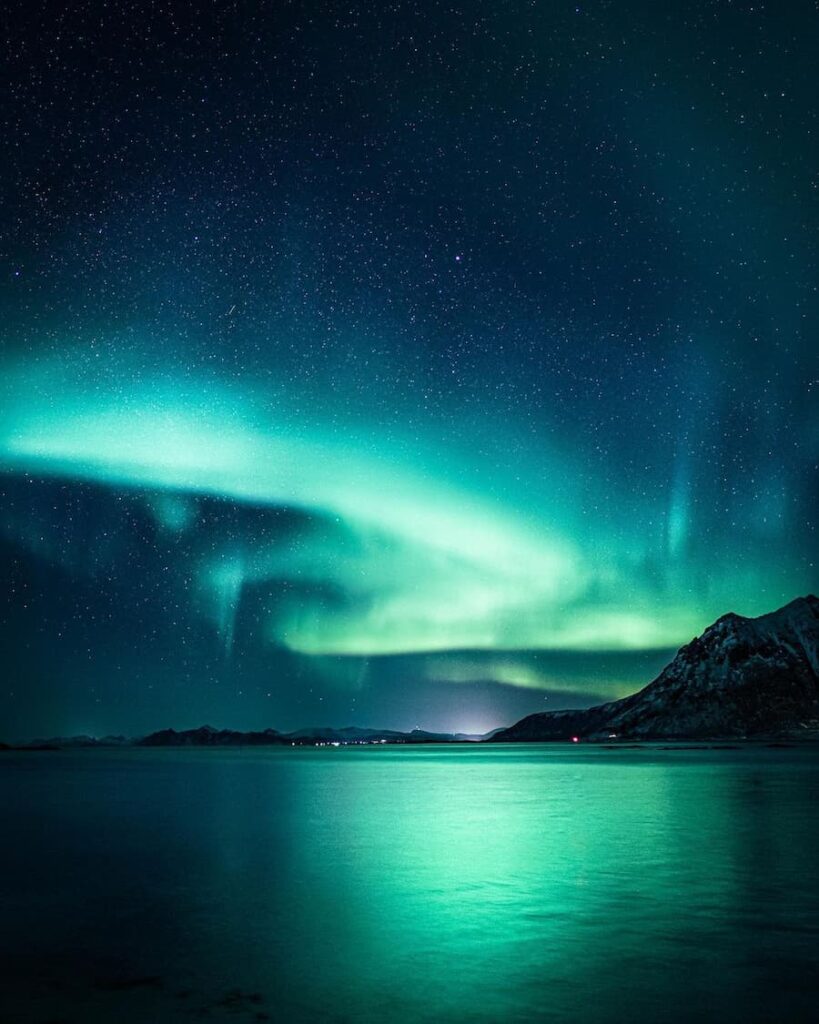
As night falls, we venture out again, watching for the northern lights dancing above Lofoten’s most iconic silhouettes. This workshop is designed around rhythm rather than rush, giving you the freedom to step away from the vehicle, breathe in the landscape, and translate these moments into powerful, intentional images.
Meet your team
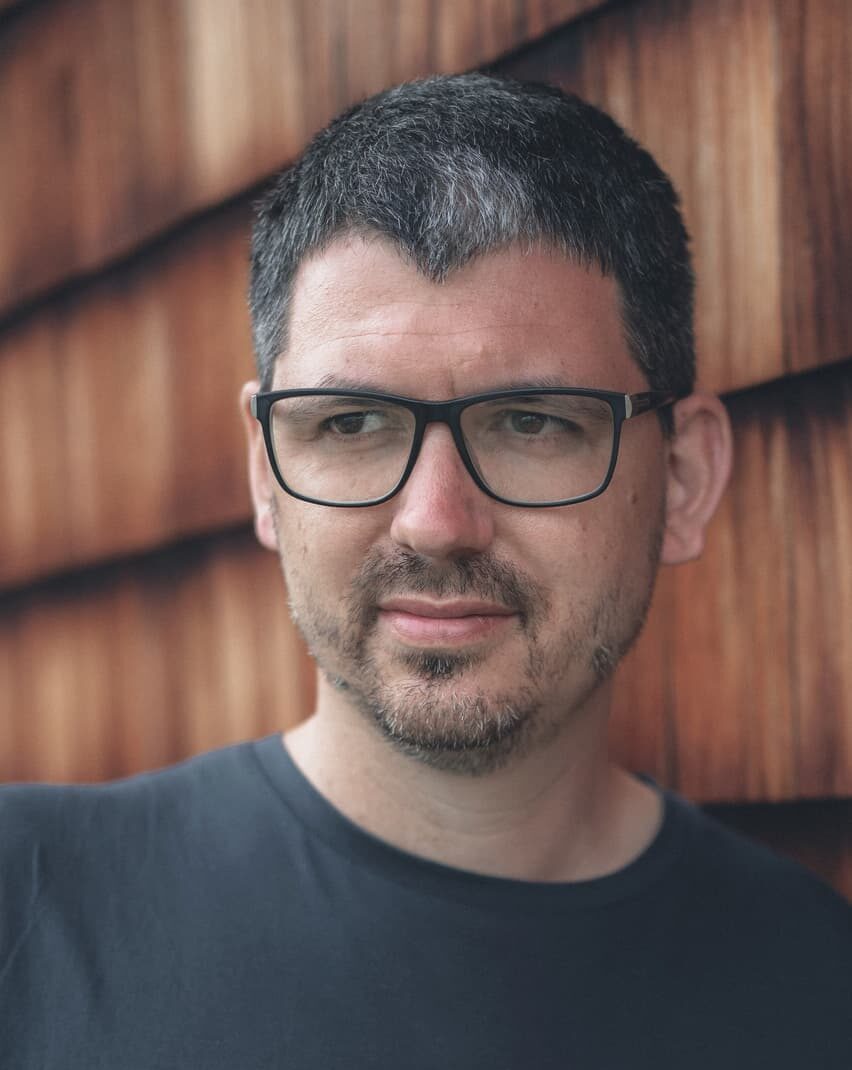
Ronald Söthje
Ronald is a video creator, trainer, and engineer based in Germany. He has supplied footage for Hollywood productions, TV Series, and Fortune 500 companies. Workflow design and camera operation are the technical part of his work, while the creative part consists of travel and trying to create the images, time-lapses, and videos he's visualizing.
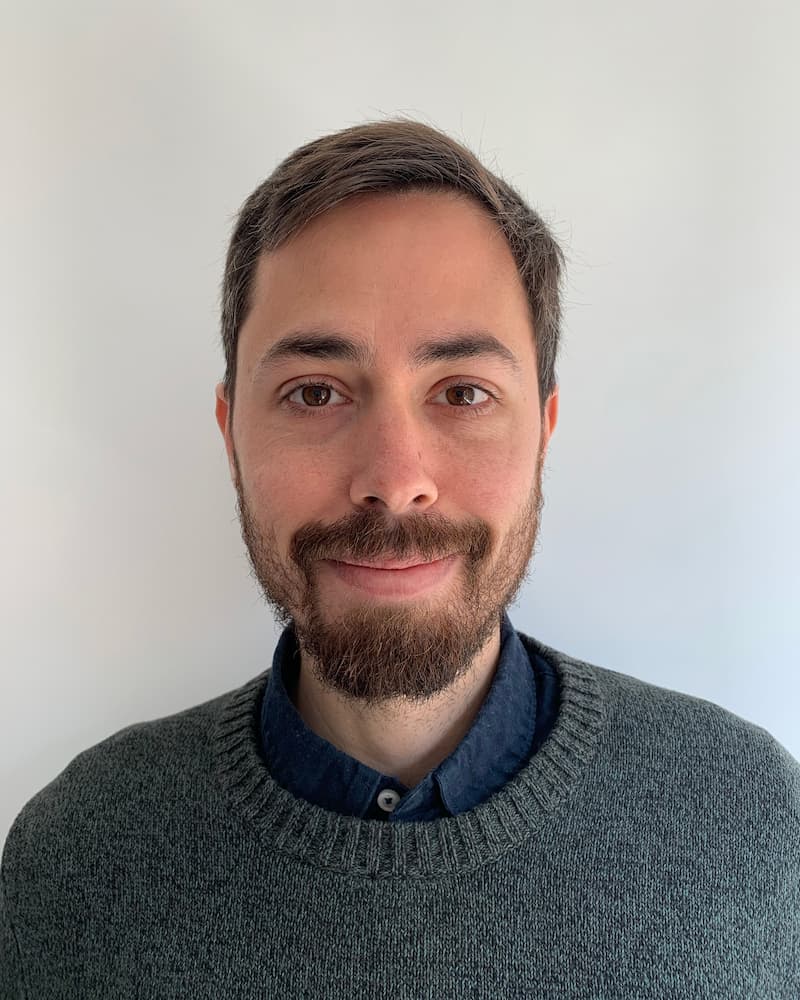
Alejandro Blanco
Alejandro has worked with +1,000 photographers over the last six years, learned from each of them their most valuable experiences, and helped them with branding and social media growth. The collection of advice, tips, and tricks to grow professionally as a landscape photographer that he has gathered is the foundation of Nomadict.
The workshop in detail
Capture the mesmerizing Northern Lights
Location
scouting and preparation
Master the art of the “chase” by learning to plan and execute professional shoots from start to finish. You will gain a strategist’s edge, learning how to interpret complex weather patterns and hunt the Aurora with precision. By the end of this workshop, you’ll have the confidence to know exactly how, where, and when to be on location to capture the perfect shot.
Shooting
on location photography and videography
Unlock the full potential of your equipment and elevate your content to a cinematic standard. You will learn to maximize your current gear to produce “Hollywood-quality” landscape and Aurora footage, ensuring every shot is portfolio-ready. Beyond the lens, you’ll master a professional drone workflow designed to deliver consistent, high-impact results for your brand or clients.
Video and photo editing
We will show you how to edit your aurora photos and videos using Lightroom and Davinci Resolve.
While doing so, we will address how to develop your photography style by sharing Ronald’s most valuable tips and tricks and the lessons he has learned shooting for TV shows and documentaries.
We will also teach you how to develop a powerful brand using photo editing and how to distinguish your photography from the rest with practical and customized examples.
Lastly, we will show you the techniques to make the most out of your drone videos and photos.
The business of photography
Learn how to turn your photography into a sustainable career. From landing your first paid assignment to securing your most meaningful brand partnership, we will show you practical ways to monetize your photography and videography, regardless of your current level.
We will explore the tools and strategies needed to position your personal brand, attract clients, and generate leads while creating content in the field. You’ll learn how to build a strong portfolio, approach the right brands with compelling ideas, and present your work with confidence.
Grow your social media and generate opportunities
We’ll guide you through creating Reels that captivate, choosing the right music, editing techniques, presets, video length, timing, and content style for maximum impact.
Learn how to maintain a consistent feed, strategically alternate posts, and keep your audience engaged. Discover how to use Instagram as a powerful marketing tool to attract clients and generate business opportunities.
Finally, we’ll show you how to catch the attention of key industry players and get your work consistently featured by top brands.
What you will get from this workshop
– A chance to experience and shoot Arctic landscapes and auroras
– First-hand knowledge from an experienced filmmaker and photographer, and the media strategist at Nomadict
– One-on-one feedback on your work and how you can reach your photography/videography goals
– A collection of astonishing photographs for your portfolio
– Guidance on finding your personal photography/videography style and storytelling
– Connections with a creative community of people who share the same passion as you
– A multi-lingual team (English, German and Spanish)
Accommodation
at Hattvika Lodge
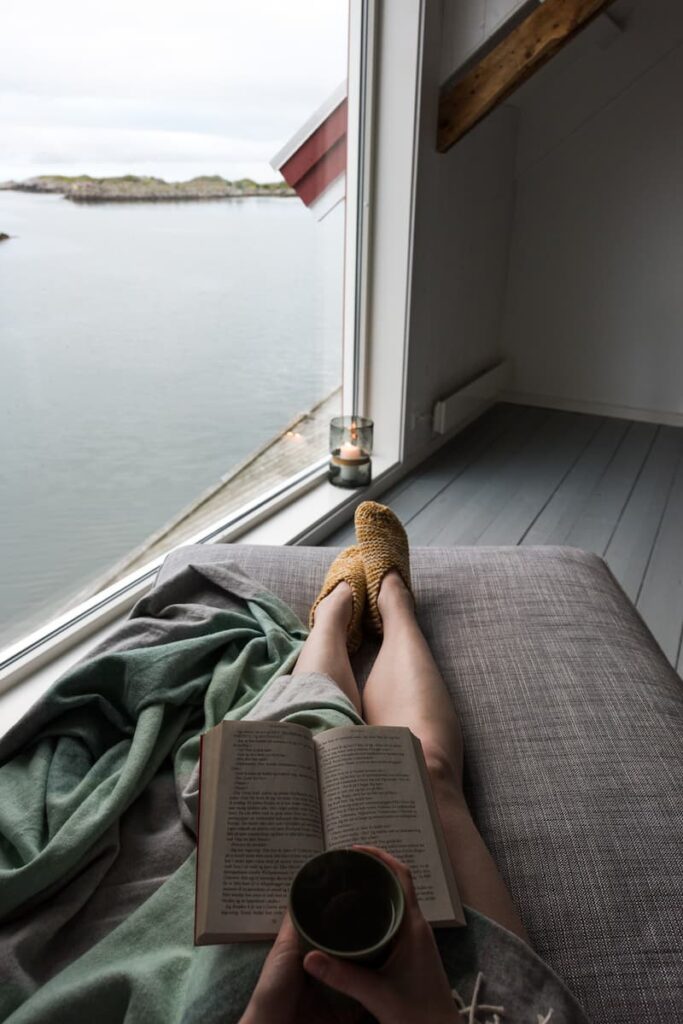
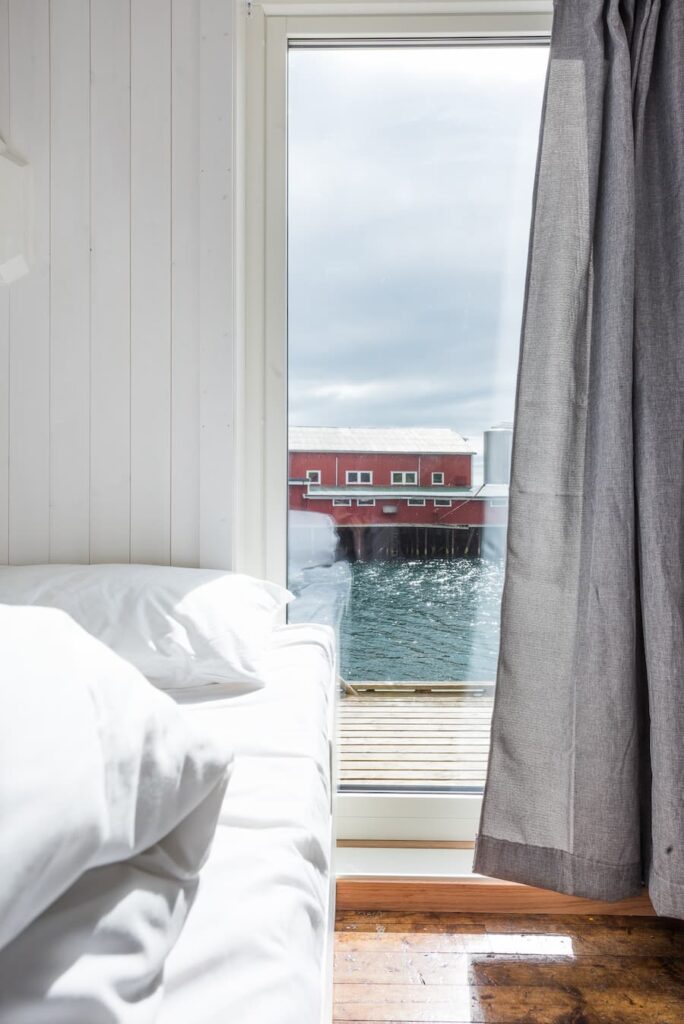
We will find shelter after our aurora hunting trips at Hattvika Lodge, one of the most inspiring cottages in the Lofoten Islands, Norway.
With its exceptional facilities, Hattvika Lodge will provide an ideal setting to unwind, expand our knowledge, establish connections, and indulge in leisure activities. In addition, the hotel’s location is ideal. We will quickly reach the best aurora spots on the islands!
Our stay at Hattvika Lodge will provide us with an authentic experience in the heart of the fishing community!
Our spaces
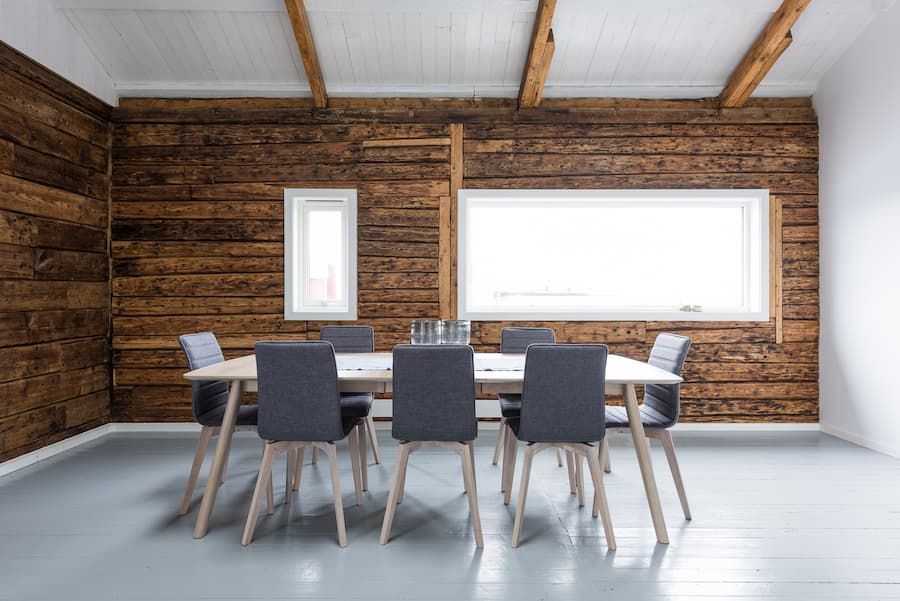
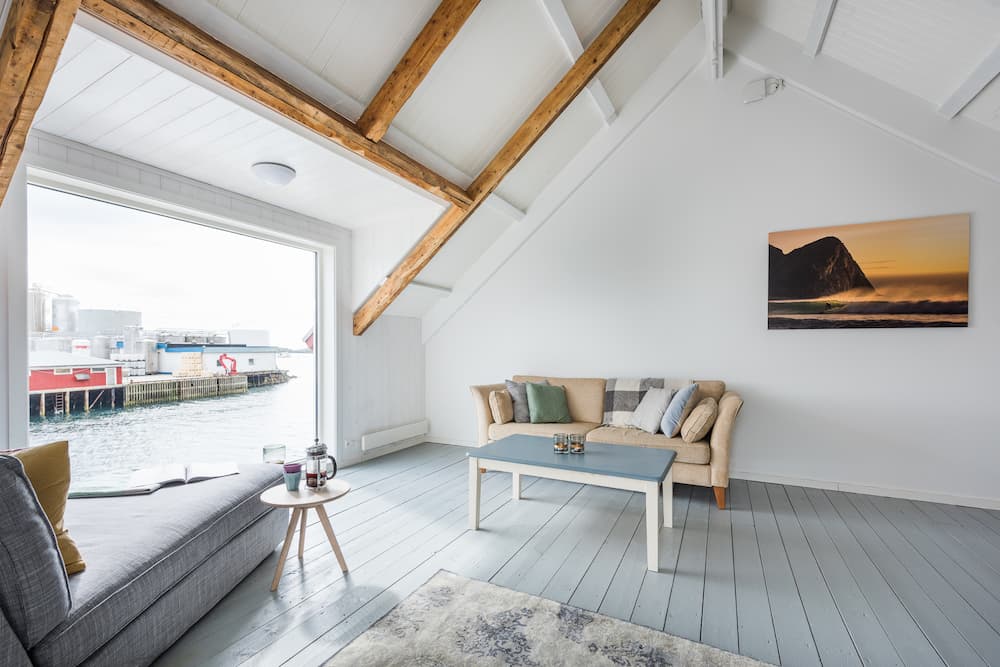
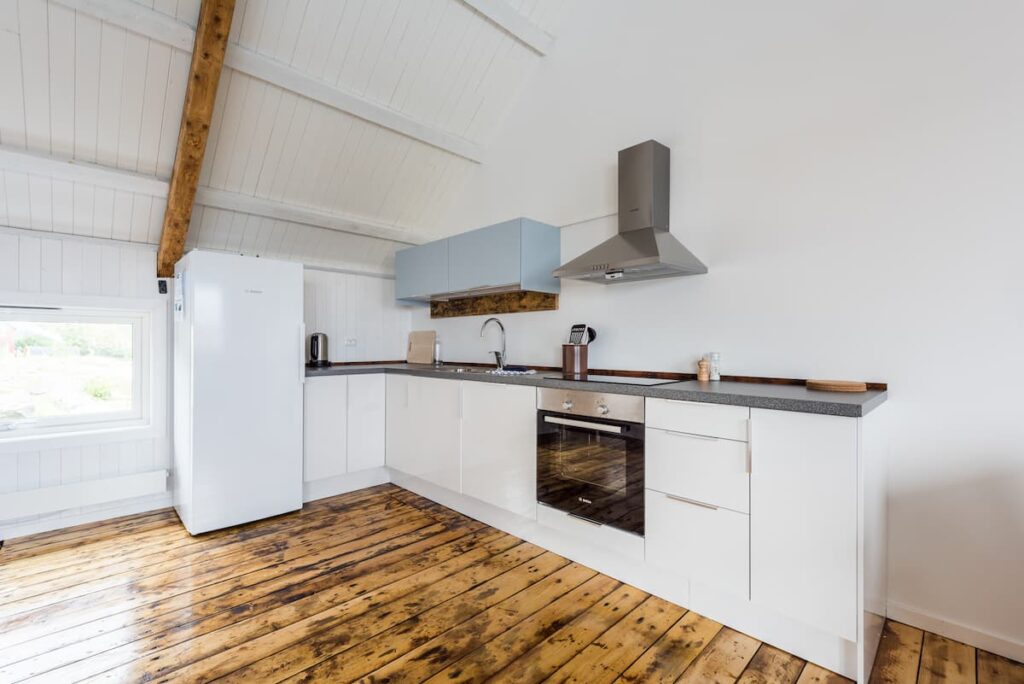
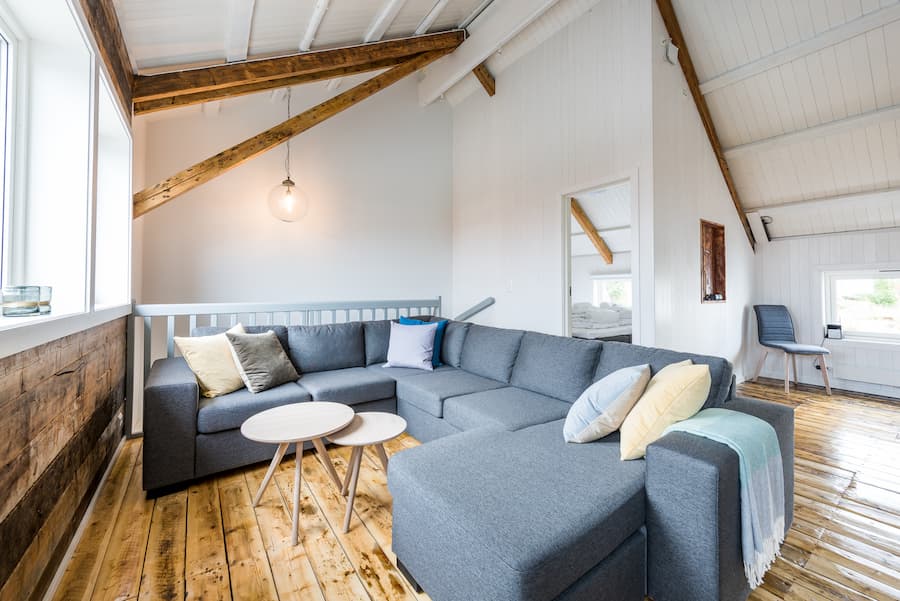
What is included?
Included
– Photography Workshop, individual coaching and photography feedback by an experienced professional photographer and the Director of Nomadict throughout the program
– Transfer from/to the Leknes airport in Lofoten.
– Seven nights in an accommodation in the Lofoten Islands, single room, shared living room, kitchen, and bathroom.
– Travel security certificate
Not Included
– Flights
– Pre- and post-travel arrangements
– Passport and Visa expenses
– Government arrival and departure taxes
– All meals
– Travel insurance (strongly recommended)
– Excess baggage charges and all items of a personal nature such as laundry, bar, beverage charges, and telecommunication charges
– Extra activities
– Anything not mentioned in “Services included in the Workshop”
Participant number
2 guides
Max. 10 participants
Tour dates
Feb 28th to March 7th, 2027
Photography level
Intermediate
Workshop
Cost of Workshop
€5.600, if booked 60 days before the workshop
Additional information
Terms and conditions
Please read the term and conditions for the workshop. Travel insurance, including trip and flight cancellation due to Covid-19 restrictions, is strongly recommended.
Physical condition
The participant must be in good health and be in good physical condition, as moderate walking and hiking will be involved throughout the workshop. Please inform us if you have any serious health conditions and make sure to take your medication with you on the expedition.
Location information
The weather in Norway is harsh and unpredictable. Therefore, it is crucial to bring warm and weatherproof clothing and gear.
You may use all images that you captured during the workshop for your portfolio. However, please note that we do not provide exclusive photo releases during the workshop.
Drones are permitted to be flown in certain areas. If you wish to fly a drone, please make sure that you are following all the regulations in Norway.
FAQ
During this tour, we will be sharing photography insights from over 10+ years experience in landscape and aurora photography. The tour is aimed at improving your photography skills, as well as meeting other passionate creatives and experiencing the beautiful nature that Lofoten has to offer. Therefore, you must have interest in photography – beginners, as well as intermediates are welcome!
This workshop is tailored toward both beginner and intermediate photographers. Ronald and Alejandro will be covering a wide range of topics that every participant can learn from. Moreover, our individual feedback on your photographs will help you to improve your skills, regardless of your level of experience.
The most important thing when traveling in the north is to be prepared. It can be rainy, it can be snowy and of course, it can be cold. Nature is challenging for the camera gear and in particular the cold and humidity. So the best is if you have weather-sealed gear.
On the other hand at minus temperatures, for example, rechargeable batteries do not last as long as when the sun is shining, so you should have enough spares with you so that you still have enough reserves at the end of the day when chasing the northern lights.
It is also important that you can pack your equipment in a good backpack in case of sudden weather changes. A waterproof backpack should be with you, possibly also another protective cover for it.
We don’t carry your stuff – you’re responsible for yourself.
Technical equipment:
(1) The most important thing is to have a fast wide-angle lens with you for the northern lights (min. 24mm better 20mm aperture 2.8 or faster – e.g. 24mm 1.4, 20mm 1.8, etc.)
(2) Camera (any DSLR / DSLM possible, full format is ideal)
(3) For all other subjects, a fixed focal length of around 35 to 50 mm or a 24-70 mm and a telephoto lens of 70-200 or 100-400 mm are also recommended.
(4) Filters can be packed as needed, but are not required – maybe we have some subjects available for on-site testing (not guaranteed)
(5) A decent tripod is required for recordings, especially at night
(6) Batteries and a fast charger
(7) A power bank if needed
(8) Headlamp with red light function (important so as not to disturb yourself and the other workshop participants)
(9) Drone if you like, you are responsible for all legal aspects of flying a drone within the EU (insurance, certification, and registration) – we will check that on-site.
(10) Laptop or tablet (iPad) and charger
(11) Card reader or cable
(12) Preinstalled Davinci Resolve (Free Version)
(13) Other cables you may need
The weather is not only challenging your camera gear, but you have to stay warm, especially at night when we are hunting the aurora. The temperatures could go down at night. You are responsible for your safety and comfort!
The clothing you should bring with you (minimum):
(1) Rain Jacket
(2) Insulation Jacket for cold temperatures
(3) If possible, an insulated Parka for standing on long and cold nights
(4) Footwear suitable for winter and low temperatures, waterproof
(5) Warm socks
(6) Gloves
(7) Baselayers
(8) Midlayer
(9) Hiking pants
(10) Rain pants
(11) Insulation Winter pants
(12) Beanie, if needed
Early February is a great time to witness the Northern Lights in the Lofoten Islands, as it is the middle of the Northern Lights season. However, it is important to note that the Northern Lights are a natural phenomenon, and their appearance is dependent on several factors, including solar activity, cloud cover, and overall weather conditions. While there is no guarantee that you will see the Northern Lights during your one-week photo workshop, the chances are high, especially if you are willing to be flexible with your schedule and are willing to go out at night to search for them. Additionally, your workshop leader will have experience and knowledge of the best locations and times to see the Northern Lights, which can increase your chances of witnessing this incredible natural spectacle.
We are currently at the beginning of a new solar cycle. Solar cycles, also known as sunspot cycles, are periods of approximately 11 years during which the sun’s magnetic field reverses and the number of sunspots and solar flares increases and decreases. The previous solar cycle, known as Solar Cycle 24, began in 2008 and ended in 2019. Solar Cycle 25 officially began in December 2019, and it is expected to reach its peak in 2025. The activity of the sun during this solar cycle will have an impact on space weather, including the occurrence of solar flares and the aurora borealis.
The visibility of the aurora borealis is not affected by the moon. In fact, a bright moon can actually enhance the options for the Northern Lights photos by illuminating the surrounding landscape and creating a beautiful contrast between the bright moonlight and the colorful aurora – so perfect for photos. However, if the moon is too bright, it can wash out the fainter auroral displays, making them more difficult to see. More important is to choose a location with minimal light pollution for the best experience.
The likelihood of having snow on the Lofoten Islands from January 31st to February 16th can vary based on the prevailing weather patterns in a given year. However, it’s important to note that the Lofoten Islands, located in Norway’s Arctic Circle, tend to experience cold temperatures and snowfall during the winter months.
In early February, you can expect winter conditions to still be present, and there is a reasonable chance of encountering snow on the islands. The amount of snowfall can fluctuate from year to year, so it is recommended to check the weather forecast before your trip and to pack warm clothing and waterproof gear to be prepared for any weather conditions.
We will be doing some moderate hiking and walking throughout the workshop. Therefore, a good level of health is advised. Please inform us ahead of time of any medical conditions and bring your medication to the trip.
Yes! If you would like to spend a few extra days exploring Norway and applying your new found photography knowledge, you can stay after the workshop. But you will have to organize that by yourself.
Participants must be 18 years of age at the beginning of the tour.
You can confirm your spot with a deposit of 25% of the total price – non-refundable.
The deposit payment can be made by wire transfer or credit card.
The final balance of 60% is due 30 days before the workshop.
If the participant books less than 30 days before departure: a single payment is required and the Workshop price is non-refundable.