Photo tour in Azores, Portugal
Join us in the Azores for a unique photo tour, where you’ll elevate your creative skills with expert guidance from Ronald Soethje, Bruno Ázera, and Nomadict.
My passion for photography was born when my parents bought a DSLR camera; I was the one taking shots of the hikes we did together. In the beginning I didn’t know a lot about the details of a camera, though from time to time I learnt more about the basic things in photography like shutter speed, ISO and aperture. Then I started shooting in manual mode, after which my photos were getting better and better. Along the process of getting better, my passion for photography became stronger as well.
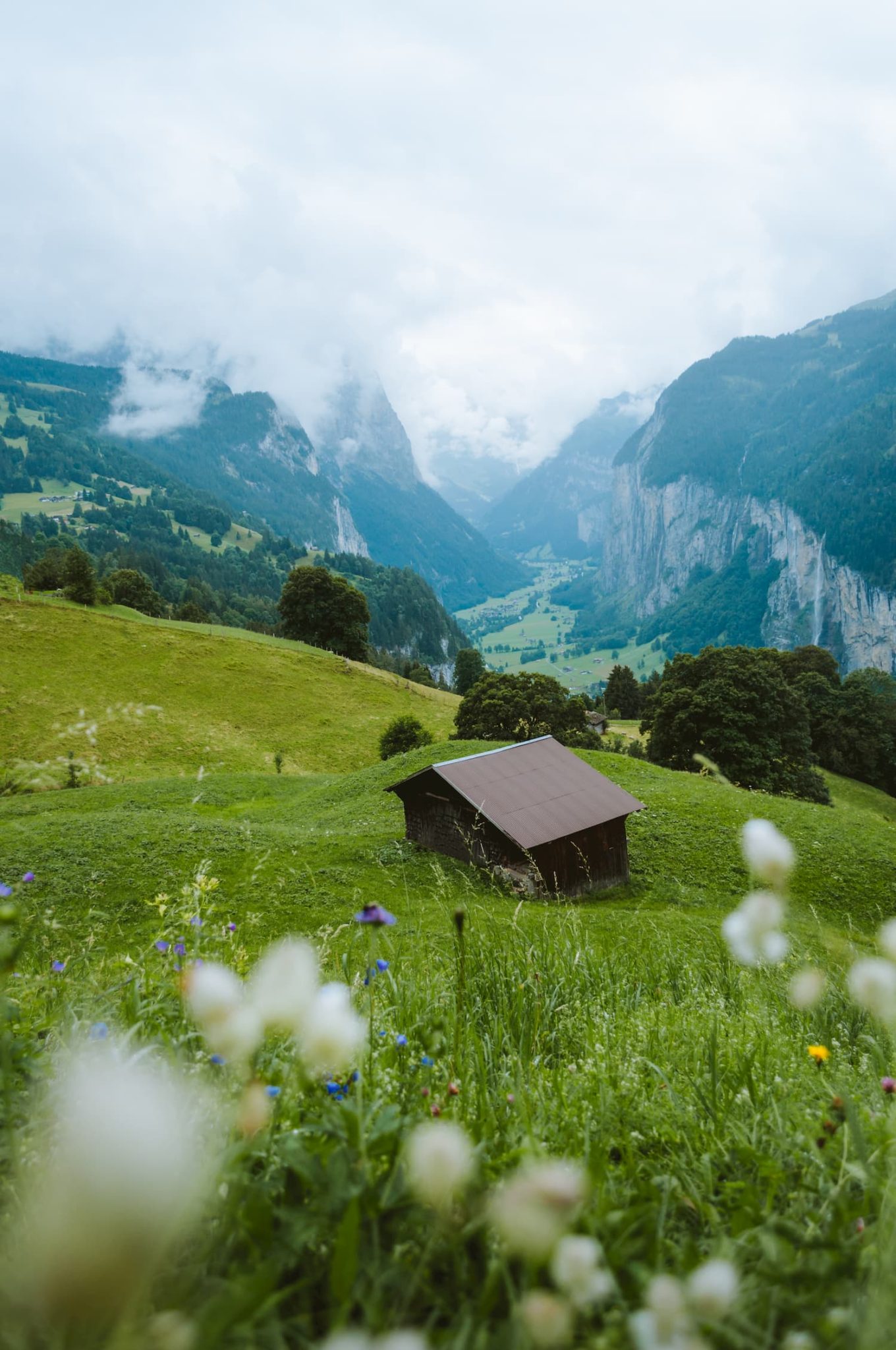
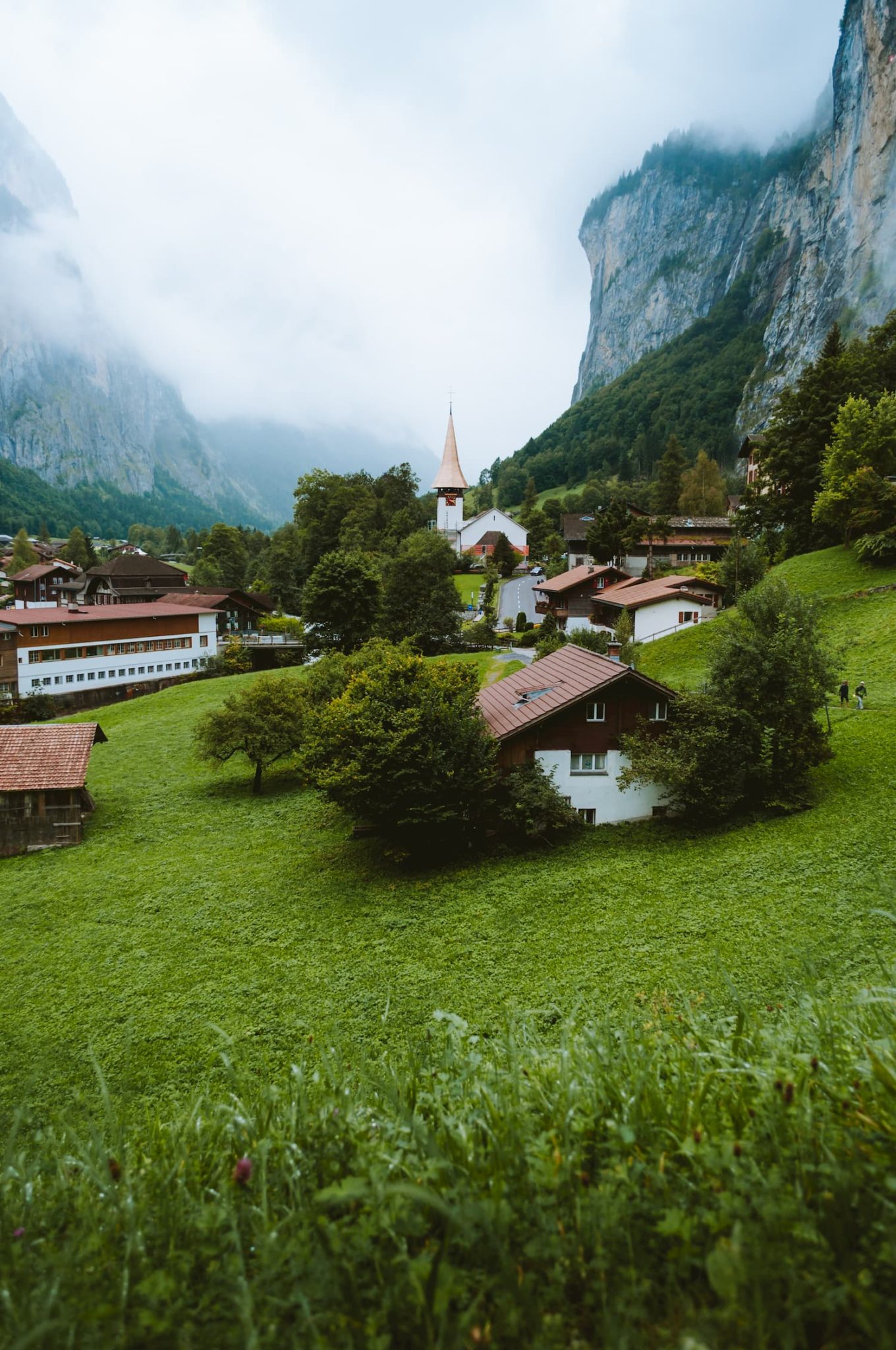
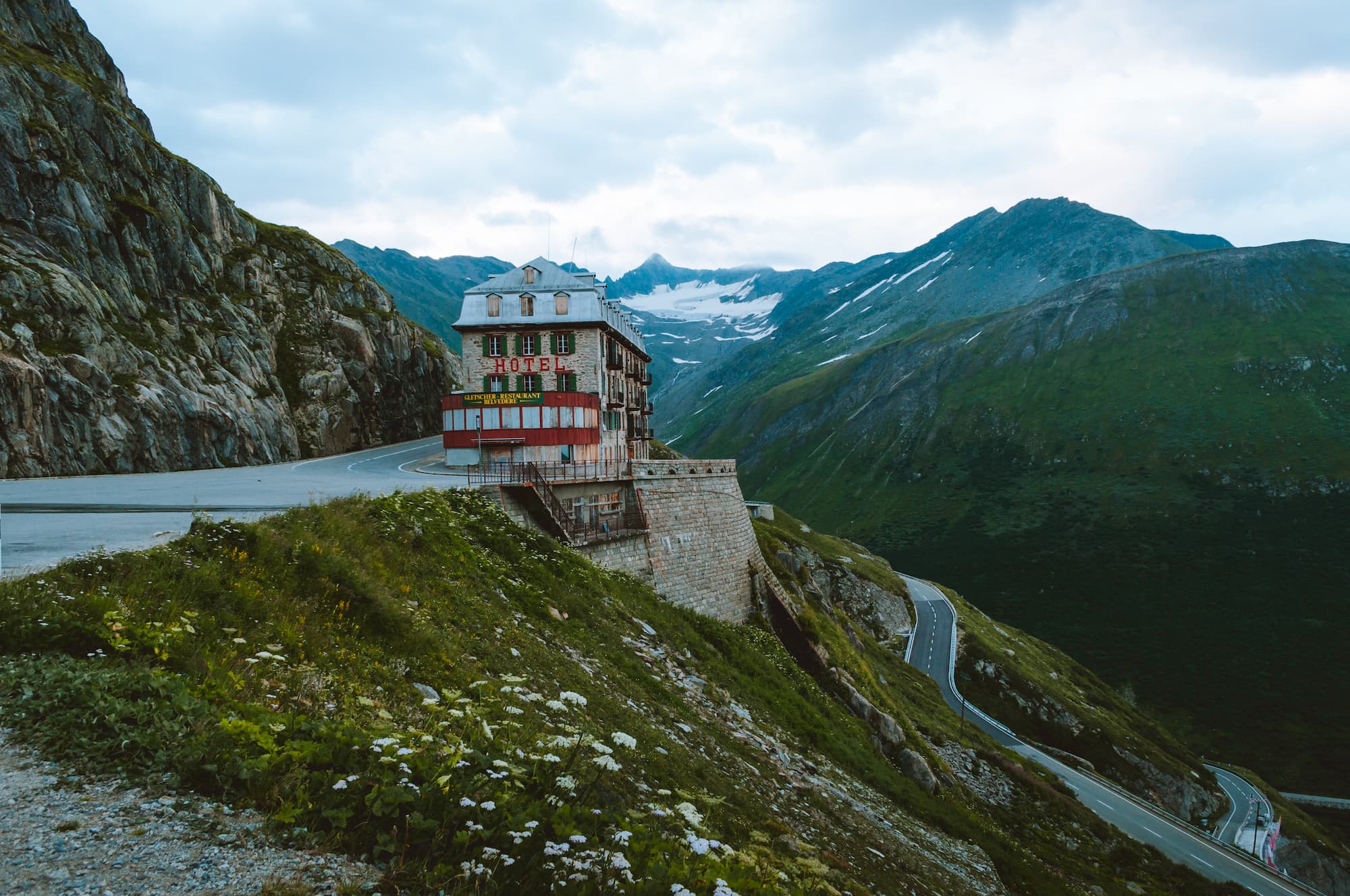
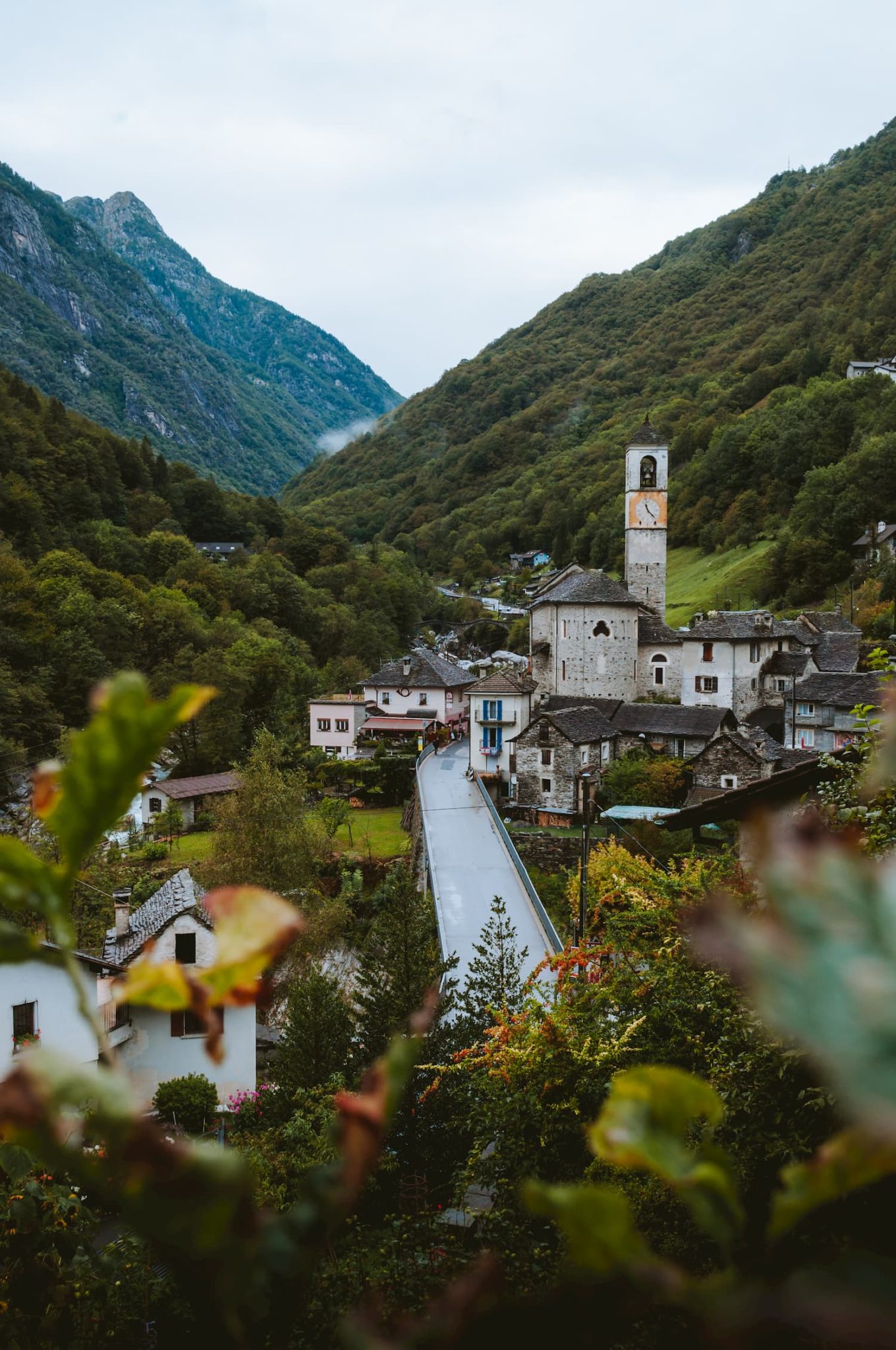
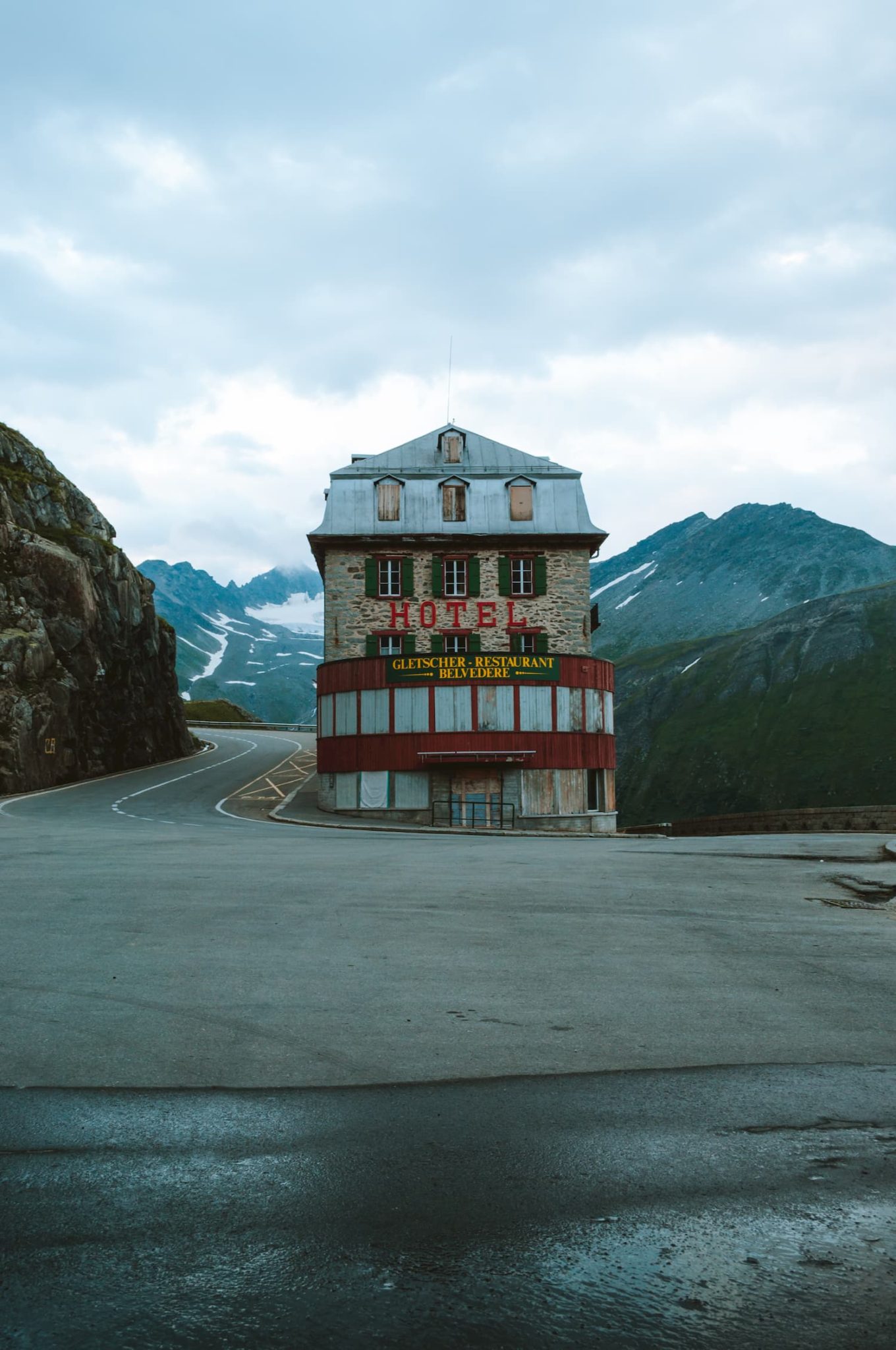
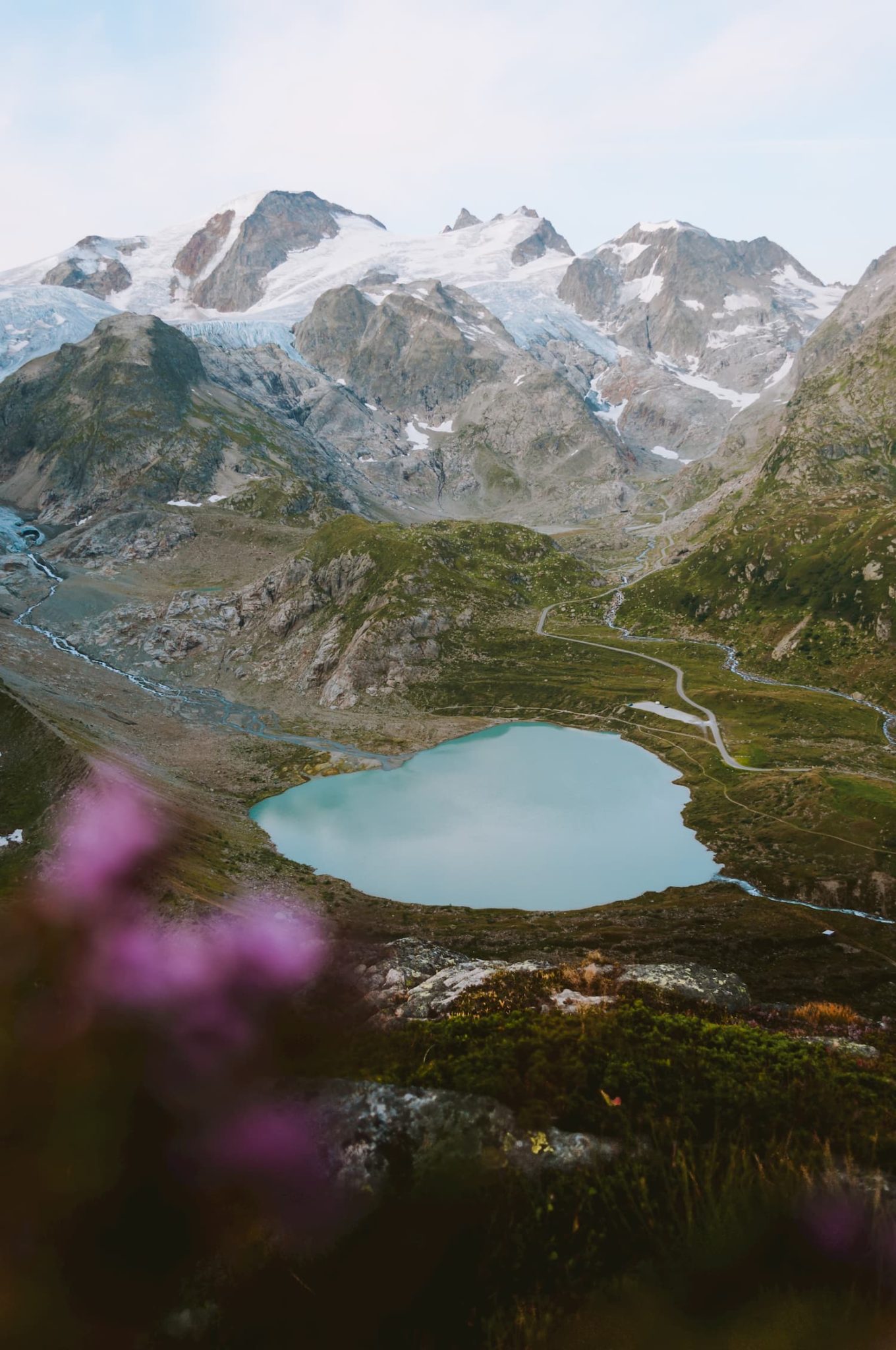
Photography has become a big part of my life; during the weekend I spent most of my time taking pictures and editing them. That way I got to discover so many beautiful places in Switzerland with my camera, and every picture is connected to a unique story. My favourites spots in Switzerland are all located in the Bernese Alps.
In the beginning, shooting and editing photos of Switzerland was what had a huge impact on my photography. It took me many hours but because of this I improved my photography and editing skills. I learnt a lot about editing photos in Lightroom. However, there’s always room for improvement and I learn new things with every photo I take. As with anything, you can only improve your skills when you practice it regularly. That also applies to photography; bringing your photography to another level is only possible if you shoot regularly and reflect upon your photos with other people to get feedback on your work.
That is also why I love going on cool photographic weekends with friends; going into the mountains is so inspiring when you are together with people who have the same passion and adventurous mindset as you. I believe it’s the same as with sports: You can only reach very ambitious goals if you are surrounded by people who support and inspire you.
There is nothing better than watching the first sunlight of the day in the mountains, alone or with friends, and take some photos. Every time I come back from the mountains I feel relaxed. However, the emotions I experience while shooting depend on the location and the moment, so to capture and convey these I find it important to take care of composition and exposure already when pressing the shutter. That way the editing process is only to get the finishing touch.
I have still a lot to learn about photography, and I am discovering editing styles, landscapes, weather conditions, and how to edit accordingly while taking into account the feeling I had when shooting.
In the north you can find the Jura Mountains with a flat and rough landscape, in the region of Bern there’s the Emmental valley with an idyllic landscape and, a very important part of Switzerland, the Swiss Alps. This wonderful Swiss sceneries make that I don’t have to travel far away to discover impressive and unknown places. If you scroll through Instagram, then you can see so many wonderful and popular places like the Dolomites, Iceland, the Faroe Islands, Norway etc. It may give you the feeling that, as a photographer, you must be at famous places to shoot amazing landscape pictures. In my opinion that is not true, I think it doesn’t matter where you shoot your photos. The most important thing is what you are doing with the conditions and the landscape around you, walking through nature being conscious about the details and watching the scenes with a photographic eye.
To learn that myself, a Swiss landscape photographer Nils Oberson (@noberson) has inspired me so much. When I found his account I was surprised; many of his photos are shot in the area where I am living. When I looked at his pictures, I recognized so many beautiful places where I had been several times, but I had never looked at these places with a photographic eye because I have been seeing these places very frequently. Through Nils’ pictures, I put many ‘everyday’ landscapes in Switzerland into another perspective and because of that my view of the nature and photography changed completely.
I started to live and look around more consciously, not only related to photography but also in general: If you appreciate your daily surrounding, you can be happy with small things. I appreciate more the self-evident parts of my life, such as being healthy and having a wonderful family and friends who support me in every situation in life. This lesson resulted in one of my life motto: “Do not regret what you do not have, appreciate what you have and make the best out of it.”
Would you like content like this sent to your inbox?

Join us in the Azores for a unique photo tour, where you’ll elevate your creative skills with expert guidance from Ronald Soethje, Bruno Ázera, and Nomadict.

In this article, Forest shares how years of chasing scale, silence, and raw landscapes shaped his approach to photography, from the deserts of Kazakhstan to the volcanic ridges of Iceland. He talks about how he uses light, texture, and vast negative space to create images that feel both intimate and overwhelming.

Simon shares the journey behind his photography, from early inspirations to field techniques, editing, and the story of the winning shot that shaped his path.

In this article, Miro shares how his love for cinematic music evolved into a deep passion for photography and how he uses light, color, and atmosphere to turn the streets of Prague into living film scenes.

In this article, Stefanie reveals how her background in physics sparked her passion for astrophotography and how she blends science with creativity to capture the beauty of the night sky. Readers will discover her approach to color, contrast, and editing, as well as her aurora photography workflow.

Spanish photographer Yhabril captures the profound connection between humans and the mountains that shaped him. Growing up in the Pyrenees, his work bridges outdoor sports, landscapes, and celestial scenes — often blending athletes, moonlight, and wilderness into striking visual stories.