Photo tour in Azores, Portugal
Join us in the Azores for a unique photo tour, where you’ll elevate your creative skills with expert guidance from Ronald Soethje, Bruno Ázera, and Nomadict.
A lifelong curiosity about the world and a desire to connect with it on a deeper level guided my passion for photography. Growing up, I was always drawn to nature and the stories hidden in different places and cultures. As I began to travel more, I realized that photography allowed me to capture not just beautiful landscapes, but also the emotion and atmosphere of a moment. Over time, it became more than just a hobby—it turned into a way for me to express myself, tell stories, and hopefully inspire others to see the world with a sense of wonder and appreciation.
All the while shooting outdoors throughout the past years, I have learned valuable lessons that have shaped me both personally and professionally:
1) The journey matters as much as the destination – Reaching Tumpak Sewu requires trekking through slippery paths and dense forest, but the view of the waterfall from below is breathtaking. It taught me to embrace every step of the process, not just the final shot.
2) Adaptability makes you a better storyteller – At Kawah Ijen, I faced unpredictable weather and dense sulfur clouds. Conditions were harsh, but working through those challenges helped me learn how to adapt quickly, stay calm, and still capture meaningful images.
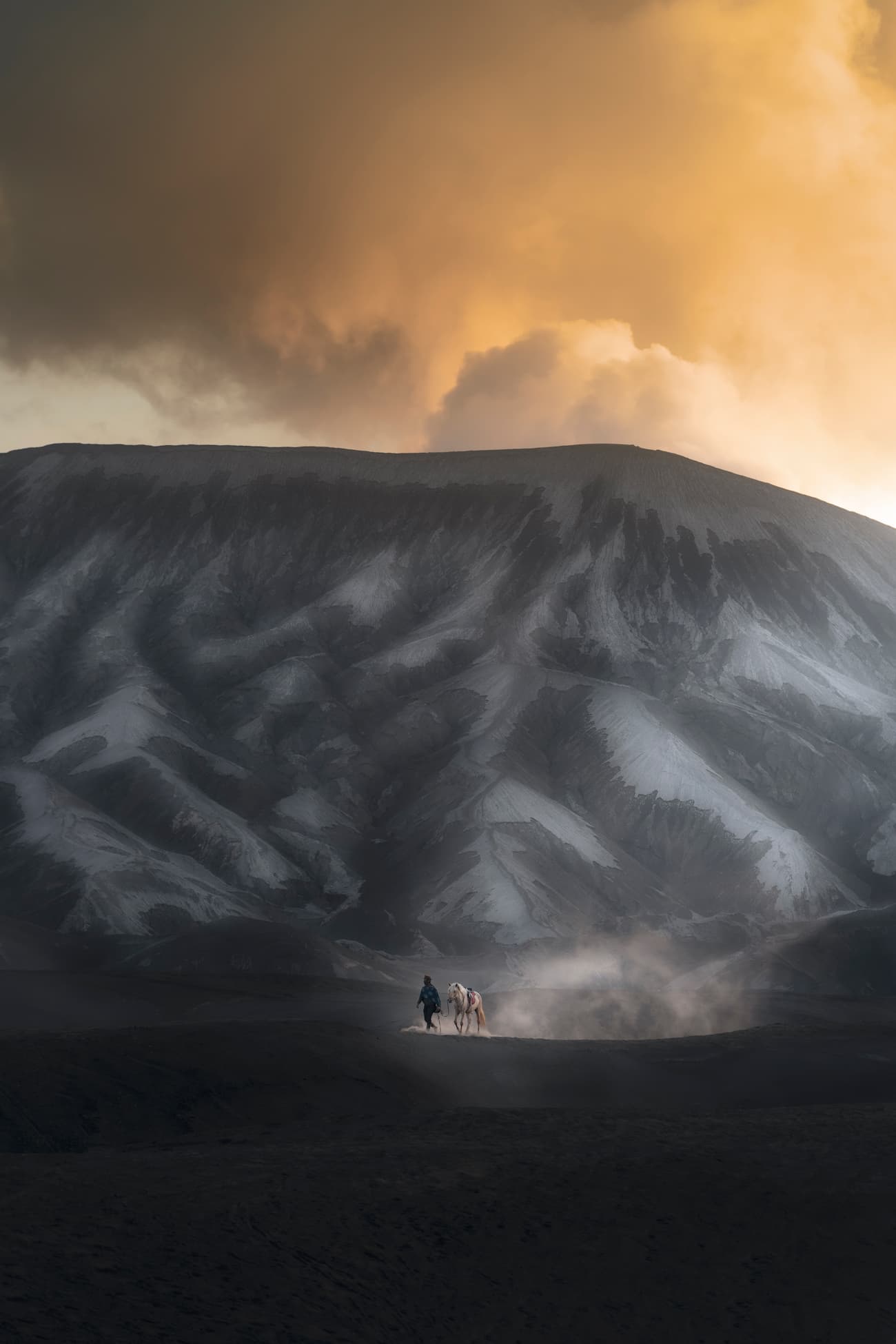
3) Patience leads to the most powerful moments – At Mount Bromo, I remember standing in the cold for hours waiting for the perfect sunrise. When the golden light finally revealed the mist-covered caldera, it reminded me that nature works on its own time, and patience always pays off.
4) Respect for nature is non-negotiable – Visiting these natural wonders reminded me of how fragile they are. As a photographer, I’ve learned that we don’t just take pictures—we also carry the responsibility to protect and preserve the places that inspire us.
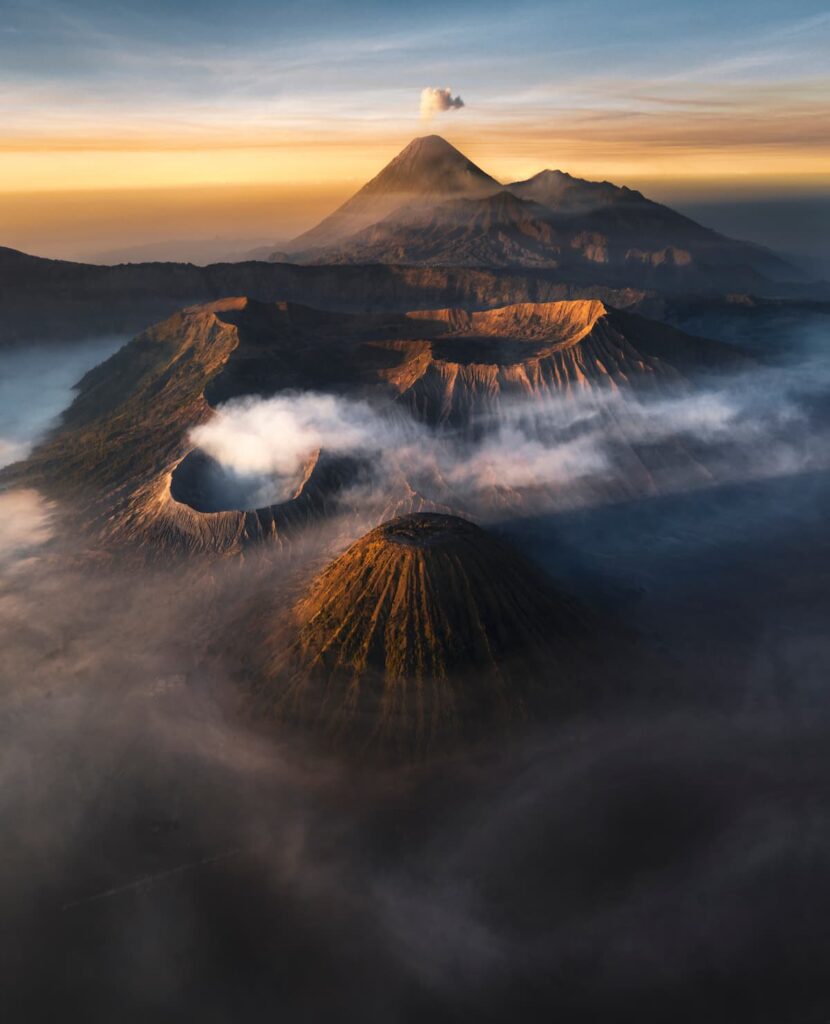
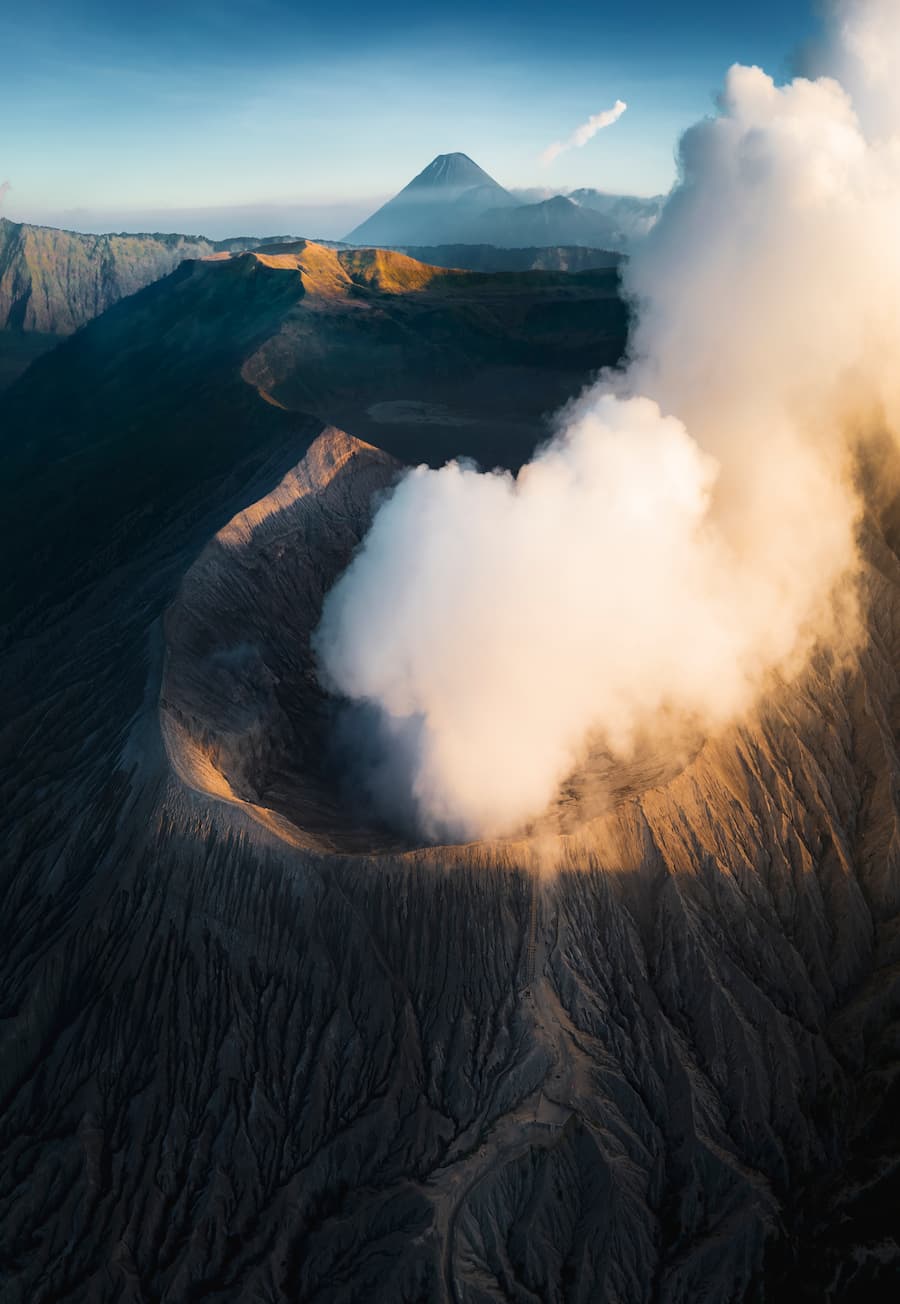
The shot that won the best of the week 11, 2025, is one of the pictures I captured at Mount Bromo. The amount of planning and patience that went into this shot makes it a very meaningful image for me. I had visited Bromo multiple times before, but conditions never quite aligned. That day, everything came together—light, atmosphere, and perspective—and I knew I had captured something special. It wasn’t just a photo of a volcano; it was a moment of harmony between earth and sky. I think that’s why viewers connect with the image.
For the composition, I chose a top-down aerial perspective to emphasize the sheer scale of the crater and the rising smoke. The symmetry and textures of the crater walls create a strong visual impact, while the background presence of Mount Semeru adds depth and a sense of layered geography. Ultimately, I wanted my images to tell a different part of Bromo’s story: its vastness, its stillness, its volatility, and its ability to offer humans moments of introspection and silence. I wanted the viewer to feel like they were not just seeing a place, but experiencing it.
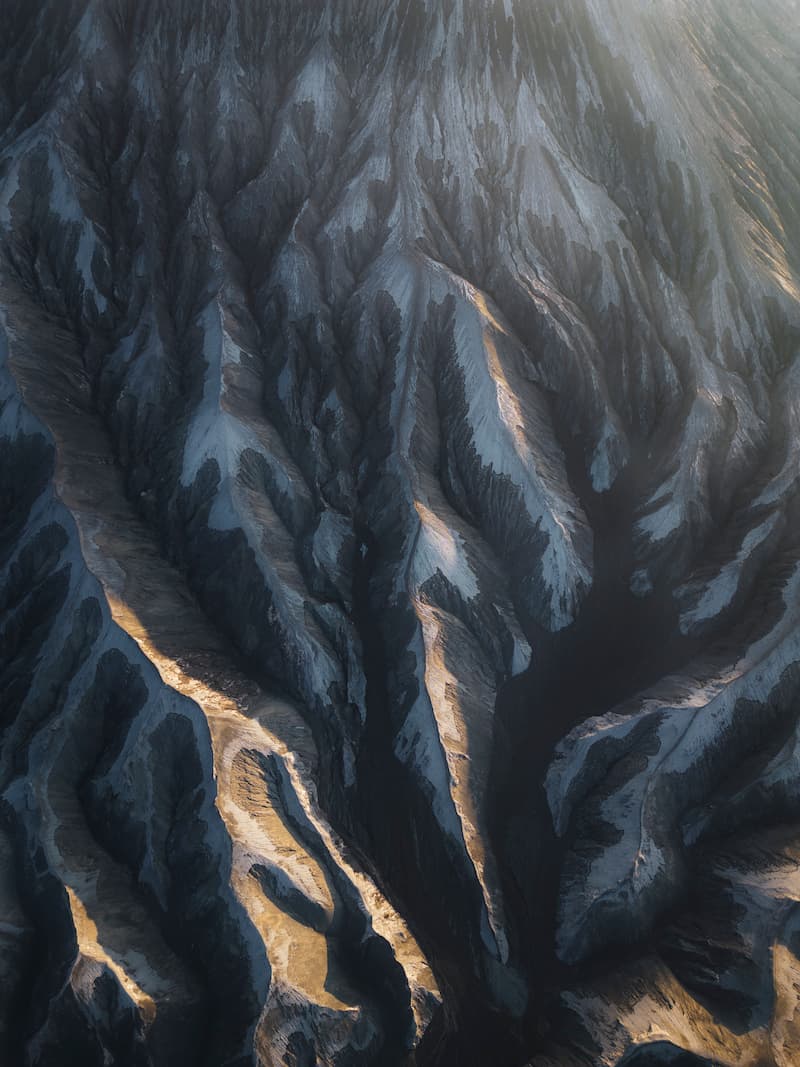
I focused on contrast and texture during the editing process – I boosted the clarity to emphasize the rugged patterns of the crater walls, and slightly deepened the shadows to add dimension. The smoke plume was enhanced with subtle highlights to make it feel more alive and dynamic without looking artificial.

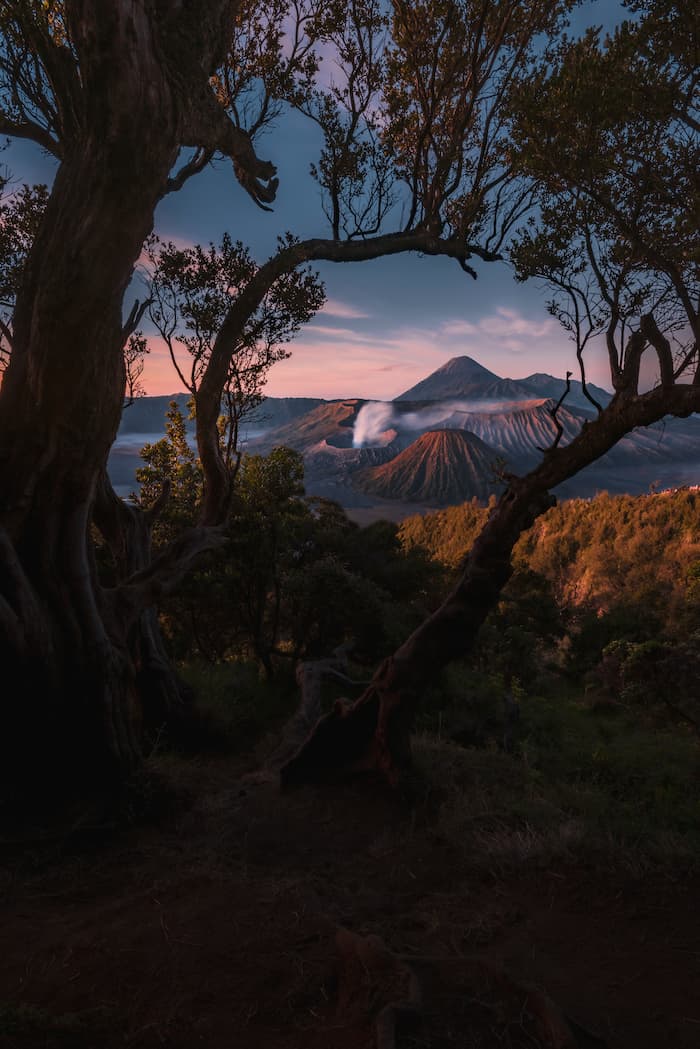
The most vital steps of my editing process for this photo centered on capturing the depth, mood, and golden light that made the moment so magical. First, I focused on balancing the exposure, especially between the bright sky and the darker foreground. Since it was taken during golden hour, I carefully retained the warm glow in the sky without blowing out the highlights, while lifting the shadows over the volcanic ridges just enough to reveal their textures.
Next, I worked on enhancing the depth through contrast and tonal separation. I used selective adjustments to emphasize the different layers of the landscape—Batok in the foreground, Bromo in the middle, and Semeru in the distance—so that the viewer’s eye naturally travels through the composition.
Color grading played a key role in the image. I applied warm tones to highlight the sunrise and cooler tones in the shadows to create a cinematic temperature contrast. This helped bring the image to life and emphasize the mystical quality of the morning mist.
I also added a touch of clarity and texture to the ridgelines, especially around the crater edges, while keeping the fog soft and dreamy. That balance between sharp and smooth elements was essential to maintaining a sense of realism and atmosphere.
Creating this visual storytelling series of Mount Bromo has been one of my most important personal projects. It was something I initiated purely out of passion for nature and aerial photography. I wanted to document the raw beauty of volcanic landscapes in Java, especially how light, mist, and scale interact during the early hours of the day. Besides patience, this project taught me how powerful visual storytelling can be when it is emotionally grounded and technically strong.
The result contributed significantly to my career—it helped establish my presence in the landscape photography scene, opened up collaborations with travel and outdoor brands, and boosted the credibility of my work in both local and international platforms. But more than that, it reminded me why I started photography in the first place: to chase light, tell stories, and connect people with places they may never see in person.
Ten years from now, I see myself leading a well-established photography travel company—organizing immersive photography trips across Indonesia and beyond, where I not only guide people to beautiful locations but also help them grow creatively behind the lens. I want to build a community where photography, adventure, and appreciation for nature come together.
To get there, my strategy includes several key steps. First, I’ll continue developing my portfolio and presence—both online and through real-world exhibitions—to build trust and visibility. Secondly, I’ll focus on refining the trip experiences I offer: Combining unique destinations, storytelling-based mentoring, and strong visual branding that sets my trips apart. Thirdly, I’ll collaborate with other creators, local guides, and tourism boards to expand reach and ensure authenticity in every journey. Finally, and just as important, I’ll keep investing in my growth—both technically and creatively—so I can always bring something fresh and inspiring to those who travel and learn with me.
This isn’t just about running photo trips—it’s about building a legacy of sharing natural beauty, exploration, and storytelling with others.

Join us in the Azores for a unique photo tour, where you’ll elevate your creative skills with expert guidance from Ronald Soethje, Bruno Ázera, and Nomadict.

In this article, Forest shares how years of chasing scale, silence, and raw landscapes shaped his approach to photography, from the deserts of Kazakhstan to the volcanic ridges of Iceland. He talks about how he uses light, texture, and vast negative space to create images that feel both intimate and overwhelming.

Simon shares the journey behind his photography, from early inspirations to field techniques, editing, and the story of the winning shot that shaped his path.

In this article, Miro shares how his love for cinematic music evolved into a deep passion for photography and how he uses light, color, and atmosphere to turn the streets of Prague into living film scenes.

In this article, Stefanie reveals how her background in physics sparked her passion for astrophotography and how she blends science with creativity to capture the beauty of the night sky. Readers will discover her approach to color, contrast, and editing, as well as her aurora photography workflow.

Spanish photographer Yhabril captures the profound connection between humans and the mountains that shaped him. Growing up in the Pyrenees, his work bridges outdoor sports, landscapes, and celestial scenes — often blending athletes, moonlight, and wilderness into striking visual stories.

In this article, Ariane shares how photography helped her navigate personal challenges, connect authentically with people and animals, and develop a philosophy rooted in empathy and artistic freedom. Readers will also discover her ethical approach to wildlife photography and her trusted equipment for both camouflage techniques and cameras.

Discover how to photograph Dutch tulip fields in their most magical light. From choosing the right gear and lenses to mastering composition, color, and aerial perspectives, this guide shares creative techniques to capture the beauty of the Netherlands’ tulips. Learn how light, color grading, and proportion bring emotion into every frame.