Photo tour in Azores, Portugal
Join us in the Azores for a unique photo tour, where you’ll elevate your creative skills with expert guidance from Ronald Soethje, Bruno Ázera, and Nomadict.
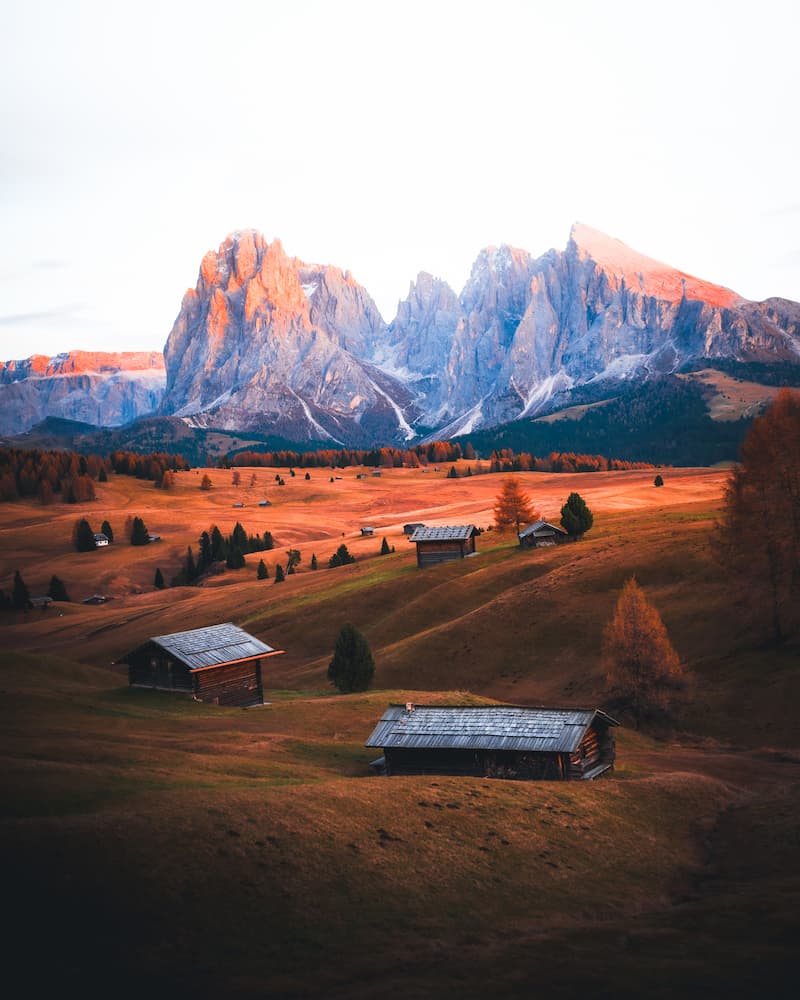
Eric is a passionate landscape photographer based in Germany whose love for travel and the outdoors blossomed during the pandemic. A trip to the Dolomites in 2022 turned his hobby into a deeper pursuit, leading him to capture breathtaking landscapes with both his camera and drone. Eric now combines his hobby with professional gigs.
It’s hard to pinpoint exactly when my passion for travel and photography first began. I’ve always been drawn to the outdoors, especially the mountains, but it wasn’t until the pandemic that things really clicked. I had bought an SLR camera just before, thinking it might be fun to experiment with. I ended up having more time on my hands than I ever expected, so I practiced shooting landscapes. That’s when I discovered how much I truly loved photography. After a trip to the Dolomites in 2022, I knew I could never travel without my camera and drone again. The landscapes were so breathtaking that I felt compelled to capture them constantly, and that’s when the hobby really became an integral part of my life.
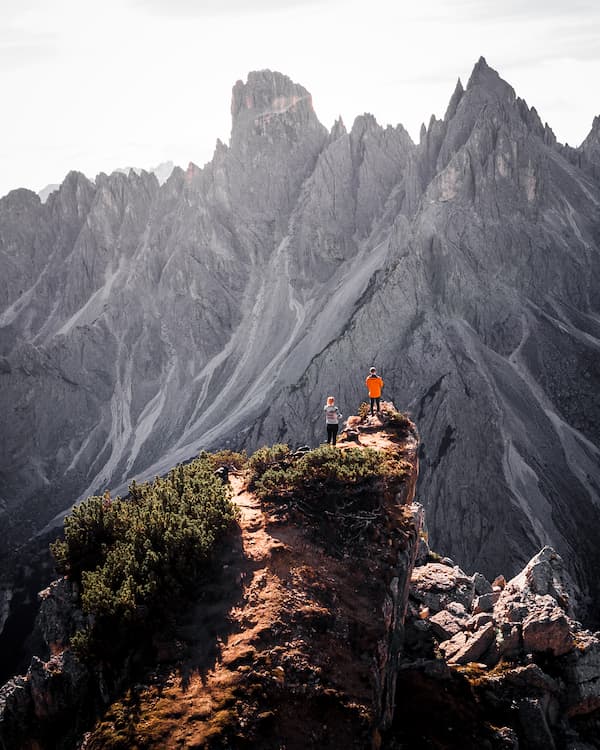
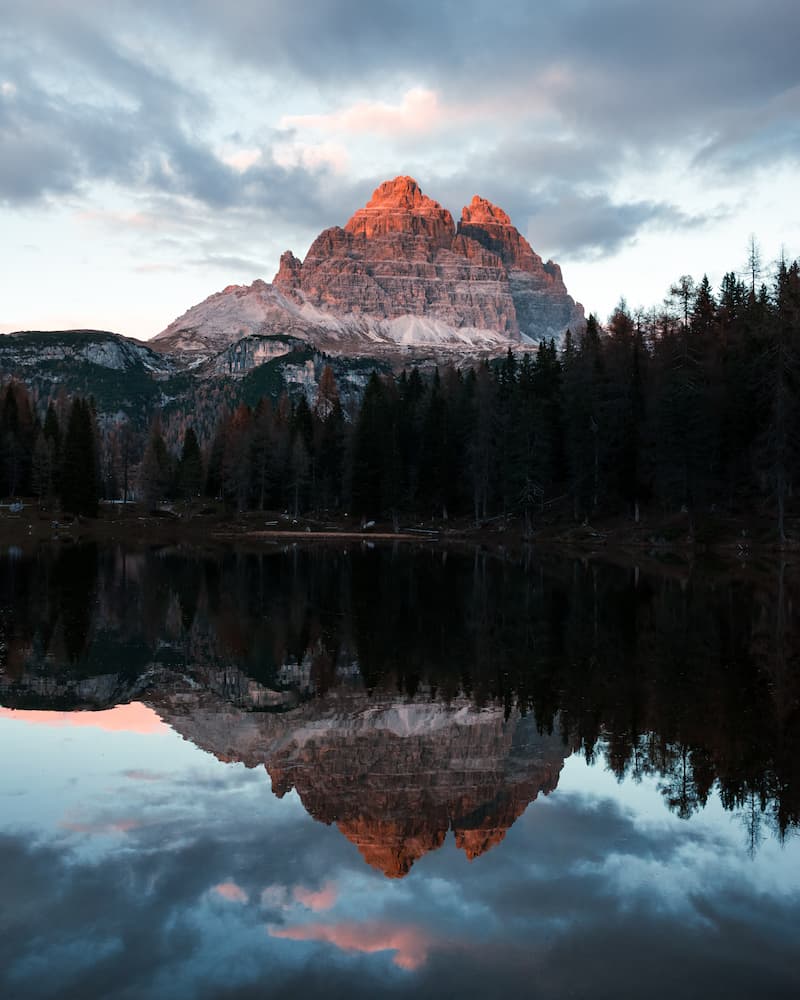
One photo that I took during the Dolomites trip still holds a special place in my heart. It was a tough time due to a challenging family situation, and we had to cancel our original vacation plans. Instead, we went to the mountains not far away, hoping for a positive change of scenery and being close to the family. That trip reminded me to appreciate the small things in life, even during difficult times. The view of the towering mountains from that famous spot captured a moment of happiness for me, and it’s a photo that symbolizes resilience and the beauty of nature. Even if it’s not the best photo I took due to the difficult lighting conditions it has a special place in my heart and you can also find it in my living room.
Purchasing a camera was such a simple decision, but it completely changed my life. What began as a personal passion turned into something much more when I started sharing my photos on Instagram and receiving positive feedback from friends and followers. That encouragement pushed me to keep going, and eventually, I started collaborating with brands, hotels, and tourism agencies. Photography has since become a side job, but I’m determined to keep the joy in it, just as it was in the beginning. I never want it to feel like work.
1) One of the most valuable lessons I’ve learned is to never force things—especially with hobbies. You have to enjoy the process and let it unfold naturally. That’s something I try to remind myself often.
2) Another thing that’s been important for me is pushing myself out of my comfort zone. It’s not always easy, but every time I do it, I feel like I’ve grown, both personally and professionally.
3) And, of course, I’ve realized you can never plan everything perfectly. Things change, so it’s best to be prepared for that and make the most out of the unexpected. This is something I’m still working on though.
4) Lastly, I’ve found that connecting with other photographers is incredibly helpful. Getting feedback from a community of creators gives me new perspectives on my work, and that has been key to my growth as a landscape photographer.
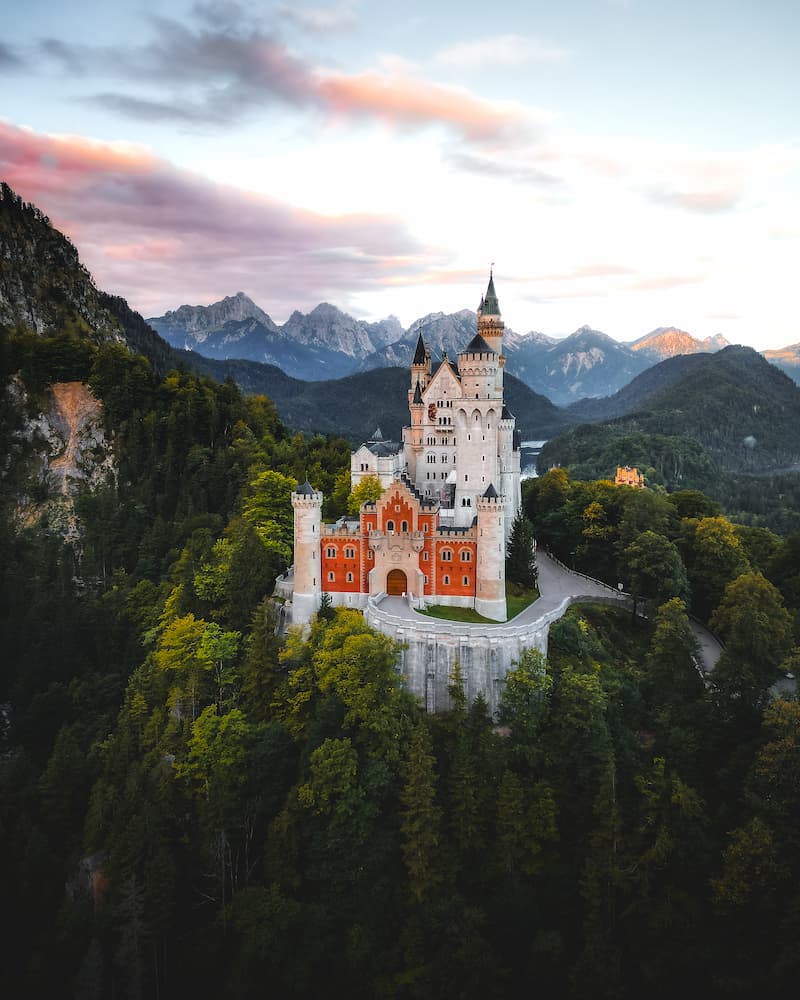
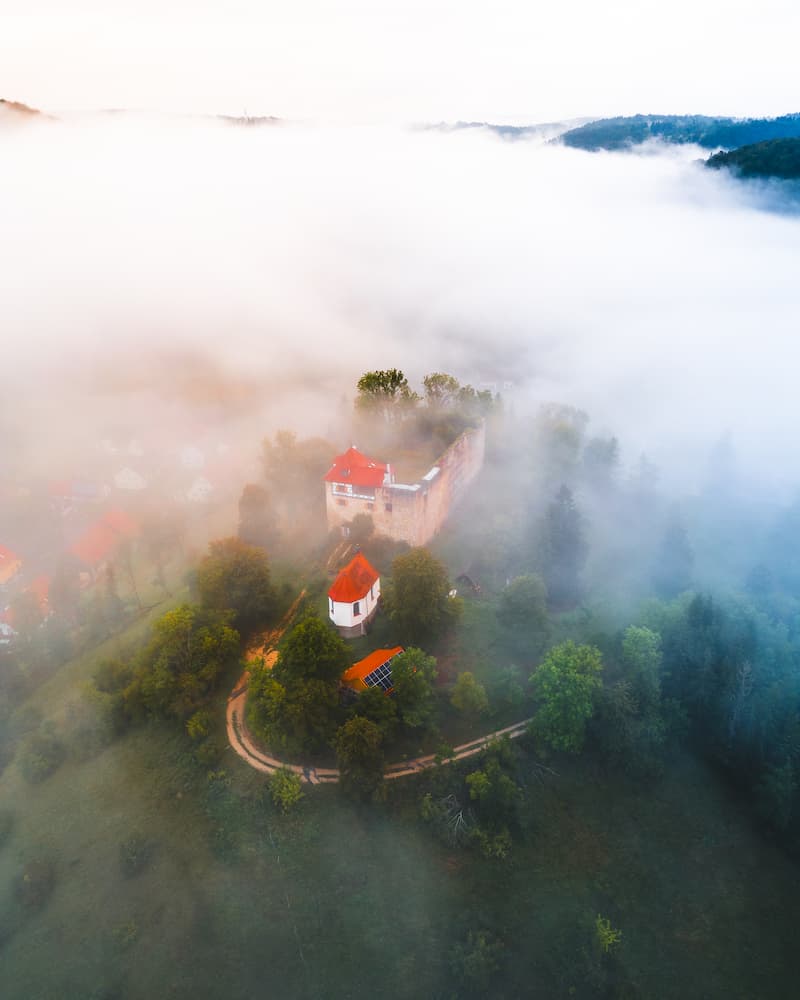
I pay a lot of attention to light, like any photographer. Light plays such a crucial role in photography. One image that stands out to me in terms of its lighting is a shot I took of a castle with the rising sun and fog around it
To capture it, I planned everything, using apps like Viewfindr and SunSurveyor to predict light and fog conditions. This planning allowed me to catch the soft, golden light on the left side of the frame while the fog added atmosphere around the castle. I’ve always found that the golden hour—the time just after sunrise or before sunset—is the best time to capture landscapes. Therefore, knowing the exact timing of the golden hour, as well as sunrise and sunset, is crucial for capturing special lighting conditions. Let me share three key reasons why I believe the golden hour is the best time to shoot:
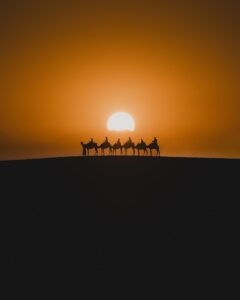
1) Soft and warm light: During the golden hour, which happens shortly after sunrise or before sunset, the sun is lower in the sky. This means its light passes through more of the Earth’s atmosphere, filtering out shorter wavelengths (like blue and violet) and leaving mainly longer wavelengths (such as red and orange). The result is soft, warm, and diffused light, enhancing the colors and textures in the landscape. This makes it an ideal time for backlit photography, where black silhouettes stand out beautifully against the warm orange glow, creating stunning contrast and atmosphere.
2) Rich colors: The golden hour light brings out rich tones in the landscape. Greens become deeper, and warm hues like reds and oranges are intensified, adding vibrancy and depth to your photos. This is especially true in autumn, just before sunset, when the orange tones of nature are at their peak, creating a rich, warm atmosphere.
3) Dramatic sky: The golden hour often coincides with dramatic sky conditions, with the warm tones of the rising or setting sun lighting up clouds and creating a striking backdrop. This effect, known as “golden clouds,” is most noticeable when the sun is low on the horizon. I love using this as a dramatic background for many of my shots.
When it comes to drone photography, preparation and practice are everything. Below are some tips for each category I consider key:
1) Master your drone
Familiarize yourself with the specifications and capabilities of your drone, including its camera settings, flight modes, and safety features. Practice flying in different conditions to build confidence and control. For example, I did several test flights in an environment without major obstacles before heading to more challenging locations. This allowed me to perfect smooth flying and, more importantly, steady camera operation to capture visually striking footage.
2) Optimize camera settings
Take full control of your drone’s camera by manually adjusting settings like shutter speed, aperture, and ISO. This allows you to control exposure and achieve your desired visual effects. Always shoot in RAW format and use the “D-Cinelike” color profile for more flexibility during post-processing, as it captures a wider range of colors and preserves details in both highlights and shadows, reducing overexposed or underexposed areas.
3) Plan your shots
Before flying, plan your shots by scouting the location, considering the time of day, and visualizing the composition. Apps like “Viewfindr” or “Dronecast” help you check weather conditions and plan your flights. And very important; always remember to check before flying if you are allowed to. Respect the rules and nature!
4) Composition techniques
Apply classic photography principles such as the rule of thirds, leading lines, and framing to make your drone shots visually compelling. Experiment with different angles and perspectives that are unique to drone photography, such as top-down shots, to create dynamic images.
5) Use ND filters
Neutral Density (ND) filters can help to control exposure in bright conditions and achieve smoother movement in video by allowing you to use slower shutter speeds. I often use them when I need to shoot during the day when the sun is high in the sky. This allows me to shoot correctly exposed images even in these critical lighting conditions.
6) Editing skills
In my opinion, this is one of the most underrated aspects. But to be honest, it is at least as important as taking the picture itself. It’s through editing that you convey the mood and emotion you experienced during the shoot. I can highly recommend investing time in learning editing techniques to enhance colors, correct exposure, and fine-tune your images. I’ve watched countless YouTube tutorials and experimented with various styles to develop my unique editing approach.
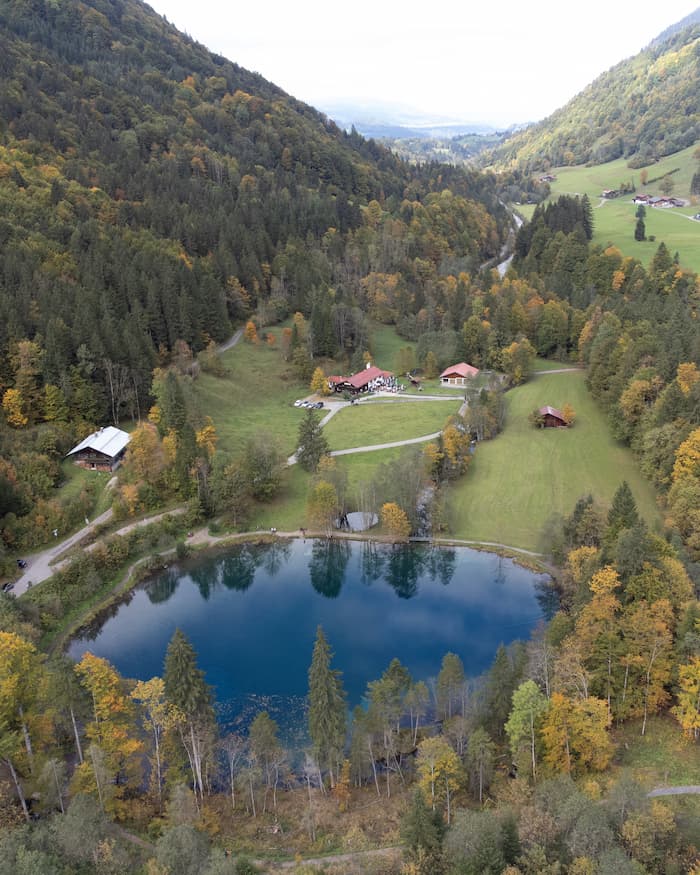
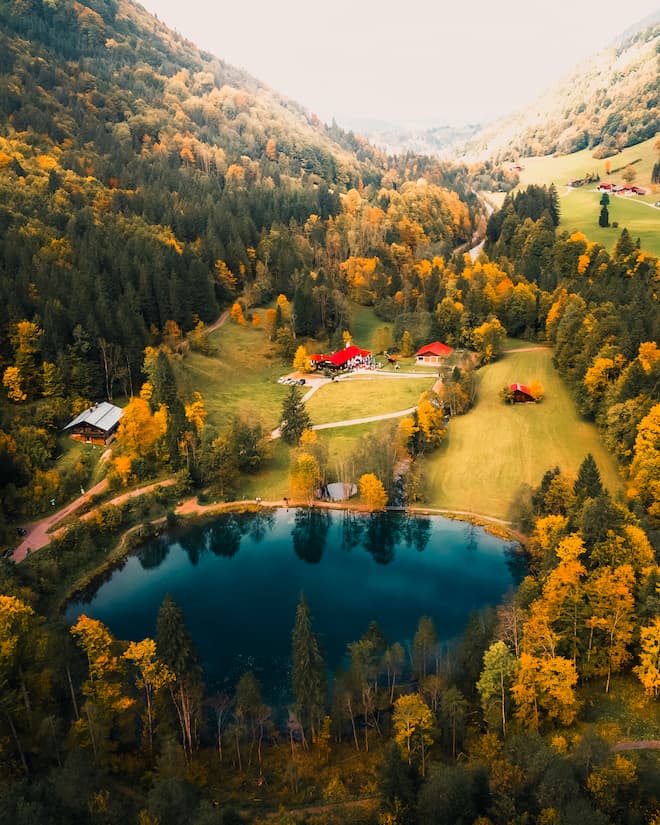
I will delve a little deeper into my editing process using a before/after:
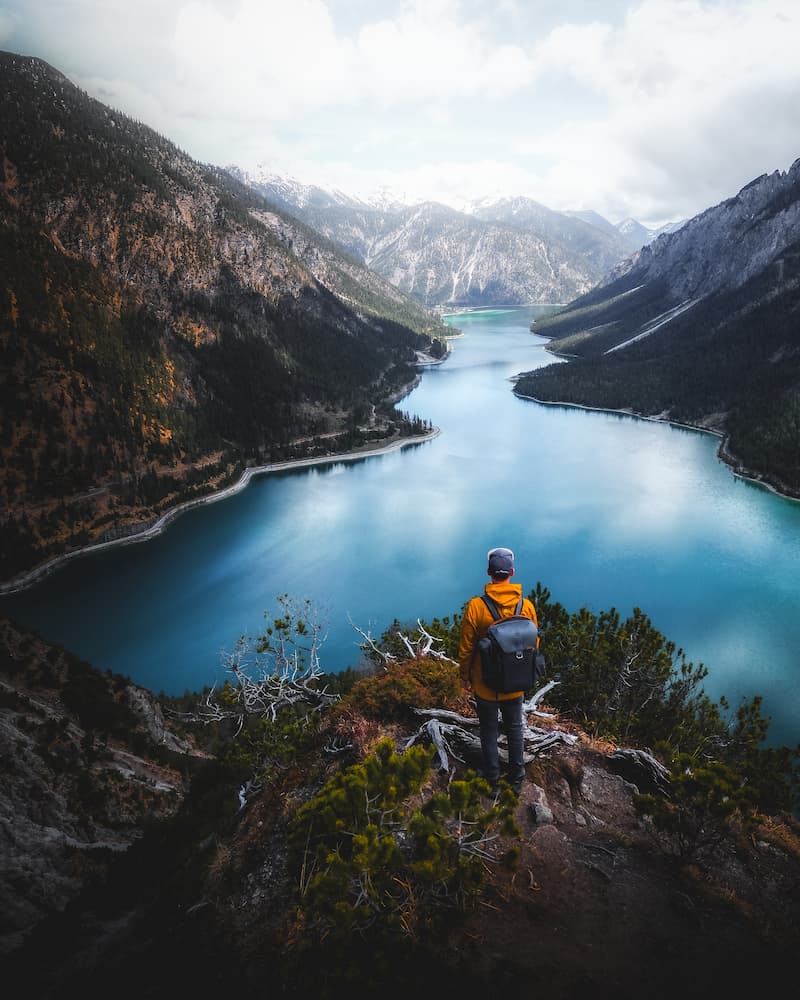
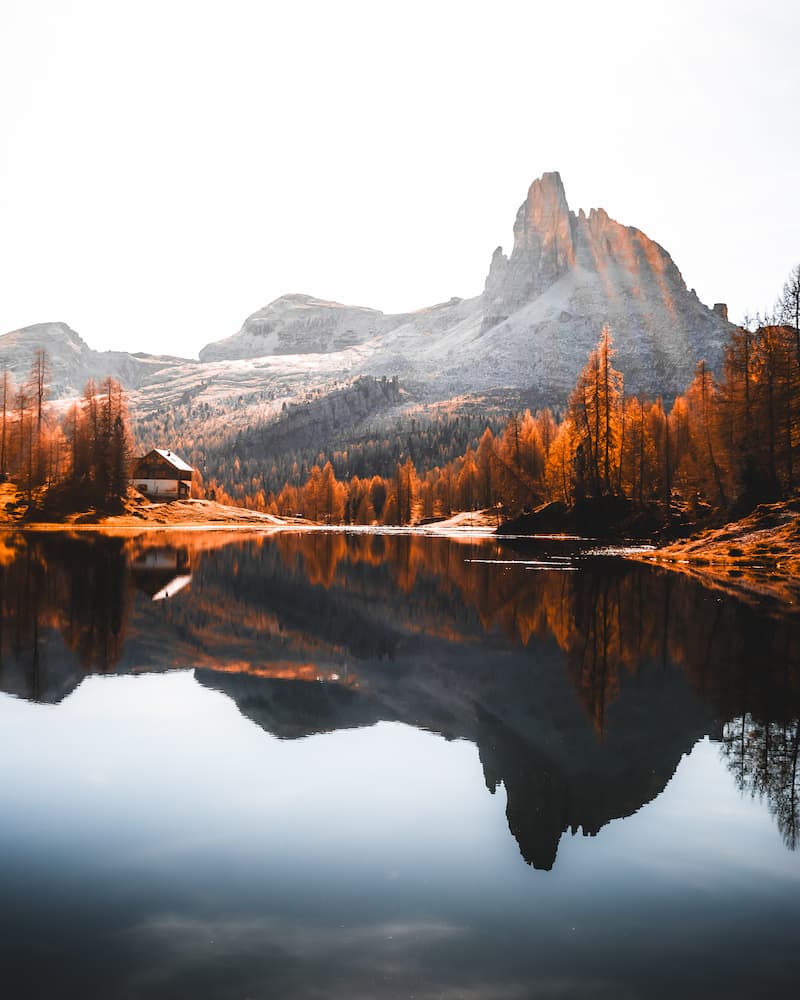
1) Initially, I considered the most significant elements and colors in the photo. My focus was on highlighting the lake’s color, which has the bluest water in the area, and the autumnal hue of the trees. To achieve this, I increased the intensity of blue, yellow, and orange while decreasing the saturation of other colors.
2) Additionally, I applied an S-curve to the exposure to enhance the contrast significantly.
3) I increased the emphasis on details and created a radial mask in the upper part of the photo to enhance the exposure and add atmosphere. This provides a view into an unknown distance, creating a greater sense of depth.
To achieve the editing style I have today, my primary focus was to draw inspiration from other creators. I saved images on Instagram that I found appealing and analyzed the editing style. Then I experimented with different styles and applied the aspects I liked to my images. By mixing different editing styles I was able to develop my unique style.
Looking ahead, maintaining the joy of photography is most important to me. I want it to remain a source of pleasure and not something that feels like a chore. I also dream of traveling to more beautiful places around the world, exploring new landscapes, and capturing them through my lens. The adventure never truly ends, and I’m excited to see where it takes me next.

Join us in the Azores for a unique photo tour, where you’ll elevate your creative skills with expert guidance from Ronald Soethje, Bruno Ázera, and Nomadict.

In this article, Forest shares how years of chasing scale, silence, and raw landscapes shaped his approach to photography, from the deserts of Kazakhstan to the volcanic ridges of Iceland. He talks about how he uses light, texture, and vast negative space to create images that feel both intimate and overwhelming.

Simon shares the journey behind his photography, from early inspirations to field techniques, editing, and the story of the winning shot that shaped his path.

In this article, Miro shares how his love for cinematic music evolved into a deep passion for photography and how he uses light, color, and atmosphere to turn the streets of Prague into living film scenes.

In this article, Stefanie reveals how her background in physics sparked her passion for astrophotography and how she blends science with creativity to capture the beauty of the night sky. Readers will discover her approach to color, contrast, and editing, as well as her aurora photography workflow.

Spanish photographer Yhabril captures the profound connection between humans and the mountains that shaped him. Growing up in the Pyrenees, his work bridges outdoor sports, landscapes, and celestial scenes — often blending athletes, moonlight, and wilderness into striking visual stories.

In this article, Ariane shares how photography helped her navigate personal challenges, connect authentically with people and animals, and develop a philosophy rooted in empathy and artistic freedom. Readers will also discover her ethical approach to wildlife photography and her trusted equipment for both camouflage techniques and cameras.

Discover how to photograph Dutch tulip fields in their most magical light. From choosing the right gear and lenses to mastering composition, color, and aerial perspectives, this guide shares creative techniques to capture the beauty of the Netherlands’ tulips. Learn how light, color grading, and proportion bring emotion into every frame.