Photo tour in Azores, Portugal
Join us in the Azores for a unique photo tour, where you’ll elevate your creative skills with expert guidance from Ronald Soethje, Bruno Ázera, and Nomadict.
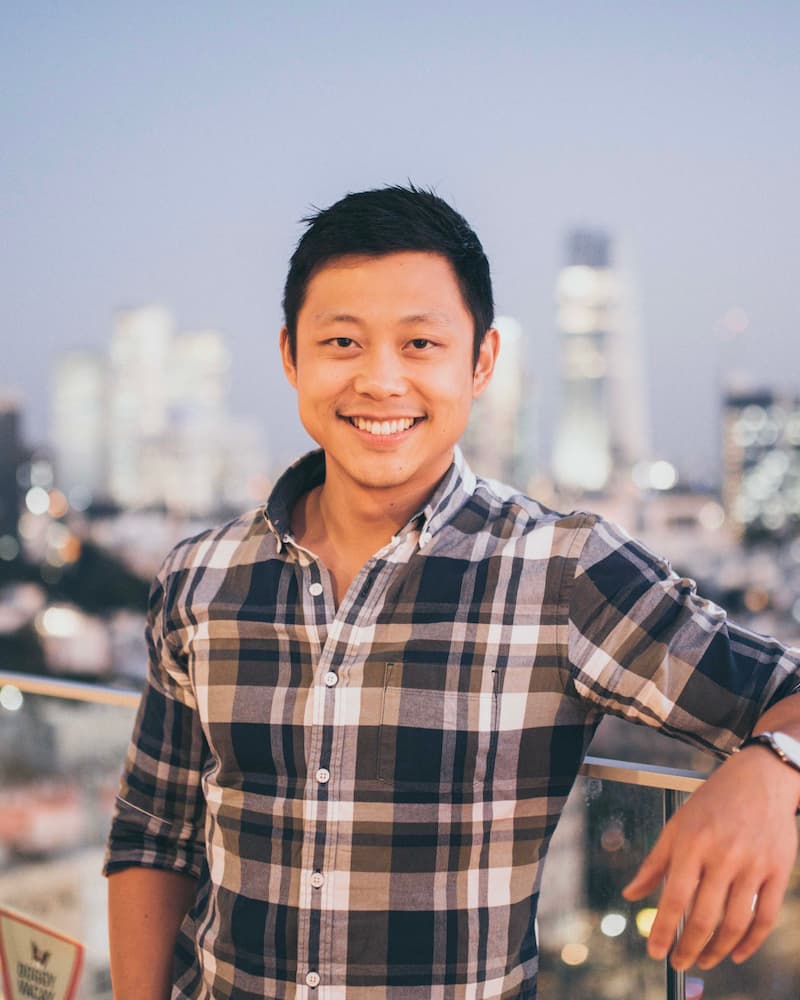
Originally from Ottawa, Canada, Chris first honed his craft as a concert photographer in Toronto before his love for travel led him to explore over 30 countries. Now based in Miami, he focuses on capturing the essence of places through intentional composition, immersive color, and a deep connection to his surroundings, creating images that transport viewers into the moment.
My passion for photography goes hand in hand with my love for travel. I’ve always been curious about the world—how people live, the stories behind places, and the little everyday details that make each culture unique.
I was born and raised in Ottawa, Canada, and got my first real taste of travel when I studied abroad in Sweden. That experience changed everything for me. Since then, I’ve lived in three countries, visited over 30, and I’m always looking for an excuse to explore somewhere new.
For me, travel isn’t just about checking places off a list—it’s about feeling a connection to a place, whether it’s through the people, the food, or just wandering around with my camera and letting the city or landscape unfold.
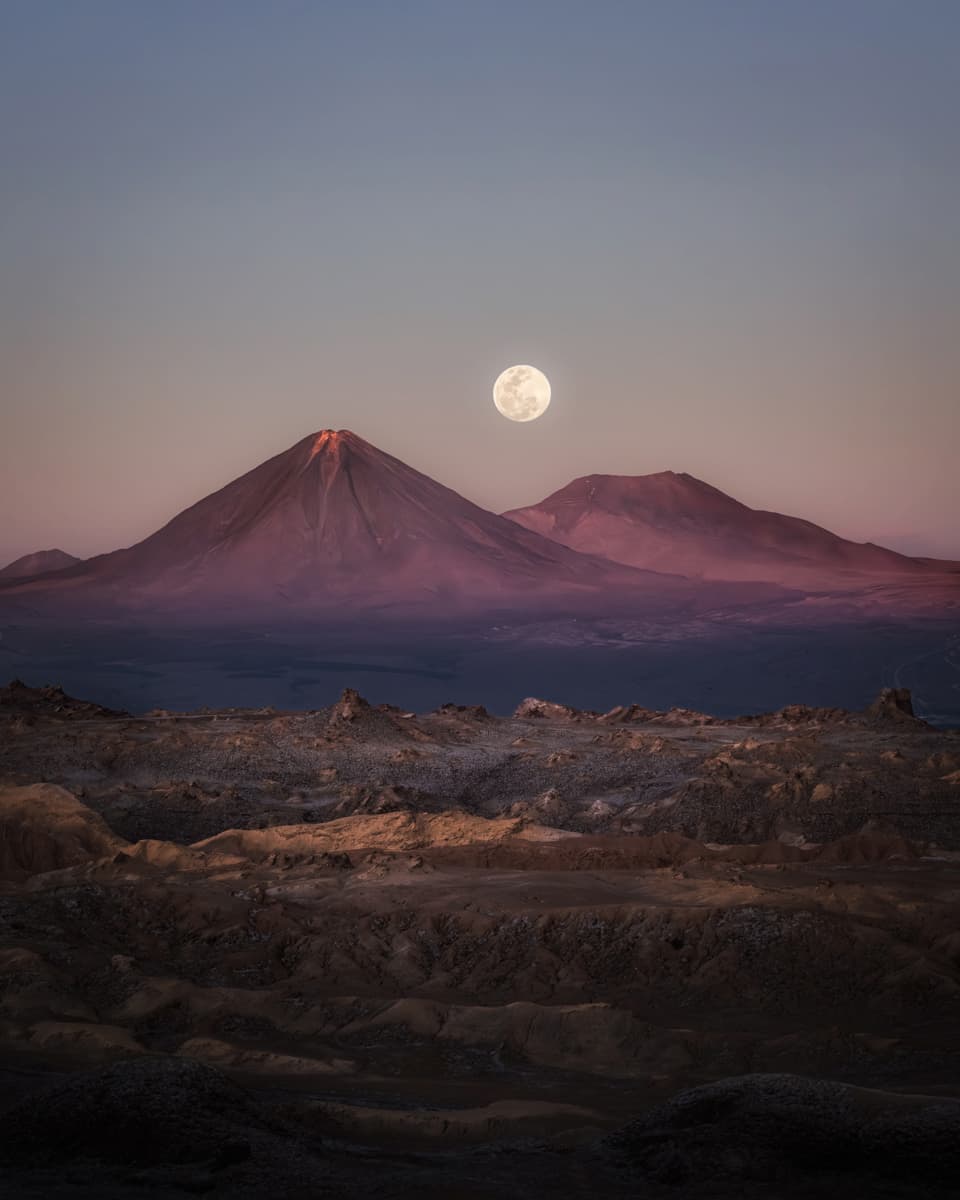
There are so many places that left a mark on me, but if I had to pick one—it’s the Atacama Desert in Chile. That place just hit differently.
I was waking up before sunrise every day, driving through this surreal landscape with mountains in the distance, golden light cutting across the desert, and barely anyone else around.
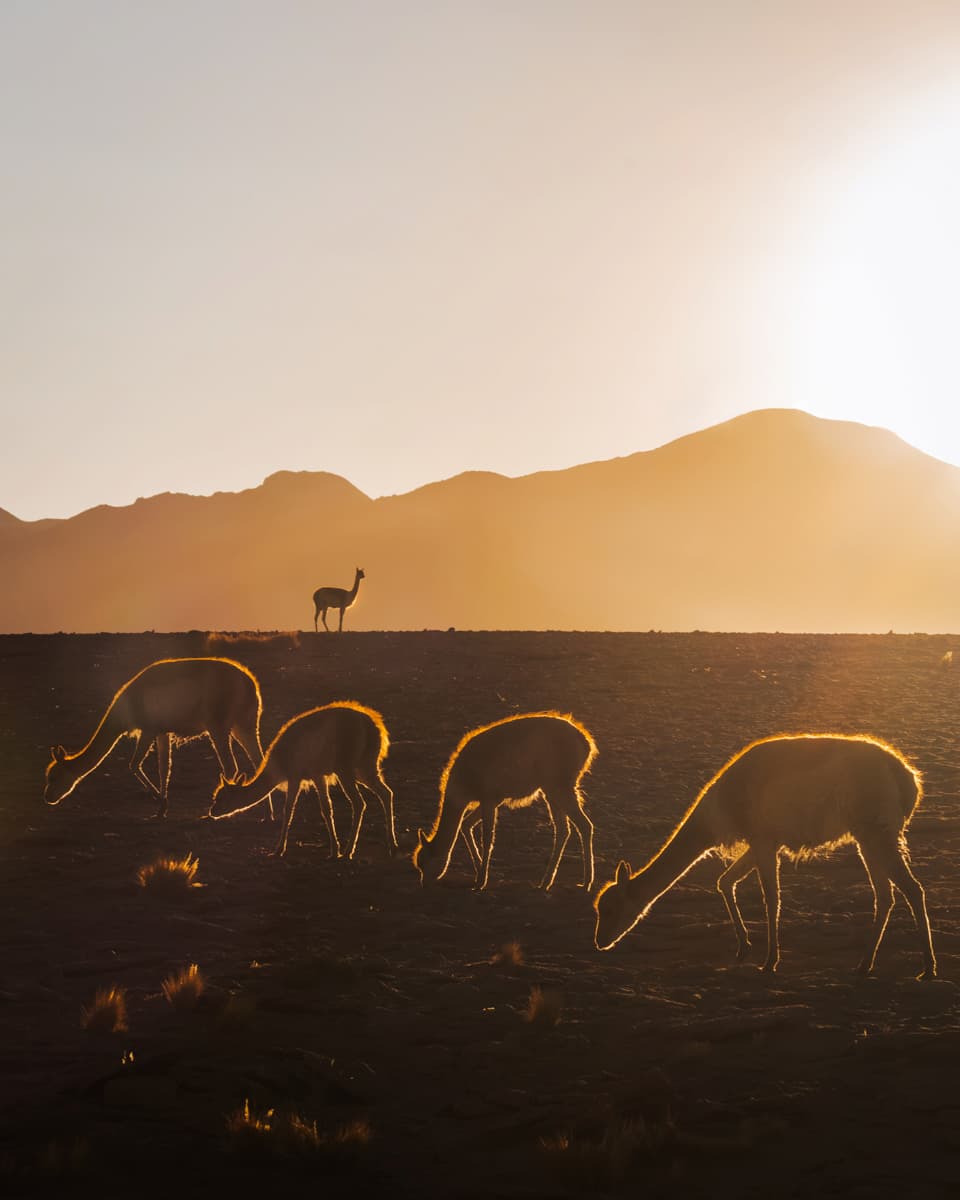
One morning, we were on our way to a completely different photo shoot when we came across a herd of vicuñas in the early morning light. It was totally by chance. I had to ask our driver to pull over so I could shoot the scene right out the window of the car.
I wasn’t planning to photograph wildlife that day, but the scene with the mountains and sunrise behind them felt like a gift. It ended up being one of my favorite photos from the trip.
What made it special wasn’t just the scenery (which is insane), but how peaceful it felt. It was one of those rare moments where you’re completely present. No distractions. Just you, the camera, and the world showing off.
In addition, color is such a huge part of how I tell stories through my photos. I always want the colors in my images to pop in a way that feels intentional and full of life. I think a lot about color theory when I edit—how complementary tones can create balance, or how using warm vs. cool colors can shift the entire mood of a shot.
I follow a specific workflow every time I edit to keep my style consistent. I start with global color calibration in Lightroom to set the overall tone, then move into curves to dial in contrast and mood. After that, I fine-tune exposure, white balance, and other basics—but I always leave color grading and masking for the end. That’s where I shape the image and bring out the feeling I want it to have.
Don’t be afraid to experiment. I’ve been shooting for over 15 years now, and if you looked at my early edits—even just a few years ago—you’d see a huge difference. My style has evolved a ton, and it continues to shift as I grow and change.
Your color style won’t be perfect from the start, and that’s fine. It’s supposed to be a process. The more you shoot and edit, the more you start to recognize what you’re drawn to—whether that’s certain tones, moods, or the way you handle light.
Try different things, push sliders too far, mess up, and start over. That’s how you learn. Eventually, you’ll land on something that feels true to you. And even then, permit yourself to keep evolving.
One of the biggest challenges for me has been finding the balance between being present at the moment and feeling the need to capture it. As a travel photographer, you’re constantly surrounded by beauty, emotion, and these fleeting scenes—and the instinct is to shoot everything.
But I’ve had to learn that I can’t capture everything—and that’s okay. Sometimes the best thing you can do is put the camera down and just take it in. Those moments are important too, even if they never make it to your feed.
Thus, If I could give one last piece of advice, it’d be to slow down and be present.
It’s easy to get caught up chasing the shot or worrying about gear and settings—but if you’re not feeling the place or the moment, it’s hard to expect your viewer to feel it either. Spend time observing. Watch how the light moves. Listen. Connect with your surroundings before you even pick up the camera.
Emotion doesn’t come from a perfect composition—it comes from intention. If you can tap into how a moment makes you feel, chances are you’ll be able to translate that into a photo that resonates with someone else.

Join us in the Azores for a unique photo tour, where you’ll elevate your creative skills with expert guidance from Ronald Soethje, Bruno Ázera, and Nomadict.

In this article, Forest shares how years of chasing scale, silence, and raw landscapes shaped his approach to photography, from the deserts of Kazakhstan to the volcanic ridges of Iceland. He talks about how he uses light, texture, and vast negative space to create images that feel both intimate and overwhelming.

Simon shares the journey behind his photography, from early inspirations to field techniques, editing, and the story of the winning shot that shaped his path.

In this article, Miro shares how his love for cinematic music evolved into a deep passion for photography and how he uses light, color, and atmosphere to turn the streets of Prague into living film scenes.

In this article, Stefanie reveals how her background in physics sparked her passion for astrophotography and how she blends science with creativity to capture the beauty of the night sky. Readers will discover her approach to color, contrast, and editing, as well as her aurora photography workflow.

Spanish photographer Yhabril captures the profound connection between humans and the mountains that shaped him. Growing up in the Pyrenees, his work bridges outdoor sports, landscapes, and celestial scenes — often blending athletes, moonlight, and wilderness into striking visual stories.

In this article, Ariane shares how photography helped her navigate personal challenges, connect authentically with people and animals, and develop a philosophy rooted in empathy and artistic freedom. Readers will also discover her ethical approach to wildlife photography and her trusted equipment for both camouflage techniques and cameras.

Discover how to photograph Dutch tulip fields in their most magical light. From choosing the right gear and lenses to mastering composition, color, and aerial perspectives, this guide shares creative techniques to capture the beauty of the Netherlands’ tulips. Learn how light, color grading, and proportion bring emotion into every frame.