Photo tour in Azores, Portugal
Join us in the Azores for a unique photo tour, where you’ll elevate your creative skills with expert guidance from Ronald Soethje, Bruno Ázera, and Nomadict.
Through constant self-challenge and engagement with other creators, Anthony has significantly grown as a photographer, learning valuable lessons along the way. His work aims to convey powerful stories and emotions, reflecting his commitment to raising awareness about the planet’s fragility.
My passion for travel was inspired by my aunt, who lived in various parts of Africa (Chad, Djibouti, Niger, and soon Nigeria). Her stories sparked my curiosity about the world. You can learn more about my journey here. In this article, I would like to share what has happened since my last appearance on Nomadict, starting with four valuable lessons I have learned along the way:
Four valuable lessons I have learned along the way
1) Constantly challenging yourself to progress
By continually setting new challenges for myself, I create a source of positive pressure that pushes me out of my comfort zone. Whether it’s exploring unknown terrains, trying new techniques, or tackling unusual subjects, these challenges force me to push my limits and innovate. It’s in these moments of creative tension that I’ve made some of my greatest strides.
It’s essential not to stress unnecessarily but to set ambitious goals that stimulate creativity and learning. Sometimes, the results are not what I hoped for, but the experience gained and the lessons learned are invaluable. Every attempt, successful or not, provides a better understanding of my art and capabilities.
Most often, stepping out of my comfort zone reveals new perspectives and techniques that enrich my work. These moments also build the resilience and adaptability crucial in adventure photography, where conditions can be unpredictable.
2) Surrounding yourself and engaging with other creators
One of the most valuable lessons I’ve learned as a photographer is the importance of surrounding myself with and engaging with other creators.
Interacting with other photographers, whether beginners or professionals, provides new perspectives on photography that have greatly contributed to my growth. We are photographers, not competitors.
I believe in the collective intelligence that pushes us to excel. Every photographer has their vision and style, and by sharing our experiences and techniques, we enrich each other.
Constructive criticism is also essential in this process. Receiving honest and kind feedback on my photos has helped me identify my weaknesses and work on them.
Sometimes, we’re too close to our work to see what can be improved. An external perspective offers valuable objectivity and can reveal aspects we hadn’t considered. It’s important to view critiques positively and to remember to share what we love and what we want to create, regardless of the time we spend on it.
3) Practice is the key to success
As a photographer, I’ve learned that turning an idea into reality is never an easy task. There is always a gap between the image in your mind and how you capture it with your camera.
To bridge this gap, it’s essential to work on different photographic techniques and understand the atmospheres around you. I spend a lot of time experimenting with my equipment to understand its limits and possibilities.
Whether it’s mastering exposure, playing with depth of field, or perfecting composition, every detail matters. Additionally, each environment offers unique challenges and opportunities.
Understanding atmospheres is another essential part that evolves with regular practice. A photo’s atmosphere should tell a story, evoke emotions, and captivate attention. To create authentic and immersive atmospheres, I strive to fully immerse myself in the places I photograph.
4) Conveying emotion is more important than just having a beautiful image
As I mentioned earlier, an image must tell a story or convey an emotion to be successful and capture attention. Over time, I’ve realized that conveying emotion through my images is far more important than just producing a beautiful picture.
A technically perfect photo can be visually pleasing, but if it doesn’t evoke any emotion in the viewer, it lacks depth and meaning. Immersing myself in the location and being attentive to my surroundings allows me to react spontaneously to unexpected moments that can tell even more powerful stories.
Sometimes, the best photos are not the ones we planned but the ones that arise spontaneously. Capturing a smile, a look, or a natural interaction can convey raw and sincere emotions, making the photo much more engaging.
It was our first day of adventure in the incredible lands of Namibia, a journey I had dreamed of for years. Finally being there was a personal achievement, a dream come true. Despite a long night of travel with 17 hours of flight and very little rest, the excitement was so strong that we didn’t waste a minute and hit the road straight away.
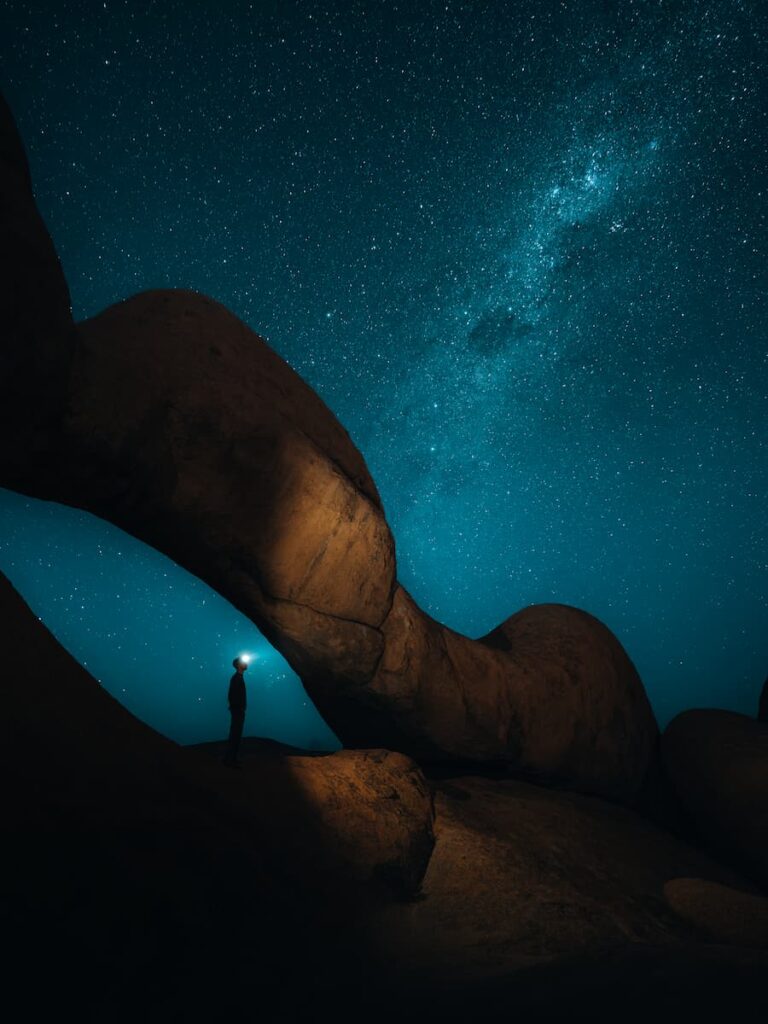
Our first spot was Spitzkoppe, a vast rocky desert lost in the middle of nowhere, offering breathtaking landscapes and a complete sense of isolation.
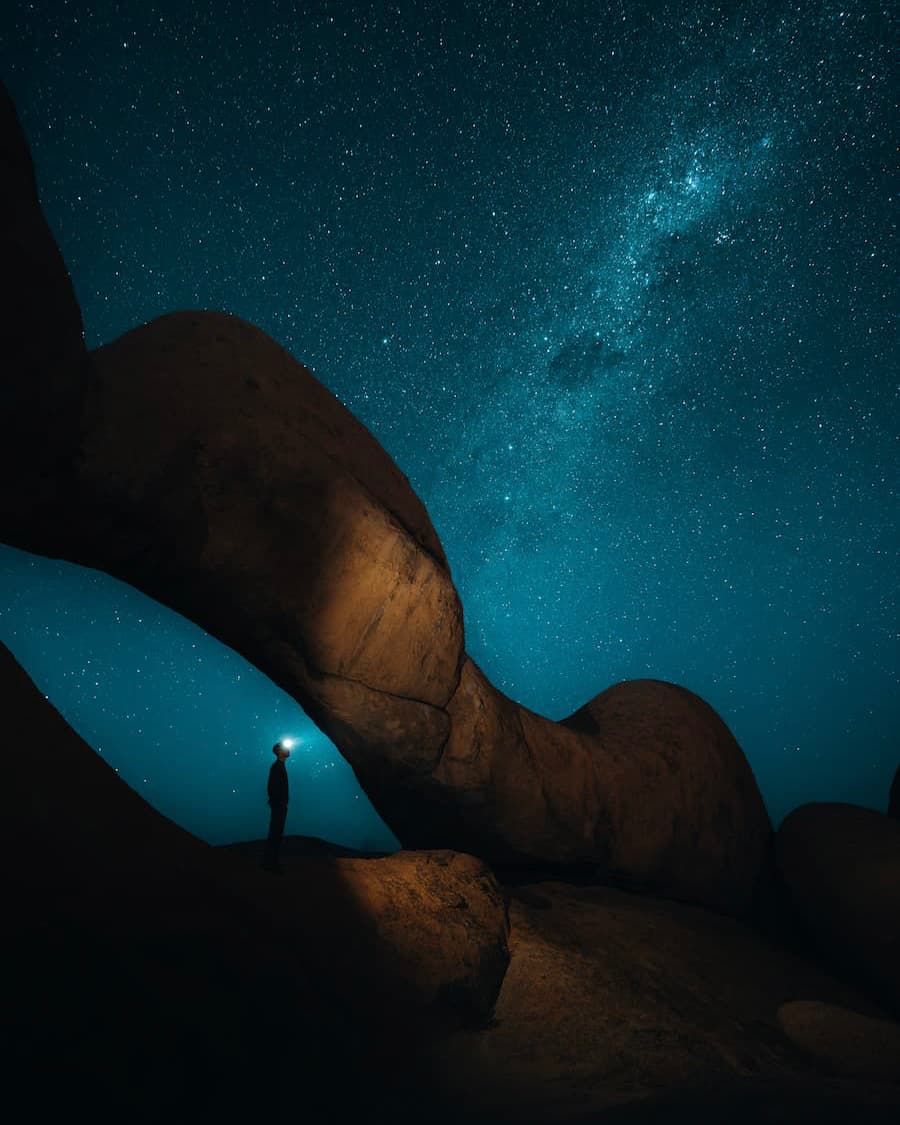
The total absence of light pollution and cloud cover made it the perfect place to observe the starry Namibian sky. As soon as the last light of day faded, I was already eager to set up my tripod and head to the spot I had scouted earlier to capture the images I had envisioned.
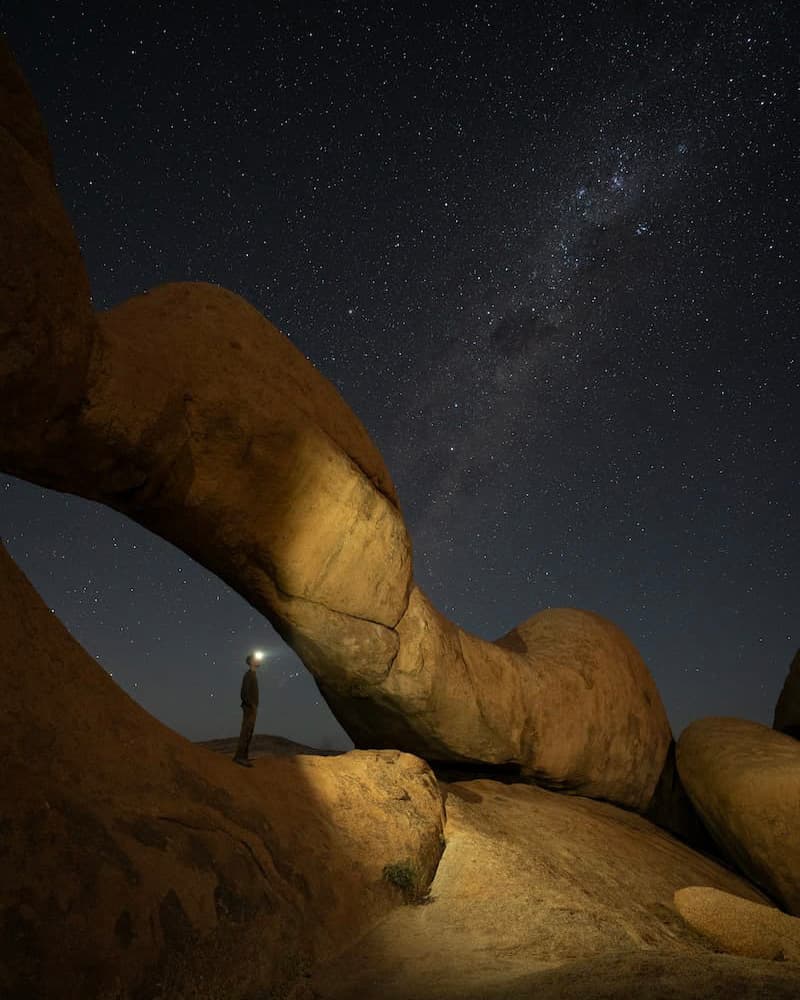
For this particular image, I included my younger brother in the composition to add a human element and provide a sense of scale to the landscape. By incorporating a person, I wanted to make it easier for viewers to identify with the scene and imagine themselves standing there under the starry Namibian sky.

The headlamp he is wearing adds two key elements to the image. Firstly, it provides a touch of light that illuminates the orange rocks of Spitzkoppe, highlighting their texture and color. Secondly, it evokes the spirit of exploration and discovery, like an explorer finding a new place, which reinforces the adventure theme.
For the composition, I applied a classic photographic technique: the rule of thirds. I deliberately gave a large portion of the frame to the sky to showcase the magnificent Milky Way. By positioning my brother with the headlamp directed towards it, I aimed to create a natural leading line that guides the viewer’s eye through the image. This line creates a clear focal point and enhances the sense of grandeur and the vastness of the night sky.
My goal was to capture not only the beauty of the location but also the emotion and wonder of the moment, and this composition allowed me to do so effectively.
On Editing
To edit this photo, I followed a simple yet structured process that allowed me to highlight each element while staying true to the atmosphere of the moment.
1) I started by adjusting the primary settings to establish a solid base:
2) First, I increased the contrast to add depth and definition, making the elements more distinct.
3) Shadows: I brightened the shadows to recover details in the rocks, revealing their unique texture.
4) Whites and Blacks: I adjusted the levels of whites and blacks to ensure tonal consistency, balancing the brightest and darkest areas.
5) Vibrance: I added a touch of vibrance to the overall image to revive the colors without oversaturating them.
6) Next, I worked on the color tones to accentuate certain aspects of the scene:
For the rocks, I refined the orange tones to make them stand out in the illuminated parts.
For the sky, I opted for a deep midnight blue to create a striking contrast with the orange rocks and highlight the stars adorning it.
7) Finally, I applied masks to darken the lower part of the image, creating a subtle vignette that draws attention to my subject and the stars. This helps focus the viewer’s eye on the key elements of the composition.
Vital steps
For 95% of my photos, I adopt a methodical approach. I start by adjusting the overall exposure of the image, which provides a solid foundation before refining the settings.
Next, I adjust the white balance to achieve accurate colors or to create the desired atmosphere. I then move on to color tones, tweaking the shadows, highlights, and midtones. This gives the photo its final color grading, making it easier to adjust the contrast, clarity, and other parameters afterward.
Finally, I add masks if necessary to apply the finishing touches and fine-tune the details of the image.
Below you can find three more examples:
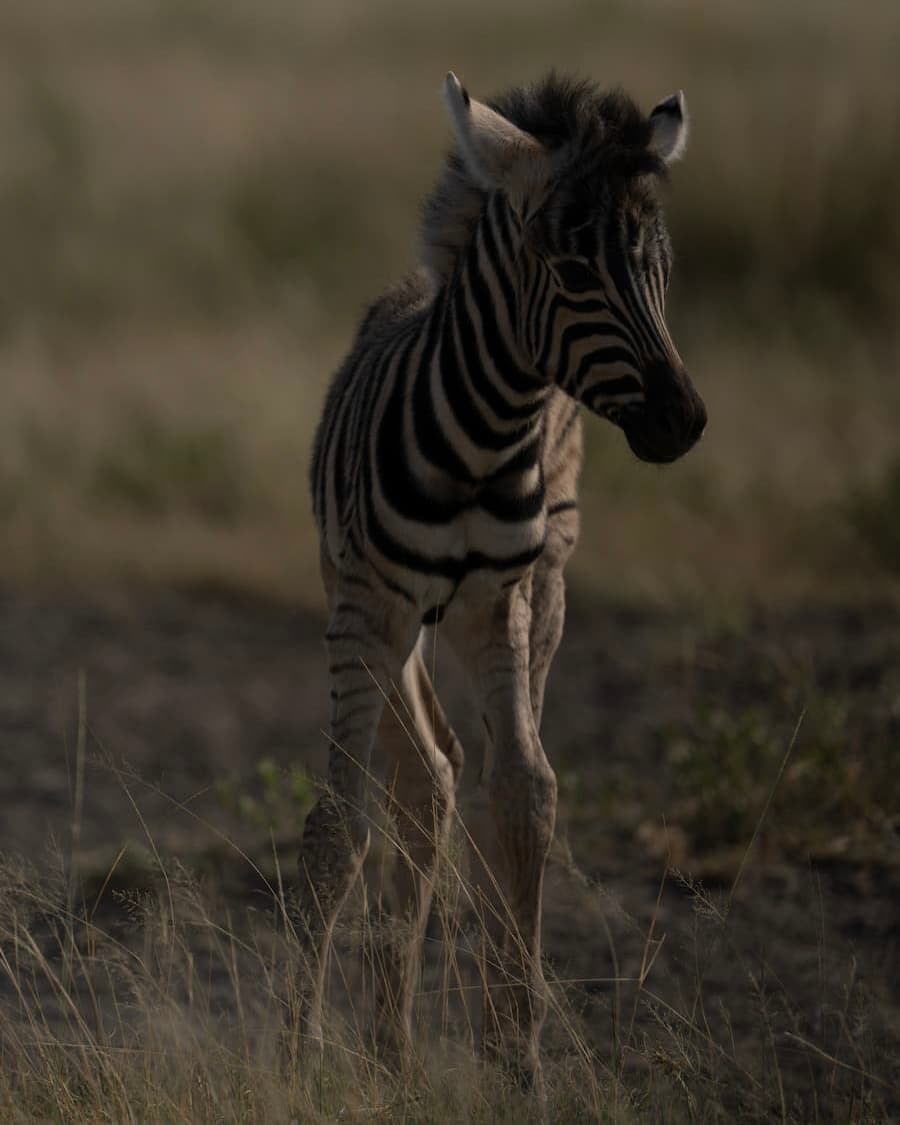
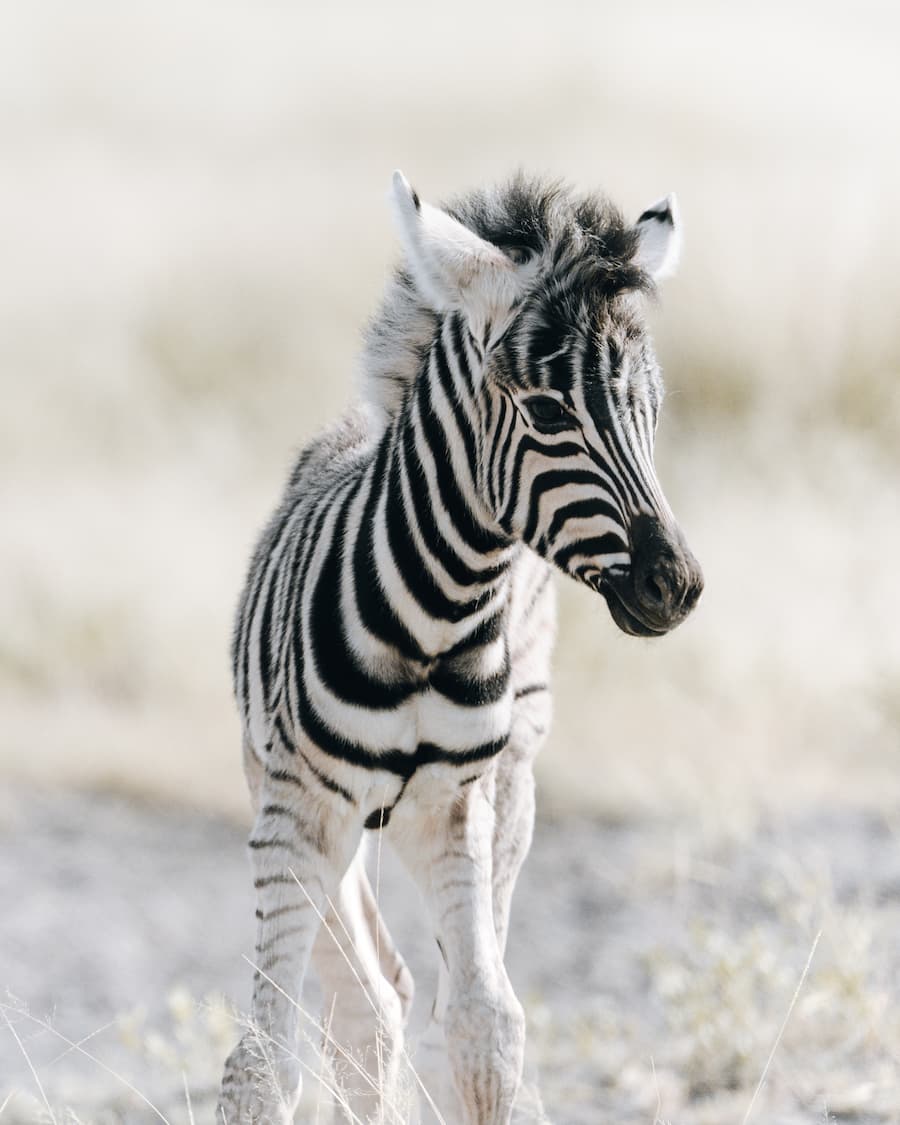
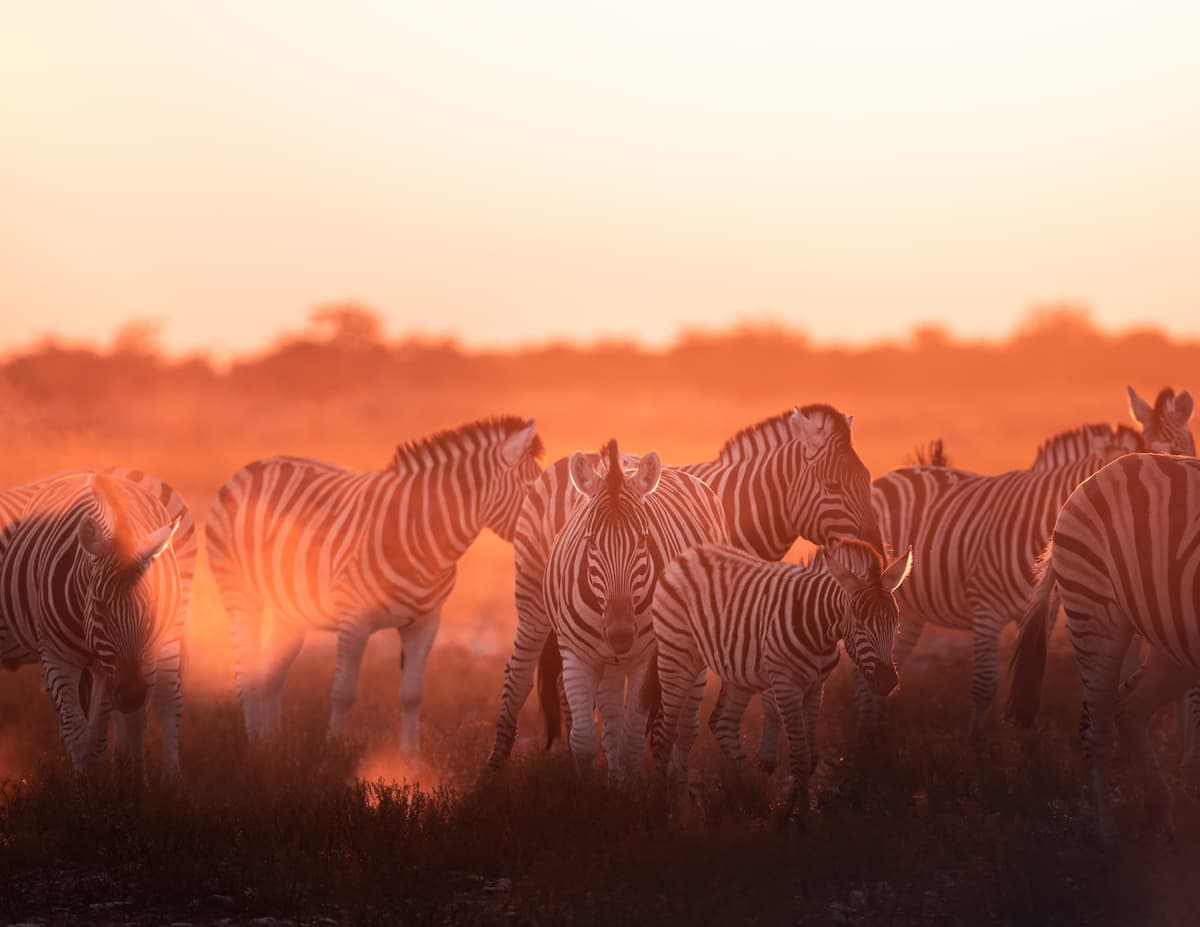
Young zebra
Basic Adjustments: Increased contrast, brightened shadows, and blacks, added a bit of vibrance.
Masks: Increased highlights and exposure of the background, brightening the subject slightly.
Colors: Desaturated greens, oranges, and yellows.
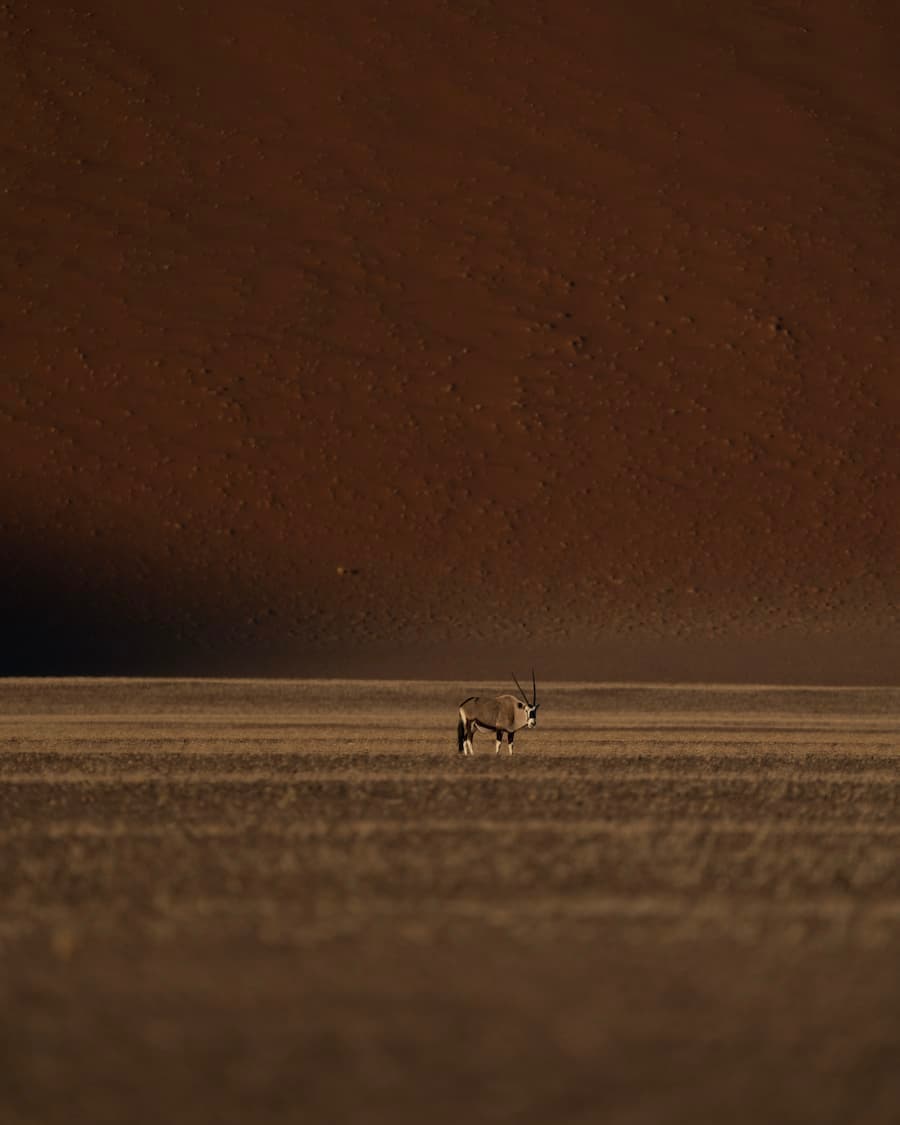
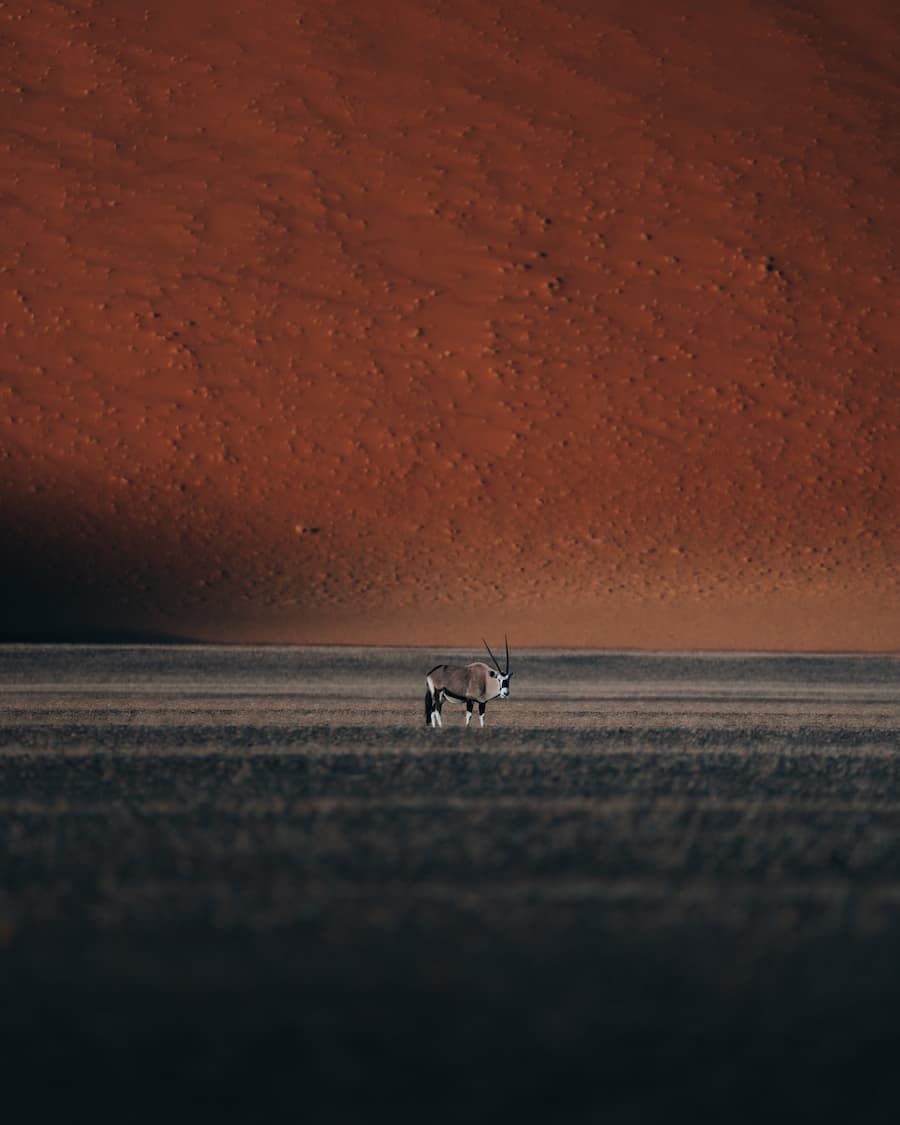
Oryx Facing Dune
Basic Adjustments: brightened the scene, lowered the highlights, lightened the blacks, strengthened the shadows, and slightly reduced the texture and clarity.
Masks: darkened the bottom of the image, and increased the exposure in the center of the image to highlight the oryx.
Colors: enhanced the orange tint and reduced the yellow tones.
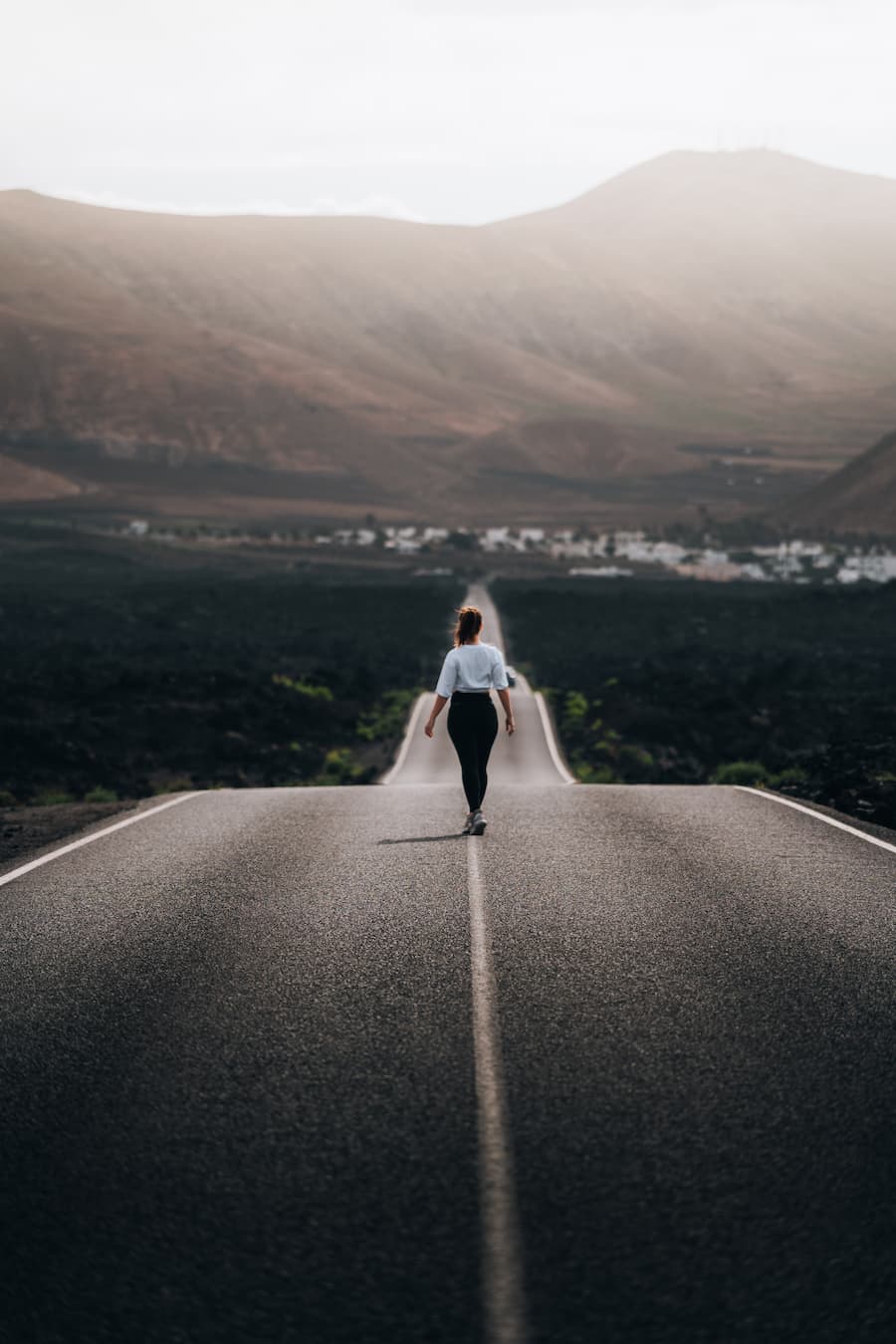
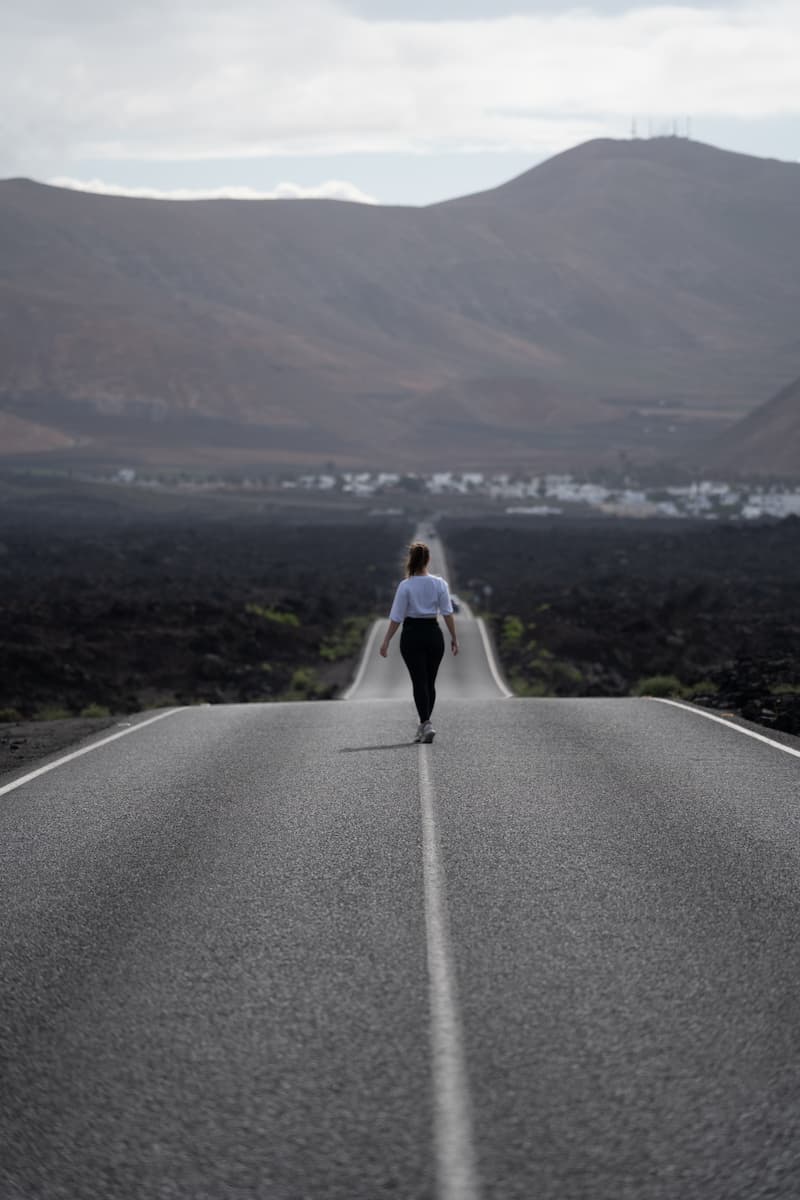
Volcano Route
Basic Adjustments: Reduced the highlights, warmed the image by adjusting the white balance, increased the contrast, and brightened the shadows and blacks.
Masks: Darkened the bottom of the image to focus on the subject, and increased the highlights in the sky to create this effect.
Colors: Enhanced the orange slightly in addition to the white balance adjustment, bringing out the green elements in the image.
An important personal project
I believe my biggest project is currently in progress. Once it becomes more concrete, I would be delighted to come and tell you about it and include you in it, if you wish.
As a photographer, I’ve always maintained the desire to challenge myself with projects that resonate with me and ignite my passion. I aim not only to capture breathtaking landscapes and unique moments around the world but also to tell powerful stories that inspire and raise awareness about the beauty and fragility of our planet.
In the coming years, I hope to continue traveling and sharing my vision of the world while working on projects that align with my strong environmental values.
To fully live my passion, I will keep expanding my network of photographers, constantly seeking new knowledge and better understanding the different perspectives that unite us in this shared passion. I also intend to grow my community on social media, as it is an essential tool today, allowing my messages to resonate even more powerfully.

Join us in the Azores for a unique photo tour, where you’ll elevate your creative skills with expert guidance from Ronald Soethje, Bruno Ázera, and Nomadict.

In this article, Forest shares how years of chasing scale, silence, and raw landscapes shaped his approach to photography, from the deserts of Kazakhstan to the volcanic ridges of Iceland. He talks about how he uses light, texture, and vast negative space to create images that feel both intimate and overwhelming.

Simon shares the journey behind his photography, from early inspirations to field techniques, editing, and the story of the winning shot that shaped his path.

In this article, Miro shares how his love for cinematic music evolved into a deep passion for photography and how he uses light, color, and atmosphere to turn the streets of Prague into living film scenes.

In this article, Stefanie reveals how her background in physics sparked her passion for astrophotography and how she blends science with creativity to capture the beauty of the night sky. Readers will discover her approach to color, contrast, and editing, as well as her aurora photography workflow.

Spanish photographer Yhabril captures the profound connection between humans and the mountains that shaped him. Growing up in the Pyrenees, his work bridges outdoor sports, landscapes, and celestial scenes — often blending athletes, moonlight, and wilderness into striking visual stories.

In this article, Ariane shares how photography helped her navigate personal challenges, connect authentically with people and animals, and develop a philosophy rooted in empathy and artistic freedom. Readers will also discover her ethical approach to wildlife photography and her trusted equipment for both camouflage techniques and cameras.

Discover how to photograph Dutch tulip fields in their most magical light. From choosing the right gear and lenses to mastering composition, color, and aerial perspectives, this guide shares creative techniques to capture the beauty of the Netherlands’ tulips. Learn how light, color grading, and proportion bring emotion into every frame.