At the age of 14, my grandfather bought me a Nikon SLR camera, and I was allowed to go on a photo tour with the local photo club. During this time, I shot my first photos and had my first contact with black and white photography. At my school, I learned everything about photo development in the lab early on. We learned film and photo development as part of chemistry class. I am grateful I had this opportunity because it’s not that common anymore nowadays.
I was interested in the whole process. First the film; the negatives had to be developed and only then the photo was put on photographic paper. And then you had to carefully work with the exposure time, something that today simply works via a contrast slider in Lightroom.
My grandfather had a good technical understanding, he was a mechanic and we tried experiments together. One experiment we did was with the pinhole camera, and another was using cut glass to refract light and break it into all the colors of the rainbow. The latter showed me that depending on the color of the light, a completely different image can be created. But I was still far away from the topic “white balance” and “gradation curves”.
My grandfather really opened the gates to the world of photography for me with the Nikon. Even more, my grandparents and my mother gave me all the freedom I needed to experiment with technology and physics.
Through a work colleague, first orders came in young adulthood. By that means, I got to know the party/event photography genre in a lively, urban scenery. However, although I love visual creation, I wouldn’t want to do it as a full-time profession. As for my career, I did an apprenticeship as an electronics technician, then moved into IT and later into leadership. In the last 2 to 3 years, I’ve started to get more and more interested in structured creativity techniques, innovation, and idea generation which help me fulfill my role and add value to the business. This is not exactly a direct link to photography, but I do think that photography and the creative skills needed for that have influenced how I approach my work.
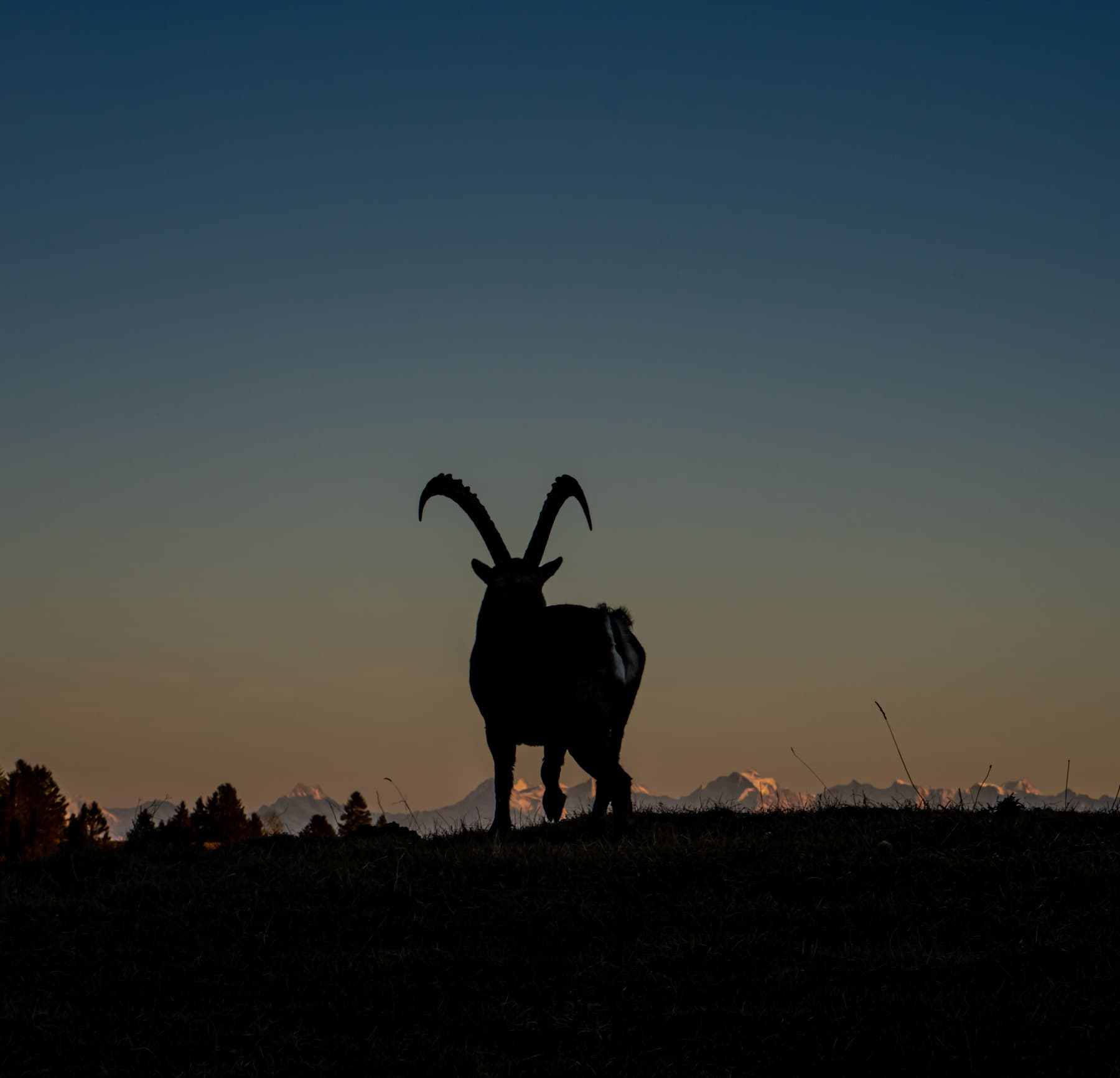
Images are captured by the eye and in fractions of seconds, tens of emotions are transported. This immediate depth that can be achieved with a picture is what drives me. Photography also has a lot to do with ambition. You want to capture the ideal composition of light, shadow, contrast, and vibrancy. Sometimes it’s a real battle with yourself, with the situation, or with time (especially when the sun is just setting). However, I changed nothing in the scene. Sometimes I wait what feels like forever until the most beautiful and perfect moment for the shutter appears, naturally. Or I experiment with the setting and my position, but it’s still searching and waiting for a moment on which everything comes together.
A picture can often say more than many words. Photography archives one’s own world visually. I look at a photo and, in a blink, I am back in the captured moment. While this evokes lots of emotions within me, the same photo also helps others understand me. I can tell the story a hundred times, but I will never be able to convey with words what the experience was like.
Editing is an important tool when it comes to recreating an atmosphere and showcasing how you experienced a moment. In fact, I find finding a style one of the biggest challenges in photography. It is sometimes both a curse and a blessing that photography opens such a broad and deep field for both technical and personal development. With gear or technical knowledge, style changes, while with personal development, style changes as well.
For example, I switched to fixed focal length 2 years ago, which encouraged me to approach a photo differently and reflect on my style.
Just like any other artist, the photographer is challenged each time again to face weaknesses and to find strengths. This searching and finding are very challenging and a continuous process, which is why style is also ever-evolving. Style, like the photo itself, emerges from the moment. Besides style, I have to say that sorting out photos is something I’m always struggling with. For me, deleting a picture is tantamount to partially destroying the big picture. Efficient photography correlates with effective results and vice versa. In this respect, I still have room for improvement. The decision-making process from all photos in-camera to one small photo album with the best shots, all edited, is currently very time-consuming and I bet that many photographers can relate.
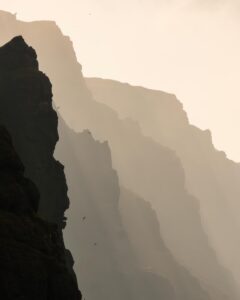
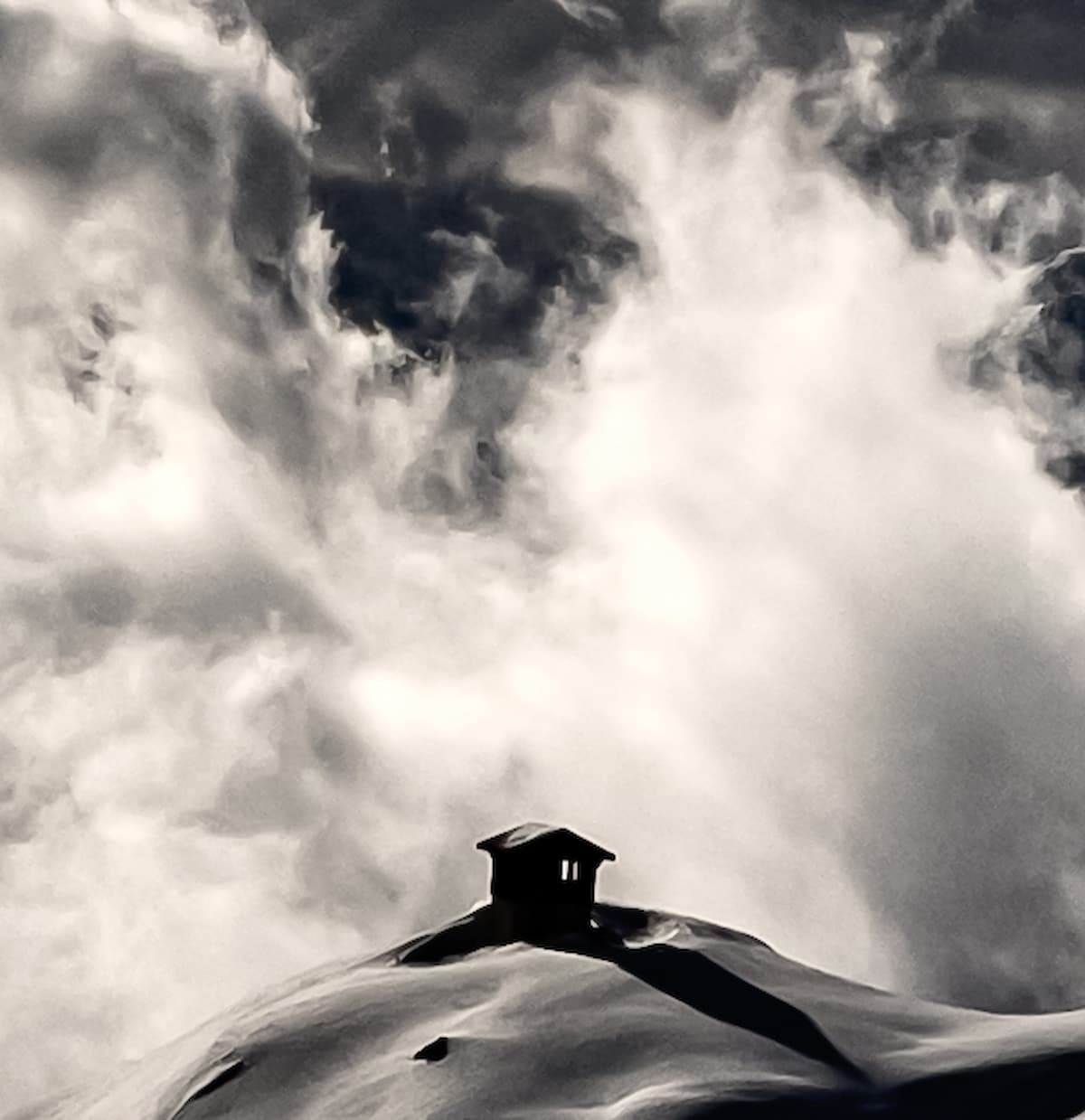
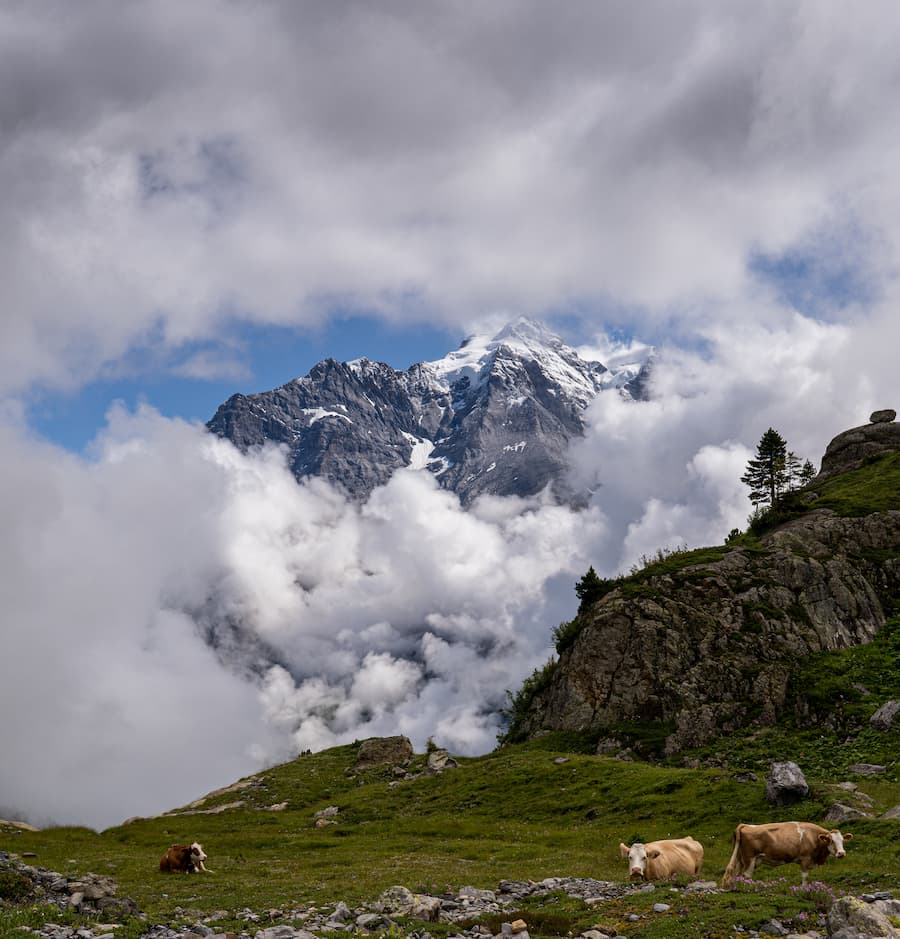
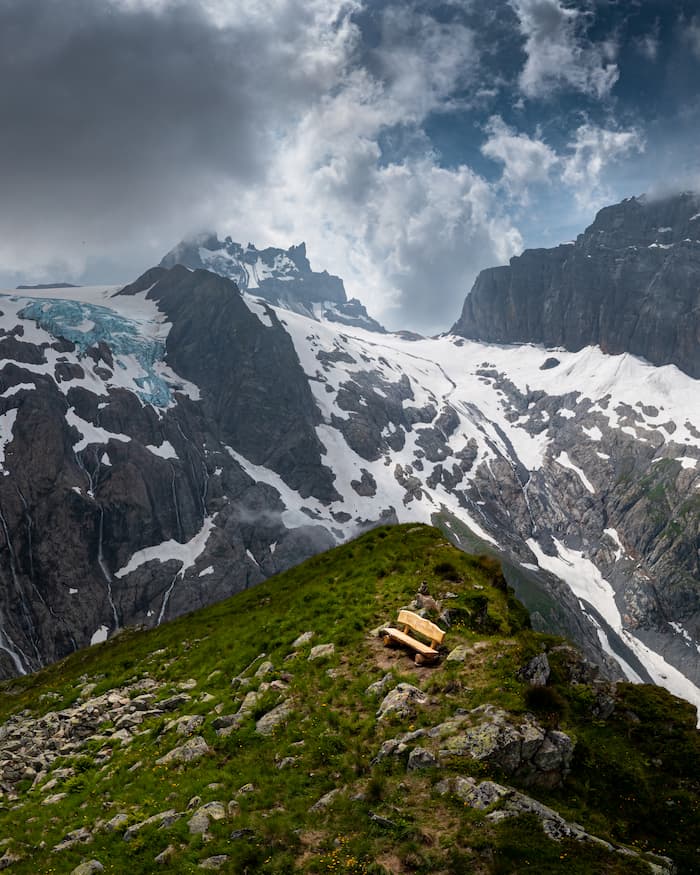
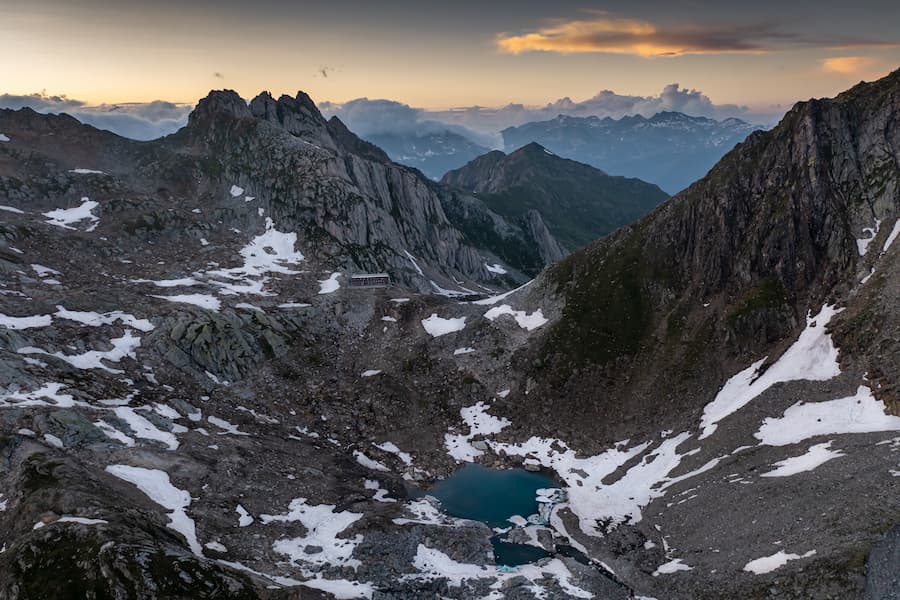
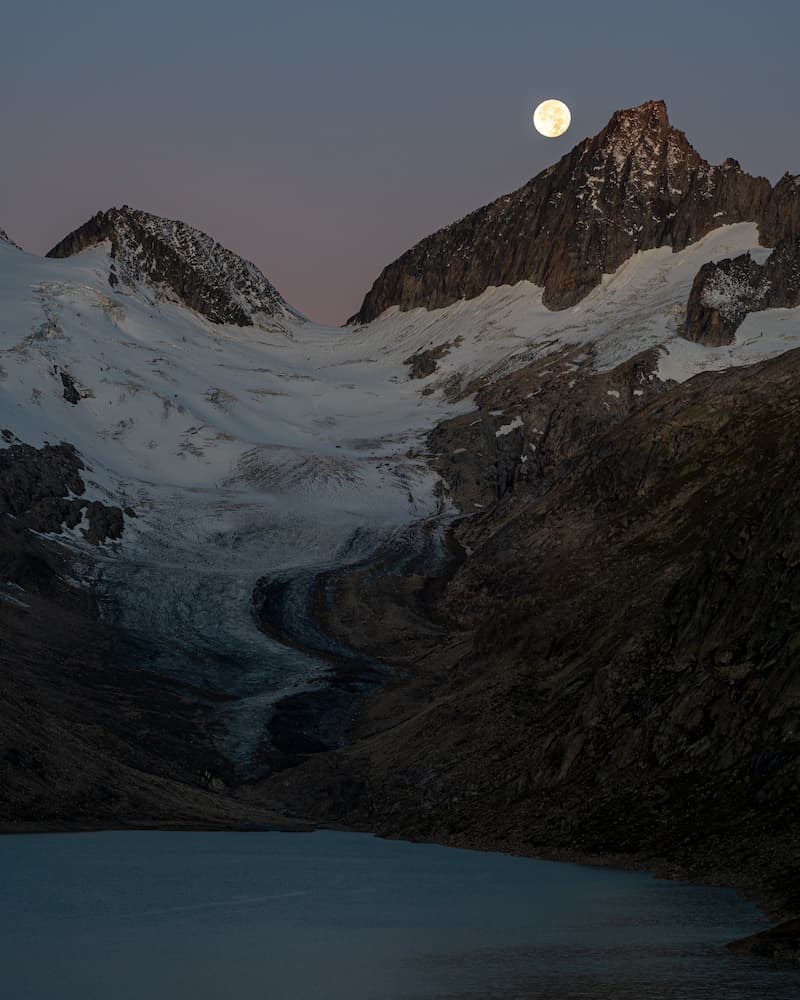
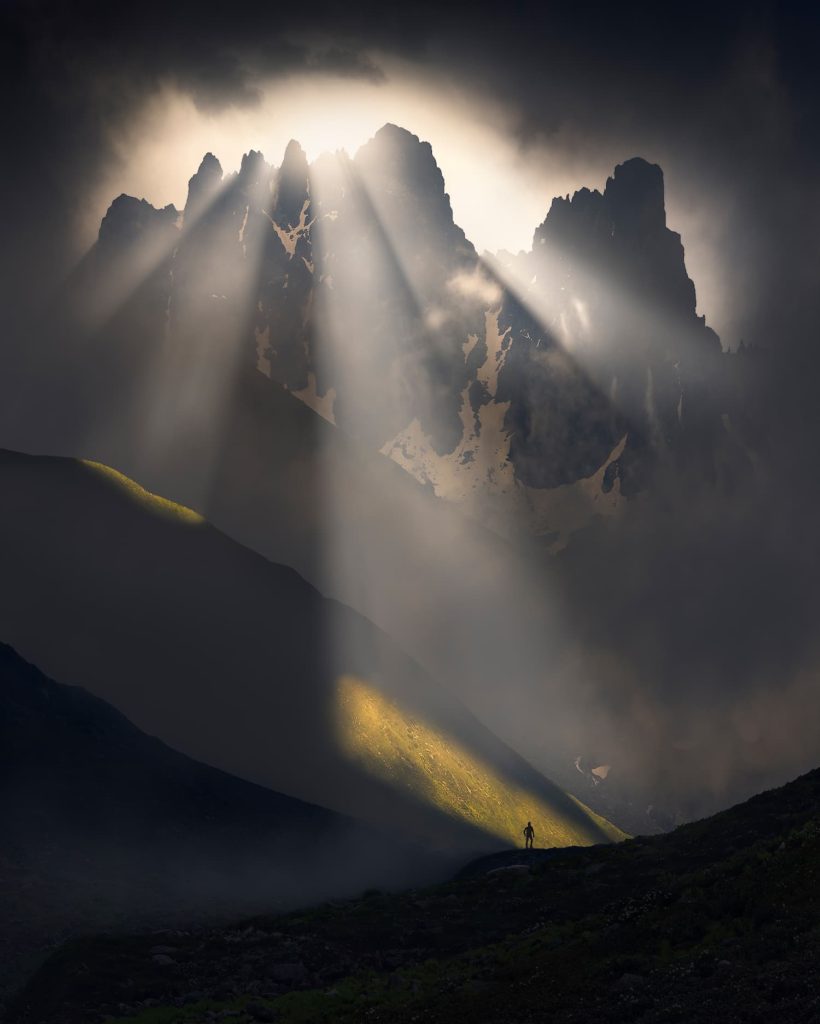
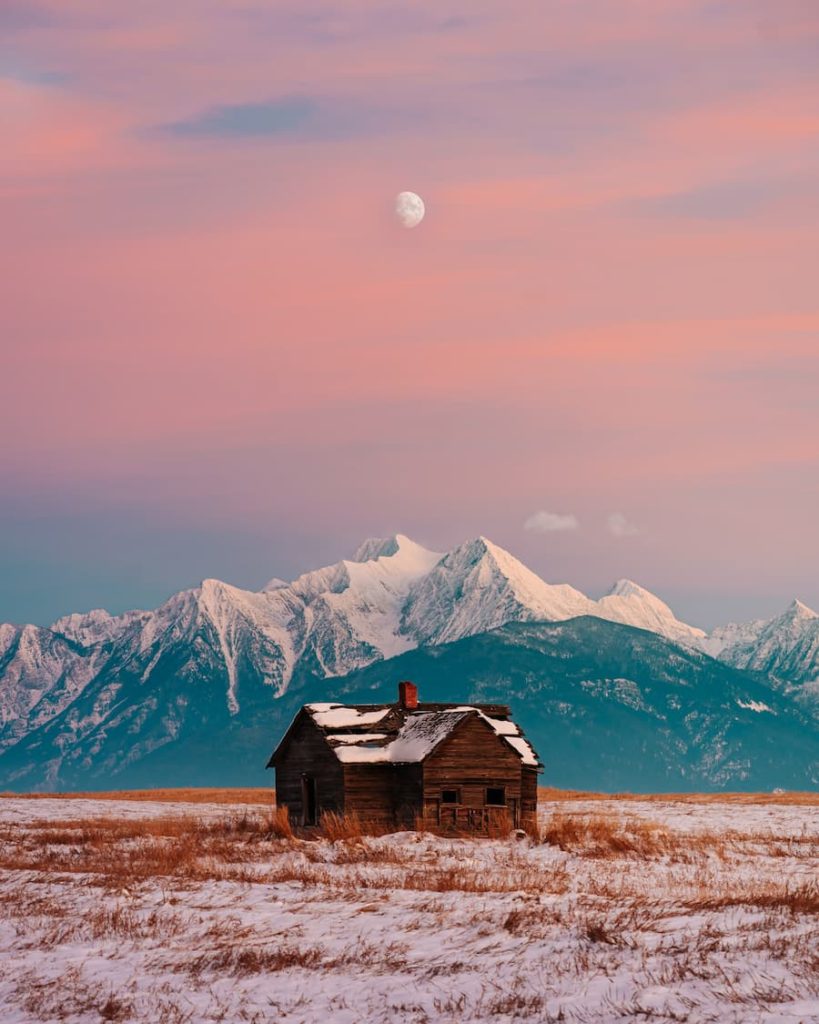
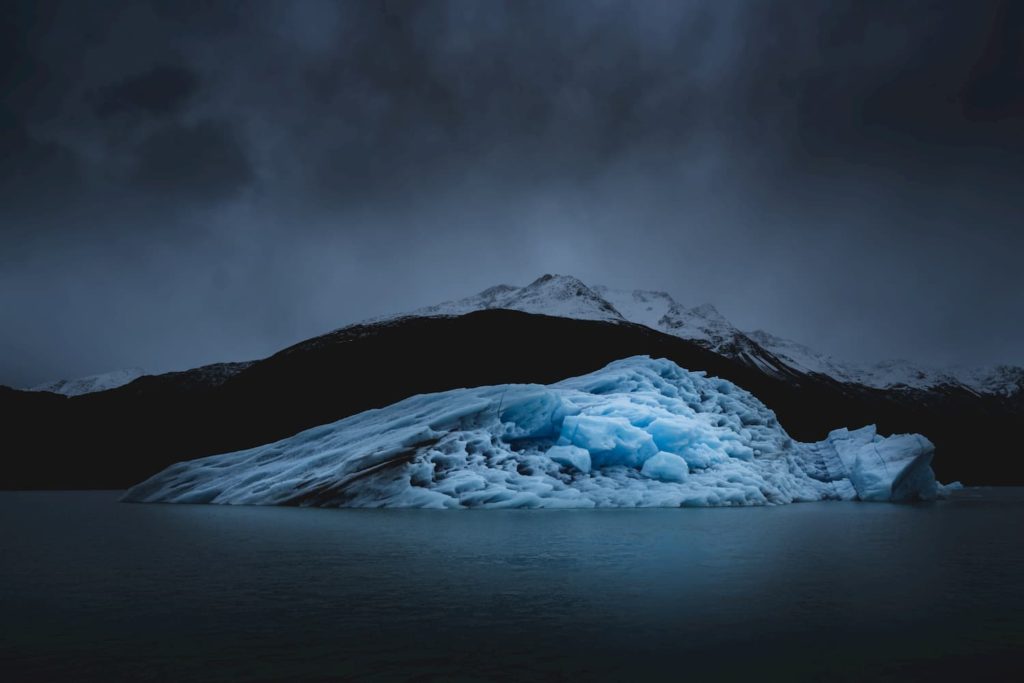
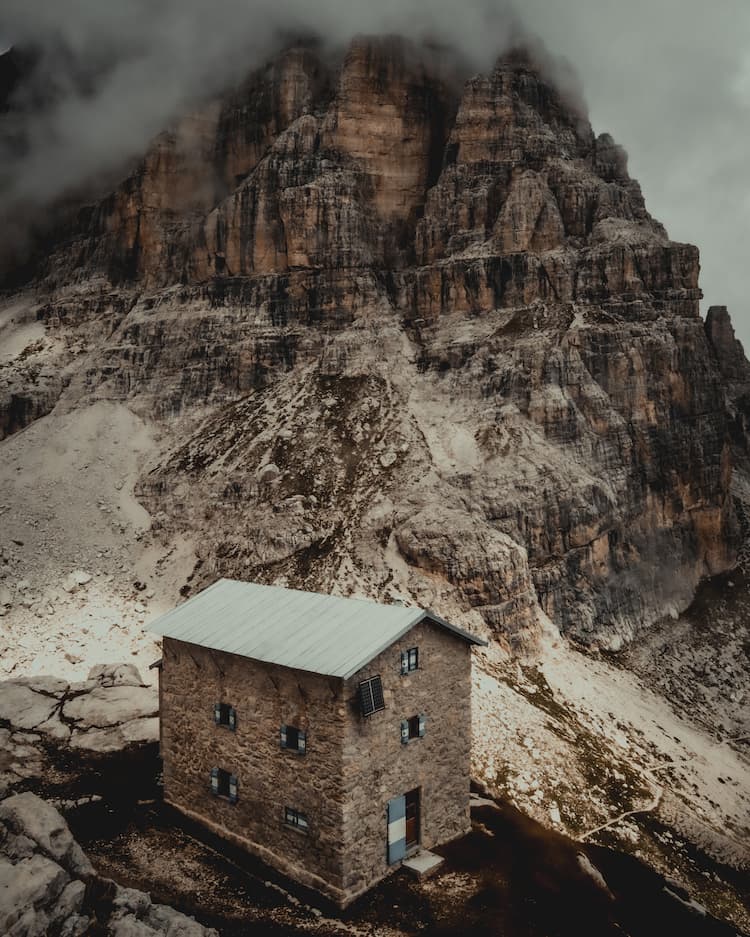
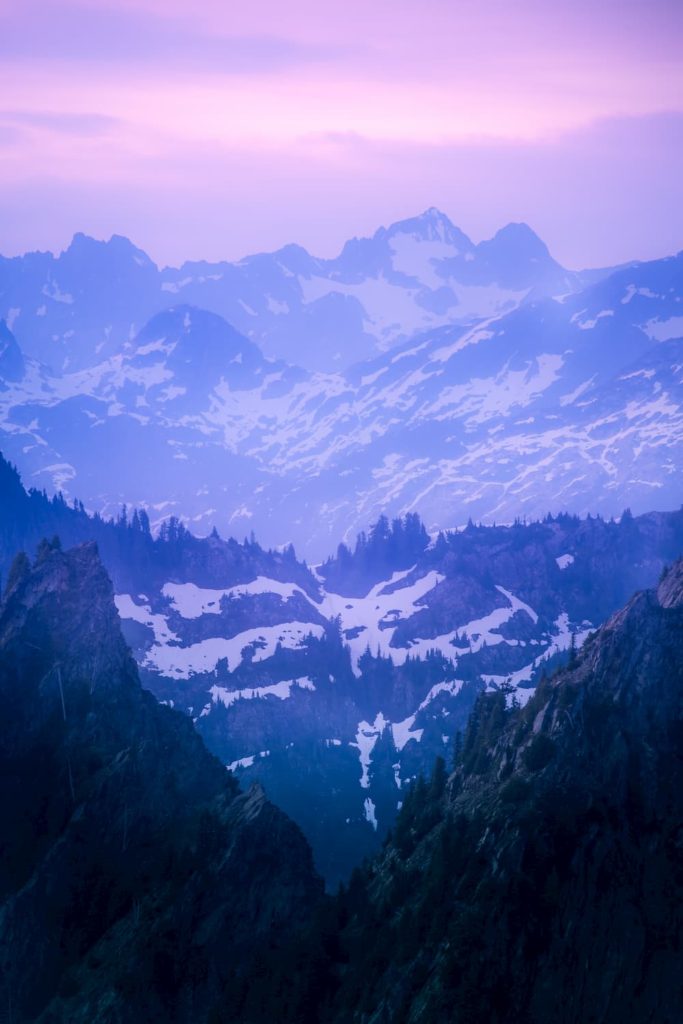
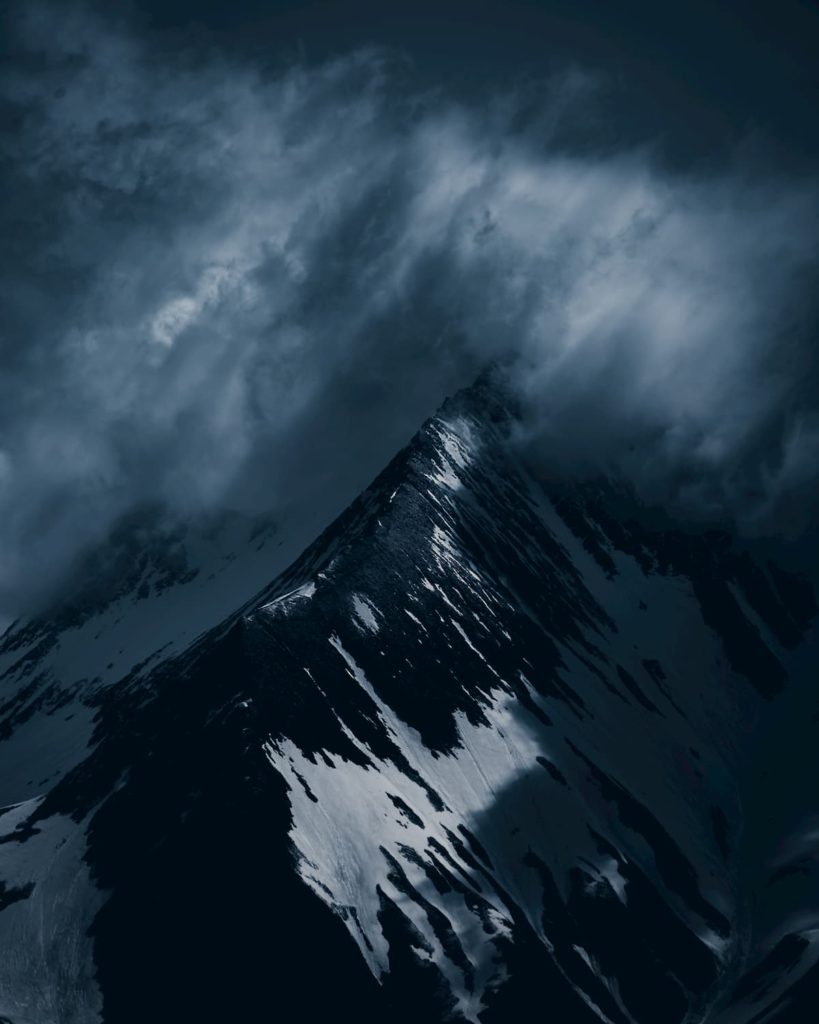
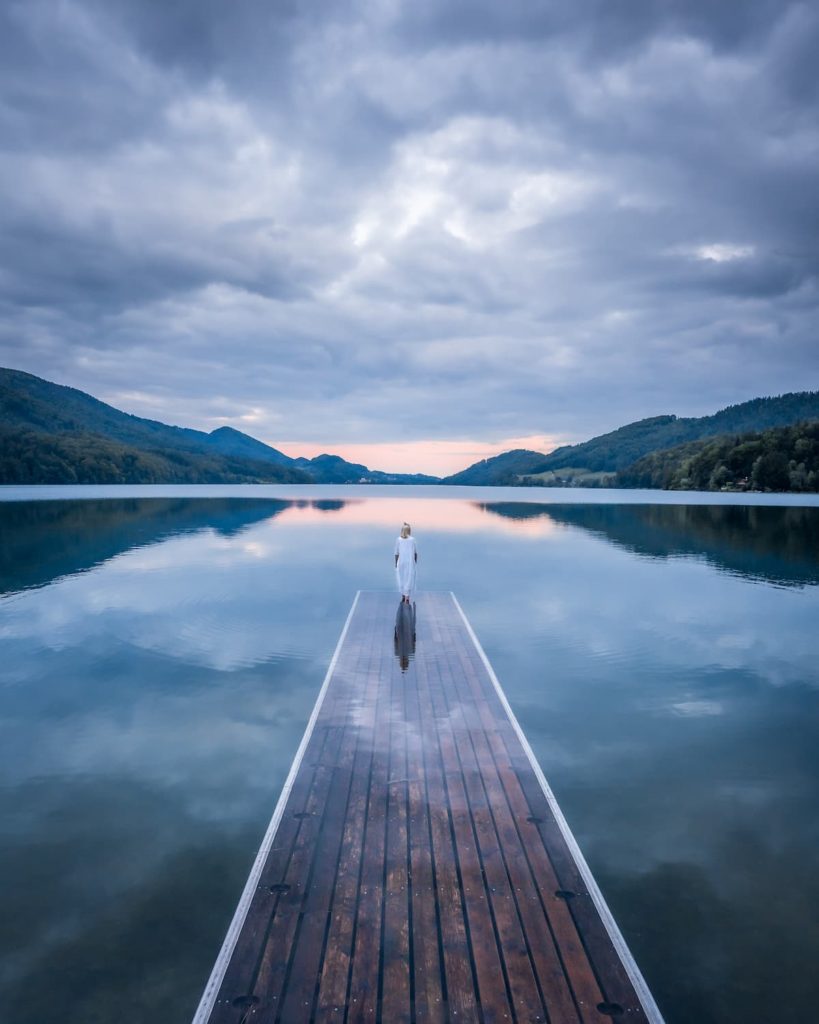
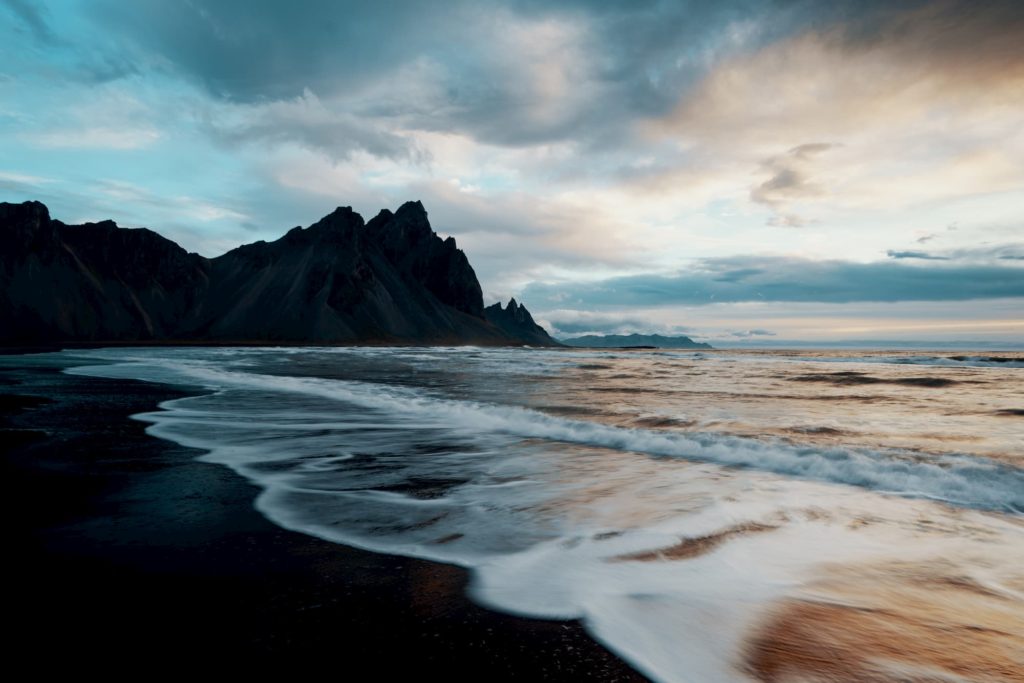
Many of my photographs are taken in the mountains. I love the contrasts, the changes. Through the time of day and the weather, each mountain shows 1000 variations. I love the scenery with the low position of the sun, the wild, fast-changing weather, and the associated light conditions. A mountain, together with the clouds, can set a new scenery and transform its appearance within a few minutes. This is how you end up with lots of photographs to select from.
As a child from the countryside, surrounded by mountains and lakes, I have always been around and immersed in nature. In the mountains I feel at home, fulfilled, and overwhelmed. My favorite mountain ranges are Eiger, Mönch and Jungfrau! I feel connected and rooted to this triumvirate – It is my personal and, on top of that, the global symbol of my homeland and I feel proud. The rock massif is huge, especially when you stand at the foot of these mountains. Two of the mountains are over 4000m (Eiger: 3970m / Mönch: 4099m / Jungfrau: 4158m), and they are part of the UNESCO World Heritage. I love these imposing giants and their graceful shape which I have seen so often since my childhood. You could say I’m shaped or influenced by these mountains.
My trips to the mountains usually take place with my family for skiing, hiking, mountaineering, or climbing. As a family man, opportunities arise only from time to time for short excursions into nature, but I’m happier when the kids share my passion and join me on a “subject hunt”. Depending on the trip, I think about how much weight/space I can use for photo equipment in addition to the children’s clothes. I have a small tripod that usually fits, but the question remains which drone and lenses can I bring. I also always make sure to have sufficient power and memory and back up my data regularly.
Photography for me is a great passion on mountain hikes, trips, and travels, but also in the garden while hunting insects. I find both the big and the small very charming; I love the animal world and in particular, I like to immerse myself in the microcosm. A fascinating world in which there are endless things to discover. When post-processing the photos, I suddenly notice the smallest details. I discover differences in the wing structure of almost identical dragonflies, for example. This only increases my awe and curiosity and wish I could capture even more details.
Many people are afraid of insects and find them disgusting. I want to capture the beautiful side of these little creatures and thus give space to their beauty. This is easy with a butterfly, but a little more difficult with a spider, wasp, or a small buffalo cicada. In the age of climate change, I would like to teach my children on the one hand a fearless approach to nature and show them the richness and fascination of the details if you only dare to look closely. In cooperation with Google, a bug loses its terror and gains interest.
With that comes being patient – to give nature the time to surprise you and reveal its wonders over time and changing circumstances. Finally, it’s the genuine interest and curiosity to search for perspectives and details, looking up and behind you. In combination with creativity and some technical knowledge, great photographs can be created.
Would you like content like this sent to your inbox?

Join us in the Azores for a unique photo tour, where you’ll elevate your creative skills with expert guidance from Ronald Soethje, Bruno Ázera, and Nomadict.

In this article, Forest shares how years of chasing scale, silence, and raw landscapes shaped his approach to photography, from the deserts of Kazakhstan to the volcanic ridges of Iceland. He talks about how he uses light, texture, and vast negative space to create images that feel both intimate and overwhelming.

Simon shares the journey behind his photography, from early inspirations to field techniques, editing, and the story of the winning shot that shaped his path.

In this article, Miro shares how his love for cinematic music evolved into a deep passion for photography and how he uses light, color, and atmosphere to turn the streets of Prague into living film scenes.

In this article, Stefanie reveals how her background in physics sparked her passion for astrophotography and how she blends science with creativity to capture the beauty of the night sky. Readers will discover her approach to color, contrast, and editing, as well as her aurora photography workflow.

Spanish photographer Yhabril captures the profound connection between humans and the mountains that shaped him. Growing up in the Pyrenees, his work bridges outdoor sports, landscapes, and celestial scenes — often blending athletes, moonlight, and wilderness into striking visual stories.

In this article, Ariane shares how photography helped her navigate personal challenges, connect authentically with people and animals, and develop a philosophy rooted in empathy and artistic freedom. Readers will also discover her ethical approach to wildlife photography and her trusted equipment for both camouflage techniques and cameras.

Discover how to photograph Dutch tulip fields in their most magical light. From choosing the right gear and lenses to mastering composition, color, and aerial perspectives, this guide shares creative techniques to capture the beauty of the Netherlands’ tulips. Learn how light, color grading, and proportion bring emotion into every frame.